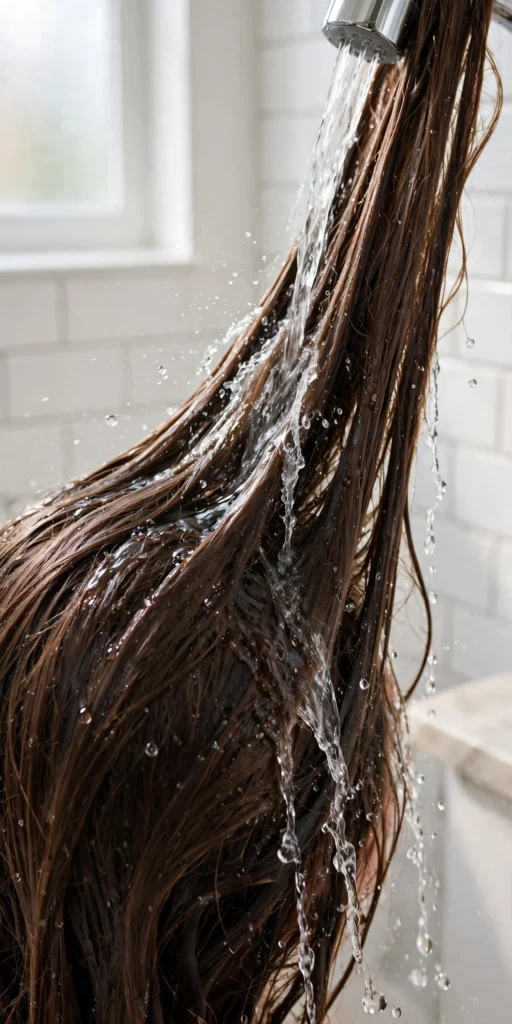
If your hair feels rough no matter how much conditioner you use, or your color fades within a week of leaving the salon, hard water might be the culprit. Hard water carries dissolved minerals, mostly calcium and magnesium. Those minerals cling to the hair shaft, build up over time, and leave hair dry, dull, and harder to manage. The signs are easy to miss at first. Hair tangles more. It feels coated even right after washing. Blonde turns brassy, and curls lose their spring.
The good news is that most hard water damage is reversible, or at least manageable, once you know what is happening. You do not need to move house or rebuild your bathroom. Some fixes cost almost nothing. Others are worth the investment if your water is seriously hard. The twelve fixes below cover every level, from a simple rinse to a full shower filter system, with honest notes on what each one can and cannot do.
1Rinse With a Diluted Apple Cider Vinegar Rinse

Mix one part apple cider vinegar with four parts cool water, pour it through your hair after shampooing, leave it for one to two minutes, and rinse well. The mild acidity helps dissolve mineral residue and smooths the cuticle, so hair feels softer and looks shinier right away. This suits most hair types, especially fine or straight hair that gets weighed down easily. Use it once a week, not daily, because overuse can dry out already stressed ends. It costs very little, just a bottle of vinegar every few months. The drawback is the smell during application, though it fades as hair dries. It will not remove heavy, long-term buildup on its own, and it cannot replace a filter if your water is extremely hard.
2Use a Chelating Shampoo Once a Week
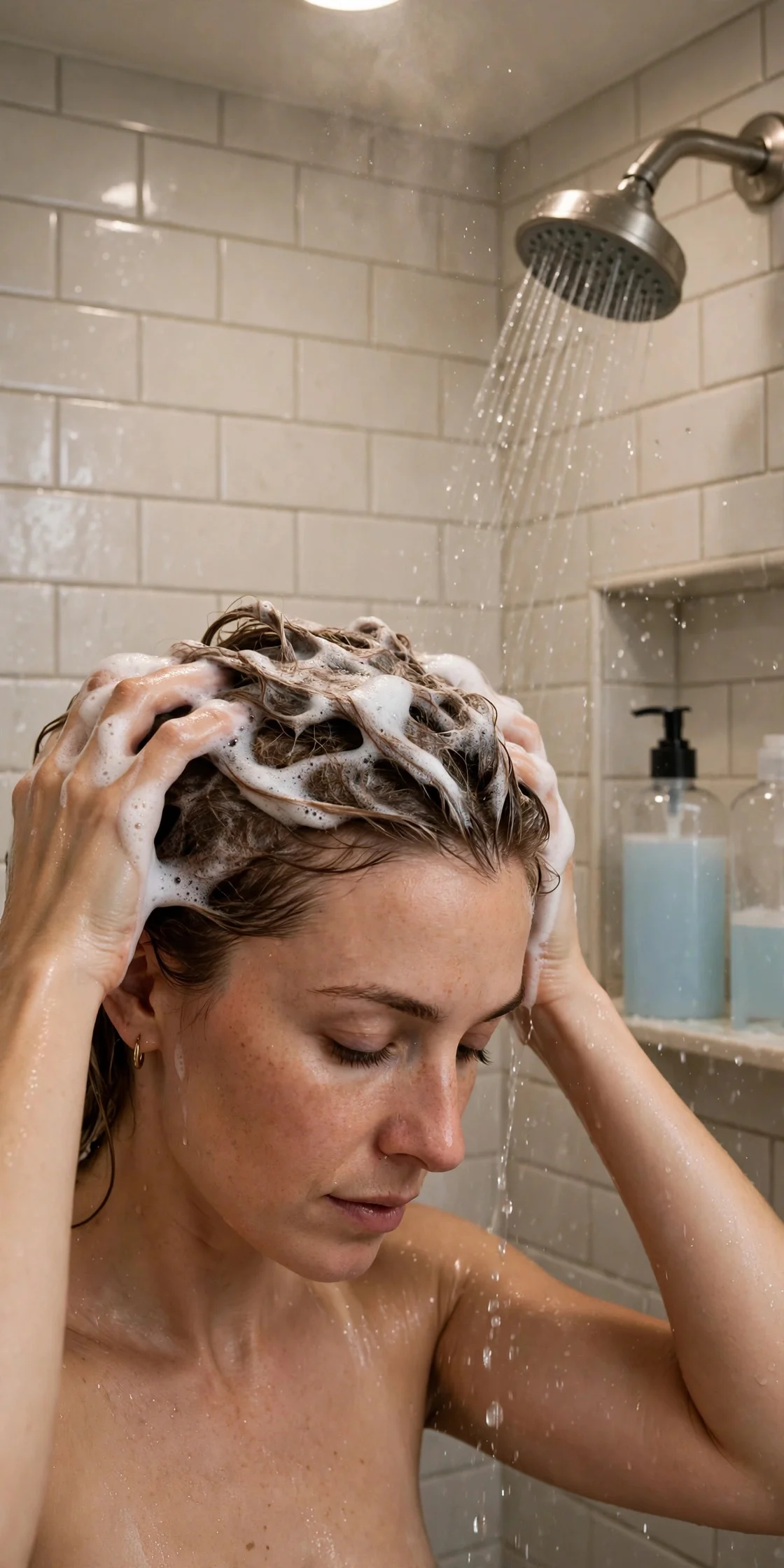
Chelating shampoos contain ingredients like EDTA that bind to mineral deposits and wash them away. Use one once a week, or every two weeks for color-treated hair, in place of your regular shampoo. Leave it on for two to three minutes before rinsing so it has time to work. This is the single most effective quick fix for dull, coated hair, and it suits anyone whose hair feels heavy or looks flat despite regular washing. A bottle typically lasts months, so the cost stays low. The downside is that chelating formulas can strip color and natural oils if used too often, so keep it to the recommended frequency. People with very dry or damaged hair should follow with a deep conditioner every time.
3Install a Showerhead Filter
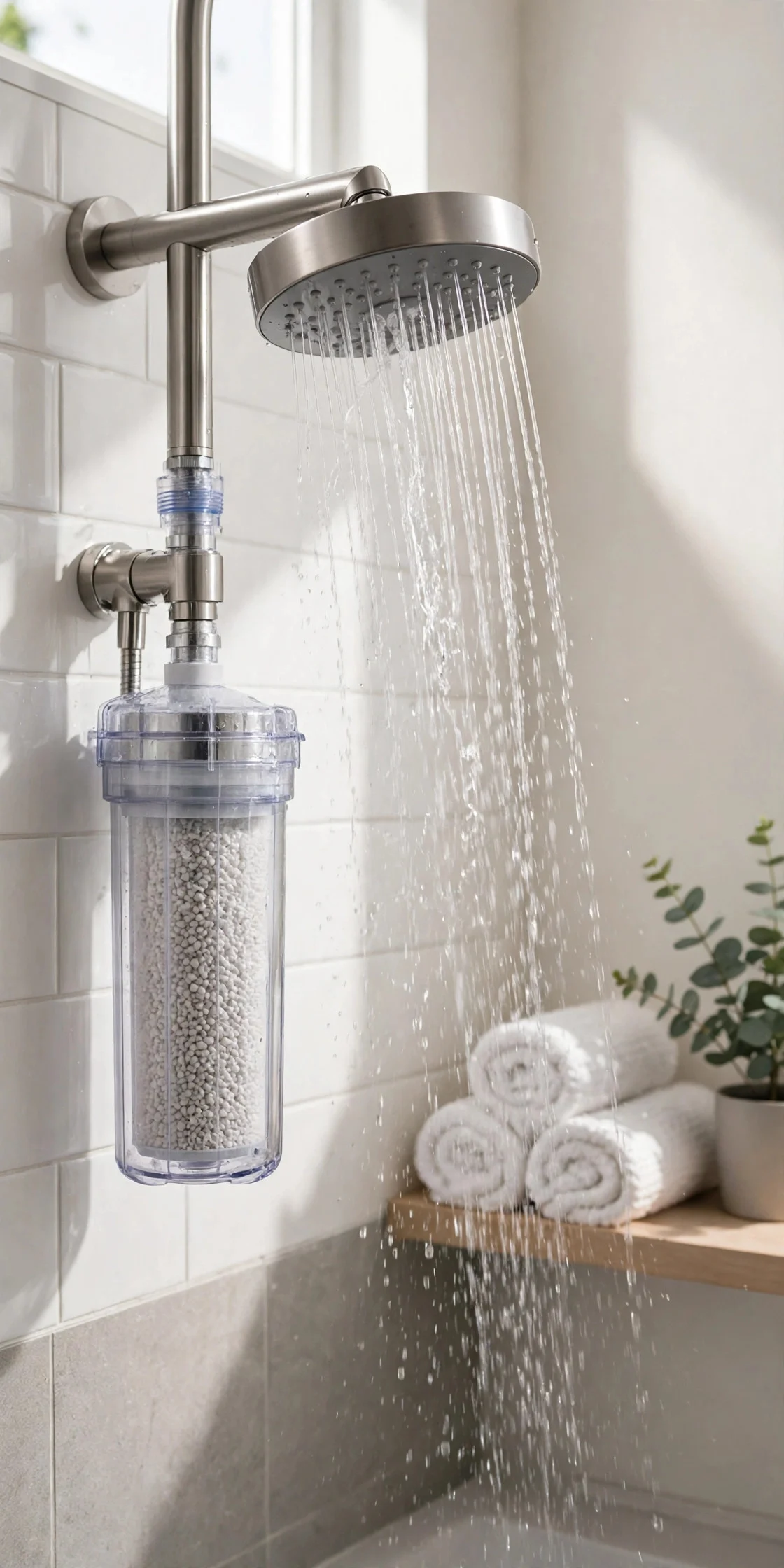
A shower filter attaches between your shower arm and showerhead and reduces chlorine and some mineral content before water touches your hair. Installation takes about ten minutes with no tools beyond pliers, and most models cost between twenty and sixty dollars. This suits households where everyone struggles with dry skin and dull hair, and it is a good middle step before committing to a whole-house softener. Filters need cartridge replacements every two to three months, which adds a small ongoing cost. Be honest about the limits here. Shower filters soften water only partially, so they reduce buildup rather than eliminating it. They work best paired with a chelating shampoo.
4Do a Final Rinse With Distilled Water
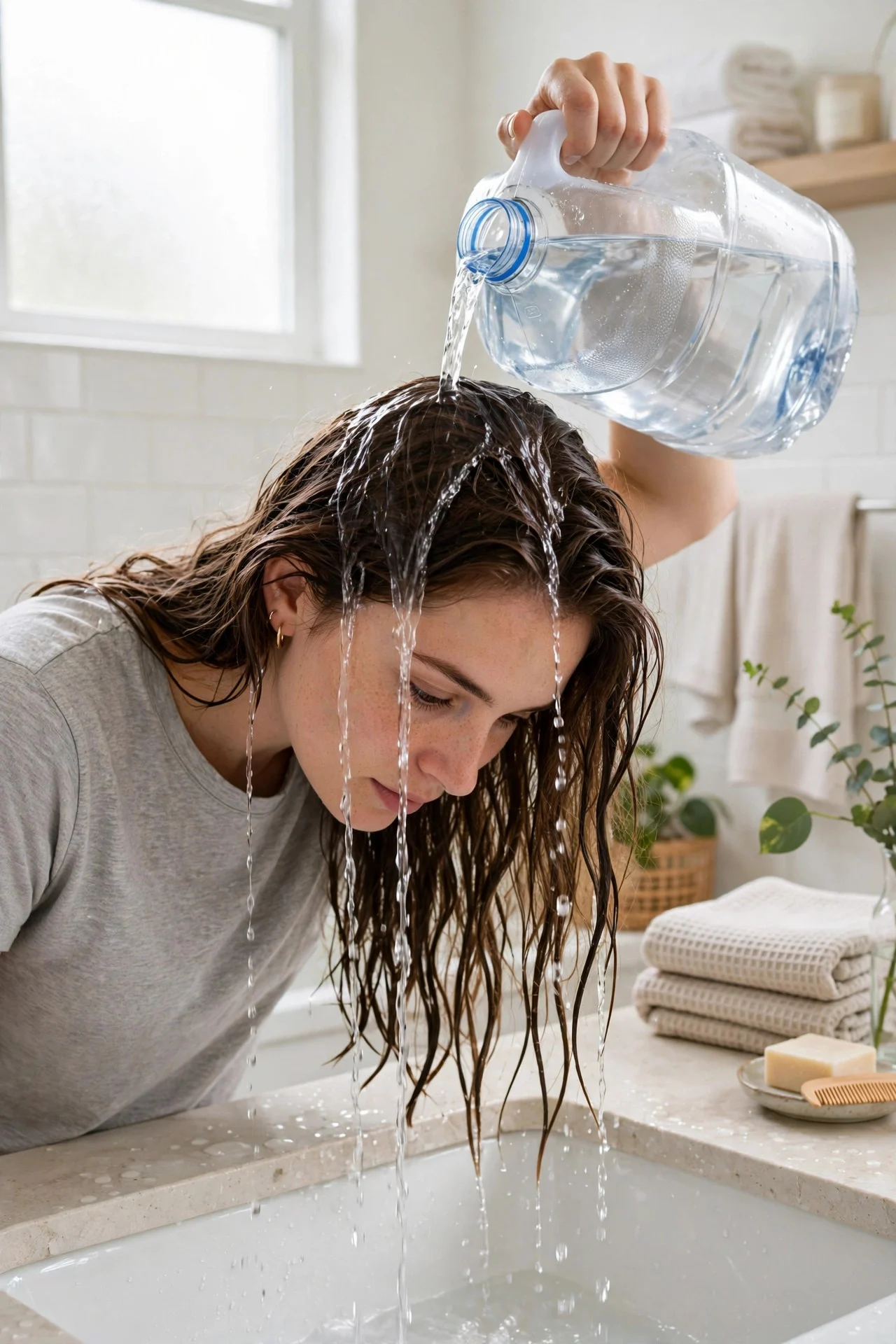
After your normal wash, pour a jug of distilled water over your hair as the last rinse. Distilled water contains no minerals, so it leaves nothing behind on the hair shaft. This trick suits people in rental homes who cannot install filters, and anyone preparing for a special event who wants extra shine. A gallon of distilled water costs very little and lasts several washes if you use it only for the final rinse. The drawback is practicality. Hauling jugs and pouring them over your head in the shower gets old fast, and it does nothing for the shampooing stage itself. Think of it as a finishing touch, not a full solution, and skip it on days when you are in a rush.
5Switch to a Gentle, Sulfate-Free Shampoo
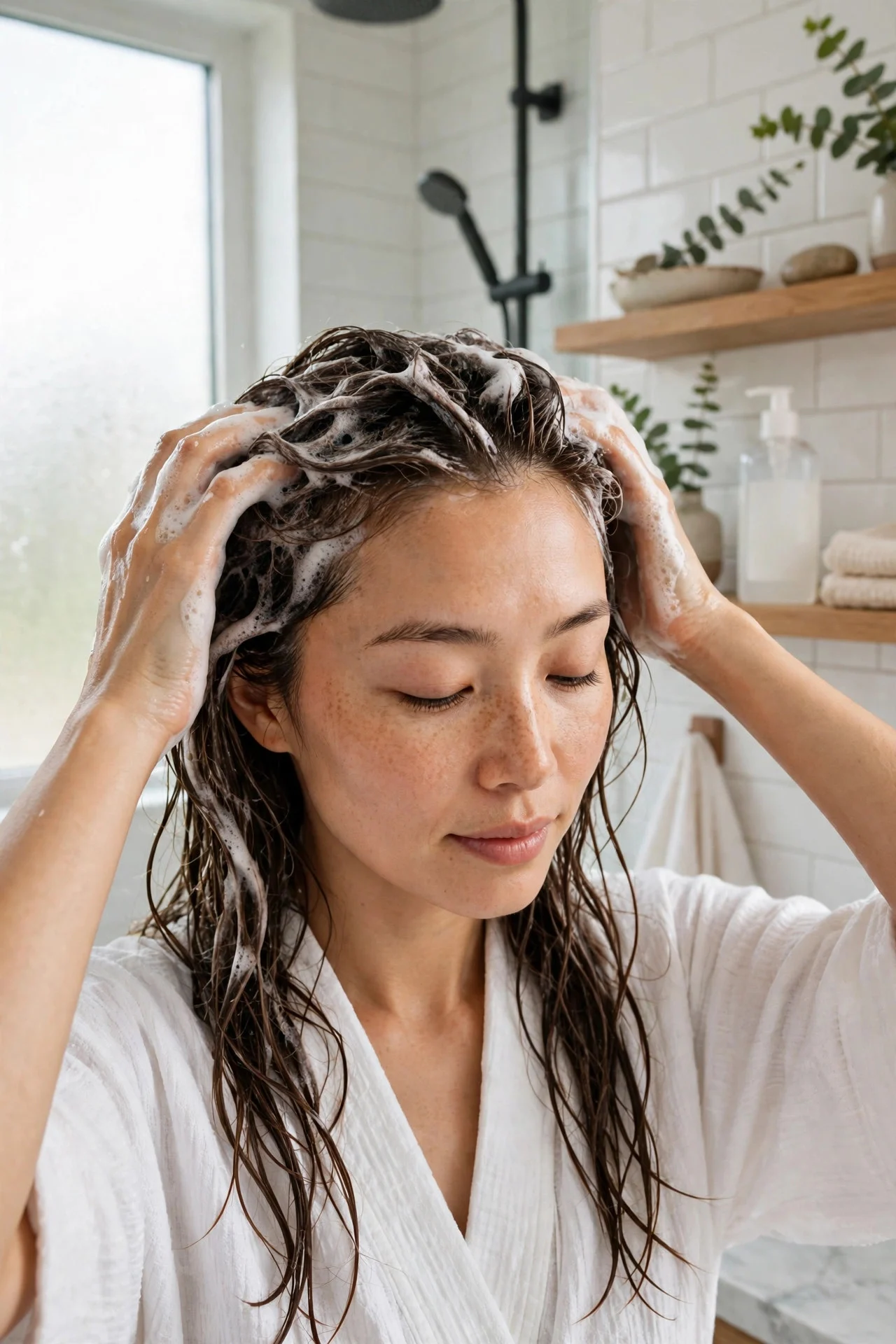
Harsh sulfates strip the hair and leave the cuticle raised, which lets minerals grip even harder. A gentle sulfate-free shampoo cleans without that extra stripping, so hair stays smoother between washes. This suits color-treated hair, curly hair, and anyone whose scalp feels tight or itchy after washing. Look for formulas labeled sulfate-free and avoid piling on heavy silicones, which can trap minerals underneath. The cost is similar to regular shampoo, though you may need a little more product to get a good lather in hard water. The honest limit is that a gentle shampoo alone will not remove existing buildup. Pair it with a weekly chelating wash for the best results.
6Deep Condition Weekly With a Mask
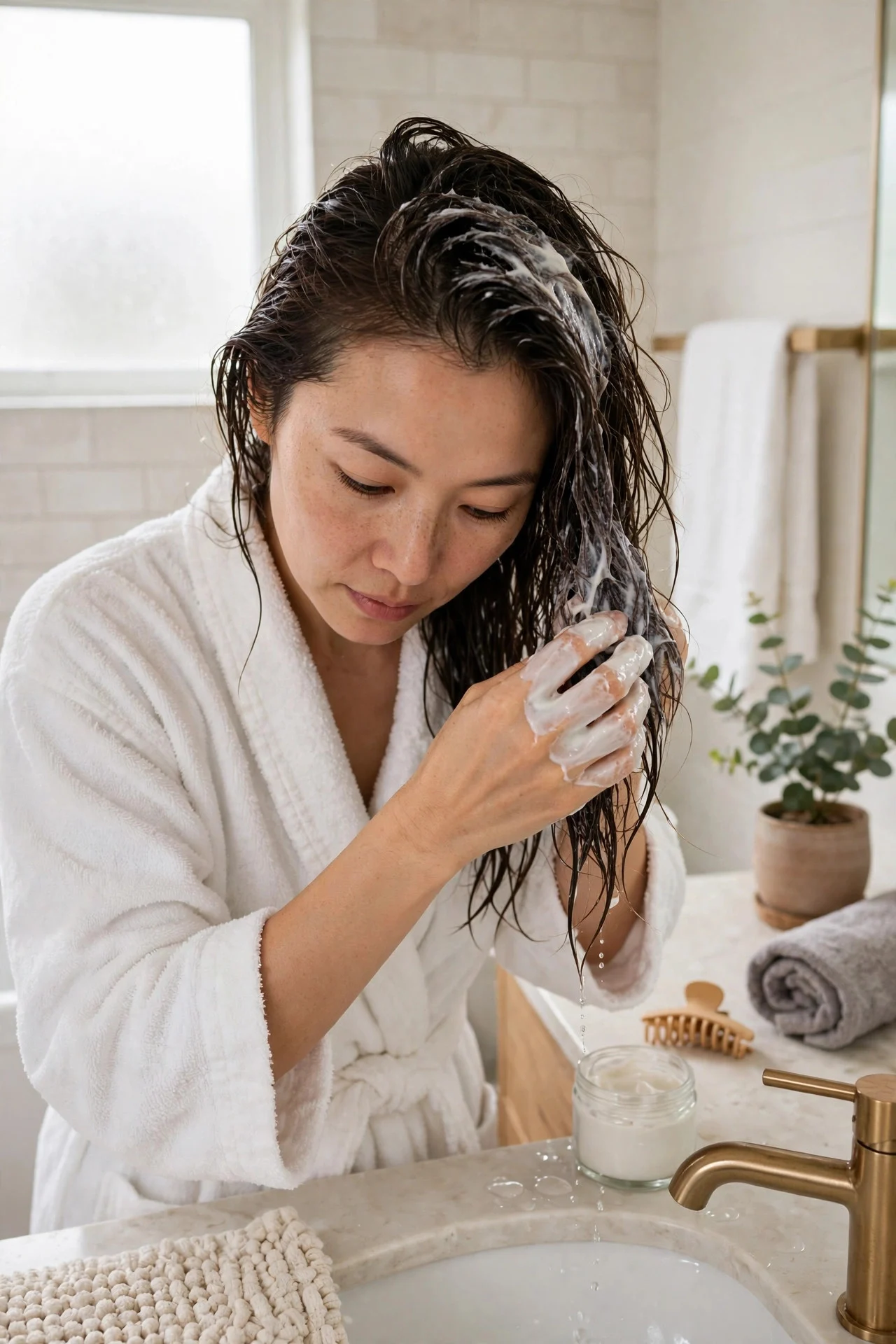
Hard water dries hair out, so a weekly deep conditioning mask helps restore moisture and flexibility. Apply it to mid-lengths and ends, leave it for ten to twenty minutes, and rinse with cool water. This suits thick, curly, coarse, or color-treated hair most, but even fine hair benefits from a light mask used sparingly. A good mask costs between ten and thirty dollars and lasts six to eight weeks with weekly use. The drawback is time. A proper mask session is not a two-minute job, and skipping it means the dryness creeps back. Masks also cannot undo mineral buildup on their own, so use them alongside a chelating or clarifying routine, not instead of one.
7Ask Your Stylist for a Malibu or Chelating Treatment
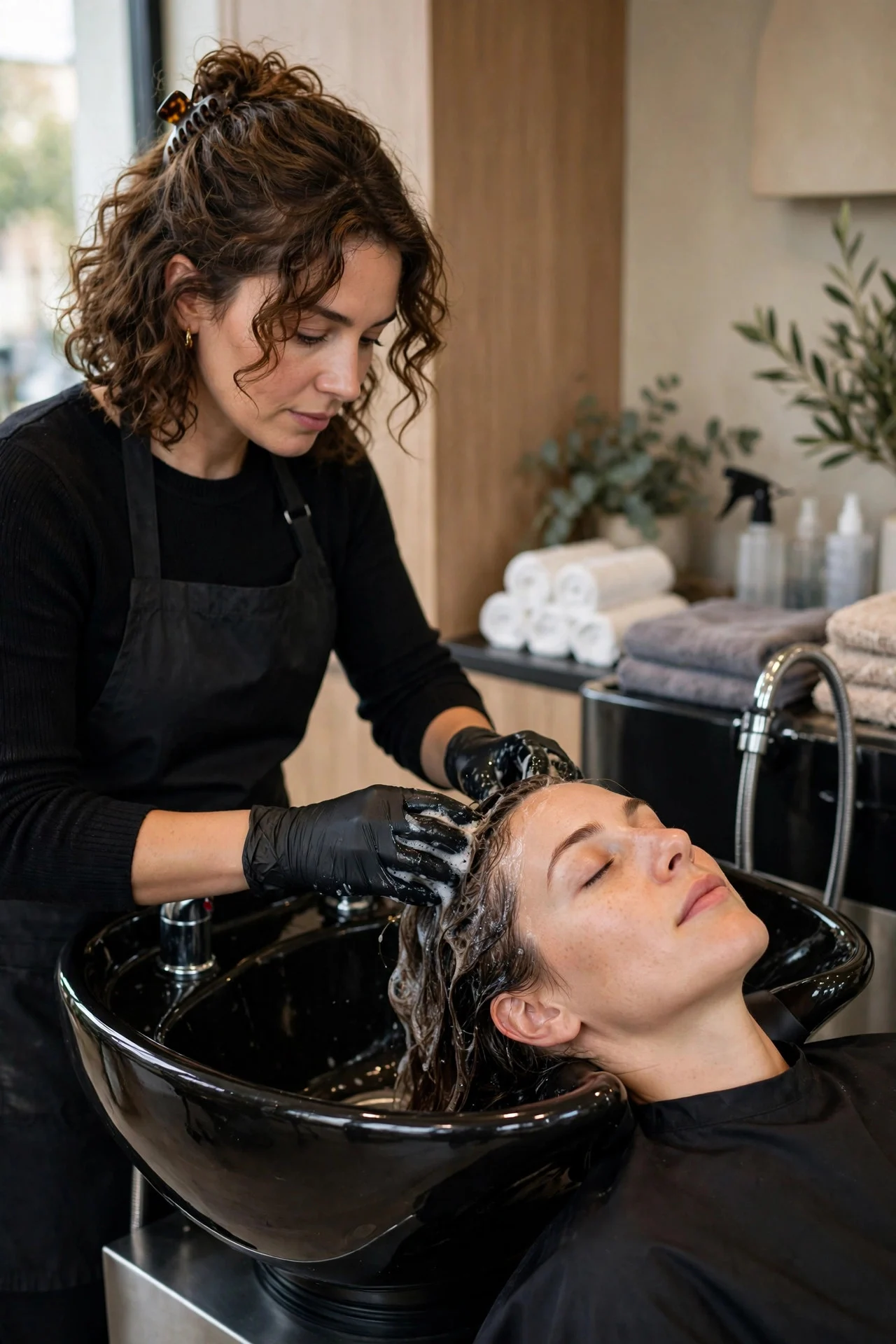
Salons offer professional chelating treatments, often under brand names like Malibu C, that remove mineral buildup far more thoroughly than at-home products. The stylist applies a crystal gel or packet treatment, processes it under heat for twenty to forty minutes, and rinses. This suits anyone with stubborn brassy tones, hair that will not hold color, or buildup that home products have not shifted. Expect to pay extra on top of your cut or color service, and book it every six to eight weeks if your water is very hard. The main drawback is cost and scheduling. It is not a daily fix, and the benefits fade as new mineral deposits accumulate, so you still need at-home maintenance between visits.
8Protect Color With a Toner or Gloss Between Appointments
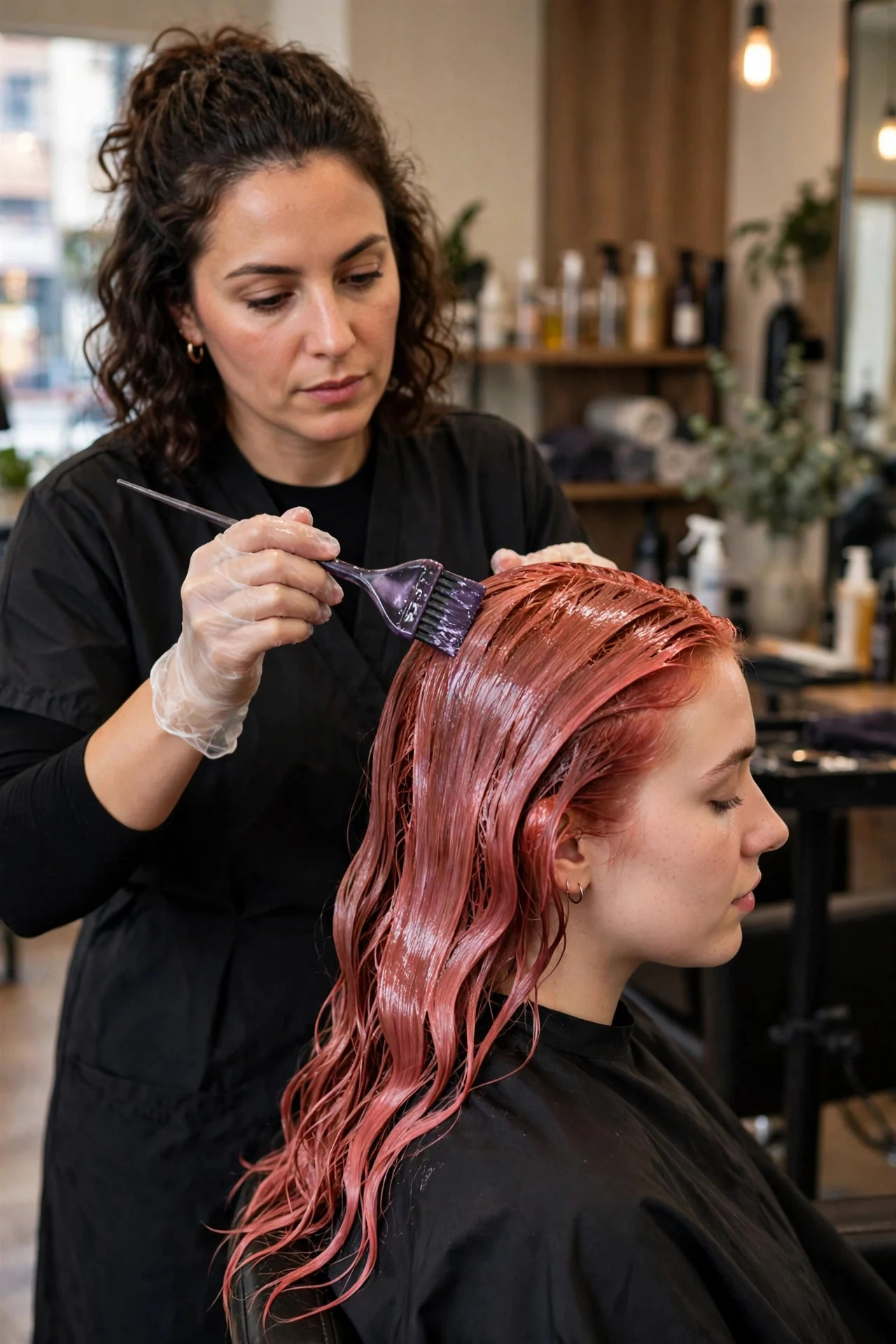
Mineral buildup pushes blonde toward yellow and brass, and dulls brunette and red tones fast. A toner or clear gloss between color appointments neutralizes that shift and seals the cuticle, which slows future mineral grip. Ask your stylist for a demi-permanent toner every four to six weeks, or use an at-home gloss if your budget is tight. This suits anyone who colors their hair and lives in a hard water area, especially blondes and redheads whose color shows changes first. A salon gloss costs less than a full color service, while at-home versions are cheaper still. The limit is that gloss is a cosmetic fix. It masks mineral effects without removing the minerals themselves, so combine it with chelating care.
9Wash Less Often and Use Dry Shampoo Between Washes

Every wash in hard water deposits a fresh layer of minerals, so washing less often directly reduces buildup. Most hair types do fine washing two to three times a week, with dry shampoo on off days to absorb oil at the roots. This suits straight and wavy hair best, since curly and coily hair often needs water for styling anyway. Dry shampoo costs little and lasts a while, but overuse leaves its own powdery residue, so use it lightly and brush through well. The drawback is the adjustment period. Scalps used to daily washing may feel oily for a week or two before settling. If your hair is very fine or you work out daily, this fix may be impractical, and a filter becomes the better investment.
10Consider a Water Softener for the Whole House
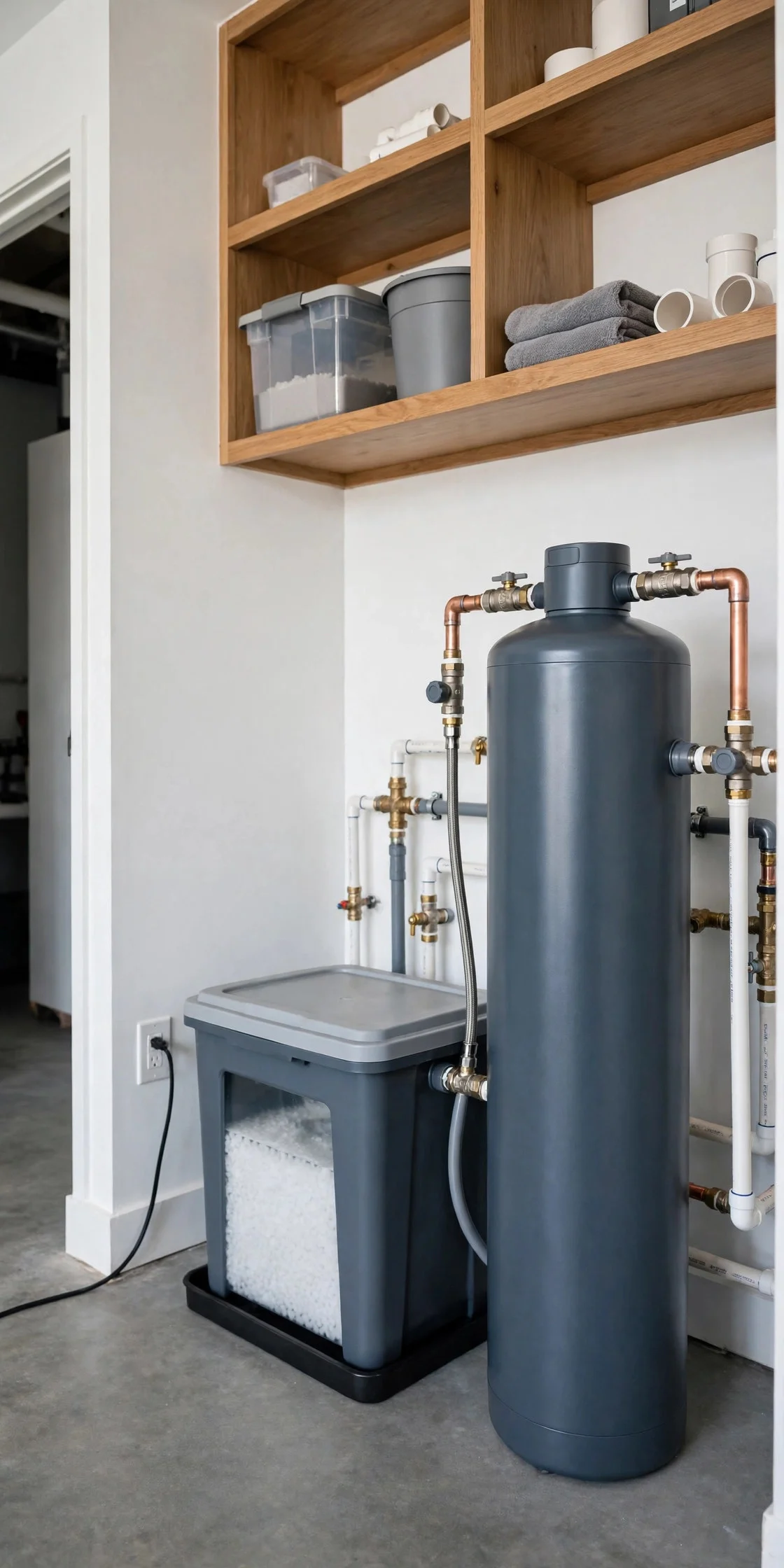
A whole-house water softener replaces calcium and magnesium with sodium ions before water reaches any tap, which solves the problem at the source. This is the most complete fix available, and it suits homeowners with very hard water, large families, or skin issues alongside hair problems. Installation costs several hundred dollars or more, plus salt refills and occasional servicing, so it is a real investment. Renters generally cannot install one, and the upfront cost puts it out of reach for many households. If you go this route, get your water tested first. A softener is overkill for mildly hard water, where a shower filter and chelating shampoo would do the job for far less money.
11Use a Leave-In Conditioner With UV and Heat Protection

A leave-in conditioner coats the hair shaft and creates a barrier that makes it harder for minerals to settle in during your next wash. Apply a small amount to damp hair after washing, focusing on ends, and style as usual. Many leave-ins also include heat and UV protection, which matters because sun and hot tools worsen hard water dryness. This suits all hair types, but fine hair should use the lightest formula available to avoid a weighed-down feel. The cost is modest, and one bottle lasts a month or two. The honest limit is that a leave-in manages symptoms rather than removing minerals. It works best as part of a routine that already includes chelating washes and, ideally, filtered water.
12Get Your Water Tested Before Spending Money

A simple water hardness test strip, or a free test from a local water treatment company, tells you exactly how hard your water is. Test strips cost a few dollars and give results in minutes. This suits everyone, but especially people who have tried several fixes without results, because the right solution depends on the severity. Mildly hard water responds to vinegar rinses and chelating shampoo. Very hard water usually needs a filter or softener. The drawback is that a test alone fixes nothing, and some companies use free tests as a sales pitch for expensive systems. Take the number, not the sales pitch, and match your spending to the actual hardness level. Skipping this step is how people waste money on the wrong fix.
Practical Care and Styling for Hard Water Hair
Build your routine around two principles: remove buildup regularly, and protect moisture between washes. Wash with lukewarm water rather than hot, since hot water opens the cuticle and lets minerals in more easily. Finish with a cool rinse to help the cuticle lie flat. Detangle gently with a wide-tooth comb while conditioner is still in, because mineral-coated hair snaps more easily when dry.
For styling, work with your hair’s new texture rather than fighting it. Hard water hair often has extra grip, which actually helps braids and updos hold. Use a lightweight oil on the ends only, and avoid heavy waxes that trap residue. If you heat style, keep temperatures moderate and always use a protectant, since mineral buildup makes hair more vulnerable to heat damage. Keep trims regular, every eight to ten weeks, because mineral-stressed ends split faster, and split ends travel upward if left alone.
How do I know if my water is hard?
Look for white spots on shower doors, limescale on taps, and soap that refuses to lather properly. On hair, the signs are dryness, dullness, tangling, and color fading faster than expected. A test strip from a hardware store gives a definite answer in under a minute.
Can hard water cause hair loss?
Hard water does not directly cause hair loss, but it weakens the hair shaft, which leads to breakage that can look like thinning. It can also irritate the scalp, and a persistently irritated scalp does not support healthy growth. Fixing the water usually reduces breakage noticeably within a few weeks.
How often should I use a chelating shampoo?
Once a week is right for most people, or every two weeks if your hair is color-treated or very dry. Using it more often can strip color and natural oils, leaving hair drier than before. Always follow with conditioner or a mask after a chelating wash.
Will a shower filter completely soften my water?
No. Shower filters reduce chlorine and some minerals, but they do not fully soften water the way a whole-house softener does. They help a lot, especially combined with chelating shampoo, but they will not eliminate buildup entirely on their own.
Is apple cider vinegar safe for color-treated hair?
Used diluted and only once a week, it is generally safe, but it can slightly fade some semi-permanent colors over time. If your color is fresh or expensive, ask your stylist first, or use a chelating shampoo made for color-treated hair instead.
Keep exploring
Hard water buildup is only part of the story, so read how to clarify hair buildup at home and damaged hair repair treatments. If frizz is also a problem, these tips to fix frizzy hair help a lot.