
Damaged hair rarely gets better by accident. It usually needs a calmer routine, a few targeted treatments, and enough time for new growth to replace the weakest lengths. The treatments below are not magic fixes. They work best when you pick two or three, use them consistently, and stop doing the things that caused the damage in the first place. If your hair snaps easily, feels rough when wet, or looks dull no matter what you try, start with the gentler options first. Salon treatments can help, but they work better on hair that is already being handled with care at home.
1Bond-Building Treatment
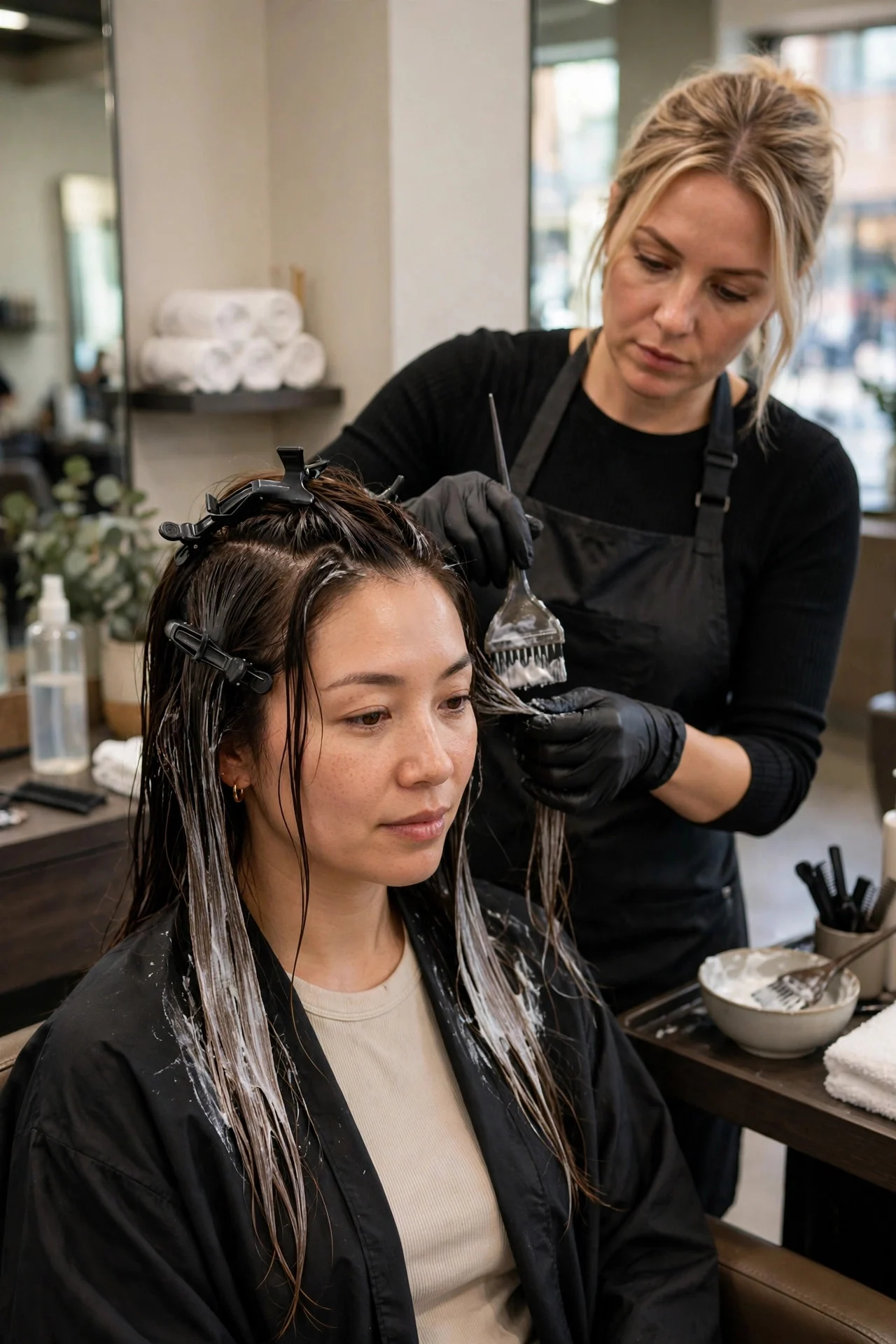
A bond-building treatment works inside the hair shaft, helping reconnect broken internal bonds caused by bleach, color, heat, and rough brushing. At home, apply it to damp, towel-dried hair, leave it on for the time stated on the bottle, then rinse and follow with conditioner. It suits bleached, highlighted, or chemically treated hair best. Use it once a week at first, then every two weeks once hair feels stronger. The drawback is cost: good bond builders are pricier than regular conditioner, and results build slowly. You may notice less breakage after three or four uses, not after one.
2Protein-Rich Repair Mask
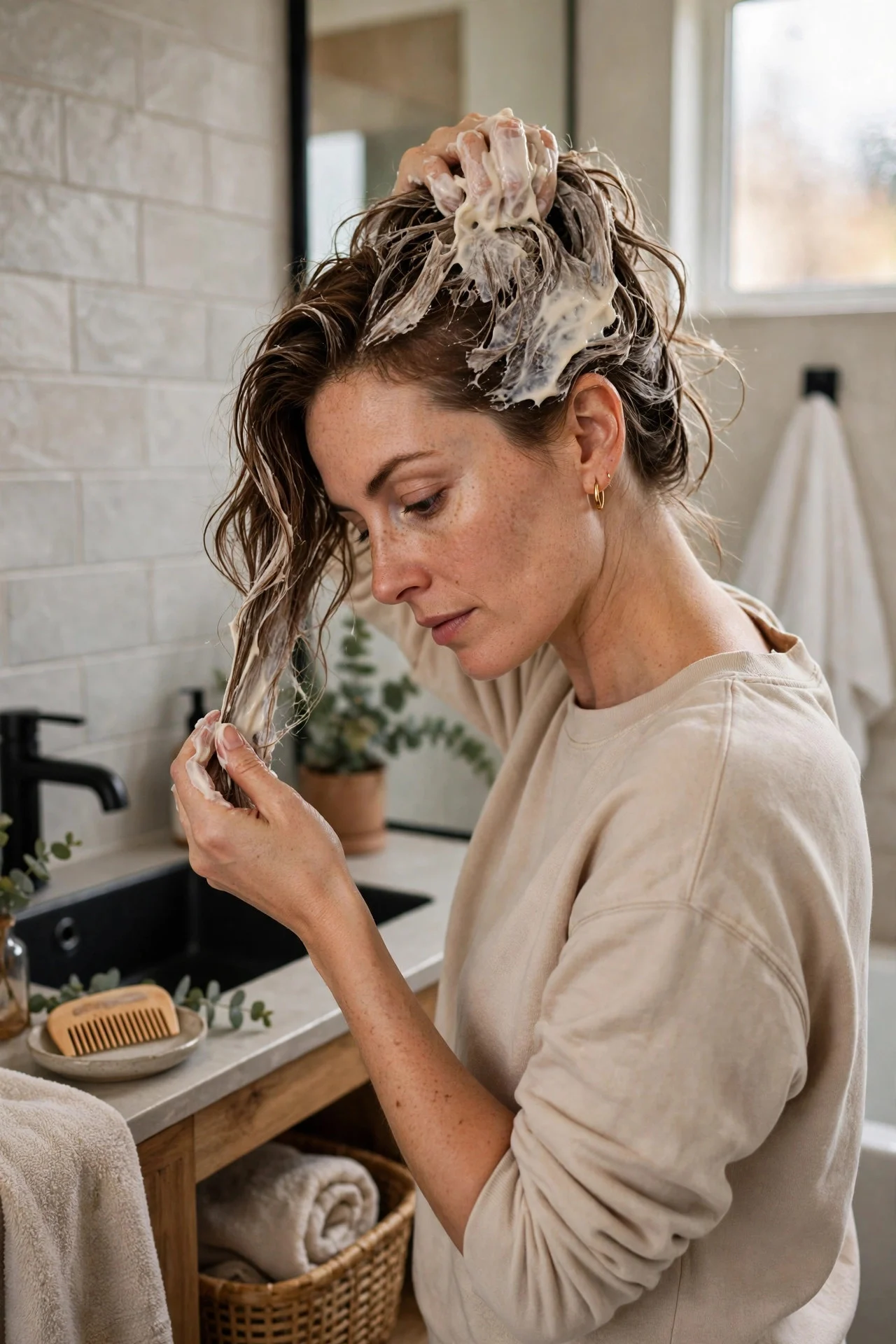
A protein mask fills small gaps in the hair cuticle and makes strands feel firmer and less stretchy when wet. Apply it from mid-length to ends, never heavily on the roots, and leave it on for 10 to 20 minutes. It suits fine, limp, or over-processed hair that feels mushy when wet. Do not overdo it. Too much protein makes hair stiff and more likely to snap, so use it once every one to two weeks and always follow with a moisturizing conditioner. If your hair already feels dry and rough, skip this one and start with moisture instead.
3Weekly Deep Conditioning Ritual

A weekly deep conditioning mask is the simplest repair habit, and often the most useful. After shampooing, work a thick, creamy mask through the lengths, clip your hair up, and leave it on for 15 to 30 minutes. A shower cap and a little warmth help it sink in. This suits almost everyone with dry, dull, or tangled hair. The main drawback is time, not money, since many good masks are affordable. If you have fine hair, use a smaller amount and rinse well, or your hair may look flat. Consistency matters more than buying the most expensive jar.
4Warm Oil Treatment

A warm oil treatment coats the hair, reduces friction, and helps lock in moisture before washing. Warm a small amount of coconut, argan, or olive oil, apply it to dry lengths and ends, and leave it for 30 minutes or overnight before shampooing. It suits thick, coarse, curly, or very dry hair especially well. Fine hair needs a lighter hand, or it will look greasy even after washing. The honest drawback is the mess: oil on pillowcases and clothes is annoying, so use an old towel and a shower cap. Done weekly, it can make detangling noticeably easier.
5Leave-In Conditioner Plus Heat Protection
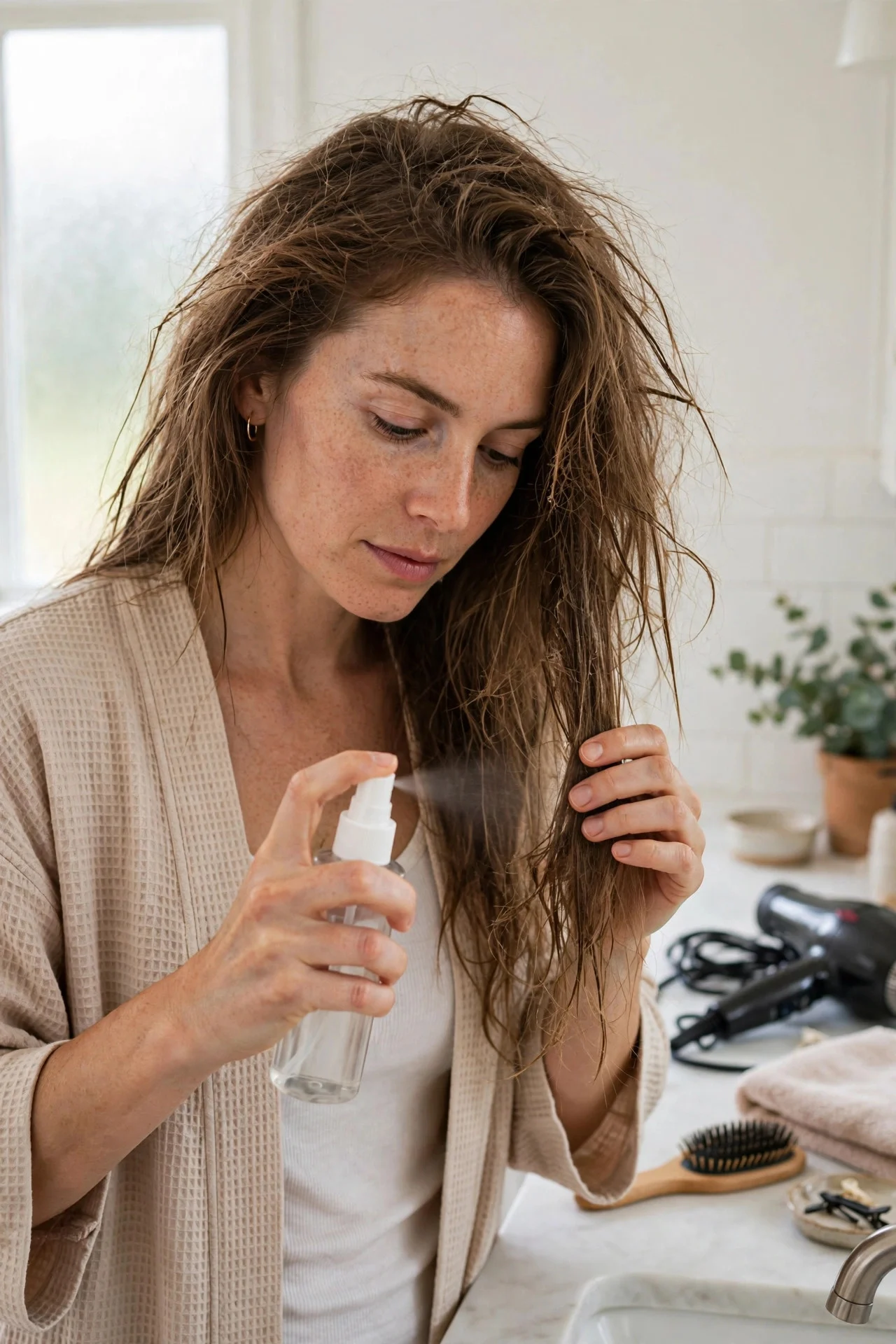
A leave-in conditioner is daily insurance for damaged hair. It smooths the cuticle, makes combing easier, and reduces the friction that causes breakage. Apply a small amount to damp hair, focusing on the ends, and add a heat protectant before any blow drying or styling. This suits every damaged hair type, especially hair that tangles easily. The cost is low and the effort is tiny, which is why this habit sticks. The drawback is buildup: if you layer too many products, hair turns dull. Clarify once a month and keep the amount light.
6Gentle Clarifying and Chelating Wash

Damaged hair often carries buildup from hard water, styling products, and silicones, and that buildup blocks treatments from working. A gentle clarifying shampoo, used once every two to four weeks, removes that layer so masks can actually reach the hair. A chelating shampoo goes further and helps with mineral buildup from hard water. This suits anyone whose hair feels coated, heavy, or dull despite regular conditioning. Do not use it often. Over-clarifying strips natural oils and leaves damaged hair drier. Always follow with a deep conditioner on the same wash day.
7Trim and Dusting for Split Ends
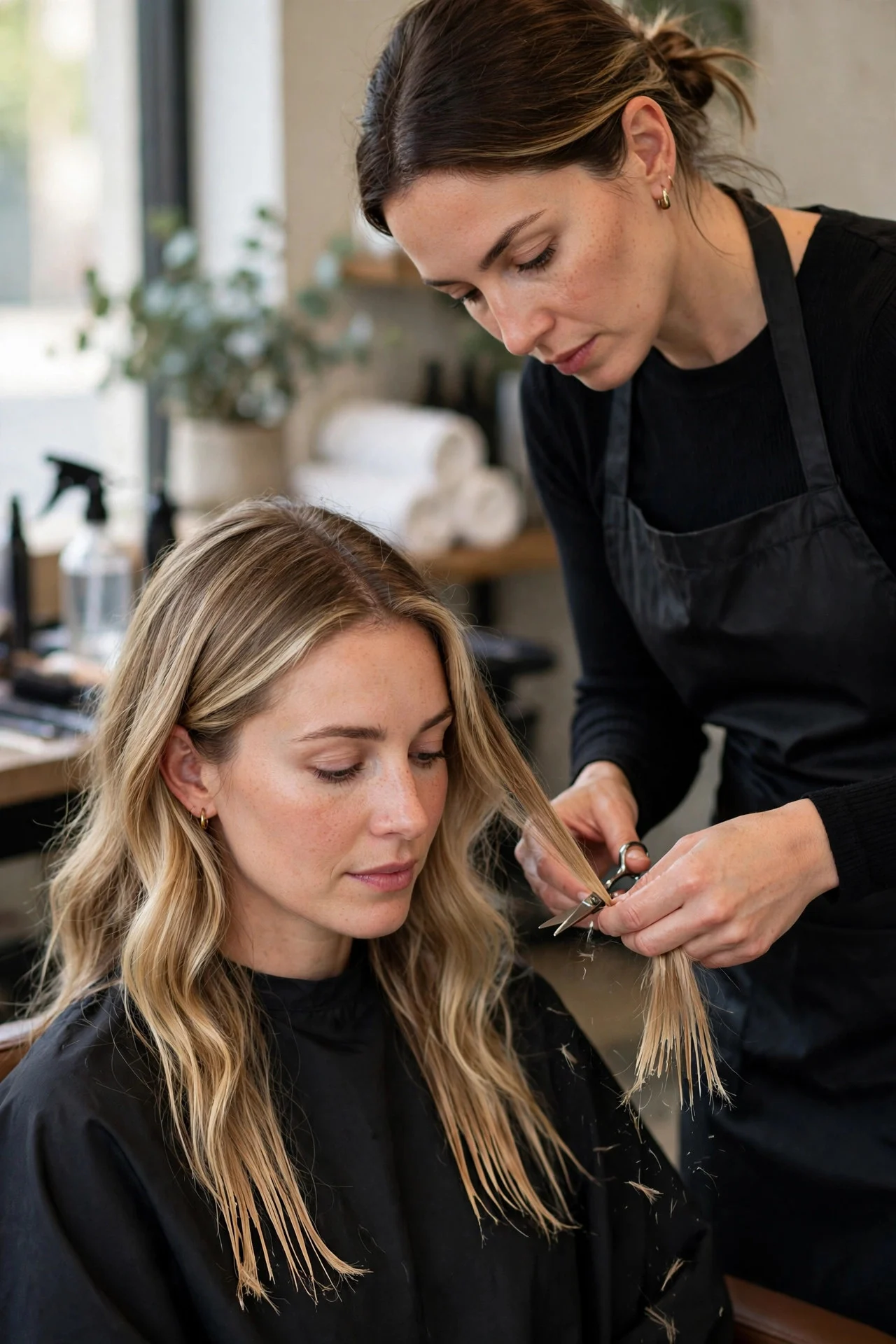
No product can glue a split end back together permanently. A trim removes the frayed ends so the split cannot travel further up the shaft, and that alone can make hair look thicker and healthier. Ask your stylist for a dusting, which trims a tiny amount, if you are growing your hair out. This suits everyone with visible splits, white dots on the ends, or hair that tangles at the bottom no matter what. The drawback is emotional, not technical: losing length hurts when you are trying to grow it. Small, regular trims every eight to ten weeks cost less length over time than one big cut later.
8Low-Manipulation Styling Routine

Much hair damage comes from daily handling, not from one bad color job. A low-manipulation routine means fewer tight ponytails, less aggressive brushing, and no ripping through knots with a fine comb. Detangle with a wide-tooth comb on damp, conditioned hair, starting from the ends and working upward. Wear hair loose or in a loose braid on rest days. This suits fragile, curly, and fine hair in particular. It costs nothing, but it takes patience, and old habits are hard to break. The payoff is real: less daily breakage means your treatments actually get a chance to work.
9Silk Pillowcase and Protective Sleeping

Hair rubs against cotton all night, and that friction causes frizz, tangles, and breakage, especially for curly or fine hair. A silk or satin pillowcase reduces that friction, and a loose braid or a silk scarf adds another layer of protection. This is a simple, once-off purchase that works every night without effort. It suits anyone who wakes up with tangled hair or a frizzy halo. The drawback is upkeep: silk needs gentle washing, and cheap satin can feel slippery or hot. It will not repair damage on its own, but it stops new damage while you sleep.
10Scalp Massage and Balanced Washing

Healthy hair starts with a scalp that is neither stripped nor clogged. Wash two to three times a week for most hair types, using lukewarm water and a gentle shampoo massaged in with your fingertips, not your nails. A short scalp massage boosts circulation and helps distribute natural oils. This suits people with dry, itchy, or oily scalps, and anyone who overwashes out of habit. Washing less can feel strange at first, and very oily scalps may need a transition week. Avoid very hot water, which roughs up the cuticle and makes damaged hair feel even drier.
11Salon Keratin or Smoothing Treatment
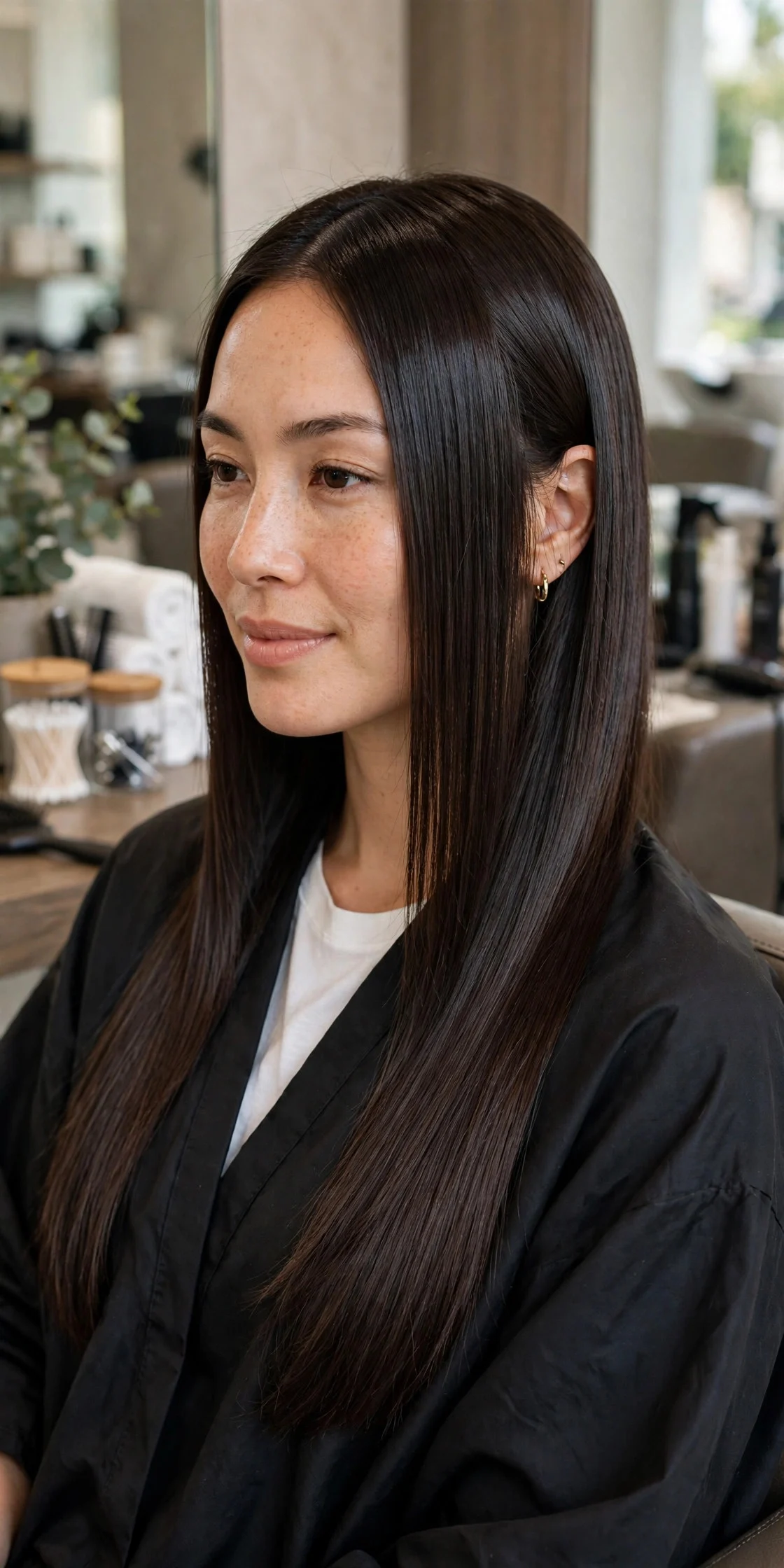
A salon keratin or smoothing treatment can transform frizzy, rough hair into smooth, manageable hair for several months. The stylist applies a formula, then seals it with heat, leaving hair sleeker and easier to style. It suits thick, frizzy, or coarse hair and people who blow dry daily. This is the most expensive option here, and results depend heavily on the stylist and the formula used. Some treatments contain formaldehyde or strong chemicals, so ask exactly what will be used and check the aftercare rules. New growth will still need regular care, since the treatment does not change your natural texture permanently.
12Custom Repair Schedule with Your Stylist

The most useful treatment is often a plan, not a single product. Book a consultation and ask your stylist to assess your damage honestly: which parts need protein, which need moisture, and how much length should come off. Then build a simple schedule, such as a bond treatment weekly, a mask twice a month, and trims every ten weeks. This suits anyone who has tried random products without progress, or who is unsure whether to cut or treat. A consultation may cost a little, but it saves money wasted on the wrong products. The drawback is finding a stylist who is honest about limits instead of selling you everything.
Practical Care and Styling for Damaged Hair
Keep the daily routine boring on purpose. Wash with lukewarm water, condition every time, and detangle gently while hair is damp and coated with conditioner. Let hair air dry when you can, and when you do use heat, keep the temperature moderate and always use a protectant. Avoid tight elastics with metal parts, and swap them for soft scrunchies or claw clips. At night, a loose braid protects the ends without pulling. Eat and drink normally, get enough sleep, and be patient: hair grows about half an inch a month, so visible improvement usually takes two to three months of steady care, not one weekend of treatments.
FAQs
How long does damaged hair take to repair?
Most people notice less breakage and softer texture within four to six weeks of consistent care. Real repair takes longer, because damaged lengths cannot fully return to their original state. Expect two to three months for a clear difference, and new, healthy growth to gradually replace the worst sections over six to twelve months, depending on your hair length and how often you trim.
Can split ends be repaired without cutting them?
No product permanently repairs a split end. Masks and bond builders can make splits less visible and slow further splitting, but the frayed fiber remains weak. A small trim is the only reliable fix. Regular dusting removes splits early, so you lose very little length while stopping the damage from traveling upward.
Is protein or moisture better for damaged hair?
It depends on how your hair feels. Mushy, stretchy, over-processed hair usually needs protein. Dry, rough, brittle hair usually needs moisture first. Many people need both, but not on the same day. Alternate them, watch how your hair responds, and back off protein if hair starts feeling stiff or straw-like.
How often should I use a hair mask?
Once a week works for most damaged hair. Very dry or coarse hair may benefit from twice a week, while fine hair may only need a mask every ten days. Use a small amount on fine hair and rinse thoroughly. More often is not always better, and over-masking can leave hair limp and coated.
Are expensive salon treatments worth it for damaged hair?
They can be, if your hair is very frizzy or hard to manage and home care alone is not enough. A good salon treatment saves daily styling time and reduces heat damage. They are not worth it if your routine still includes daily high heat, tight styles, and no trims, because the same damage will return. Fix the daily habits first, then decide.
Keep exploring
Between treatments, protect your progress with these aloe vera hair mask recipes and rosemary water routines. And when split ends appear, learn how to trim split ends at home without losing length.