
You spend roughly a third of your life asleep, and your hair spends that time rubbing, tangling, and drying out against your pillow. That is why mornings can bring frizz, knots, and broken strands even when your daytime routine is solid. Nighttime protection does not need to be complicated or expensive. A few small changes before bed can cut breakage, help styles last longer, and leave hair softer in the morning. Here are twelve practical methods, who each suits best, and the honest trade-offs.
1Switch to a Silk or Satin Pillowcase

A silk or satin pillowcase lets your hair glide instead of catching and snapping on rough cotton. Cotton absorbs moisture from your hair and creates friction, which leads to frizz, tangles, and split ends over time. Silk feels cooler and smoother, while satin gives you a similar glide at a much lower price. This suits almost everyone, but it helps fine, curly, and color treated hair the most. Wash the case weekly with a gentle detergent and skip fabric softener, which can leave a coating behind. The drawback is cost: real silk can be pricey, and satin can feel slippery if you move a lot at night.
2Wear a Loose Braid Before Bed

A loose braid is one of the simplest ways to stop overnight tangling. Divide your hair into one or two sections, braid loosely from the mid lengths down, and secure the ends with a soft scrunchie. You will wake up with fewer knots and, as a bonus, gentle waves if your hair holds a bend. This works well for straight, wavy, and long hair, and it is a great option when you do not like sleeping in a bonnet. Keep the braid loose at the roots so you do not create tension or headaches. The downside is that very short hair may slip out, and tight braids can cause breakage at the hairline.
3Try a Satin Bonnet or Silk Scarf Wrap
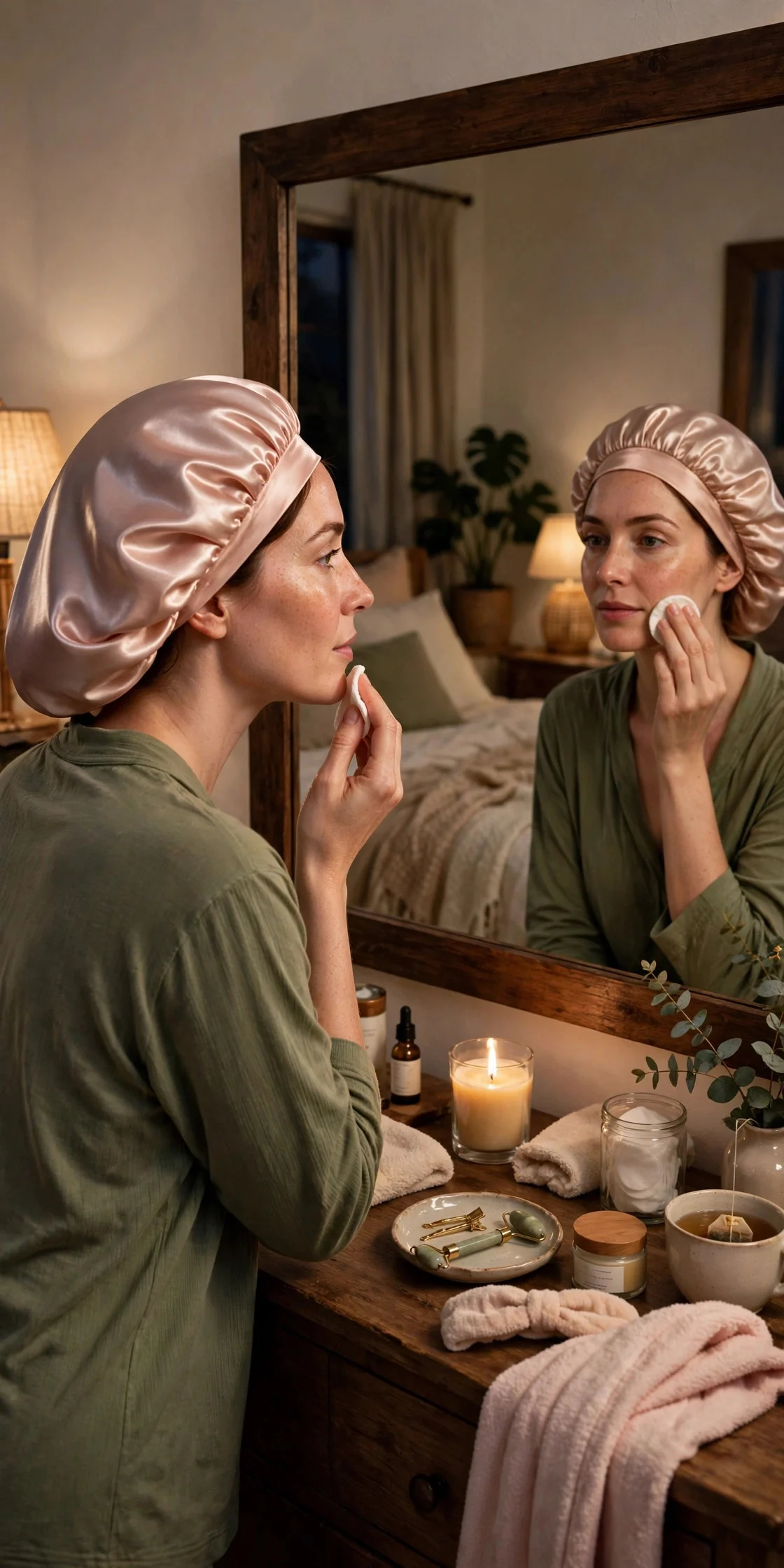
A bonnet or scarf wrap keeps all of your hair contained, protected, and away from your pillow all night. Put it on after detangling, tuck in any loose pieces, and make sure the band sits flat without digging into your forehead. This is especially helpful for curly, coily, textured, and chemically treated hair, and for anyone trying to make a blowout or silk press last an extra day or two. Choose a bonnet with a wide, soft band and a roomy fit so curls are not crushed flat. The honest drawback is comfort: some people find bonnets slip off or feel warm, so you may need to try two or three styles before one stays put.
4Pineapple Your Curls Up Top

Pineappling means gathering your curls into a loose, high ponytail right on top of your head, so they are not squashed flat while you sleep. Use a silk scrunchie, keep the ponytail loose, and let the curls fall forward over your forehead. In the morning, take it down, shake gently, and refresh with a little water or curl cream. This method suits curly and wavy hair best, especially medium to long lengths. It preserves curl shape and volume far better than sleeping with hair loose. The trade-off is that it can leave a dent or a flat spot where the scrunchie sat, and very short curls may not have enough length to gather up top.
5Apply a Light Overnight Oil to the Ends
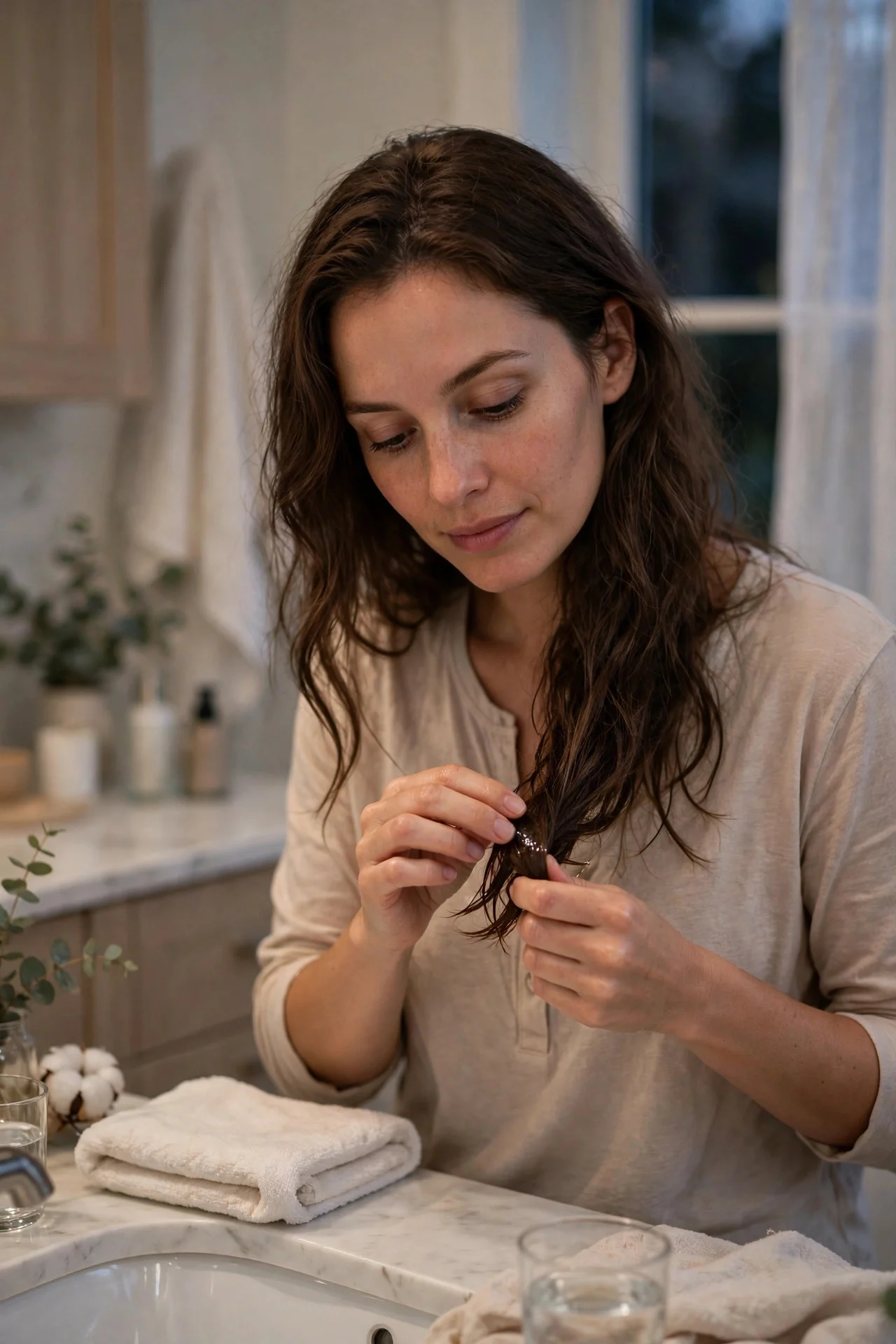
Dry ends break first, so a small amount of oil before bed can make a real difference. Warm two or three drops of argan, jojoba, or sweet almond oil between your palms and smooth it over just the last few inches of your hair. This seals in moisture, reduces friction, and leaves ends looking smoother by morning. It suits dry, thick, bleached, and heat styled hair, but fine hair should use only one drop to avoid a greasy look. Wash or refresh in the morning if needed. The drawback is buildup: using too much oil every night can weigh hair down and make your pillowcase greasy, so keep it light and skip a night if hair feels coated.
6Sleep With Hair in a Low Loose Bun

A low, loose bun keeps long hair out of the way without pulling at your roots. Twist your hair gently at the nape of your neck, coil it once, and secure it with a silk scrunchie or a soft claw clip that will not dig in. This is ideal for thick or very long hair that tangles easily, and for hot sleepers who hate hair on their neck. In the morning you will often get soft, loose waves too. Keep the bun low and loose, because a high or tight bun can cause tension headaches and breakage around the hairline. The downside is that it can flatten volume at the crown, so it is not the best choice if you want big lift the next day.
7Use a Silk Scrunchie Instead of Tight Elastics

Regular thin elastics grip hard, crease your hair, and snap strands when you pull them out. A silk or satin scrunchie spreads the pressure over a wider area and slides out without tugging. Swap your usual ties for scrunchies for braids, buns, and pineapples, and keep a couple by your bed so the habit sticks. This suits everyone, but it is a must for fine, fragile, or breakage prone hair. Scrunchies are cheap, easy to wash, and come in every size. The only real drawback is hold: a very loose scrunchie can slip on silky or freshly washed hair, so choose a snugger one or wrap it an extra time if your style keeps coming undone overnight.
8Detangle Gently Before Bed

Going to bed with tangles already in your hair almost guarantees worse knots by morning. Take two minutes before bed to detangle from the ends upward, using a wide tooth comb or a flexible detangling brush. Work in small sections, hold each section above the tangle so you are not pulling at your scalp, and add a drop of leave-in conditioner if your hair is dry or knot prone. This step suits all hair types, and it is essential for curly, coily, and long hair. The benefit is simple: less pulling in the morning means less breakage. The drawback is only time, and on wash day you may prefer to detangle in the shower instead, when conditioner gives you more slip.
9Keep Hair Dry Before You Lie Down

Wet hair is weaker and stretches more easily, so sleeping on damp hair is a fast route to breakage and frizz. If you wash your hair at night, give it time to air dry at least most of the way, or use a blow dryer on a low, cool setting to finish the roots and mid lengths. If you must sleep with slightly damp hair, braid it loosely and use a satin pillowcase to cut friction. This advice matters most for fine, bleached, and high porosity hair, which is already fragile when wet. The drawback is planning: evening washers need to start earlier, and air drying can take an hour or more for thick hair. Still, dry hair at bedtime is one of the biggest breakage savers there is.
10Use a Leave-In Conditioner or Overnight Mask Once a Week
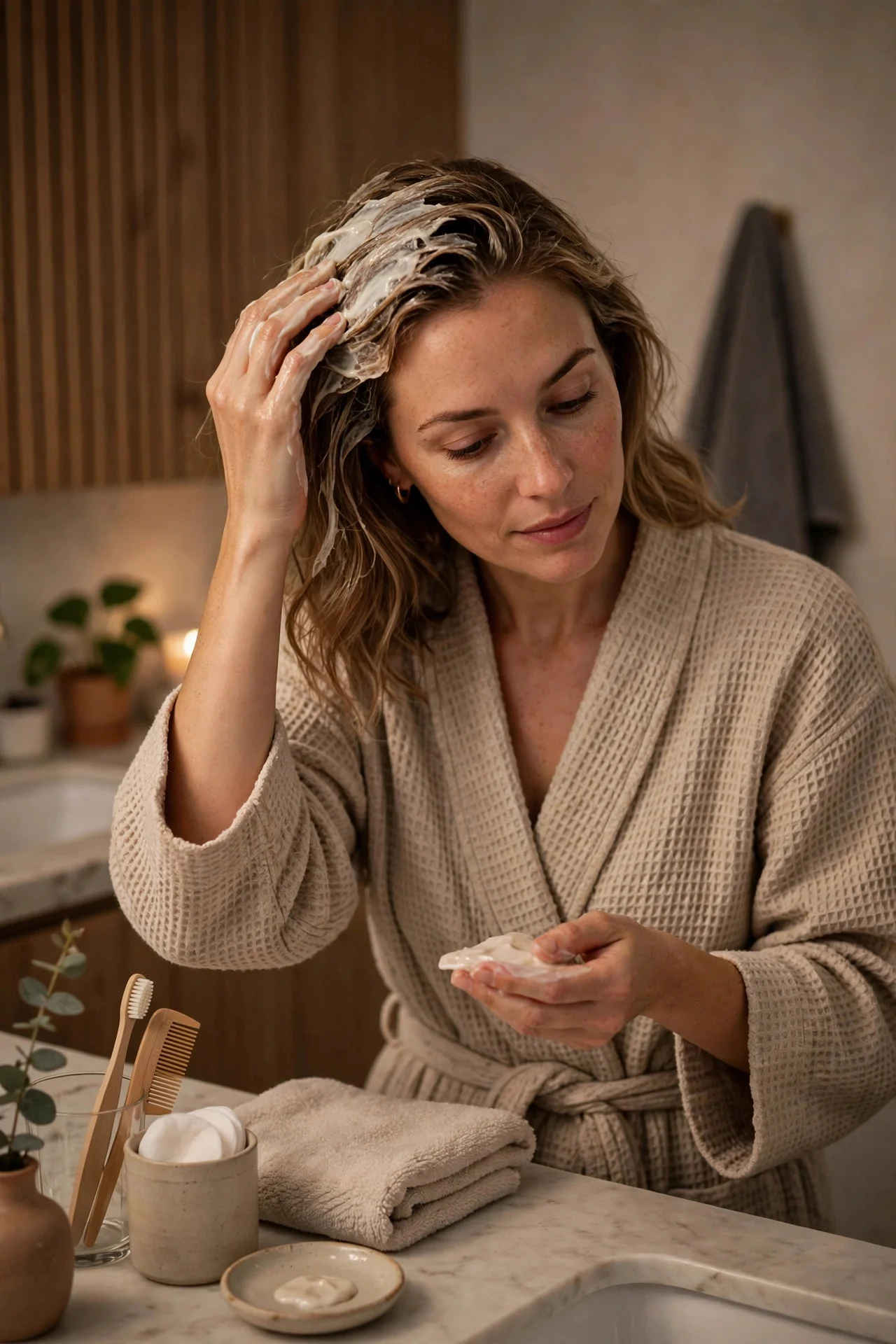
A weekly overnight treatment gives your hair a deeper dose of moisture while you sleep. Once a week, apply a leave-in conditioner or a light overnight mask to the mid lengths and ends, braid or wrap your hair, and wash it out or refresh it in the morning. This is great for dry, damaged, color treated, and curly hair that needs extra care between wash days. Choose a product that matches your hair weight: creams for thick hair, light milks or sprays for fine hair. The drawback is overdoing it. Using a heavy mask every night can cause buildup, limp roots, and even scalp irritation, so once a week is plenty, and always rinse well the next morning.
11Protect Your Edges and Hairline
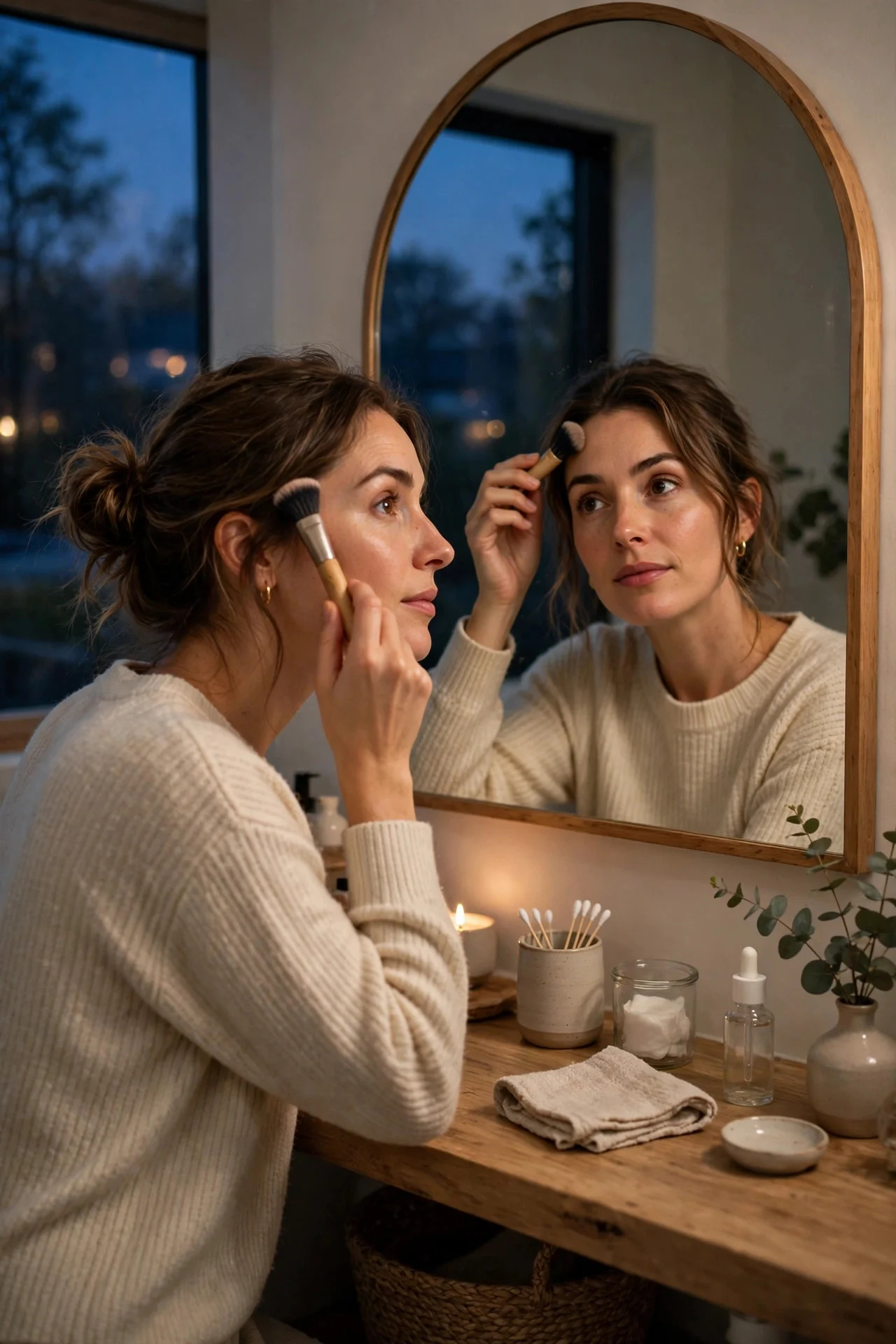
Your edges are the finest, most fragile hairs on your head, and they take the most abuse from tight styles, rough pillowcases, and bonnet bands. Before bed, smooth a tiny amount of light oil or edge control over the hairline, and make sure your bonnet band or scarf sits flat rather than cutting across your edges. Avoid tight ponytails, tight braids, and styles that pull the front hair back hard overnight. This matters for everyone, but especially for people with thinning edges, traction concerns, or protective styles. Check your hairline in the morning for redness or soreness, which is a sign your style was too tight. The drawback is that edge care adds a step, but it is a quick one.
12Build a Simple Nightly Routine You Will Actually Keep

The best nighttime routine is the one you will repeat every night, not the perfect one you abandon after three days. Pick two or three steps from this list that fit your life: for example, a satin pillowcase, a loose braid, and a silk scrunchie. Do them in the same order each night so they become automatic, and keep your tools on your nightstand. This approach suits busy people, new parents, and anyone who has tried a long routine and given up. Revisit your routine when your hair changes, such as after a cut, color, or season change. The drawback is that a minimal routine will not fix serious damage on its own, but consistency beats intensity here, and small nightly habits add up to visibly healthier hair over weeks.
Practical Care and Styling Tips for Better Mornings
Morning hair is easier when night prep is right, so keep your morning routine light. Start by removing your bonnet, braid, or scrunchie slowly, never yanking it out. Shake your hair out gently, then refresh only where needed: a mist of water for curls, a drop of oil for dry ends, or a quick pass with a wide tooth comb for straight hair. Avoid piling on heat first thing, because protected hair usually needs far less styling. Wash your satin pillowcase and bonnet regularly, since product buildup on fabric can transfer back to your hair. Finally, trim split ends every eight to twelve weeks, because no nighttime trick can repair a split end once it has formed.
FAQs
Does a silk pillowcase really help hair?
Yes, for most people it helps. Silk and satin create less friction than cotton, so hair slides instead of snagging, which means less frizz, fewer tangles, and less breakage. It also absorbs less moisture, so hair stays hydrated. It will not repair damage alone, but with gentle styling it makes mornings easier, especially for curly, fine, and color treated hair.
Should I sleep with my hair up or down?
It depends on your hair type and length. Down is fine for short hair, but long, curly, or tangle prone hair usually does better up in a loose braid, bun, pineapple, or bonnet. The key word is loose: any style that pulls, hurts, or leaves deep dents is too tight and can cause breakage. Try both for a week each and see which leaves your hair smoother in the morning.
Is it bad to sleep with wet hair?
Yes, it is best avoided when you can. Wet hair is weaker and more likely to stretch and break, and sleeping on it can cause frizz, tangles, and even a musty smell if it stays damp for hours. If you wash at night, dry your hair at least most of the way first, or braid it loosely with a satin pillowcase as a backup. Fine and bleached hair is the most at risk.
How do I stop my bonnet from slipping off at night?
First, check the fit: the band should sit snugly but comfortably, not loose around your head. Try a bonnet with an adjustable band or a wider band, and make sure your hair is fully tucked inside so weight is balanced. Some people layer a satin scarf over the bonnet for extra hold. If it still slips, try a different style, such as a wrap cap or a bonnet with ties, until you find one that stays put through the night.
Can nighttime care help hair grow faster?
Nighttime care does not speed up growth from the scalp, but it protects the length you already have, which makes hair look longer over time. Less breakage means fewer trims and more retained length. Combined with a healthy diet, gentle washing, and regular trims, good sleep habits help you keep the growth you get instead of losing it to friction and snapping.
Keep exploring
Night protection pairs well with overnight heatless waves and space buns for short hair as a protective style. For a fast morning refresh, try a messy bun in 60 seconds.