
If your shower drain suddenly looks fuller a few months after giving birth, you are not doing anything wrong. During pregnancy, higher hormone levels keep more hairs in the growth phase, so shedding slows down. After birth, those levels drop and many hairs shed at once. That is why shedding often peaks around three to four months and usually eases over the following months. It can still feel upsetting when you are tired and adjusting to a new routine. The tips below focus on gentle care, realistic styling, and knowing when to get extra support.
1Give Your Hair a Gentle Washing Routine

Wash your hair two or three times a week with lukewarm water and a mild, sulfate free shampoo. Massage your scalp with your fingertips instead of scratching with your nails, then rinse well so no product builds up at the roots. Let conditioner sit mainly on the mid lengths and ends, where hair tends to feel drier after pregnancy. This routine suits most hair types, especially fine or wavy hair that tangles easily. Maintenance is simple because you are not adding extra steps, just slowing down and being gentler. The honest drawback is that hair may look flatter on wash day if you are used to daily washing, and a new shampoo can take two or three weeks before you notice a difference in softness.
2Detangle With a Wide Tooth Comb
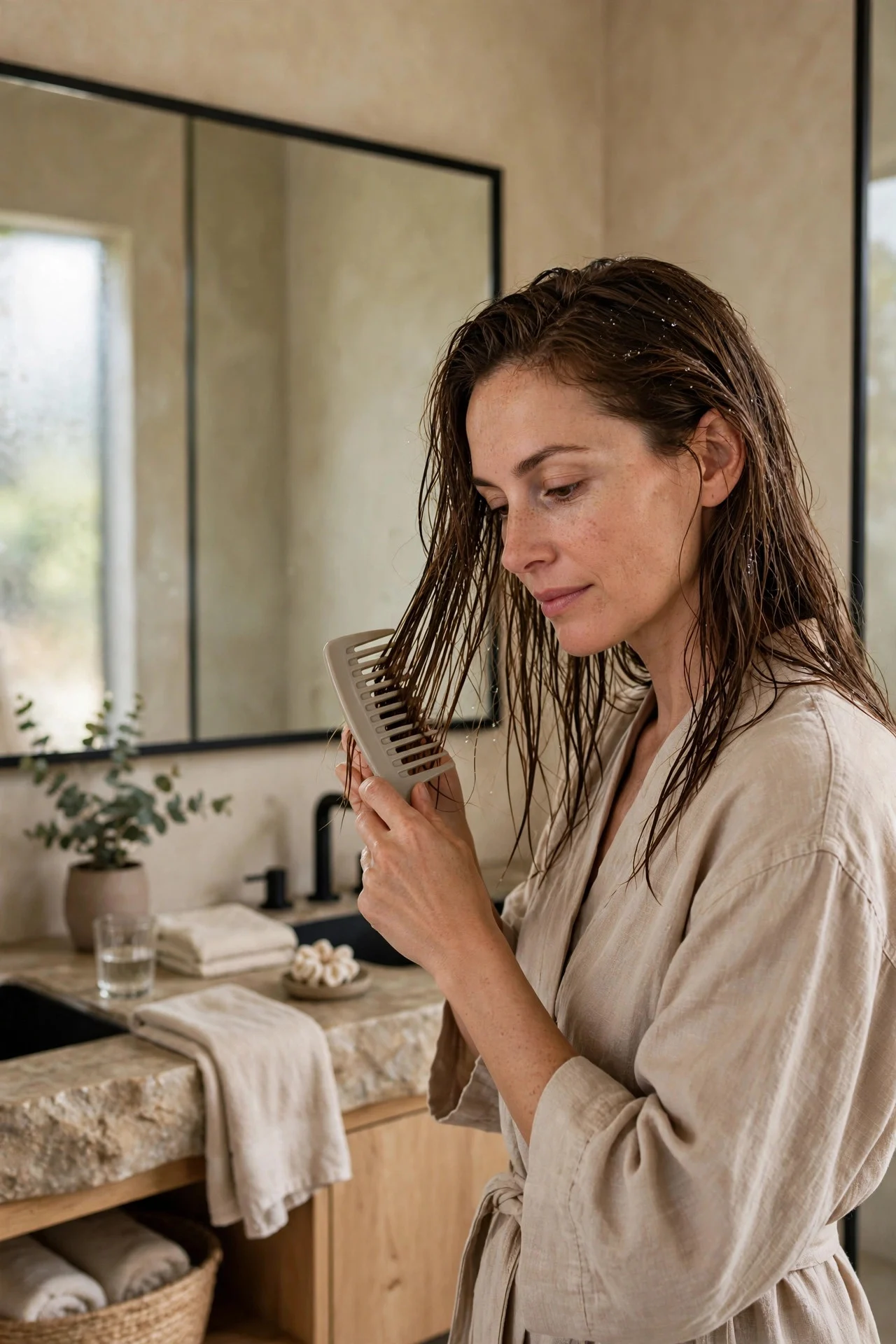
Start detangling from the ends and work upward in small sections, using a wide tooth comb on damp hair. This method puts less strain on fragile new growth around the hairline and helps you spot knots before they turn into breakage. It suits curly, coily, and long hair particularly well, but it also helps straight hair that snaps when brushed wet. Keep a comb in the shower or near your dressing table so the habit is easy to keep. The drawback is that it takes a little longer than a quick brush through, and a wide tooth comb will not smooth flyaways as neatly as a bristle brush. For daily styling, save smoothing tools for dry hair and keep the comb for detangling.
3Keep Heat Styling Low and Infrequent

Turn down the heat and give your hair more air dry days while shedding is at its peak. If you use a dryer, choose a medium setting, hold it at a distance, and use a heat protectant on damp hair first. Straighteners and curling tools should stay on the lowest setting that still gives you the result you want. This approach suits anyone with dry, color treated, or already fragile hair, and it can help new baby hairs stay put instead of snapping. Maintenance means planning a little extra drying time, which is not always easy with a baby. The drawback is that styles may feel less polished at first, and air drying can leave wavy hair a bit uneven until you learn what products suit it.
4Choose Loose, Low Tension Hairstyles

Swap tight ponytails, slick buns, and heavy extensions for loose braids, low buns, and soft claw clips. Tight styles pull on the hairline and can worsen breakage around the temples and forehead, where postpartum shedding often shows first. A loose style also feels more comfortable during long days and is quicker to redo when a baby pulls at it. This tip suits all hair lengths, though very short hair may need headbands or clips instead of ties. Use fabric covered elastics and avoid metal clips that catch and snap strands. The drawback is that loose styles can fall apart faster, so keep a couple of spare ties nearby and accept that a perfectly neat look is not the goal right now.
5Ask Your Stylist About a Fuller Looking Cut
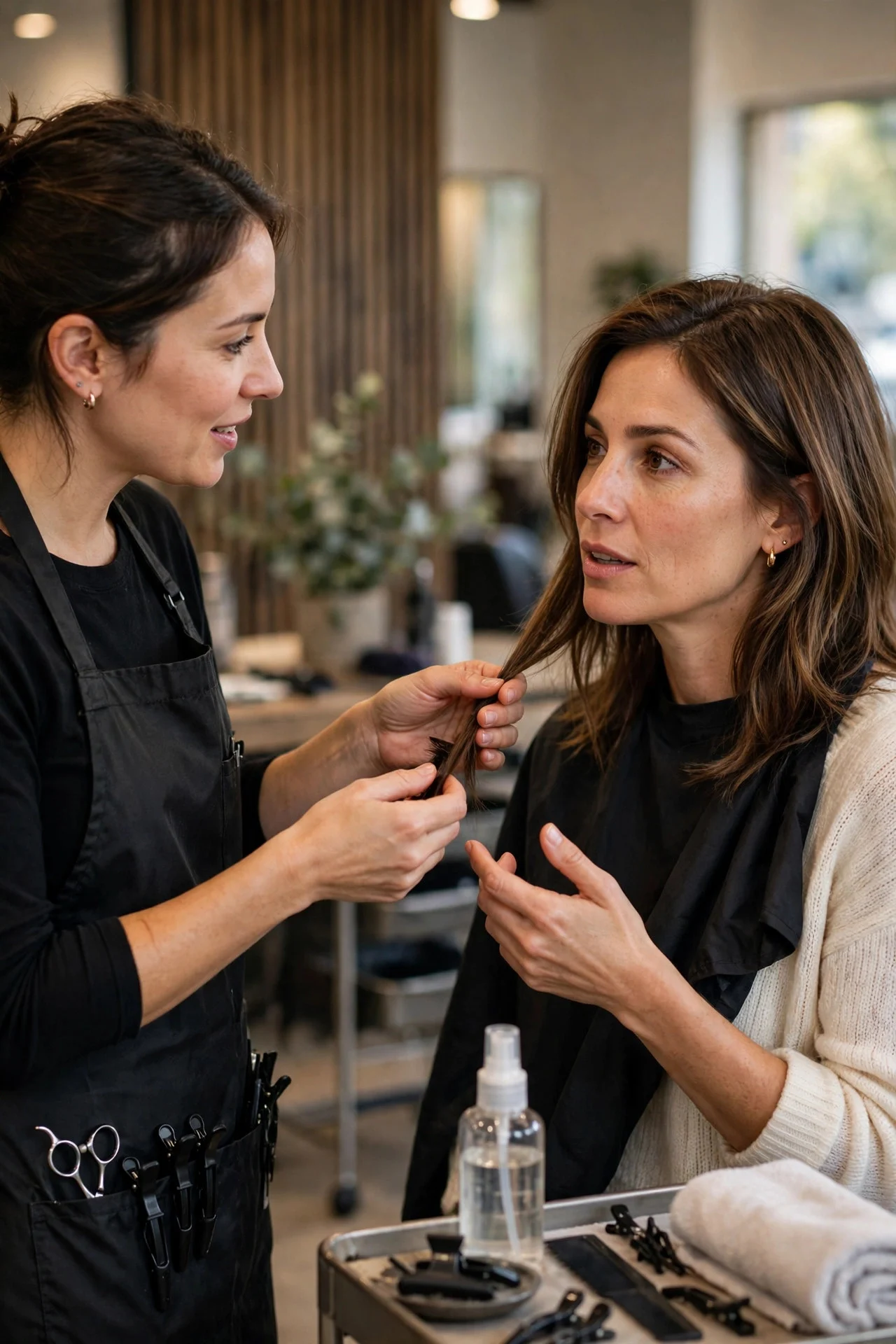
A good cut cannot stop shedding, but it can change how full your hair looks. Ask for soft layers that remove thin, straggly ends, or a blunt cut if your hair is fine and needs weight at the bottom. Face framing layers can also soften a thinner hairline without hiding it completely. This suits anyone who feels their ponytail has thinned or whose ends look uneven after months of shedding. Maintenance depends on the cut: blunt ends may need a trim every eight to ten weeks, while layered cuts can grow out more forgivingly. The cost is the usual salon price, plus tip, and the honest drawback is that a cut will not add density. Go in with realistic expectations and photos of styles on similar hair types.
6Use Volumizing Products With a Light Hand
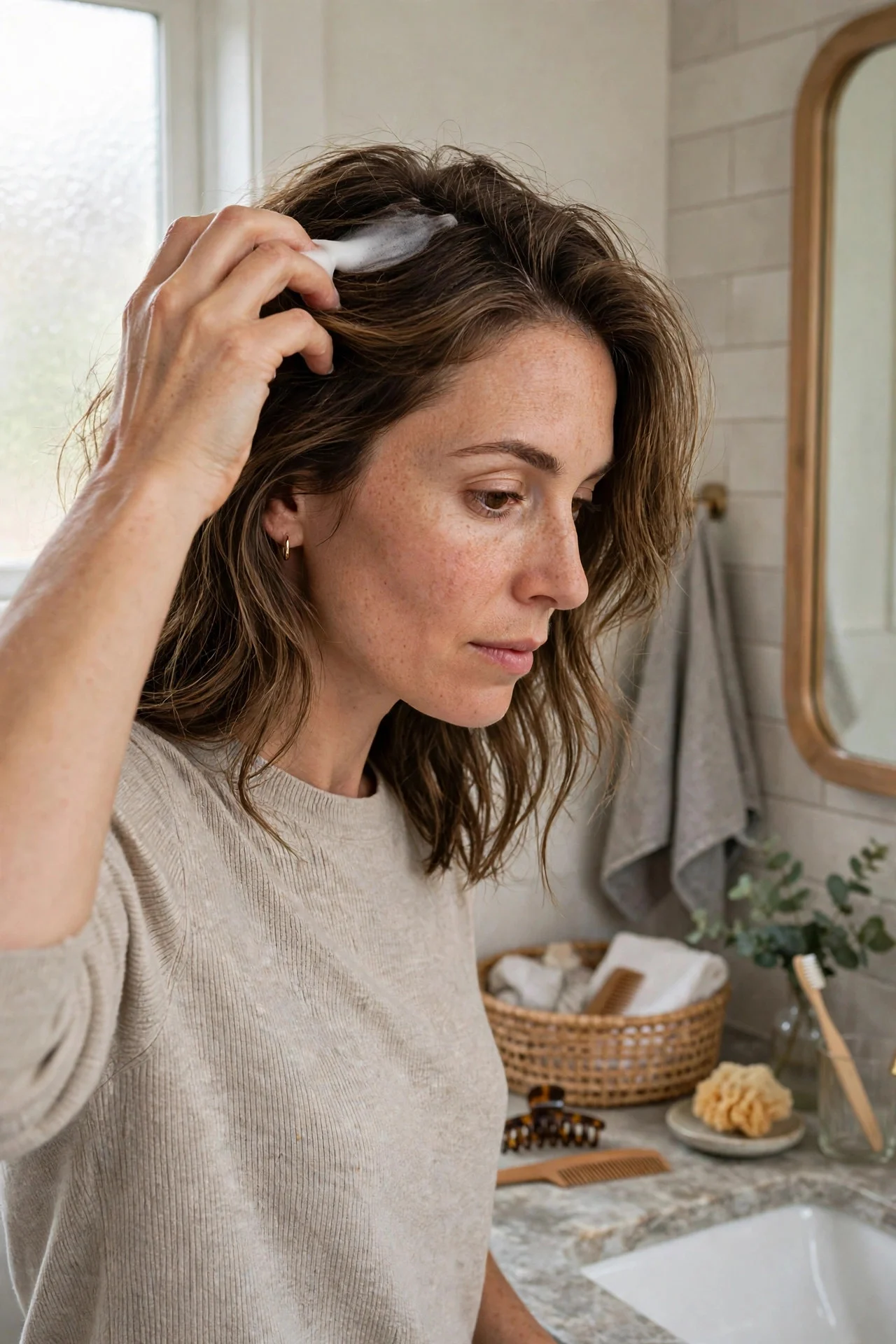
A root lifting spray, light mousse, or dry shampoo can make hair look thicker on flat days, but more product is not always better. Apply a small amount at the roots, then blow dry upside down or use your fingers to lift the hair while it dries. Dry shampoo is useful between washes, yet it should not replace washing for days at a time, since buildup can irritate the scalp. This suits fine and straight to wavy hair best, while thick or curly hair may prefer a light cream for definition instead. Maintenance is low, but you will need to wash thoroughly after a few days of styling products. The drawback is that heavy mousses and sprays can leave hair sticky or stiff, so test one product at a time.
7Protect New Growth Around Your Hairline
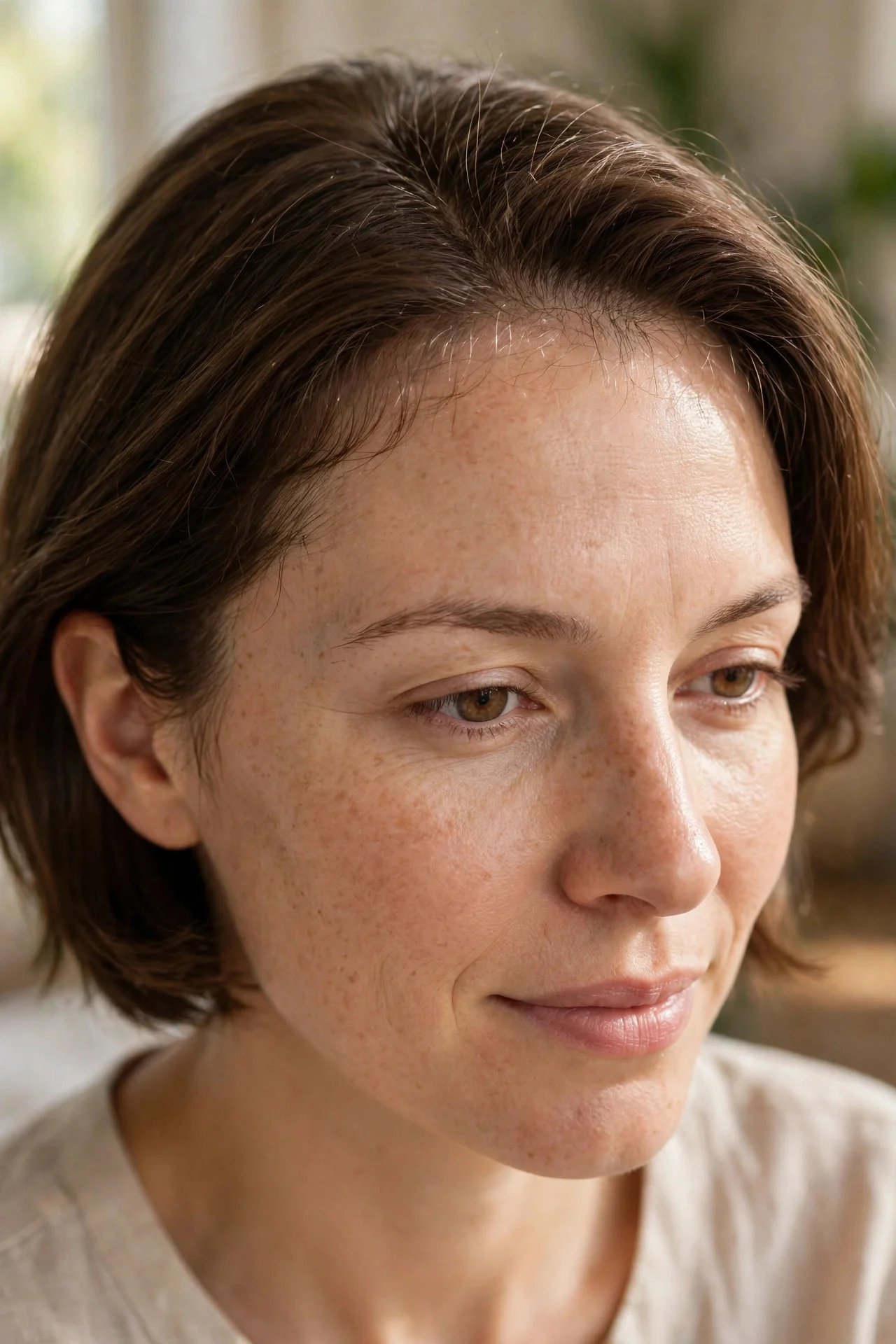
Those short, fuzzy hairs near your forehead are new growth, not damage, even though they can be hard to style. Avoid brushing them flat with strong gel every day, and do not pull them back tightly under headbands. A tiny amount of light pomade or a soft bristle toothbrush can smooth them gently when you want a neater finish. This matters most if your shedding is visible at the temples, but it helps anyone growing out a fringe too. Maintenance is quick once you find a product that does not feel heavy. The drawback is that new hairs will still stick up on humid days, and overusing pomade can make the hairline look greasy. A little patience helps more than a stronger hold.
8Eat Regular, Balanced Meals When You Can

Hair needs steady nutrition, and new parenthood often means skipped meals and rushed snacks. Aim for regular meals with protein, iron rich foods, and a mix of fruit, vegetables, and whole grains when you can manage it. You do not need a perfect diet or expensive superfoods to support hair health. This suits breastfeeding and non breastfeeding parents alike, though your exact needs may differ, so follow your own doctor or dietitian if you have specific guidance. Maintenance is the hard part, because cooking takes time and energy you may not have. Keep simple options ready, like eggs, yogurt, beans, nuts, and frozen vegetables. The honest drawback is that diet changes take months to show in hair, so do not expect quick results from one week of better meals.
9Keep Your Scalp Clean and Comfortable
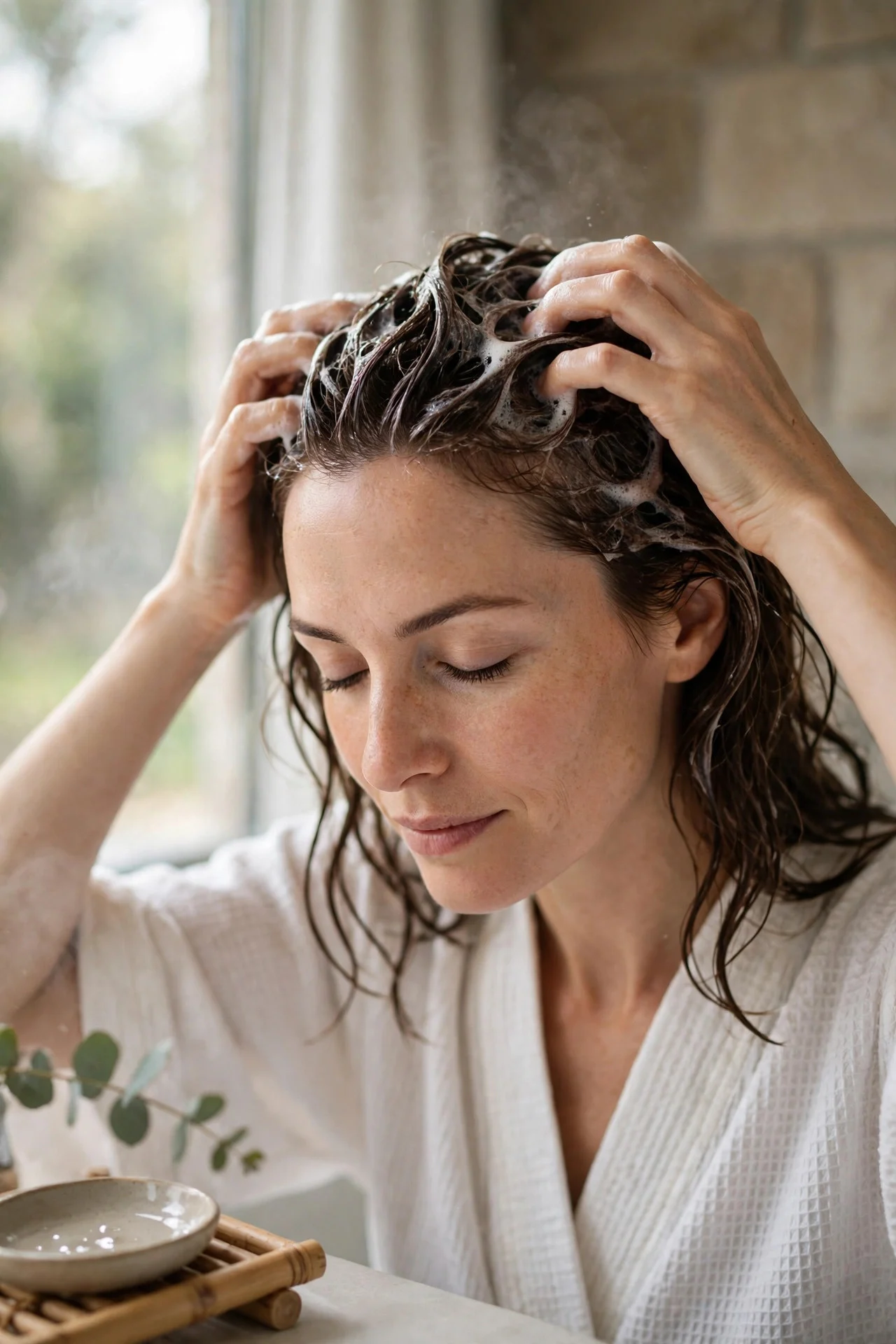
A healthy scalp gives new hair a better chance, but scrubbing hard or using strong treatments can backfire. Wash away sweat, oil, and styling buildup regularly, and rinse after workouts or hot days. If your scalp feels itchy or flaky, try a gentle shampoo first and avoid picking at flakes, which can cause soreness. This suits most people, especially those who use dry shampoo often or wear hats for long periods. Maintenance means paying attention to how your scalp feels rather than adding a long list of scalp products. The drawback is that some medicated or clarifying shampoos can dry hair out, so use them only as directed and follow with conditioner on the lengths. Seek advice if irritation lasts.
10Be Patient With Supplements and Hair Products

It is tempting to buy every vitamin or serum that promises faster regrowth, but most postpartum shedding improves on its own as hormones settle. If you take supplements, check with your doctor first, especially while breastfeeding or taking other medicines. A basic, doctor approved supplement is usually safer than a high dose blend. Hair oils and serums can add shine and reduce tangling, yet they do not regrow hair on their own. This suits anyone who wants a simple routine without spending a lot. Maintenance is easy, but you need to track what you use so you can tell what actually helps. The drawback is cost: serums and supplements add up, and results, if any, take months.
11Manage Stress in Small, Realistic Ways

Stress alone does not explain postpartum shedding, but poor sleep and constant pressure can make hair care feel harder. Look for small wins, like a five minute shower without rushing, a short walk, or asking someone to hold the baby while you eat and rest. You do not need a perfect self care routine to make a difference. This suits every new parent, though what feels restful will differ. Maintenance is about protecting tiny pockets of time, not adding another task to a full day. The honest drawback is that stress relief will not stop hormonal shedding, and advice to simply relax can feel unhelpful when you are exhausted. Focus on support, not perfection.
12Know When to Talk to a Doctor

Most postpartum shedding is temporary, but some signs deserve a professional check. Talk to your doctor if shedding is severe, lasts well beyond a year, leaves clear bald patches, or comes with a very itchy or painful scalp. Also seek advice if you have heavy fatigue, major mood changes, or other symptoms that worry you. This advice applies to everyone, and it matters even more if you have thyroid issues, anemia, or a history of hair loss. A doctor can check for causes that need treatment and save you money on products that will not help. The drawback is that appointments take time and may involve blood tests or a referral. Still, getting checked is better than guessing, and it can give you a clearer plan.
Practical Care and Styling That Helps Day to Day
Keep your daily routine short and forgiving. Wash gently, detangle from the ends, and let hair air dry when you can. Choose loose styles and soft ties. On busy mornings, a side part can cover a thinner area, while dry shampoo can add grip without a full restyle. Avoid tight headbands, heavy extensions, and daily high heat while shedding is active. If you color your hair, tell your stylist about the shedding. New growth takes time: short hairs around the hairline show your hair is recovering.
FAQs
Is postpartum hair loss normal?
Yes, for most people it is normal. Pregnancy hormones delay normal shedding, and after birth many hairs shed at once as hormone levels fall. Shedding often starts around two to four months after birth, then slows over several months. It can feel dramatic, but it usually does not mean permanent hair loss. If shedding leaves bald patches, lasts beyond a year, or worries you, talk to your doctor.
How long does postpartum hair loss last?
For many people, shedding eases within six to twelve months after birth, though timing varies. Some improve sooner, while others take longer, especially with sleep loss or illness. New baby hairs often appear along the hairline before fullness returns. If shedding is still heavy after a year, or gets worse instead of better, seek professional advice.
Will my hair grow back fully after postpartum shedding?
In most cases, hair gradually returns toward its previous fullness as the growth cycle settles. It may take months for new hairs to grow long enough to blend in. A cut that removes thin ends can help hair look fuller while it grows. If you notice lasting thinning, clear patches, or a hairline that does not improve, a doctor or dermatologist can check for other causes.
Can breastfeeding make hair loss worse?
Breastfeeding does not directly cause hair loss, but hormonal shifts after birth affect everyone, whether breastfeeding or not. Poor sleep, skipped meals, and stress can add strain, which is why regular meals and rest matter. Take supplements only if your doctor approves them, especially while breastfeeding. If shedding feels extreme or comes with other symptoms, ask your doctor.
Should I cut my hair short to stop postpartum shedding?
A shorter cut will not stop shedding, because shedding starts at the follicle, not at the ends. It can, however, make hair look fuller, feel lighter, and reduce tangling. A blunt bob, soft layers, or a trim to remove thin ends are all reasonable choices. Choose a style you like and can maintain, and tell your stylist about the shedding.
Keep exploring
While your hair recovers, gentle volume helps a lot, so try these tips for volume at the crown and overnight heatless waves that need no heat. For a quick everyday style, a messy bun in 60 seconds keeps hair off your face.