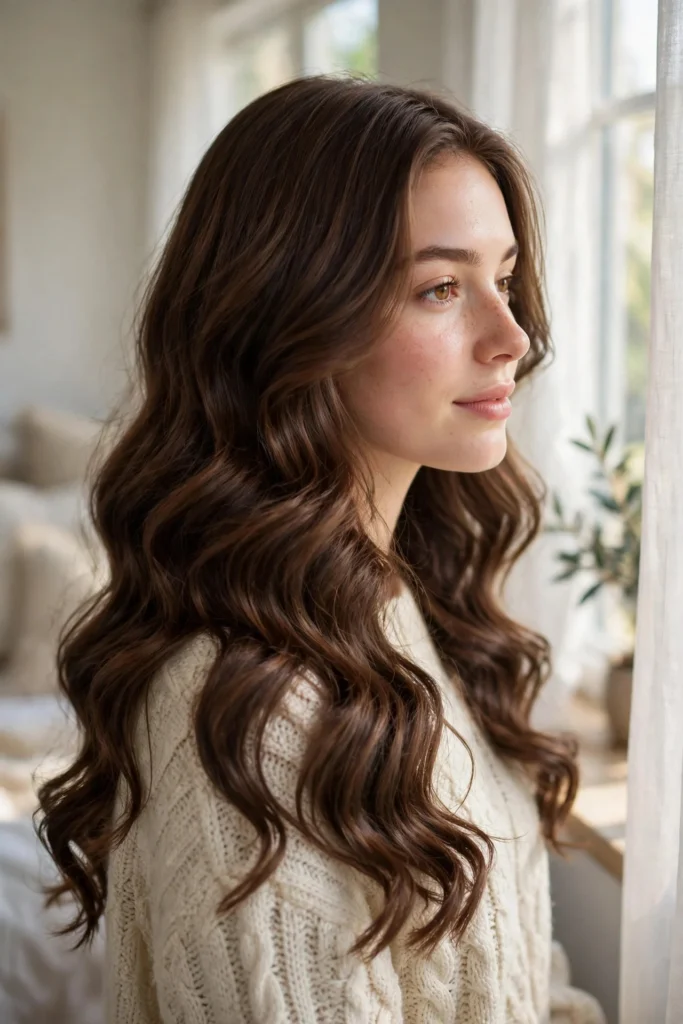
# How to Do Overnight Heatless Waves (2026)
You go to bed with damp hair and a few braids or twists, and you wake up with waves that look like you spent an hour with a curling iron. That is the whole pitch behind overnight heatless waves, and it is one of the rare beauty tricks that actually lives up to the hype.
The trick is picking the right method for your hair. Thin hair needs something different from thick hair, and short hair behaves nothing like long hair. Below are ten overnight methods, each with the real setup, who it suits, and the honest downsides. Pick one, try it tonight, and tweak from there.
1Bathrobe Belt Waves
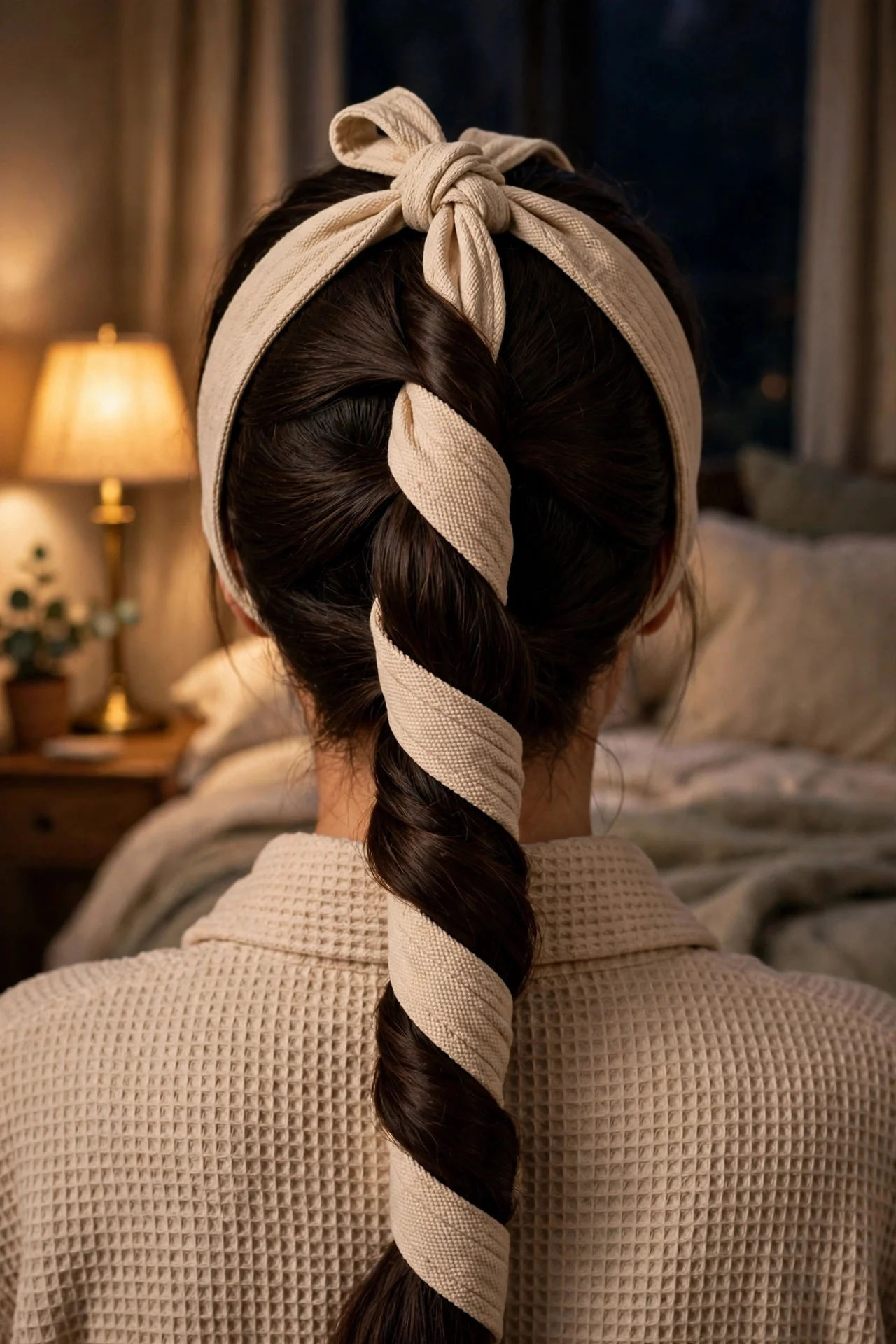
The viral one, and for good reason. Dampen your hair slightly, split it down the middle, and lay a bathrobe belt (or a long sock) across the top of your head like a headband, clipping it in place. Wrap sections of hair around each side of the belt, working from front to back, and tie the ends off. Sleep in it. Setup takes 10 to 15 minutes once you get the hang of it, and the result is big, bouncy, face-framing waves.
It suits medium to long hair best. Very short hair will not wrap cleanly, and very thick hair may need two nights of practice. The honest caveat: sleeping with something strapped to your head is not comfortable for everyone, and the waves near the roots can come out looking oddly flat while the ends go wild.
2Classic Three-Strand Braids
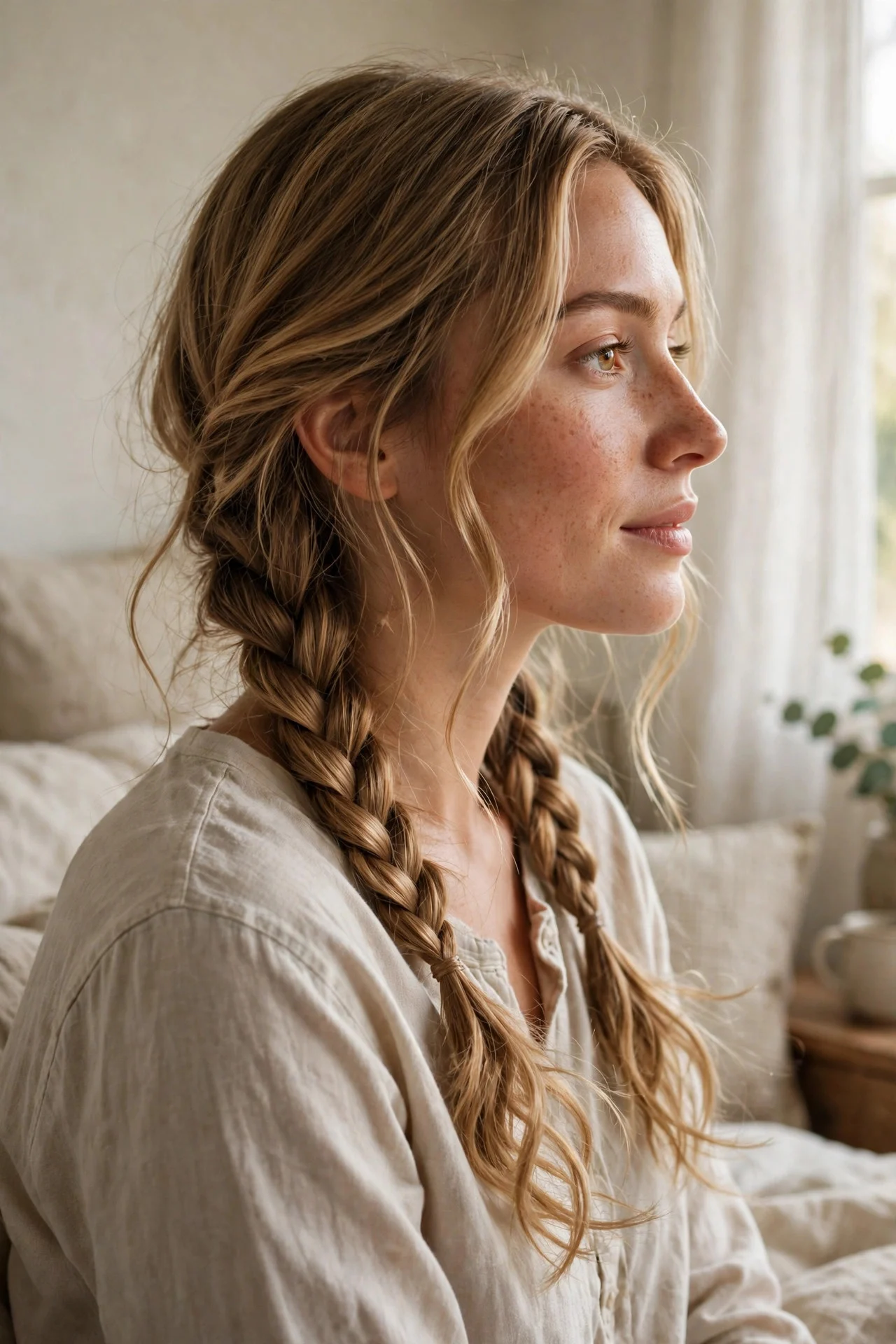
The simplest method of all. Dampen your hair, apply a little leave-in or curl cream, and braid it into one or two three-strand braids before bed. Two braids give more volume and a more even wave; one braid gives a looser, beachier pattern. This takes about five minutes and works on almost every hair type and length past the chin.
In the morning, undo the braids, shake gently, and separate the waves with your fingers. A drop of serum on the ends keeps things smooth. The drawback is frizz, especially on fine or high-porosity hair. If your braids are too loose the waves fall out by lunch, and if they are too tight you get crimped-looking waves that take time to relax.
3Two Dutch Braids
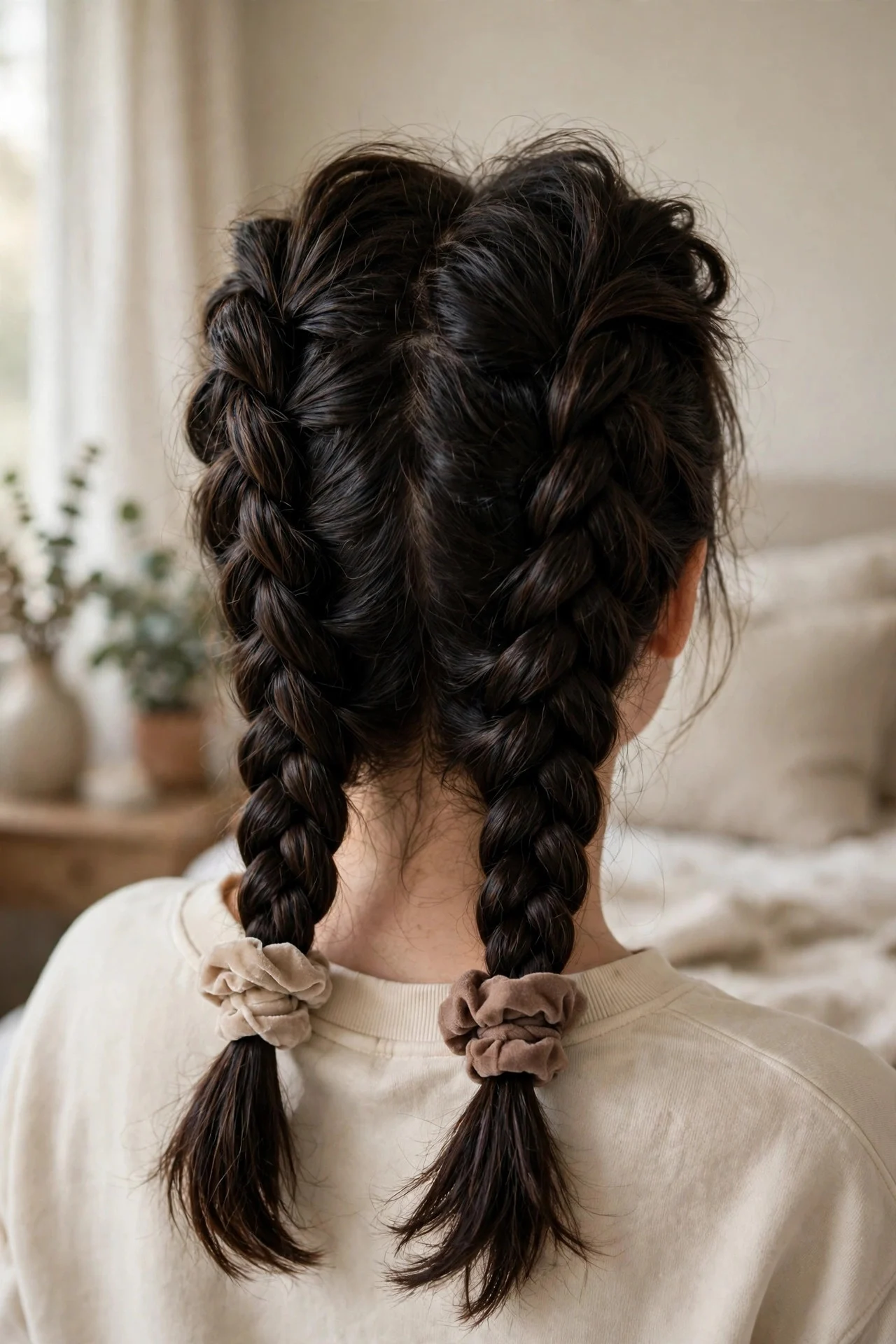
Dutch braids sit on top of the hair instead of inside it, so they create waves with more lift at the root than classic braids. Work on hair that is about 80 percent dry, add a light mousse for hold, and braid two Dutch braids from the hairline back, securing with soft scrunchies so you do not dent the hair overnight.
This one shines on medium to thick hair and gives waves that start higher up, which flatters round faces. Setup takes 10 to 20 minutes depending on your braiding speed. The morning reveal is gorgeous, but be honest with yourself about comfort: sleeping on tight braids against your pillow can cause tension headaches for some people, and the waves can skew slightly lopsided if you slept mostly on one side.
4High Space Buns

Gather slightly damp hair into two high buns on either side of the crown, twist each section first, then coil it around itself and pin or tie with a scrunchie. The twist is what creates the wave; skip it and you get bends instead of spirals. In the morning, release and finger-comb.
This is ideal for long hair and gives playful, voluminous waves with real root lift. It takes about five minutes, which makes it a great lazy option. The downside is comfort, since you are literally sleeping on two lumps, and back sleepers suffer the most. The waves also tend to be tighter at the crown and looser at the ends, so you may need to even things out with a quick shake and a spritz of texture spray.
5Sock Buns (Low and Loose)
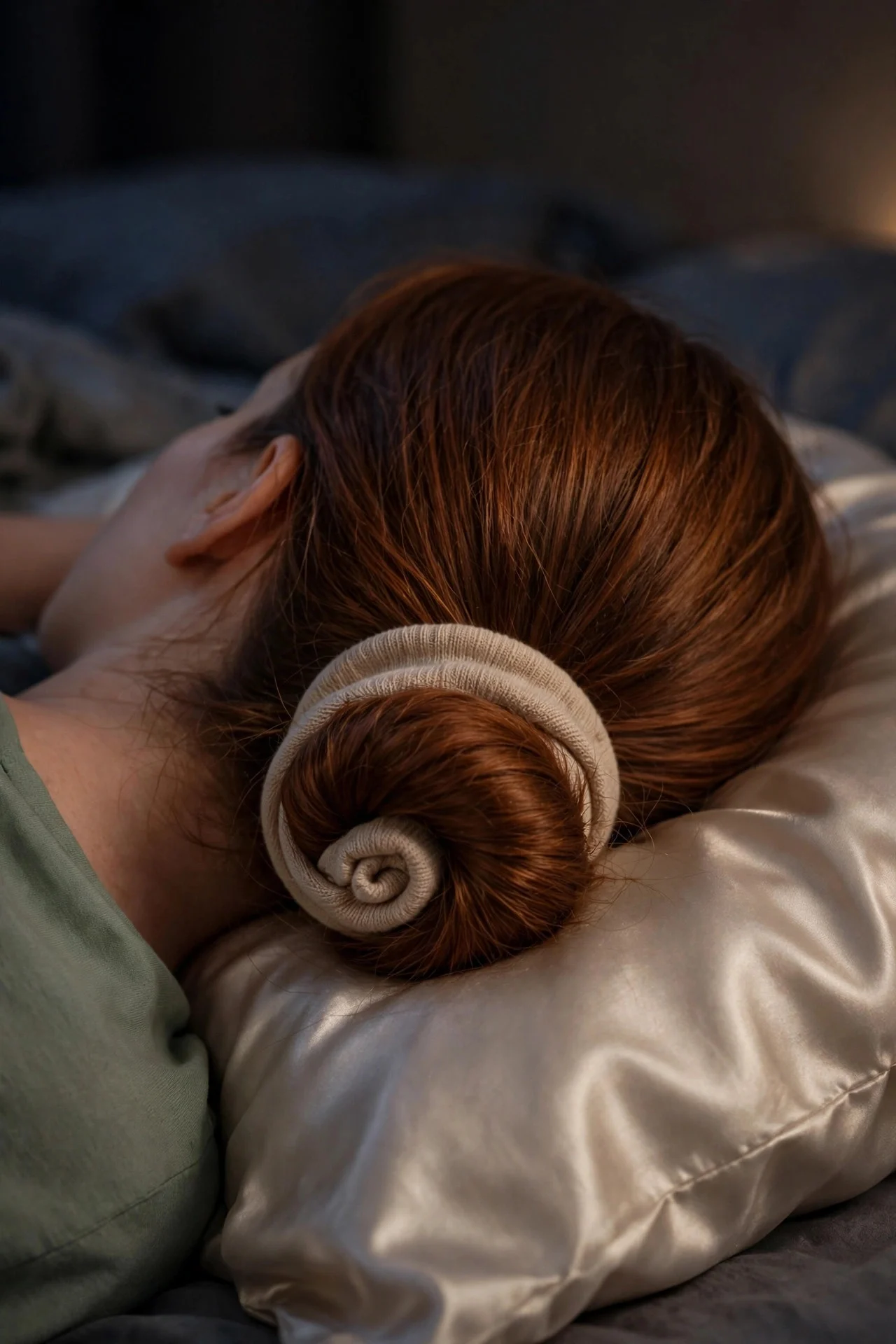
Roll a clean sock into a donut, pull damp hair into a low ponytail, thread the ends through the sock, and roll it down toward the head, tucking as you go. Sleep in it. The next morning you get soft, romantic waves with a vintage feel, and the low placement means you can actually sleep on your back without pain.
This suits medium to long hair and is one of the kindest methods on your hair because there is no pulling at the roots. Setup takes under ten minutes. The caveat: the wave pattern is looser and can drop fast on fine or straight hair that resists holding shape. A light-hold hairspray before unwrapping helps, and refreshing with a water mist the next morning can revive them.
6Foam Roller Set
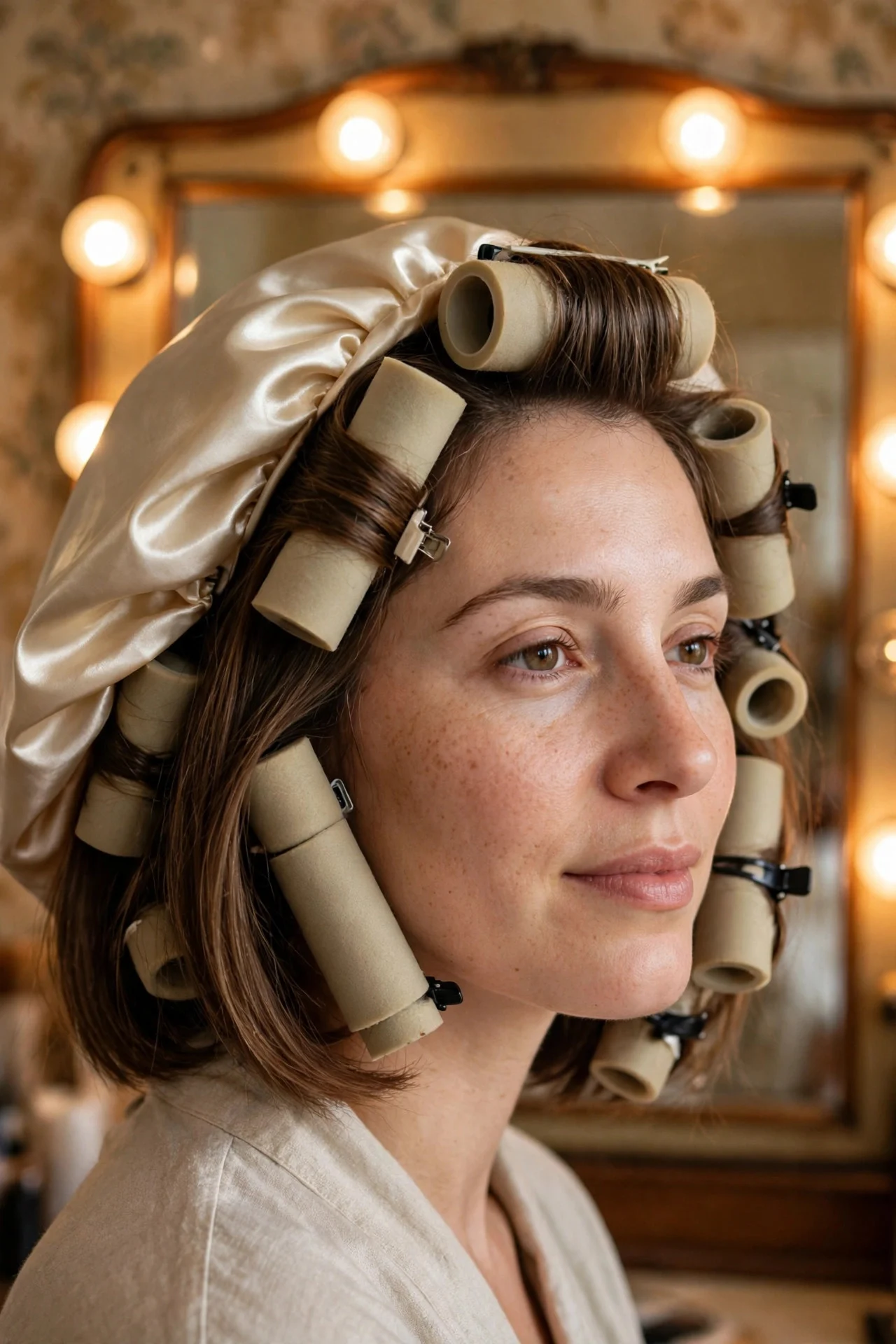
Old school, but it works. Take large foam rollers and wrap sections of damp hair around them, rolling under from ends to roots, then snap the roller closed or pin it. Bigger rollers mean looser waves; smaller rollers mean tighter curls. You need about eight to twelve rollers for a full head, and setup takes 15 to 25 minutes.
Foam rollers give the most polished, salon-looking waves of any method here, and they suit all hair lengths, including bobs, which most other methods ignore. They are also the most uncomfortable to sleep on, hands down. Hard foam against a pillow is miserable for side sleepers, so consider a satin bonnet over them to keep them from shifting and to cut frizz.
7Rope Twist Buns
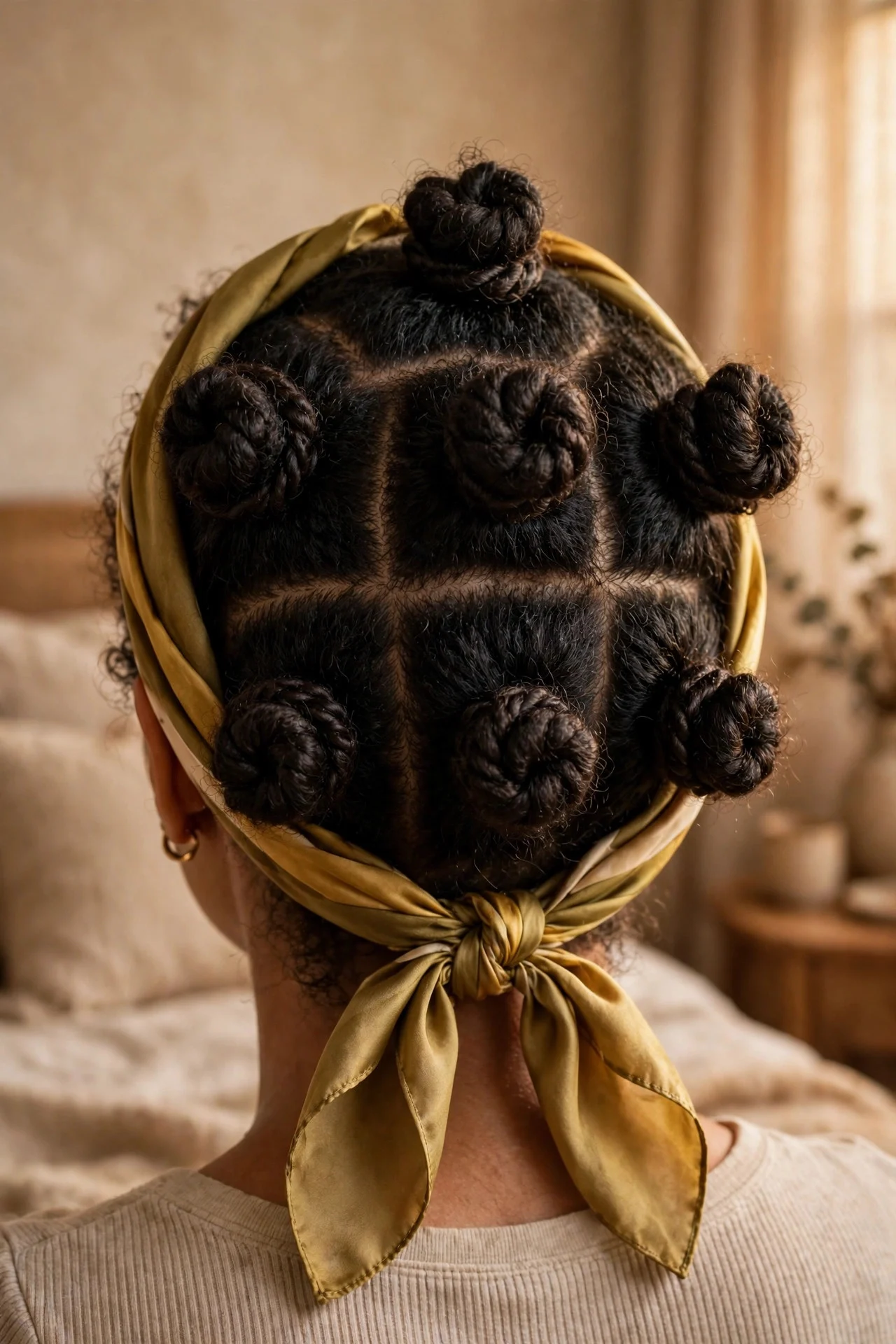
Split damp hair into four to six sections, twist each section into a tight rope, coil it into a mini bun, and pin it. The rope twist creates a spiral wave pattern that looks more defined and springy than braid waves. Four sections gives bigger waves, six gives tighter ones, so you can dial the look to your taste.
This works beautifully on thick, coarse, or textured hair that needs a stronger set to hold a wave. Setup takes 10 to 15 minutes. Morning routine: unpin, unravel, and separate gently with oiled fingers to keep frizz down. The drawback is time and tangles; twisted sections can mat slightly overnight on very long hair, so a detangling spray in the morning is a good idea.
8Headband Wrap Waves
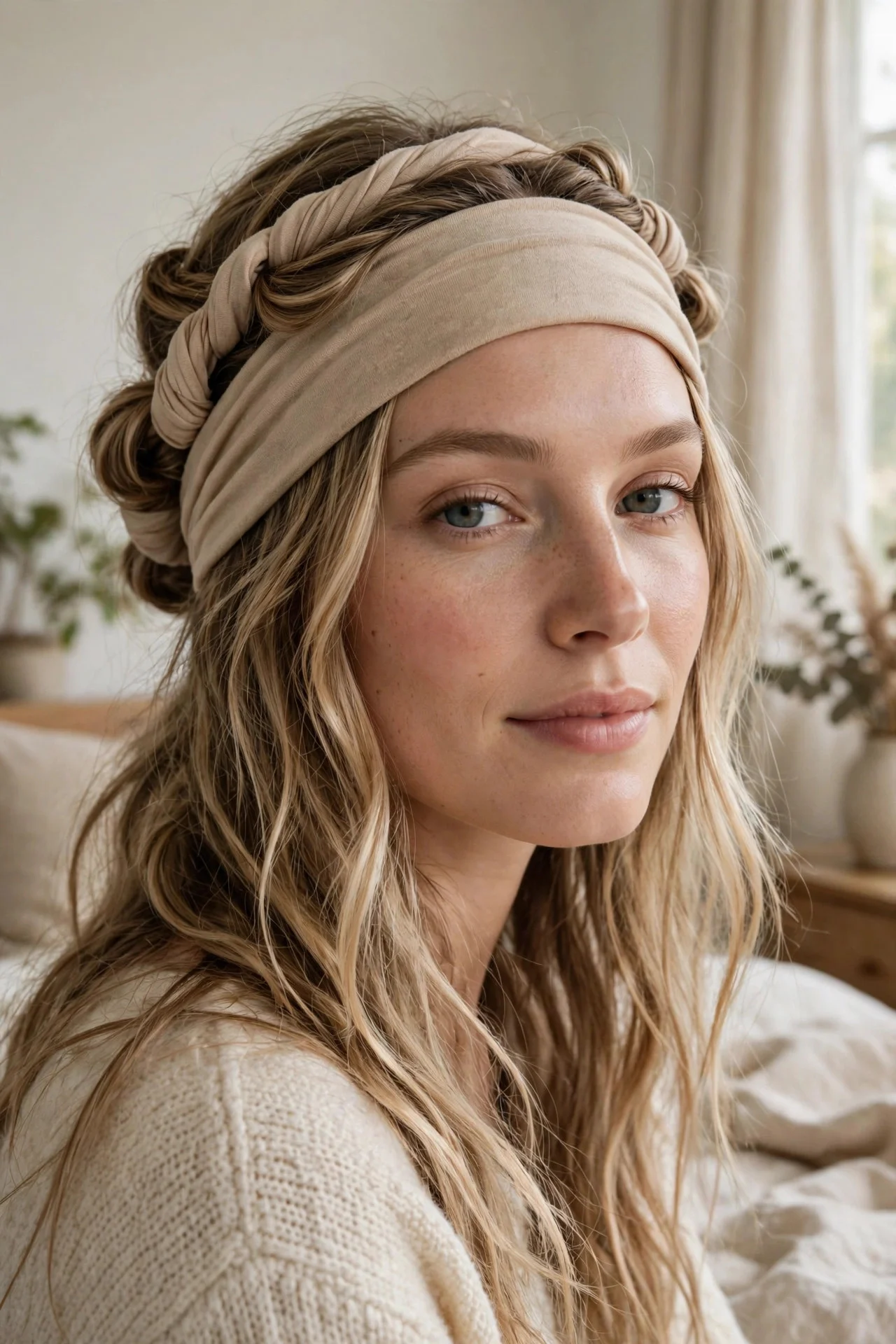
Place a soft, stretchy headband over the top of your head, hippie style, then take damp sections of hair and loop them up and around the band, tucking each section into the next until everything is wrapped. It feels secure, lies flat against your head, and looks tidy enough that you could answer the door in it.
This is the most comfortable method on this list, which makes it a great first try if you are nervous about sleeping in your style. It suits shoulder-length to long hair and gives soft, even, all-over waves. The honest downside is hold: because the wrap is gentle, the waves are subtle, and fine hair may wake up looking almost straight. Using a setting foam or mousse before wrapping makes a real difference.
9Leggings Heatless Curls

Yes, leggings. Lay a pair of soft leggings over your head so one leg hangs on each side, clip the waistband at the crown, then wrap damp hair sections around each leg like you would around a robe belt. Tie off the ends. It sounds absurd, but the soft, wide fabric creates smooth, defined waves with very little frizz, and the fabric is comfortable to sleep on.
This is best for medium to very long hair and takes about ten minutes. The waves come out glossy and uniform, closer to a curling-wand finish than most heatless methods. The caveats: it only works with actual soft leggings (stiff activewear fabric slips), and the waves can look a little too uniform, almost wig-like, until you break them up with your fingers and a little dry shampoo at the roots.
10Pin Curls
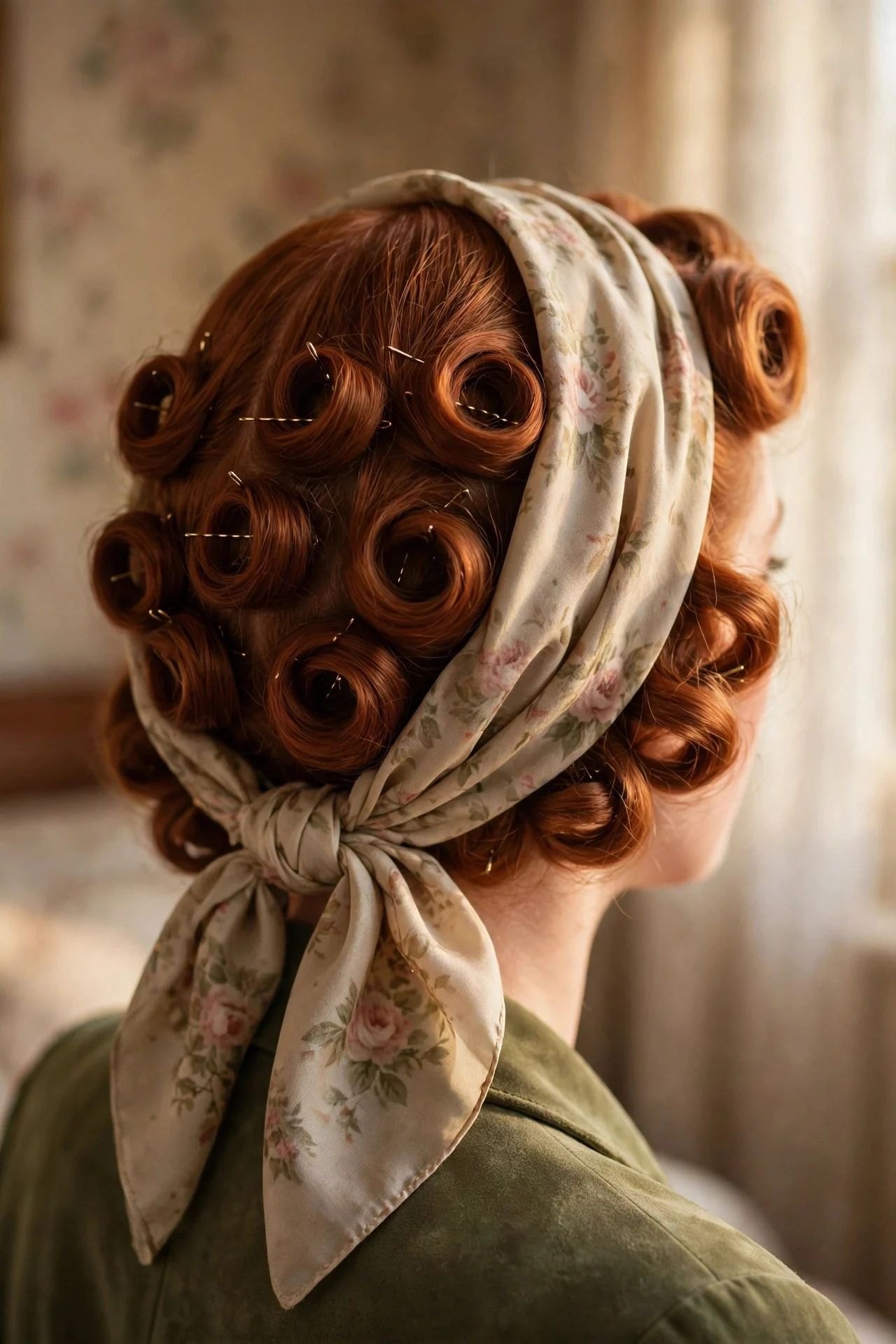
The vintage classic. Take small sections of damp hair, wrap each around your finger into a flat coil, press it against the scalp, and pin it with a bobby pin or duckbill clip. Cover with a silk scarf. This is the slowest method, taking 20 to 30 minutes, but it gives the most defined, long-lasting waves of anything here.
Pin curls are wonderful for short to medium hair and for anyone whose waves usually fall flat by noon. The set is so firm that the waves survive the next day, sometimes two. The trade-offs are obvious: it is fiddly, it takes the longest, and sleeping in a helmet of pins is not fun. But if longevity matters more to you than convenience, nothing else on this list competes.
How to Make the Waves Last
The night-before prep matters as much as the method. Start with hair that is damp, not soaking wet; hair that is too wet will not dry by morning and you will wake up to limp, half-formed waves. A pea-sized amount of curl cream or mousse gives the waves something to hold onto, and a silk or satin pillowcase (or bonnet) cuts frizz dramatically while you sleep.
In the morning, never brush the waves out. Undo your style, flip your head upside down, shake gently, and separate pieces with your fingers. A light mist of flexible-hold hairspray locks things in without stiffness. If your hair tends to drop waves fast, try setting your style on hair that is slightly damper, and avoid heavy oils before bed since they weigh the pattern down. Most people find their second-day waves, refreshed with a little water mist and scrunching, look even better than day one.
FAQs
Do overnight heatless waves work on straight hair?
Yes, but straight hair is the trickiest type to set. Use a stronger-hold method like pin curls or rope twists, start with damper hair, and add mousse before wrapping. Expect the waves to be looser and to need a morning refresh, but they do work.
How damp should my hair be before bed?
Aim for about 70 to 80 percent dry, or lightly misted if your hair is already dry. Soaking wet hair will not dry overnight and the style will fall apart. If your hair is very thick, err on the drier side and give it extra time.
Will sleeping in braids or buns damage my hair?
Not if you keep it gentle. Use soft scrunchies instead of tight elastics, do not pull sections drum-tight, and sleep on silk or satin to reduce friction. The damage risk from overnight styling is far lower than daily heat styling.
Why do my waves look great in the morning but fall flat by afternoon?
This usually means the hair was too wet, too dry, or missing product. Try slightly damper hair with a light mousse, a firmer method like pin curls, and a flexible-hold hairspray after unwrapping. Fine hair may also need a day-two refresh with water mist.
Can I do overnight heatless waves on short hair?
Absolutely. Foam rollers and pin curls are the best options for bobs and lobs since they do not need length to wrap. Braid-based methods need at least chin-length hair to work, and robe-belt methods generally need shoulder length or longer.
Keep exploring
Once you have your waves dialed in, braids make a great next-day style for stretching the look even further. Try one of these 10 Waterfall Braid Ideas for Long Hair for a soft romantic finish, or go relaxed with these 14 Boho Braids for Festival Season when your waves start loosening on day two. And if you want to start your overnight set with a braid itself, these 12 Side Braid Hairstyles for an Easy Look double as both the method and the morning style.