
If your hair feels coated, heavy, or strangely dull no matter what you do, buildup is probably the culprit. Styling products, hard water minerals, excess oil, and even some conditioners leave residue behind. That layer stops moisture from getting in, makes curls fall flat, and can leave your scalp itchy or flaky. The good news is that you do not need a salon appointment to fix it. A proper clarifying routine resets your hair so your regular products can actually work again. The trick is choosing the right method for your hair type and not overdoing it, because too much clarifying can leave hair dry and stripped.
1Start with a Clarifying Shampoo
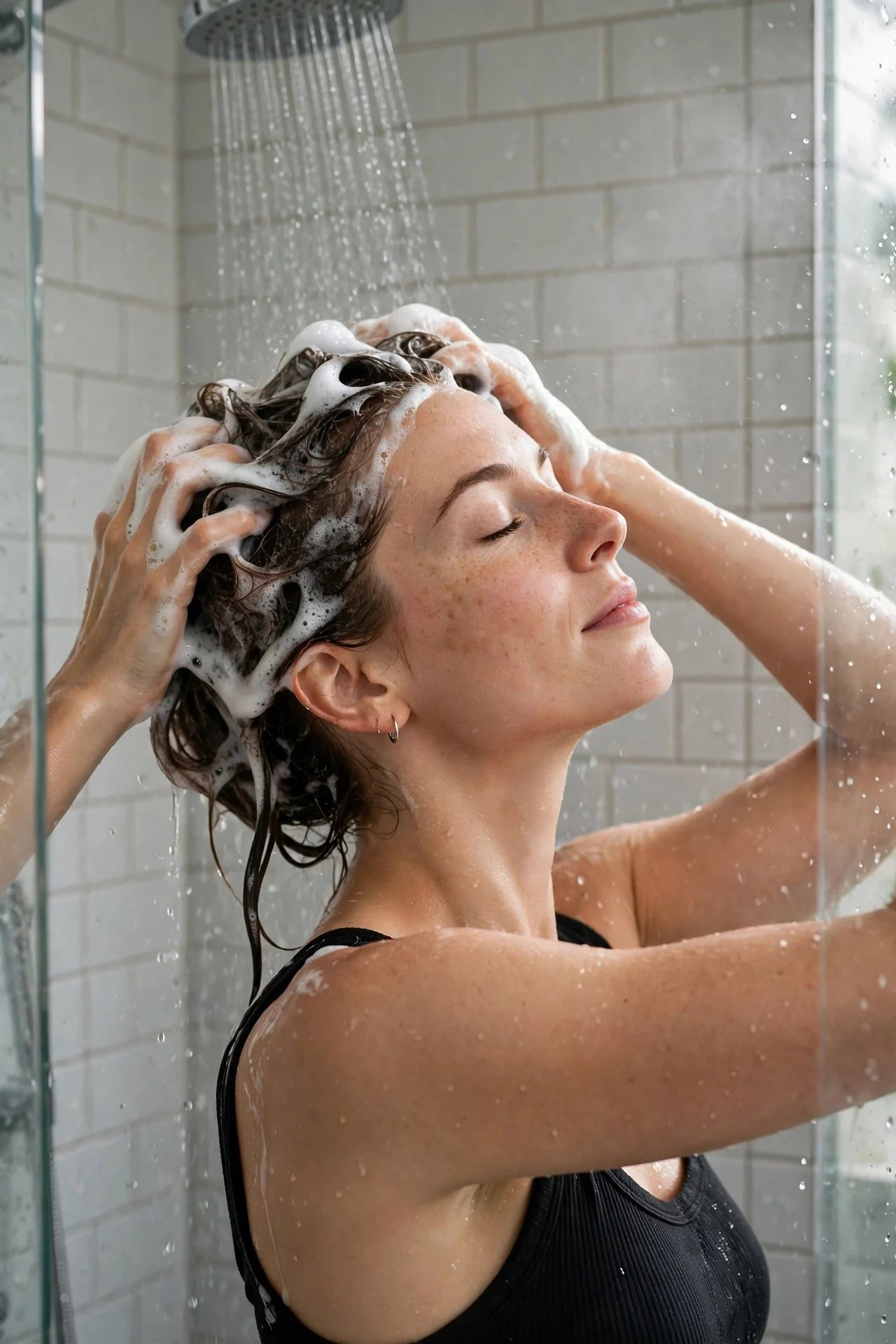
A clarifying shampoo is the simplest place to begin. It is stronger than your everyday shampoo and is made to cut through product residue, oil, and mineral deposits. Wet your hair fully, work a generous amount through your roots and lengths, and let it sit for two to three minutes before rinsing. Follow with a good conditioner, because clarifying shampoos can feel drying on their own. This suits most hair types, especially fine or straight hair that goes limp quickly. Use it once every two to four weeks, or weekly if you use a lot of styling products. The main drawback is dryness, so skip it if your hair is already damaged or freshly colored, and never use it as your daily shampoo.
2Try an Apple Cider Vinegar Rinse
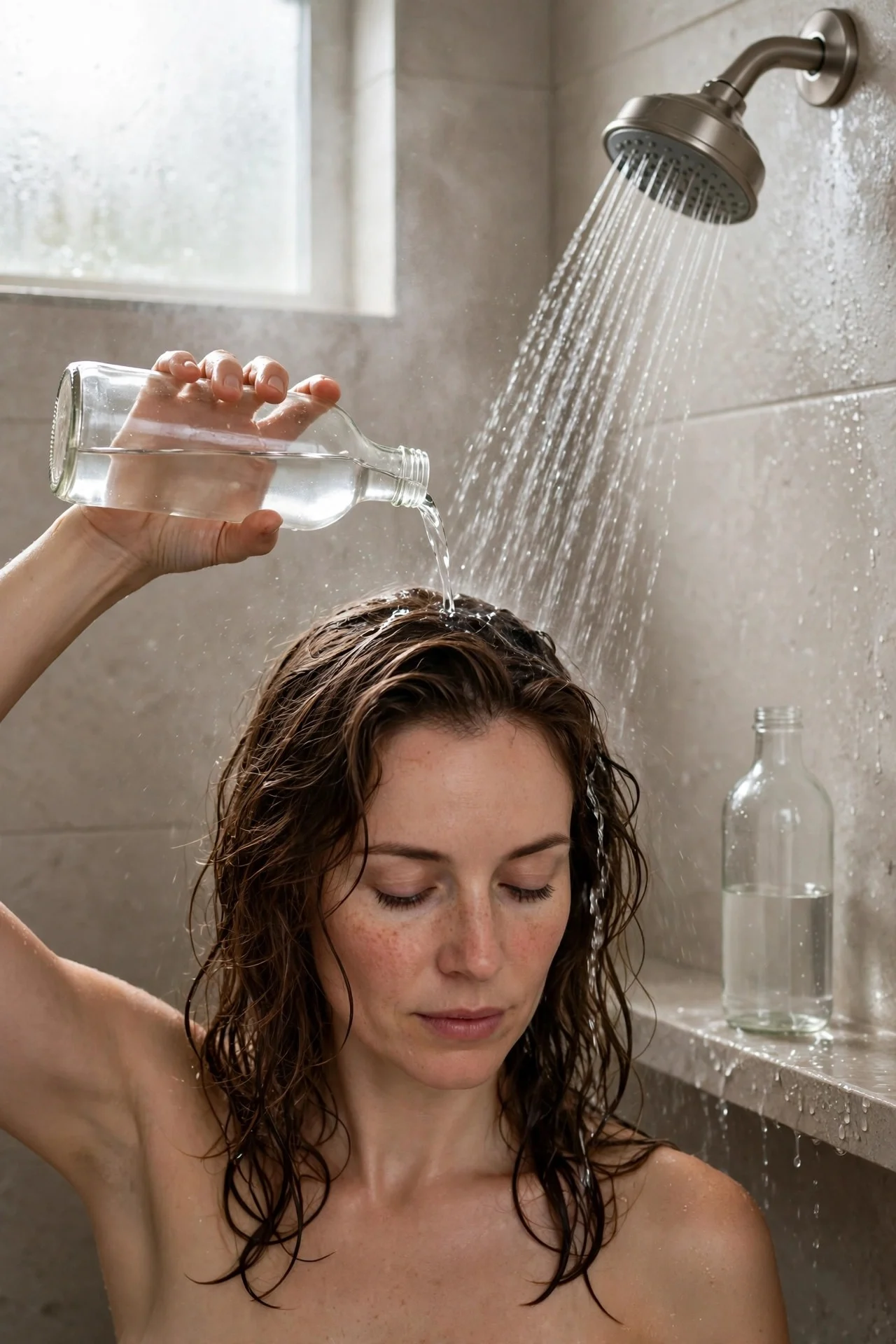
An apple cider vinegar rinse is a popular, low-cost way to remove buildup and add shine. Mix one part vinegar with three parts cool water, pour it over your hair after shampooing, and leave it for three to five minutes before rinsing well. The acidity helps smooth the hair cuticle, which is why hair often looks shinier afterward. It suits wavy, curly, and normal hair, and it is gentle enough for most people to use every couple of weeks. Do not use it undiluted, and keep it away from broken or irritated scalp skin. The smell fades as hair dries, but if you hate vinegar, this method will test your patience.
3Use a Baking Soda Paste for Stubborn Residue
When regular clarifying still leaves your hair feeling coated, a baking soda paste can tackle heavier buildup. Mix two tablespoons of baking soda with just enough water to form a paste, massage it into damp hair and scalp, and rinse after five minutes. It is very effective on thick hair and on hair weighed down by waxes, pomades, or dry shampoo. Use it sparingly, no more than once a month, because baking soda is alkaline and can roughen the cuticle with frequent use. Always follow with conditioner. This is not a good choice for color-treated, fragile, or very dry hair, which can end up frizzy and brittle afterward.
4Do a Bentonite Clay Mask on Your Scalp
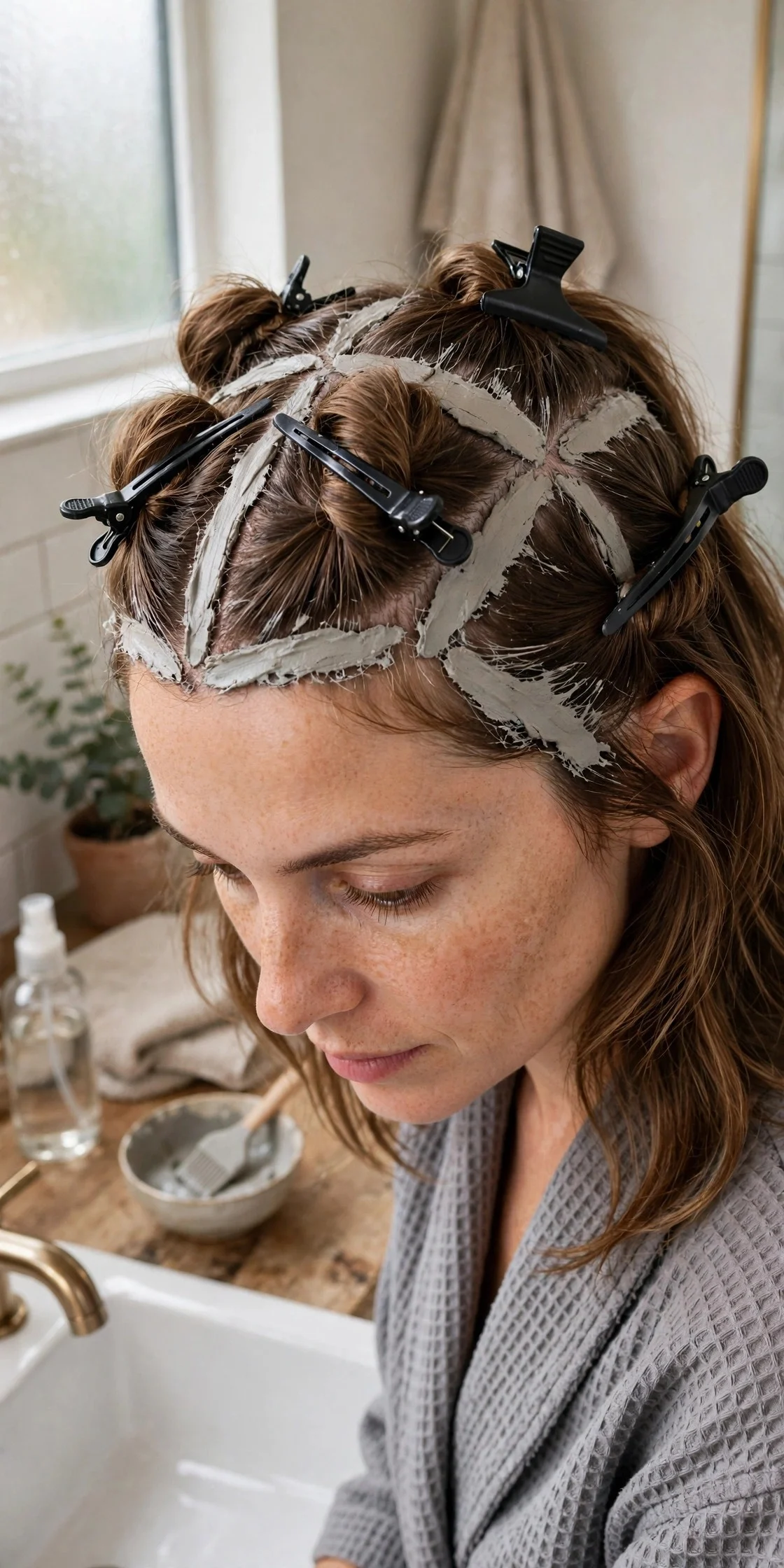
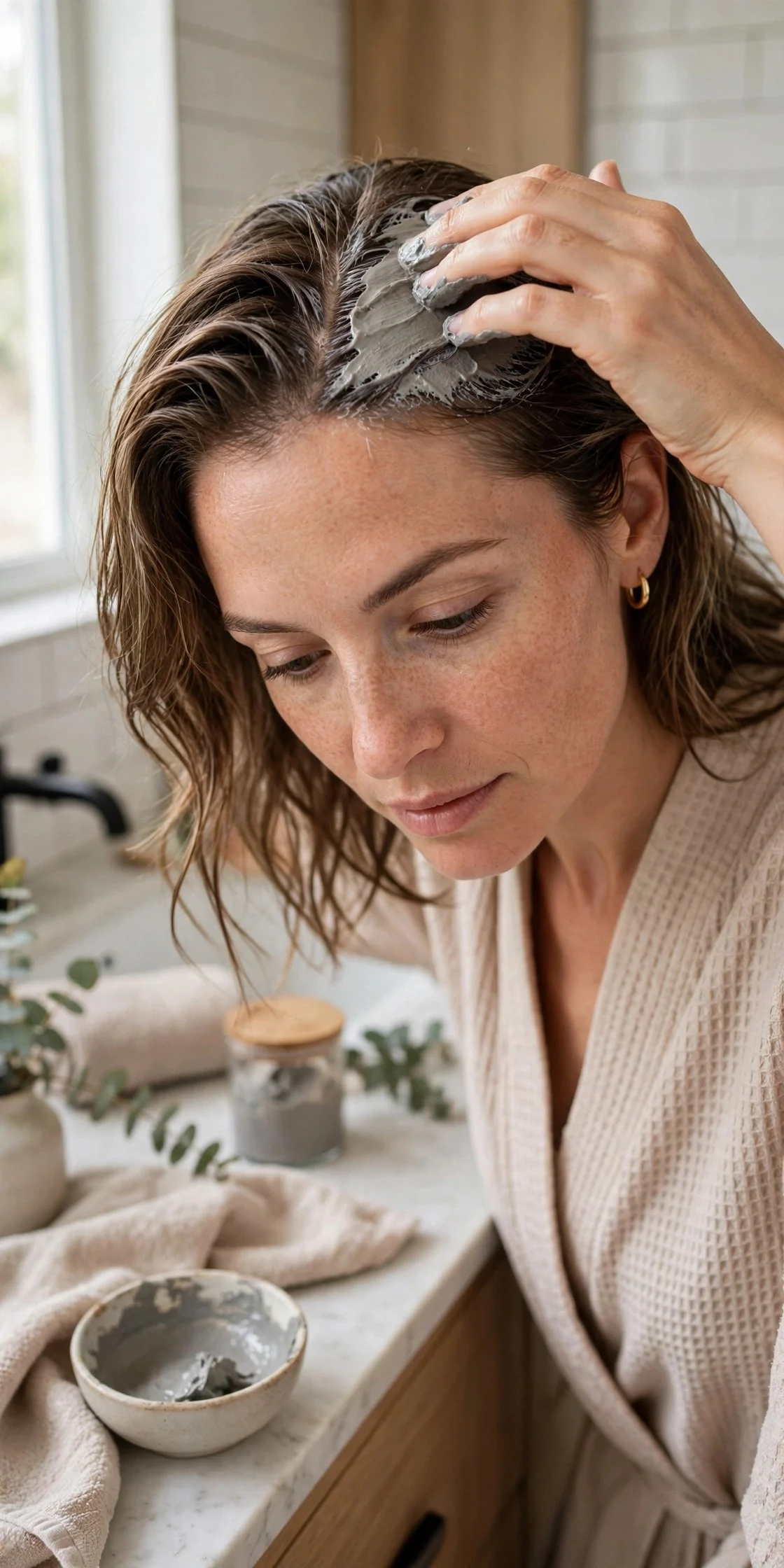
A bentonite clay mask pulls oil and residue from the scalp while giving you a deeper clean than shampoo alone. Mix the clay powder with water or apple cider vinegar until it forms a smooth paste, apply it to your scalp and roots, and rinse after ten to fifteen minutes, before it fully hardens. This works well for oily scalps, people with a lot of product buildup, and anyone whose roots feel greasy a day after washing. It is inexpensive and easy to find online or in health stores. The drawback is mess, and clay can be drying on the lengths, so keep it mostly on the scalp and condition well afterward.
5Rinse with Distilled Water if You Have Hard Water

If your tap water is hard, mineral deposits may be the real reason your hair feels rough and dull. Calcium and magnesium cling to the hair shaft and make it harder for shampoo and conditioner to do their job. A final rinse with distilled water after washing helps remove those minerals and leaves hair softer. You can also use distilled water to dilute a vinegar rinse for a double effect. This suits anyone in a hard water area, especially people with fine, color-treated, or curly hair. The cost is low, but it is a bit inconvenient, since you need to keep a jug in the shower and it will not remove heavy styling product buildup on its own.
6Switch to a Chelating Shampoo for Mineral Buildup
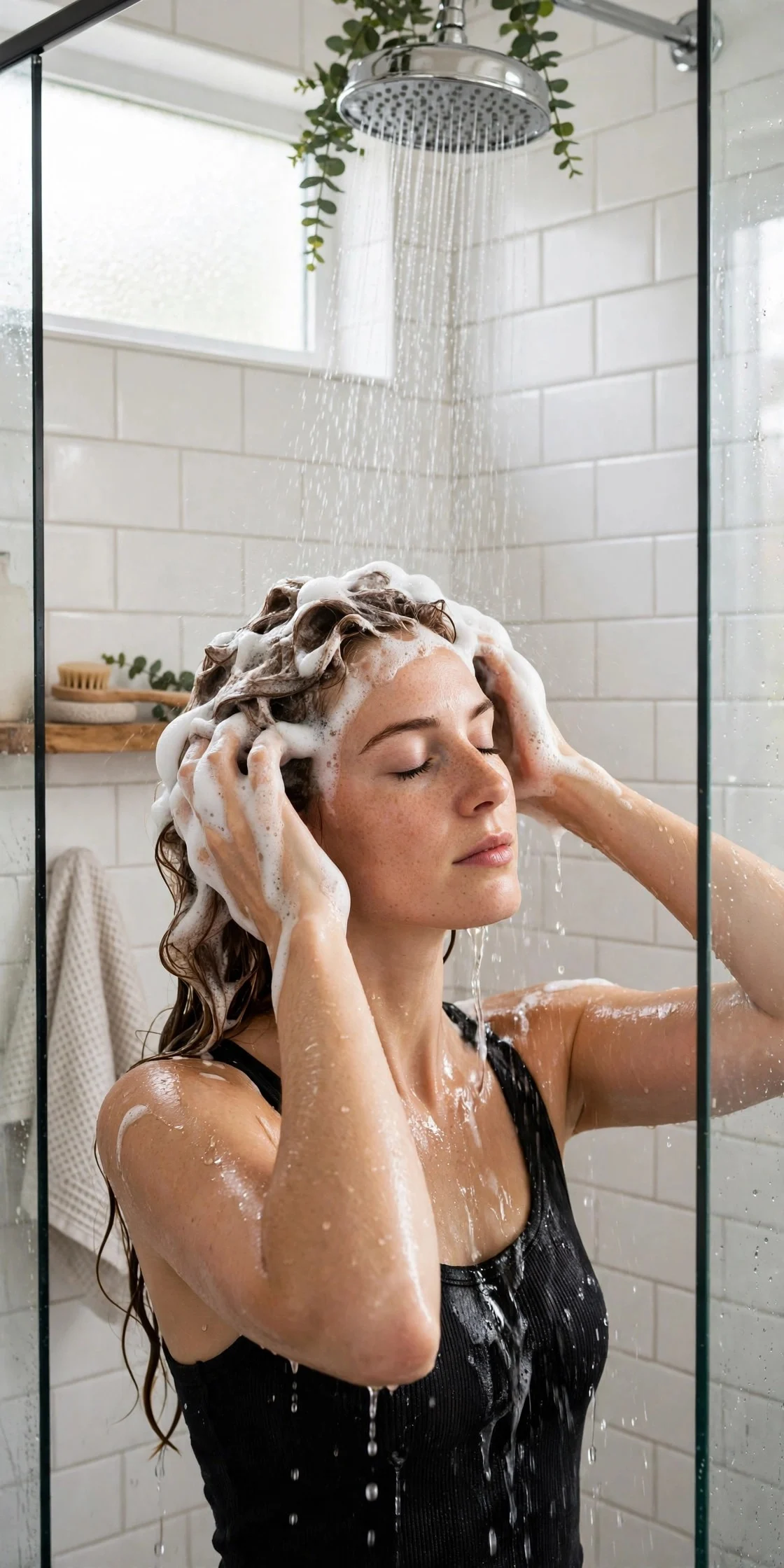
A chelating shampoo is different from a regular clarifying shampoo. It contains ingredients that bind to minerals from hard water, chlorine, and well water and wash them away. Use it once or twice a month in place of your normal shampoo, lather well, and leave it on for a few minutes. It is ideal for swimmers, people with well water, and blondes whose hair turns brassy or greenish from minerals. The cost is higher than a basic clarifying shampoo, usually in the mid-range for salon brands. It can also be drying, so follow with a hydrating mask. If you only have product buildup and no hard water issues, a standard clarifying shampoo will do the same job for less money.
7Exfoliate Your Scalp with a Gentle Scrub
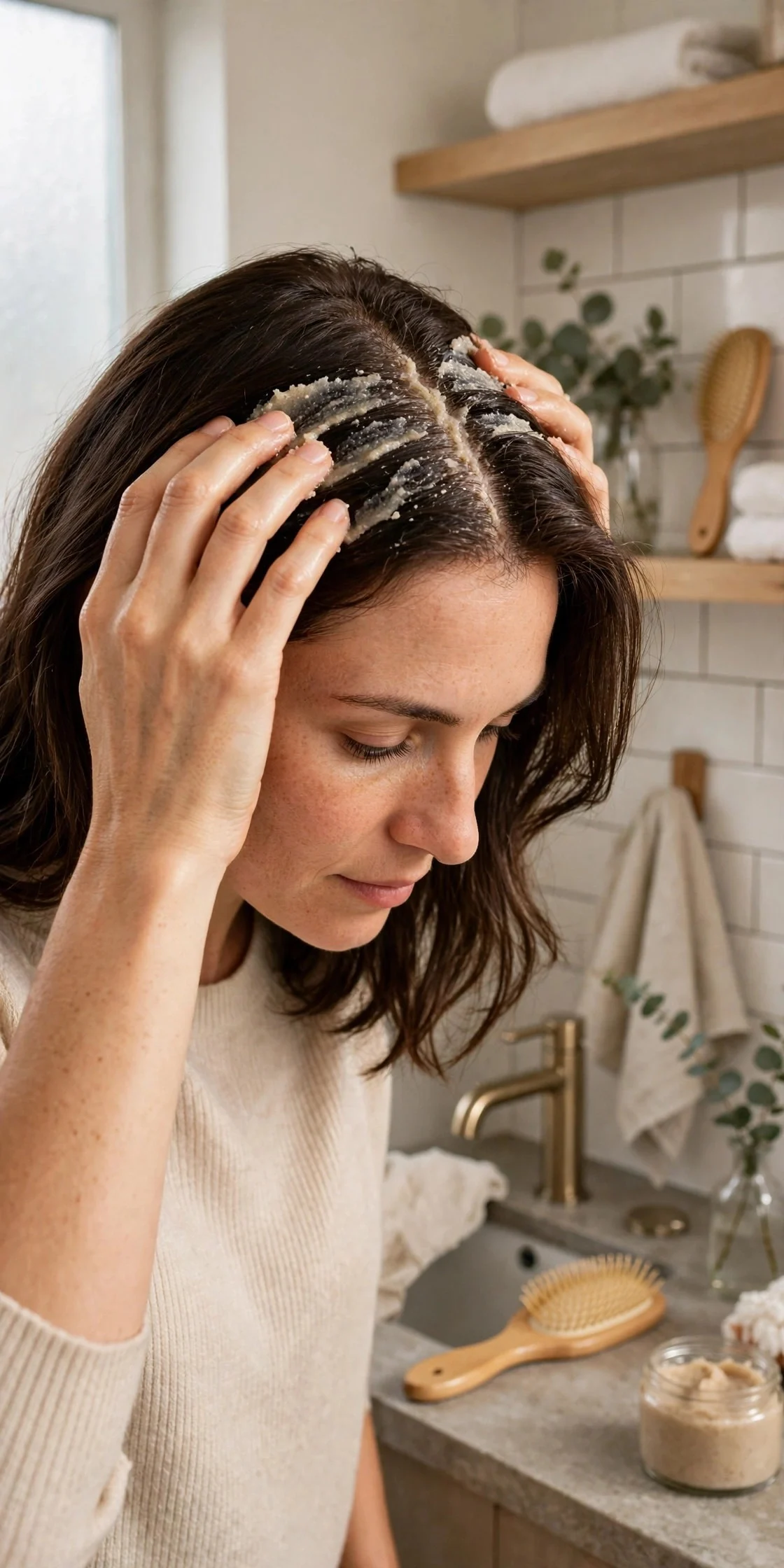
Scalp buildup is not just about hair products. Dead skin, oil, and flakes collect at the roots and can block follicles over time. A gentle scalp scrub, either store-bought or a simple sugar and shampoo mix, lifts that layer away. Massage it into a wet scalp for two to three minutes using your fingertips, not your nails, then rinse and shampoo as usual. This suits oily scalps, people who use dry shampoo often, and anyone dealing with mild flaking. Use it every two to three weeks. The drawback is that aggressive scrubbing can irritate sensitive scalps, so skip it if you have eczema, psoriasis, or open scratches, and keep the pressure light.
8Cut Back on Heavy Products for Two Weeks

Sometimes the best clarifying step is not a product at all, but a break. Heavy oils, butters, silicones, and thick styling creams build up faster than lighter formulas, especially on fine hair. For two weeks, switch to a lightweight shampoo and conditioner, skip leave-in creams and serums, and use only one styling product at a time. You will quickly learn which product was weighing your hair down. This costs nothing and suits every hair type, particularly fine, low-porosity, and easily weighed-down hair. The drawback is patience: your hair may feel less polished during the reset, and you may need to restyle more often. Still, it gives you a clean baseline to rebuild from.
9Use a Micellar Rinse for a Gentle Reset

If your hair is dry, curly, or color-treated, a harsh clarifying shampoo may feel like too much. A micellar rinse or micellar shampoo uses tiny cleansing molecules to lift dirt and light buildup without stripping natural oils. Apply it to wet hair, massage it in, and rinse as usual, then condition. It suits sensitive scalps, dry hair, and people who need to clarify more often but cannot handle strong formulas. You can use it weekly if needed. The honest drawback is that it will not cut through heavy wax, gel, or hard water minerals the way a true clarifying shampoo does. Think of it as maintenance between deeper clarifying sessions, not a replacement for them.
10Get a Professional Clarifying Treatment When Needed
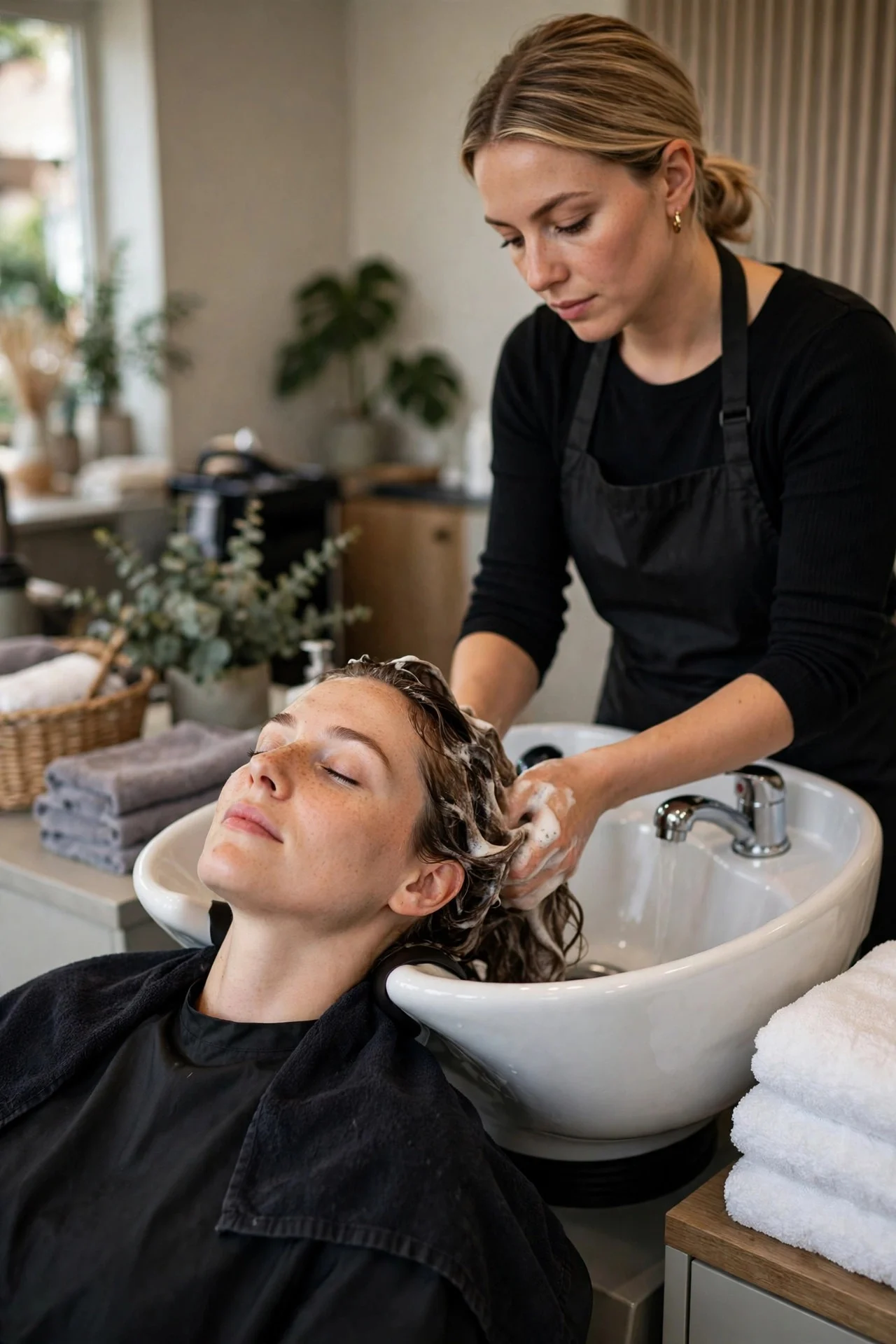
If home methods are not working, or your hair feels coated even after clarifying, a salon treatment can help. A stylist can assess whether the problem is buildup, damage, or a scalp condition, and use a professional-strength clarifying or chelating treatment. This is worth it before a color service, after a long period of heavy product use, or when you have well water buildup that home rinses cannot shift. Costs vary, but expect to pay for a wash and treatment session, often more if a conditioning treatment follows. The drawback is the price and the time, and a very strong salon treatment can still leave hair dry, so ask for a deep conditioning finish.
How to Care for Your Hair After Clarifying
Clarifying is only half the job. What you do right after decides whether your hair feels soft or straw-like. Always follow a clarifying wash with conditioner or a hydrating mask, focusing on the mid-lengths and ends rather than the roots. For the next few washes, use lighter products so you do not undo the reset straight away. If your hair is curly, scrunch in a small amount of leave-in conditioner while it is still damp. If it is fine, skip heavy oils entirely. Style as usual, but watch how your hair responds: better volume, cleaner roots, and curls that hold their shape are all signs the reset worked. Repeat clarifying only when buildup returns, not on a fixed schedule, and your hair will stay balanced.
FAQs
How often should I clarify my hair?
Most people need to clarify once every two to four weeks. If you use a lot of styling products, swim often, or have hard water, once a week may suit you better. People with dry, curly, or color-treated hair should stick to the longer gap. Watch your hair, not the calendar: when it feels coated, dull, or limp despite normal washing, it is time.
Can clarifying damage my hair?
Clarifying can dry hair out if you do it too often or skip conditioner afterward. Used at the right frequency, with a good conditioner or mask after, it should not cause lasting damage. Avoid strong methods like baking soda on fragile, bleached, or very dry hair, and always follow with moisture.
Will clarifying remove my hair color?
A clarifying shampoo can fade color slightly, especially on freshly dyed or vivid shades, because it opens the cuticle and washes away surface pigment. If your color is fresh, wait at least two weeks before clarifying, and use a gentle micellar formula or a color-safe clarifying shampoo when you do.
How do I know if I have buildup or just dry hair?
Buildup usually feels coated, heavy, or waxy, and hair may look dull even right after washing. Dry hair feels rough, tangles easily, and breaks, but does not feel coated. If conditioner stops working and your roots go flat fast, buildup is likely. If your ends feel like straw but your roots are fine, dryness is the bigger issue.
Should I clarify before coloring my hair?
Yes, clarifying a day or two before coloring can help, because it removes residue that blocks even color uptake. Do not clarify on the same day as coloring, and condition well after the clarifying wash so your hair is clean but not stripped. Tell your stylist if you have hard water buildup, since a chelating treatment may work better.
Keep exploring
After clarifying, keep buildup away with rosemary water routines and a gentle rice water rinse. If your ends feel dry after clarifying, these aloe vera hair mask recipes restore moisture.