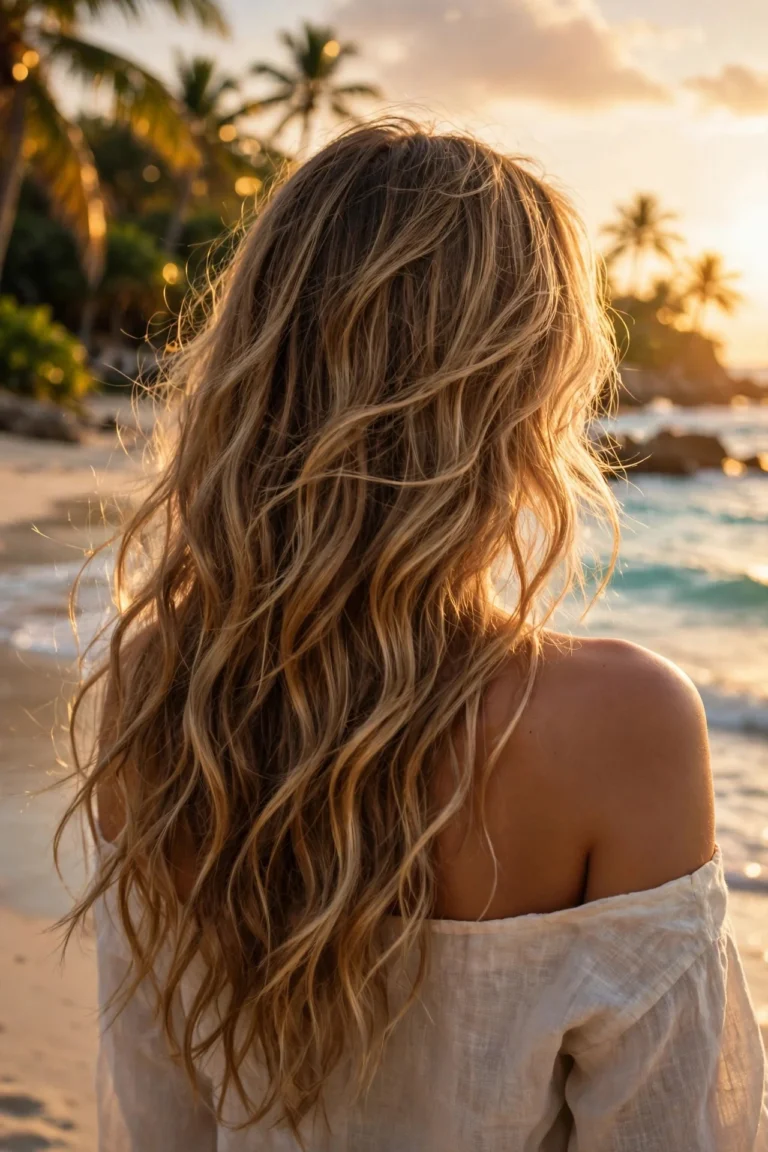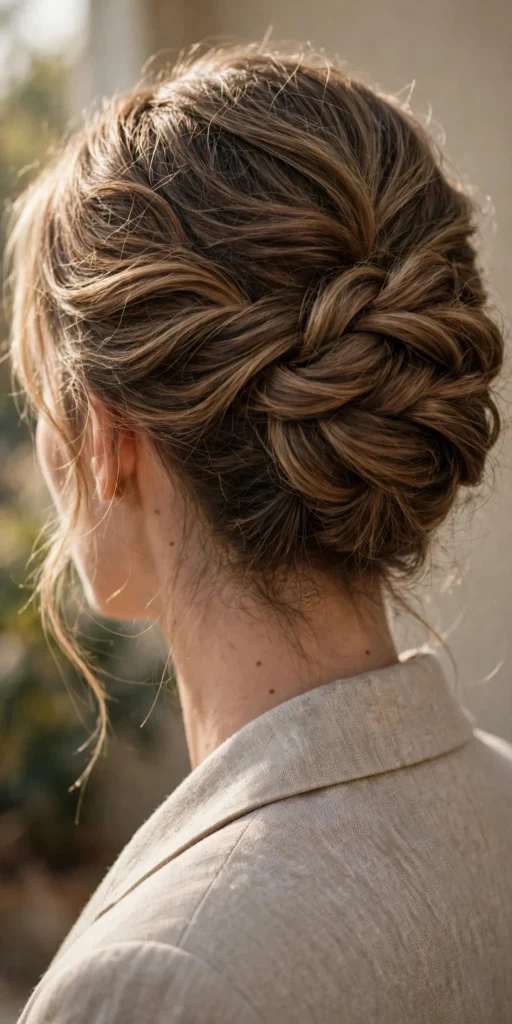
We have all had that morning. You planned to wash your hair, the alarm had other ideas, and now your roots are looking a little too shiny for comfort. The good news is that second day hair is often easier to style than freshly washed hair. It has grip, it holds a bend, and it stays where you put it. You do not need a complicated routine or a drawer full of tools. You need a style that works with the texture you already have, not against it. These ten ideas do exactly that. Some hide oily roots completely, some turn them into sleek shine, and all of them take ten minutes or less once you have tried them once or twice.
1Messy High Bun With Face Framing Pieces
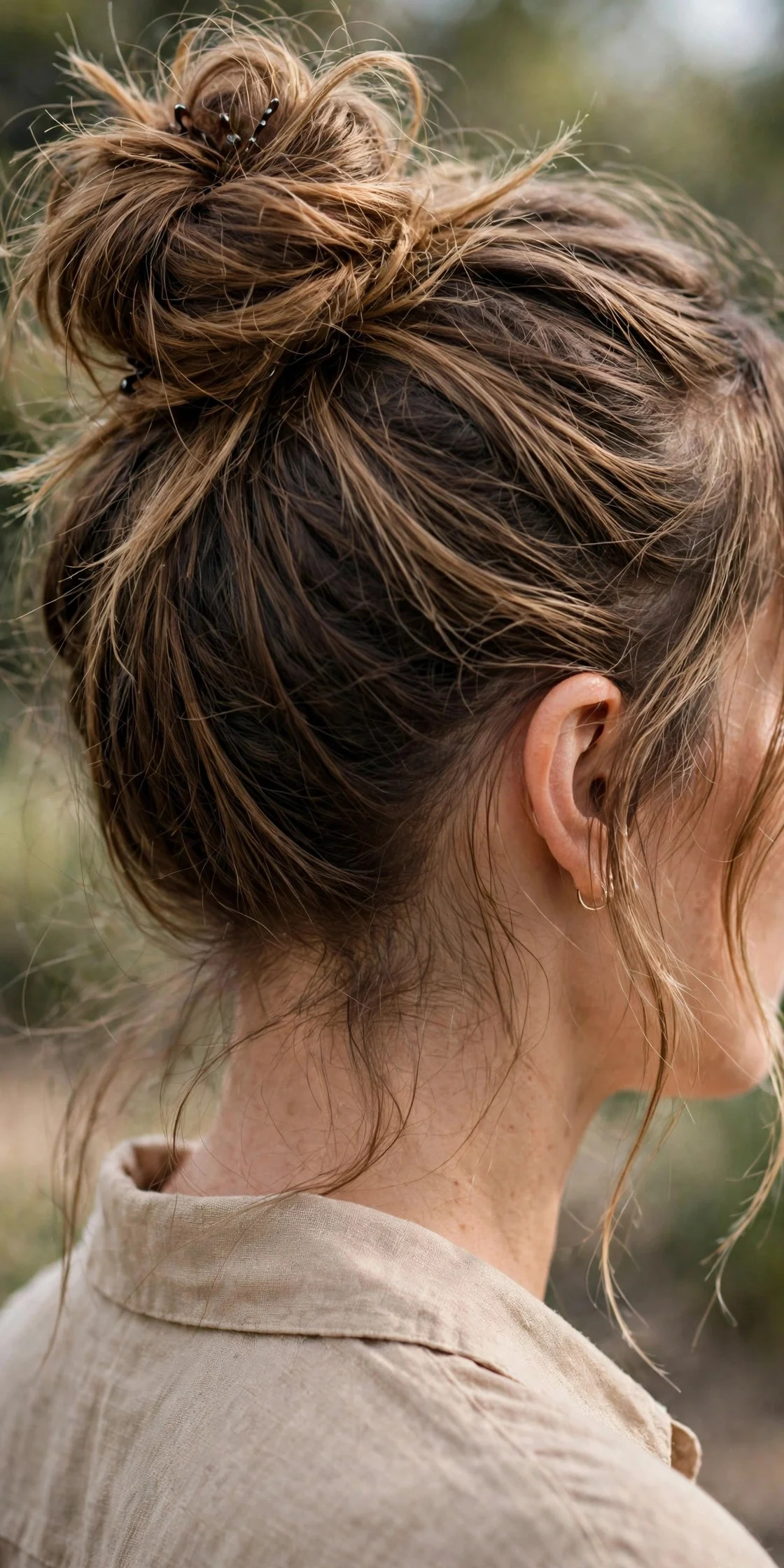
Pull your hair up high, twist it loosely, and pin it in place without smoothing everything down. Leave two soft pieces out around your face, and let a few shorter layers escape at the nape. At the salon, ask for long layers and face framing pieces that start at the cheekbone, so this bun never looks severe. It suits almost everyone, especially oval and round faces, because the height lifts the face and the loose pieces soften it. Maintenance is easy, since you only need a few pins and a light mist of dry shampoo at the roots. The drawback is that very fine hair can slip out by midday, so keep extra pins in your bag and avoid heavy conditioner on the days before you plan to wear it.
2Sleek Low Ponytail With a Middle Part
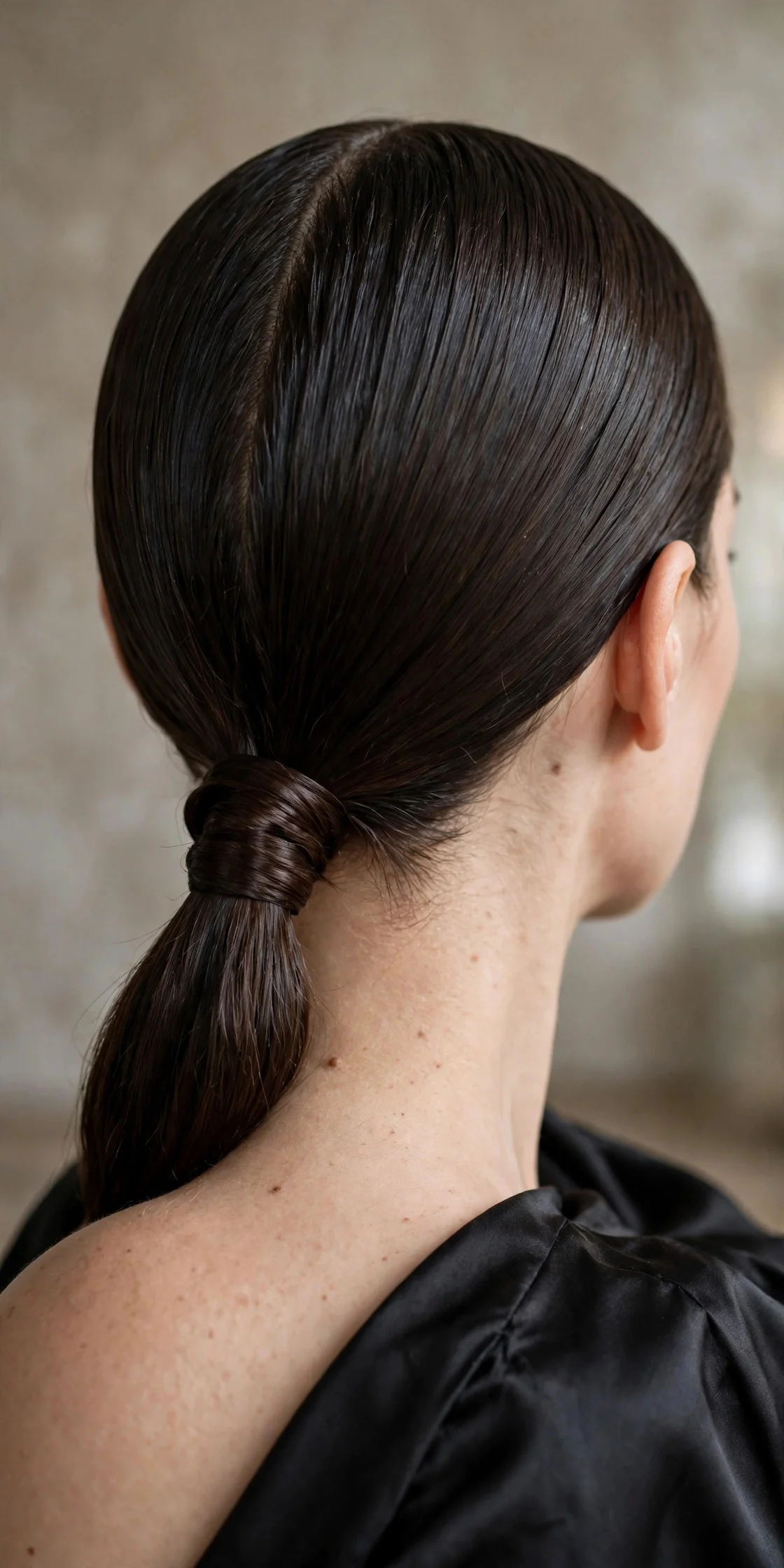
This one turns grease into gloss. Part your hair cleanly down the middle, brush it back low at the nape, and secure it with a strong elastic. Wrap a small section of hair around the elastic to hide it. Ask your stylist for a blunt cut or very light layers, because a clean outline makes this ponytail look polished rather than flat. It suits straight and slightly wavy hair best, and it works beautifully for work, interviews, and formal dinners. The upkeep is minimal, but you will need a boar bristle brush and a little smoothing serum to keep flyaways down. The honest downside is that it shows every bump, so take an extra minute to brush the crown smooth before you tie it.
3Textured French Braid Down the Back
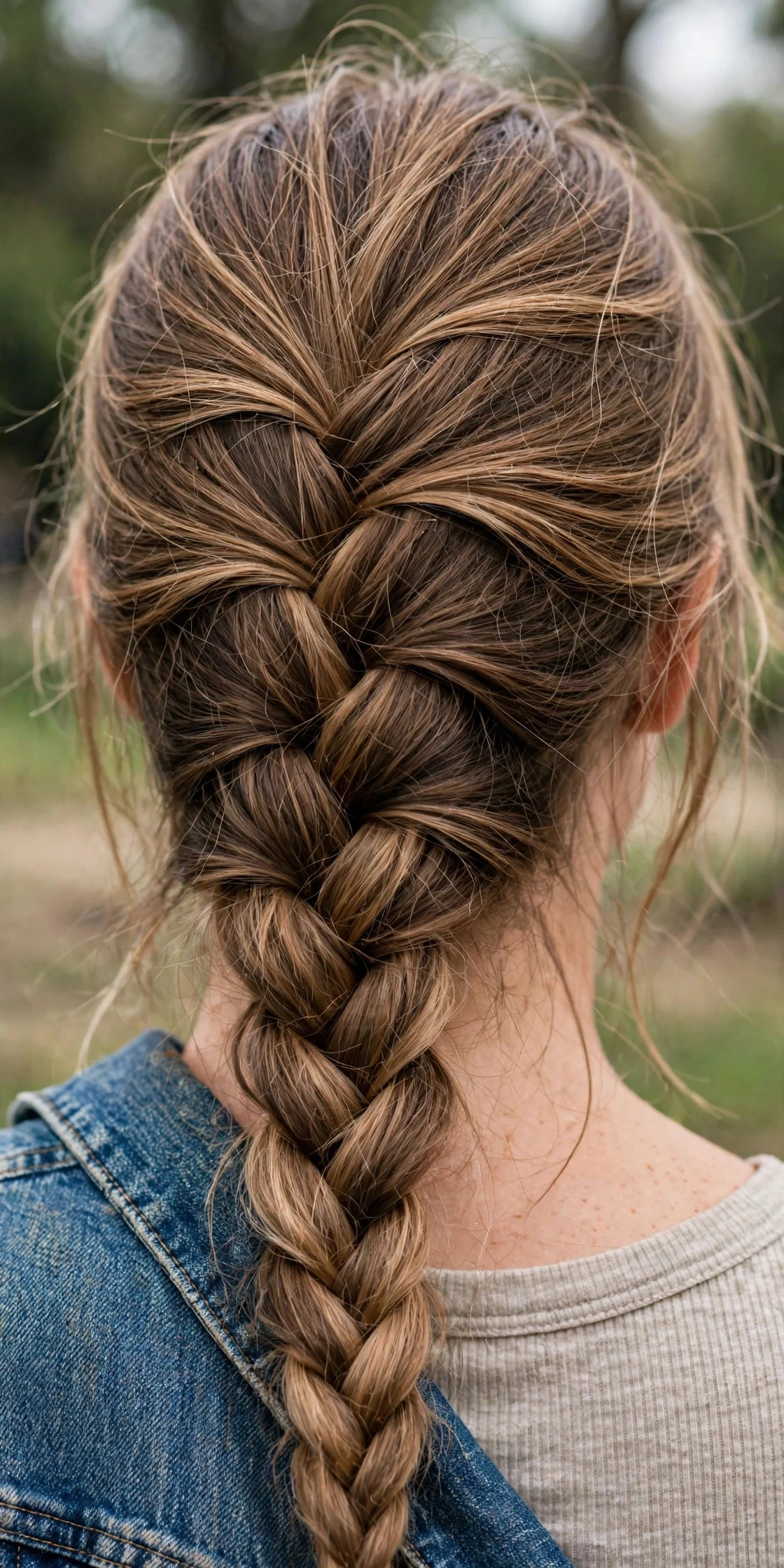
A French braid is the classic dirty hair rescue because it gathers the oiliest sections, the roots and crown, right into the style. Start at the hairline, add sections as you go, and finish with a slightly loosened braid for softness. When you visit the salon, ask for layers that are long enough to stay tucked into a braid, and mention that you braid often so your stylist avoids cutting pieces too short around the face. This suits medium to long hair, thick or fine, and it keeps hair off your neck on warm days. It costs nothing beyond an elastic, and it holds for hours. The drawback is that it takes practice, and short layers near the front may poke out unless you pin them down.
4Half Up Claw Clip Twist
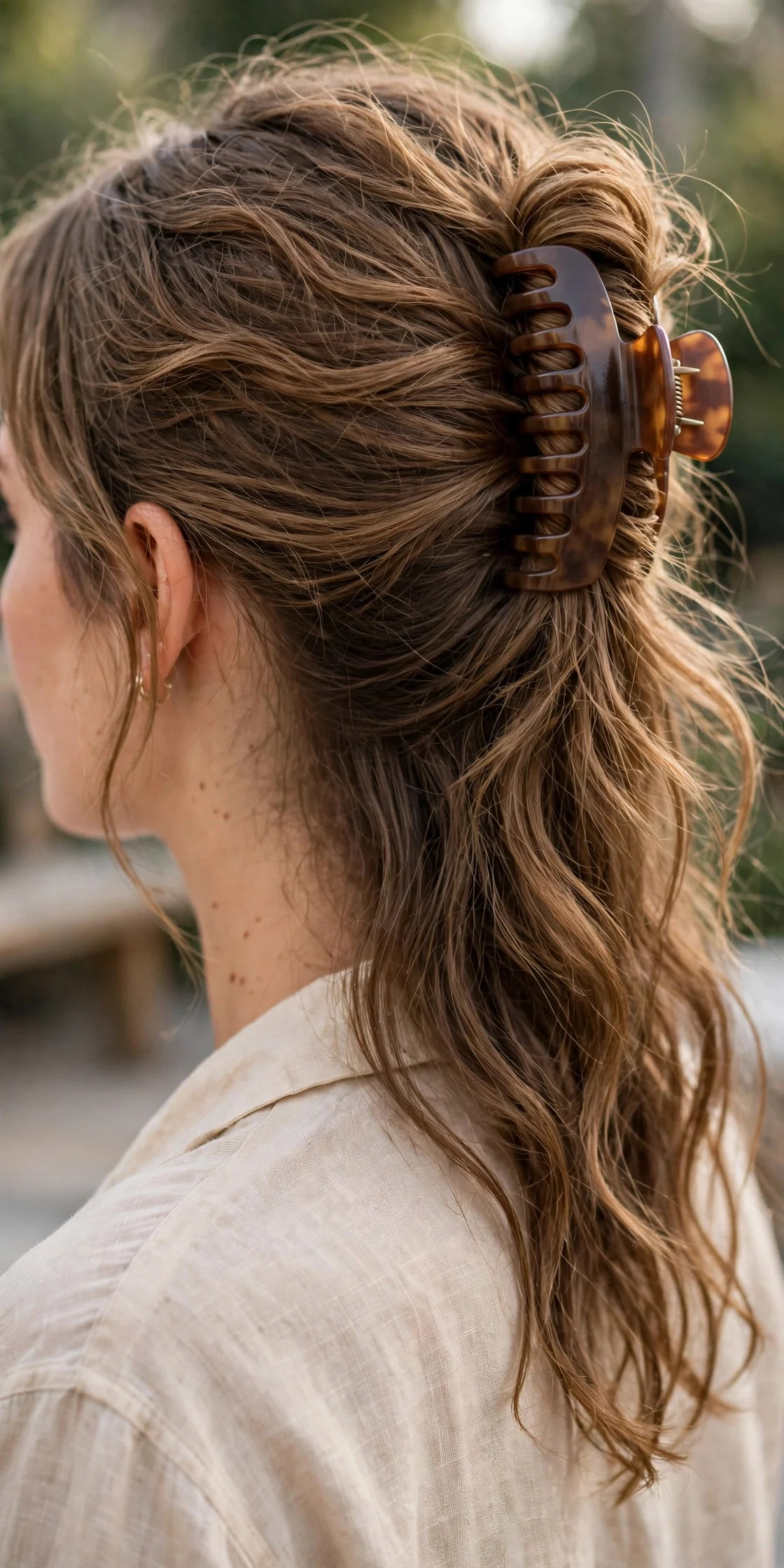
Gather the top half of your hair, twist it once, and secure it with a large claw clip at the back of your head. Let the bottom half fall loose. This works when only your roots look tired but your ends still look fine. Ask your stylist for a cut with movement through the ends, such as soft layers, so the loose hair does not hang flat. It suits wavy and curly hair especially well, since natural texture makes the twist look fuller. Maintenance is almost zero, and a good clip costs little and lasts years. The drawback is that claw clips can slide on very silky hair, so choose one with inner teeth and test it before you rely on it for a long day out.
5Slicked Side Part With a Low Chignon
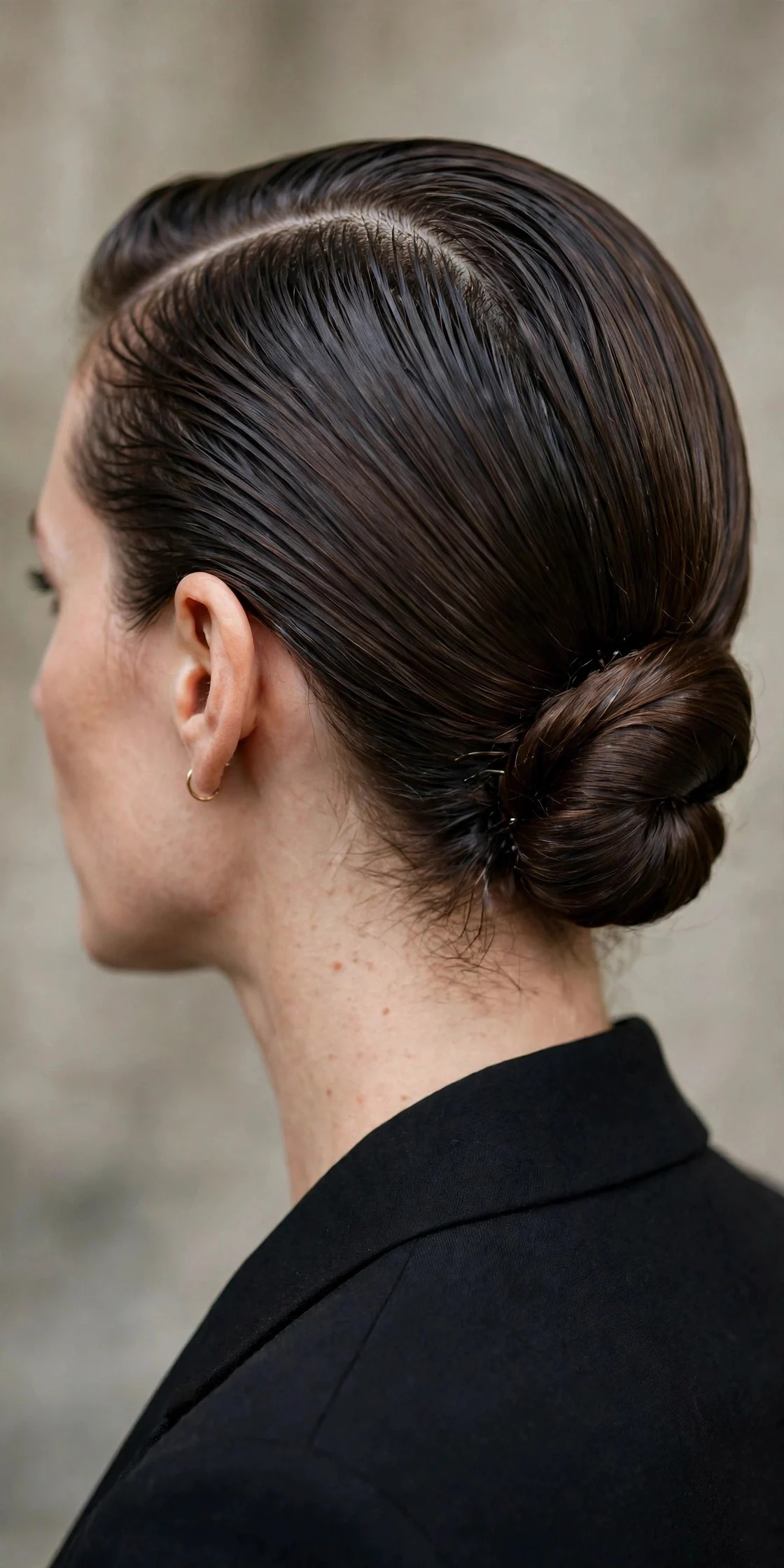
Part your hair deeply to one side, smooth the roots down with a little gel or pomade, and roll the length into a low chignon at the nape. Pin it flat, not puffy. At the salon, ask for a low maintenance cut with a clean nape line, and say you like slicked styles so they do not thin the crown. This style suits straight hair and anyone who wants an elegant look without washing. It also suits weddings and office events. Upkeep is low, though you will go through gel faster than usual, and you need pins that match your hair color. The drawback is that it can feel heavy on thick hair, and a very deep part can expose a wider root line if your color has grown out.
6Double Dutch Braids for Thick Hair
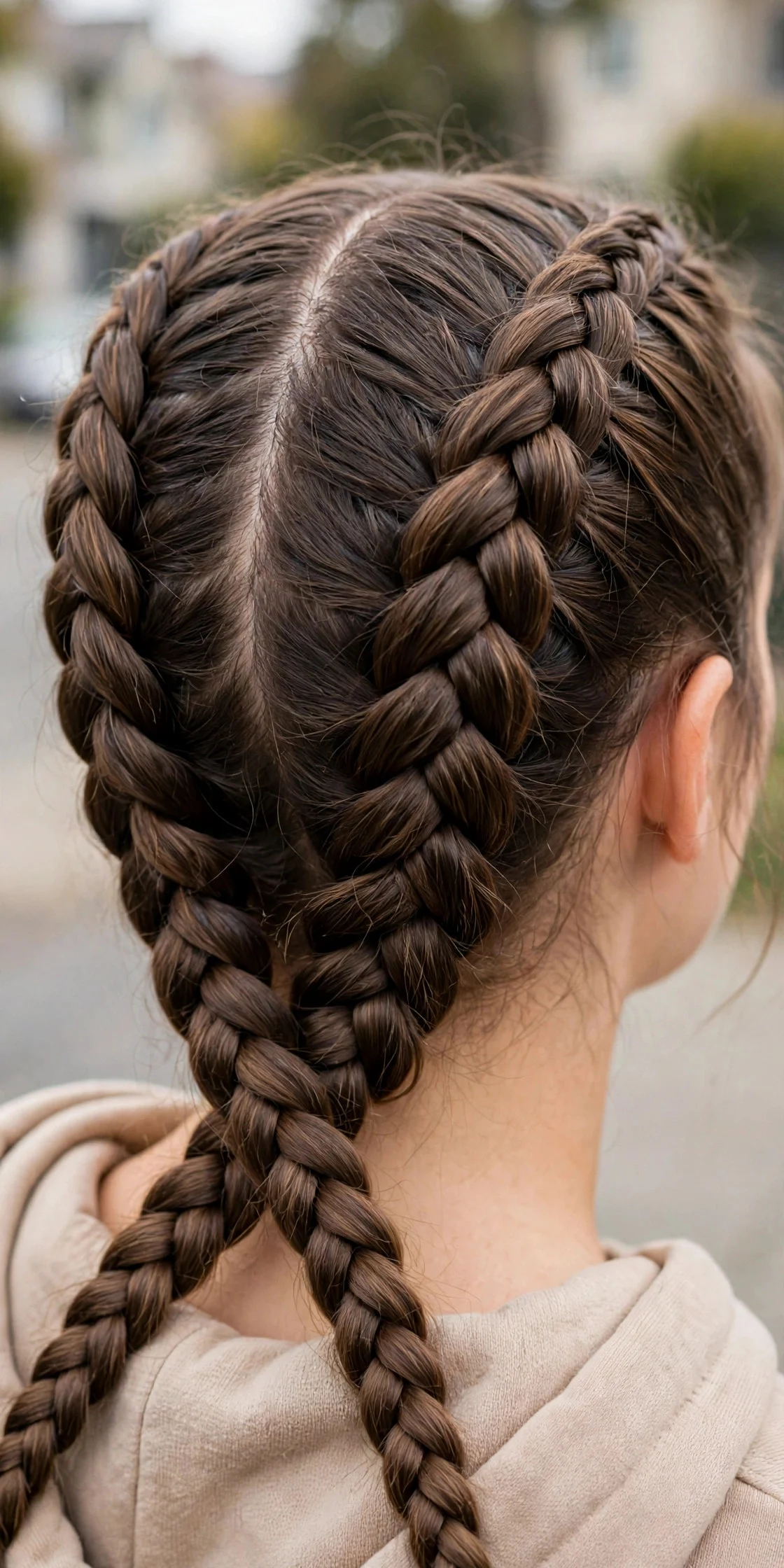
Split your hair down the middle and Dutch braid each side, crossing the strands under instead of over so the braids sit raised on the head. This style handles volume beautifully, and it keeps thick hair contained all day. Ask your stylist to remove some internal bulk if your hair is very dense, but keep the length, so braids lie flatter and feel lighter. It suits thick, coarse, and curly hair best, and it is a favorite for workouts, travel days, and humid weather. The cost is just your time, about ten minutes once you know the pattern. The drawback is that it can pull at the hairline if braided too tightly, so keep the first few stitches gentle and loosen the braids slightly once they are secured.
7Voluminous Top Knot With Dry Shampoo Texture
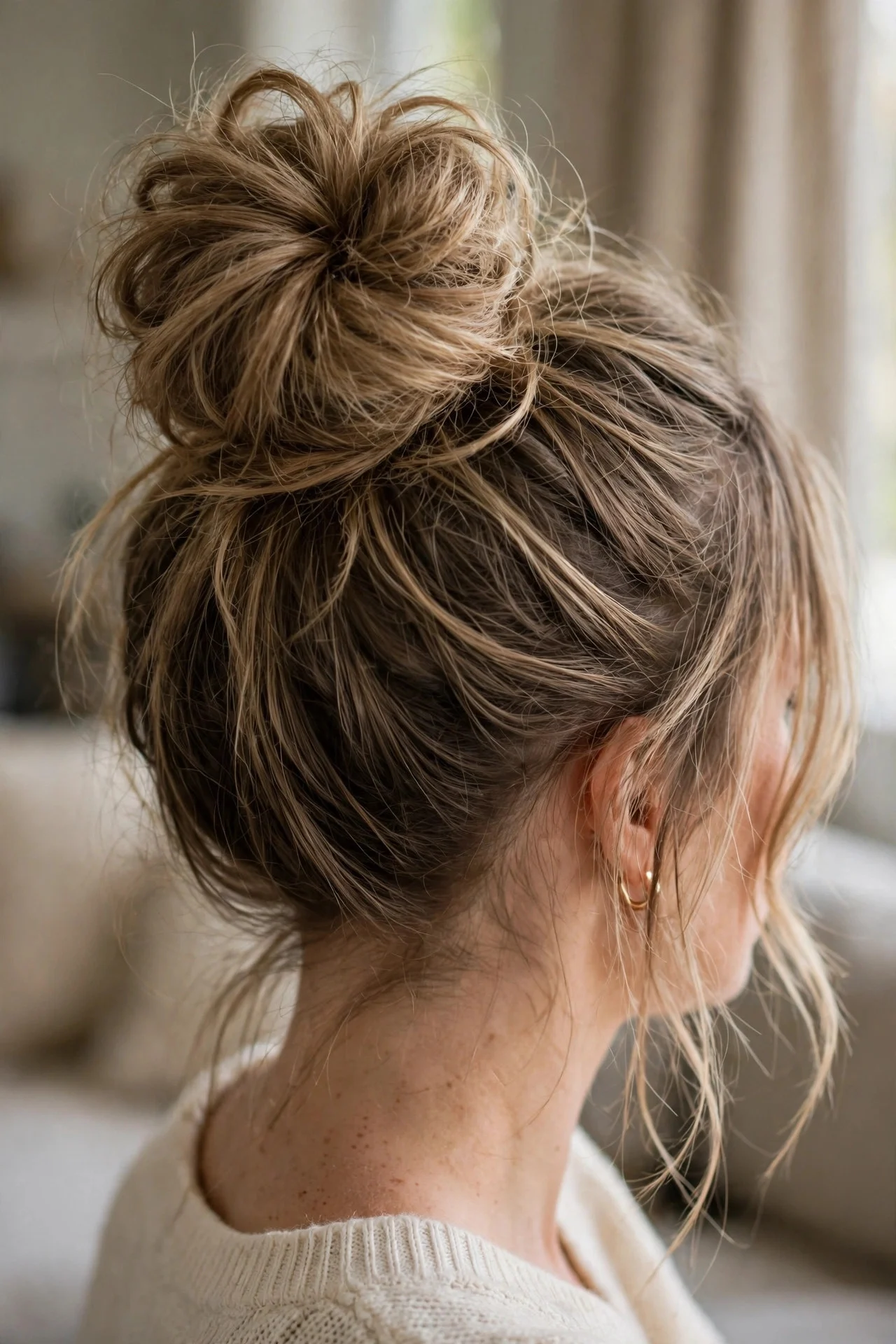
Spray dry shampoo through the roots, flip your head upside down, and gather everything into a high knot. Do not aim for neatness. A slightly undone top knot looks intentional, while a perfect one can look stiff. At the salon, ask for layers that add movement on top and a length that still gathers comfortably into a knot. This suits fine to medium hair that needs a lift, and it gives the illusion of a fresh blowout without heat. Maintenance means keeping dry shampoo on hand and washing your pillowcase regularly if you use it often. The drawback is that too much dry shampoo can build up and make hair feel gritty, so use a light hand and wash properly on your next wash day.
8Loose Side Braid With Soft Waves
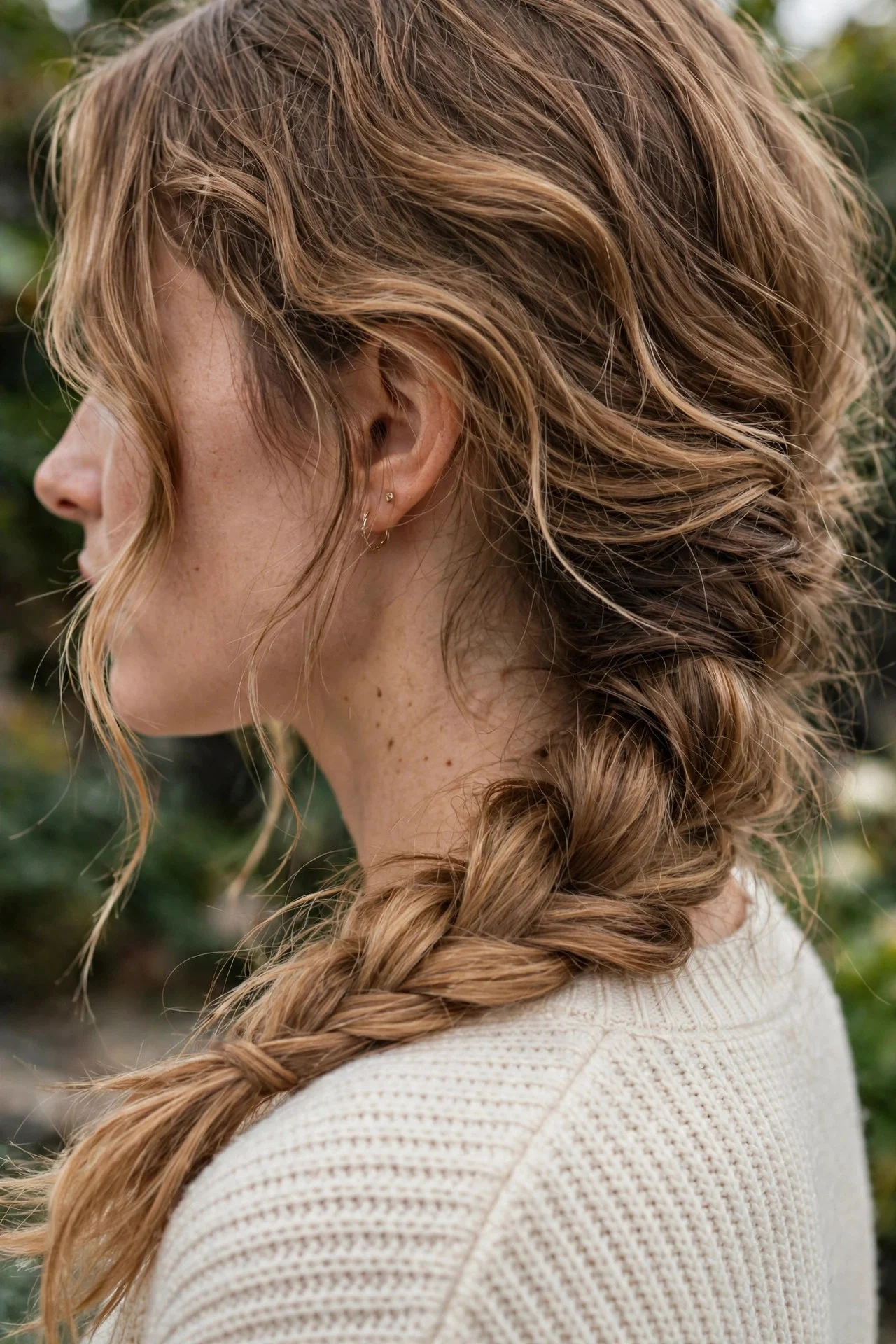
Sweep all your hair over one shoulder and braid it loosely, leaving the front sections soft and a little wavy. Pull gently at the edges of the braid to widen it. Ask your stylist for long, face framing layers and a cut that keeps your waves intact, since blunt ends can make a side braid look thin. This suits wavy and curly hair, and it flatters round and heart shaped faces because the diagonal line draws the eye across. It is low cost and comfortable, and it works well under a hat or scarf. The drawback is that the braid can slip over the shoulder if your hair is very smooth, so anchor it with a small pin near the nape or choose a textured elastic that grips.
9Wrapped Scarf Ponytail
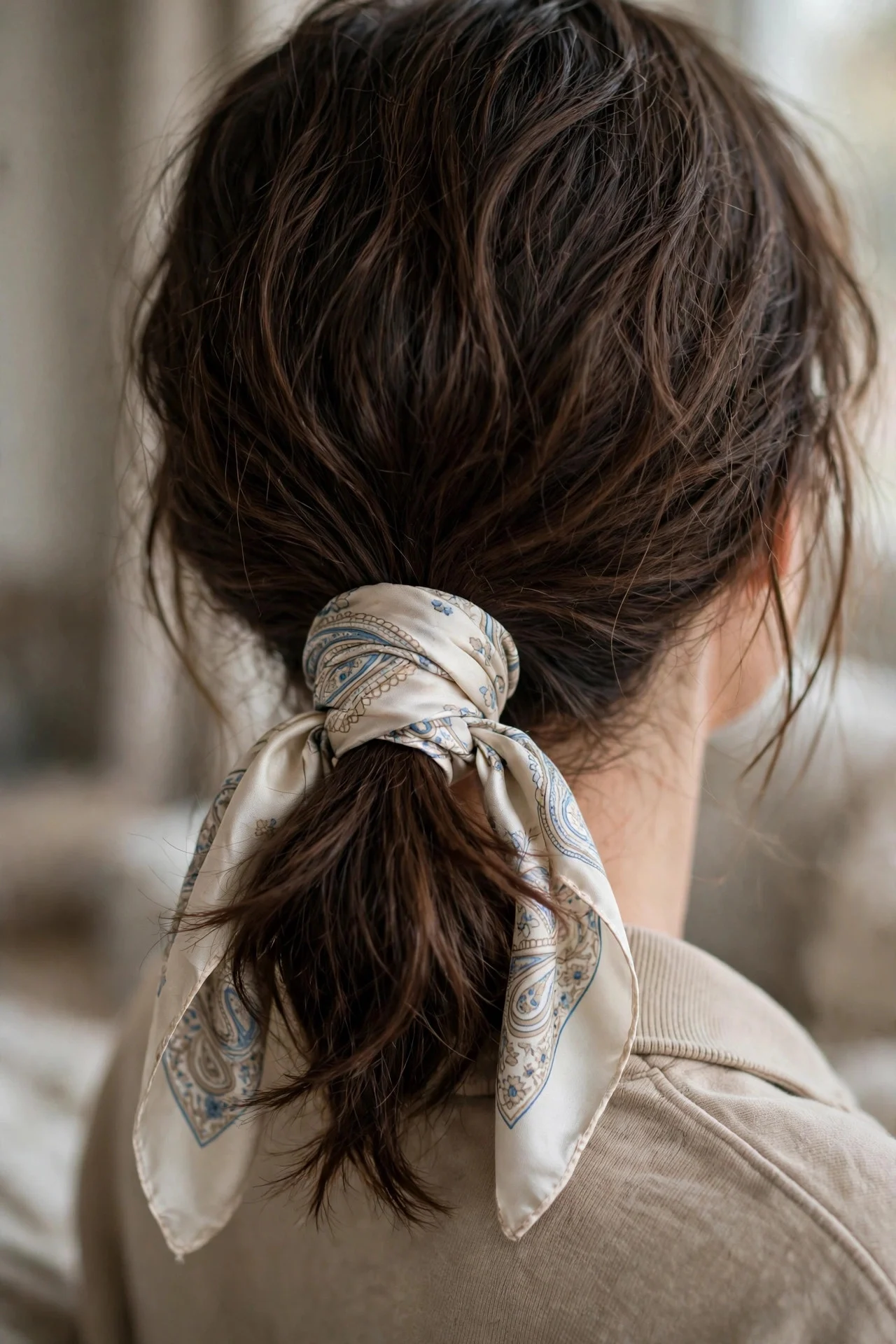
Tie a low or mid ponytail, then wrap a silk scarf around the base and knot it underneath. Let the ends of the scarf hang beside the ponytail. This is the fastest way to hide a greasy part line and add color at the same time. You need no salon request for this, though a trim every eight to ten weeks keeps the ends tidy. It suits every hair type and face shape, and it is especially useful on holiday or when you are between washes while traveling. A scarf costs little, and you probably already own one. The drawback is that silk can slip, so fold the scarf into a band first and double knot it, and avoid very heavy scarves that pull the ponytail down.
10Braided Crown With Loose Ends
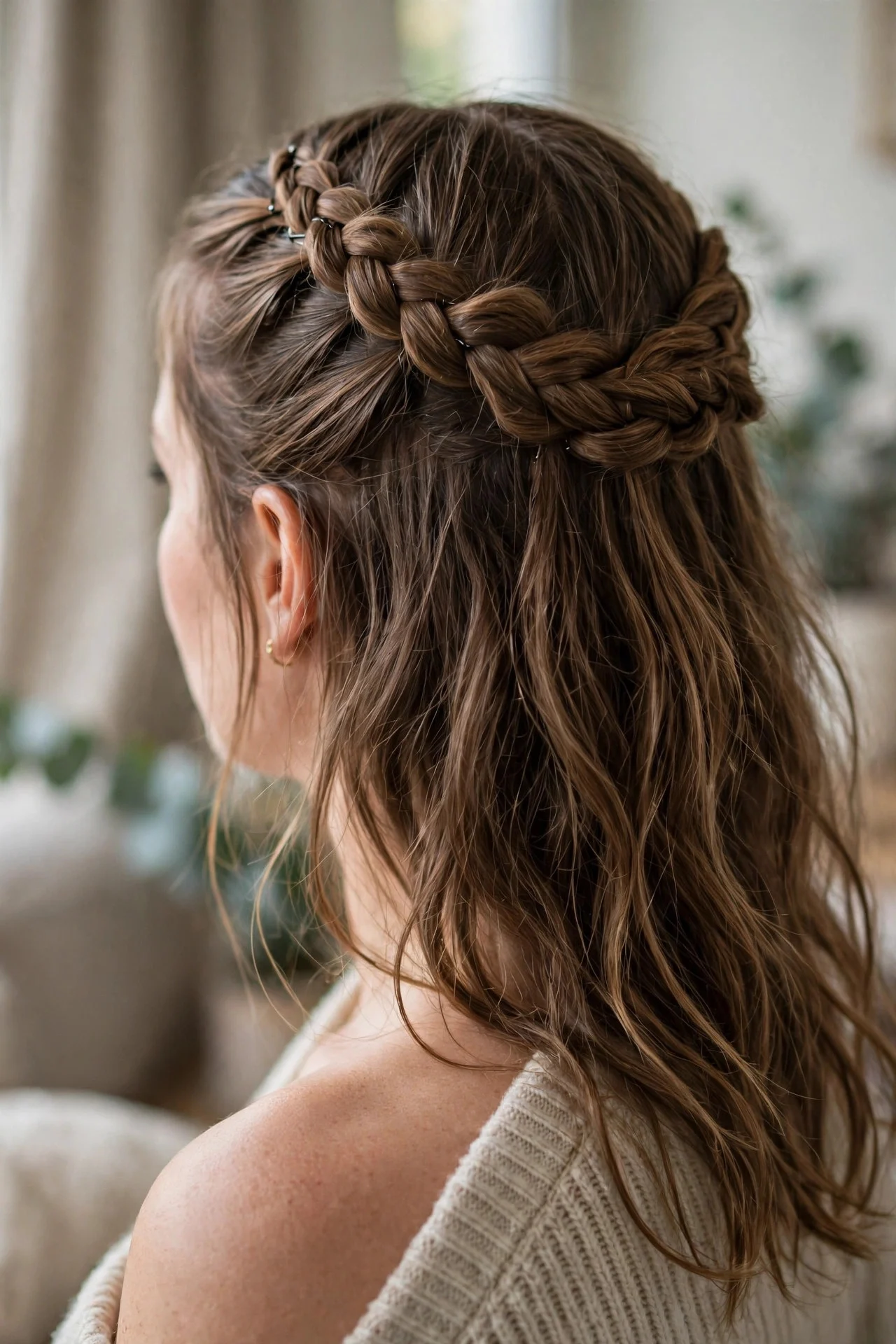
Braid two sections from above each ear, bring them across the top of your head like a headband, and pin them in place. Leave the rest of your hair loose underneath. This hides oily roots at the crown while showing off your length. Ask your stylist for layers that blend around the face and enough length at the front to braid comfortably, at least past the chin. It suits medium to long hair and works for both casual days and dressier occasions. Upkeep is just a few bobby pins and texture spray. The drawback is that it takes a few tries to get the braids even, and very short hair may not reach across the crown, so this one is best saved for shoulder length hair and longer.
Making Second Day Hair Work for You
Start with dry shampoo, but use it the right way. Spray it at the roots from about fifteen centimeters away, wait two minutes, then massage it in with your fingertips. Brushing it through too soon just moves the oil around. If your hair still feels heavy, focus on the style, not the product. Braids, twists, and slicked looks hide more than any spray can. Sleep on a silk or satin pillowcase when you know you will skip a wash, because it reduces frizz and keeps your style from flattening overnight. Finally, give your scalp a proper wash when you do shampoo. Massage for a full minute, rinse well, and skip heavy masks at the roots. Clean roots mean your next dirty hair day starts later, and your styles hold better.
Can I use dry shampoo every day?
You can for a day or two, but daily use is not ideal. Dry shampoo absorbs oil, it does not clean the scalp, and buildup can lead to itching, dullness, and clogged follicles over time. Use it on your skip days, then wash properly on the next wash day. If your scalp feels irritated, take a break and use a gentle clarifying shampoo once, followed by conditioner only on the ends.
How do I hide greasy bangs?
Bangs show oil first because they sit against the forehead. Clip them back with two small pins crossed in an X, sweep them to one side, or braid them into a small side braid. A headband or scarf also works well. If you wear bangs often, wash just the fringe in the sink. It takes two minutes, dries quickly, and makes the rest of your hair look fresher too.
What hairstyle lasts longest on dirty hair?
Braids usually last longest, especially French, Dutch, and double braids, because they lock the roots into the style instead of letting them fall flat. A low bun or chignon secured with pins is a close second. Loose waves and half up styles tend to drop faster, particularly on fine hair, so choose a braid or bun if you need a style to survive a full day.
Is dirty hair actually better for styling?
In moderation, yes. Hair that was washed yesterday has more texture and grip, so braids hold, curls last longer, and updos stay put without sliding. Freshly washed hair is often too soft and slippery. The key word is moderation. One or two days of natural texture helps styling, but several days of buildup makes hair heavy, flat, and harder to work with.
How often should I wash my hair?
It depends on your hair type and scalp. Most people do well washing every two to three days. Fine, straight hair may need washing every other day, while thick, curly, or coily hair often stays healthy with one or two washes a week. Watch your scalp, not the calendar. If it itches, flakes, or feels sore, wash sooner, and if your ends feel dry, wash less often and focus shampoo on the roots only.
Keep exploring
If you liked these quick hairstyles for dirty hair days, check out messy bun in 60 seconds, how to use a claw clip for thick hair, sleek top knot ideas for more ideas.