
Frizz is not a flaw. It is usually dry hair, a raised cuticle, or both, reacting to water in the air. That is why the same hair can look smooth in winter and puff up on a humid afternoon. You do not need twenty new products. You need a calmer wash routine, better drying habits, and a little sealing at the end. Start with three or four tips, give them two weeks, then add more only if you still need them.
1Wash Less Often, and Rinse Cooler
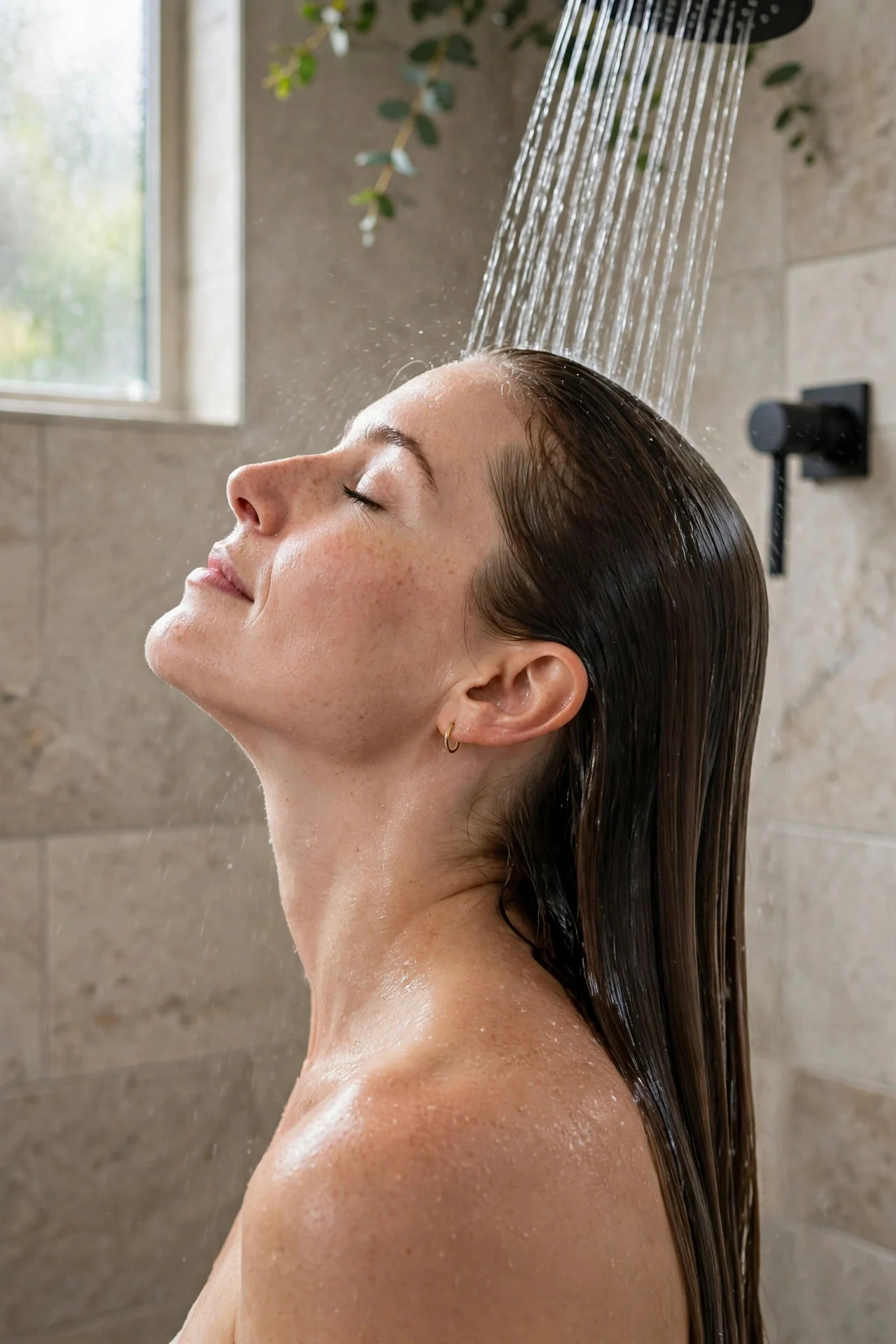
Most frizzy hair is thirsty hair, and daily shampoo strips the natural oils that keep the cuticle lying flat. Try washing two or three times a week instead of every day, and rinse with lukewarm or cool water rather than hot. On off days, refresh the roots with dry shampoo or a plain water rinse. This suits wavy, curly, and dry hair best, while very fine or oily hair may still need more frequent washing. The drawback is an adjustment week where roots feel oilier than usual. It costs nothing, but allow patience while your scalp settles.
2Switch to a Sulfate-Free, Moisturizing Shampoo
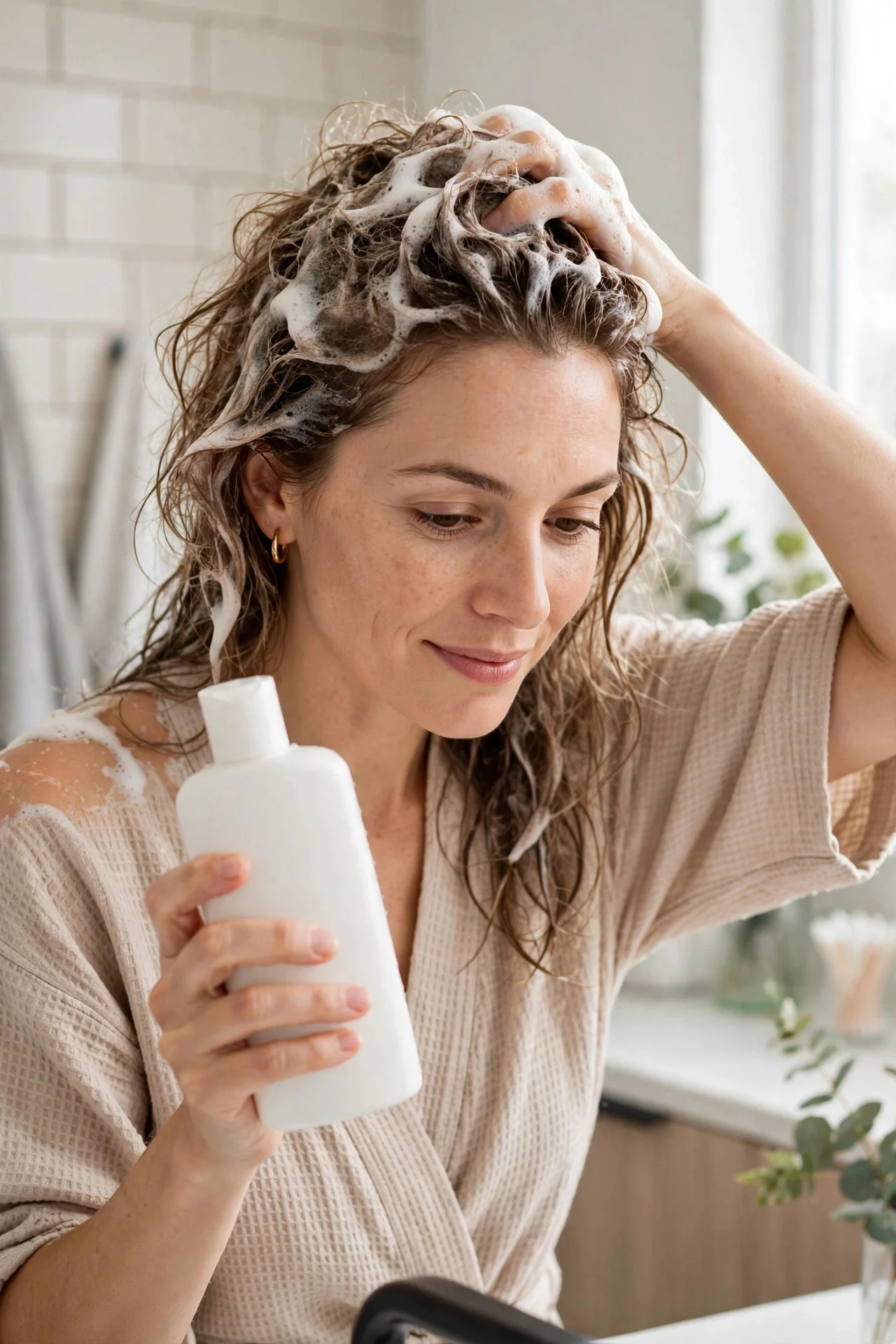
Harsh sulfates clean well, but they can leave dry and color-treated hair rough, tangled, and ready to frizz. A sulfate-free, moisturizing shampoo cleans gently and leaves more slip behind, so hair dries smoother. Focus shampoo on the scalp only, let the suds run down the lengths, and skip the second wash unless your hair is very dirty. This suits dry, curly, bleached, and color-treated hair especially well. The honest downside is less lather, which can feel like it is not working at first. Expect to pay a little more, and clarify monthly to prevent buildup.
3Condition Every Time, and Leave Some In
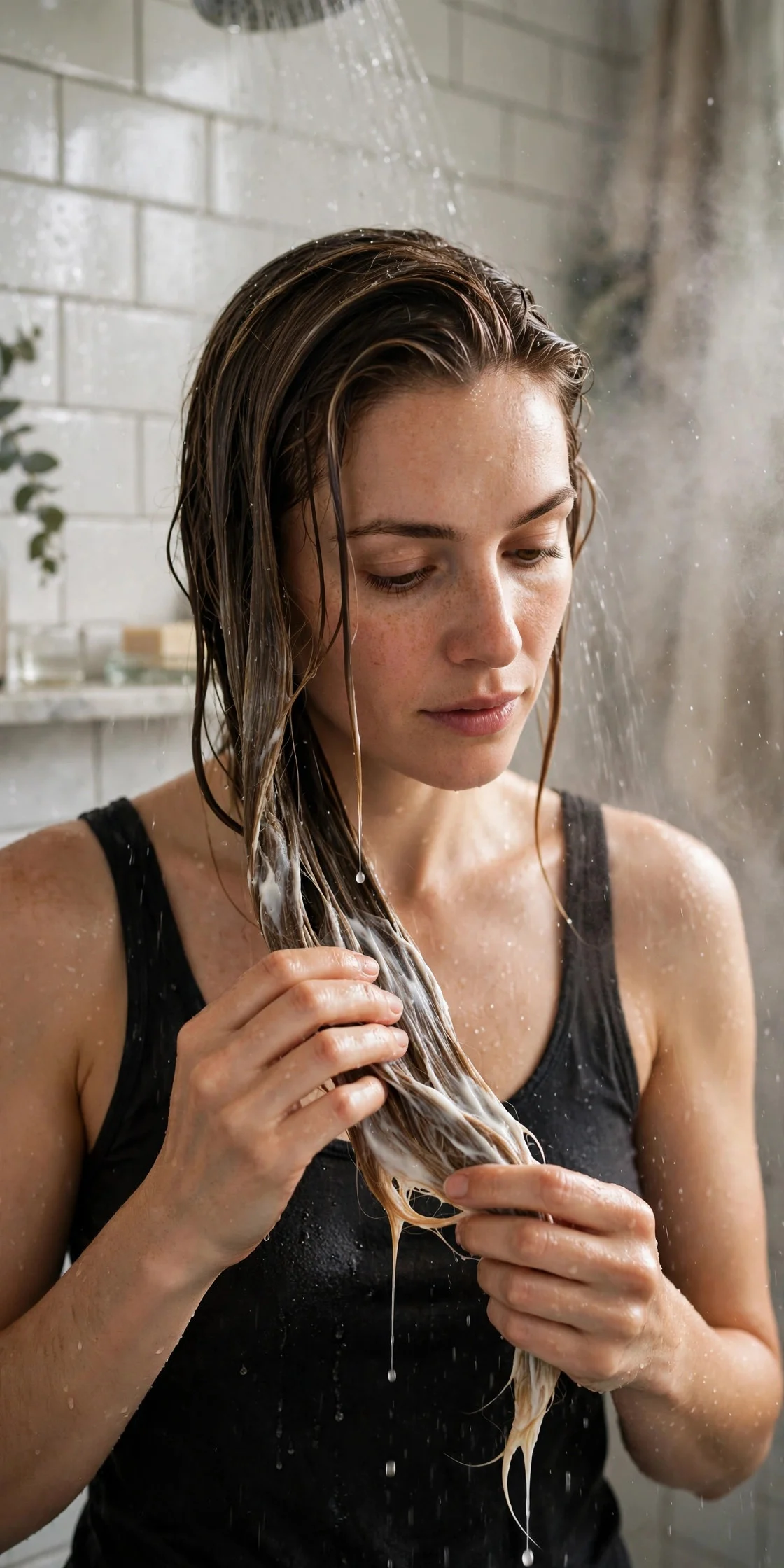
Skipping conditioner is the fastest route to frizz, because conditioner smooths the cuticle and replaces moisture shampoo removes. After shampooing, work conditioner through the mid-lengths and ends, leave it for two to three minutes, then rinse most of it out. For thicker or curlier hair, leave a small amount in as a base layer before styling. This suits almost every frizz-prone type, except very fine hair, which should use a lighter formula. The drawback is weight: too much flattens roots and greases fine hair. Start with a coin-sized amount, adding more only where ends still feel dry.
4Dry With a T-Shirt, Not a Towel

A regular terry towel roughs up the cuticle every time you rub, and that friction shows up later as frizz and flyaways. Swap it for an old cotton T-shirt or a microfiber towel, and press or scrunch the water out instead of rubbing. Wrap wavy or curly hair in the shirt for ten minutes, then let it down to finish drying. This suits all textures, and it helps curly hair keep its pattern. The only cost is a habit change, plus washing the shirt regularly. It will not fix damage alone, but it stops fresh frizz on every wash day.
5Apply Leave-In to Soaking Wet Hair
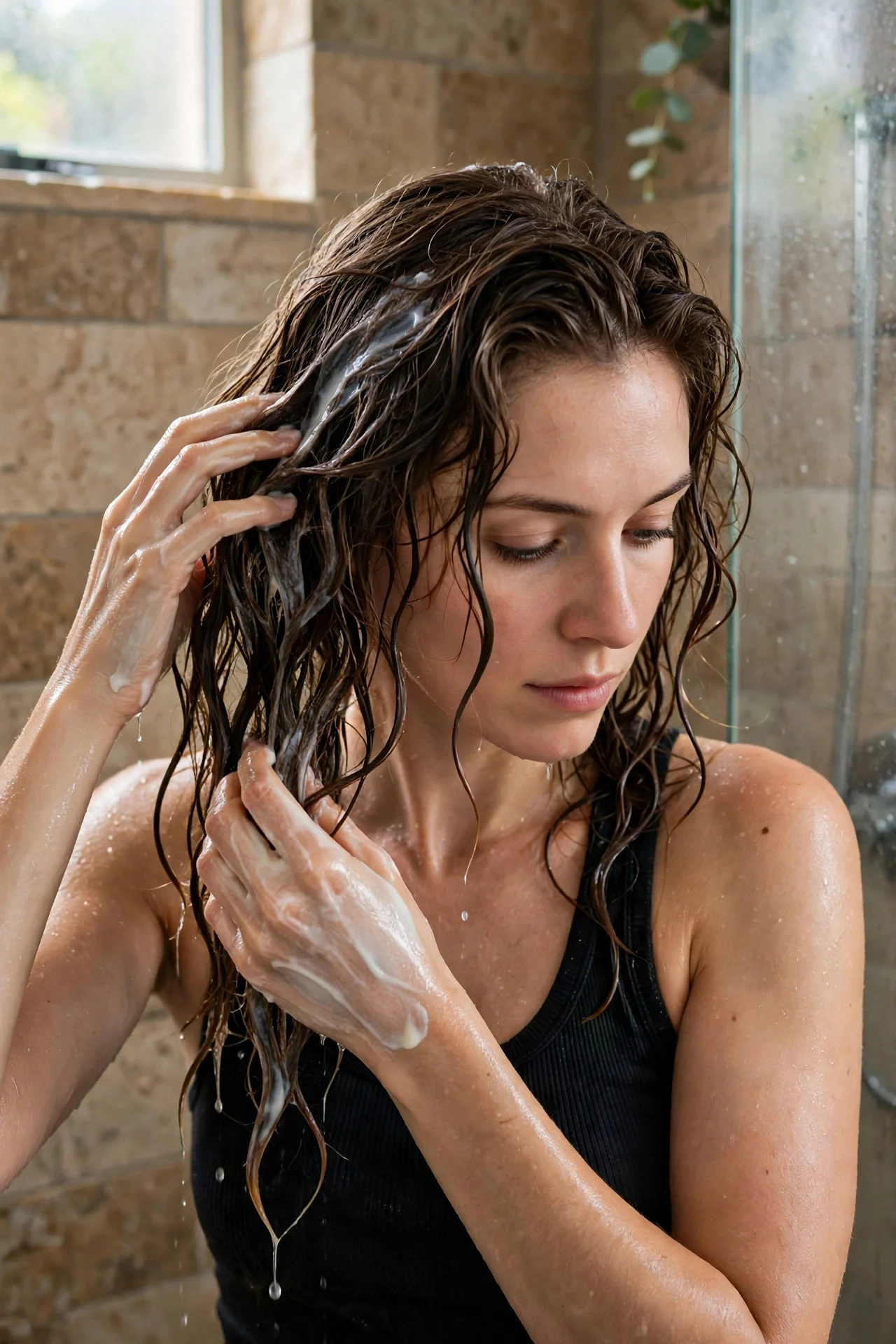
Timing matters more than most people realize. Leave-in conditioner and curl cream work best on soaking wet hair, when the cuticle is open and ready to absorb moisture. Smooth a small amount through in sections, from ends upward, then do not touch it while it dries. This suits wavy, curly, and coarse hair best, while fine hair should use a spray leave-in to avoid heaviness. The drawback is that too much product makes hair sticky or crunchy, so start small. It adds one minute and one bottle, but it sets up everything that follows.
6Seal With a Light Oil or Cream

Moisture escapes from dry hair quickly, especially at the ends, so sealing it in is what keeps smoothness past lunchtime. Once leave-in is applied, smooth one or two drops of argan or jojoba oil over lengths and ends. Coarse or very dry hair can use a cream instead. This suits medium to thick hair best; fine hair should stick to a single drop on the ends only. The risk is greasiness if you use too much or apply near the roots. A good bottle lasts months, so the cost is low, but the technique matters: warm it between your palms first, then glide, never pour.
7Use a Wide-Tooth Comb, Never a Brush on Dry Hair

Brushing dry, wavy, or curly hair breaks up its pattern and turns waves into a halo of frizz. Detangle in the shower with conditioner in, using a wide-tooth comb from the ends upward. On dry days, use fingers only to separate sections, and save brushes for blow-drying smooth styles. This suits wavy and curly hair most, while straight hair can usually brush dry without the same puff. The drawback is that combing wet hair needs care, since wet hair stretches and breaks more easily. Work slowly, support each section, and never yank through a knot. It costs nothing and prevents much breakage.
8Get Regular Dusting Trims
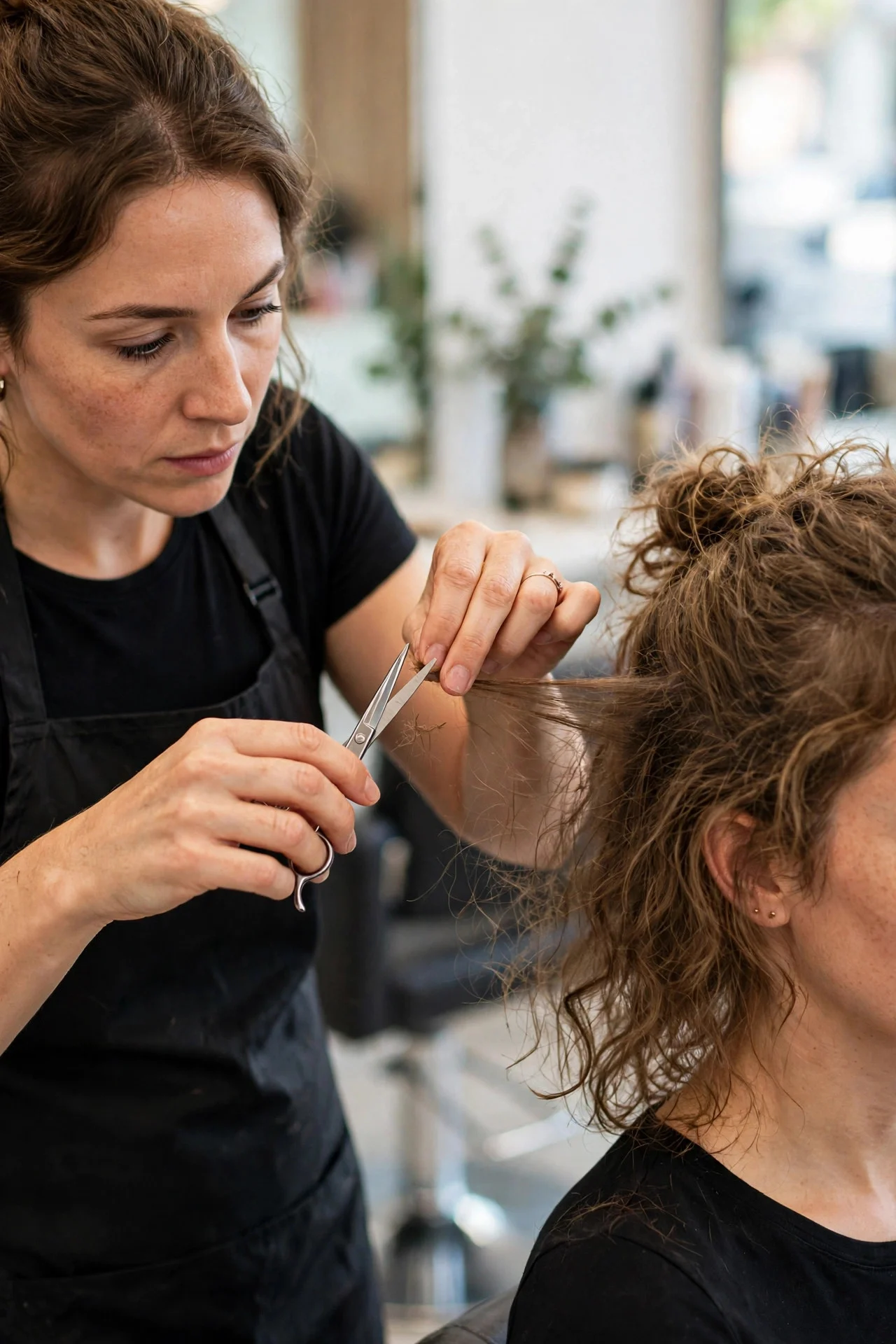
Split ends travel upward, roughen the cuticle, and make the whole length look frizzy even when the roots are healthy. A dusting trim removes just a few millimetres every eight to twelve weeks, keeping the perimeter clean without losing length. Ask your stylist to dust rather than cut, and show how much you want kept. This suits anyone growing hair out, plus anyone with bleached or heat-damaged ends. The drawback is the salon cost and the time it takes, and a heavy-handed trim can remove more than you agreed. Book a stylist you trust, and check length in the mirror before they start.
9Ask for Long Layers, Not Short Choppy Ones
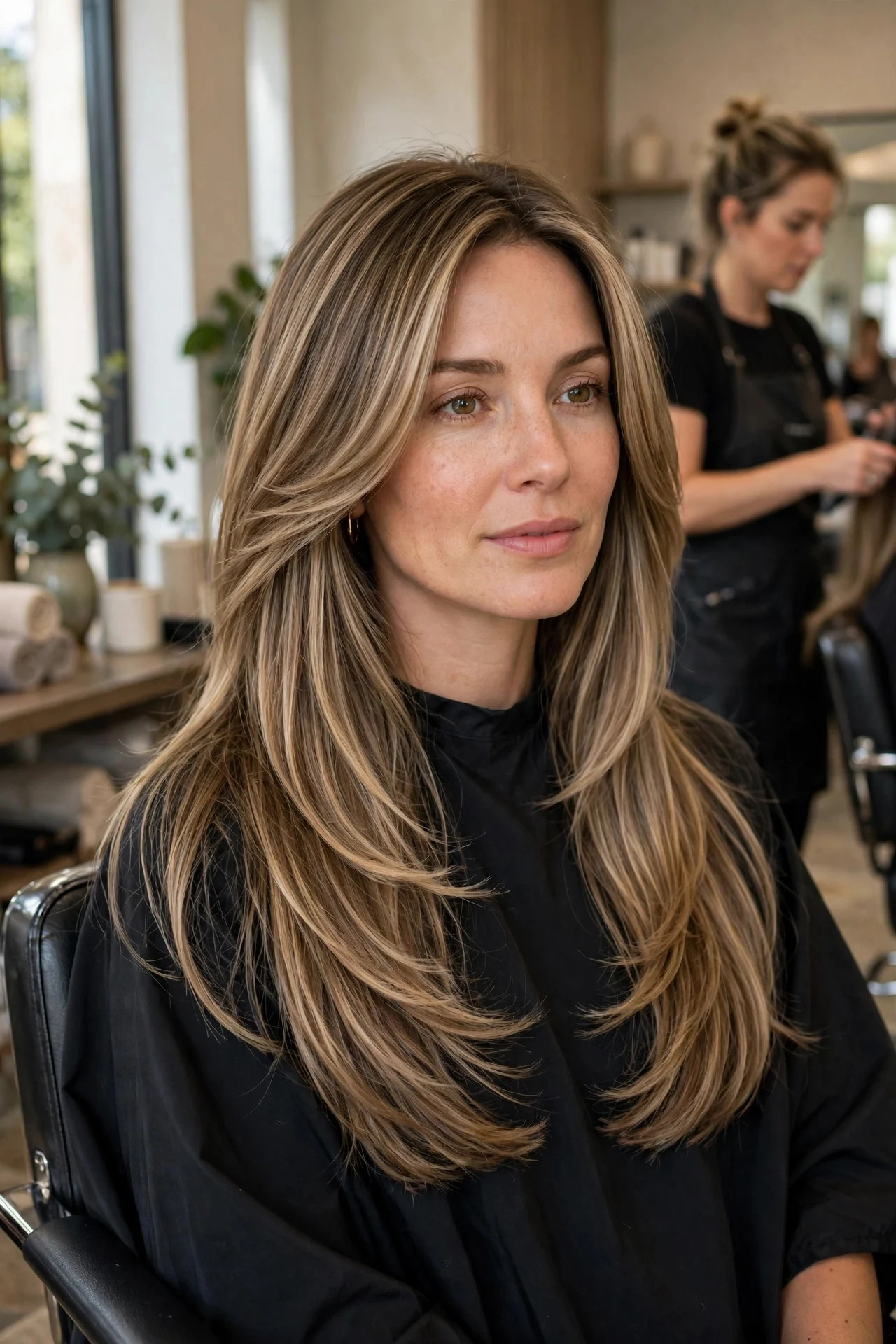
The wrong cut can create frizz all by itself. Short, choppy layers on thick or curly hair push the shorter pieces outward, which reads as frizz and bulk. Long, blended layers remove weight without creating ledges, so hair falls smoother and dries with less effort. Tell your stylist you want movement without short face layers, unless you want that texture. This suits thick, wavy, and curly hair best, while fine hair often does better with a blunt or lightly layered shape. A bad layering job grows out awkwardly, so bring photos and be clear about what you do not want.
10Sleep on Silk or Satin

Cotton pillowcases absorb moisture and create friction all night, so you can wake up with flattened roots and a frizzy crown. A silk or satin pillowcase lets hair glide instead of catching, and holds less leave-in product. If you do not want to buy one, a satin scarf wrapped loosely around your hair does a similar job. This suits curly, wavy, and long hair especially well, and it also helps reduce morning tangles. The drawback is cost for real silk, plus washing it gently so it lasts. Satin is cheaper and nearly as smooth, though less soft against skin.
11Humidity-Proof With an Anti-Humidity Serum

On humid days, hair absorbs water from the air, swells, and loses its smooth finish. An anti-humidity serum forms a light barrier that slows that process, so your style holds longer. Apply it as the final step, over leave-in and before you step outside, focusing on the canopy where frizz shows first. This suits anyone in humid climates, plus wavy and curly hair in summer. The honest limit is that no product fully blocks humidity on a truly sticky day. Some serums contain silicones, which build up, so clarify monthly and reapply lightly rather than layering more product.
12Diffuse on Low Heat, or Air-Dry Smartly
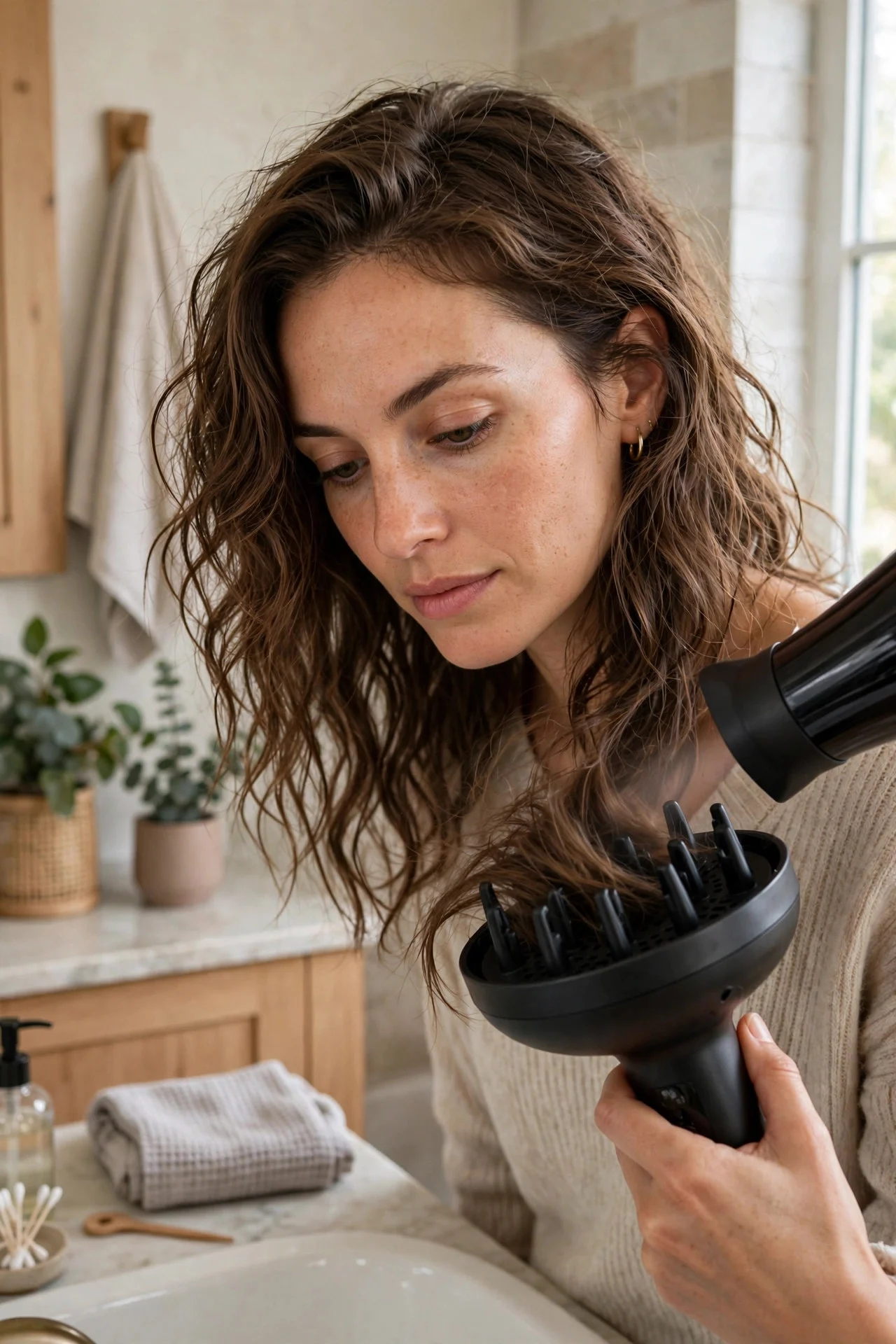
High heat blasts the cuticle open and dries hair unevenly, which is a recipe for frizz. If you diffuse, use low heat and speed, cup sections gently, and stop at eighty percent dry. If you air-dry, apply product to wet hair, scrunch once, then leave it alone until fully dry. This suits wavy and curly hair most, while straight hair can air-dry with a smoothing cream. The drawback is time: low-heat diffusing is slower, and air-drying can take hours on thick hair. Plan wash days accordingly, and never sleep with soaking wet hair, which invites tangles.
13Deep Condition Weekly

Daily conditioner maintains moisture, but a weekly deep treatment rebuilds it, especially on dry, bleached, or heat-styled hair. Apply a mask to damp hair, focusing on the mid-lengths and ends, leave it for ten to twenty minutes, then rinse well. For very dry hair, add gentle heat with a warm towel to help it absorb. This suits damaged, coarse, and curly hair best, while fine hair should use it every other week to avoid limpness. The drawback is time and cost, since good masks are pricier than regular conditioner. Used too often, a heavy mask can weigh hair down, so weekly is plenty.
14Protect Hair Before Heat Styling

Flat irons and curling wands smooth hair in the moment, but unprotected heat lifts the cuticle and creates frizz that appears hours later. Always apply heat protectant to dry hair before styling, work in small sections, and keep the tool moving. Use the lowest temperature that gives you the result you want, usually well below the maximum setting. This suits anyone who straightens or curls regularly, and it matters most for fine, bleached, or damaged hair. The drawback is an extra product and a few extra minutes. Heat protectant cannot undo existing damage, so pair it with fewer heat days overall.
15Touch Up Frizz With a Flyaway Wand or Cream, Not More Heat
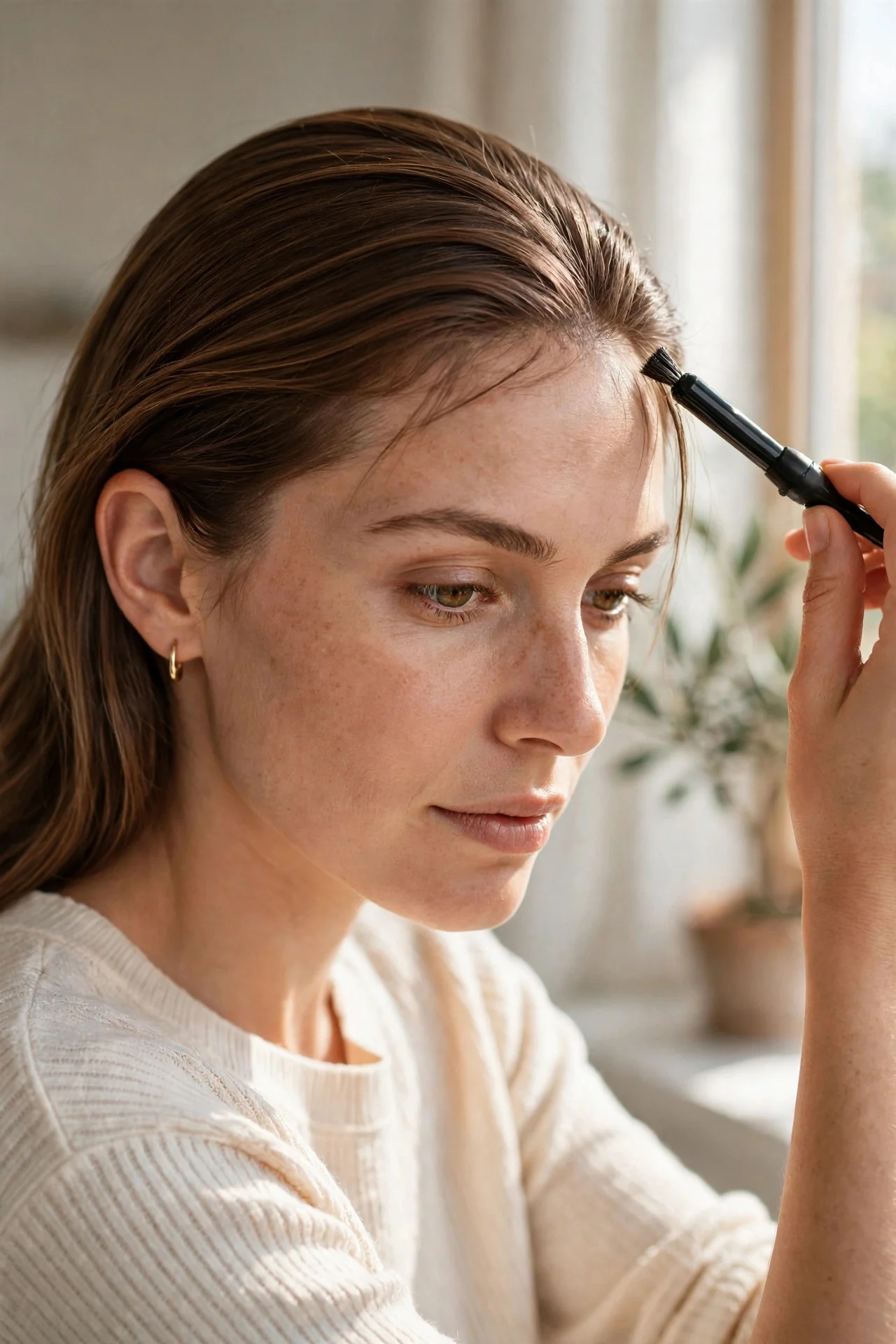
Reaching for the flat iron every time a few flyaways appear only adds heat damage and makes tomorrow worse. Instead, keep a flyaway wand, a tiny amount of smoothing cream, or a clean mascara spoolie with hairspray for quick fixes. Smooth the canopy lightly, press stray hairs down with your palms, and leave the rest alone. This suits all hair types, and it is especially useful for updos, sleek buns, and second-day hair. It manages frizz rather than removing it, so it works best on already reasonably conditioned hair. It costs little, takes under a minute, and breaks the daily re-straightening cycle.
Daily Care and Styling Routine That Keeps Frizz Down
Put it together like this. Wash two or three times a week with a gentle shampoo, condition every time, and detangle with a wide-tooth comb in the shower. Apply leave-in to soaking wet hair, seal the ends with a drop of oil, and dry with a T-shirt or a diffuser on low. Sleep on satin, trim every couple of months, and deep condition once a week. On humid days, finish with an anti-humidity product and resist touching your hair while it dries. Keep the routine simple enough to repeat, because consistency matters more than any single product.
FAQs
Can frizzy hair ever be fixed permanently?
No, not permanently, because frizz is how hair reacts to dryness, damage, and humidity. You can greatly reduce it with consistent care, a good cut, and the right products, and damaged sections can be trimmed away over time. Think of it as maintenance, not a one-time cure. A steady routine usually shows a clear difference within two to four weeks.
What is the best product for frizzy hair?
There is no single best product, because the right choice depends on your hair type. Most people do well with three basics: a moisturizing conditioner, a leave-in for wet hair, and a light sealing oil or anti-humidity cream. Start there before buying specialty serums. If a product makes hair greasy or crunchy, it is the wrong weight for your hair, not a sign you need more of it.
Does brushing cause frizz?
Brushing dry, wavy, or curly hair usually does, because it breaks up the wave pattern and lifts the cuticle. Straight hair tolerates brushing better, though rough brushing still creates static and breakage. Detangle wet hair with conditioner and a wide-tooth comb, use fingers on dry curls, and save brushes for blow-drying.
Why is my hair frizzy even after straightening it?
Straightening smooths the surface temporarily, but heat without protection damages the cuticle, and humidity later swells the hair again. Skipping heat protectant, using too high a temperature, or straightening damp hair all make rebound frizz more likely. Use protectant at a moderate temperature, and finish with a light anti-humidity product.
How long does it take to see less frizz?
Most people notice softer, calmer hair within one to two weeks of gentler washing, better drying, and regular conditioning. Deeper change, like fewer split ends, takes four to eight weeks, especially if damage needs trimming out gradually. Humidity will still cause some bad days. Judge progress by your average wash day, not by the worst humid afternoon.
Keep exploring
For frizz-free mornings, try these overnight heatless waves and ways to style curtain bangs without heat. If flat roots are also an issue, these tips for volume at the crown help a lot.