I used to fight my natural wave constantly, spending most mornings either straightening it into submission or scrunching in enough product to force it into tighter, more defined curls than it actually wanted to form on its own. It took a stylist specifically pointing out, mid-consultation for what I’d originally booked as just a trim, that my natural texture was actually the exact kind of hair the wolf cut trend was practically designed around, for me to finally stop treating my own wave pattern as a problem that needed correcting before I could achieve a trendy, intentional-looking style. She cut my wolf cut specifically with my natural wave in mind rather than assuming I’d want it straightened for the “real” look, and the result genuinely surprised me with how little daily effort it demanded compared to literally every haircut I’d had before it.
That appointment happened almost two years ago now, and it fundamentally changed how I think about my own natural texture, no longer as something to fight against before a style can look finished, but as the actual foundation the whole cut is built around. If you’ve got natural wave and have been assuming you need to fight it to achieve a trendy, textured look, here’s a genuinely detailed range of wavy wolf cut ideas, plus everything worth knowing about why this particular texture and this particular cut work so naturally well together.
Why Natural Wave and the Wolf Cut Are Such a Natural Match
Before getting into specific ideas, it’s worth understanding the actual mechanics of why wavy hair specifically tends to produce such striking results with this cut compared to other hair textures. The wolf cut’s entire design philosophy centers on dramatic layering that creates visible movement and texture throughout the head, concentrated most heavily at the crown with softer, face-framing pieces at the front. Straight hair can achieve this same movement, but it generally requires active styling intervention, curling irons, texturizing sprays, and considerable daily effort, to manufacture the kind of separation and dimension the cut is designed to showcase.
Wavy hair, by contrast, already provides exactly that natural movement and separation before any styling tool ever touches it. The layering simply needs to be cut correctly to work with the wave pattern that’s already there, rather than needing to create movement from nothing the way a styling routine would on straight hair. This is why so many stylists specifically recommend this cut to clients with natural wave, and why the combination has developed such a dedicated, enthusiastic following among people with this particular texture.
1. Loose, Beachy Wavy Wolf Cut

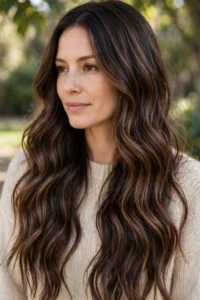
This specific interpretation leans into looser, more relaxed waves throughout, paired with the wolf cut’s characteristic crown layering and soft curtain-style face-framing pieces. The overall effect reads as genuinely effortless and sun-kissed, almost like the kind of texture you’d develop naturally after a week at the beach rather than something achieved through deliberate salon styling. This version tends to work particularly well for anyone whose natural wave pattern already falls into looser, more relaxed S-shaped waves rather than tighter curls, since the cut simply enhances what’s already happening rather than trying to manufacture tighter definition that wouldn’t match the hair’s natural tendency. Daily maintenance for this specific version is often minimal, sometimes requiring nothing more than a texturizing spray applied to damp hair before letting it air dry completely on its own, making it one of the lowest-effort options within this entire category despite how intentional and styled the finished result actually looks in person and especially in photos.
2. Defined, Voluminous Wavy Wolf Cut
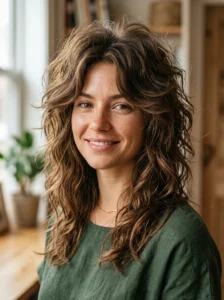
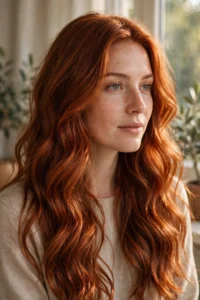
For wavier hair with more natural volume and a tighter wave pattern already built in, this interpretation emphasizes that existing definition rather than loosening it, working with the hair’s natural tendency toward fuller, more voluminous waves instead of smoothing them into a looser, beachier finish. The wolf cut’s crown layering amplifies this natural volume considerably, often creating genuinely dramatic height and movement without requiring any additional product or styling beyond what the natural texture and the cut itself already provide together. This version photographs particularly well from multiple angles, since the combination of natural wave definition and the cut’s built-in layering creates visible dimension and shape regardless of which direction light happens to be hitting from. Many people with naturally voluminous wave find this specific version requires even less daily intervention than looser interpretations, since the hair’s own tendency toward fullness does most of the visual work the cut is designed to showcase without needing to be coaxed or enhanced through additional styling technique.
3. Long Wavy Wolf Cut With Dramatic Movement

At greater lengths, past the shoulders, wavy hair paired with the wolf cut’s layering technique creates particularly dramatic, visible movement throughout the entire length, since there’s simply more hair available to actually move and catch light differently across the varying layer depths. This version tends to showcase the cut’s full dramatic potential more than shorter interpretations can achieve, given how much additional length and corresponding movement is available to work with throughout the style. The combination of significant length and natural wave also means this version typically requires considerably less daily effort to maintain volume and shape than an equivalent straight, single-length long haircut would demand, since both the wave and the layering are working together to prevent the flatness that can sometimes affect longer hair without this kind of structural and textural support built directly into the cut itself.
4. Medium-Length Wavy Wolf Cut

Landing somewhere between the collarbone and shoulders, this length range tends to be an especially popular landing point for wavy wolf cuts specifically, offering enough length for the natural wave and layering to create genuine, visible movement while remaining considerably lower maintenance in terms of daily washing and drying time than longer interpretations require. This particular length also tends to suit a wide range of face shapes without needing significant customization, since there’s enough flexibility within this middle range to adjust the specific layering placement to flatter individual proportions without sacrificing the overall wavy, textured aesthetic that makes this combination so appealing in the first place to so many different people with naturally wavy hair. It also happens to be a particularly forgiving length for anyone transitioning from a much longer or much shorter haircut, since it offers a genuine middle ground that doesn’t require the significant growing-out period a longer wolf cut might demand, nor does it involve the more dramatic, immediate length reduction that a shorter version would require in a single appointment. Many stylists specifically recommend this length range to first-time wolf cut clients for exactly this reason, since it allows for meaningful adjustment at future trims in either direction, longer or shorter, depending on how the initial result feels once lived with for a few weeks.
5. Short Wavy Wolf Cut

At a shorter length, chin to jaw, this interpretation creates a particularly compact, textured silhouette, with the natural wave adding considerable visual interest to what could otherwise be a fairly simple, short haircut without that built-in texture. This version tends to require the least overall maintenance time simply due to the reduced length, while still delivering genuine wave-driven movement and personality, making it a popular choice for anyone wanting to combine the practical benefits of shorter hair with the wolf cut’s signature textured, undone aesthetic rather than sacrificing one benefit for the other entirely. The shorter length also means the natural wave pattern has less overall distance to travel before reaching the ends, which can sometimes result in a tighter, more pronounced wave appearance than the same hair might display at a much longer length, where the sheer weight of additional length can sometimes loosen and stretch out natural curl or wave pattern considerably. For anyone with fine, wavy hair specifically, this shorter version paired with the wolf cut’s layering can create a particularly full, voluminous result, since there’s less overall weight working against the natural lift and movement the combination of cut and texture is designed to produce throughout the style.
6. Wavy Wolf Cut With Curtain Bangs

Pairing this cut with soft, face-framing curtain bangs specifically designed to blend with natural wave, rather than requiring separate straightening or styling to achieve the intended curtain shape, creates a particularly cohesive, low-maintenance overall look. The bangs themselves simply fall into the same natural wave pattern as the rest of the cut, meaning they require essentially the same minimal daily styling effort as the rest of the style rather than demanding separate attention or technique to maintain their intended shape and position around the face throughout a typical day. This combination has become a particularly popular request specifically because curtain bangs on straight hair sometimes require daily curling or styling to achieve their characteristic soft, swept-back shape, while wavy hair often falls into that exact position naturally without any additional effort involved. The result is a face-framing element that looks deliberately styled and polished while actually requiring close to zero daily maintenance, which represents one of the more appealing practical benefits of combining these two specific elements together rather than treating the bangs as a separate styling consideration from the rest of the cut’s natural texture.
7. High-Contrast Color Wavy Wolf Cut

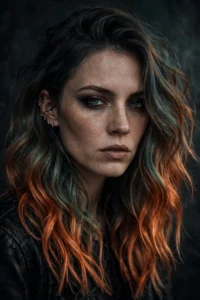
Combining dimensional, high-contrast color, like noticeable balayage or distinct highlighting, with wavy hair and the wolf cut’s layering creates particularly dramatic visual depth, since the natural wave pattern means different sections of color catch and reflect light at constantly shifting angles throughout normal movement, considerably more than a flatter, straighter texture would achieve with the identical color placement and technique applied. The wolf cut’s varying layer lengths add yet another dimension on top of the wave pattern itself, meaning a single highlighted or balayaged piece might appear in several different positions throughout the day as both the cut’s structure and the hair’s natural movement shift it around, creating an almost constantly changing visual effect rather than a static, predictable color placement. For anyone considering a more dramatic color change alongside this cut specifically, discussing how the color placement will interact with both the layering and your natural wave pattern with your colorist beforehand helps ensure the finished result achieves this particular dynamic, multidimensional effect rather than color that simply gets lost or appears flat against the combined texture of cut and natural wave working together.
8. Wavy Wolf Cut With Minimal Styling

For anyone wanting the absolute lowest possible daily effort, this version relies entirely on the cut itself and the hair’s natural wave pattern, without any additional product, heat styling, or active technique applied beyond basic washing and air drying. This represents the truest test of how well a wolf cut has actually been customized to work with an individual’s specific natural texture, since a well-executed version should look genuinely finished and intentional even completely unstyled. This specific approach tends to appeal most to people with particularly busy mornings, or simply anyone who’s grown tired of a daily styling routine and wants a haircut that genuinely delivers on the promise of effortless movement and texture rather than requiring active work to achieve that same effect each day. Achieving this truly minimal-effort result reliably does depend considerably on your stylist correctly identifying and cutting specifically for your individual wave pattern during the original appointment, since a cut designed around a slightly different wave intensity or pattern than your own natural texture may not fall into quite the same effortlessly finished shape without at least some additional product or styling intervention to bridge that gap.
9. Wavy Wolf Cut With a Deep Side Part

Simply shifting the part from center to a deep side part changes the entire character of this combination considerably, adding asymmetry and a slightly more editorial, intentional quality to what might otherwise read as a more casual, everyday style, without requiring any additional cutting or significant extra styling time investment beyond the simple part adjustment itself. This small change also affects how the wolf cut’s face-framing pieces fall relative to your features, since a deep side part typically means one side carries more length and volume near the face than the other, creating a slightly asymmetrical framing effect that a center part doesn’t achieve in the same way. For anyone who’s had this cut for a while and feels like their daily styling has become a bit routine or predictable, simply experimenting with where the part sits can offer a genuinely noticeable visual refresh without needing to book an entirely new appointment or make any permanent changes to the cut itself, making it one of the easiest ways to get more day-to-day variety out of a single haircut.
10. Wavy Wolf Cut for Special Occasions
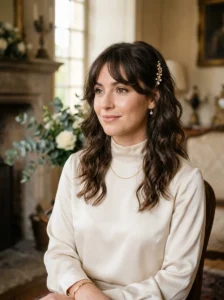
For more formal events, enhancing the natural wave slightly with a curling wand, loosely passed through just the mid-lengths and ends rather than the entire head, adds extra polish and definition while still maintaining the overall natural, effortless quality that makes this combination so appealing for everyday wear the rest of the time. A bit of shine serum or glossing spray applied after curling helps elevate the finished look further for special occasions specifically, giving the natural wave pattern an extra bit of polish and light reflection that reads as more intentionally styled than the everyday, air-dried version of the same cut. Some people also choose to add a few decorative hairpins or a thin headband for special occasions specifically, using the wolf cut’s existing face-framing pieces and crown volume as a natural base to build additional detail onto, rather than needing to restyle the entire head from scratch to achieve a more elevated, occasion-appropriate finished result compared to the cut’s typical everyday appearance.
How to Get Your Stylist to Work With Your Natural Wave, Not Against It
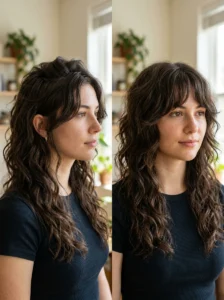
Bring your hair to the consultation in its natural, unstyled state, rather than straightened or otherwise altered, since this allows your stylist to actually see your specific wave pattern and cut accordingly rather than guessing or working from an idealized version of wave that may not accurately match your own texture.
Explicitly mention that you want the cut designed to work with your natural texture, specifically requesting that layers be customized for how your hair naturally falls and moves, rather than assuming your stylist will default to this approach without being asked directly.
Discuss your typical daily styling routine honestly, including how much time you’re realistically willing to spend, since this information helps your stylist calibrate exactly how much the cut itself needs to do the work versus how much daily styling effort you’re prepared to contribute.
Maintaining a Wavy Wolf Cut
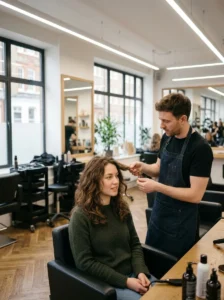
Regular trims, generally every six to eight weeks, help maintain the layering’s intended shape and the way it specifically interacts with your natural wave pattern, since both elements can soften and lose definition as hair grows out between appointments.
A lightweight curl or wave-defining cream, applied to damp hair before air drying, enhances and maintains natural texture without weighing it down, helping the cut’s full intended effect show through consistently rather than falling flat.
Common Mistakes to Avoid]

Straightening naturally wavy hair before most styling attempts, assuming this creates a more polished base, often works directly against the entire point of choosing this specific texture-wave combination in the first place, since it eliminates the natural movement the cut was specifically designed to showcase and work with.
Using heavy, smoothing products formulated for frizz control rather than wave definition can flatten and straighten out natural texture unintentionally, undermining the cut’s intended effect even when applied with good intentions toward achieving a polished result.
Frequently Asked Questions
Will this cut work on all types of natural wave, or only looser waves specifically? This cut genuinely works across a range of wave patterns, from very loose, barely-there waves to more defined, voluminous wave textures, though your stylist may adjust the specific layering technique depending on exactly how your individual wave pattern naturally falls and behaves.
How much daily styling time does a wavy wolf cut actually require? Often considerably less than people assume, with many achieving a genuinely finished look simply through air drying with a texturizing or wave-defining product applied to damp hair, though some prefer adding a bit more definition with occasional light curling for special occasions specifically.
Can I still straighten my hair occasionally if I have this cut? Yes, the cut’s layering structure still shows through even when styled straight, though many people find they prefer wearing it in its natural wave pattern specifically because that’s what the cut was designed around and tends to require considerably less daily effort to maintain.
Final Thoughts
Looking back at years spent fighting my own natural texture before that one consultation finally changed my approach, I genuinely wish someone had pointed out sooner that my hair wasn’t a problem requiring correction before a trendy cut could work, it was actually the ideal foundation for exactly this particular trend. If you’ve spent your own years working against natural wave the way I did, this combination might be the first haircut that finally asks you to stop fighting your own texture and start building directly on top of it instead.