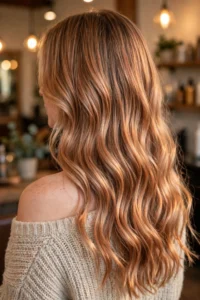
Few colors turn heads like copper. Not the washed-out, orangey ginger that fades in two weeks. Rich copper. The deep, saturated, penny-shine kind that looks like it belongs on someone with very good taste and zero fear. Pinterest flagged copper waves as one of 2026's breakout beauty trends, with searches for soft copper blonde up 845% on the platform. The deeper end of copper is having its own moment alongside it.
The problem with copper is that it's easy to get wrong. Ask for "copper" without a clear brief and you can land anywhere from neon orange to muddy auburn. Below are 10 specific rich copper hair dye ideas, each with exactly what to tell your stylist, who the shade flatters, and the honest maintenance math.
What Counts as Rich Copper?
Rich copper is copper with depth. Think molten penny, deep terracotta, burnt sienna. It's darker and more saturated than golden or strawberry copper, but brighter and warmer than auburn or mahogany. It sits around level 6 to 7 with strong orange-red reflect, which is what gives it that lit-from-within glow in sunlight.
What it is not: washed-out ginger, pastel peach, or a faded orange that used to be something else. Rich copper should look deliberate and dimensional. One thing to know before you sit in the chair: copper fades faster than almost any shade except true red. The warmth washes out first. Every idea below includes honest upkeep notes, because a copper you can maintain beats one that looked perfect for ten days.
1. Classic All-Over Rich Copper

The full commitment, and the most striking version. Classic rich copper is one saturated color from roots to ends, no blending tricks. Ask your stylist for a level 6 or 7 copper with strong orange reflect, and bring reference photos of the exact depth you want, because "copper" alone is too vague a brief.
It suits fair to medium skin with warm or neutral undertones best. On cool undertones it can fight pink in the skin, so your stylist may deepen the base slightly. Straight and wavy hair show the shine beautifully. The catch is maintenance: roots show in three to four weeks, and warmth starts washing out by week three. Budget for a full touch-up every five to six weeks, or a gloss refresh in between to buy time.
2. Deep Copper With Golden Ribbons

This is how you keep copper from looking flat. A deep copper base with finer golden ribbons painted through gives you dimension that moves when you move. Ask for a level 6 copper base with level 8 golden-copper babylights woven through the mid-lengths, heavier around the face. The combination mimics how natural red hair catches light, with multiple tones instead of one.
It's a strong pick for thick hair, which can swallow single-process color and make it look dull. It flatters warm skin tones especially well, since both tones sit in the same warm family. The honest downside is cost. You're paying for two processes, and the appointment runs long. Regrowth is softer than all-over copper, so you can stretch salon visits a little further.
3. Copper Balayage on a Dark Base

Copper doesn't have to start at the root. Copper balayage keeps your natural dark root and hand-paints rich copper through the mid-lengths and ends. Ask for painted pieces that start four to six inches down, with a soft blend at the transition so there's no visible line. The effect is sunlit and lived-in.
The grow-out is the selling point. Your root is your own color, so there's no harsh regrowth line, and you can go two to three months between appointments. It suits almost every skin tone because the dark root anchors the warmth near your face. Darker hair often needs a gentle lift before the copper goes on, which adds time and cost to the first appointment. After that, it's one of the easiest coppers to live with.
4. Smoked Copper Root Melt

For everyone who loves copper but fears the orange. A smoked copper root melt starts with a deep, almost-brown copper at the root and melts into brighter rich copper through the ends. Ask your stylist for a level 5 copper-brown at the root blended into a level 7 copper, with the blend zone worked carefully so it looks seamless.
This is the most forgiving copper for regrowth. Your natural root blends into the smoked base instead of clashing with it. It works for cooler undertones too, since the depth at the root balances the warmth at the ends. Wavy and curly hair carry the gradient especially well. The trade-off: it's a technical color. A bad blend looks striped, so choose a stylist who does a lot of melts.
5. Rich Copper on Curly Hair

Curls were made for copper. Every curl catches light at a different angle, so rich copper on curly hair looks like it's moving even when it's still. Ask your colorist to paint the color following your curl pattern instead of using straight foils, which can land as stripes once curls spring back up. Your stylist should account for shrinkage when placing pieces.
This suits all skin tones, since the texture does half the visual work. Coily and tight curls hold copper especially well. The honest part: curly hair is naturally drier, copper dye is mildly drying, and copper fades faster on porous hair. Deep conditioning becomes a weekly habit, not an optional treat. Get damaged curls healthy first, or the copper will look dull within a month.
6. Rich Copper Bob

Short hair, bold color, zero hiding. A rich copper bob looks intentional in a way longer copper sometimes doesn't. Ask your stylist to keep the copper saturated right through the ends, because short hair shows uneven fading faster than long hair. A blunt bob makes the shine the star. A textured bob makes the dimension the star.
It suits oval, heart, and square face shapes particularly well, since the color draws the eye and the cut frames the face. Fine hair benefits too, because the warmth gives an illusion of fullness. The maintenance math is tight. Bobs need trims every six to eight weeks, and each trim removes your freshest color. Refresh the copper at the same appointment as the cut.
7. Auburn-Copper Blend

Not quite copper, not quite auburn, and better than either alone for some people. An auburn-copper blend layers copper brightness over a deeper red-brown base, giving you warmth with gravity. Ask for a level 5 auburn base with copper reflect painted through the top layers. Indoors it reads as rich red-brown. In sunlight the copper wakes up.
This is the copper for people who found pure copper too bright on them. The auburn base flatters cool and neutral undertones that can't always carry full copper. It's also a smart first step if you're nervous, since the deeper base fades more gracefully. Long hair carries the blend best, with room for the two tones to mix. Refresh the copper glaze every six weeks to keep the brightness alive.
8. Copper Money Piece

Maximum visibility, minimum commitment. The copper money piece keeps your base whatever it is and frames your face with two thick panels of rich copper. Ask for front sections, roughly an inch wide on each side, lifted and toned to a saturated copper, blended softly where they meet the rest of your hair.
It works on nearly every base color, though dark hair needs more lifting for the copper to show. It's the cheapest and fastest way to try copper, and if you hate it, only the front pieces need fixing. The catch is fading contrast. The money pieces take the most sun and washing, so they fade faster than the rest, and the mismatch shows. A copper color-depositing conditioner on just the front sections keeps things even.
9. Copper Gloss on Dark Brown

Some of the prettiest copper needs no lifting at all. A copper gloss over dark brown hair deposits warm copper reflect without changing your base level. Ask your stylist for a demi-permanent copper gloss, not permanent color. The result is subtle indoors and unmistakable in sunlight, like your brown hair learned a warm secret.
This is the low-risk entry point. No bleach, no damage, and it washes out gradually over six to eight weeks if copper isn't for you. It suits deep skin tones beautifully, because the warmth enhances rather than competes. The honest limit is intensity. A gloss will never give you the molten-penny saturation of the all-over version. For some people it's exactly right. For others it's a stepping stone.
10. Long-Layered Copper Waves

The Pinterest poster child. Long layers in rich copper, worn in soft waves, is the version driving those 845% search numbers. Ask for long, blended layers with face-framing pieces, colored in a rich level 6 to 7 copper. Style with a large-barrel iron, curling away from the face, then break the curls up with your fingers.
It suits medium to thick hair with some natural wave best, since the style needs body to hold. Most face shapes work because the face-framing layers do the shaping. The maintenance is the highest on this list. Long hair means more color, more product, longer appointments, and more fading surface. You'll heat-style it constantly, which fades copper faster. Heat protectant every single time, no exceptions.
Keeping Rich Copper From Fading
Copper fades. Not might fade. Fades. The warm tones wash out first and fast, so your routine should be built around slowing that down.
Wash two to three times a week at most, with a sulfate-free, color-safe shampoo. Sulfates strip copper quicker than anything else in your shower. Rinse lukewarm and finish cool if you can manage it, because hot water opens the cuticle and lets color escape.
A copper color-depositing conditioner once a week is the single most useful product for this color. It puts back the warmth washing removes, and can buy you two extra weeks of good color between visits. Book a gloss refresh every four to six weeks, use heat protectant before every hot tool, and wear a hat on bright days.
Frequently Asked Questions
Does rich copper suit cool skin tones?
It can, with the right version. Pure bright copper fights cool undertones, but deeper options like the smoked root melt or the auburn-copper blend work, because the depth balances the warmth. Ask your stylist to lean the formula slightly deeper and less orange. A strand test near your face before committing to all-over color is worth the extra appointment.
How often does copper need touching up?
Most copper wearers book a full touch-up every five to six weeks, with a gloss refresh in between. Balayage and root-melt versions stretch further, easily two to three months. Budget honestly before you start, because copper you can't afford to maintain looks worse than no copper at all.
Will I need bleach to go copper?
It depends on your starting point. Medium brown and lighter hair usually takes copper dye directly, no bleach needed. Dark brown to black hair needs some lifting first, or the copper won't show. That's why the copper gloss exists: it adds warmth to dark hair without any lifting. Your stylist can tell you at a consultation which route your hair needs.
What's the difference between copper and auburn?
Copper is orange-forward. Auburn is red-brown-forward. Copper has bright, penny-shine warmth and reads clearly as orange in sunlight. Auburn sits deeper, closer to brown, with red reflect rather than orange. Copper is bolder and fades faster. Auburn is subtler and more forgiving. The auburn-copper blend in this list exists for people who want something between the two.
Can I maintain copper at home between appointments?
Yes, and you should. A copper color-depositing conditioner once a week is the backbone of at-home maintenance. Some people use a copper gloss treatment at home too, though salon gloss lasts longer and looks more even. What you can't do at home is fix a bad fade or lift roots. Keep the salon for the technical work and handle the tone maintenance yourself.
Keep exploring: if you're weighing copper against other warm shades, our guide to red hair color breaks down the red family so you can compare before you commit. Thinking of keeping your dark base and adding warmth instead? These brunette hair color ideas include low-lift ways to go warmer. And if your copper sits on curls, the curly hair care routine covers the moisture habits that keep color-treated curls healthy.