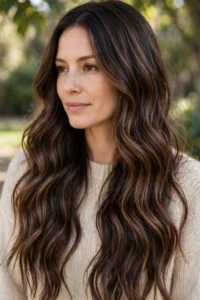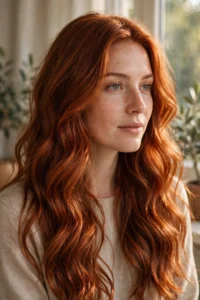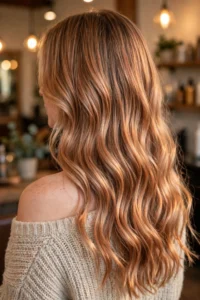
Classic copper is pretty. Oxidized copper has something to say. Think of the difference between a brand-new penny and a copper roof that's weathered for years: one is bright and shiny, the other has depth, shadow, and a smoky patina that makes you look twice. That's what this color does for hair. Darker roots, smoky lowlights, ends that look sun-faded instead of salon-fresh. Copper for people who find classic copper a bit too polished.
This is a grungy-luxe color, and it loves lived-in texture: shags, undone waves, choppy layers. Below are 12 ways to wear it, each with the exact salon language to use and the honest truth about what it costs to keep up.
What Is Oxidized Copper Hair?
Oxidized copper hair is copper that's been deliberately roughened up. Your colorist builds a classic copper base, then adds smoky, ashy lowlights and a darker, cooler root melt that mimics the patina on aged copper. Indoors it reads as muted, deep copper. In sunlight the warmth shows through, but it keeps a moody edge. It suits people who want red-hair energy without the bright, glossy finish of traditional copper.
1. Smoky Root Melt Copper
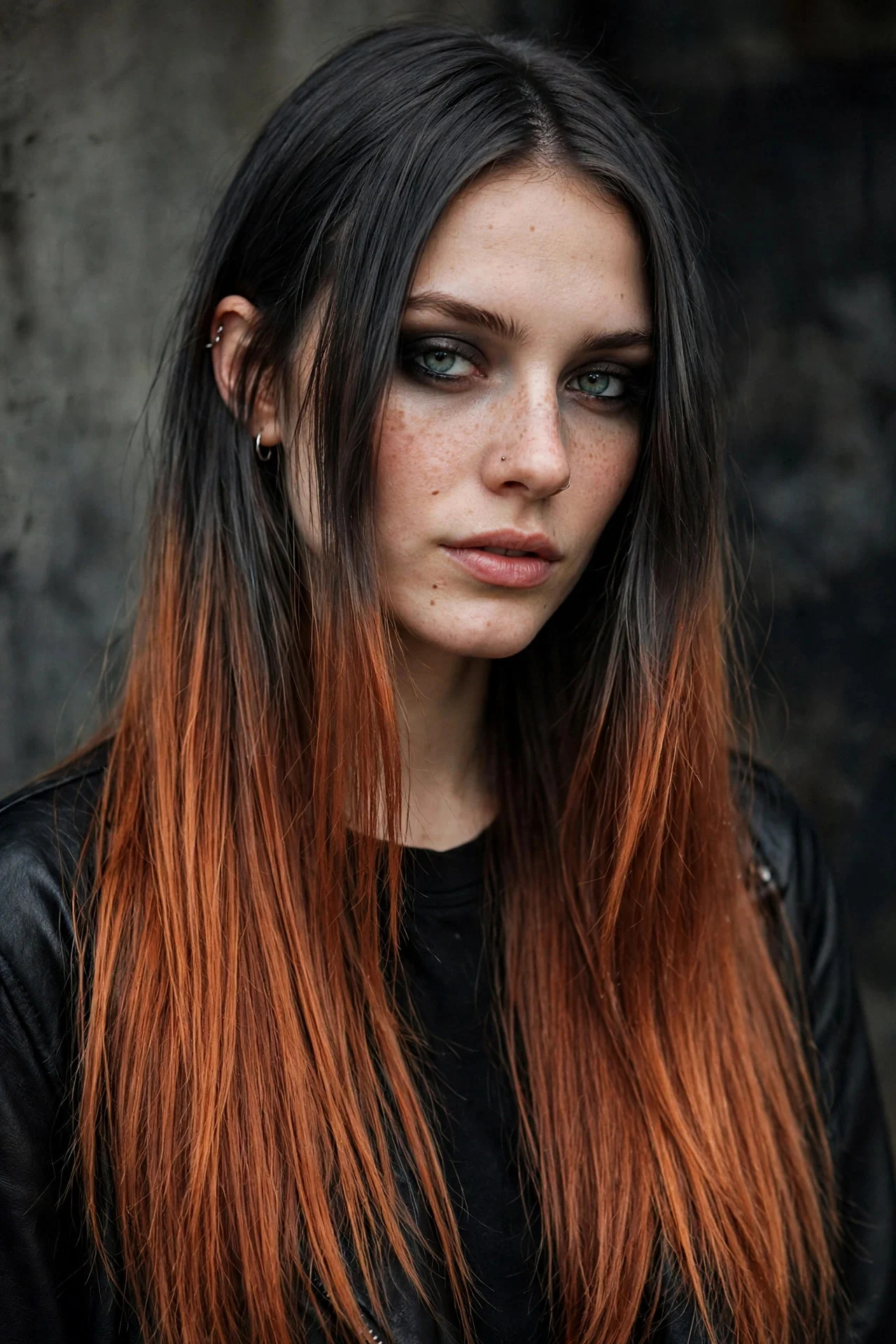
This is the gateway to oxidized copper. Your natural root stays dark, and copper melts through the mid-lengths and ends with a shadowy, ashy blend zone in between. Ask your colorist for a root melt in a level 4 ash-brown over a level 6-7 copper base, with the blend stretched about two inches deep to avoid a harsh line. It flatters warm and neutral skin tones; very cool undertones should keep the copper pieces away from the face or go warmer overall. Grow-out is genuinely forgiving since your roots already match. The downside: the smoky melt tones fade first, usually within three to four weeks, and the copper reads brighter than intended until your next gloss.
2. Molten Copper With Ash Lowlights
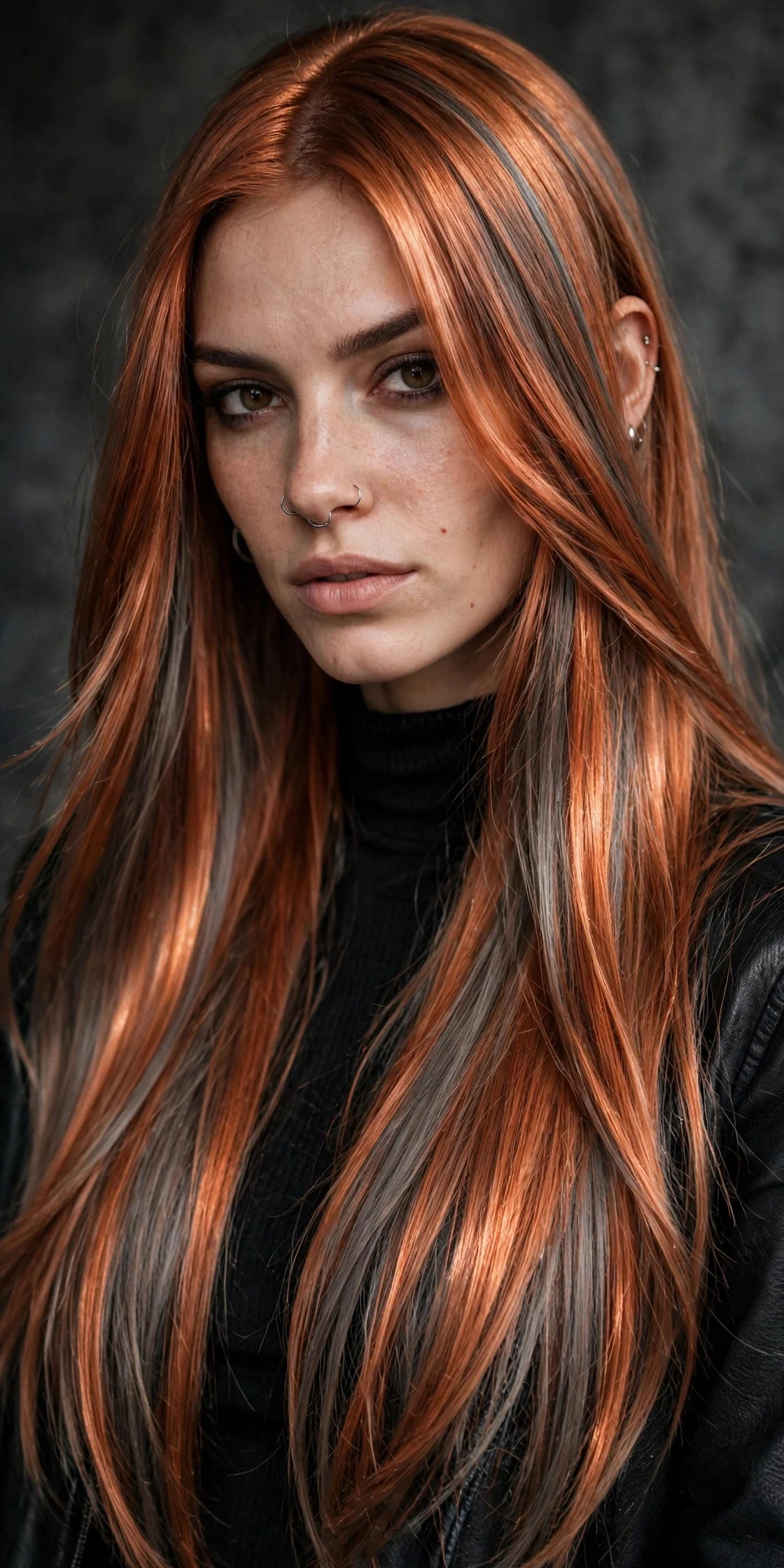
Bright copper ribbons threaded through a darker, ashy base. This one has the most visible contrast here. Ask for fine babylight foils in copper over an ash-brown base, concentrated through the mid-lengths and ends. The effect is molten metal: heat where the copper sits, shadow everywhere else. Thick, wavy hair shows this best because there's enough movement for the ribbons to separate. Straight, fine hair can read stripey, so ask for finer weaves. Foil work is slow, and you'll want a toner refresh every six to eight weeks to keep the ash base from warming up.
3. Oxidized Copper Shag

The shag was practically invented for this color. Choppy layers, curtain fringe, and oxidized copper together look like a rock tour poster from a band that was actually good. Ask your stylist for a proper shag: internal layers, textured ends, face-framing pieces, colored with a dimensional copper that has darker roots and cooler lowlights throughout. The color and cut do each other's work here: movement shows the patina effect, and the patina effect makes the layers visible. This suits oval, round, and heart-shaped faces well. Maintenance is twofold: the cut needs reshaping every eight to ten weeks or the layers go wild, and the color fades fastest at the textured ends. It's a commitment, but it photographs like nothing else.
4. Dark Patina Copper on Short Hair

Copper on a pixie or short bob hits differently. There's no length to soften it, so the color becomes the whole statement. This version leans dark: deep oxidized copper with a smoky, almost bronze cast, especially at the roots. Ask your colorist for a level 5 copper with ash-brown lowlights woven in, no brightness at the scalp. It flatters strong bone structure and looks striking on deeper skin tones. The catch with short hair is that every trim removes freshly colored ends, so your color cycle follows your haircut cycle. Plan on color and cut together every six to eight weeks, and budget for both.
5. Copper Balayage With a Charred Root
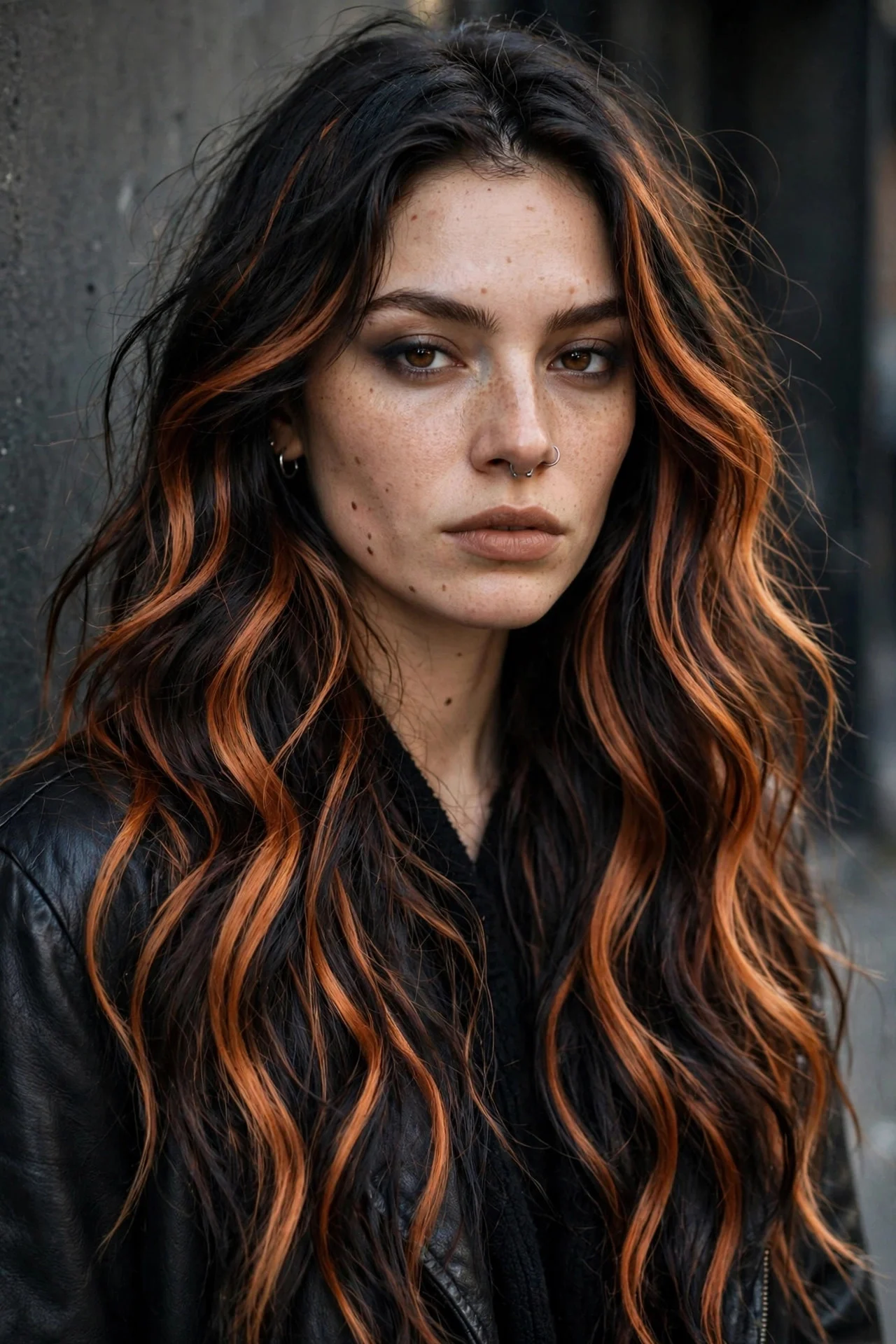
Balayage plus oxidation is a natural fit. Your colorist hand-paints copper through the lengths while keeping the root deep and slightly charred-looking, like the copper was dipped in shadow. Ask for painted pieces that start mid-shaft so the dark root zone stays intact. This is the lowest-maintenance way into the trend because regrowth has nowhere to show. Wavy and curly hair carry painted copper beautifully. The honest trade: balayage costs notably more per appointment than single-process color. You're paying upfront for the freedom to ignore your roots for months. If your budget is tight, a root melt (idea 1) gets you close for less.
6. Sun-Faded Oxidized Copper Ends

This is the accidental-looking one, and it's anything but accidental. The roots stay rich and dark, and the ends fade into a dusty, almost sun-bleached copper, like hair that's lived through a whole summer. Ask your stylist for an ombré-style transition with the ends toned in an ash-copper mix. Long hair suits this best since the gradient needs room to develop. Maintenance is refreshingly easy: the faded ends are already supposed to look worn, so fading works with the look instead of against it. The only real risk is the ends going brassy or muddy instead of dusty, so the toner choice matters. Touch up every ten to twelve weeks.
7. Copper Money Piece on Dark Base
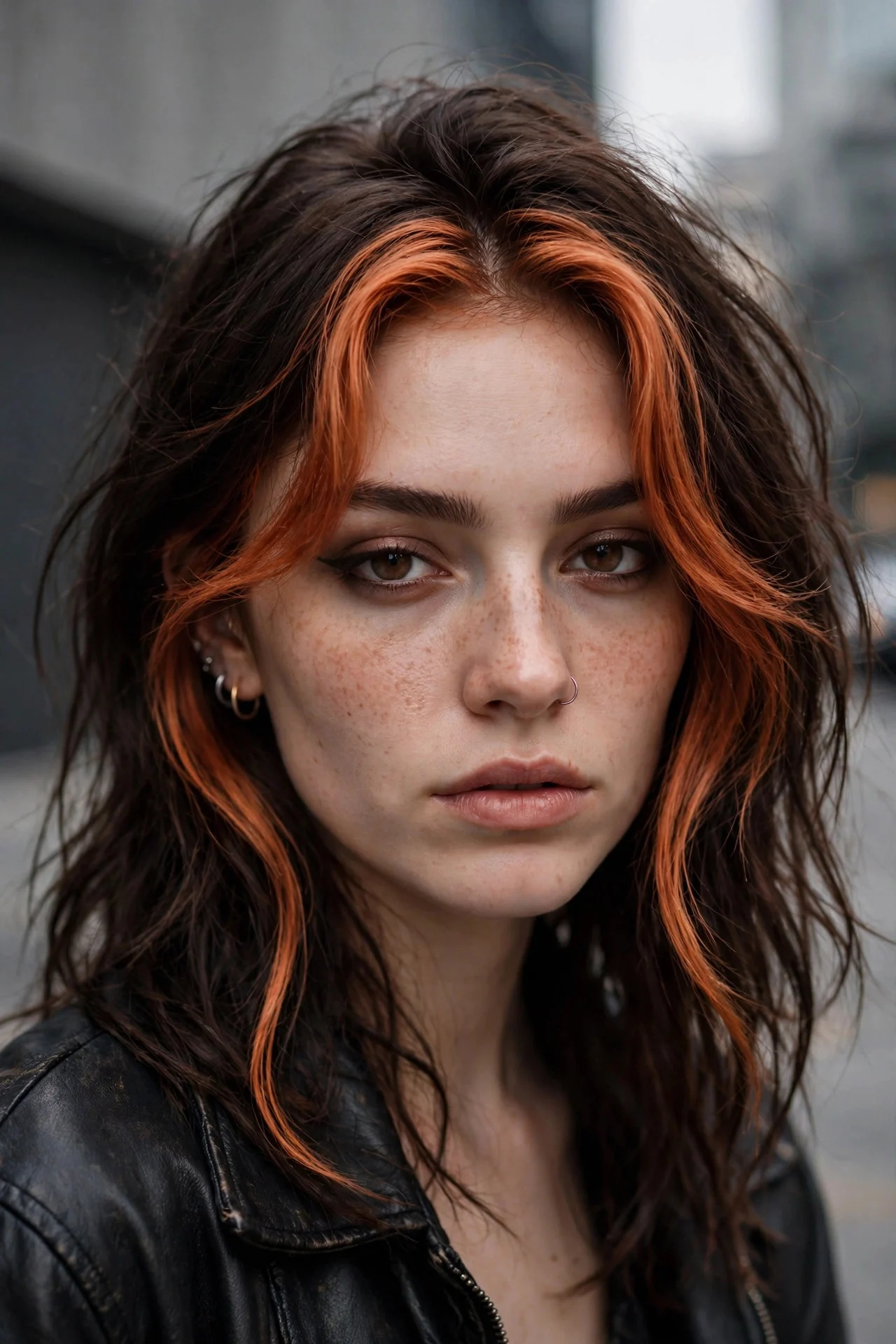
Maximum attitude, minimum commitment. Your base stays its natural dark brown, and two thick front sections go full oxidized copper with a smoky root at the crown. Ask for a chunky face-framing application rather than fine babylights; this look wants boldness. It's the fastest appointment on this list and the cheapest to maintain, since you're only refreshing two sections. The contrast flatters medium and deep skin tones especially, and it frames the face like a spotlight. The catch is fading visibility. The copper pieces sit right against your face where everyone sees them, so when they fade, you'll notice immediately. Keep a copper color-depositing mask on hand for weekly top-ups between appointments.
8. Copper With a Cool Ash Shadow Root

Similar to the root melt, but moodier. The shadow root here is cooler and deeper, a level 3-4 ash-brown that makes the copper look almost metallic by comparison. Ask your colorist to take the shadow root deep and keep the copper below it muted rather than bright; too much brightness kills the oxidized effect. It reads sophisticated rather than wild, good for people who want edge without looking like they tried too hard. Pale and olive skin tones handle the cool root well. Warm undertones might find the ashy root washes them out, so mention your skin tone and let your stylist adjust the warmth of the copper pieces accordingly. Expect the cool tones to fade first, usually within a month.
9. Choppy Copper Bob With Texture
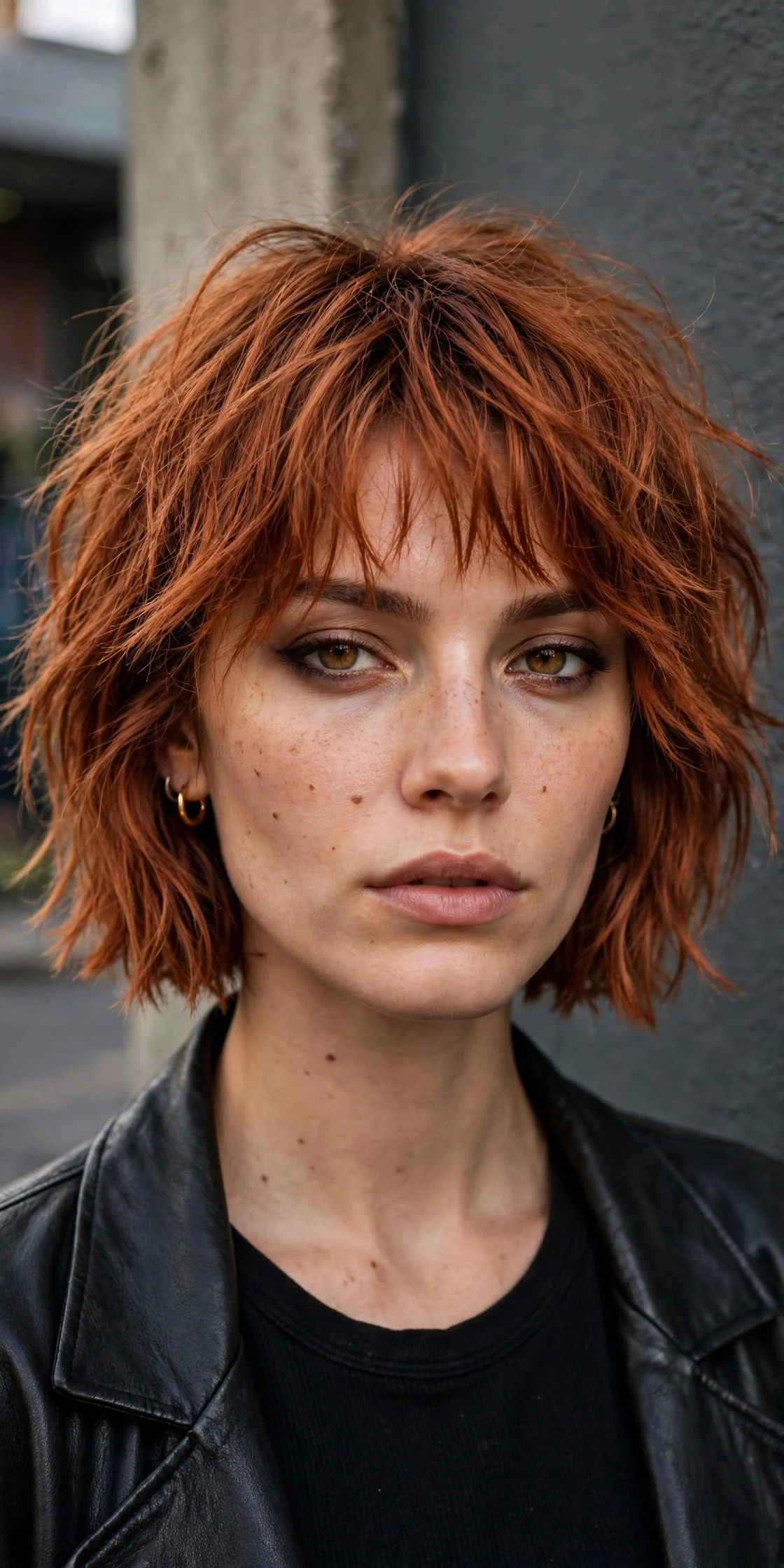
A blunt bob goes quiet; a choppy bob with oxidized copper goes loud. Ask for a textured bob with razored or point-cut ends, colored in dimensional copper with darker pieces underneath for depth. The choppy ends catch light unevenly, which shows off the patina tones better than a sleek cut ever could. This suits fine to medium hair well, since the texture creates volume. Thick hair needs serious thinning or the bob turns into a triangle. Bobs need cutting every six to eight weeks to hold their shape, and every cut takes colored ends with it. Plan on color and trim in the same appointment.
10. Rust and Mahogany Dimension
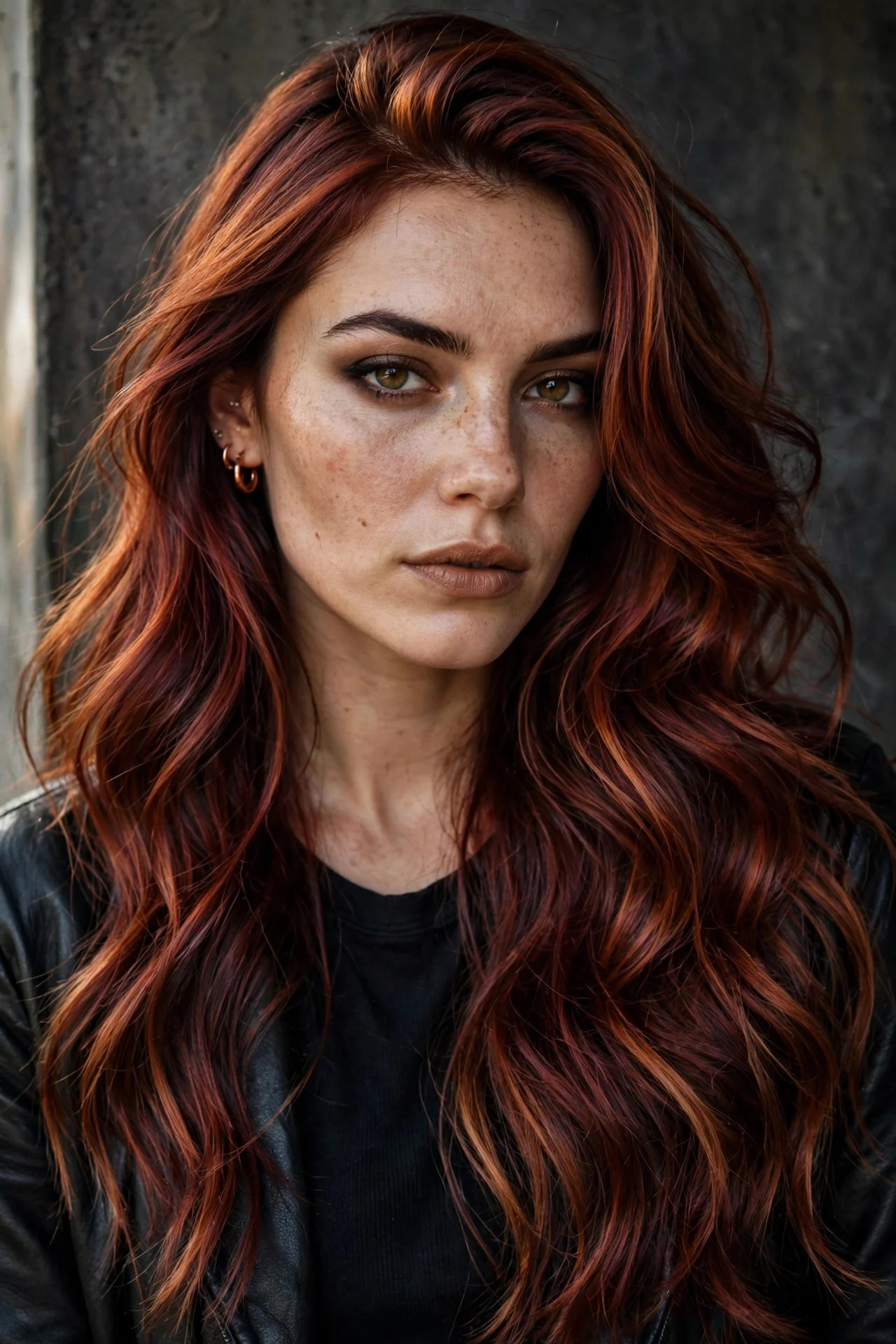
This is oxidized copper at its darkest and richest. Your colorist weaves rust-toned copper and deep mahogany through a level 5 base, creating a color that reads almost burgundy indoors and fires up in sunlight. Ask for a dimensional foil or a melted application with no more than two levels of contrast between the tones; this look wants depth, not stripes. It flatters warm and deep skin tones best, and the dark base hides old color transitions well. Maintenance is moderate. The dark base fades gracefully, but the mahogany tones lean purple as they age, so a warm copper gloss every six to eight weeks keeps it on the right side of rust.
11. Oxidized Copper on Long Layers

Long hair gives the patina effect maximum surface area. Layers throughout, darker roots, and copper that shifts from smoky at the crown to brighter at the ends. Ask your stylist for long, blended layers (not choppy; the color needs smooth movement here) and a color application that gets lighter toward the ends. This is the most dramatic version, and the most expensive to maintain. More hair means more color, more product, and longer appointments. Be honest about your budget before you commit. If you love the look but not the price, the sun-faded ends version (idea 6) delivers a similar mood with less salon time.
12. Dusty Copper With Face-Framing Cool Tones

Overall it's a muted, dusty copper, but the pieces directly around the face are kept cooler and slightly darker, which makes the rest of the copper look warmer by comparison. Ask your colorist for a dusty copper gloss all over with an ash-toned money piece zone blended softly at the sides. It suits people who want the oxidized mood without the drama. Neutral and cool skin tones do well here. Maintenance is gentle too: the dusty tone fades gracefully and the cool face-frame pieces just need a toner refresh every couple of months. This is the version you pick when you want people to notice your color, not your appointment book.
Keeping Oxidized Copper Alive
Copper is a warm color, and warm tones fade. The smoky, ashy pieces that make oxidized copper special fade even faster than the copper itself, so this color asks a little more of you than classic copper.
Wash two to three times a week with a sulfate-free, color-safe shampoo, and keep the water lukewarm. Hot water strips both the copper and the ash tones faster. A copper color-depositing conditioner once a week is the single best thing you can do at home: it replaces the warmth washing removes and keeps the ash lowlights from turning muddy.
Heat protectant is non-negotiable. Flat irons and curling wands push copper toward brass fast. And book a gloss every six to eight weeks, asking your stylist to refresh the smoky lowlights specifically. It's cheaper than full color, and it's what keeps the "oxidized" part alive.
Frequently Asked Questions
Will oxidized copper suit my skin tone?
Most skin tones can wear some version of it. Warm and neutral undertones match copper's natural warmth most easily. Cool undertones should keep the copper pieces slightly away from the face or pick a version with a deeper, cooler root. Deep skin tones glow against bronze-leaning versions like the dark patina copper.
How fast does oxidized copper fade?
The copper itself fades in the usual warm-color window: noticeable softening within three to four weeks of regular washing. The smoky ash tones fade faster, sometimes within two to three weeks. It fades gracefully into lived-in copper, which suits the concept, but the oxidized edge softens first. Regular gloss refreshes keep the look intentional instead of just faded.
What's the difference between oxidized copper and classic copper?
Classic copper is bright, glossy, and uniform: the new penny. Oxidized copper is muted, dimensional, and a little rough: the weathered roof, with darker, cooler roots and ashy lowlights. Classic copper shows fading more obviously; oxidized needs toner refreshes to stop the smoky pieces warming up.
Can I get oxidized copper on dark hair?
Yes, with a caveat. Most versions are built on level 5 to 7 bases, so dark hair needs lightening. The smoky roots work in your favor: your natural dark root can become the oxidized root melt with minimal work. Only the mid-lengths and ends need lifting. Expect a longer first appointment and a higher price; grow-out after that is forgiving.
Will the ash tones turn my hair green?
Not if the formula is right. Ash on over-lightened hair can skew muddy or greenish as it fades, so the lowlights must go over correctly lifted hair without over-toning. If you're nervous, start with a warmer version like the money piece or rust and mahogany, where ash plays a smaller role. A good colorist will know how far to push the cool tones on your hair.
Oxidized copper isn't trying to be pretty. It's trying to be interesting, and it succeeds. Pick the version that matches your tolerance for salon visits and bring reference photos. Like real patina, it gets better as it settles.
Keep exploring: the cherry cola brunette ideas take a similar mood in a darker direction, red hair color ideas cover copper to deep auburn, and our balayage vs highlights breakdown helps you pick the technique that fits your maintenance budget.