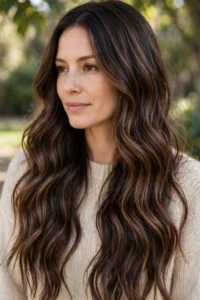
I’d been wearing a natural brunette wolf cut for about a year, perfectly happy with the shape and texture, when a particularly rough week left me wanting something that actually matched how I felt rather than my usual, fairly neutral color choice. I booked an emergency color appointment almost on impulse, told my colorist I wanted something that felt genuinely fiery, and left a few hours later with a deep, dramatic red I hadn’t planned out in any detail beforehand. It turned out to be exactly the right decision, not because the color itself was objectively perfect, but because the wolf cut’s layering showed off that red in a way I genuinely hadn’t expected, catching light differently across every section as I moved throughout the day in a way my previous, flatter brunette color never had.
That appointment happened close to two years ago now, and some version of red has remained my color ever since specifically because of how dramatically the wolf cut’s texture amplifies it. If you’ve been considering red for your own wolf cut, here’s a genuinely detailed range of ideas across the whole red spectrum, plus everything worth knowing about why this particular color and cut combination works so well together.
Why Red Specifically Showcases the Wolf Cut’s Texture So Well
Red occupies a unique position among hair colors in terms of how dramatically it can shift in appearance depending on lighting, angle, and movement, considerably more than most browns or blondes typically do. The wolf cut’s dramatic layering, with its varying depths and constant movement, essentially amplifies this natural quality of red even further, since each individual layer catches and reflects the color slightly differently as hair moves throughout a normal day. This creates a genuinely dynamic, almost shifting quality to the color that a flatter, more uniform haircut simply can’t replicate to the same degree, which is part of why this particular pairing has developed such a dedicated following among people specifically drawn to both elements.
1. Deep Burgundy Wolf Cut

A rich, wine-toned burgundy applied throughout the cut’s layering reads as deep and sophisticated in most indoor lighting, only fully revealing its dramatic red undertone in direct sunlight or camera flash. This specific shade pairs particularly well with the wolf cut’s structure since the subtle color shift between lighting conditions mirrors the cut’s own dramatic movement, creating a combination that feels cohesive and intentional rather than the color and cut working as separate, unrelated elements. Burgundy also tends to be one of the more wearable red options for anyone hesitant about a fully vivid, saturated red, since it reads as a sophisticated, deep brown-red in most everyday settings while still delivering genuine drama when light catches it directly. This shade also tends to hold its intended depth longer between touch-ups than brighter options, since the deeper pigments involved generally fade more gracefully than a vivid, highly saturated red would, softening toward a rich brown rather than an obviously faded, patchy color.
2. Vivid Copper Wolf Cut
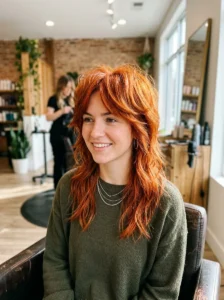
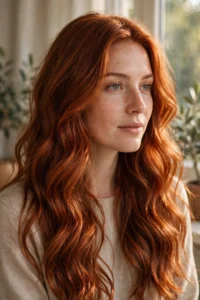
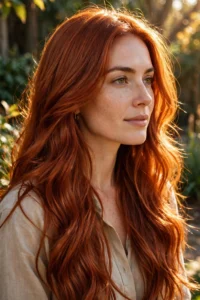
A bright, saturated copper, leaning more toward orange-red than a deeper wine tone, creates one of the boldest options within this red category while still staying recognizably within the red family rather than tipping into a completely different hue. This shade particularly showcases the wolf cut’s crown volume and layering, since the brightness of the color draws the eye directly to exactly the areas where the cut’s most dramatic texture and movement are concentrated. Copper also tends to photograph exceptionally well under a range of lighting conditions, making this combination a particularly popular choice for anyone whose hair frequently appears in photos or video content specifically. Because this shade sits toward the brighter end of the red spectrum, it typically requires more frequent gloss or toning appointments to maintain its intended vibrancy, something worth discussing honestly with your colorist before committing to this specific option over a more muted alternative.
3. Auburn Wolf Cut With Subtle Highlights

Blending a warm auburn base with slightly lighter, complementary copper or gold highlights woven throughout the layering adds dimension that a single, flat auburn tone wouldn’t achieve on its own. This version tends to read as more natural and dimensional than a fully saturated single-process red, appealing specifically to anyone wanting red’s warmth without quite as dramatic or obviously artificial-looking a color statement. The subtle highlighting also particularly emphasizes the wolf cut’s individual layers, since the lighter pieces catch light differently than the deeper auburn base throughout each layer’s distinct length. This combination tends to be a popular choice for anyone transitioning into red for the first time, since the overall effect stays close enough to a natural-reading color family that the commitment feels considerably less dramatic than jumping straight to a fully vivid, saturated shade.
4. Fire Engine Red Wolf Cut

The boldest, most saturated option within this entire category, fire engine red leaves no ambiguity about the color choice, delivering maximum visual impact when combined with the wolf cut’s already dramatic layering and texture. This combination tends to require more extensive color maintenance than subtler red options, given how quickly vivid, saturated reds typically fade compared to deeper, more muted tones, but the visual payoff for anyone wanting an unmistakable statement is considerable. This version particularly suits anyone with naturally light hair already, since achieving this level of saturation on darker natural hair typically requires more extensive lightening beforehand. Given the significant commitment this shade requires in terms of both initial processing and ongoing maintenance, discussing a realistic long-term plan with your colorist before committing matters more here than with almost any other option on this list.
5. Red Balayage Wolf Cut

Rather than an all-over red application, weaving red balayage specifically through a darker brunette base adds warmth and dimension without committing to a fully red overall look. This approach tends to blend particularly well with the wolf cut’s natural layering pattern, since the hand-painted color placement can be customized to follow and enhance the cut’s existing structure rather than being applied uniformly regardless of where the layers actually fall. This version also tends to require less frequent touch-up maintenance than a full red application, since the darker base color naturally disguises regrowth considerably better than an all-over vivid shade would. For anyone hesitant about committing to red as their primary color identity, this balayage approach offers a genuinely effective middle ground, delivering real warmth and dimension while keeping the overall look recognizably close to a natural brunette base throughout most of the growing-out period between appointments.
6. Cherry Red Wolf Cut

Deep, glossy, and immediately recognizable, cherry red remains one of the most iconic red shades specifically because of how well it photographs and how clearly it reads as an intentional, bold color choice rather than something that could be mistaken for a natural shade. Paired with the wolf cut’s dramatic movement, this particular red creates a genuinely striking combination, especially under the kind of varied lighting typical of social media content, where the color’s richness and the cut’s texture work together to create visible depth regardless of how the lighting happens to be set up for any given shot or situation. Maintaining the glossy, rich quality that makes cherry red so visually striking requires consistent deep conditioning and occasional gloss treatments, since dull or dry hair can make even a well-applied cherry red look considerably flatter than its full potential.
7. Ombre Red Wolf Cut
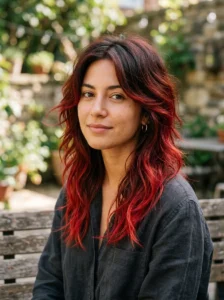
Starting with a natural or darker base at the roots and gradually transitioning into vivid red toward the ends creates dramatic color concentrated specifically in the length, which has the practical benefit of making regrowth considerably less noticeable than an all-over application would be between touch-up appointments. This version particularly showcases the wolf cut’s longer, more dramatically layered sections, since the red intensifies exactly where the cut’s layering creates the most visible movement, drawing attention to precisely the areas the cut is specifically designed to highlight throughout normal daily movement and styling. This combination also tends to work well for anyone wanting to experiment with a bolder red without the full commitment of an all-over application, since the natural root section offers a built-in, lower-maintenance transition zone.
8. Mahogany Wolf Cut

Leaning slightly more brown than a true red, mahogany offers a sophisticated, deep alternative that still carries clear red undertones without fully committing to the boldest end of the red spectrum. This shade tends to particularly flatter the wolf cut’s face-framing curtain pieces, since the color’s richness and depth add visual weight exactly where the cut draws attention around the face, creating a cohesive, intentional-feeling combination between the color placement and the cut’s existing structural emphasis on that specific area. This particular shade also tends to be a popular choice for cooler seasons specifically, since its depth and richness echo the warmer, moodier color palettes many people gravitate toward as the weather shifts throughout the year.
9. Two-Tone Red and Black Wolf Cut

Combining sections of vivid red with deep black throughout the layering creates striking, high-contrast dimension that reads as considerably bolder and more editorial than a single, uniform red tone would achieve on its own. This particular combination tends to showcase the wolf cut’s dramatic layer separation especially clearly, since the stark color contrast between the two shades makes each individual layer’s movement and position considerably more visible and distinct than a more blended, single-tone color application would allow throughout normal daily wear. This bold pairing suits anyone specifically seeking a high-fashion, statement-making result, though it does require more precise, deliberate color placement from an experienced colorist to avoid the contrast reading as uneven or unintentional rather than the striking, graphic effect it’s meant to achieve.
10. Root Smudge Red Wolf Cut

A soft, blended darker root transitioning into red throughout the rest of the length offers a lower-maintenance approach to achieving this color, since the natural-looking root shadow disguises regrowth considerably longer than a stark, obvious color line would between salon visits. This version pairs particularly well with the wolf cut’s crown-concentrated layering, since the darker root blends naturally into the cut’s shortest, most textured top sections before transitioning into the more vivid red throughout the remaining length and layers below. This approach also tends to suit anyone wanting a more gradual introduction to red, since the softer root transition feels less dramatic and more wearable for daily life than a fully saturated, all-over red application would.
11. Ginger Red Wolf Cut

A warm, natural-reading ginger tone offers red’s characteristic warmth while remaining entirely plausible as a natural hair color, appealing specifically to anyone wanting this aesthetic without as obvious or dramatic a styling statement as some bolder red options would create. This particular shade tends to work especially well on naturally lighter base colors, requiring less extensive lightening than deeper or more saturated red tones typically need, making the overall color appointment somewhat gentler on hair health while still delivering genuine warmth and dimension throughout the wolf cut’s layering structure. This shade also pairs particularly naturally with freckled or fair skin tones, echoing a classic, cohesive redhead aesthetic that many people specifically seek out.
12. Dimensional Red Highlights on Brunette
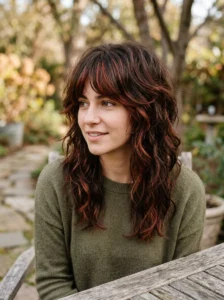
Rather than changing the overall base color, adding dimensional red highlights specifically through an existing brunette wolf cut offers a way to incorporate this trend without committing to a full color change. This approach particularly benefits from the cut’s existing layering, since the highlighted pieces can be placed to specifically emphasize the layers’ natural movement and separation, creating a multidimensional effect that showcases both the color technique and the cutting technique working together rather than either element existing independently of the other throughout the finished style. This option also tends to be the most forgiving in terms of maintenance, since a brunette base naturally disguises regrowth far better than a lighter or more saturated overall color would require managing.
13. Burnt Orange Wolf Cut

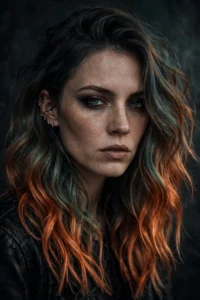
Leaning further into orange than a typical copper or ginger tone, burnt orange offers a genuinely distinctive take on red that stands out from more commonly seen red shades. This particular color choice pairs dramatically with the wolf cut’s texture, since the unusual, attention-grabbing nature of the shade itself combined with the cut’s already dramatic movement creates a combination that reads as genuinely bold and intentional rather than simply another variation within the more commonly seen red color family that most people typically picture. This shade tends to particularly suit warmer skin undertones, and because it sits outside the more frequently requested red shades, finding a colorist genuinely experienced with achieving this specific, less common tone matters more here than with some of the more standard red options.
14. Wine Red Wolf Cut With Glossy Finish

Prioritizing a deep, glossy wine tone with an emphasis on shine and richness rather than additional highlighting or dimension relies on the color’s inherent depth and the health-looking gloss of well-maintained hair to make its statement. This version tends to look particularly luxurious and polished, especially when paired with the wolf cut’s dramatic layering, since the glossy finish amplifies how light catches and moves across each individual layer throughout the day, creating a rich, almost liquid-looking quality to the overall combined effect of cut and color together. Regular gloss treatments between full color appointments become particularly important for maintaining this specific look, since the shine itself is as central to the overall effect as the underlying color choice.
15. Red and Platinum Wolf Cut

Combining vivid red sections with platinum blonde throughout creates maximum possible contrast and drama, representing one of the boldest combinations within this entire category. This particular pairing tends to showcase the wolf cut’s layer separation with extreme clarity, since the stark difference between the two colors makes every individual section’s position and movement immediately visible throughout normal daily activity, creating a genuinely editorial, high-fashion quality that suits anyone wanting the most dramatic possible version of this color and cut combination together. Given the technical complexity of achieving two such distinctly different colors cleanly, this option generally requires a longer appointment and a colorist specifically experienced with this kind of high-contrast placement technique.
16. Soft Strawberry Red Wolf Cut

A lighter, softer take on red, strawberry tones offer a more delicate, romantic quality compared to the deeper, more saturated options elsewhere on this list. This particular shade tends to pair beautifully with looser, more relaxed wolf cut interpretations specifically, since the softness of the color complements a gentler, less dramatically choppy layering technique considerably better than it would suit the boldest, most aggressive versions of this cut, creating an overall look that feels cohesively soft and romantic rather than combining mismatched levels of intensity between the color and cutting choices. This shade also tends to require less dramatic lightening than deeper, more saturated reds, making it a gentler option for hair health specifically.
Choosing the Right Red for Your Skin Tone
Warm skin undertones generally pair most easily with warmer red shades like copper, ginger, or auburn, since the color echoes and enhances warmth already present in the skin. Cool skin undertones often look particularly striking with cooler-leaning reds like burgundy or a true cherry red. Neutral undertones tend to have the most flexibility across this entire red spectrum without much risk of an unflattering clash between skin and hair color.
Maintaining Red on a Wolf Cut
Red fades faster than most other hair colors, so a color-safe, sulfate-free shampoo and occasional gloss treatments between full color appointments help maintain vibrancy. Because the wolf cut already requires regular trims every six to eight weeks to maintain its layering, these appointments offer a convenient, built-in opportunity to refresh fading red color simultaneously rather than managing two entirely separate maintenance schedules.
Frequently Asked Questions
Will red fade unevenly across the wolf cut’s different layer lengths? It can, since different layers have often been through varying amounts of cumulative washing and styling, though a color-depositing shampoo helps even out this fading between the shortest and longest sections over time.
How often do I need touch-ups to maintain vibrant red on this cut? Generally every four to six weeks for more vivid shades, often conveniently aligning with the wolf cut’s own regular trim schedule.
Does red work on both straight and curly wolf cuts equally well? Yes, though curly hair tends to showcase dimensional red particularly beautifully, since each curl catches and reflects the color slightly differently throughout the day.
Final Thoughts
Looking back at that impulsive emergency color appointment, I’m genuinely glad I didn’t overthink the decision before committing to it. The wolf cut’s built-in texture and movement turned out to be an ideal canvas for red specifically, and if you’ve been drawn to this combination yourself, there’s a real range here to help you land on exactly the right shade and intensity for what you’re hoping to feel.