I genuinely didn’t think braids and a wolf cut could work together until a friend showed up to brunch wearing exactly that combination, and I spent most of the meal distracted, trying to figure out how the two things I’d always mentally filed as completely separate styling categories were somehow working together so well on her head. I’d always assumed braids needed smooth, uniform hair to actually look neat and intentional, while my own wolf cut’s whole appeal was built around texture and deliberate unevenness, two qualities that seemed like they should actively work against each other rather than combine into anything cohesive. She explained, between bites, that her stylist had specifically shown her how to work small braids into the existing layering rather than fighting against it, using the cut’s natural texture as part of the braiding rather than something to smooth away first.
I went home that same afternoon and started experimenting on my own wolf cut, and within a couple of attempts I understood exactly what she meant. The texture wasn’t a problem to solve around, it was actually an asset once I stopped trying to braid my hair the same way I would completely smooth, uniform hair. If you’ve made the same assumption I did, that these two things don’t belong together, here’s a real range of ideas proving otherwise, plus what I’ve learned about actually executing braids on textured, layered hair successfully.
Why Braids and the Wolf Cut Actually Work Together
Before getting into specific styles, it’s worth understanding the actual mechanics of why this combination succeeds rather than fighting itself the way I originally assumed it would. The wolf cut’s dramatic layering, with varying lengths throughout, creates natural texture and grip that smooth, single-length hair often lacks, and that texture genuinely helps braids hold their shape and definition rather than slipping loose the way braids sometimes do on freshly washed, silky hair.
The key difference in approach, as my friend explained and as I’ve confirmed through my own experimenting since, is working with smaller, more targeted braids incorporated into specific sections of the cut rather than attempting one large, uniform braid that tries to pull the entire head of varying-length hair into a single, smooth plait. Smaller braids woven through specific layers let the cut’s inherent texture and movement remain visible around the braided sections, creating a combined look that showcases both elements rather than one overwhelming the other.
1. Single Braided Crown Layer

Taking just the shortest, most dramatic top layers and braiding them back from the hairline, while leaving the rest of the cut’s texture fully visible below, highlights the wolf cut’s signature volume while adding a small, intentional detail at the crown specifically.
2. Double Dutch Braids Through the Crown

Two small Dutch braids running from the front hairline back through just the crown section, blending into the rest of the loose, textured layers below, combines structure up top with movement throughout the remaining length.
3. Fishtail Braid Crown Wrap

A thin fishtail braid taken from one side and wrapped around the crown like a headband, pinned to blend into the opposite side’s existing layering, adds a decorative detail without requiring braiding throughout the entire cut.
4. Thin Braids Through Curtain Bangs

Small, thin braids worked into just the wolf cut’s characteristic curtain-style face-framing pieces add a subtle, decorative detail right where the eye is naturally drawn, without affecting the rest of the cut’s texture.
5. Single Braid on One Side Only

An asymmetrical approach, braiding just one of the face-framing sections while leaving the other side loose and textured, creates an interesting, slightly edgier visual balance.
6. Micro Braids Along the Part Line

A row of very small, thin braids following the part line specifically adds intricate detail without requiring significant time investment, since these tend to be quick to execute despite looking considerably more elaborate.
7. Half-Up Braided Topknot

Gathering the top half of the cut’s layering into a few small braids before twisting them into a knot at the crown keeps hair off the face while showcasing both the braiding detail and the remaining loose, textured length below.
8. Braided Half-Up Ponytail

Similar to the topknot but gathered into a ponytail rather than a knot, this offers a slightly more casual, everyday version of the same basic concept, quick to execute and practical for busier mornings.
9. Dutch Braid Into Loose Waves

A single Dutch braid starting at the front hairline and blending into the rest of the cut’s loose, wavy texture partway down creates a gradual transition from structured to undone within a single style.
10. Braided Low Bun With Face-Framing Pieces
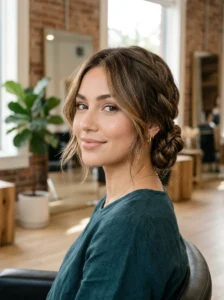
Gathering most of the cut into a low, braided bun while deliberately leaving the shortest face-framing layers out and visible combines a more formal, structured base with the wolf cut’s signature loose pieces up front.
11. Multiple Small Braids Throughout
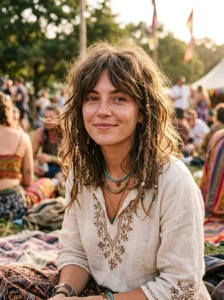
Incorporating several small, thin braids scattered throughout the entire head, left otherwise loose and textured, creates a bohemian, festival-appropriate look that showcases both braiding detail and the cut’s natural movement simultaneously.
12. Braided Pigtails With Textured Ends

Two braided sections gathered from the crown down, with the ends left loose and unbraided to show off the wolf cut’s characteristic choppy, layered finish, blends a playful, youthful style with the cut’s inherent texture.
13. Braided Updo With Loose Face-Framing Pieces
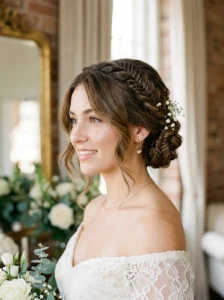
A more formal, fully braided updo, with the shortest wolf cut layers deliberately left loose around the face, works beautifully for occasions calling for something more polished
while still incorporating the cut’s signature textured element.
14. Waterfall Braid Through the Layers
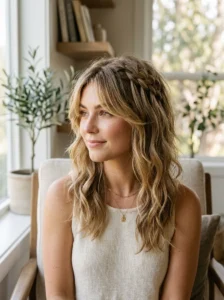
A waterfall braid worked across the crown, letting strands fall loose into the rest of the layered length below, adds a romantic, occasion-appropriate detail without requiring the structure of a full updo.
15. Braided Crown With Curled Ends
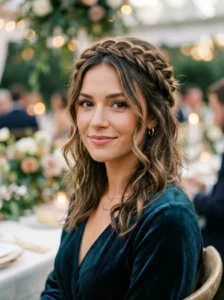
Combining a braided crown section with the remaining length curled for extra definition creates a particularly polished, special-occasion-appropriate version of this combination.
16. Simple Three-Strand Braid at the Nape
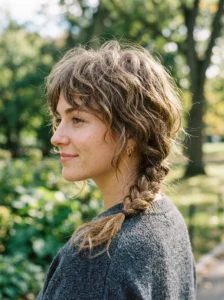
Gathering just the lower, longer back sections into one simple, loose braid at the nape, while leaving the crown’s shorter layers untouched, takes under a minute and still incorporates braiding into the overall look.
17. Braided Headband Style’

A single thin braid taken from one side, pulled across the top of the head like a headband, and pinned on the opposite side, is one of the quickest options on this entire list while still adding a clear braided element.
Which Hair Types Make Braiding This Cut Easiest
Straight hair can achieve all of these styles, though it generally benefits most from the texturizing spray tip mentioned below, since straight, freshly washed hair tends to be the slipperiest and hardest to braid neatly without some added grip.
Wavy hair holds braids particularly well on this cut, since the existing texture provides natural grip that works with the braiding technique rather than requiring much additional product to prevent slipping.
Curly hair genuinely excels here, with the natural coil and texture providing some of the best built-in grip for braiding of any hair type, often allowing braids to hold their shape for considerably longer than they would on straighter textures.
Fine hair can still achieve these looks, though smaller, tighter braids generally photograph and hold better than larger, looser ones, since fine hair has less natural volume to fill out a more relaxed braiding style.
Tips for Successfully Braiding Textured, Layered Hair
Work with smaller, more targeted braids rather than attempting one large braid encompassing the entire head, since the wolf cut’s varying layer lengths make a single, uniform large braid considerably harder to execute neatly than several smaller, more contained ones.
Braiding on slightly second-day hair, rather than immediately after washing, generally holds better, since freshly washed, silky hair tends to slip out of braids more easily than hair with a bit of natural grip and texture already present.
A texturizing spray applied before braiding adds extra grip, particularly useful for finer hair types or anyone with especially slippery, freshly washed hair wanting the braids to hold their shape longer throughout the day.
Embracing some natural imperfection in the braiding itself tends to look more cohesive with the wolf cut’s inherently undone aesthetic than an extremely tight, precise braid would, since the overall look benefits from both elements sharing that same relaxed, textured energy.
Choosing the Right Braided Style for the Occasion
For everyday wear, the quicker options, like a simple braid at the nape or a single braided headband section, offer a bit of styling detail without eating into your morning routine significantly.
For work or more polished settings, the face-framing braid options or a braided crown wrap tend to read as intentional and put-together without feeling overly casual or undone for a professional environment.
For special occasions, the more elaborate full braided updos or the waterfall braid through the layers offer significantly more visual impact and photograph particularly well, worth the extra time investment for events where you want a more dramatic, finished look.
For active days or workouts specifically, the double Dutch braids through the crown or braided pigtails keep hair securely controlled while still incorporating the wolf cut’s textured personality into an otherwise practical, functional style.
Products Worth Having on Hand
A texturizing spray, applied before braiding, adds grip that helps braids hold their shape on this type of layered, textured hair considerably better than attempting to braid completely smooth, product-free strands.
Small, clear hair elastics work well for securing the ends of smaller, more targeted braids without adding visual bulk that would compete with the cut’s existing texture.
Bobby pins in a shade matching your hair color help secure any braided sections that need pinning back, like a braided crown wrap, without the pins themselves becoming a visible distraction.
A light-hold finishing spray, used sparingly after the braiding is complete, helps tame any flyaways around the braided sections without flattening or smoothing away the loose, textured sections you’ve deliberately left visible.
Common Mistakes to Avoid
Attempting one large, uniform braid across the entire cut, treating it the same way you would completely smooth, single-length hair, often results in a less neat, more frustrating experience than working with several smaller, more targeted braids specifically suited to the layering’s natural variation.
Braiding immediately after washing, when hair is at its most slippery, can make the whole process considerably more difficult and result in braids that loosen and fall out faster than they would on hair with a bit more natural texture and grip.
Braiding too tightly throughout, fighting against the cut’s inherent texture rather than working with it, can create a result that looks disconnected from the rest of the loose, textured sections rather than a cohesive combined style.
Frequently Asked Questions
Do I need particularly long hair for these braided styles to work on a wolf cut? Not necessarily, since many of the ideas here, like small crown braids or face-framing braided pieces, work well even on shorter or medium-length versions of the wolf cut, though more elaborate full braided updos generally benefit from somewhat more length to work with.
Will braiding damage the wolf cut’s layering over time? Occasional braiding, done gently and without excessive tension, generally doesn’t cause lasting damage to the cut itself, though consistently very tight braiding over long periods can potentially cause breakage at the hairline, so varying your styling and giving hair occasional breaks from braided styles is a reasonable precaution.
How do I keep small braids from looking messy on hair with this much natural texture? Using a texturizing spray or light gel specifically along the braid itself, rather than throughout the whole head, helps keep the braided sections looking neat and defined while still allowing the rest of the cut’s natural texture to remain visible and undisturbed.
Can these braided styles work for curly or coily wolf cuts specifically? Yes, and curly or coily hair often holds braids particularly well given the natural grip and texture already present, making many of these styles even more secure and longer-lasting than they might be on straighter hair.
How long do these braided styles typically last before needing to be redone? This varies by specific style and your hair’s natural grip, but many of the smaller, more targeted braided options can hold up reasonably well for a full day of normal activity, while styles incorporating tighter braiding closer to the scalp tend to last the longest overall.
Is it better to braid before or after styling the rest of the wolf cut’s loose texture? Generally, braiding first and then styling the remaining loose sections afterward tends to work best, since you can add texturizing spray or scrunch in movement to the unbraided length without disturbing or loosening the braided sections you’ve already completed.
Final Thoughts
Looking back at that brunch where I first saw this combination in person, I’m genuinely glad curiosity got the better of my initial skepticism rather than just assuming these two styling categories were permanently incompatible. The wolf cut’s natural texture, once I stopped trying to fight against it and started working with it instead, turned out to be a genuine asset for braiding rather than an obstacle, and if you’ve made the same assumption I originally did, it’s worth experimenting the way I eventually did before ruling the combination out entirely.