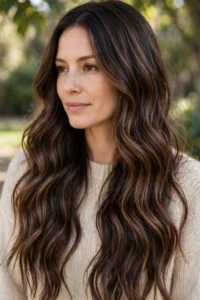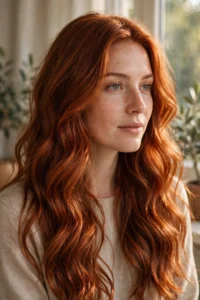
My hair has always been on the finer side, which meant for most of my life I associated volume exclusively with effort, specifically a round brush, a blow dryer, and roughly twenty minutes I didn’t always have to spare most mornings. When I finally got my first wolf cut about a year and a half ago, I went in expecting the same equation to still apply, volume requiring active work, just with a trendier overall shape layered on top of that same daily routine. What actually happened surprised me considerably. My stylist specifically cut mine with what she called a “fluffy” finish in mind, deliberately leaving the layering slightly rounder and softer rather than sharply choppy, and the result looked genuinely voluminous straight out of the chair, air-dried, with zero styling effort involved at all.
That distinction, between a sharper, more deliberately textured wolf cut and this softer, fluffier interpretation, turned out to matter considerably more than I’d realized going in, and it’s remained my preferred version of this cut ever since specifically because of how little daily effort it demands to look genuinely full and voluminous. If fine or flat hair has kept you assuming volume always requires work the way I did, here’s what actually makes this particular interpretation different, plus a real range of ideas within this specific fluffy, effortless category.
What Makes a Wolf Cut Specifically “Fluffy” Rather Than Choppy
The standard wolf cut tends to emphasize sharp, deliberately choppy layer lines and distinct, separated texture throughout. The fluffy interpretation takes the same core layering philosophy, dramatic volume concentrated at the crown, softer face-framing pieces, but executes it with rounder, more blended transitions between each layer rather than sharp, visible breaks.
My stylist explained the specific cutting difference this way: rather than point-cutting or razor-cutting the ends to create that choppy, separated texture typical of a sharper wolf cut, a fluffy version uses more traditional blunt-cutting technique within the layering pattern, creating rounder, fuller-looking sections that naturally puff out and create volume rather than lying in separated, individually defined pieces.
Why This Softer Version Delivers Such Effortless Volume
Having lived with both the general concept of a sharper wolf cut and now this specific fluffy interpretation, the practical difference in daily effort required has been considerably more significant than I expected going in. A sharply textured, choppy wolf cut often benefits from, and sometimes genuinely requires, some active styling to fully separate and define the individual pieces for the look to read as intentional rather than simply messy.
The fluffy version, by contrast, is specifically cut to create natural roundness and volume through its blunt-cut layering structure alone, meaning simply air drying, or even just towel drying and leaving it be, tends to produce a genuinely full, voluminous result without needing to actively create that texture and separation through additional styling technique.
1. Short Fluffy Wolf Cut

At a shorter length, around chin to jaw, the fluffy cutting technique creates a particularly rounded, voluminous silhouette that reads almost like a soft, textured bob with the wolf cut’s characteristic crown volume built in.
2. Medium Fluffy Wolf Cut

At collarbone to shoulder length, this version offers the most classic, widely recognized interpretation of the fluffy aesthetic, with enough length for genuine movement while the rounded layering keeps everything looking full rather than flat.
3. Long Fluffy Wolf Cut

At longer lengths, past the shoulders, the fluffy technique helps combat the flatness that can sometimes affect fine or straight hair at greater lengths, using the rounded layering to maintain volume throughout even significant length.
4. Air-Dried Natural Fluffy Finish

The lowest-effort version of all, simply towel drying and letting the cut’s built-in rounded layering do all the work, producing genuine volume and shape with essentially zero active styling time required.
5. Diffused Volume for Wavy or Curly Hair

For naturally textured hair specifically, diffusing with a blow dryer on low heat, scrunching gently as you go, enhances the fluffy cut’s inherent roundness while also defining natural wave or curl pattern simultaneously.
6. Quick Round Brush Touch-Up

For anyone wanting slightly more definition than pure air drying provides, a quick pass with a round brush focused specifically at the roots, rather than the full length, adds extra lift without requiring the full styling time a sharper, choppier cut might demand.
7. Overnight Volume With a Loose Braid

Sleeping in one or two loose braids, then releasing them in the morning, enhances the fluffy cut’s natural roundness with soft waves, achieving additional volume and movement without any morning heat styling at all.
8. Warm, All-Over Brunette

A rich, warm, single-process brunette showcases the fluffy cut’s rounded volume clearly, since the color’s uniformity lets the cut’s shape and texture itself remain the primary visual focus.
9. Soft, Dimensional Balayage

Gentle, blended balayage rather than high-contrast highlighting complements the fluffy aesthetic’s overall softness, avoiding the sharper, more graphic color contrast that might feel visually at odds with the cut’s rounded, blended layering.
10. Warm Honey Blonde

A warm, golden blonde tone pairs particularly well with this softer cutting technique, since the warmth and roundness work together to create an overall cohesive, effortlessly glowing impression.
Which Hair Types Benefit Most From the Fluffy Approach

Fine hair genuinely benefits the most from this specific interpretation, since the rounded, blunt-cut layering creates significantly more apparent volume and density than fine hair typically achieves with a sharper, more choppy cutting technique, which can sometimes emphasize thinness rather than disguising it.
Straight hair pairs particularly well with the fluffy approach specifically, since the rounded layering provides built-in shape and movement that straight hair often lacks on its own, achieving genuine volume without requiring the active curling or texturizing a sharper cut might need on the same hair type.
Wavy hair also works beautifully, with the natural texture adding to the fluffy cut’s inherent roundness rather than competing against it, often requiring minimal additional styling beyond simple air drying or light diffusing.
Curly hair can incorporate this softer approach as well, though the cutting technique needs to account for curl shrinkage and natural volume, which may already provide considerable fullness on its own, meaning the fluffy cutting style may need slight adjustment to avoid excessive overall volume once fully dry.
Thick, dense hair can achieve this look too, though your stylist may recommend some additional thinning within the rounded layering to prevent the fluffy effect from reading as overly heavy or bulky rather than light and voluminous.
Getting the Right Fluffy Finish at the Salon
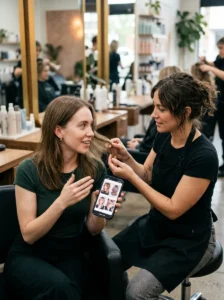
Specifically use the term “fluffy” or describe wanting rounder, blunter layering rather than sharp, choppy texture, since a stylist defaulting to a more standard, sharply textured wolf cut technique without this specific direction may produce quite a different finished result than you’re picturing.
Bring reference photos specifically showing this softer, rounder interpretation rather than the more commonly referenced sharp, choppy version, since the visual difference between the two, while subtle in written description, is genuinely significant once executed.
Discuss your hair type honestly, particularly if you have naturally fine or flat hair, since this is specifically the hair type this cutting technique tends to benefit most dramatically, and your stylist can adjust the degree of roundness accordingly.
Ask how much daily styling will realistically be needed, since one of the main appeals of this specific approach is reduced effort, and confirming this expectation with your stylist before your appointment helps ensure you’re getting the intended low-maintenance result.
Maintaining the Fluffy Finish

Regular trims, generally every six to eight weeks, help maintain the rounded layering’s intended shape, since even blunt-cut layers soften and lose some of their defined roundness as hair grows out between appointments.
A lightweight volumizing mousse or root-lifting spray, used sparingly on days you want slightly more volume than air drying alone provides, works well with this cut’s existing structure without requiring significant additional styling time.
Avoiding heavy, weight-adding products matters more with this specific interpretation than with some other styles, since the whole appeal depends on natural lightness and volume that heavier smoothing creams or oils can work directly against.
How Face Shape Factors Into This Cut
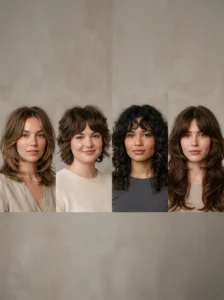
Round faces tend to benefit from keeping the fluffy volume concentrated higher at the crown rather than at the sides specifically, elongating the overall shape rather than adding unwanted width at the widest point of the face.
Square or angular faces often look particularly flattered by this cut’s inherent softness, since the rounded, blended layering helps break up strong jaw and cheekbone structure more gently than a sharper, more defined cutting technique would.
Heart-shaped faces, wider at the forehead and narrower at the chin, tend to benefit from a bit more fullness concentrated near the jaw specifically, helping balance a wider top against a narrower chin.
Long or oval faces generally have the most flexibility with this style, since there’s less specific correction needed, though many stylists recommend keeping some width through the layering rather than an overly vertical, elongating silhouette.
Products Worth Having on Hand
A lightweight volumizing mousse, applied to damp hair before air drying, enhances this cut’s natural roundness without adding the weight that would work against the intended effortless, fluffy finish.
A root-lifting spray, used sparingly at the roots specifically, provides an extra boost of volume on days you want slightly more lift than air drying alone achieves, without requiring significant additional styling time.
Dry shampoo, even on relatively fresh hair, helps maintain volume and grip at the roots throughout the day, particularly useful for fine hair types that can lose some of this cut’s inherent fullness by the afternoon without a bit of extra support.
A wide-tooth comb, rather than a brush, helps detangle gently without disrupting the rounded, blended texture this cutting technique specifically creates, preserving the fluffy effect rather than smoothing it away.
Common Mistakes to Avoid
Not specifically requesting the rounder, fluffier cutting approach can result in a stylist defaulting to a more standard, sharply choppy wolf cut technique, producing a noticeably different finished texture than the specific effortless volume this interpretation is meant to achieve.
Using heavy, weight-adding styling products undermines the natural lightness this cutting technique is specifically designed to create, so sticking to lightweight formulas matters more here than with some other, more texture-dependent wolf cut variations.
Skipping regular trims, assuming the softer, rounder layering is more forgiving of growth than sharper cuts, can still lead to the intended shape softening and losing definition over time, even if the change is somewhat more gradual than it would be with a sharper, more dramatically layered style.
Frequently Asked Questions
Will this cut actually require zero styling, or is some effort still needed? Many people achieve a genuinely finished-looking result simply air drying, particularly those with fine, straight, or naturally wavy hair, though a quick round brush touch-up at the roots can add extra volume on days you want slightly more polish than air drying alone provides.
How is this different from simply asking for “soft layers” without mentioning the wolf cut specifically? Soft layers alone typically don’t include the wolf cut’s characteristic concentrated crown volume and distinct face-framing pieces, so this fluffy interpretation specifically combines that recognizable wolf cut structure with a rounder, blunter cutting technique rather than the sharper, more choppy texture usually associated with the trend.
Will this cut work well if I have particularly flat, limp hair that doesn’t hold volume well? Yes, and this is specifically one of the hair concerns this cutting technique tends to address most effectively, since the built-in roundness and layering structure creates volume through the cut itself rather than relying entirely on styling technique or product to manufacture that fullness.
How often do I need trims to maintain this softer version? Generally every six to eight weeks, similar to other wolf cut variations, since the rounded layering still requires regular maintenance to keep its intended shape and volume looking fresh and defined.
Can I switch from a sharper, choppier wolf cut to this fluffier version without starting over completely? Often yes, since your stylist can typically adjust an existing wolf cut’s technique at a regular trim appointment, softening and rounding out the layering rather than requiring you to grow out your current cut entirely before achieving this different finished texture.
Does this fluffy approach work on hair that’s previously been damaged from heat styling or coloring? It can work well, and the reduced daily heat styling this cut generally requires may actually benefit damaged hair over time, though discussing your hair’s current health with your stylist beforehand, and potentially starting with a deep conditioning treatment, helps ensure the finished cut looks its healthiest.
Final Thoughts
A year and a half into wearing this specific interpretation, I genuinely think about that initial assumption, that volume always meant work, far less often than I used to, mostly because this particular cutting approach proved that assumption wrong almost immediately. If fine, flat, or simply low-effort-seeking hair has kept you on the sidelines of the wolf cut trend the way it initially kept me hesitant, this softer, rounder version might be exactly the entry point that finally makes the whole trend work for your actual daily routine rather than fighting against it.