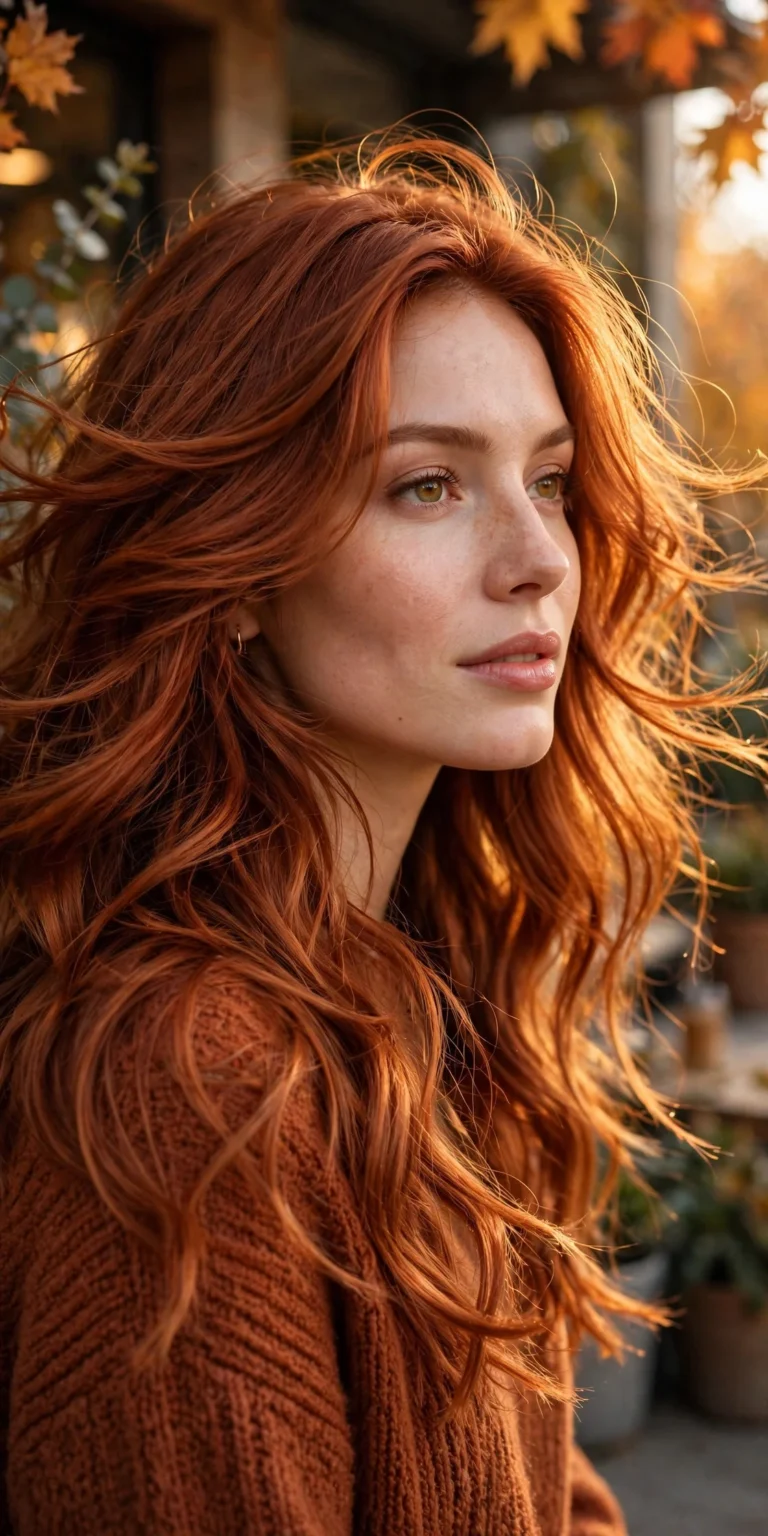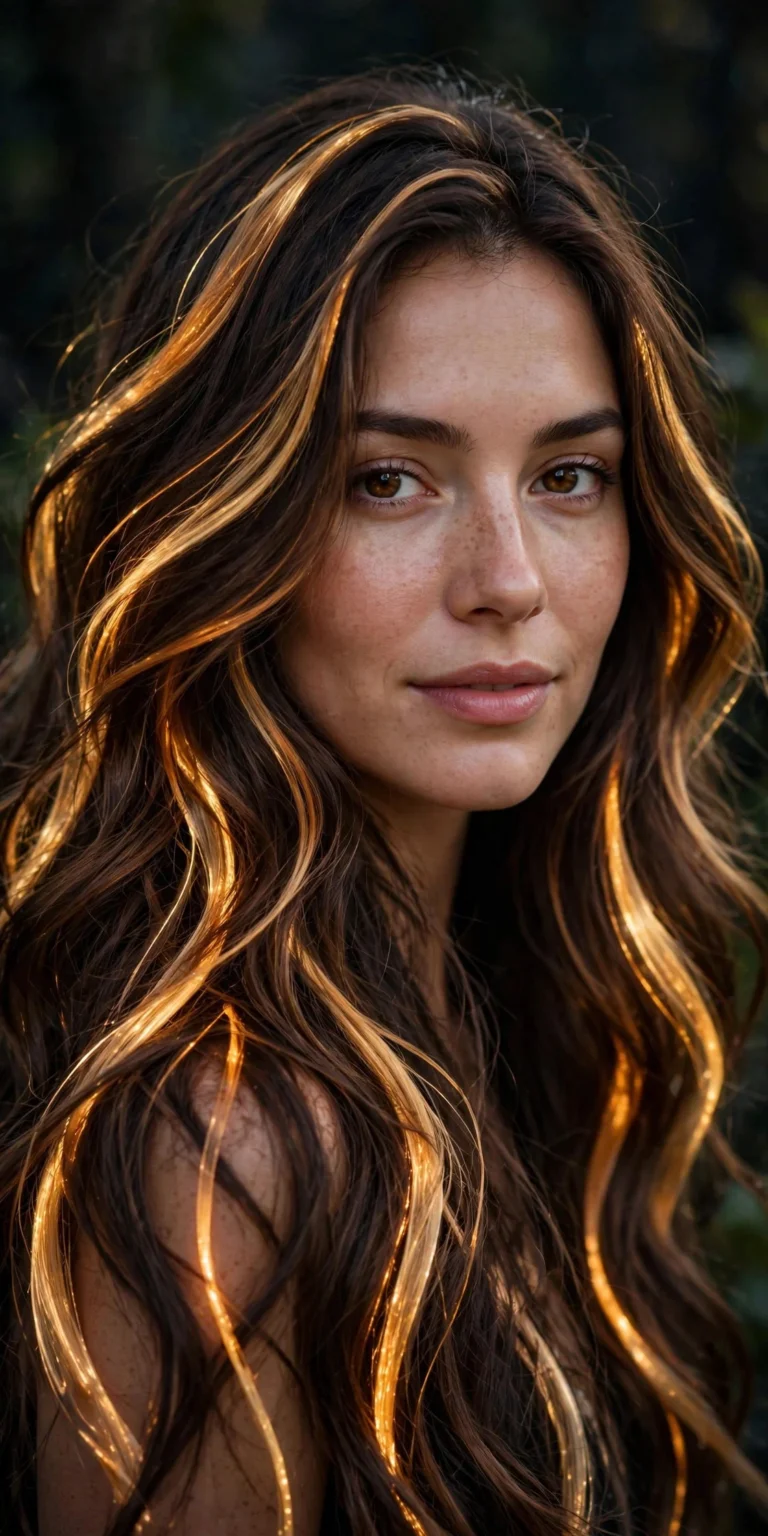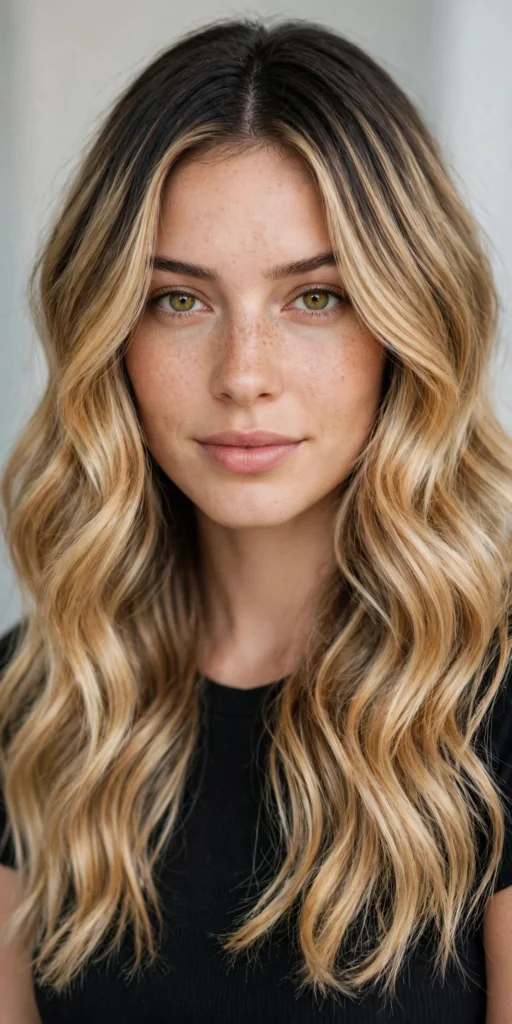
There is a reason rooted blonde keeps showing up everywhere: it solves the harsh grow-out line. Instead of a visible band of dark regrowth cutting across bleached hair, a rooted blonde keeps depth at the crown and melts it softly into lighter ends, looking polished on day one and still intentional three months later.
Pinterest's 2026 Beauty Trend Report confirms the shift: searches for lived-in, low-maintenance blonde keep climbing, and rooted styles sit at the center of it. Below are ten ideas covering cool, warm, and neutral shades, each with what to ask for, who it suits, and the honest upkeep reality.
1Classic Shadow Root Blonde
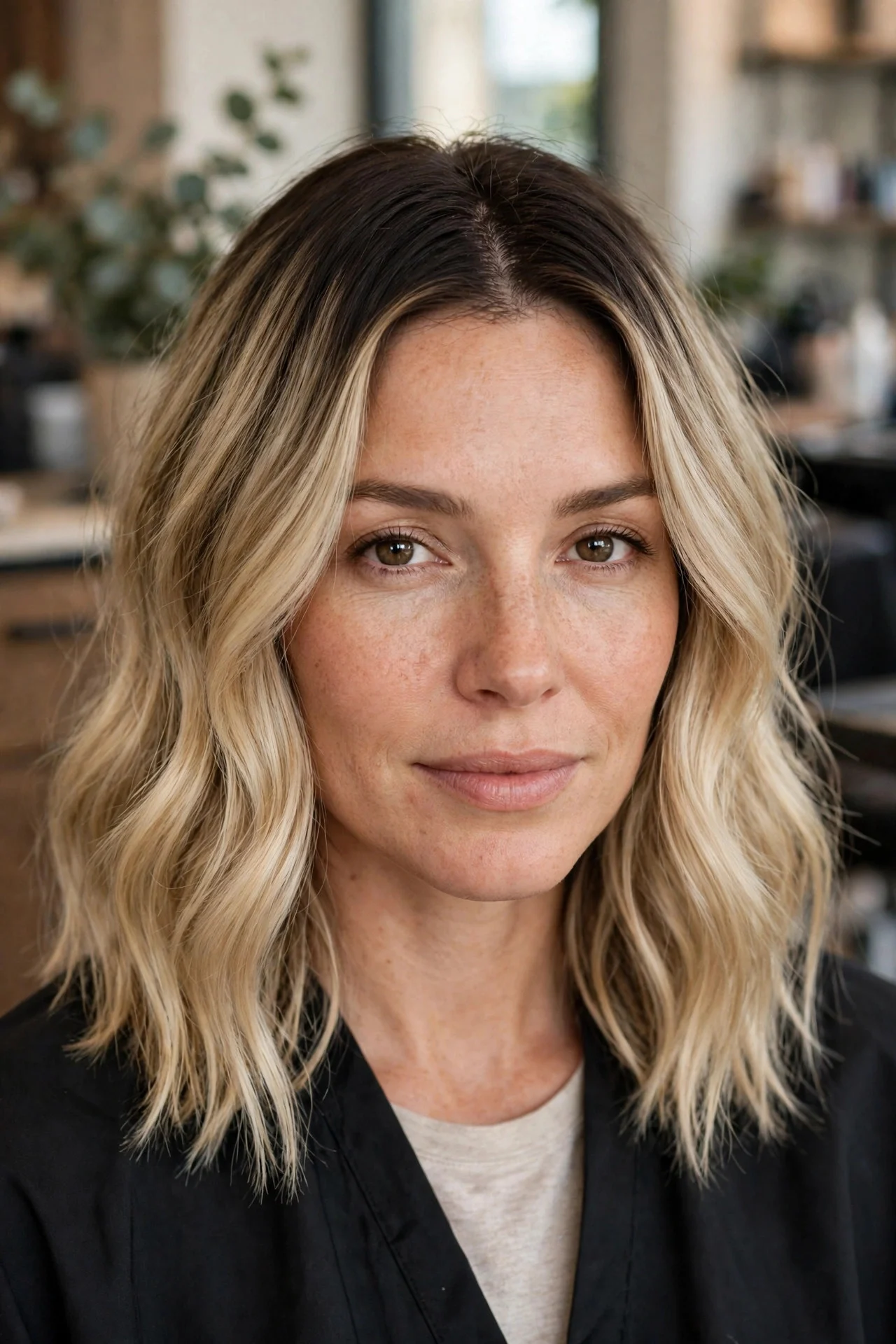
This is the original rooted blonde and still the most requested. Ask for a shadow root in your natural level, usually a 6 or 7, diffused two to three inches down, with mids and ends a clean neutral blonde around level 9. Foil highlights plus a shadow root is standard technique, so nearly any salon can do it well. It suits just about everyone, and fine hair benefits most because the dark root makes blonde look thicker. Plan a full refresh every 10 to 14 weeks, with a gloss at week six if the ends dull. The drawback is price: the initial appointment runs three to four hours, and skilled shadow-root work is not the place to bargain hunt.
2Rooted Honey Blonde
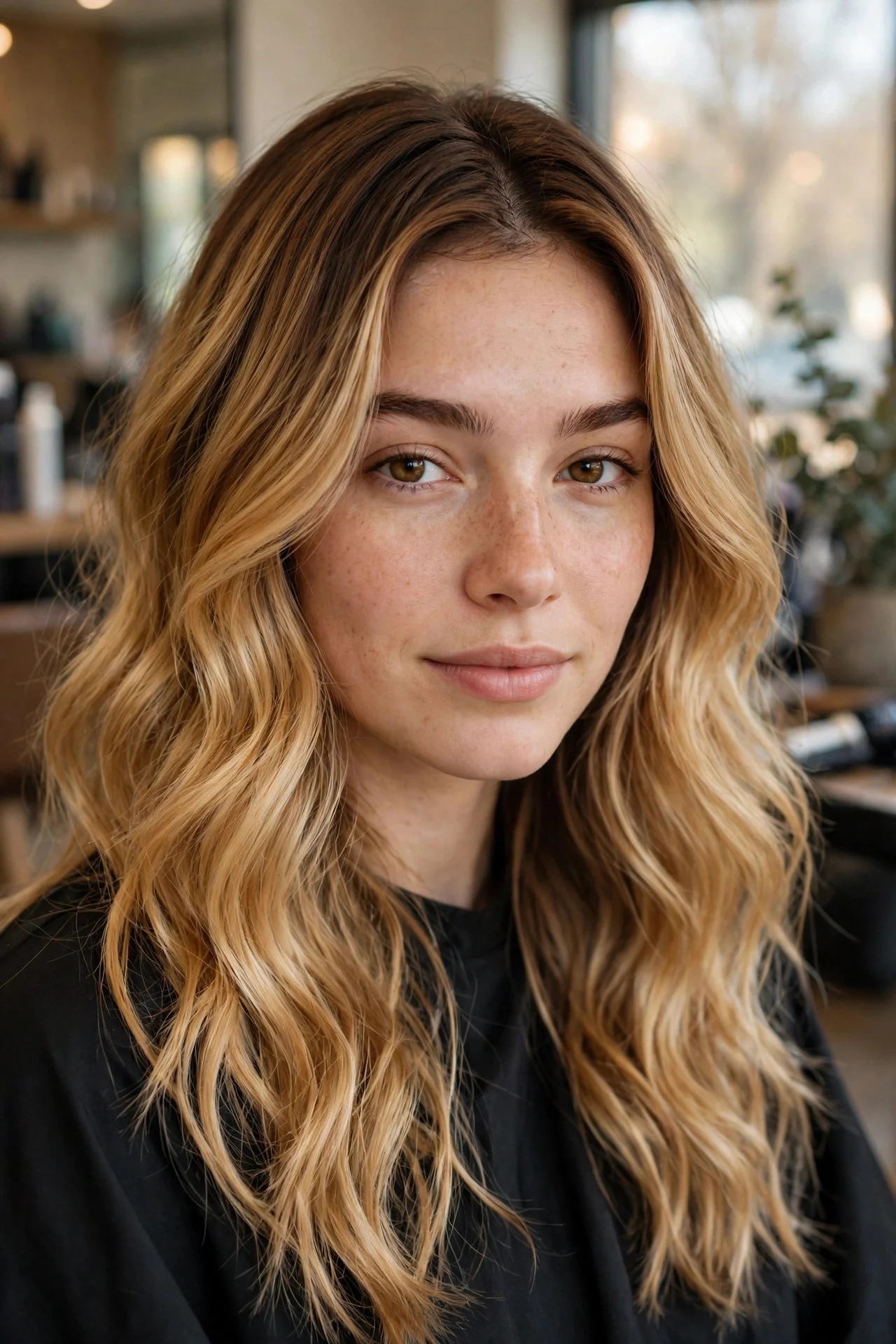
Honey blonde is warmth done right, and a rooted version keeps it wearable. Request a warm brown root around level 6 melted into golden honey blonde ends. Ask for a root melt, not a hard shadow root, so the blend stays gradual and buttery with no visible line. Warm and neutral skin tones glow in this color, and it flatters naturally brown or dark blonde bases best since the root stays near natural. Olive and medium complexions especially benefit. Regrowth can wait three to four months, though honey fades with sun exposure. Honest drawback: warmth turns brassy on previously lightened hair, and purple shampoo will not fix it. Only a blue-based shampoo or salon gloss keeps it golden instead of orange.
3Rooted Ash Blonde
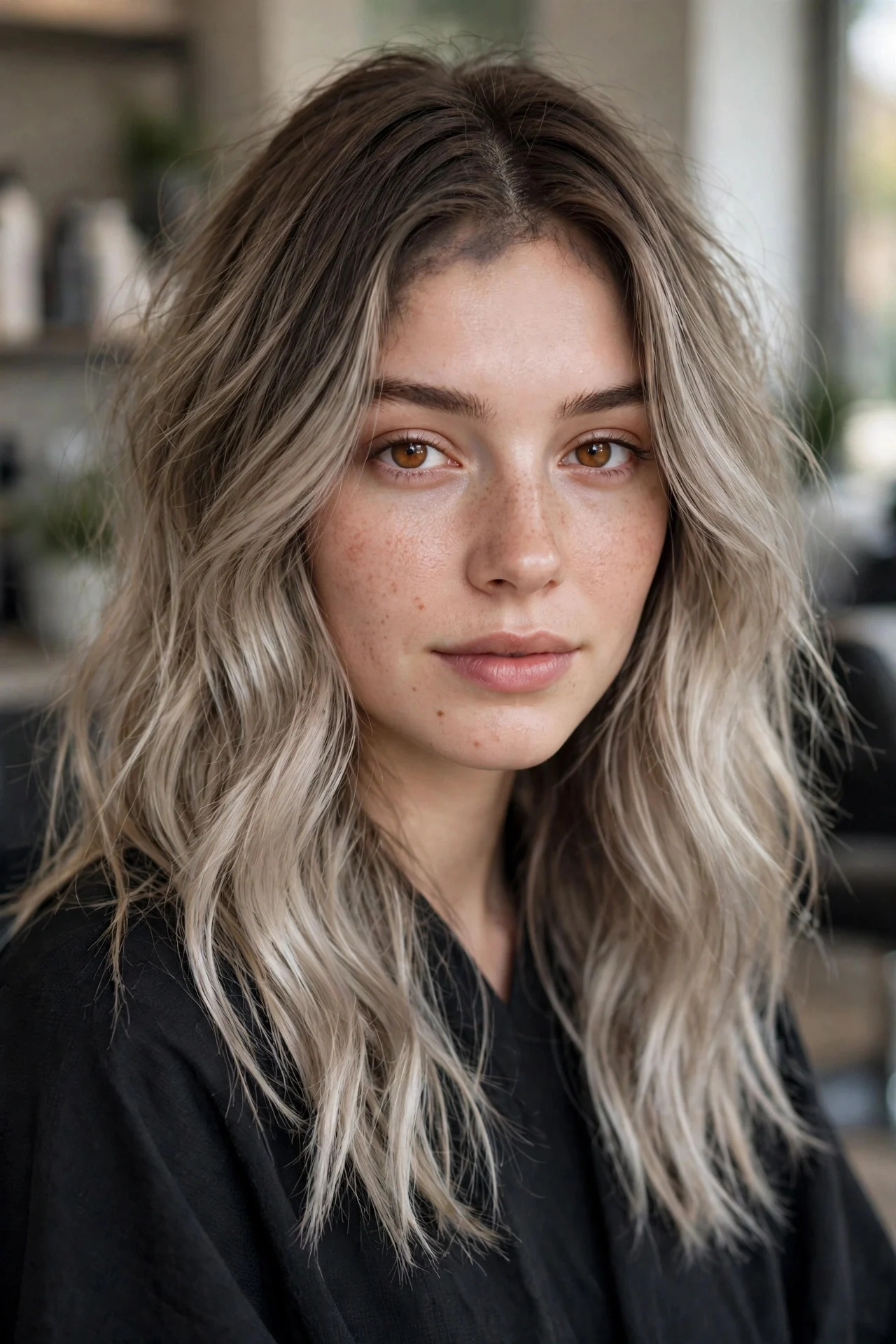
For cool-toned skin, ash blonde with a dark root is the answer. Request a level 5 or 6 ash-brown root smudged down into smoky ash blonde around level 8 or 9. The technique is a root smudge with fine babylights, which keeps the blend soft and avoids harsh banding. It works best on naturally ashy or neutral bases; if your hair pulls red or orange easily, keeping true ash takes more work. Pink and cool undertones pair beautifully with it. Plan toning glosses every six to eight weeks, since ash is the first tone to wash out. The honest cost issue: on warm natural hair it often needs a double process or extra toning, which raises the price and the time in the chair.
4Vanilla Blonde With a Smudged Root
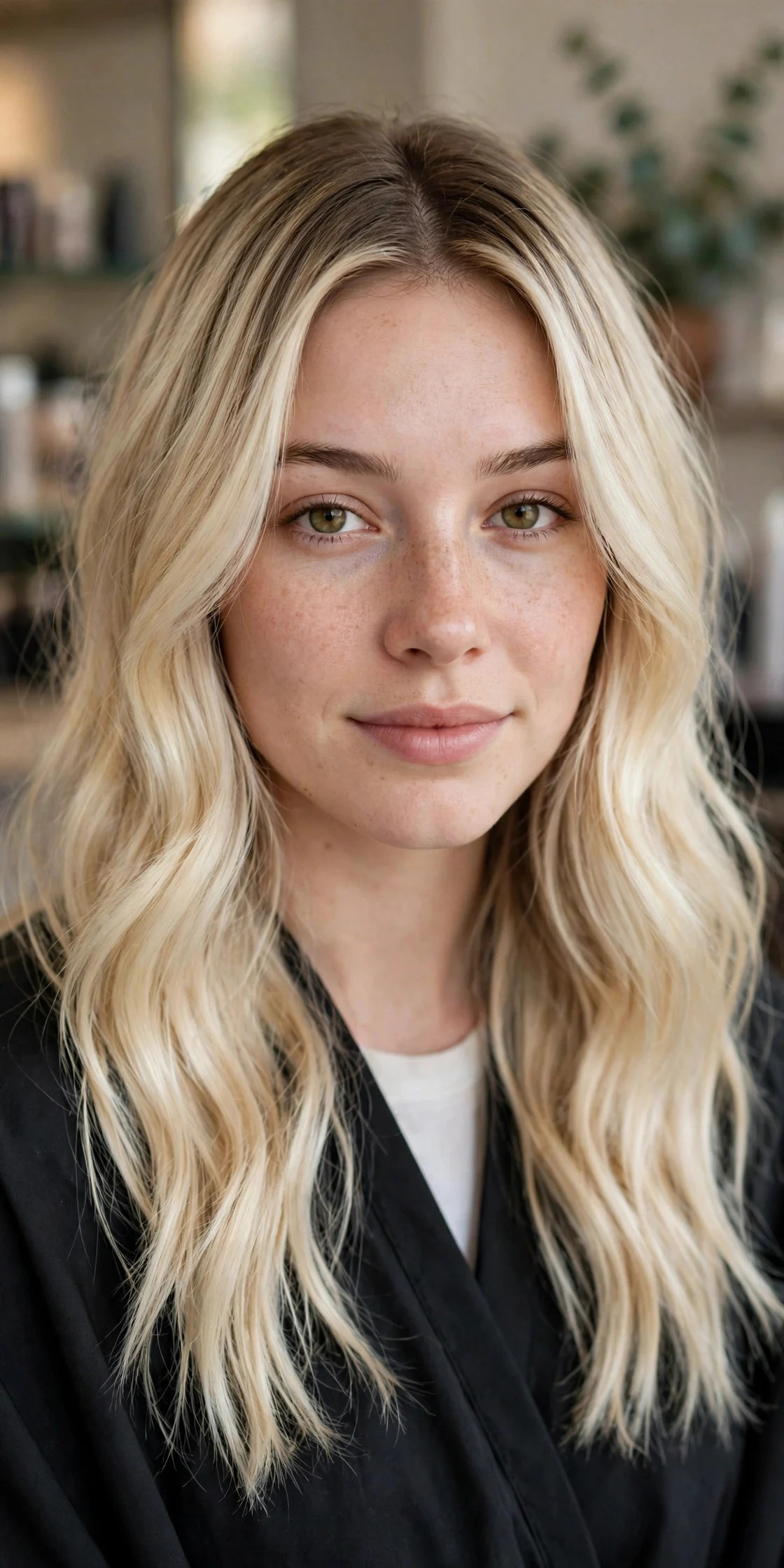
Vanilla blonde is creamy, bright, and a little expensive looking. The rooted version starts with a soft smudge in level 6 neutral brown, blended into near-platinum vanilla ends. Keep the smudge to an inch or two so the blonde still reads bright and high-impact. Fair to light skin tones wear this best, and it suits naturally dark blonde or light brown hair since only the ends need serious lifting. On darker natural bases the contrast becomes dramatic, which is a look in itself. Expect root smudge touch-ups every eight to ten weeks, plus a purple shampoo routine. Drawback: bright vanilla fades fastest of any shade here, so expect to be back for a toner sooner than you hoped.
5Rooted Strawberry Blonde
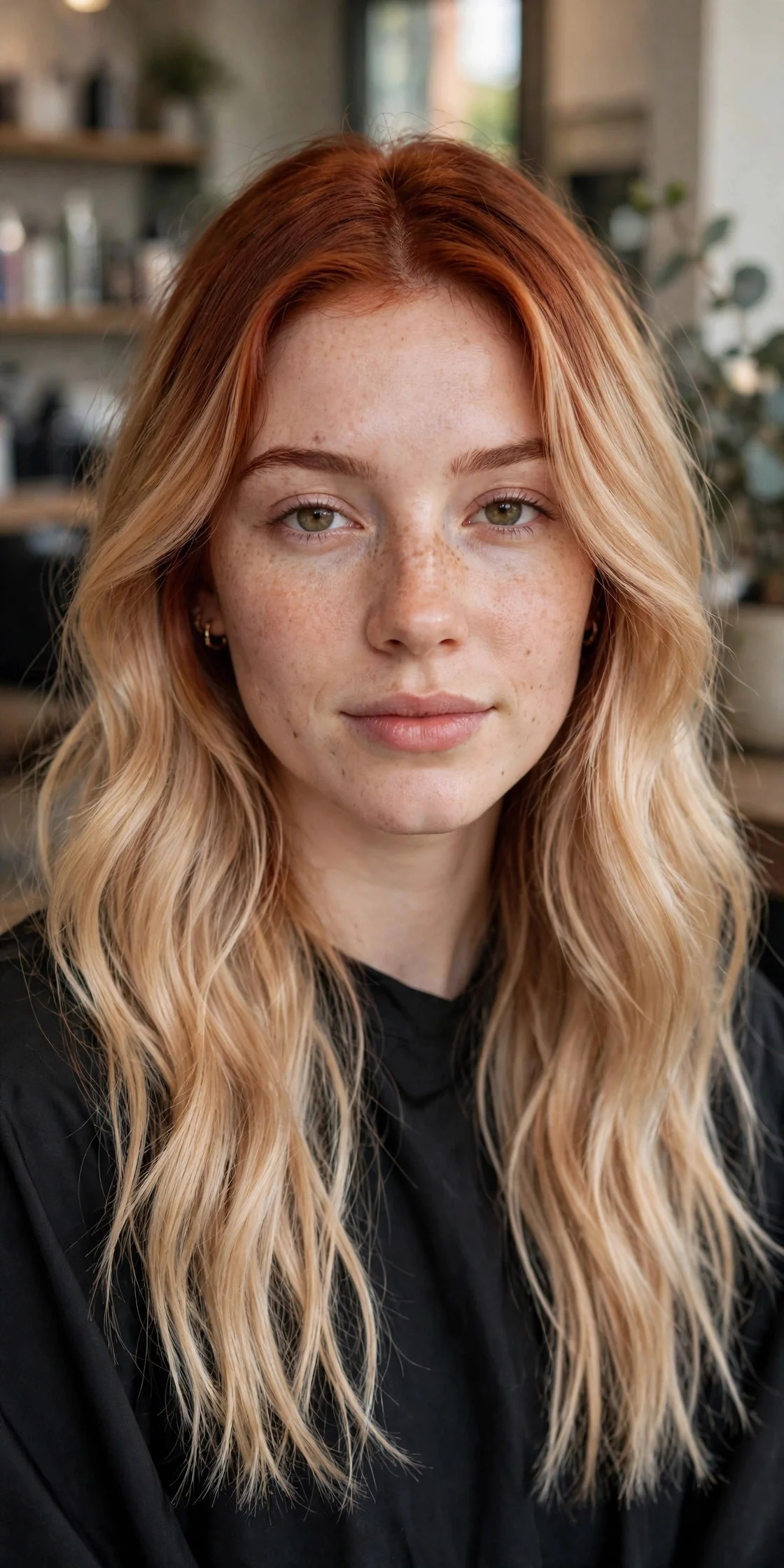
Redheads have options too. Rooted strawberry blonde keeps a deeper copper at the crown, around level 7, melting into pale strawberry ends. The technique is a copper root melt with balayage through the mids. Ask your colorist to keep the root genuinely coppery so the whole color stays in the red family. Fair skin with warm or neutral undertones is the classic match, and natural redheads get the most seamless version. Green and hazel eyes look striking against strawberry tones. Appointments can stretch to twelve weeks thanks to the gentle grow-out. The real drawback is fading: red molecules wash out fastest, so the ends need refreshing glosses, and sun, heat, and hard water speed the loss. Budget for copper depositing treatments at home.
6Mushroom Root Blonde
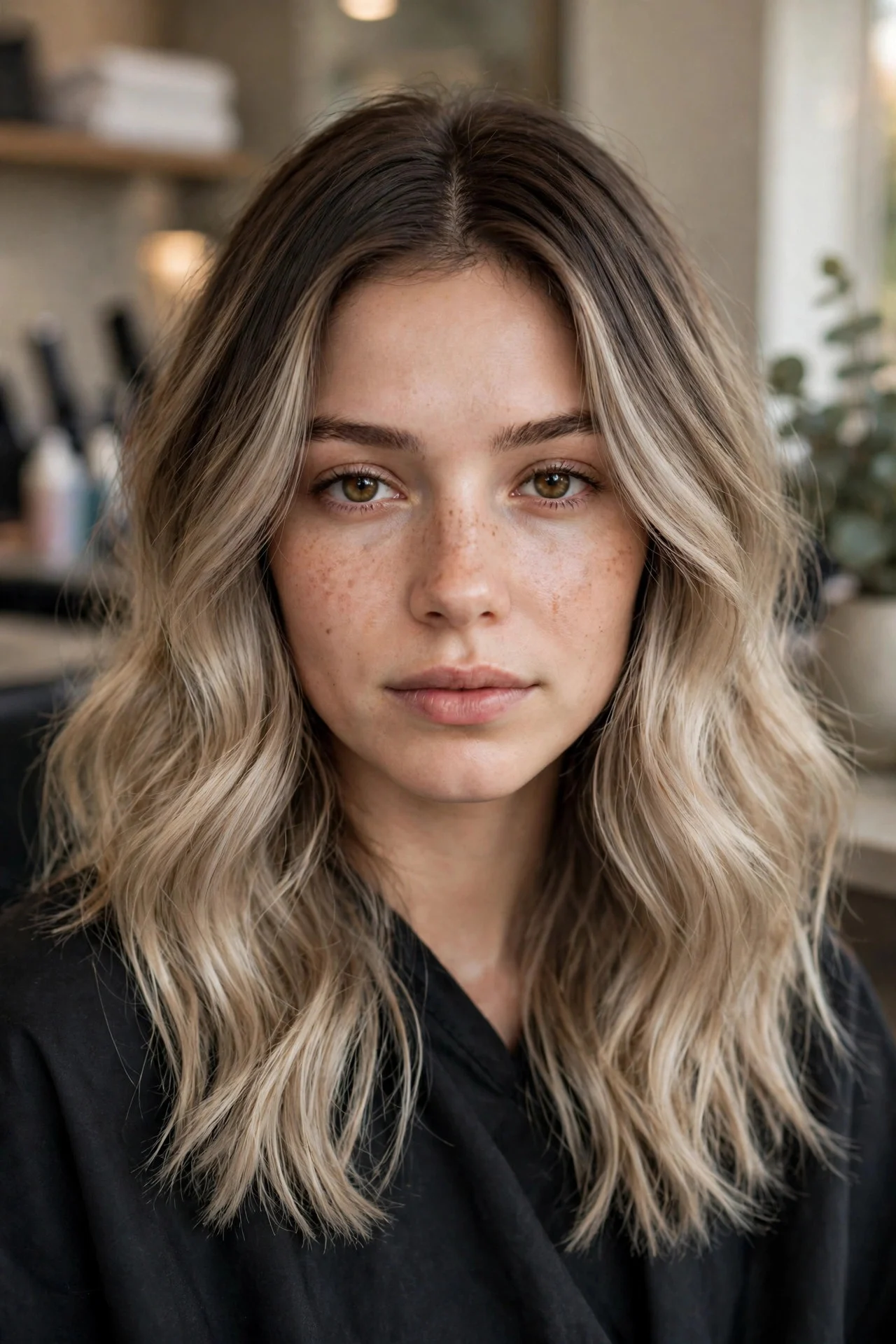
Cool, grayish, and fashion-forward: mushroom blonde pairs a deep taupe root with smoky beige-blonde ends. Ask for a level 5 mushroom-brown root melted into cool beige blonde around level 8. This is a colorist's color, so bring reference photos and confirm the salon is comfortable with cool, dimensional work. Neutral to cool skin tones carry it best, and it suits medium natural bases with existing depth. Fine hair gains visual density from the darker crown. Twelve-week refreshes work, but the cool tone needs a silver or blue shampoo at home. Honest drawback: mushroom is the hardest shade here to get right and the easiest to get muddy. A heavy-handed melt can read gray-green instead of chic taupe, so choose your colorist carefully.
7Golden Root Melt Blonde
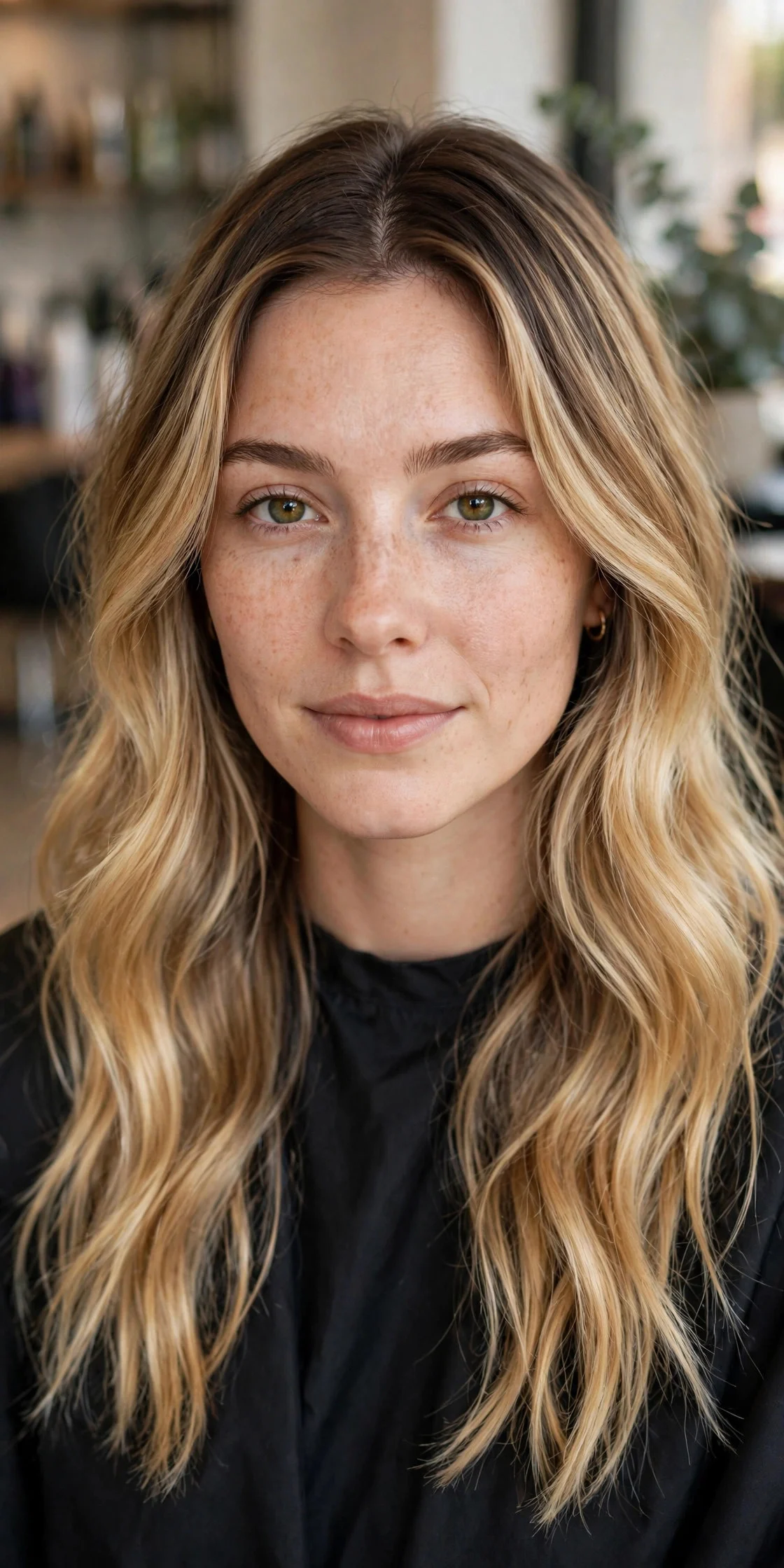
For warmth without going full honey, golden root melt is the middle ground. Request your natural root, roughly level 6 or 7, seamlessly melted into golden blonde ends. Unlike a shadow root, which is slightly deeper and more noticeable, a root melt is nearly invisible, just depth at the crown. It is one of the most forgiving options for darker natural bases, including level 4 and 5 brunettes, and suits warm and neutral undertones. The maintenance story is the best on this list: many people stretch to four or five months between appointments with only a gloss in between. Drawback: because it is subtle, it can look unfinished on very dark bases if the blonde is not lifted bright enough, so make sure the ends actually read blonde.
8Bronde With a Rooted Base
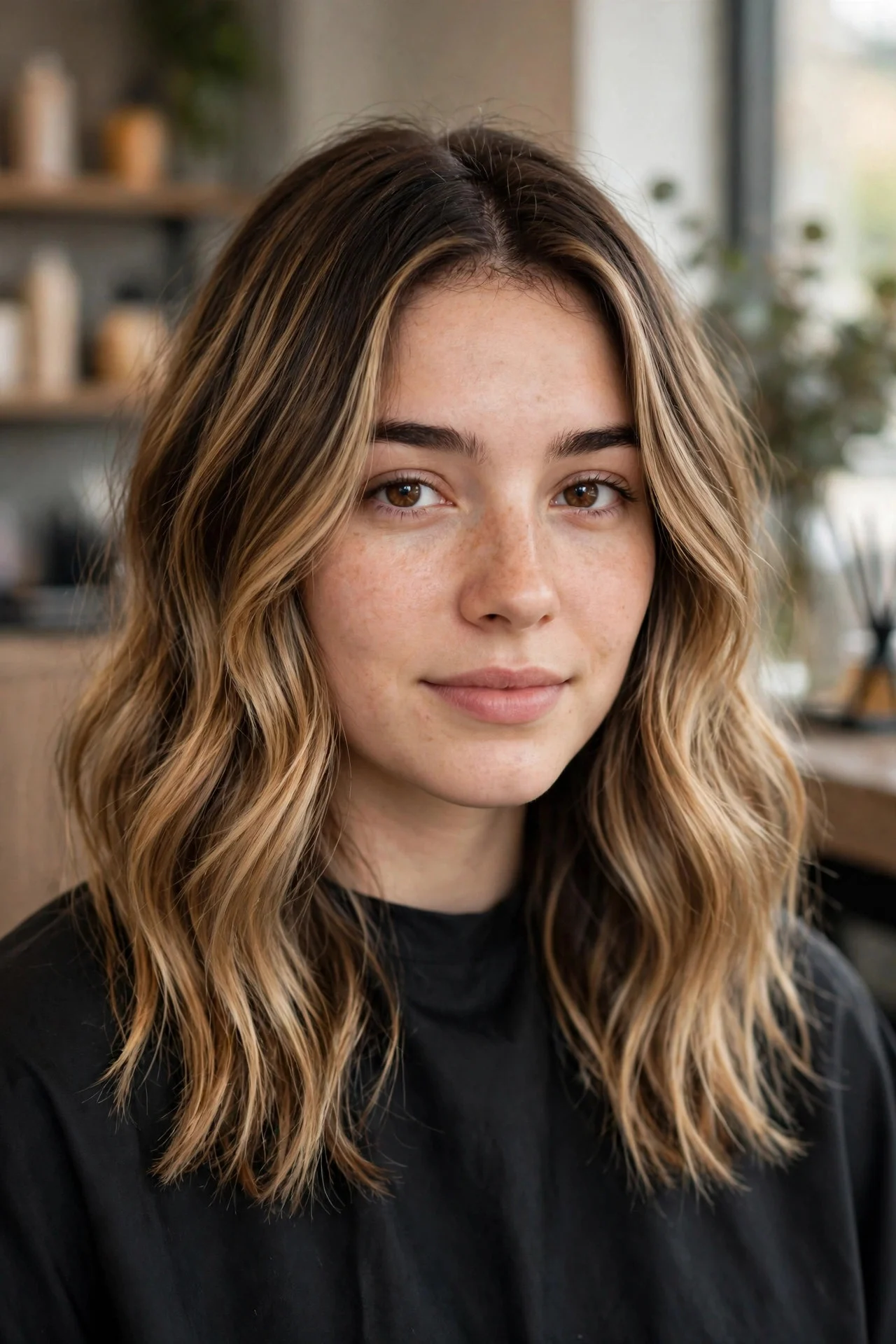
Bronde lives between brown and blonde, and a rooted version leans into that in-between space. Ask for a level 6 bronde root, essentially your natural brown with slight warmth, melting into level 8 caramel-blonde ends. The technique is usually balayage with a gloss, keeping most of the natural depth intact. This is the ideal entry point for brunettes who want to go lighter without committing to full blonde. Medium to olive skin tones wear it well, and it is kind to all hair types, including thick hair that resists full bleaching. Refresh every twelve to fourteen weeks; the grow-out is nearly invisible. The honest drawback: if you have been dreaming of real blonde, bronde may leave you wanting more. It photographs beautifully but reads more brunette than blonde in person.
9Rooted Platinum Blonde
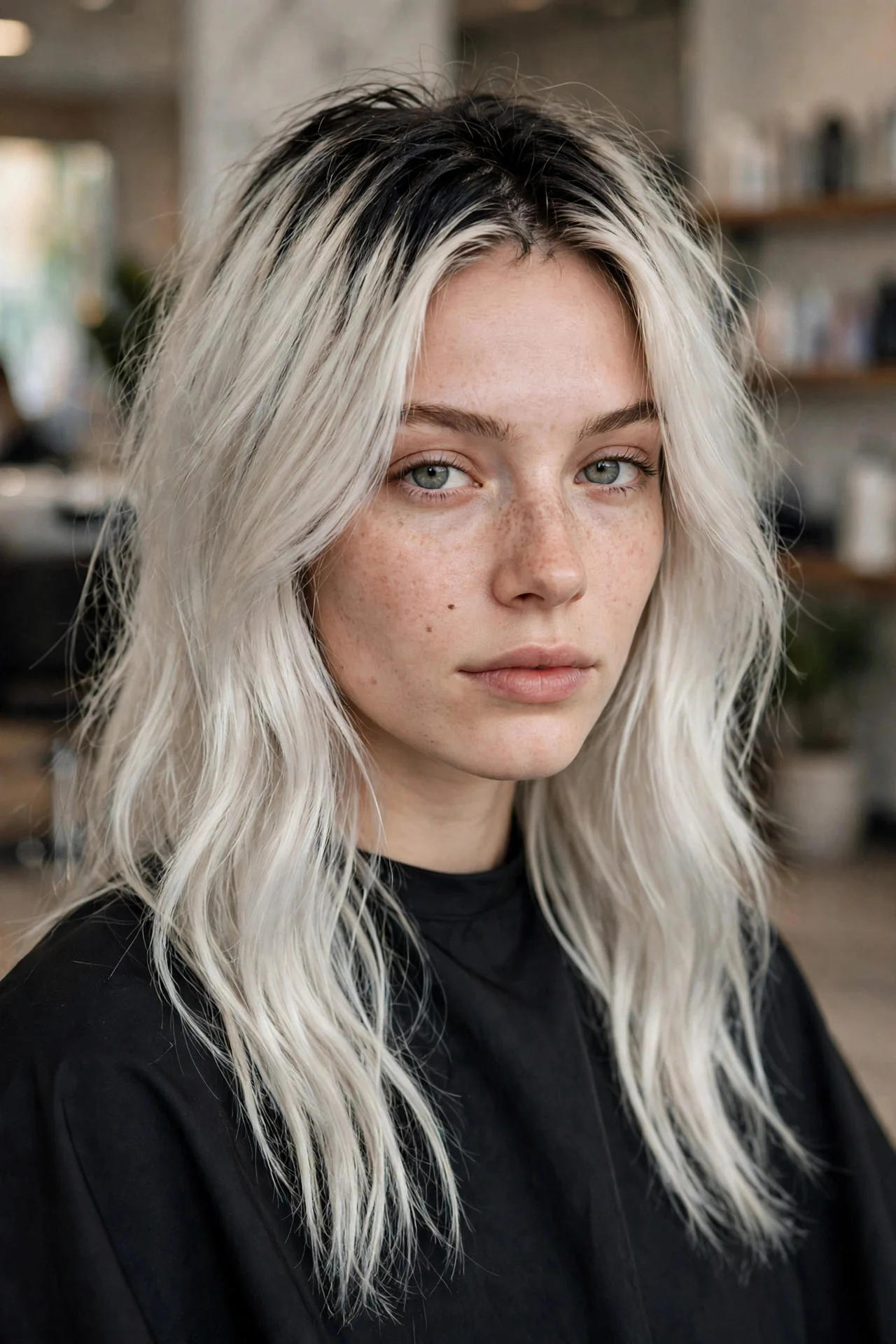
Platinum with a dark root is bold, modern, and far more wearable than scalp-to-ends bleach. Request a level 4 or 5 natural-looking root, smudged down about an inch, with icy platinum ends. The contrast is intentional and graphic, so the smudge should be quick and clean, not over-blended. Cool and neutral skin tones handle the icy ends best, and it works on any natural base since the root stays near natural. Maintenance is surprisingly manageable for platinum: root touch-ups every ten to twelve weeks instead of the usual four. The drawback is hair health. The ends still need a full lift to near-white, and platinum on previously colored or fragile hair risks breakage. Bond builders help, but an honest consultation comes first.
10Warm Copper Rooted Blonde
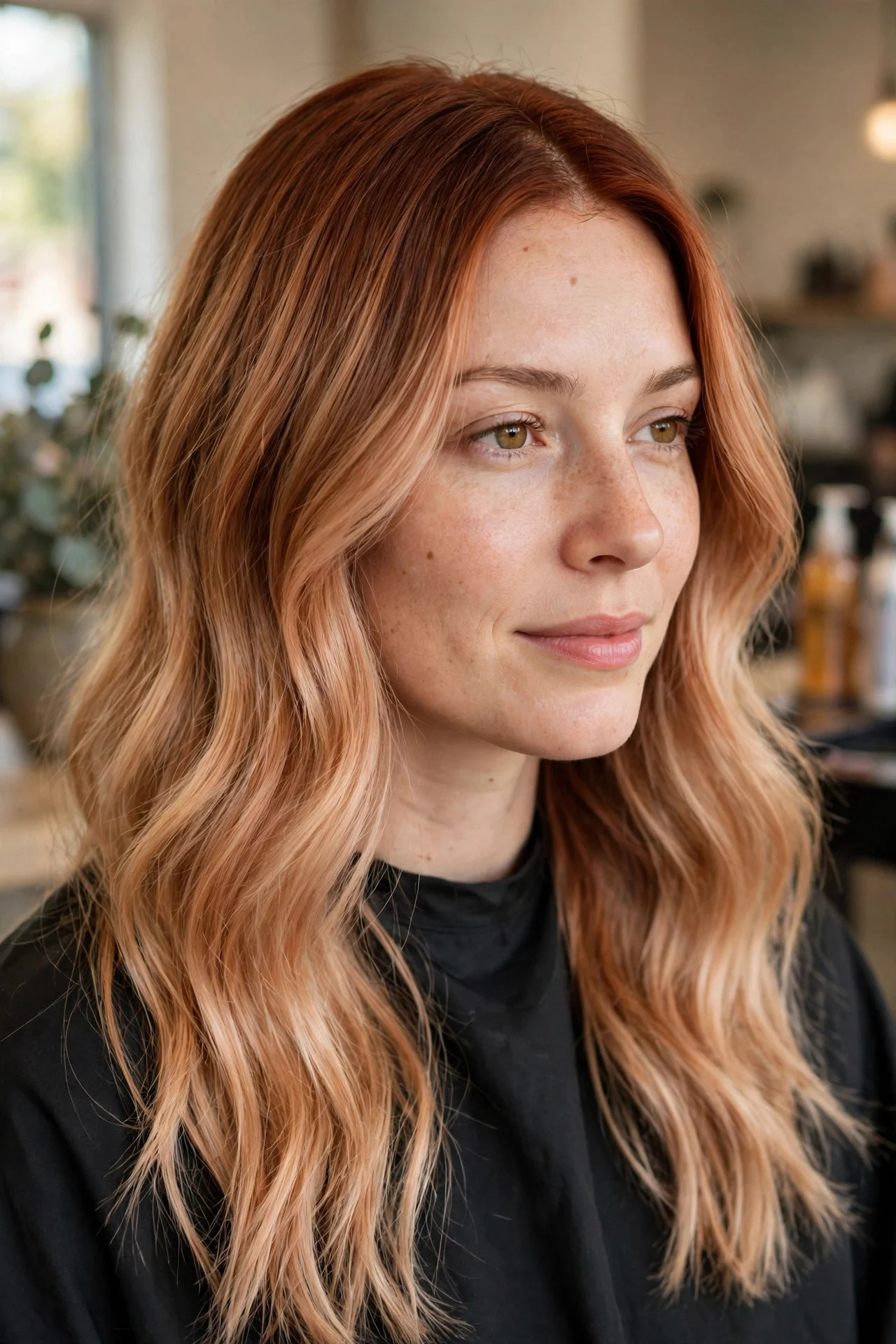
The last look crosses into copper territory: a warm, coppery root around level 6 melting into soft copper-blonde. Think apricot meets blonde. Ask for a copper root melt with golden-copper balayage ends, keeping everything warm from crown to tip. Warm skin tones and natural redheads or strawberry blondes get the most natural version. It is a lovely option for people who find ash blonde washes them out. The grow-out is graceful, so twelve-week appointments work. The drawback mirrors strawberry blonde: copper fades, and warmth shifts with every wash. A color-depositing conditioner in a copper shade is practically required between salon visits, and heat styling dulls it faster than you expect.
How to Care for Rooted Blonde
Rooted blonde is lower maintenance than all-over blonde, but not zero maintenance. The root hides regrowth, yet the lighter ends still need real care to stay bright.
Use purple shampoo for cool and neutral blondes, blue for warm and honey shades where orange is the enemy. Use them once or twice weekly, and sulfate-free shampoo otherwise, since sulfates strip toner fast.
Heat is the other big enemy. Lifted ends are porous and fragile, so heat protectant is not optional before hot tools. Wash lukewarm rather than hot, which opens the cuticle and speeds fading.
A gloss every six to eight weeks keeps color fresh without a full redo. A weekly mask keeps ends soft, and trims every eight to ten weeks stop split ends from dulling the whole look.
What is the difference between a shadow root, a root melt, and a root smudge?
A shadow root taps a deeper shade onto the regrowth for a soft shadow blended two to three inches down. A root melt is the most seamless, with no visible line. A root smudge is a quick, light application at the root, often just an inch, to blur the line on fresh highlights.
How long does rooted blonde last before it needs a touch-up?
Most rooted blondes look good for ten to fourteen weeks, and some stretch to four or five months. The closer the root is to your natural color, the longer the grow-out stays invisible. Fading ends usually bring people back first, so a mid-cycle gloss extends the whole look by weeks.
Is rooted blonde good for dark natural hair?
Yes, it is one of the best options. The root stays near your natural level, so dark bases skip lifting at the crown. Golden, honey, and bronde versions work especially well. Just make sure the ends lift bright enough to read as blonde.
Will a rooted blonde work on fine hair?
Fine hair is a great candidate. The darker root creates the illusion of density at the crown, where fine hair looks sparse. Babylights keep the blonde dimensional. Just avoid over-lightening fragile ends and keep up the conditioning.
Can I get rooted blonde if my hair is already fully bleached?
Absolutely. Your colorist can apply a shadow root or smudge over your natural regrowth and blend it into the existing blonde, skipping further lightening. The hair gets a break, and the appointment is faster and cheaper than a full bleach.
Keep exploring: if you are torn between warm and cool tones, compare the creamy brightness of vanilla blonde hair color ideas with the smoky depth of mushroom blonde hair ideas. For more low-maintenance inspiration, the lived-in logic of bronde hair color ideas for 2026 pairs naturally with any of these rooted looks.