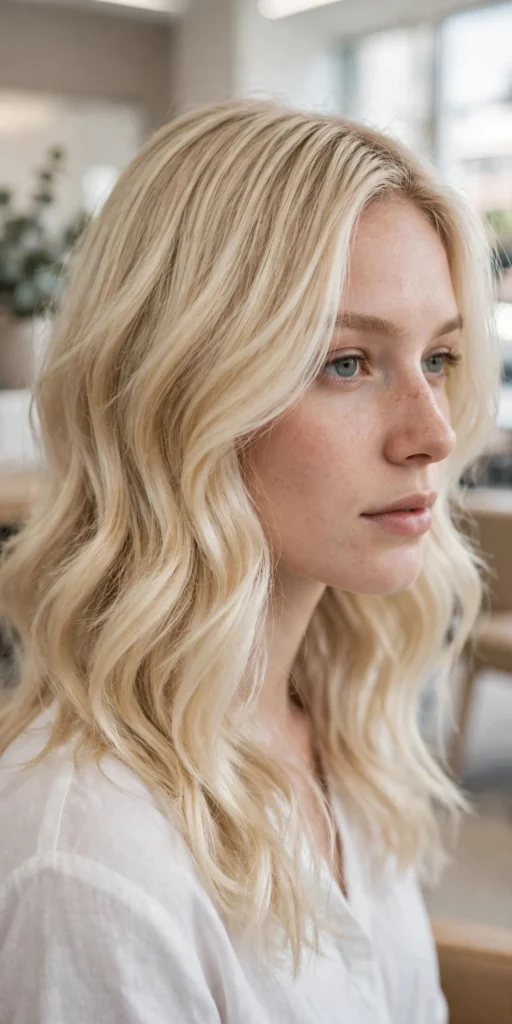
Vanilla blonde sits in that sweet spot between icy platinum and warm golden blonde. It's creamy, soft, and flattering in a way that photographs beautifully without screaming "high maintenance" (even when it is, a little). Think the pale, silky tone of vanilla bean ice cream, with just enough warmth to keep it from looking washed out.
If ash tones make you look tired and golden tones feel too yellow, this might be your answer. Below are ten ways to wear it, from nearly-white vanilla to deeper lived-in versions, with exactly what to tell your stylist.
1Creamy Vanilla Balayage
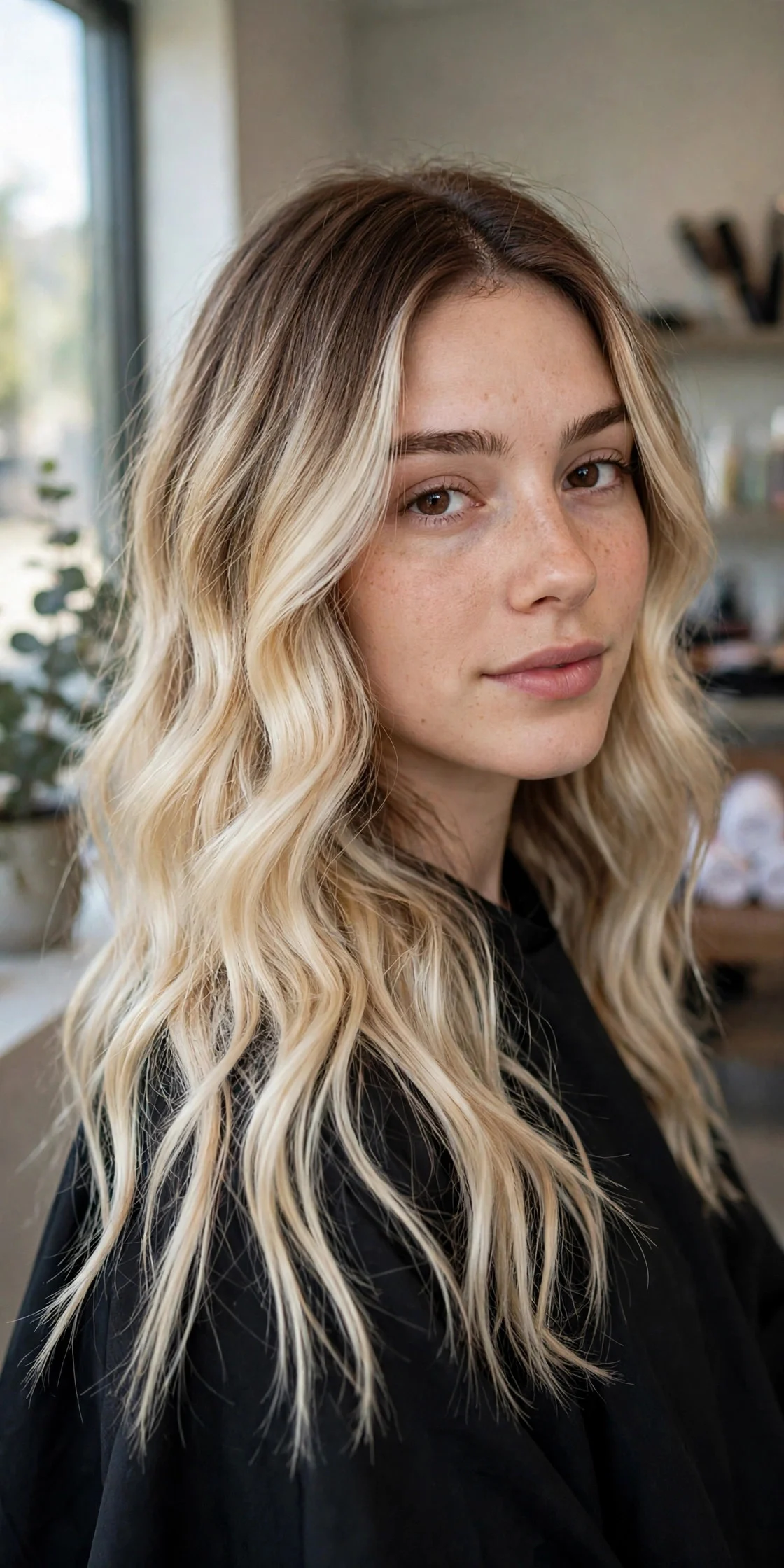
Ask for hand-painted balayage with a level 9 vanilla blonde through the mid-lengths and ends, leaving your natural root for depth. The toner typically lands around a 9/12 with violet and natural beige to knock out brass without going grey. It suits medium to long hair best, since painted dimension needs length to show off, and flatters fair to medium skin with neutral or warm undertones.
The selling point is maintenance: touch-ups stretch to 10 to 12 weeks with a gloss refresh between. The honest drawback is the first appointment. It runs three to four hours and costs more than standard highlights, often $180 to $280. You'll also need purple shampoo at home to stop the vanilla drifting warm.
2Full-Head Vanilla Blonde
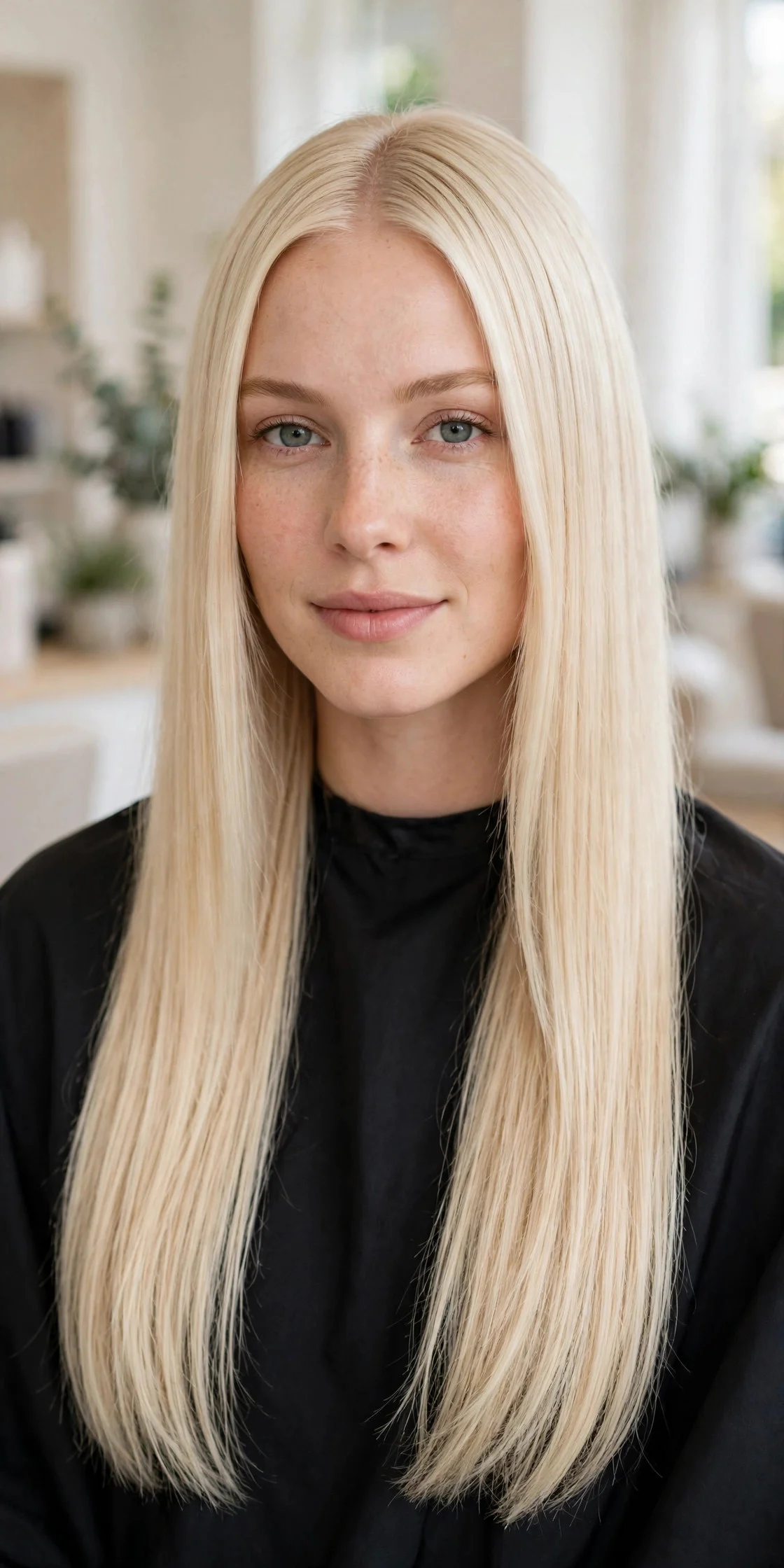
This is the commit: lightened roots to ends for an even, creamy vanilla all over. Your stylist lifts to a pale yellow (level 10), then tones with a 10/01 and 10/12 blend so the result reads vanilla, not white. Bring reference photos, because "vanilla" means wildly different things to different people.
It suits oval, heart, and long face shapes well, since the single bright tone opens up the face, and fair to light-medium skin carries it easiest. The drawbacks are real: root touch-ups every four to six weeks at $120 to $180 a session, plus the damage conversation. Bleaching to level 10 in one sitting is a lot, so plan on bond-building treatments and realistic expectations if your hair is fine.
3Vanilla Blonde Babylights
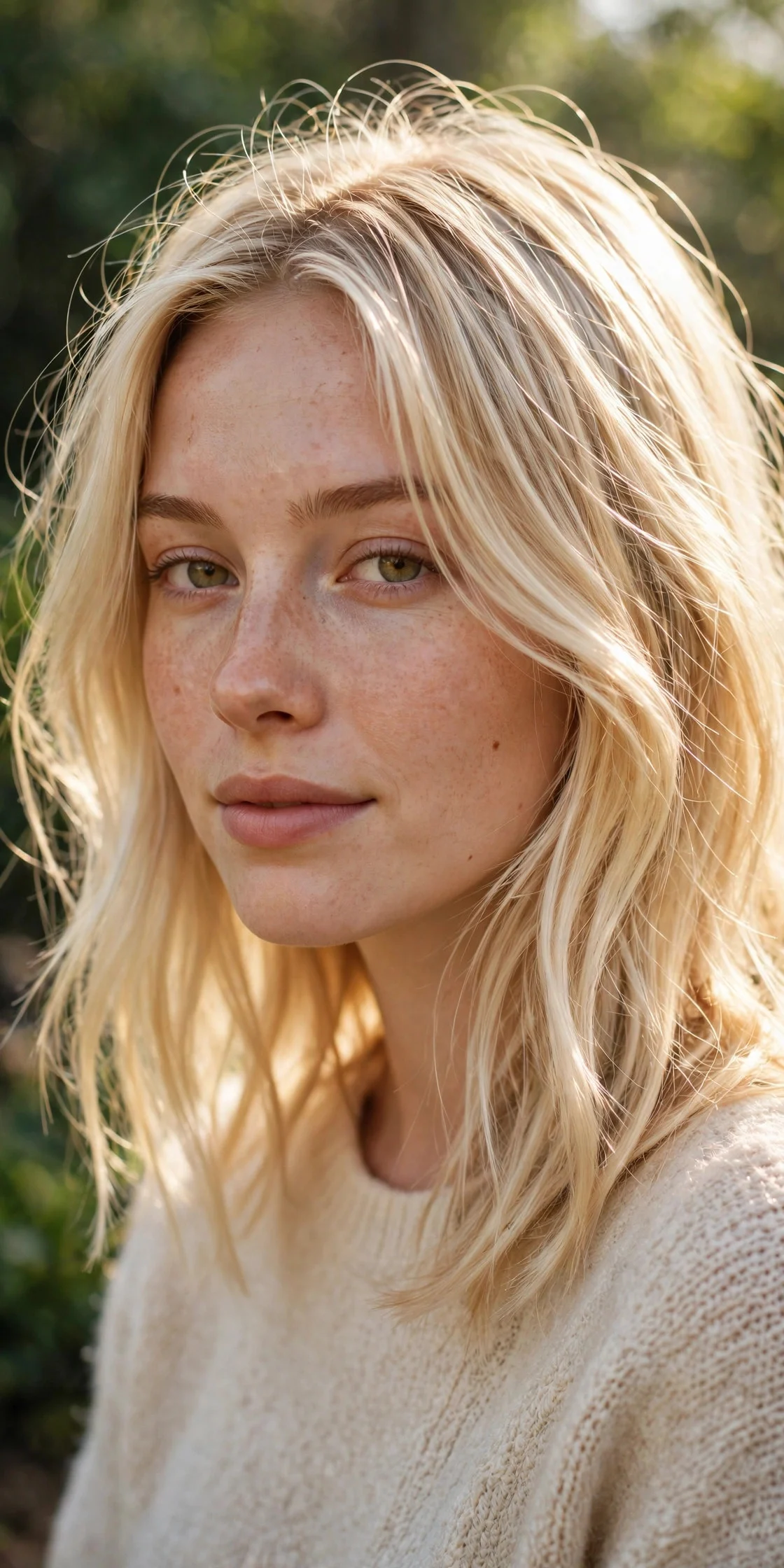
Babylights are whisper-thin highlights placed densely through the hair, and in a vanilla tone they create that lit-from-within glow. Ask for fine weaves from root to tip, toned to a 10/12 vanilla beige. The density is the whole point, so don't let anyone talk you into "just a few."
This is one of the most forgiving blondes for fine hair, since fine weaves distribute light evenly instead of creating chunky contrast. The grow-out is soft with no harsh line. Cost lands around $150 to $220. The catch is time: the appointment can run four hours of foils, and you'll want a toner refresh at six to eight weeks to keep the vanilla from warming up.
4Vanilla Money Piece
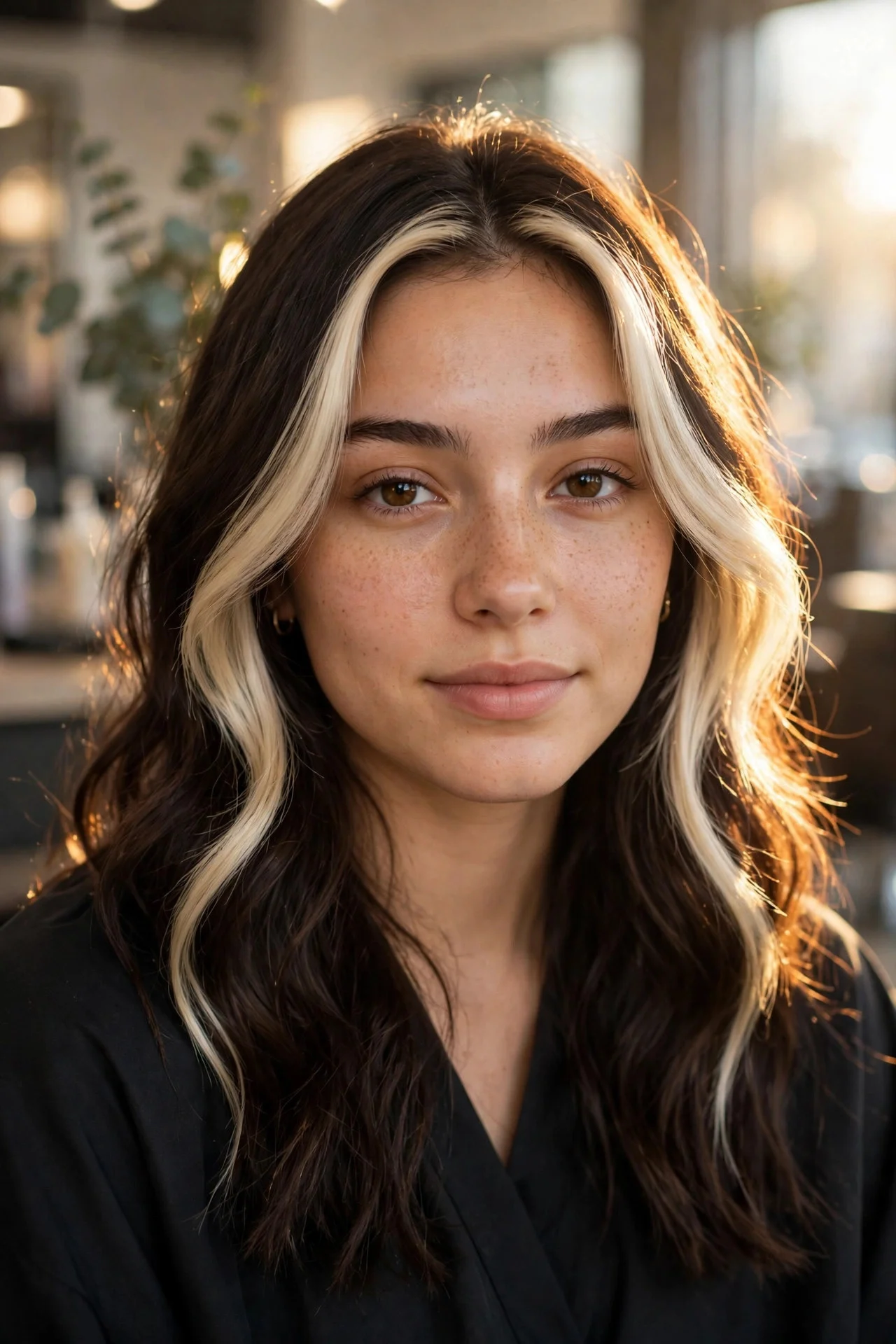
Not ready for full blonde? The money piece keeps you mostly natural with two bright vanilla panels framing the face. Ask for a bold face frame lifted to level 10 and toned creamy vanilla, blended into your base so there's no stripe. It's a two-hour appointment at most, which is part of the appeal.
It flatters nearly everyone because the brightness sits exactly where it lifts your features, around the eyes and cheekbones. On darker natural bases, the contrast looks striking without a full commitment. Upkeep is easy: refresh the panels every eight to ten weeks for about $60 to $100. The one downside is that the face frame shows brass first, since those pieces catch the most sun and heat, so thermal protectant is non-negotiable.
5Rooted Vanilla Blonde
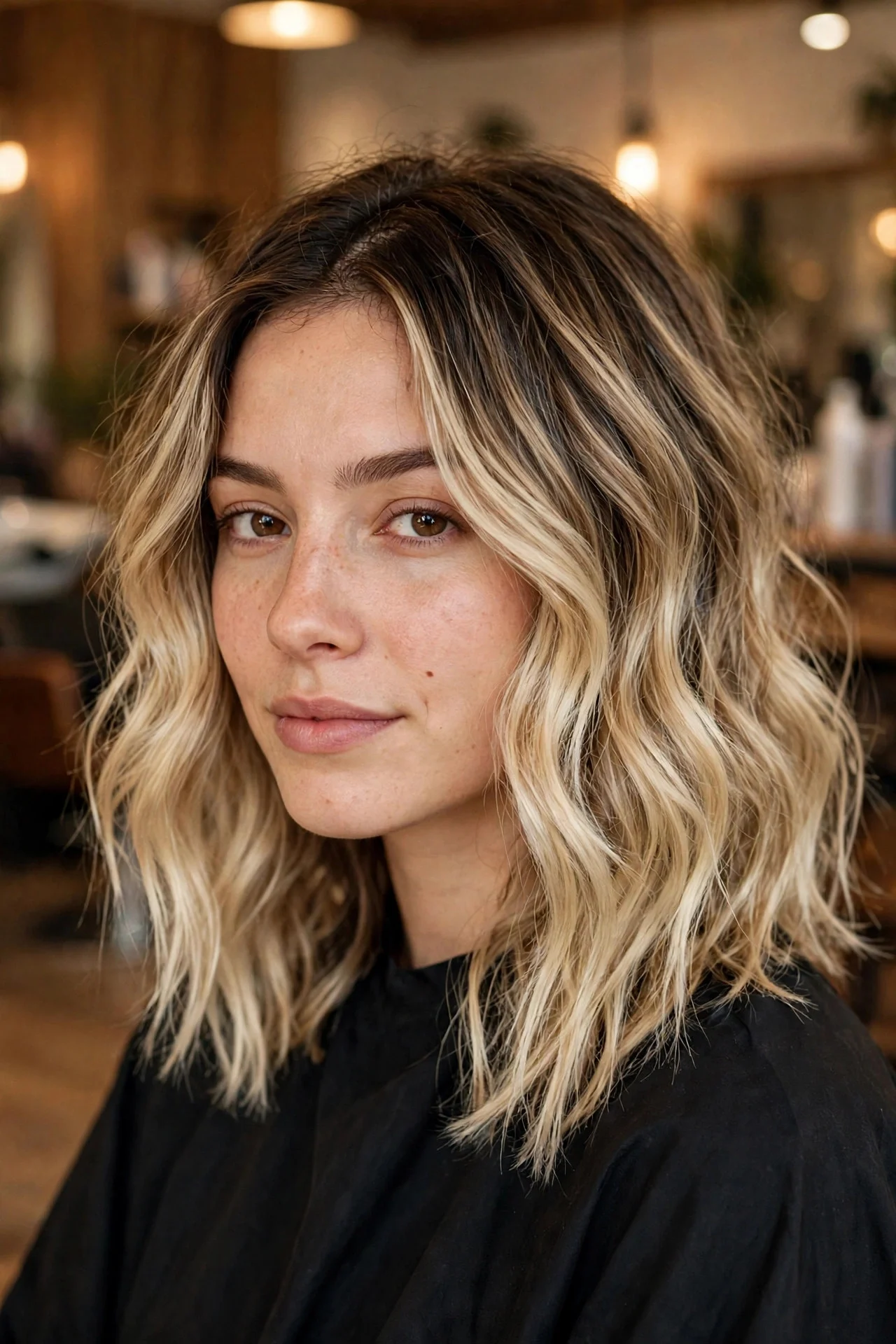
Rooted blonde is the low-effort dream: your natural root, or a shadow root painted to match it, melts into vanilla blonde ends. Ask for a level 6 to 8 root shadow melted into 9/12 vanilla lengths via balayage or foilayage. The blend is everything, so pick a stylist whose grow-out work you can see in their portfolio.
Touch-ups stretch to 12 to 16 weeks, and the grow-out looks intentional instead of neglected. It works beautifully on medium brunette bases and suits wavy or curly textures. The trade-off: the shadow root mutes overall brightness, so if you want a bright vanilla punch, this isn't it. Expect $160 to $240 for the initial blend.
6Vanilla Blonde with Low-Lights
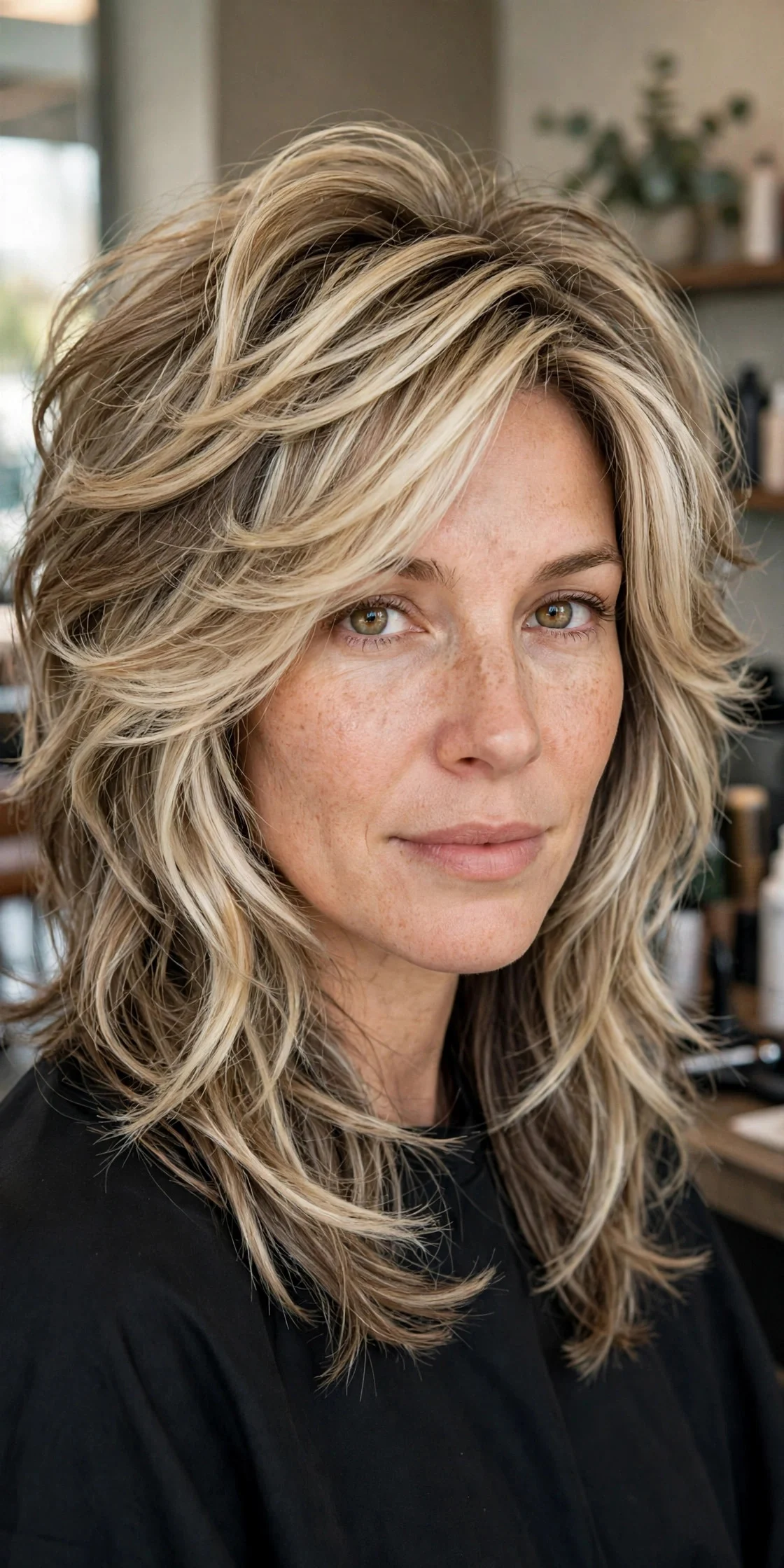
Pure vanilla can look flat on some people, and low-lights fix that. Your stylist weaves in slightly deeper pieces, around a level 8 neutral beige, between the vanilla highlights. The result has shadow and movement instead of one flat sheet of blonde. Ask for the low-lights fine and scattered, not chunky.
This suits thicker hair especially well, since density plus dimension reads expensive. It's also kind to warm skin tones, because the deeper pieces keep the overall effect from washing you out. Maintenance mirrors babylights: a full refresh every eight to twelve weeks, roughly $150 to $220. The subtle drawback is that when the low-lights fade, the whole thing drifts toward flatness again, so you can't stretch appointments as far as with rooted blonde.
7Icy Vanilla Blonde
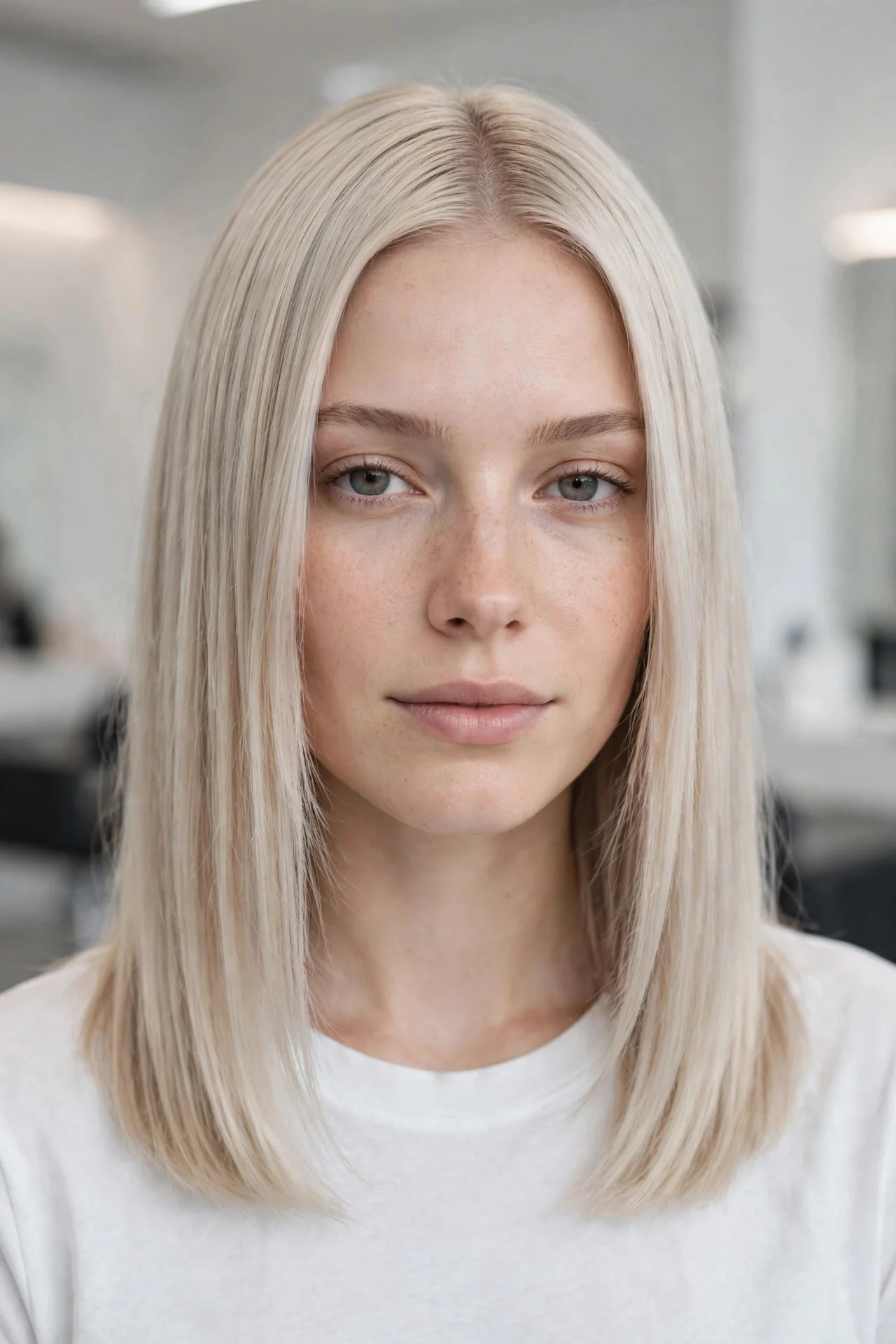
This is vanilla with the warmth dialed almost to zero: pale, creamy, and cool without crossing into silver. Ask your stylist to lift to a true level 10, then tone with 10/12 plus a drop of 10/1 for that cool vanilla milk finish. The toner does all the work here, so the consult matters. Bring photos, because "icy vanilla" easily becomes "platinum" in a stylist's head.
Cool and neutral skin tones wear this best; very warm complexions can look sallow against it. Maintenance is the heaviest on this list: toner fades fast on level 10 hair, so expect gloss refreshes every four to six weeks ($50 to $90) on top of root work. Purple shampoo is mandatory, and heat styling yellows the toner quickly. Gorgeous, but high-maintenance.
8Vanilla Blonde Bob
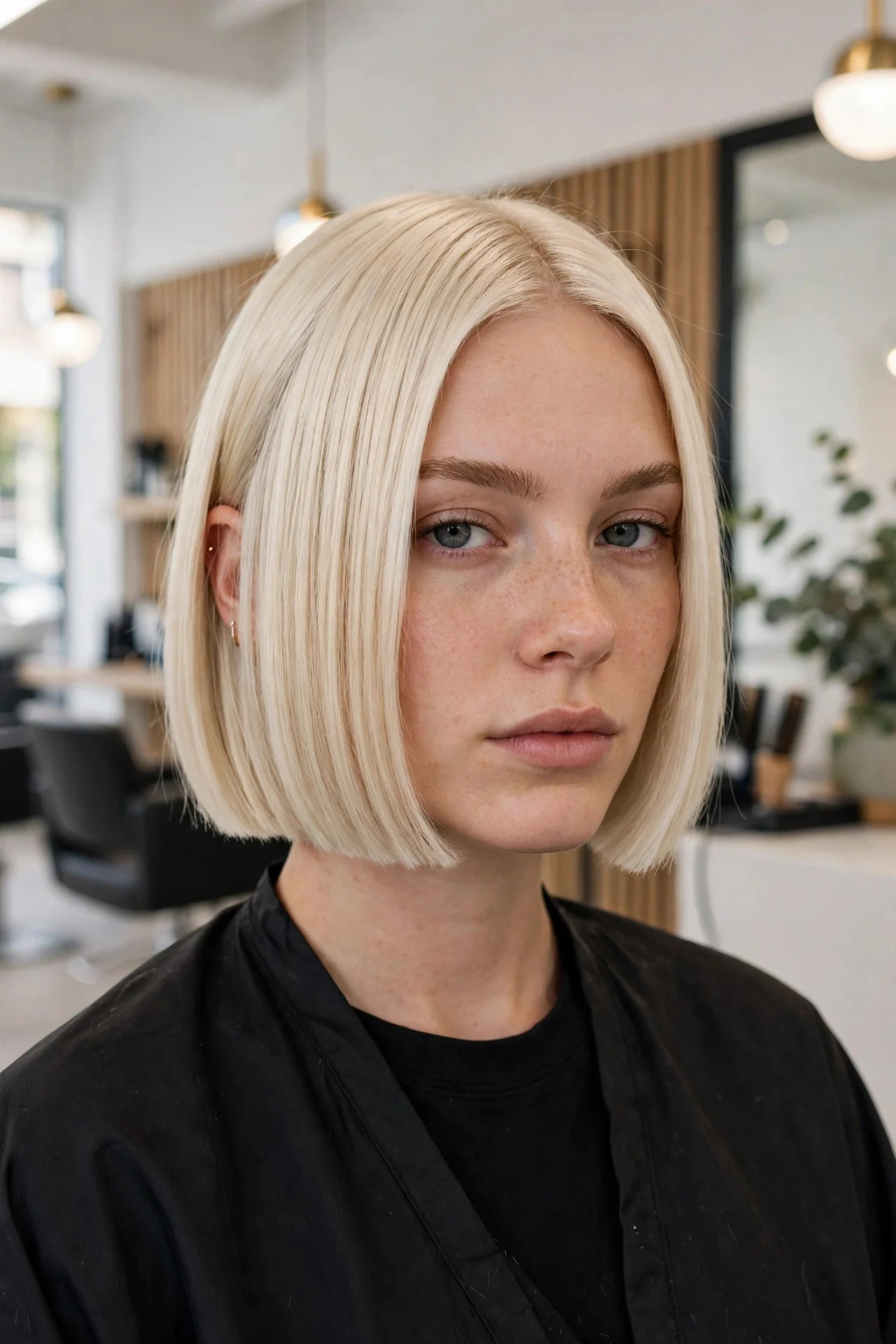
The cut makes the color here. A blunt or softly textured bob in creamy vanilla is one of the chicest combinations going, because the pale tone shows off every line of the cut. Ask for an all-over or dense babylight application toned vanilla, then have the cut done after color so the lines land exactly on the finished tone.
It suits straight to slightly wavy hair best; very curly textures work too, but the vanilla reads more dimensional and less graphic. Chin length flatters round faces, collarbone length suits longer ones. Upkeep is twofold: color every six to eight weeks plus trims every six to keep the shape. The upside is that the cut carries the look as roots appear, so the grow-out reads polished for weeks.
9Vanilla Dip Dye Ends
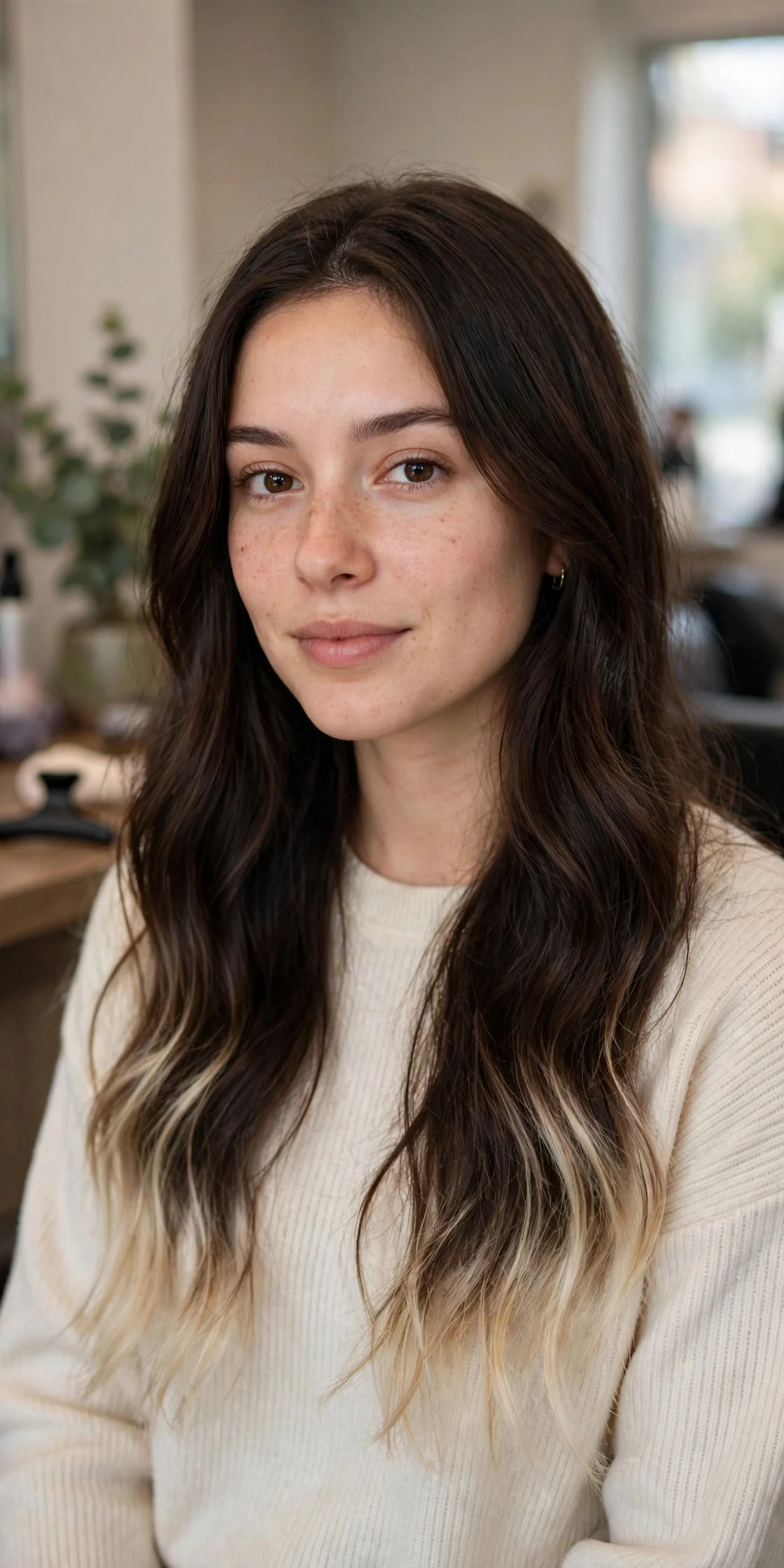
Dip dye sounds like a throwback, but the modern version is soft, blended, and genuinely pretty. Your stylist lightens just the last few inches to vanilla and melts the transition so there's no hard line. Ask for a balayage-style melt rather than a literal dip, with ends toned to 9/12 vanilla. It works on any base from dark brown up.
This is the cheapest entry point on the list, often $80 to $140, and the most reversible: a trim takes it right off. Maintenance is nearly zero beyond purple shampoo and regular trims. The limitation is styling. Updos hide the color, so this one lives for worn-down hair days.
For another ends-focused take in warmer tones, see 12 copper balayage ideas for brunettes.
10Vanilla Blonde Melt on Long Layers
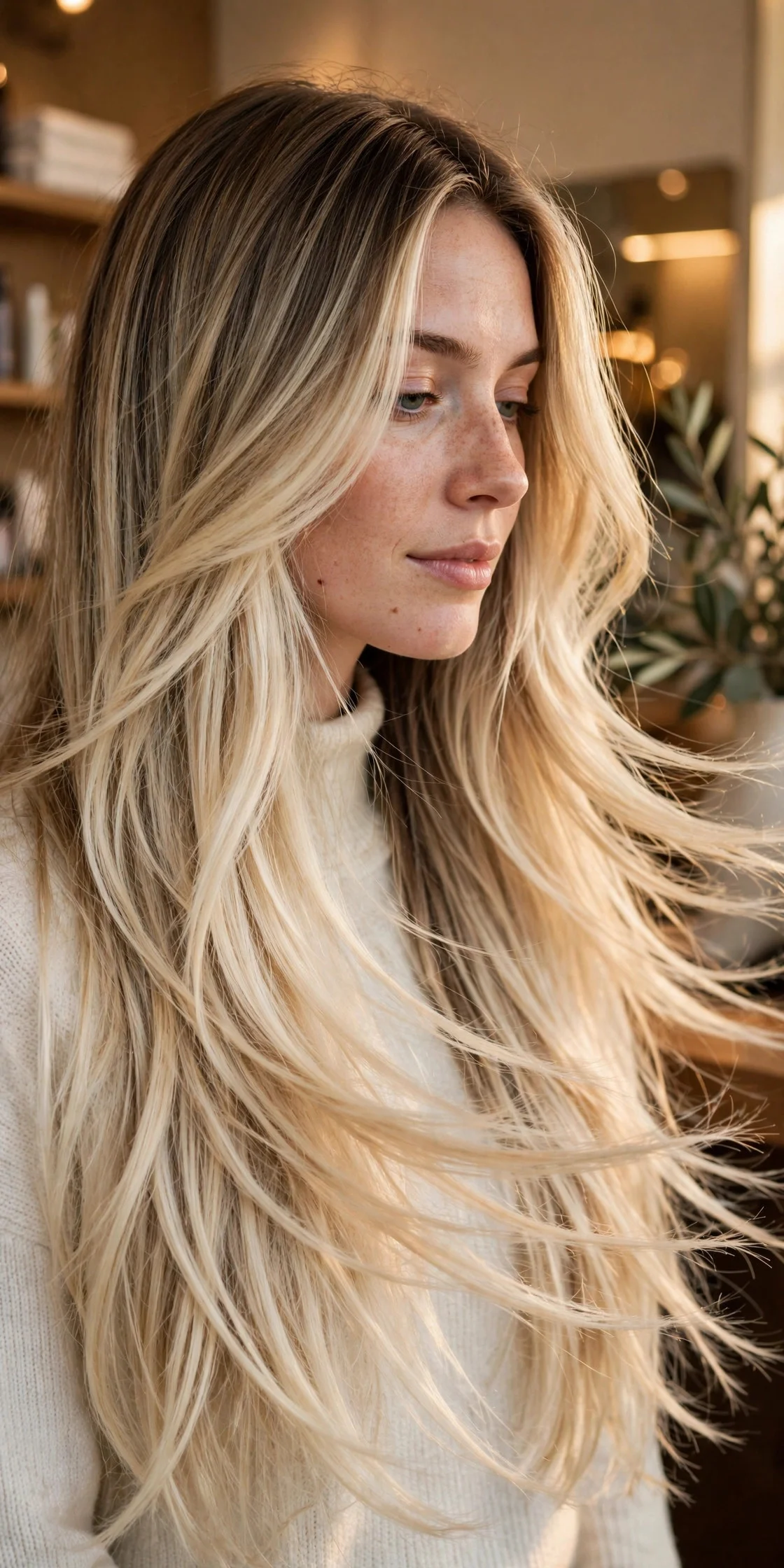
Long layers plus a vanilla melt is the full Pinterest fantasy: brightness that cascades instead of sitting flat. Ask for a foilayage or balayage that keeps the top slightly deeper (level 8) and melts to level 10 vanilla through the layered ends, toned with a beige-violet blend. The layering does half the visual work, so get the cut right first.
It suits long, medium to thick hair where the layers have something to move with. Fine hair can wear it too, but keep layers long and minimal to protect density at the ends. Expect $200 to $300 and three-plus hours for the first appointment, with touch-ups every ten to twelve weeks. At home, invest in a good mask: long lightened hair drinks conditioner.
How to Care for Vanilla Blonde
Vanilla blonde is a toner-dependent color, which means your home routine decides how long it looks expensive. Shampoo two to three times a week max, with lukewarm water, because hot water strips toner fast. Use purple shampoo once a week (twice for icy vanilla), but don't overdo it; too much violet pigment turns vanilla grey and dull.
Deep condition weekly. Lightened hair is porous, loses moisture quickly, and frizz shows more on pale tones. A bond-building treatment every two to three weeks keeps integrity up, especially at level 10. Before any heat, use thermal protectant, no exceptions. Flat irons yellow toner on contact, and that brassy drift is what sends most blondes back to the salon early.
Between appointments, a clear or vanilla-toned gloss at home buys an extra two to three weeks. And be honest with your stylist at the consult: if you swim, wash daily, or heat style every morning, say so. It changes the formula and the maintenance plan.
Keep exploring
If vanilla blonde has you thinking about the broader blonde family, the 12 soft copper blonde hair color ideas lean warmer and richer, while the 12 dusty rose pink hair ideas for a soft look show what happens when you add a whisper of pink to a pale base. There's a whole spectrum past vanilla once you start looking.
Will vanilla blonde suit my skin tone?
Vanilla blonde is one of the more forgiving blondes because it sits between warm and cool. Fair to light-medium skin with neutral or warm undertones wears it most easily. If your skin is very warm or olive, ask your stylist to keep a touch of gold in the formula so the color doesn't wash you out. Very deep skin tones can wear it too, but rooted or balayage versions tend to look more harmonious than full-head.
How is vanilla blonde different from platinum?
Platinum is white with minimal warmth; vanilla blonde is creamy with a soft, milky warmth running through it. The difference is the toner: platinum uses icy violet-based toners that neutralize nearly all yellow, while vanilla keeps a whisper of warm beige. Vanilla is generally more forgiving to wear and slightly easier to maintain, since a little warmth fading in doesn't look wrong the way it does on platinum.
How often will I need touch-ups?
It depends on the technique. Full-head vanilla needs roots every four to six weeks. Babylights and foil work stretch to eight to twelve weeks. Balayage, rooted, and melted versions go ten to sixteen weeks. Most vanilla blondes also need a gloss every six to eight weeks to stay creamy instead of drifting brassy, and that's the appointment people forget to budget for.
Can I get vanilla blonde on dark hair?
Yes, but plan for it. Going from dark brown or black to level 9 or 10 vanilla usually takes two sessions spaced weeks apart, because lifting that far in one sitting risks serious damage. Your stylist may recommend starting with a balayage or rooted version, which looks intentional while you work toward the lighter goal. Disclose any box dye history at the consult; it complicates everything.
Why does my vanilla blonde keep turning brassy?
Two main culprits: toner fade and mineral buildup. Toners wash out gradually, especially in hot water, letting the underlying warmth show through. Hard water minerals and heat styling accelerate it. A weekly purple shampoo, lukewarm washes, thermal protectant, and a toner refresh every six to eight weeks keep it in check. If brass returns within two weeks of a fresh toner, ask about a chelating treatment; mineral buildup might be blocking the toner from grabbing.