If bright pink feels like a personality you have to perform, dusty rose is the version you can actually live in. It is pink turned down a few notches, mixed with taupe and mauve undertones, and it reads romantic instead of rebellious. It suits more skin tones than vivid pink, fades gracefully instead of going patchy, and passes the office test in a way bubblegum pink never could. Here are twelve ways to wear it.
1All-Over Dusty Rose
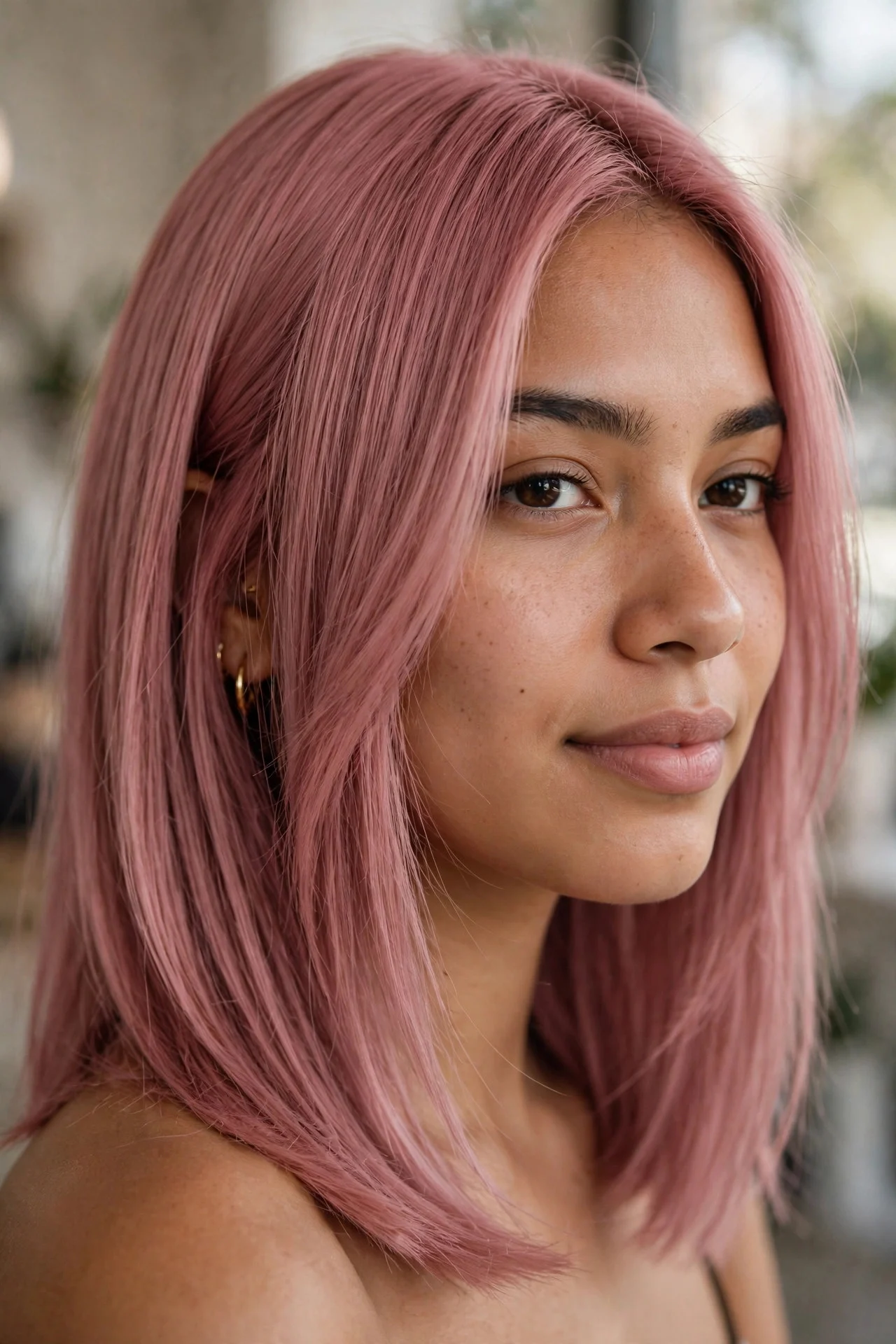
The full commitment, and honestly one of the most flattering pinks you can do. Every strand goes soft, muted rose with a slightly smoky finish, and the desaturation makes it behave almost like a neutral. Ask for a demi-permanent dusty rose over a level 8 or 9 blonde base, and bring photos showing the smokiness you want. It suits fair and medium skin tones, especially cool or neutral undertones. The catch is maintenance: pastels wash out fast, so expect a gloss refresh every four to six weeks at $100 to $180. A color-depositing conditioner between visits stretches that out.
2Dusty Rose Balayage on Brunette
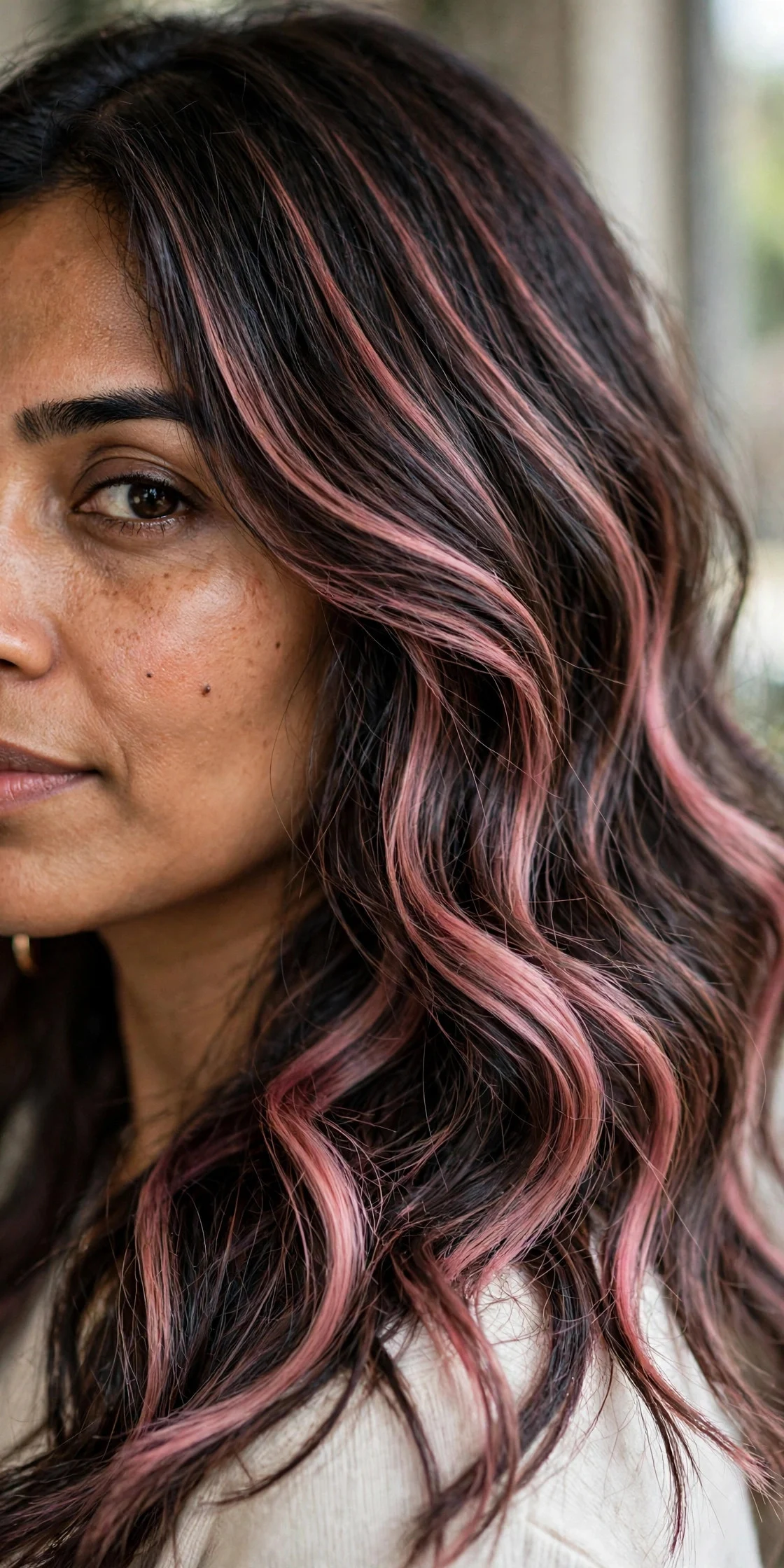
The safest entry point into pink for brunettes who have never bleached. The colorist hand-paints rose through your mid-lengths and ends, leaving your natural dark base at the roots. Say you want a "lived-in rose balayage, muted not neon," and stress dusty over vivid. It looks gorgeous on olive and deeper skin tones because the dark base keeps everything balanced. Roots grow in naturally, so you only need a tone refresh every eight to twelve weeks. Budget $150 to $250 for the first session and about $80 for glosses. The lifting involves bleach, so fine or fragile hair will need extra conditioning.
3Rose-Gold Melt
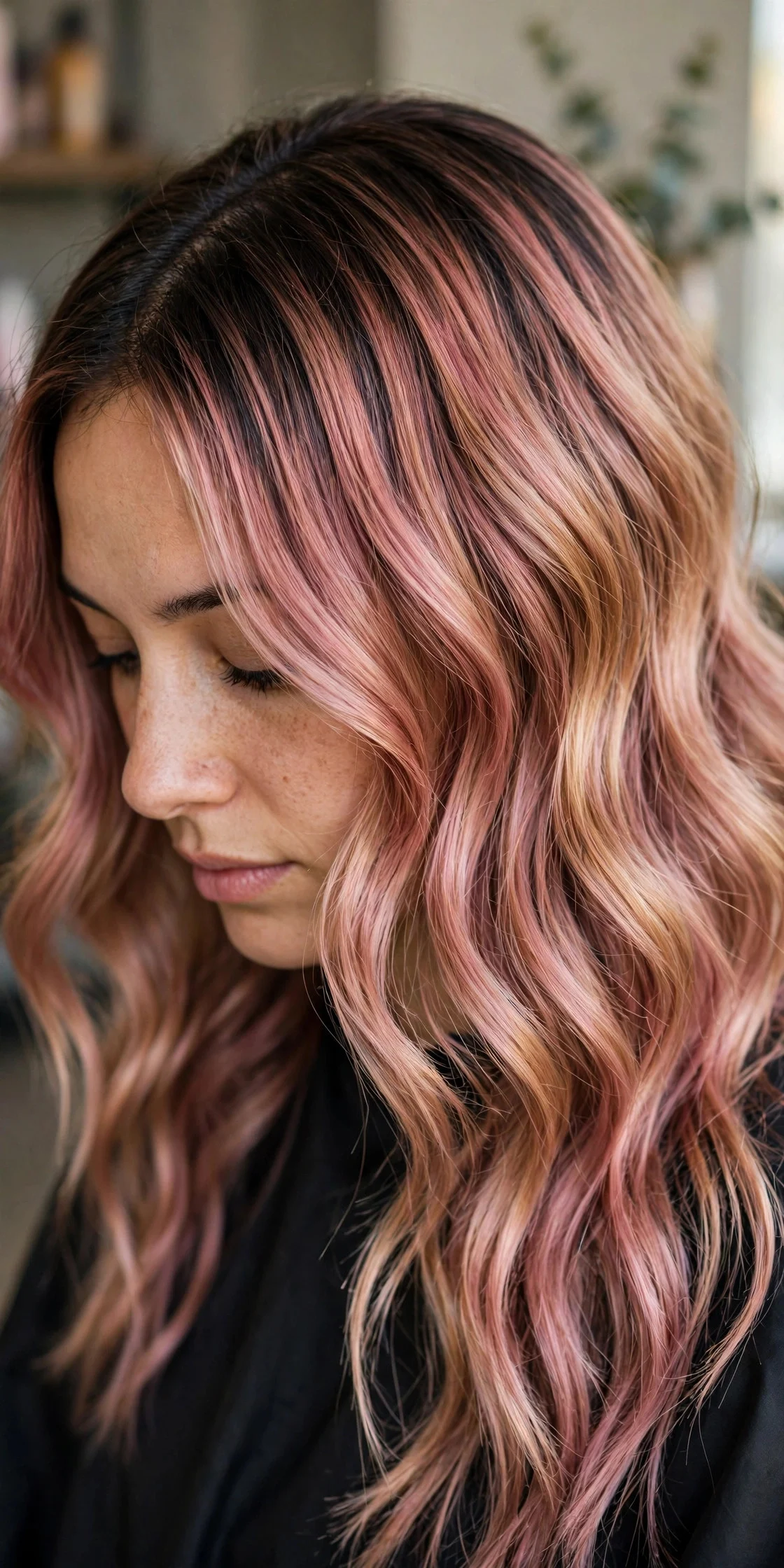
A root melt blends the color from darker at the roots into rose through the ends with no harsh lines. Ask for a "dusty rose root melt into rose gold ends, soft and seamless," with the brightest warmth on the last few inches. It suits long hair best, since the blend has room to travel, and it is lovely on round faces because the vertical color flow adds length. Upkeep is refreshingly low: the melt grows out softly, so gloss appointments every two months suffice. Budget $180 to $300 for the first visit. One drawback: rose gold can fade slightly coppery if you skip your toning products.
4Dusty Rose Ombre
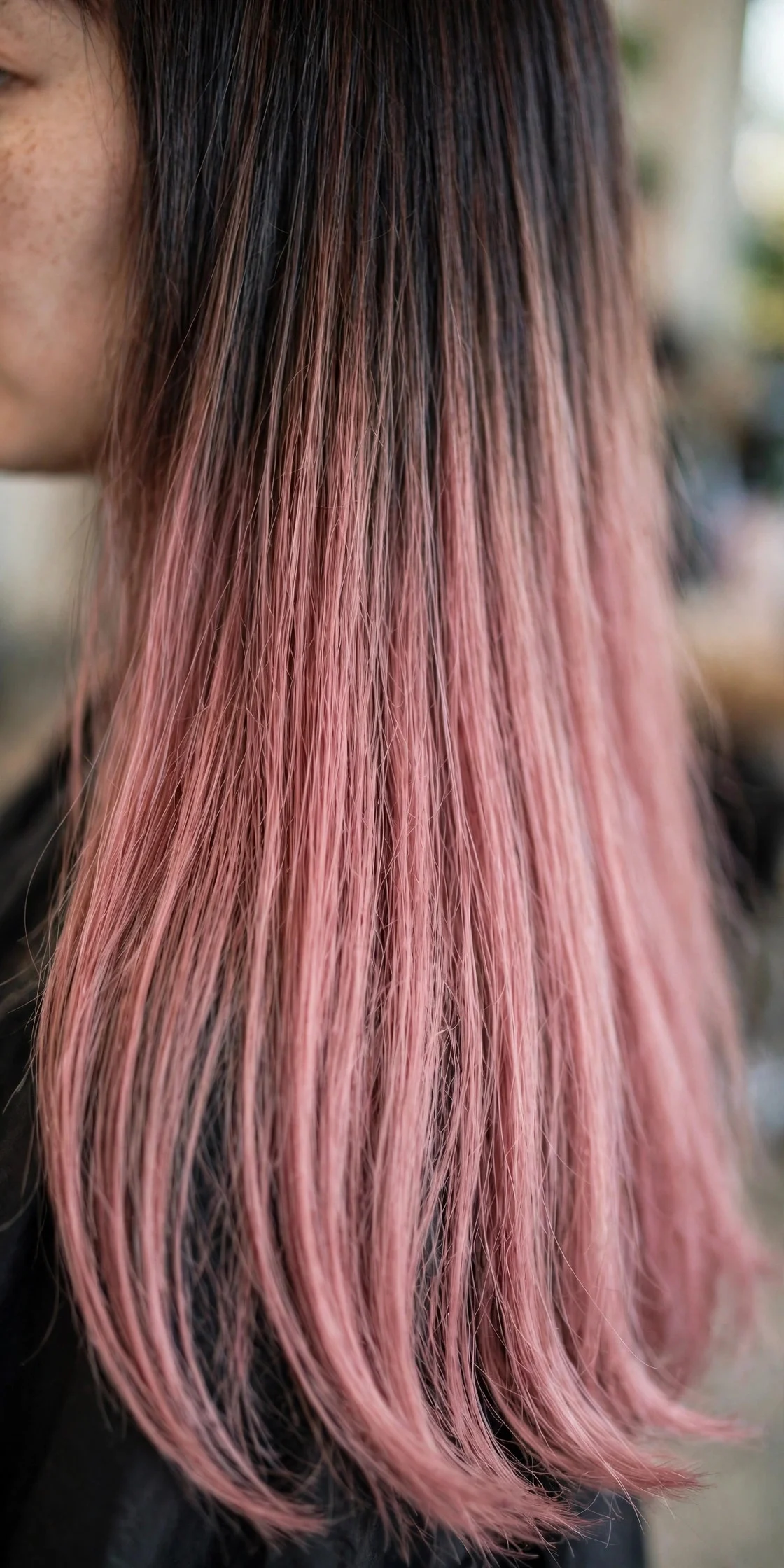
Ombre gets a bad reputation as outdated, but dusty rose makes it feel current again. Natural dark brown or soft black at the top melts into muted rose from about mid-shaft down. Request a "dusty rose ombre with a soft, diffused line, not a sharp cutoff." This is the lowest-maintenance pink you can wear because your roots are your own color. It flatters nearly every face shape since the dark top half keeps the frame natural. Touch-ups run every ten to twelve weeks, mostly re-toning the ends for $60 to $100. The real cost is the initial double-process lift on very dark hair, which runs $200 plus.
5Dusty Rose with Dark Roots
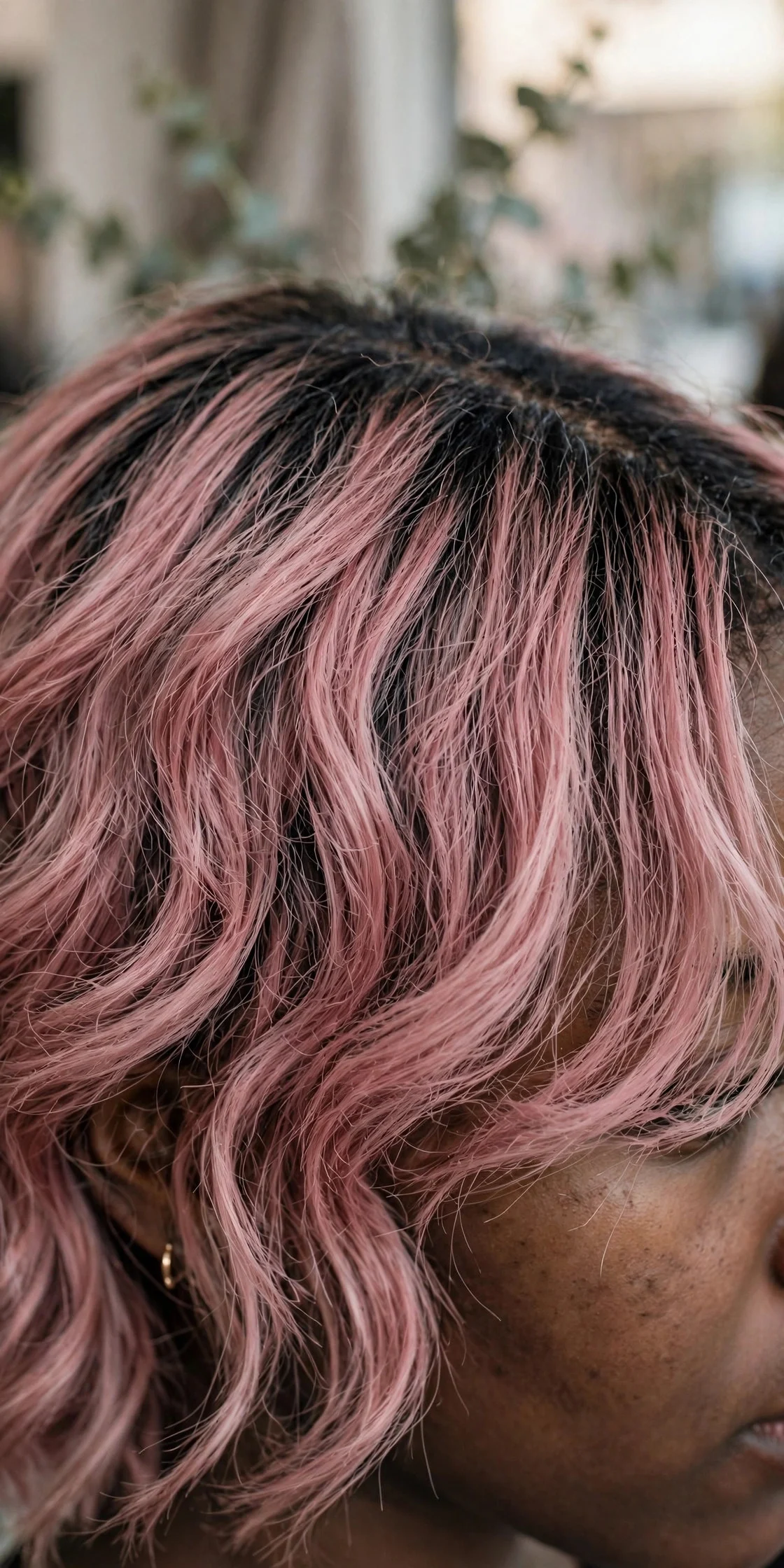
Shadow roots are the trick that makes fashion colors grow out without that awful line. The stylist keeps the first inch or two dark, either your natural color or a smoky brown, and blends dusty rose through the rest. Ask for a "one to two inch shadow root, blended, not a stripe." It is especially smart for people whose natural hair is dark brown or black, since the transition looks intentional. You can go six to ten weeks between visits, mostly gloss refreshes. Initial cost matches all-over rose, but yearly spend drops because grow-out is invisible. Note: if you are blonde at the roots, darkening them first adds $50 to $80.
6Dusty Pink Highlights
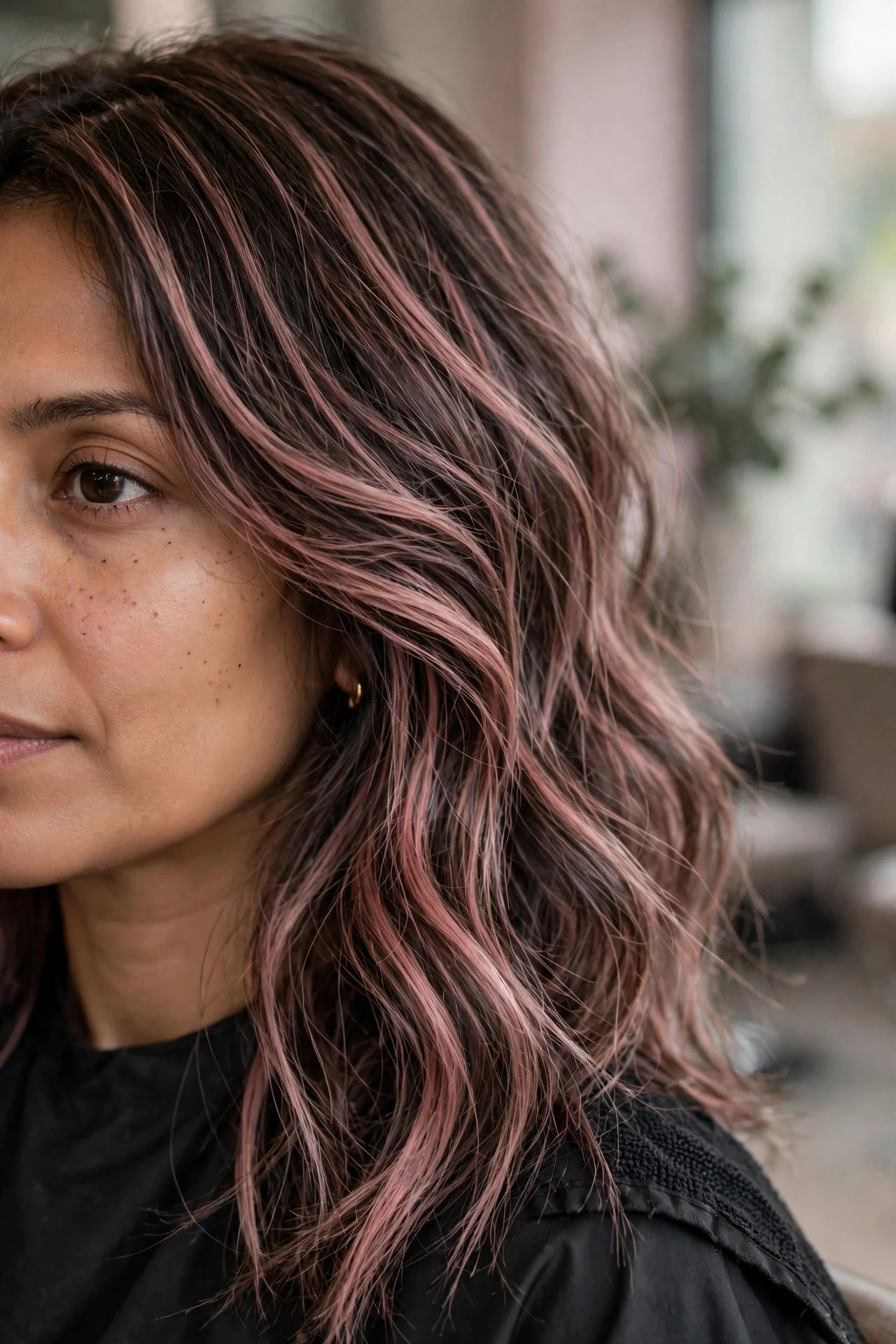
Highlights are the commitment-phobe's answer to pink hair. Fine rose highlights woven through a natural base give you the vibe without touching every strand. Ask for "dusty rose foilyage, very muted," and specify fine and scattered rather than chunky. This works on any hair type and is great for fine hair, since the dimension makes it look thicker. It also reads as "sunset tones" rather than "colored hair," which helps at conservative workplaces. Maintenance is easy: a gloss every six to eight weeks, highlights redone every three to four months. The pink does wash out of thin highlight strands faster, so keep a pink mask on hand.
7Rose Quartz Bob
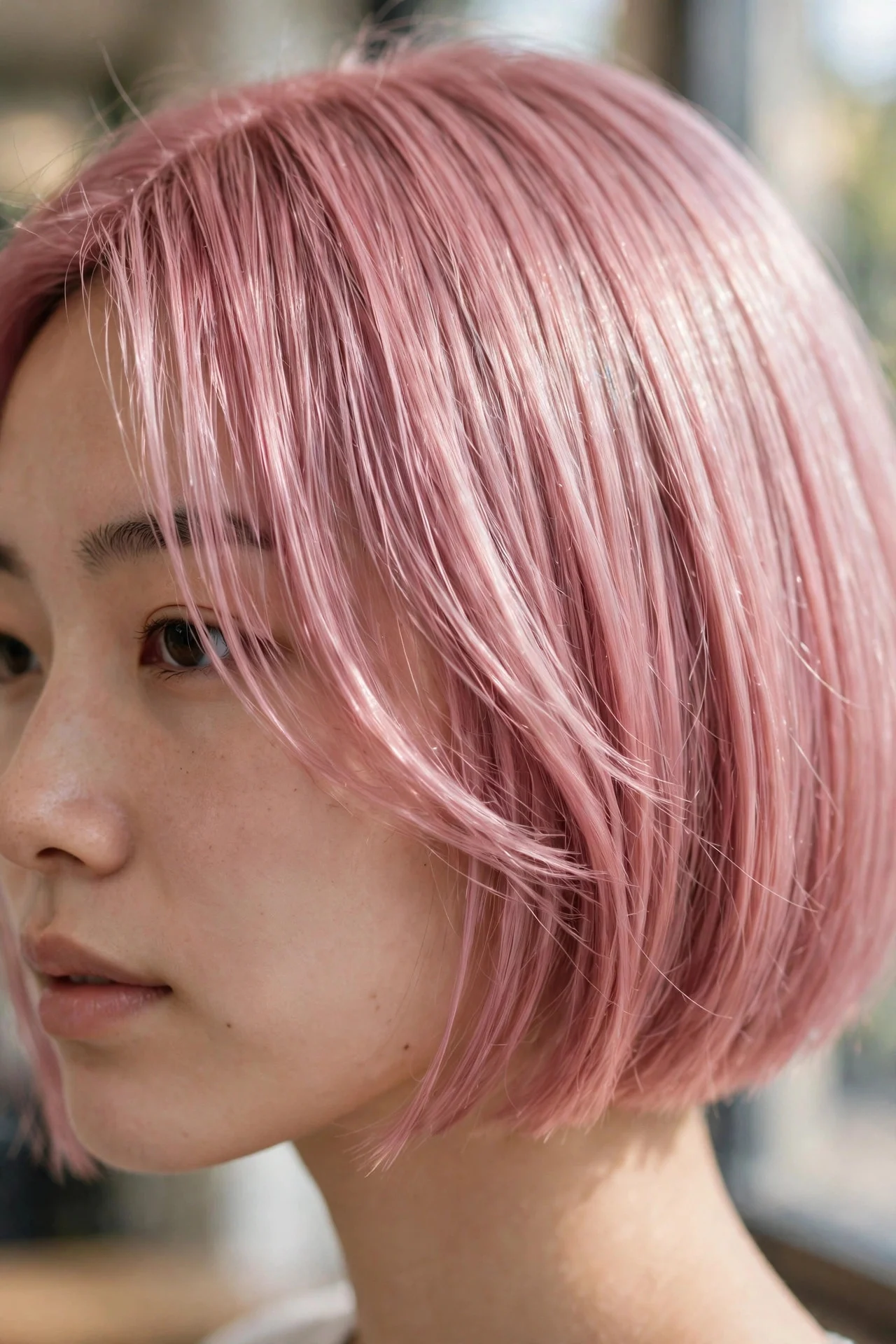
The cut does half the work here. A chin-length or shoulder-skimming bob in polished dusty rose has a jewelry-box quality that long pink hair cannot achieve: translucent, milky, a little luxe. Ask for a "blunt or slightly textured bob in dusty rose over a level 9 base" and bring a photo of the exact pinkness you want, because this shade lives or dies on tone. It suits oval and heart-shaped faces particularly well, and it is striking on straight or slightly wavy hair where the color sits flat. Short hair means less product per session, but the bob needs a trim every six weeks. Plan on $120 to $220 per color visit.
8Dusty Rose on Long Waves
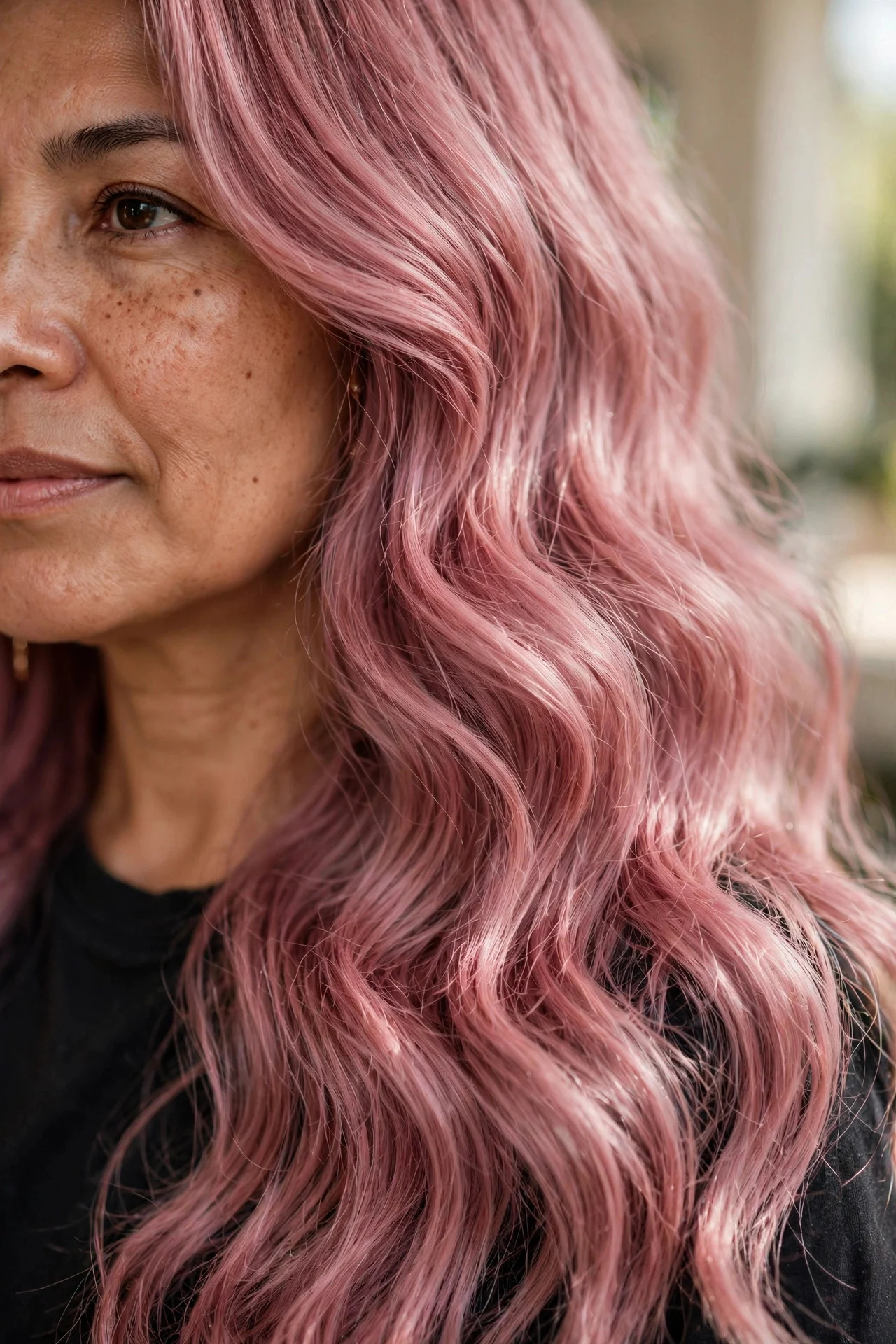
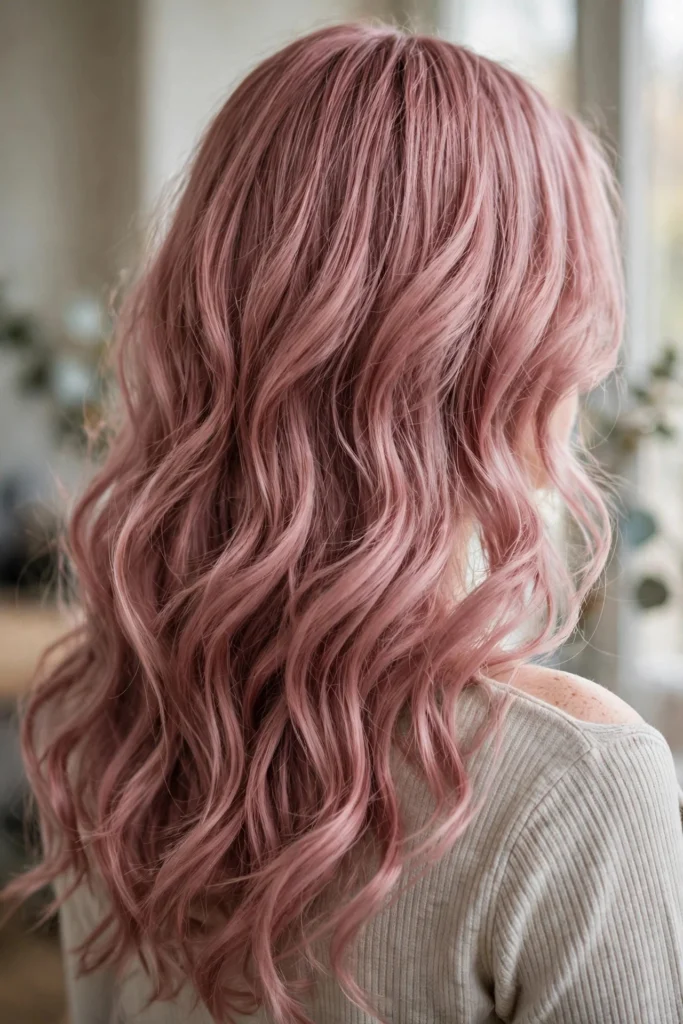
Long, loose waves are dusty rose's natural habitat. The color shifts as it moves, showing taupe in the shadows and blush in the light, which gives the pink a dimensionality that straight hair cannot match. Request a "dimensional dusty rose, slightly darker underneath, on long layered hair." It suits thick, wavy hair best and looks romantic on warm undertones. The honest drawbacks are length-related: more hair means more bleach, more product, and bills of $250 to $400 for the initial service. Long pastel hair also tangles more when dry, so leave-in conditioner becomes non-negotiable. But it photographs beautifully if you can handle the upkeep.
9Lived-In Dusty Pink
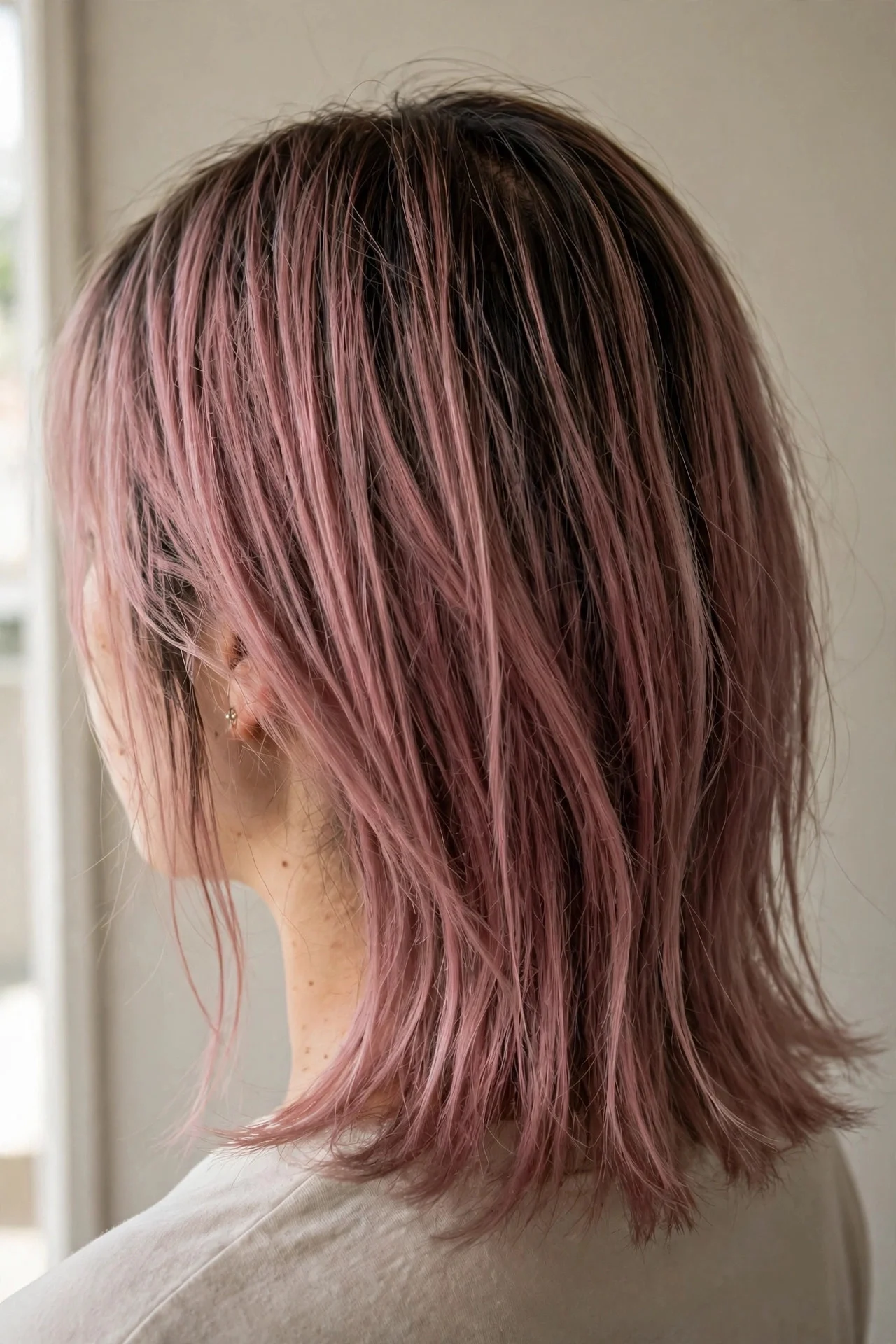
Lived-in color is the opposite of salon-perfect, and that is the whole point. The dusty pink is applied softly and a little unevenly on purpose, so it looks like you have been wearing it for weeks from day one. Tell your colorist you want a "lived-in dusty pink, soft application, no harsh lines," with some natural color peeking through. This is the most forgiving option for busy people and for hair damaged by past bleaching. It suits every skin tone because it reads as a tint rather than a statement. Refreshes are needed only every eight to twelve weeks. The trade-off is subtlety: if you want obvious, look-at-me pink, this will feel too quiet.
10Dusty Rose Money Piece
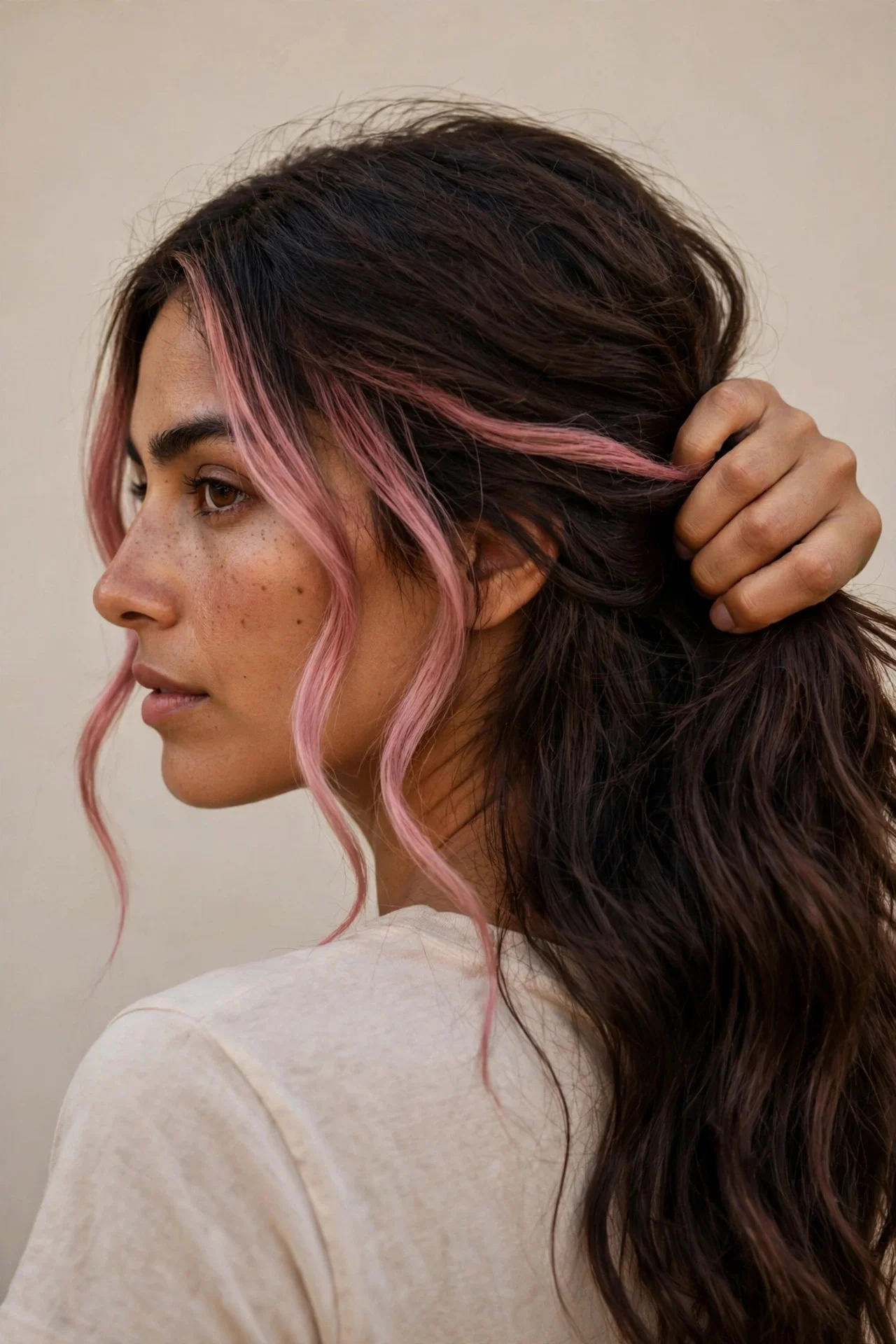
A money piece is just the front frame of hair, and dyeing only those strands dusty rose gives you maximum impact for minimum commitment. It frames your face in pink every time you pull your hair back. Ask for a "dusty rose money piece, about an inch wide on each side, blended into the base." It flatters every face shape because it draws light toward your eyes, and it works over any base color since only the front pieces need lightening. This is the cheapest way in: $60 to $120, with touch-ups every two to three months. The front pieces take the most sun and heat damage, so they fade fastest. Protect them with UV spray and refresh with pink conditioner between visits.
11Smoked Rose on Dark Hair
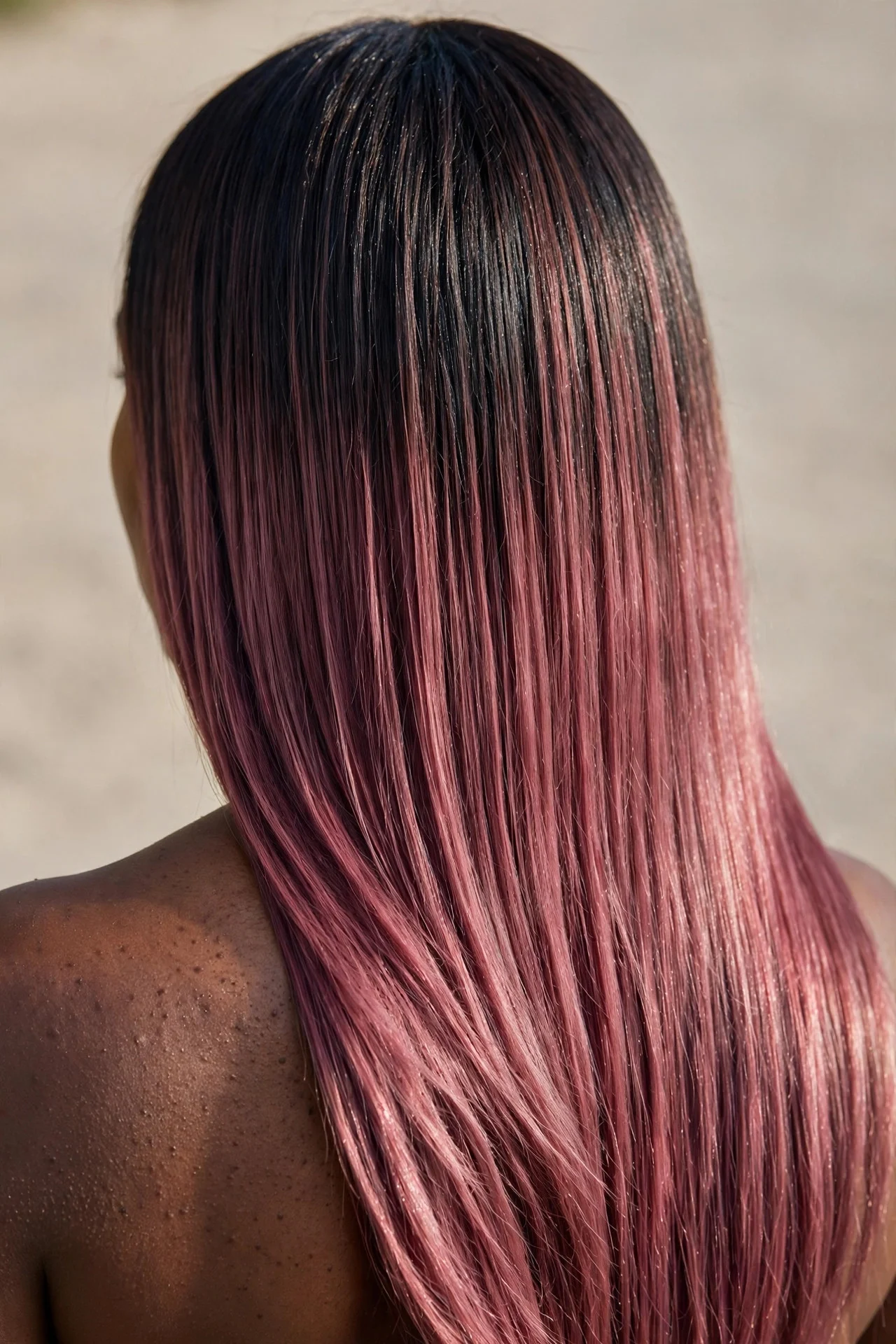
If your hair is naturally very dark and you do not want to bleach to pale blonde, smoked rose is your answer. The stylist lifts your hair only to a copper or mahogany level, then layers dusty rose over it, creating a deep, wine-tinted rose that glows in sunlight. Request a "smoked rose over a level 5 or 6 lift, deep and muted, not bright." It looks incredible on deep skin tones and dark eyes. Because you are not lifting to blonde, damage is much less and the color holds longer, stretching visits to every two to three months. Initial cost is $150 to $250. The limitation: you will never get the pale, powdery rose at this depth. It is rich rather than soft.
12Pastel Dusty Rose Tips
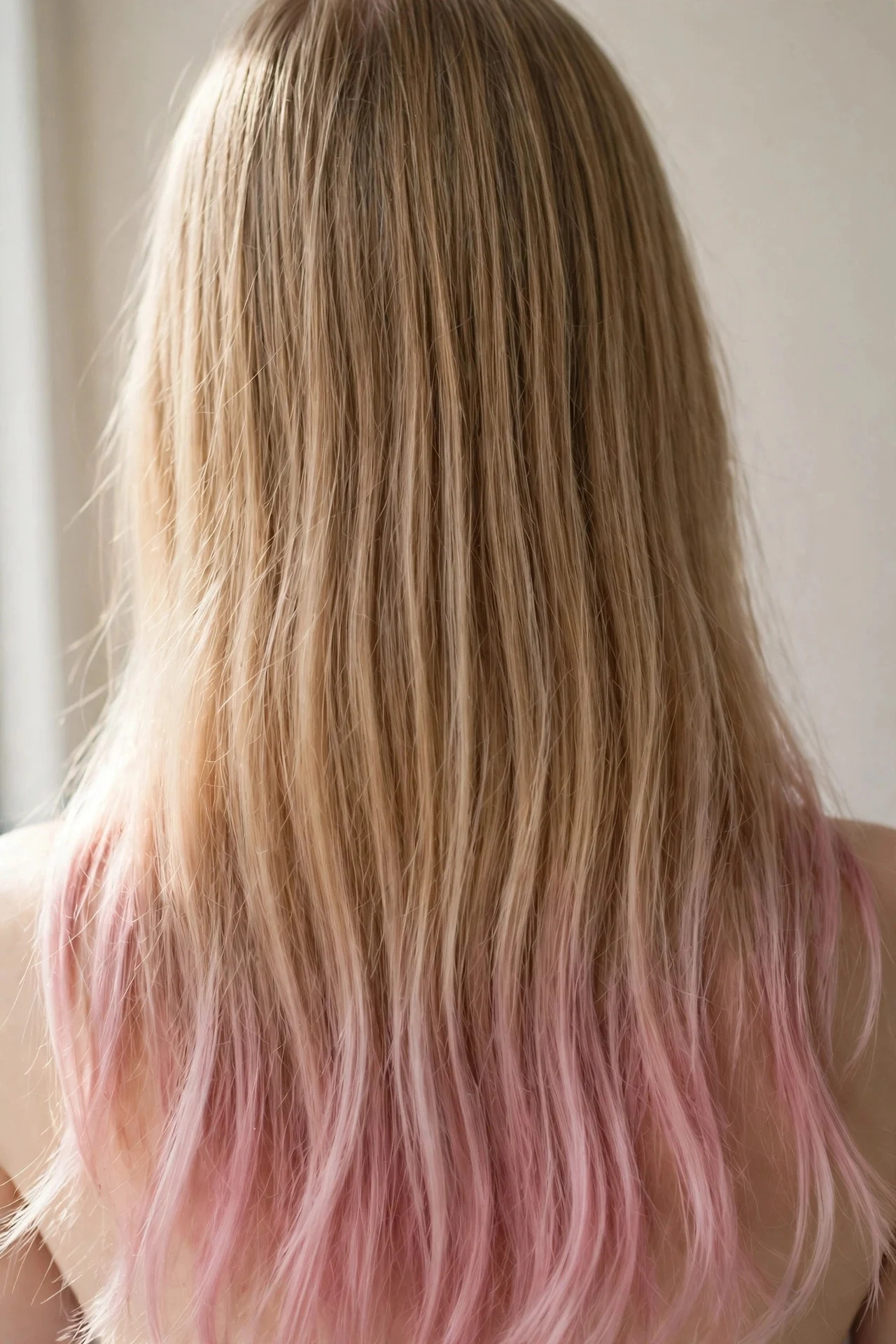
Dip-dye is back in a softer, more grown-up form. Just the last few inches go pale dusty rose while the rest stays natural, with the line blurred into a melt. Ask for "pastel dusty rose tips, about three to four inches, blended upward." It suits long hair of any texture and works even in conservative workplaces, since it reads as a subtle detail. The genius is how easy it is to remove: if you hate it, you are only trimming ends. Costs run $80 to $150, with refreshes monthly since pale tips fade fast. It only works if your ends lift cleanly; damaged tips grab color unevenly, so get a trim first.
How to Keep Dusty Rose Hair Looking Soft (Not Faded)
Dusty rose is semi or demi-permanent, so it leaves with every wash. Wash two to three times a week at most, always in cool or lukewarm water, since hot water opens the cuticle and lets the pink run. Switch to a sulfate-free shampoo and conditioner for color-treated hair. Once a week, swap conditioner for a pink color-depositing mask, which tops up the rose while it conditions. A salon gloss every four to six weeks keeps the dusty tone from sliding too warm or too ashy, and many stylists will sell you the same formula for at-home use. Heat styling fades the color too, so use a heat protectant every time and sleep on a silk pillowcase. With this routine, the color stays soft and pretty for six to eight weeks before a real refresh.
Frequently Asked Questions
What base level does my hair need to be for dusty rose?
For the classic soft, powdery dusty rose, hair needs to reach around level 8 or 9, a light blonde. The color is translucent, so any yellow left in the hair will turn it peachy instead of rosy. With darker hair, you can still wear a deeper, smokier rose with a lift to around level 5 or 6. Your stylist can advise based on your starting color and how much lightening your hair can handle safely.
How does dusty rose fade?
Better than most fashion colors. It fades into a soft blush beige rather than going patchy or greenish, because the taupe and mauve undertones are forgiving. Expect the most noticeable fading in the first two weeks, then a gentle pastel for another month or so. Pink depositing conditioners extend the tone much longer. If you stop refreshing entirely, it settles into a faint warm blonde that is easy to color over.
Can I get dusty rose if I have very dark hair?
Yes, with realistic expectations. Lifting very dark hair to the pale level for powdery dusty rose usually takes two sessions and risks damage, so many colorists suggest a smoked or deep rose instead, which needs only a moderate lift. Techniques that keep dark roots, like the ombre or shadow root versions above, also make dark hair much easier to work with. Get a consultation first so your stylist can test how your hair lifts.
How much does dusty rose hair cost to maintain?
The first appointment typically runs $150 to $350 depending on length, starting color, and bleach needed. Ongoing, budget for a gloss refresh every four to eight weeks at $60 to $180, plus color-safe products and a pink mask at home. Choosing a low-maintenance version like balayage or shadow roots drops yearly spend significantly, since you are refreshing rather than redoing.
What is the difference between dusty rose and rose gold?
They are cousins, not twins. Rose gold has a noticeable golden, metallic warmth running through the pink, while dusty rose is cooler and more muted, with taupe and mauve undertones instead of gold. Rose gold photographs brighter and feels more glamorous; dusty rose feels softer, more natural, and more office-friendly. In the chair, the difference is which toner your stylist reaches for, so showing photos matters more than the name.
Dusty rose proves that pink does not have to shout to be noticed. Pick the version that matches your maintenance budget and your courage level, show your stylist real photos of the tone you want, and invest in the aftercare that keeps it soft. The quiet pink trend is not going anywhere, so there is no reason to rush the decision.
Keep exploring: if dusty rose has you curious about other soft pinks, 12 Soft Copper Blonde Hair Color Ideas pairs beautifully with the same warm-neutral palette. For a bolder take on pink, 10 Dark Pink Peekaboo Hair Ideas shows how to hide vivid color under a natural top layer. And if you love the low-maintenance philosophy of lived-in color, 14 Lived-In Brunette Hair Ideas is full of grow-out-friendly inspiration.