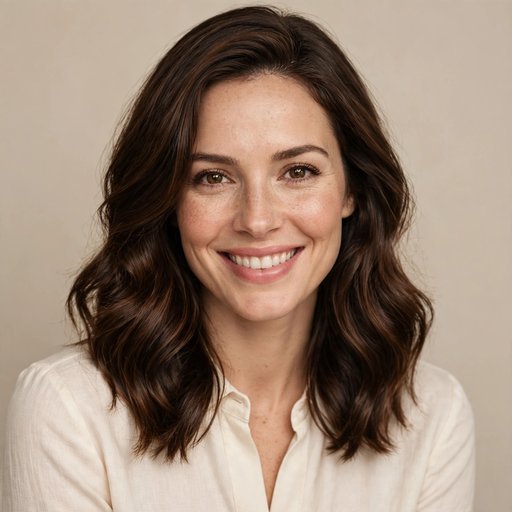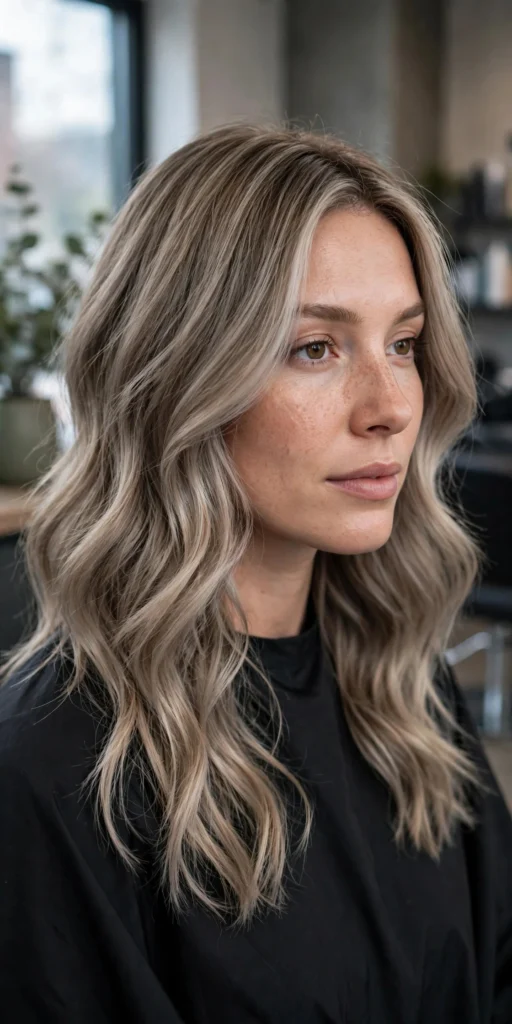
Mushroom blonde is the color people mean when they say they want something "neutral but interesting." It sits between ashy blonde and light brown, with smoky taupe, beige, and cool mushroom tones woven through it. It photographs beautifully, grows out softly, and reads polished without screaming for attention.
Fair warning: this color is a commitment in disguise. It looks effortless, but keeping the tone right takes purple shampoo, regular glossing, and a stylist who understands undertones. Twelve takes on the trend, each with what to ask for in the chair.
1Cool-Toned Mushroom Balayage
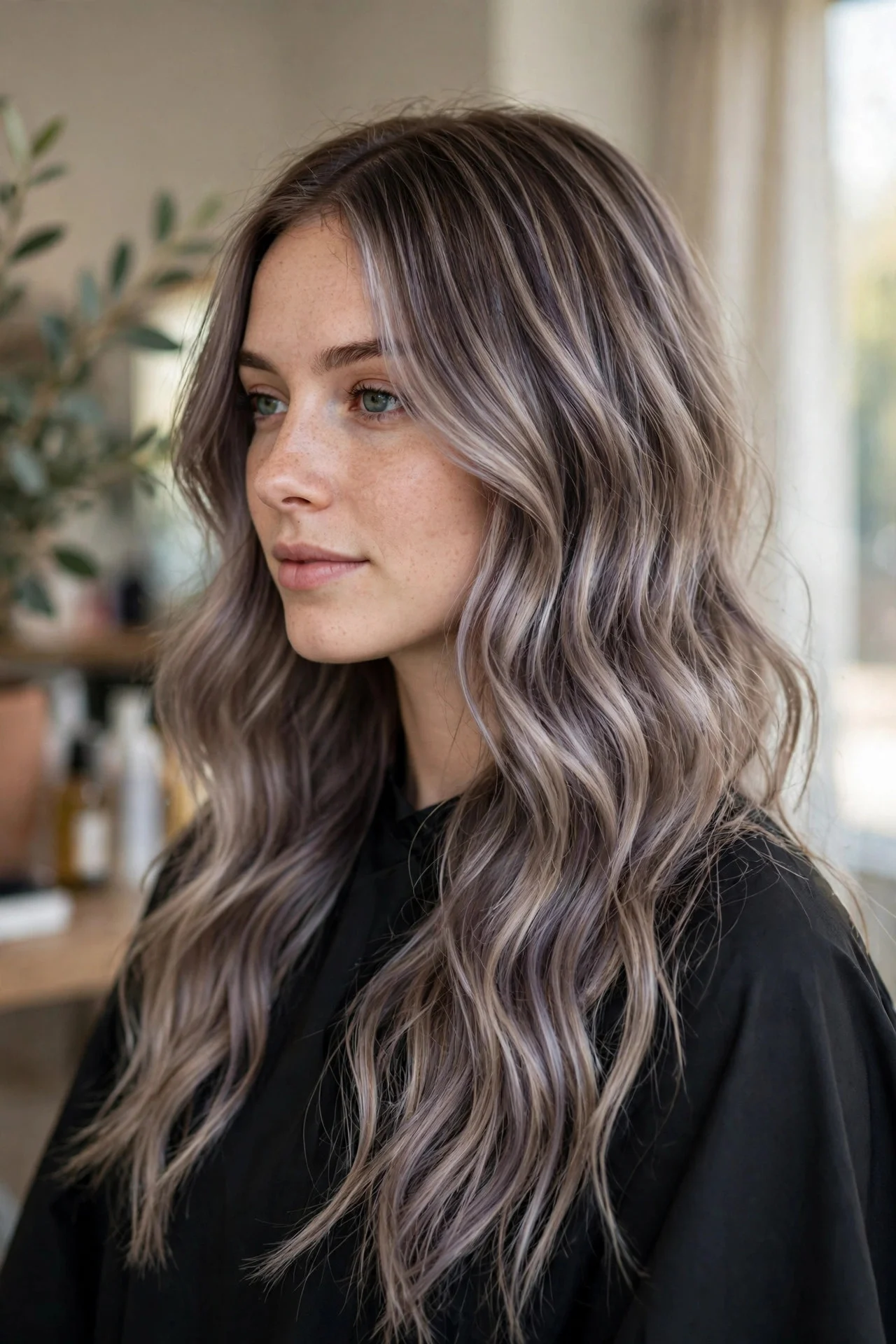
This is the mushroom blonde most people pin. Soft balayage through a natural base, with the lengths lifted to a level 8 and toned with ash-violet 8NA plus a drop of 6T. Ask for hand-painted, teased balayage so the grow-out stays soft, and keep the root untouched for depth. It suits neutral or cool undertones, on fine or thick hair. Maintenance runs every 10 to 12 weeks for a toner refresh. The honest drawback: the ash fades toward warmth within a month, so weekly purple shampoo and a gloss between full services adds cost.
2Smoky Mushroom Roots with Lived-In Ends
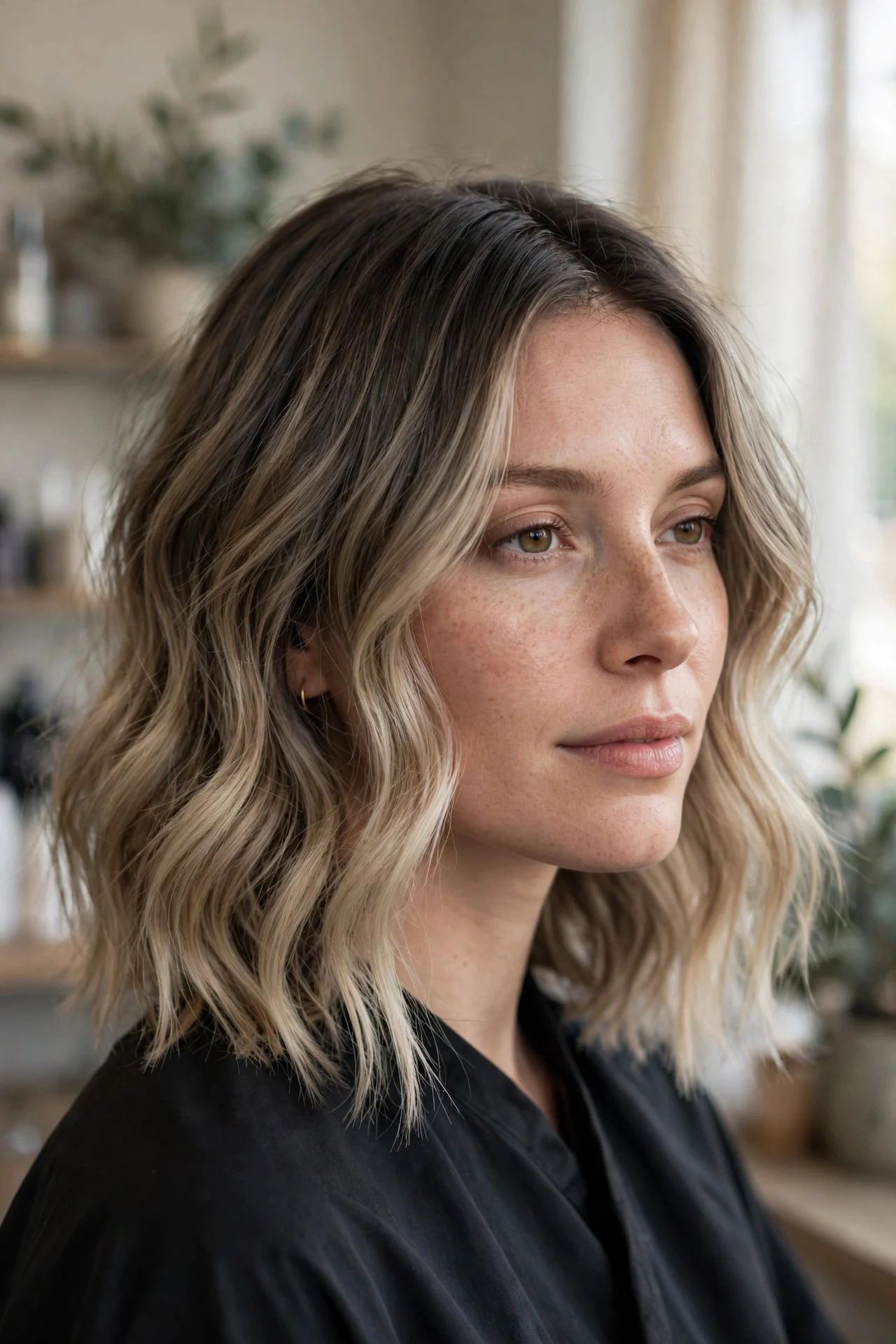
Think shadow root meets mushroom. Your stylist melts a level 5 mushroom brown into mid-lengths of smoky beige blonde, leaving a soft line of demarcation. Ask for a root shadow in 5M or 6NA, not your natural color, so the blend is intentional. This is the lowest-maintenance mushroom blonde on the list, ideal for stretching appointments to four or five months. It flatters longer faces and oval shapes, and the darker root makes fine hair look denser. Downside: the contrast can read muddy in indoor lighting, so ask for a little beige warmth in the formula to keep it luminous.
3Ashy Mushroom Bob
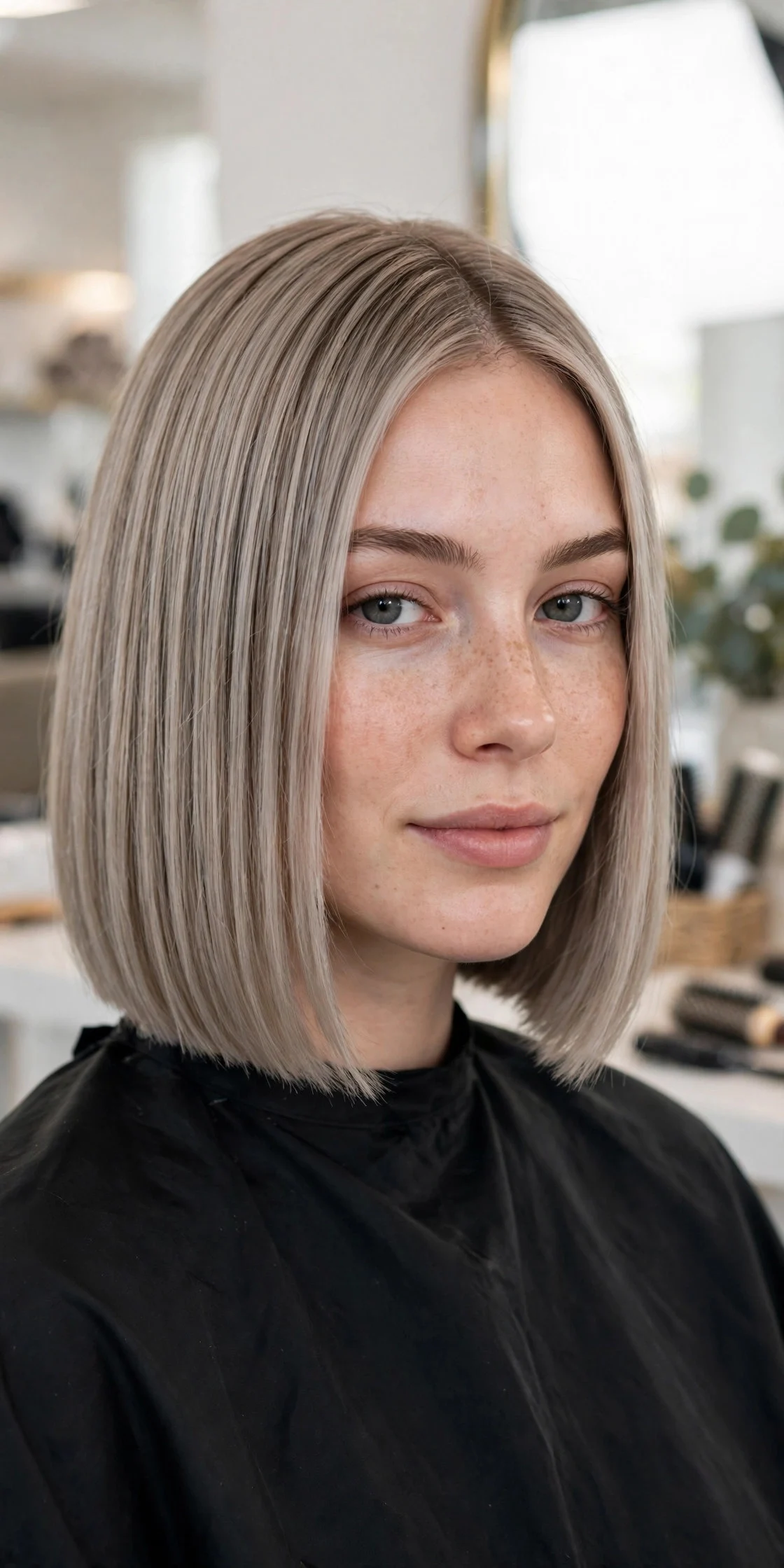
Mushroom blonde was practically made for the bob. A single-process color at a level 7 or 8 with a mushroom toner (7NA with a violet ash gloss) gives a chic result in one sitting. Ask your stylist to keep the perimeter blunt, with soft internal layers so the color has dimension to show off. This suits heart-shaped faces and fine hair. Upkeep is the catch: single-process ash fades fastest, so expect a toner every six to eight weeks. It also grows out softly, using the same kind of strategy as these 14 Lived-In Brunette Hair Ideas That Grow Out Beautifully.
4Mushroom Blonde with Beige Highlights
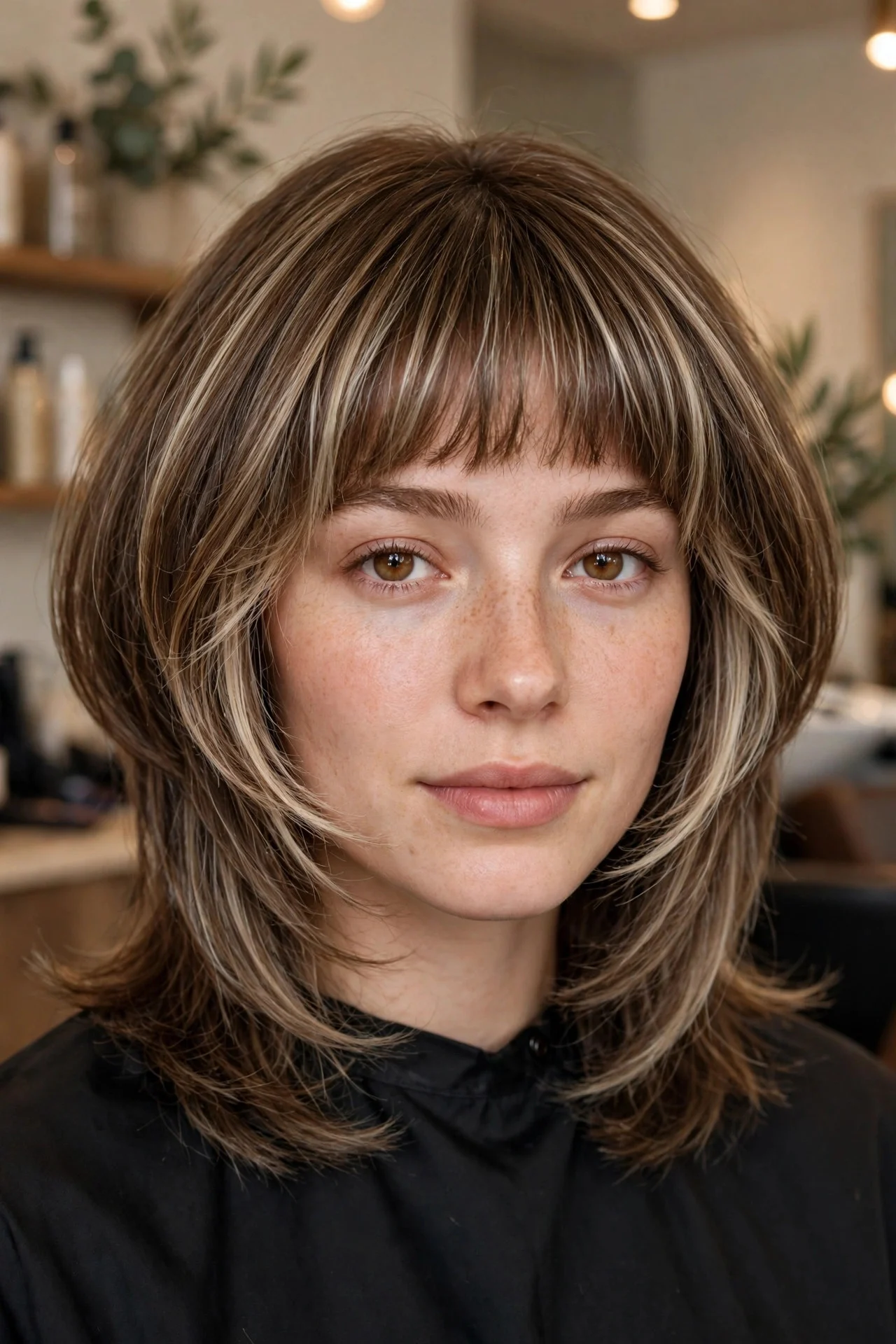
If pure ash makes you look washed out, this is your version. A mushroom base with woven beige highlights through the top layers adds warmth where your face needs it. Ask for fine babylights in a 9N with a beige toner over a 7NA base, concentrated around the face and crown. This suits warm-neutral skin tones and anyone whose complexion fights fully cool color. The highlights give brightness without the platinum feel, with touch-ups every eight to ten weeks. The honest drawback is cost: foiling takes chair time, so this runs pricier than single-process mushroom, and the beige will eventually pull warm.
5Dark Mushroom Gloss on Brunette
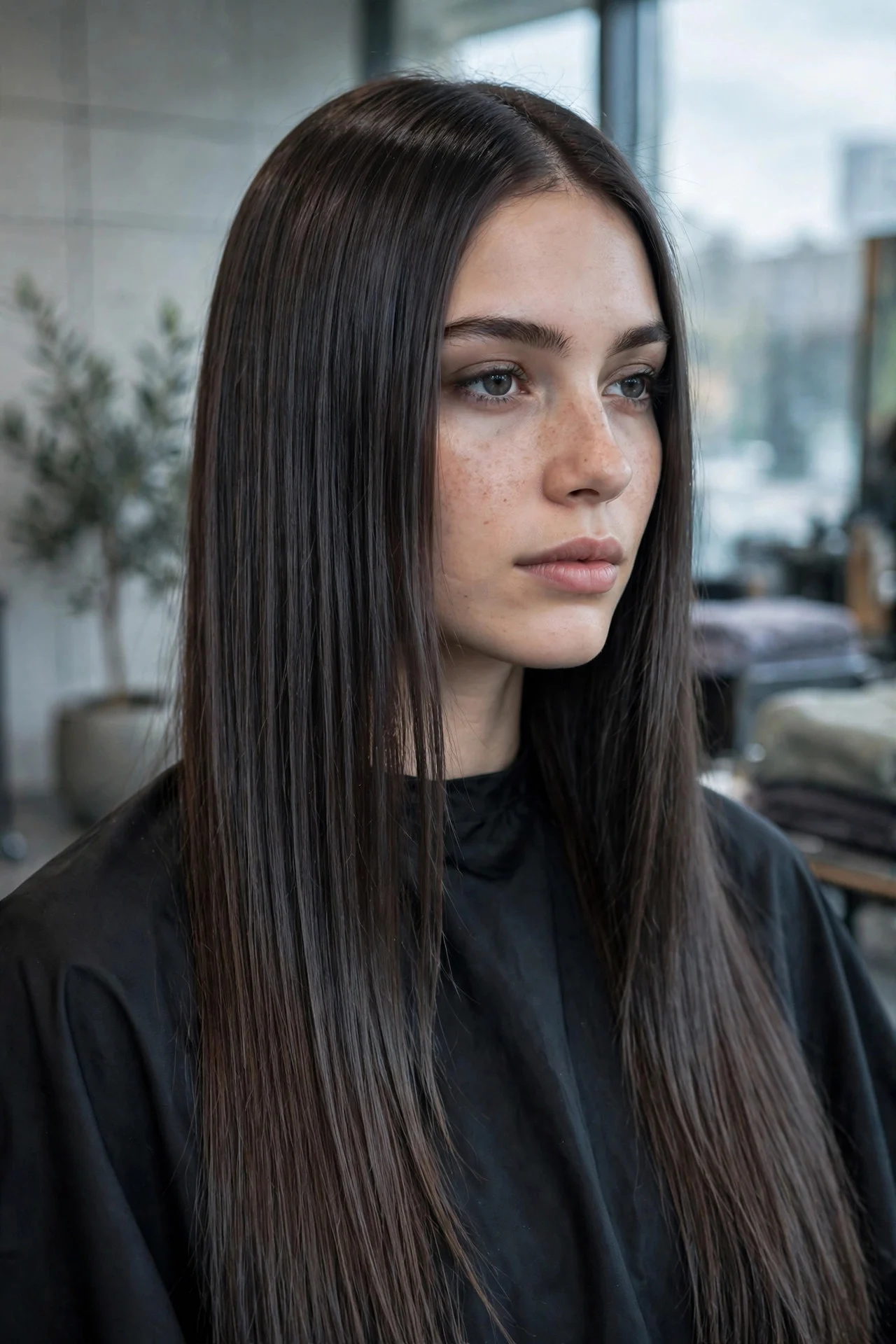
Not ready to go light? A dark mushroom gloss over natural or colored brunette is the lowest-risk entry point. Your stylist applies a demi-permanent mushroom toner (a 6NA or 7T) over your existing color, no lightening involved. It cools down brass, adds a smoky mushroom cast, and fades naturally over six to eight weeks. This works on almost anyone because it simply refines what is already there. It costs very little and takes under an hour. The drawback is subtlety: on hair darker than level 6, the result may be barely visible indoors. Think of it as mushroom blonde training wheels.
6Full Mushroom Blonde with Dimensional Lowlights
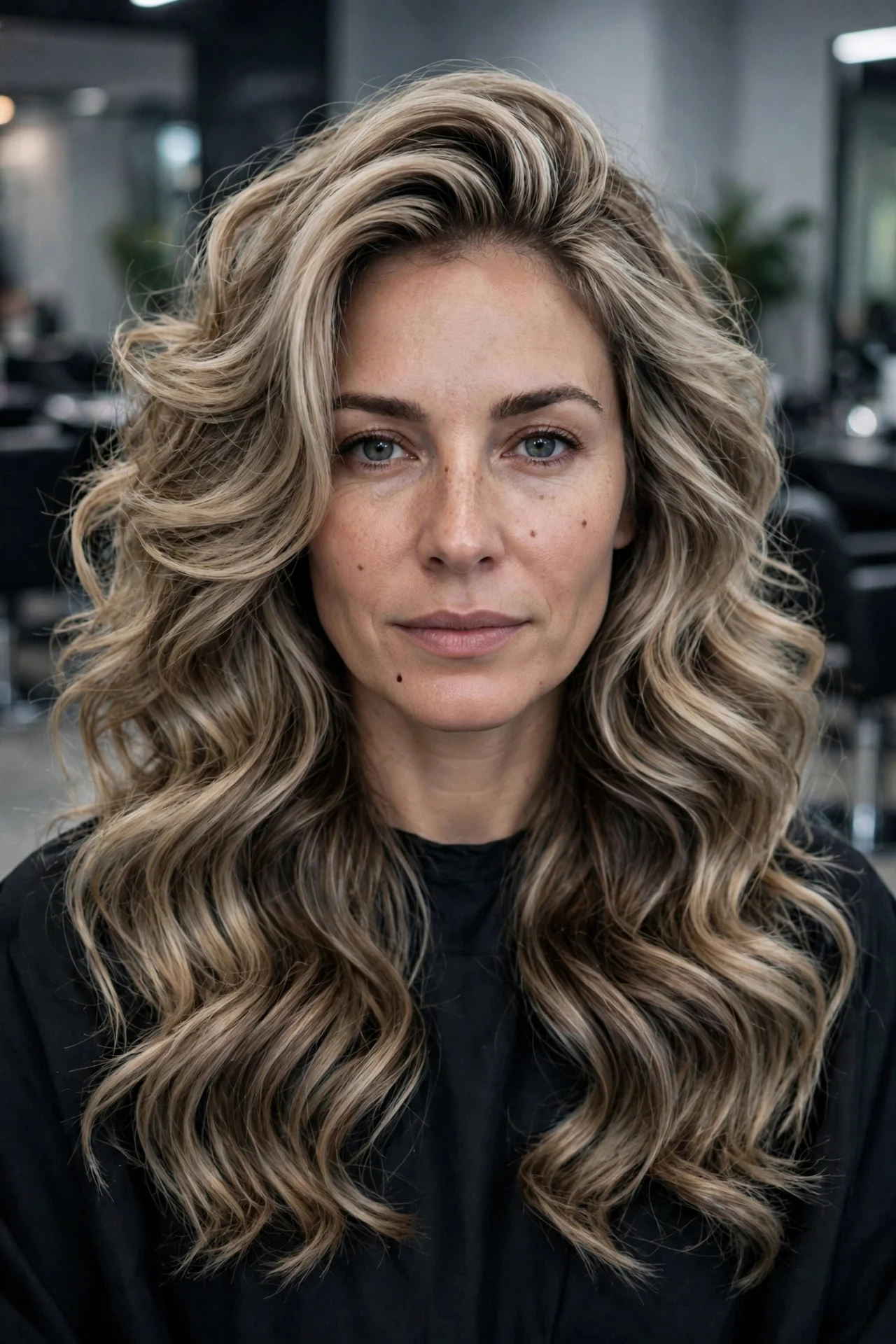
This is the salon-heavyweight version: a full mushroom blonde base with lowlights woven through for depth. Your stylist lifts you to a level 8 or 9, tones with an ash-mushroom formula, then drops level 7 lowlights through the mid-lengths to recreate natural variation. Ask for the lowlights one to two levels darker than the base, placed in the lower sections and ends. This suits thicker hair best, where the dimension shows, and it photographs incredibly well. Maintenance is the highest on this list: full foil or balayage every eight weeks plus toner in between, and the highest price tag to match.
7Mushroom Blonde Money Pieces
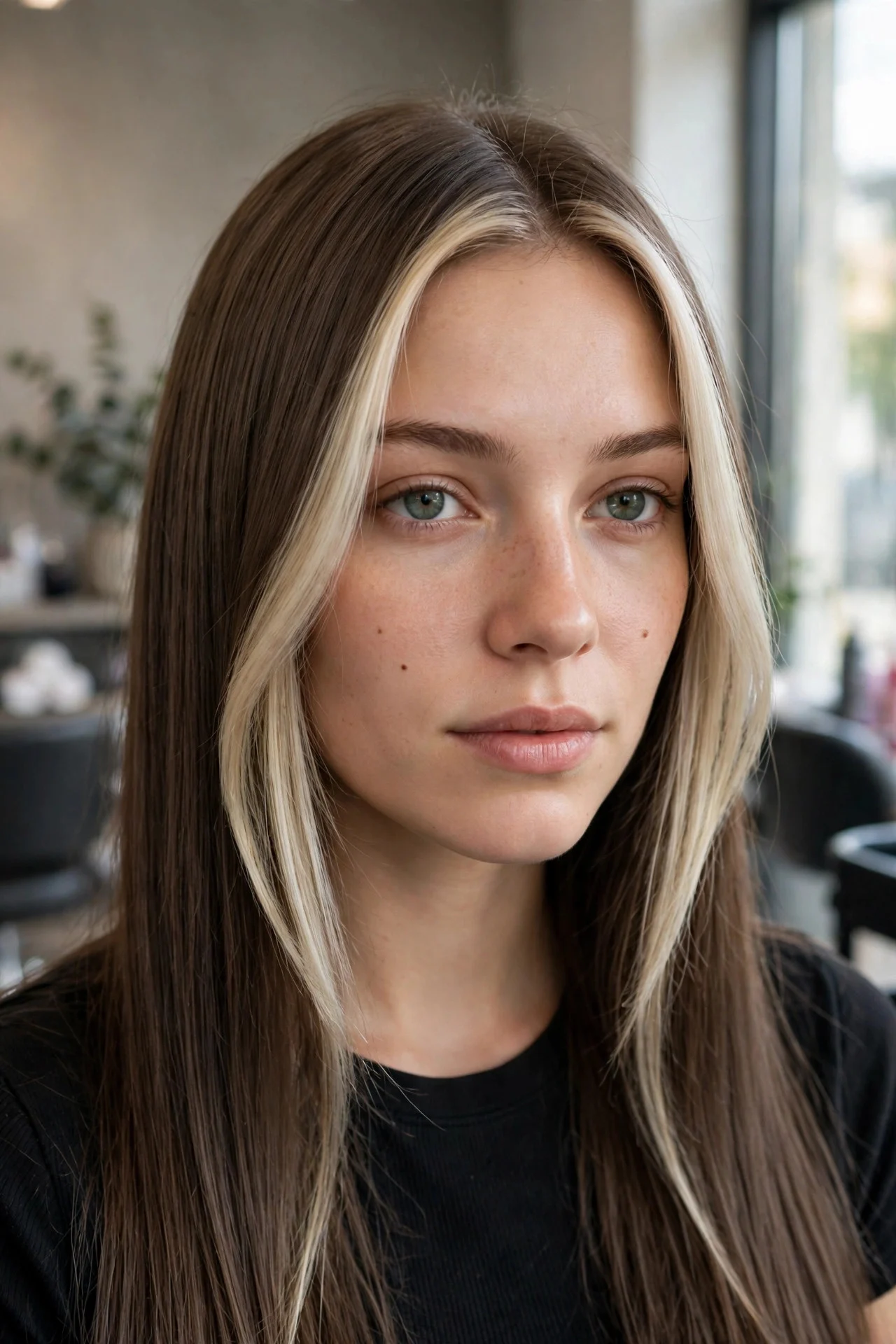
A mushroom base with brighter ash-blonde money pieces around the face gives you the trend with a fraction of the commitment. Ask your stylist to lift the front sections to a level 9 and tone them with an icy mushroom formula, keeping the rest at a natural level 6 or 7. This flatters every face shape, and it is budget-friendly since only a few sections are foiled. Touch-ups every eight to twelve weeks. The catch: the contrast can look stripy if not blended well, so ask for soft, diffused placement rather than chunky panels.
8Mushroom Blonde on Curly Hair
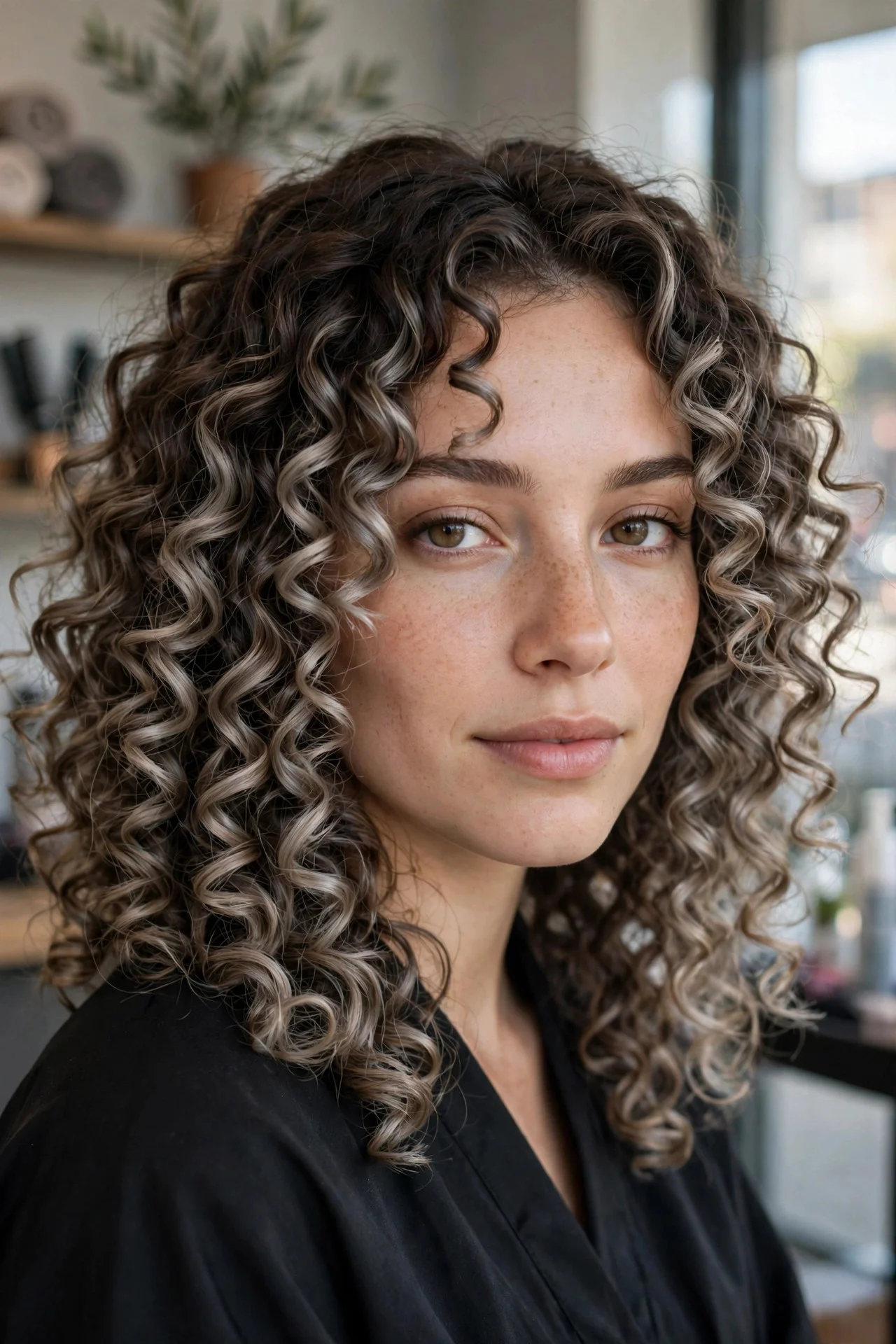
Mushroom blonde on curls is stunning because the texture shows off every tone shift. Your stylist should use balayage or pintora highlighting on the curl surface, then tone with 8NA glossed with 6T. Ask for the color to be applied on dry or stretched curls so the placement matches your real pattern. This suits type 2C through 4A textures, and the smoky tones add fullness. The drawback: curly hair is usually drier, and lightening can increase dryness, so budget for deep conditioning. Expect to pay more since curly color takes longer.
9Cool Mushroom with a Blunt Lob
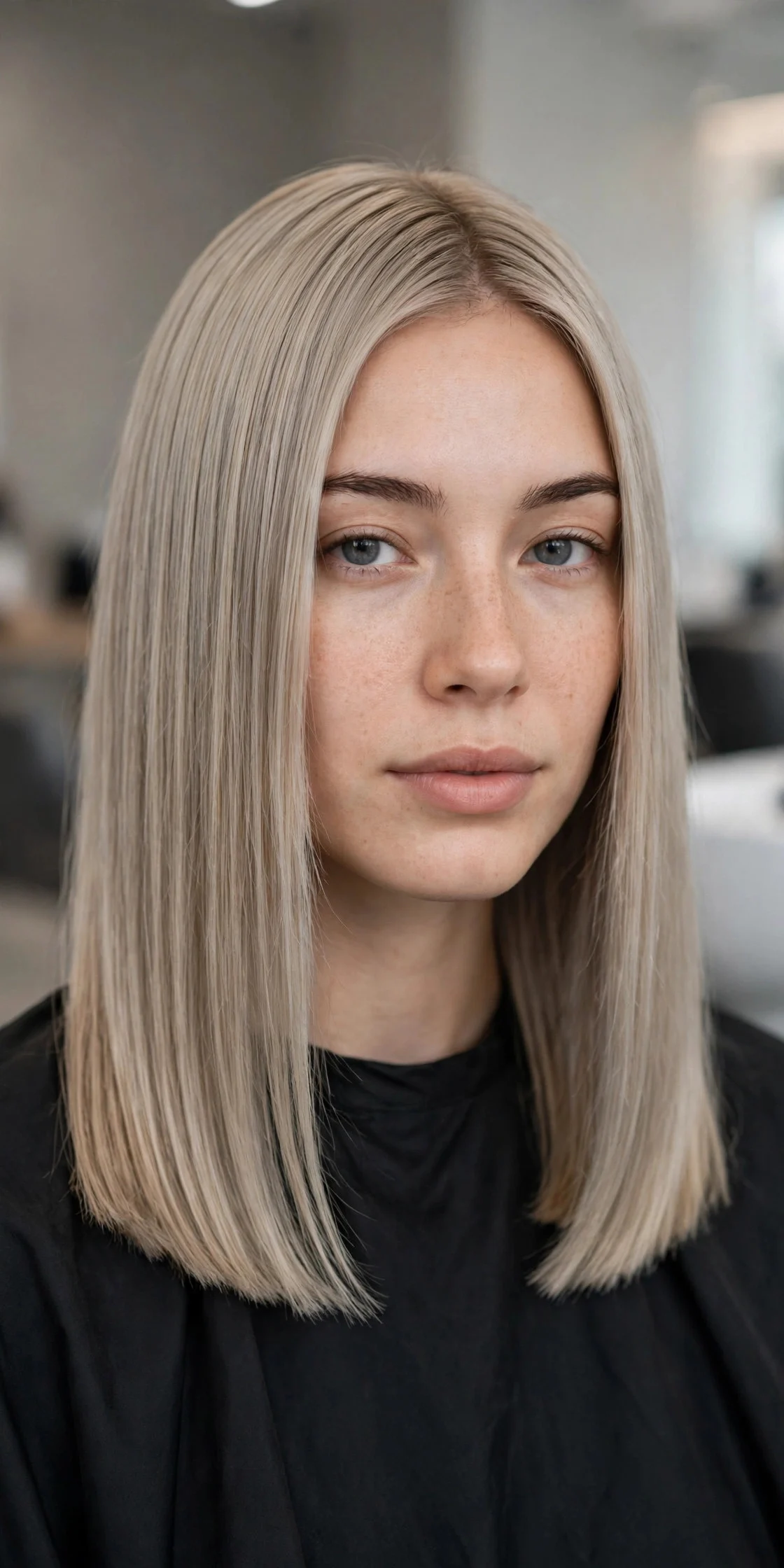
The lob is the ideal canvas for an even, all-over mushroom tone. Ask for a single-process color at a level 7 mushroom (7NA with a violet ash gloss), cut blunt at the collarbone with minimal layers. The evenness is the whole point, so this suits straight or slightly wavy hair where the tone reads clean, and works well on oval and round faces. Maintenance is a gloss every six to eight weeks to fight the fade toward warmth. Honest downside: all-over color shows regrowth fastest, so if you hate seeing roots, ask for a half level darker at the root for a softer grow-out.
10Mushroom Blonde Ombré
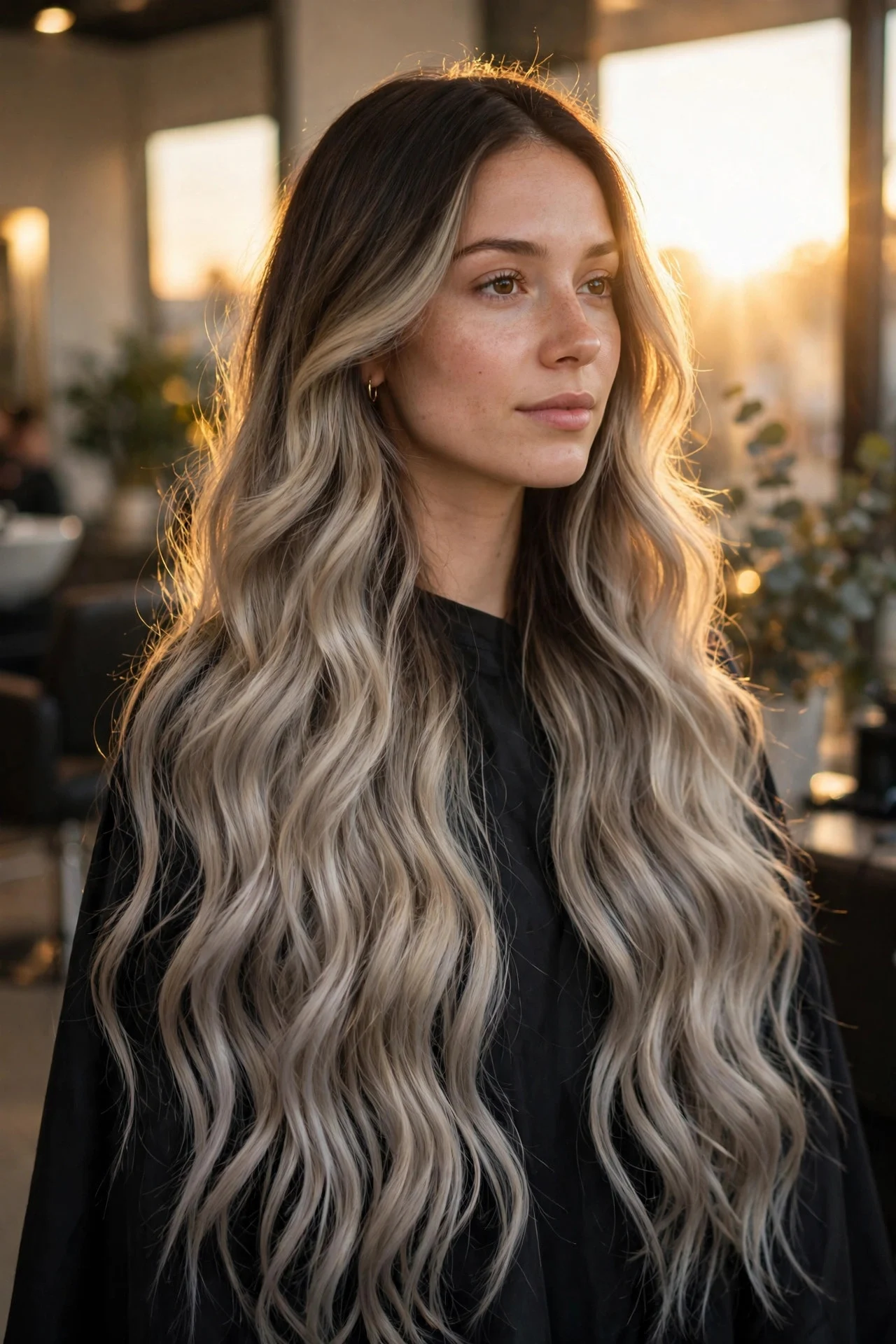
Ombré never really left, and mushroom tones give it a fresh, expensive look. Your stylist keeps your natural root (or a level 5 mushroom shadow) and melts it into lighter mushroom blonde ends, lifted to a level 8 or 9 and toned smoky. Ask for a low, diffused transition point, below the chin, so it grows out invisibly. This is great for long hair because the ends carry the color while the root does almost nothing, and you can go five or six months between appointments. The drawback: ombré concentrates damage on the ends, so plan on regular trims and bond treatments, or the ends start looking tired.
11Subtle Mushroom Melt
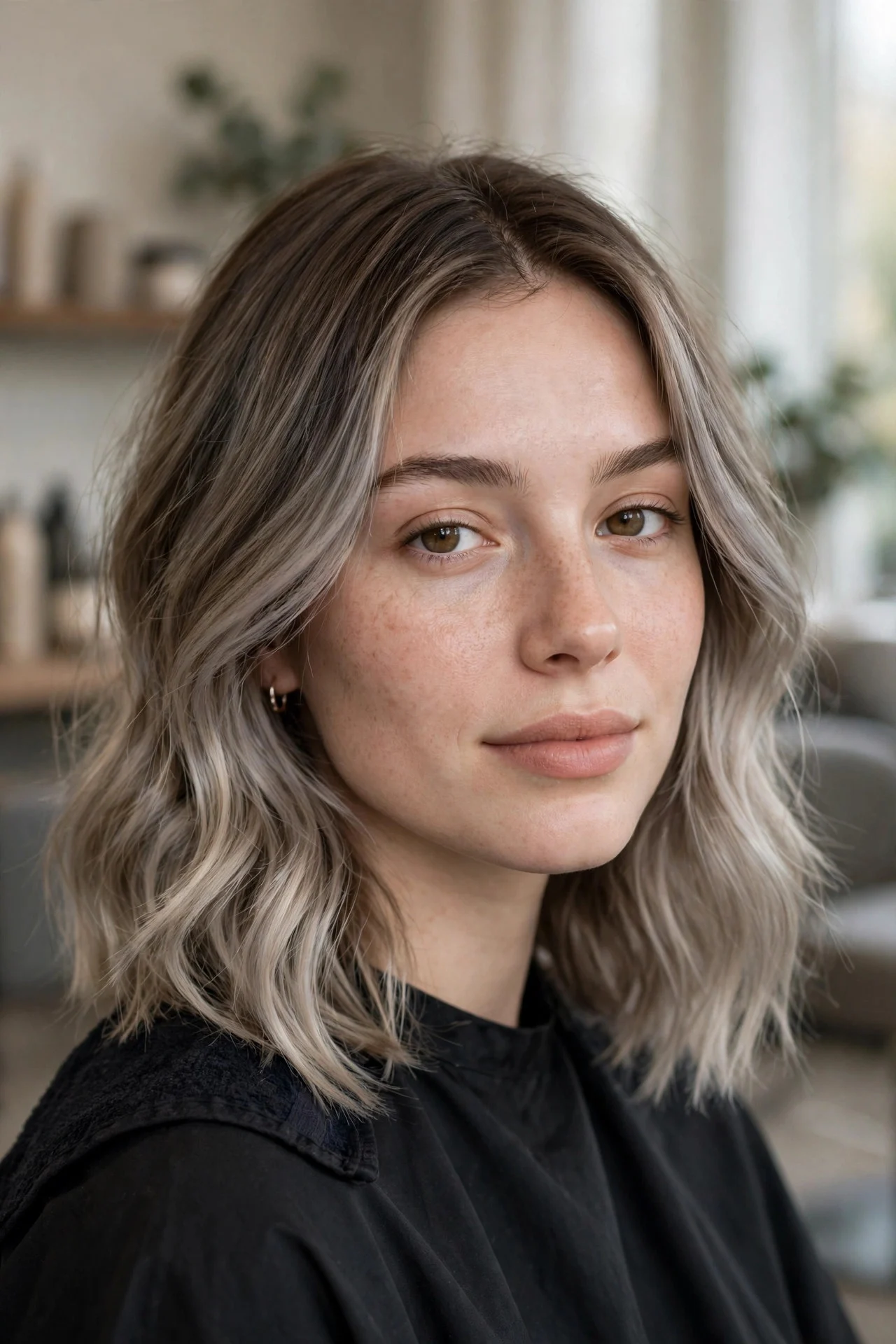
A color melt is the softest version of this trend. Your stylist uses three related shades: a level 6 mushroom at the root, a level 7 through the mids, and a level 8 at the ends, all melted together with no visible lines. Ask for a demi-permanent formula so it fades gracefully. This is the best mushroom blonde for conservative workplaces and first-timers, and it suits fine hair since there is no harsh contrast to expose thinness. A gloss every eight to ten weeks keeps it fresh. The trade-off: it is subtle enough that some people will not notice you colored your hair at all.
12Icy Mushroom Platinum Blend
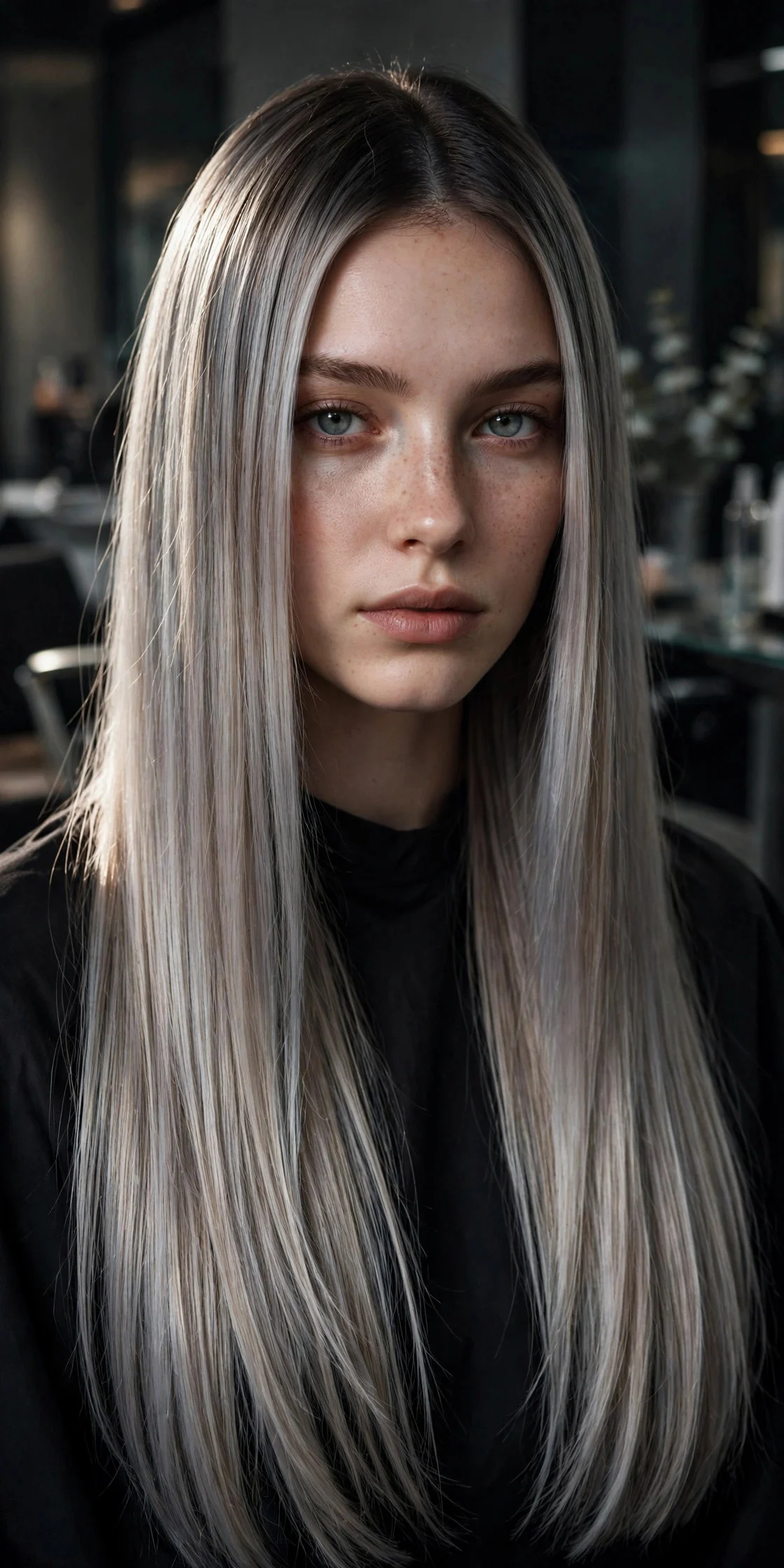
For the boldest take, blend mushroom tones into a near-platinum base. Your stylist lifts to a level 10, then tones with a mix of icy ash and mushroom beige, keeping the root slightly darker for depth. Ask for a "rooted platinum with mushroom shadow" so it reads cool but not flat white. This suits very fair skin and looks incredible in photos. The honesty section here is long: this is the highest-maintenance, highest-cost option on the list. Full lightening every six weeks, purple shampoo twice a week, bond builders, and the fight against breakage. If you want drama and have the budget, it is gorgeous. If not, pick idea number two.
How to Care for Mushroom Blonde Hair
Mushroom blonde lives or dies by tone maintenance. The number one rule is purple shampoo once or twice a week, alternating with a sulfate-free hydrating shampoo, because ash tones wash out fast. A five-minute purple mask weekly helps if your hair pulls warm.
Heat styling fades toner faster, so use a heat protectant every time and keep tools under 375 degrees. A clear or mushroom-toned gloss at home between salon visits buys you three to four extra weeks of good color.
Wash two to three times a week with dry shampoo on the off days, and get a shower filter if your water is hard, because mineral buildup turns ash blonde murky fast.
If you are torn between mushroom and warmer blonde directions, these 12 Soft Copper Blonde Hair Color Ideas show the opposite end of the spectrum and might help you decide which family suits you.
Frequently Asked Questions
What exactly is mushroom blonde hair?
Mushroom blonde is a cool, ashy hair color that sits between light brown and dark blonde, with smoky taupe and beige undertones. It is sometimes called mushroom brown or smoky blonde. The defining feature is its neutrality: it has neither the gold of warm blonde nor the depth of true brown.
Does mushroom blonde suit warm skin tones?
It can, with the right formula. Pure ash mushroom can wash out warm skin, so ask your stylist to build beige warmth into the toner, like idea four above. Keeping brightness around the face also helps. If your skin is very warm, bring reference photos and ask for an honest opinion before committing.
How often do I need to tone mushroom blonde?
Plan on a professional toner or gloss every six to ten weeks, depending on how light you went. Darker mushroom versions can stretch to twelve weeks. At home, purple shampoo once or twice a week slows the fade toward brassiness. Skipping maintenance is the number one reason mushroom blonde turns muddy.
Is mushroom blonde damaging?
Any version that requires lightening involves some damage, but mushroom blonde is gentler than platinum because you usually stop at a level 7 to 9 instead of going fully white. The gloss-only and dark mushroom options need no lightening at all. Ask your stylist to use bond-building treatments during the service, and commit to deep conditioning at home.
Can I get mushroom blonde from a box dye?
Honestly, this is one of the hardest colors to DIY. Mushroom blonde depends on precise underlying lift and a balanced ash-violet toner, and box dyes tend to go either too flat gray or too warm. If you try it at home, you risk uneven, muddy results that cost more to fix than the salon visit would have. This is a see-a-professional color.
Keep exploring: if mushroom blonde's cool smokiness has you curious about other dimensional colors, these 12 Dusty Rose Pink Hair Ideas for a Soft Look explore a softer pastel direction, while the brunette and copper links above cover the warmer and deeper end.