I’d been wearing a natural brunette wolf cut for about a year, genuinely happy with the texture and movement, when a sudden, somewhat impulsive decision during a particularly good mood led me to ask my colorist about adding pink into the mix during what was supposed to be a routine trim appointment. I hadn’t planned this at all, hadn’t brought reference photos, hadn’t even really thought it through beyond a vague feeling that my hair, while textured and fun in shape, felt a little serious in color compared to how I actually wanted to feel that week. My colorist, to her credit, didn’t talk me out of the spontaneity and instead walked me through a few different pink options right there on the spot, helping me land on something that felt genuinely playful without veering into territory I’d regret once the initial excitement wore off.
That impulsive appointment turned into one of my favorite hair decisions in years, and the combination of the wolf cut’s inherent texture with a genuinely fun color has remained my go-to ever since. If you’ve got that same instinct toward something playful and a little less serious than your current hair, here’s a real range of pink options specifically suited to the wolf cut’s unique texture and movement, plus what I’ve learned about making a spontaneous color decision actually work out well.
Why Pink and the Wolf Cut Specifically Complement Each Other
The wolf cut’s defining characteristic, heavy layering and dramatic texture throughout, happens to showcase dimensional, multi-tonal color in a way that a smoother, more uniform haircut simply doesn’t achieve to the same degree. My colorist explained this during that original appointment: each individual layer catches and reflects color slightly differently as it moves, meaning a dimensional pink application genuinely looks more alive and dynamic on this specific cut than it would on a flatter, single-length style.
There’s also something about the wolf cut’s already inherently playful, undone aesthetic that pairs naturally with a color choice like pink, which carries its own fun, less serious connotation. The two elements reinforce the same overall energy rather than working against each other, which is part of why this combination has become such a popular pairing specifically.
1. Rose Gold Woven Through Brunette

Soft, warm rose gold pieces woven throughout an otherwise brunette wolf cut add a subtle hint of color that mostly reads as warm dimension in everyday lighting, only becoming clearly pink in direct sunlight or photos, making it a good entry point for anyone hesitant about a more obvious color change.
2. Pink Money Piece Around the Face

A few soft pink face-framing pieces, concentrated specifically in the curtain-style sections that already define the wolf cut’s face-framing element, is a low-commitment way to add color exactly where it will be most visible without affecting the rest of the cut.
3. Dusty Mauve Balayage

Blended throughout the layering rather than concentrated in one area, dusty mauve tones add a soft, barely-there pink quality that most people will read as simply a warm, dimensional brown rather than an obvious pink color choice.
4. Full Rose Pink Throughout
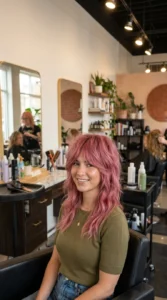
A step beyond the subtler options, full rose pink applied throughout the wolf cut’s entire layering pattern creates noticeable, all-over color while still staying within a reasonably wearable, everyday range rather than the boldest possible version of pink.
5. Pink Ombre From Natural Roots

Keeping natural roots and transitioning into pink toward the mid-lengths and ends, concentrated specifically where the wolf cut’s longest layers fall, offers significant color payoff while keeping touch-up maintenance more manageable than an all-over application would require.
6. Peachy Pink Blended With Warm Highlights

Combining peach and pink tones together creates a soft, sunset-like gradient throughout the cut’s layering, adding warmth and color simultaneously rather than choosing between the two.
7. Full Bubblegum Pink
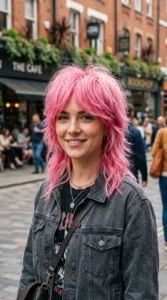
For anyone wanting the wolf cut’s full textured drama paired with equally bold color, full bubblegum pink throughout creates a genuinely striking, impossible-to-miss combination that showcases the cut’s layering particularly dramatically as light catches the vivid color differently across each section.
8. Hot Pink Crown Highlights
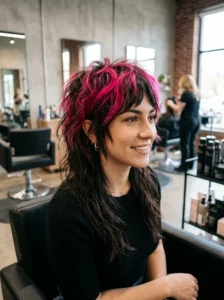
Concentrating vivid, saturated pink specifically in the wolf cut’s characteristic crown layering, the shortest, most textured section, creates a bold focal point that draws attention directly to the cut’s most dramatic structural element.
9. Two-Tone Pink and Platinum
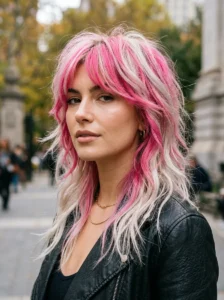
Combining vivid pink with platinum blonde sections throughout the layering creates high-contrast, editorial-level drama, particularly striking given how much the wolf cut’s inherent movement showcases the transition between the two distinct colors.
10. Neon Pink Face-Framing Pieces
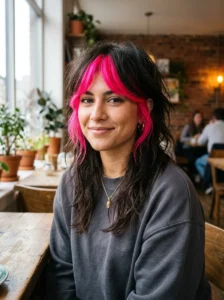
Keeping the majority of the cut a more natural color while adding genuinely neon, saturated pink specifically to the face-framing curtain pieces creates a bold statement concentrated exactly where it will be most visible and most striking in photos.
Choosing the Right Pink for Your Skin Tone
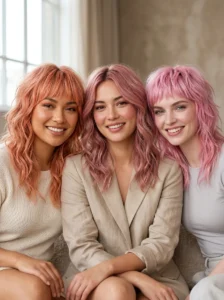
Warm skin undertones tend to pair beautifully with warmer, peachy-leaning pinks, since the warmth in the hair color echoes the warmth already present in the skin rather than creating unwanted contrast.
Cool skin undertones often look particularly striking with cooler, more blue-based pinks, like a true bubblegum or vivid rose, which can occasionally clash or look slightly muddy against very warm undertones specifically.
Neutral undertones generally have the most flexibility and can experiment across the full range from soft, warm rose gold to vivid, cool-toned bubblegum without much concern about an unflattering mismatch.
Getting the Color Right at the Salon
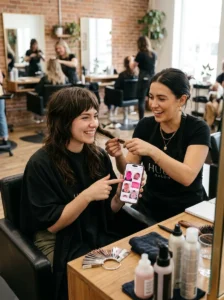
Discuss your current hair color honestly, since achieving vivid pink typically requires some lightening if you’re not already working with a fairly light base, and understanding this upfront helps set realistic expectations about appointment length and potential damage involved.
Bring reference photos if you have them, though as my own spontaneous appointment proved, it’s also genuinely fine to walk in with just a general feeling and let an experienced colorist help narrow down the specifics based on your current hair and what you’re hoping to feel rather than achieve a precise, pre-planned look.
Ask specifically about placement, whether you want pink concentrated in the crown layers, woven throughout, or specifically in the face-framing pieces, since this decision significantly affects both the finished look and how it interacts with the wolf cut’s inherent structure.
Discuss maintenance realistically, since pink, particularly the more vivid shades, fades faster than more neutral colors, and understanding this commitment before committing to the full process helps avoid disappointment a few weeks in.
Maintaining Pink on a Wolf Cut
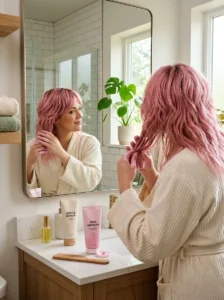
Pink fades faster than most other hair colors, similar to how other vivid and pastel fashion colors behave, since the specific pigments involved tend to break down more quickly with regular washing and sun exposure than more neutral tones.
A color-depositing pink or purple-toned shampoo, used weekly or biweekly depending on how vivid you want to maintain the color, extends vibrancy noticeably and helps prevent fading toward a duller, less intentional-looking shade.
Because the wolf cut involves regular trims to maintain its characteristic layering, roughly every six to eight weeks, these appointments offer a natural, built-in opportunity to refresh fading pink color at the same time, making maintenance for both elements more efficient than managing them as entirely separate schedules.
Cool water washing and minimizing excessive heat styling both help preserve color vibrancy longer between touch-ups, mattering slightly more for pink specifically than for some cooler or more neutral color choices.
Which Hair Types Show Off Pink on a Wolf Cut Best
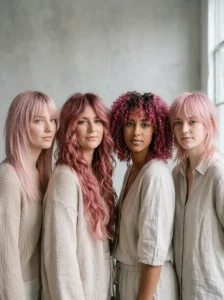
Straight hair displays dimensional pink placement very clearly, since there’s no competing natural texture, though the color still benefits from the wolf cut’s built-in layering to create visible movement and separation that a flat, single-length straight cut wouldn’t achieve on its own.
Wavy hair showcases pink particularly beautifully on this cut, since the natural texture adds extra movement that works with both the layering and the color placement, creating a genuinely dynamic, multidimensional finished look.
Curly hair thrives with this combination, since natural curl provides exactly the kind of voluminous texture the wolf cut depends on, and that same texture makes dimensional pink placement look especially rich as light catches each curl slightly differently throughout the day.
Fine hair benefits from the wolf cut’s layering creating the illusion of more volume, and lighter, softer pink tones in particular tend to look especially pretty against this added dimension rather than a flat, single-tone color that could otherwise emphasize thinness.
Styling Tips to Make the Pink Pop

A gloss treatment, even independent of a full color refresh, adds shine that makes pink specifically look more vibrant and intentional, since dull, less glossy hair can make even a well-applied pink color look flatter than intended.
Loose curls or waves, rather than a completely sleek, straight style, show off dimensional pink placement more effectively, since the movement lets different sections of color catch light at different angles throughout the day.
Styling the wolf cut’s characteristic face-framing pieces forward and visible, rather than tucked back, maximizes visibility of pink placed specifically in that area, since this is often where the most noticeable, most photographed color placement happens.
Common Mistakes to Avoid
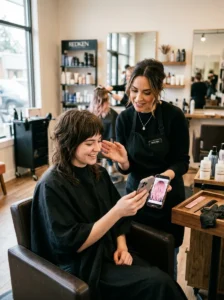
Choosing a pink shade without considering how it interacts with your specific hair’s current color and condition can lead to a result that looks quite different from the reference photo, since the same pink shade name can produce noticeably different results depending on your starting point.
Not discussing placement specifically with your colorist, assuming pink will simply be added “somewhere,” can result in a less intentional, less cohesive finished look than if the color placement had been planned alongside the cut’s existing layering structure from the start.
Underestimating the maintenance commitment, particularly for more vivid pink shades, can lead to frustration within just a few weeks if you’re not prepared for the more frequent touch-up schedule these colors typically require compared to more neutral, natural-reading shades.
Is a pink wolf cut appropriate for a professional work environment? This depends considerably on your specific workplace, though subtler options like rose gold woven through brunette or a small pink money piece tend to read as far less dramatic in professional settings than a full, vivid bubblegum application, offering a way to incorporate the trend without as significant a statement.
Frequently Asked Questions
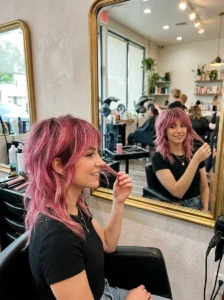
Will pink fade differently across the wolf cut’s different layer lengths? It can, since the shortest, most recently cut layers and the longer ends have often been through different amounts of cumulative washing and styling, meaning you may notice slightly uneven fading between sections over time, which a color-depositing shampoo helps manage and even out.
Can I add pink to my wolf cut without committing to a permanent color change? Yes, semi-permanent or temporary pink options exist specifically for anyone wanting to test the look before committing to anything requiring significant lightening or longer-term color maintenance.
How often do I need touch-ups to keep pink looking vibrant on this cut? Generally every four to six weeks for more vivid shades, often coinciding conveniently with the wolf cut’s own regular trim schedule, allowing both elements to be refreshed together rather than requiring entirely separate appointment timelines.
Will pink work on hair that’s previously been colored a different fashion shade? It depends on what color was used previously, since certain pigments can be harder to fully neutralize before applying a new color, so discussing your complete color history with your colorist helps them plan the most effective approach for achieving clean, accurate pink.
Does pink work on both straight and curly wolf cuts equally well? Yes, though curly hair tends to showcase dimensional pink particularly beautifully, since each curl catches and reflects the color slightly differently, adding even more visible depth and movement than straighter hair typically achieves with the same color placement.
What if I decide I want to remove the pink later and go back to my natural color? This depends on how much lightening was needed to achieve your specific pink shade, with subtler options on minimally lightened hair generally growing out and fading more gracefully than a more dramatically bleached, vivid application, which may need professional color correction to return evenly to a natural shade.
Products Worth Having on Hand
A color-safe, sulfate-free shampoo and conditioner matter significantly more here than with natural color choices, since the lightening process typically needed to achieve vivid pink makes hair more porous and prone to both dryness and faster fading without the right gentle products.
A pink or purple color-depositing conditioner, used in rotation with your regular routine, helps refresh and maintain vibrancy between full salon touch-ups, extending how long the color looks intentional rather than faded and dull.
A lightweight leave-in conditioner or hair oil applied to the ends combats the dryness that often accompanies the lightening process, keeping the wolf cut’s layered ends looking healthy and glossy rather than dry or frizzy.
A UV protectant spray for hair helps slow fading from sun exposure specifically, which affects pink and other vivid fashion colors more noticeably than it does darker, more neutral shades.
Final Thoughts
Looking back at that spontaneous decision during what was supposed to be a routine trim, I’m genuinely glad I didn’t talk myself out of it or insist on researching every possible option before committing to something. The wolf cut’s built-in texture and movement turned out to be an almost ideal canvas for pink specifically, showcasing the color in a way a flatter, more uniform cut simply couldn’t have achieved to the same degree, and if you’ve had a similar instinct toward adding some genuine playfulness to your own hair, there’s a good chance this particular combination will deliver exactly that feeling.