I’ve genuinely never been someone who commits easily to a single haircut trend for very long, which my stylist has pointed out to me more than once over the years, usually with a mix of amusement and mild exasperation whenever I show up with yet another folder of conflicting reference photos. The appointment that led to my current cut was probably the most extreme version of this particular habit, since I’d brought in photos of both a mullet and a wolf cut, genuinely torn between the dramatic length contrast of one and the heavy, textured layering of the other, and had spent most of the consultation trying to talk myself into choosing definitively between them. My stylist finally just asked, somewhat rhetorically at that point, why I assumed these were competing options rather than two techniques that could actually work together on the same head.
That conversation resulted in the cut I’ve been wearing for the better part of a year now, and it remains one of the more universally commented-on haircuts I’ve ever had, precisely because most people clock it as unusual before they can quite articulate why. If you’ve found yourself torn between these same two specific trends, or you’re simply drawn to the idea of a cut with this much built-in drama and personality, here’s everything worth understanding about this particular hybrid before booking your own appointment.
What Actually Defines This Specific Hybrid
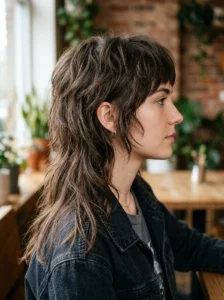
The classic mullet is defined primarily by dramatic length contrast between the front and sides, kept notably shorter, and the back, left significantly longer, creating that recognizable, deliberately asymmetrical silhouette. The wolf cut, meanwhile, is defined by heavy, choppy layering concentrated at the crown, softer curtain-style face-framing pieces, and an overall textured, undone finish throughout.
Combining the two means applying the wolf cut’s characteristic heavy layering and textured finish throughout the mullet’s already dramatic length structure, rather than keeping the mullet’s typically simpler, more uniform sectioning between the shorter front and longer back. My stylist described the technical approach this way while cutting mine: instead of a fairly clean, defined line separating the mullet’s shorter and longer sections, the wolf cut’s layering technique gets woven throughout both sections, creating a considerably softer, more blended, and more texturally complex transition between the dramatically different lengths.
Why This Particular Combination Works Better Than It Might Sound

On paper, combining two such distinctly different techniques might sound like it would result in something visually chaotic or poorly defined, but having lived with this specific hybrid for close to a year now, I think the two concepts actually complement each other more naturally than expected.
The wolf cut’s layering technique, applied throughout the mullet’s structure, softens what can sometimes be a fairly stark, abrupt transition in a more traditional mullet, creating a more gradual, textured blend between the shorter front and longer back rather than one sharp dividing line. This arguably makes the whole look more wearable and less jarring for a lot of people than a classic, more rigidly structured mullet might be, while still retaining all of the dramatic length contrast that makes a mullet immediately recognizable as a mullet.
At the same time, the mullet’s inherent length structure gives the wolf cut’s characteristic layering considerably more length and dimension to actually work with than a standard wolf cut typically has, particularly toward the back, resulting in even more dramatic movement and texture than either technique would achieve entirely on its own.
Which Hair Types and Textures Suit This Combination
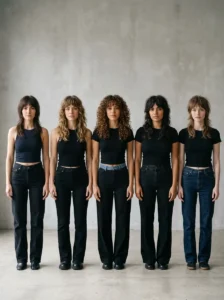
Straight hair displays the technical structure of this cut very clearly, though achieving the wolf cut layering’s characteristic movement typically requires more active daily styling, texturizing spray and loose curling technique, than it would on hair with natural texture already built in.
Wavy hair genuinely thrives with this hybrid, since the natural texture works directly with both the mullet’s length contrast and the wolf cut’s layering, requiring considerably less daily effort to achieve the style’s full intended drama and movement.
Curly hair pairs beautifully with this combination, since natural curl provides exactly the kind of dynamic texture the wolf cut layering depends on, and that same texture also helps soften and blend the mullet’s length contrast even further than straight hair would achieve.
Thick, dense hair can carry the most dramatic version of this hybrid, with plenty of volume and density for both the mullet’s length structure and the wolf cut’s heavy layering to create genuine visual impact without any section looking sparse.
Fine hair can still achieve a great result, though your stylist may recommend a slightly less extreme version of the mullet’s length contrast specifically, since a very dramatic difference between short and long sections can occasionally emphasize thinness on finer hair more than it would on thicker textures.
Getting the Balance Right at the Salon

Bring reference photos of both a mullet and a wolf cut specifically, and discuss openly that you’re interested in combining elements of both rather than choosing one, since a stylist working from just one reference or the other may not automatically understand you want a genuine blend between the two techniques.
Discuss how dramatic you want the length contrast between the front and back specifically, since this single detail determines a great deal about how recognizably “mullet” versus how much more subtly blended the finished cut actually reads.
Ask specifically about how the wolf cut’s layering will be incorporated throughout, particularly whether you want a more gradual, blended transition between the shorter and longer sections or whether you want to retain more of the mullet’s traditionally sharper, more defined dividing line.
Mention your natural hair texture honestly, and ask realistically how much daily styling effort will be required to maintain the specific balance you’re picturing between these two combined techniques.
Styling This Hybrid Day to Day

For maximum textured drama, a texturizing spray or mousse applied to damp hair before diffusing or air drying encourages genuine separation throughout the wolf cut’s layering, while a curling wand used loosely through the longer back sections specifically adds movement to the mullet’s characteristic length.
A small round brush and blow dryer, focused on lifting the shorter front and crown sections while allowing the longer back to fall more naturally, helps emphasize the dramatic length contrast that’s central to the mullet element of this hybrid.
Dry shampoo or a light texturizing powder applied at the roots helps maintain volume specifically at the crown, an area that carries significant visual weight in both the wolf cut and mullet individually, and matters just as much in this combined version.
For naturally wavy or curly hair specifically, a curl-defining cream applied to damp hair and left to air dry is often genuinely sufficient to achieve much of the intended texture and movement without significant additional active styling required.
Maintaining This More Complex Hybrid
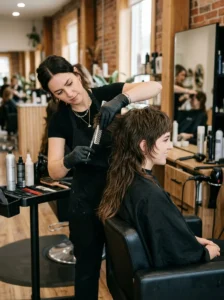
Regular trims, generally every six to eight weeks, matter significantly with this cut, since maintaining the specific balance between the mullet’s length contrast and the wolf cut’s layering requires more precision than either technique alone, and letting growth soften that balance too much can shift the overall look considerably from what was originally intended.
Finding a stylist genuinely comfortable and experienced blending both of these specific techniques matters more here than with a lot of other cuts, since this combination requires understanding two distinct cutting philosophies well enough to merge them intentionally rather than simply applying one technique loosely on top of the other.
Investing in quality texturizing and styling products for daily maintenance genuinely matters given how much this hybrid depends on active styling to fully showcase both its length contrast and its textured layering, particularly for straighter hair types without much natural texture to rely on.
Color Choices That Complement This Hybrid

Dimensional color, whether through balayage or subtle highlights woven throughout, tends to particularly enhance this cut’s already complex layering and length contrast, since the varying tones catch light differently across both the shorter, heavily layered front sections and the longer back, adding even more visible depth than the cutting technique alone provides.
High-contrast color placement, such as noticeably lighter pieces concentrated specifically in the shorter front and crown sections against a darker overall base, can further emphasize the mullet’s characteristic length contrast, drawing additional attention to exactly the areas where the dramatic difference between short and long is most pronounced.
A solid, rich single-process color also works well for anyone who wants the cut’s technical structure and drama to remain the primary visual focus without additional dimensional color competing for attention.
How Face Shape Factors Into This Hybrid
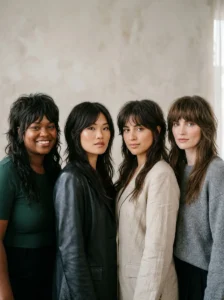
Round faces tend to benefit from keeping the shortest front layering slightly longer and less dramatic near the cheeks specifically, elongating the overall shape rather than adding volume at the widest part of a round face.
Square or angular faces often look particularly striking with this cut, since the sheer amount of texture and movement involved helps soften strong jaw and cheekbone structure considerably more than a cleaner, more precise cut would.
Heart-shaped faces, wider at the forehead and narrower at the chin, tend to benefit from keeping a bit more volume and length concentrated near the jaw specifically within the front sections, helping balance a wider top against a narrower chin.
Long or oval faces generally have the most flexibility with this dramatic style, since there’s less specific correction needed, allowing more freedom to lean fully into the most extreme version of this combined length contrast and layering technique.
Common Mistakes to Avoid
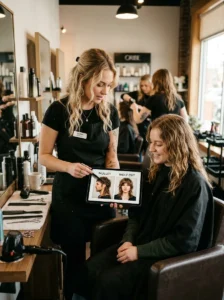
Not clearly communicating that you want a genuine blend of both techniques, rather than one style with minor elements of the other, can lead to a finished cut that leans much more heavily toward either a standard mullet or a standard wolf cut than you actually intended.
Choosing a stylist without specific experience combining these particular techniques can result in a less intentional, less cohesive finished look, given how much technical understanding is required to blend two genuinely distinct cutting philosophies well.
Underestimating the daily styling commitment, particularly for straighter hair types, can lead to disappointment if the finished cut doesn’t achieve the same dramatic combination of length contrast and textured movement shown in reference photos without significant active styling effort.
Products Worth Having on Hand
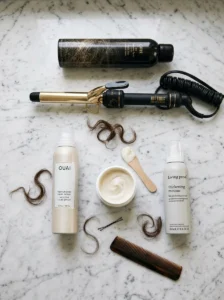
A strong-hold texturizing spray, rather than a lighter formula, works particularly well for this cut given how much separation and definition the wolf cut layering element requires across both the shorter and longer sections.
A small-barrel curling wand allows for more precise, section-by-section styling of the shorter front layers and the longer back separately, which matters more here than with a single, uniform-length cut, since the two sections often benefit from slightly different styling approaches.
A firm-hold hairspray, applied after styling rather than relying entirely on product used beforehand, helps this cut’s significant volume and dramatic length contrast actually hold up throughout a full day rather than gradually softening into something less defined.
A deep conditioning treatment, used weekly given how much active heat styling this hybrid typically requires to look its best, helps offset cumulative dryness from the more frequent curling and diffusing needed to maintain both the texture and the length contrast.
Frequently Asked Questions
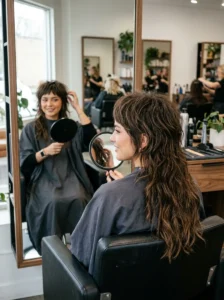
Is this hybrid more dramatic than either a standard mullet or a standard wolf cut on their own? Generally yes, since it combines the length contrast that makes a mullet recognizable with the heavy, dramatic layering that defines a wolf cut, resulting in a cut with considerably more built-in visual complexity and drama than either technique typically achieves independently.
Does this cut require more length overall than a standard wolf cut? Somewhat, particularly toward the back, since the mullet element of this hybrid depends on genuine length contrast between the front and back sections, which requires the back specifically to maintain more length than a standard wolf cut typically retains throughout.
Will this cut work for a professional or more conservative work environment? This is a genuinely bold, statement-making cut, so it depends considerably on your specific workplace’s culture and dress code, though many people successfully wear more moderate versions of this hybrid, with a less dramatic length contrast, in a wider range of professional settings than the most extreme interpretation would suit.
How often will I need trims to maintain this hybrid’s specific balance? Generally every six to eight weeks, similar to other heavily layered or dramatically structured cuts, since both the mullet’s length contrast and the wolf cut’s layering soften and blend together more than intended if left too long between appointments.
Can I start with a more subtle version and go more dramatic later if I like how it feels? Yes, and this is genuinely a reasonable approach for anyone unsure how comfortable they’ll feel with this much combined drama, starting with a more moderate length contrast and layering intensity, then discussing a more extreme version at a future appointment once you’ve lived with the initial cut for a while.
Final Thoughts

Looking back at that consultation where I’d shown up fully expecting to have to choose between two competing photos, I’m genuinely glad my stylist pushed back on the assumption that combining them wasn’t an option worth considering. This particular hybrid has become one of the more distinctive, conversation-starting haircut decisions I’ve made, and if you’ve found yourself torn between multiple trends the same way I habitually do, it’s worth asking your own stylist the same question mine asked me, whether the different elements you’re drawn to actually have to compete with each other at all.