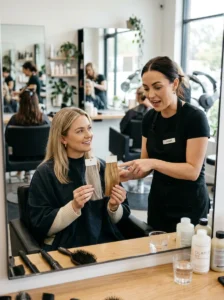
I noticed the exact same haircut and color combination show up four separate times in one evening scrolling through my phone before I actually stopped to screenshot it and figure out what was going on. Four completely different women, different ages, different hair textures even, all wearing some version of the same dramatically layered, warm blonde cut, all within about twenty minutes of scrolling. I’ve had plenty of haircuts catch my attention gradually over time, but I don’t think I’d ever had one hit me quite that fast and that repeatedly in such a short window. By the next morning I’d already texted my colorist the screenshots, and three weeks later I was sitting in her chair getting both the cut and the color done together in the same appointment, which she mentioned had become an increasingly common request specifically because of how often the two elements were being requested as a single package rather than separately.
That was about five months ago now, and I genuinely have not stopped getting comments on it since, both in person and, admittedly, in the comments whenever I post anything showing it off. If you’ve had that same repeated-scroll moment yourself, here’s what’s actually behind this specific combination’s sudden, widespread popularity, and everything worth knowing before booking your own appointment.
Why the Cut and Color Combination Specifically Works So Well Together
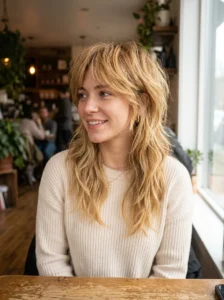
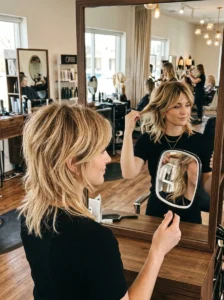
The wolf cut on its own, with its dramatic layering concentrated at the crown and softer, face-framing pieces throughout, has been popular for a while now across a wide range of colors. What’s specifically driving this particular blonde version’s surge is how well warm, dimensional blonde color actually showcases the cut’s built-in texture compared to a flatter, single-tone color choice.
My colorist explained this clearly during our first consultation together: the wolf cut’s whole visual appeal depends on visible movement and layer separation, and a warm, multi-tonal blonde, whether through balayage, foilyage, or a similar dimensional technique, catches and reflects light differently across each of those individual layers in a way that a flat, single-process color simply doesn’t achieve to the same degree. The color isn’t just complementing the cut, it’s actively amplifying the specific visual effect the cut is designed to create.
What Specifically Defines This Blonde Shade
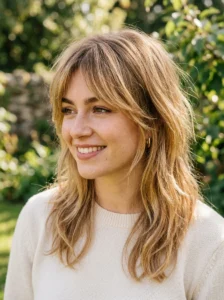
Rather than a single, precise shade, the popular version of this look tends to fall within a fairly specific warm range, closer to honey or golden blonde than a cooler, ashier tone, often with subtle darker root shadowing left intentionally visible rather than fully blended out. This combination of warmth and dimensional root shadowing creates a sun-kissed, effortlessly grown-out quality that pairs particularly well with the wolf cut’s already deliberately undone aesthetic.
Cooler, more ashy or platinum blonde tones can technically be paired with this same cut, but based on what I’ve seen and what my colorist confirmed, the specific version generating so much attention right now consistently leans warm, which makes sense given how well that warmth photographs against the cut’s dramatic texture and movement.
Getting the Color Right
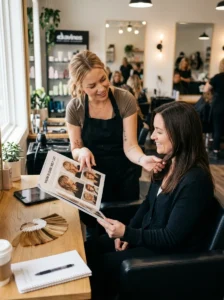
Discuss your current hair color honestly with your colorist before your appointment, since achieving this warm blonde look requires a genuinely different process depending on whether you’re starting from dark brunette, already blonde, or somewhere in between, and the appointment length and potential damage involved varies significantly based on that starting point.
Ask specifically about root shadowing or a root melt technique, since this subtle darker transition at the roots is a core part of what makes this particular blonde read as effortless and dimensional rather than a flat, uniformly bleached result.
Bring specific reference photos, and point out exactly what draws you to each one, whether it’s the overall warmth level, how much root shadowing is visible, or the specific placement of lighter pieces throughout.
Discuss maintenance realistically, since achieving and maintaining a warm, dimensional blonde generally requires more involved upkeep than a simple, single-process color, and understanding this commitment upfront helps set realistic expectations before committing to the full process.
Getting the Cut Right Alongside the Color
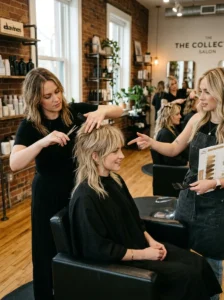
If you’re doing both the cut and color in one appointment, as I did, discuss with your stylist and colorist which should happen first, since some professionals prefer cutting first to see how the layers will actually fall before placing color, while others prefer coloring first so the layering technique can be adjusted based on where the lighter and darker pieces end up.
Be specific about how dramatic you want the wolf cut’s layering to be, since this affects not just the cut itself but how the dimensional color will actually show up once everything is finished, with more dramatic layering generally creating more visible color movement and contrast.
Ask about face-framing pieces specifically, since this element remains central to the wolf cut’s overall aesthetic, and where these pieces fall relative to your face shape affects both how flattering the cut looks and how the lighter, more highlighted sections will frame your features.
Which Hair Types Show Off This Combination Best
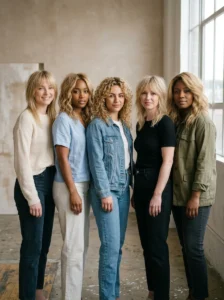
Straight hair displays the dimensional color clearly, since there’s no competing natural texture, though achieving the cut’s characteristic movement typically requires more active daily styling, some texturizing product and loose curling, on straight hair specifically.
Wavy hair genuinely showcases this combination beautifully, since the natural texture already provides movement that works directly with both the cut’s layering and the color’s dimensional quality, requiring considerably less daily styling effort to look finished.
Curly hair pairs wonderfully with this look, since natural curl provides exactly the kind of dynamic texture the wolf cut depends on, and the resulting movement shows off dimensional blonde coloring particularly well as light catches each curl slightly differently.
Fine hair benefits significantly from both elements of this combination, since the wolf cut’s layering creates the illusion of more volume and density, while the dimensional blonde coloring adds visual depth that a flat, single-tone color often can’t achieve on finer hair.
Thick, dense hair can carry the most dramatic version of both the cut and color, with plenty of volume for the heavy layering to create real visual impact and enough hair overall to showcase the full range of the dimensional coloring technique.
Skin Tone Considerations for This Specific Blonde
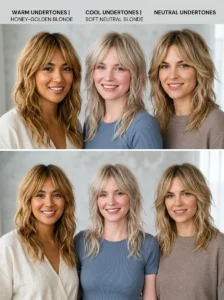
Warm skin undertones pair especially well with this particular warm, honey-toned blonde, since the color echoes and enhances the warmth already present in the skin rather than creating any unwanted contrast.
Cool skin undertones can still wear this look, though your colorist may recommend pulling the overall tone slightly less golden and more neutral to avoid any clash between a very warm hair color and cooler undertones in the skin.
Neutral undertones generally have the most flexibility and can lean into the full warmth of this specific blonde trend without much concern about clashing.
Maintaining This Look

Because this specific look relies on a warm, dimensional blonde rather than a flat, single-process color, maintenance generally involves more than a simple root touch-up. A gloss or toning treatment every six to eight weeks helps maintain the intended warmth and prevent the color from drifting toward brassy or dull as it naturally fades between fuller color appointments.
A purple or blue-based shampoo, used according to your colorist’s specific recommendation, helps manage any unwanted brassiness, though it’s worth discussing exactly how often to use it, since overuse can sometimes pull a warm blonde too cool and undermine the intended honey-toned warmth this look specifically depends on.
For the cut itself, regular trims every six to eight weeks keep the wolf cut’s dramatic layering looking intentional, since the visible contrast between the shortest and longest layers softens noticeably as hair grows out, which also affects how the dimensional color shows up across those different lengths.
Deep conditioning treatments matter significantly more with this combination than with some other cut and color choices, since achieving the lighter, warmer pieces typically involves some lightening process, and keeping that hair genuinely healthy is essential for the glossy, dimensional finish that makes this whole look so photogenic in the first place.
Why This Specific Combination Spread So Quickly on Social Media

Beyond the genuine visual synergy between the cut and color, there’s a practical reason this particular combination has spread as fast and as widely as it has, one that’s worth understanding if you’re curious about why certain trends catch on this dramatically compared to others that quietly exist without ever reaching quite the same critical mass.
Both elements individually photograph and film exceptionally well, which matters enormously on platforms built around short-form video specifically. The wolf cut’s dramatic movement shows up clearly whether hair is tossed, walked in, or simply catching a breeze, while the dimensional blonde coloring adds visible depth and richness under a wide range of lighting conditions, including the sometimes unflattering lighting of a quickly filmed video rather than a carefully lit professional photo.
There’s also something to be said for how easily replicable, at least in concept, this combination is to describe to a stylist, even without deep technical hair vocabulary. “Wolf cut with warm blonde and some root shadow” communicates a fairly specific, recognizable result, which lowers the barrier for people to actually book the appointment rather than struggling to articulate a vaguer, harder-to-communicate request.
Products Worth Having on Hand for This Look
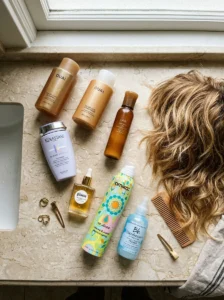
A color-safe, sulfate-free shampoo and conditioner genuinely matter more here than with a lot of other color choices, since the lightening process typically involved in achieving this warm blonde makes hair more porous and prone to both dryness and faster color fading without the right gentle products.
A lightweight leave-in conditioner or hair oil applied to the ends helps combat dryness from the lightening process while adding the kind of glossy shine that makes this dimensional color look its healthiest and most photogenic.
A texturizing spray or light mousse, applied to damp hair before styling, helps encourage the separation and movement between the wolf cut’s dramatic layers, particularly useful for straighter hair types that don’t naturally provide as much built-in texture.
A UV protectant spray for hair, similar to sunscreen but formulated for hair specifically, helps slow down fading from sun exposure, which matters more for warm, lightened blonde tones than it would for darker, more neutral color choices.
Common Mistakes to Avoid
Choosing a color that’s too cool or ashy for this specific trend can undermine the intended warm, sun-kissed effect that’s such a core part of what’s making this particular version so popular right now, so being clear with your colorist about wanting warmth specifically, rather than a generic blonde, matters considerably.
Not discussing the cut and color together, treating them as two entirely separate appointments and decisions, can result in a finished look where the two elements don’t actually complement each other as effectively as they could, since the layering placement and the color placement genuinely work best when planned together.
Underestimating the maintenance commitment, assuming this look requires the same upkeep as a simpler, single-process color, often leads to disappointment as the dimensional warmth and layering both soften faster than expected without the more involved touch-up schedule this combination typically calls for.
Frequently Asked Questions
Do I need to get the cut and color done at the same appointment, or can they be separate? They can be separate, though many colorists and stylists recommend coordinating between both professionals, even if the actual appointments happen on different days, so the layering placement and color placement are planned together rather than as two disconnected decisions.
Will this look work if I have significantly darker natural hair? Yes, though achieving the warm blonde specifically will likely require more extensive lightening and potentially multiple sessions to reach the target shade safely without excessive damage, so discussing a realistic timeline with your colorist upfront helps set proper expectations.
How often do I need to touch up the color to maintain this specific look? Generally every six to eight weeks for a gloss or toning refresh, with full color and root touch-up appointments typically needed less frequently, perhaps every three to four months, depending on how quickly your natural regrowth becomes visually noticeable.
Does this combination require a lot of daily styling to look like the photos I’ve seen? This depends significantly on your natural hair texture, with wavy or curly hair requiring considerably less daily effort than straight hair, which typically needs some texturizing product and loose curling to achieve the same movement and separation between layers.
Is this a good option if I already have highlights or a different type of blonde? Often yes, since existing lightened sections can sometimes be incorporated into the new dimensional pattern rather than requiring you to start over completely, though your colorist will need to assess your existing color and hair health to determine the best approach.
Will this combination work well for a video call or content creation specifically, given how much it’s associated with social media? Yes, and this is genuinely part of why it’s resonated so strongly, since the dimensional color and dramatic layering both photograph and film well under a range of lighting conditions, including the often imperfect lighting typical of casual video content rather than a professionally lit photo shoot.
Final Thoughts
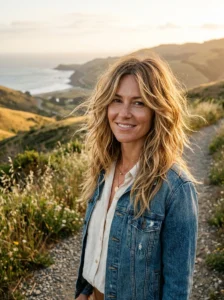
Five months into wearing this combination myself, I still think about that strange evening of scrolling and seeing the exact same look repeated across my feed in such quick succession, and I understand now why it caught on so widely and so quickly. The cut and the color aren’t just happening to be popular at the same time, they’re genuinely amplifying each other in a way that neither element would achieve quite as effectively on its own, and if you’ve had your own version of that repeated-scroll moment recently, there’s a good chance you’ve been looking at exactly this combination without fully clocking why it kept catching your eye.