My brother spent close to three years growing his hair out after a lifetime of the same short, practical cut our dad had been giving him informal opinions about since high school, and I watched the whole process up close during regular family dinners, including the genuinely awkward middle stretch where it wasn’t quite long enough to do anything interesting but was definitely past the point of looking like a simple short cut anymore. What struck me most, once he finally reached his target length and got it properly cut rather than just trimmed for maintenance, was how many actual style decisions existed within “long hair” as a category, far more than either of us had assumed going in when he first started the whole process. He’d been picturing one single endpoint, and instead discovered there was a genuine range of directions to take it once he actually got there.
Watching him navigate that final styling decision is honestly what prompted this whole list, since I suspect plenty of guys in the same growing-out process assume there’s basically one way long hair looks once you commit to it, when the reality is considerably more varied. Here’s a genuinely comprehensive range of options, organized by general category, plus what’s worth knowing about maintaining each one.
Classic, Versatile Long Cuts

1. Simple Long Layers — Soft, evenly distributed layering throughout removes some weight and adds movement without any dramatic styling requirement, working well for most hair types and face shapes as a reliable, low-drama starting point.
2. Long Hair With a Center Part — Parting straight down the middle rather than to one side creates a clean, symmetrical look that’s become increasingly popular, particularly suited to hair with enough natural weight to fall evenly on both sides.
3. Slicked-Back Long Hair — Pushed straight back with a light pomade or gel, this polished option works well for more formal occasions or anyone wanting a controlled, put-together look rather than loose, flowing length.
4. Long Hair With a Deep Side Part — Asymmetrical parting adds visual interest and can help balance certain face shapes, offering more styling variety than a straight center part while still remaining relatively low-maintenance.
Textured and Layered Options

5. Shaggy Long Layers — Borrowing choppier, more textured layering technique creates a deliberately undone, rock-inspired quality that photographs particularly well and suits hair with some natural wave or texture.
6. Long Hair With Curtain Fringe — Soft, face-framing pieces parted and swept to the sides add dimension around the face without requiring a full haircut change, working especially well for anyone wanting a bit more styling detail.
7. Textured Crop With Length — Combining shorter, textured sides with considerably more length on top creates contrast and allows for versatile styling depending on how much volume or sleekness you want on a given day.
8. Long Wolf Cut — Heavy layering concentrated at the crown with softer face-framing pieces throughout delivers dramatic texture and movement, particularly suited to anyone with natural wave wanting a trendier, more dynamic long hair option.
Low-Maintenance Everyday Options

9. Simple One-Length Long Hair — No layering at all, just healthy, well-maintained length, requires essentially no daily styling decisions beyond basic washing and occasional detangling.
10. Long Hair Pulled Back Into a Bun — A practical, consistently low-maintenance option for anyone whose hair has reached a length where daily styling simply isn’t a priority, requiring little more than a hair tie and thirty seconds each morning.
11. Half-Up Long Hair — Pulling just the top section back while leaving the rest down offers a practical middle ground, keeping hair out of the face during work or activity without requiring a full ponytail or bun.
12. Natural Air-Dried Waves — For anyone with natural texture, simply letting hair air dry without any styling intervention delivers a genuinely effortless look that requires zero active daily effort beyond basic hair care.
Bold and Statement-Making Options

13. Long Hair With an Undercut — Pairing significant length on top with closely shaved or cropped sides creates dramatic contrast, offering a bolder, more unconventional option than more uniform long styles.
14. Dreadlocks or Locs — A significant, longer-term commitment requiring specific maintenance knowledge, this option delivers a distinctive, deeply personal style quite different from loose, flowing long hair alternatives.
15. Long Hair With Shaved Design — Incorporating a shaved pattern or line specifically into the sides or back, visible when hair is pulled back or styled certain ways, adds a bold, customized detail to an otherwise standard long cut.
16. Man Bun With Shaved Sides — Combining a practical top-knot styling approach with dramatically shorter sides creates a striking silhouette that’s become a recognizable, distinctive style in its own right.
17. Long Hair With Box Braids — A protective, styled option particularly suited to certain hair textures, offering both a distinctive look and practical benefits for hair health and manageability over an extended period.
Wavy and Curly Long Hair Options

18. Natural Curly Long Hair — Embracing natural curl pattern at a longer length, with minimal product beyond a curl-defining cream, delivers genuine volume and texture without requiring any heat styling or active daily effort.
19. Long Hair With a Curly Perm — For those without naturally curly hair wanting to add permanent texture and volume, a perm creates lasting curl or wave pattern that holds considerably longer than daily styling would otherwise achieve.
20. Beach Wave Long Hair — Styled with a texturizing spray and either air-dried or lightly diffused, this relaxed, textured option works particularly well for warmer climates or more casual, everyday settings.
Formal and Polished Long Hair Options

21. Long Hair in a Low Bun — A sleek, controlled bun positioned at the nape offers a genuinely formal option suitable for professional settings or significant events requiring a more polished overall appearance.
22. Long Hair Half-Up With a Braid — Incorporating a small braid into a half-up style adds a deliberate, considered detail that elevates an otherwise simple styling approach for slightly more formal occasions.
23. Sleek Low Ponytail — Smoothed back and secured low, this clean, controlled style works well for formal settings while still keeping length visible and flowing rather than fully contained in a bun.
Specialty and Niche Long Hair Options
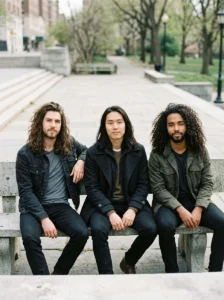
24. Long Hair With a Fade Underneath — A gradual fade specifically on the underneath section, hidden beneath the top layer of longer hair, offers a surprise element and reduced bulk without visibly shortening the overall length when hair is worn down naturally.
25. Viking or Warrior-Inspired Long Hair — Incorporating small braids, beads, or other decorative elements throughout significant length creates a distinctive, historically-inspired aesthetic that’s developed a genuine following independent of its original cultural and historical context.
Which Hair Types Suit Different Long Hair Categories
Straight hair works particularly well with the sleeker, more polished options, like slicked-back styles or a clean low ponytail, since the lack of competing texture lets these precise, controlled looks read clearly.
Wavy hair pairs beautifully with the textured, shaggy options specifically, since natural movement amplifies the kind of effortless, dynamic quality these styles are generally going for.
Curly hair thrives with options specifically designed to work with curl pattern, like natural curly long hair or a long wolf cut cut with curls in mind, rather than styles assuming straight hair as the default starting point.
Getting the Right Long Cut at the Barbershop or Salon

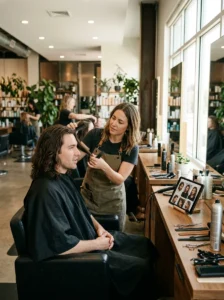
Bring specific reference photos, and discuss your current hair length and texture honestly, since achieving certain styles may require more growing-out time than others depending on where you’re currently starting from.
Ask about daily maintenance expectations for whichever style you’re drawn to, since some long hair options require considerably more active styling effort than others to look consistently finished.
Discuss your lifestyle and daily routine, including work requirements or activity levels, since practical considerations like how often you’re active or how much time you genuinely have each morning matter significantly for long hair specifically.
Maintaining Long Hair

Regular trims, generally every eight to twelve weeks even while maintaining significant length, keep ends healthy and prevent the kind of split, damaged look that undermines even a well-chosen style.
Deep conditioning treatments matter more at longer lengths, since hair has simply existed and been exposed to more cumulative styling and environmental factors by the time it reaches the ends.
A silk or satin pillowcase reduces overnight friction considerably, helping preserve both style and hair health between washes, particularly relevant for longer hair with more length to be affected by nightly friction.
How Face Shape Factors Into Long Hairstyle Choices

Round faces tend to benefit from styles with some height or volume at the crown, like certain textured or layered options, elongating the overall face shape rather than adding width through hair worn flat and wide at the sides.
Square or angular faces often look particularly good with styles that soften strong jaw and cheekbone structure, like wavy or curly options, where natural movement breaks up sharp, defined angles more effectively than sleek, straight styles would.
Heart-shaped faces, wider at the forehead and narrower at the chin, tend to benefit from styles with a bit more volume or fullness lower down, near the jaw, to help balance the proportions between a wider top and narrower bottom.
Long or oval faces generally have the most flexibility across this entire range, since there’s less specific correction needed, allowing freedom to choose based on personal preference rather than face-shape requirements specifically.
Products Worth Having on Hand

A lightweight texturizing spray or sea salt spray helps enhance natural texture and movement for the more effortless, beachy, or shaggy options on this list, particularly useful for straighter hair types without much built-in texture.
A quality matte clay or light pomade offers control for the more polished, slicked-back, or bun-based styles without the shine that a heavier gel or wax might introduce, which doesn’t always suit every long hairstyle equally well.
A wide-tooth comb, rather than a standard brush, detangles longer hair more gently, reducing breakage compared to forcing a regular brush through hair with significant length to manage.
A good heat protectant spray matters for anyone regularly using a blow dryer, straightener, or curling tool on longer hair, since cumulative heat damage shows up more visibly over greater length than it would on shorter styles where damaged ends get trimmed away more frequently.
Common Mistakes to Avoid

Growing hair out without any plan for what comes next can lead to an awkward, shapeless result once you reach your target length, so discussing your eventual styling goals with a stylist even during the growing-out phase helps guide trims toward that end point.
Choosing a style based purely on a photo without considering your own hair texture and daily routine can lead to a result that looks nothing like the reference once you’re responsible for recreating it yourself each morning.
Skipping regular trims because you’re actively growing out length can actually slow progress toward healthy-looking long hair, since split ends travel up the hair shaft over time and often require more significant cutting later if left unaddressed.
Frequently Asked Questions

How long does hair typically need to be before these styles become achievable? This varies considerably by specific style, but most of the options on this list require at least shoulder-length hair, with some, like certain braided or bun styles, needing hair past the shoulders to fully achieve their intended look.
Do I need a beard or specific facial hair to pull off long hairstyles? No, facial hair is entirely optional and comes down to personal preference, though many people find certain beard styles help balance the increased length and volume of longer hairstyles for a more cohesive overall look.
How often should I get trims while growing my hair out long? Generally every ten to twelve weeks, slightly less frequent than typical maintenance trims, focused specifically on removing split ends without sacrificing significant length during the growing-out process.
Will long hair work in a professional office environment? Many professional environments have become more accepting of longer men’s hairstyles in recent years, particularly when well-maintained and styled in a polished, intentional way rather than appearing unkempt.
What’s the easiest long hairstyle to maintain for someone new to having longer hair? Simple long layers or natural air-dried texture tend to be the most forgiving starting points, requiring minimal active styling while you get accustomed to the different maintenance routine longer hair generally requires.
Is it better to grow hair out all one length first before deciding on a specific style, or should I plan the end goal from the start? Discussing your eventual styling goal with a stylist from the beginning, even while still growing out length, generally produces a better final result than growing everything out uniformly first, since trims during the growing-out process can be strategically shaped toward your intended final style rather than requiring a more dramatic cut once you reach your target length.
Final Thoughts

Watching my brother navigate that final decision after years of growing his hair out taught me that reaching a target length is really just the starting point for an entirely separate set of style decisions, not the single destination either of us had originally pictured. Whatever specific direction within this range appeals to you, the real work of figuring out which long hairstyle genuinely suits your texture, face shape, and daily routine happens after you’ve already put in the time growing it out, so it’s worth approaching that decision with as much consideration as the growing-out process itself required.