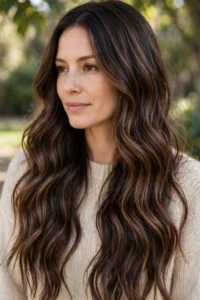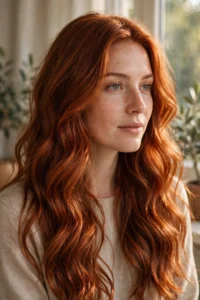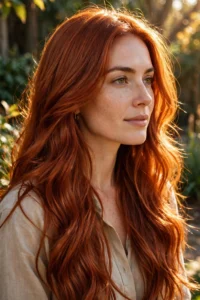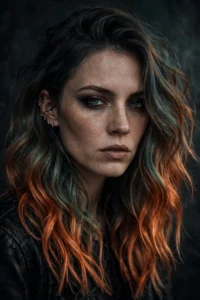
I’d been growing my hair out for over two years with a specific vision in mind, long, full, and dramatically layered, when I finally sat down for the appointment meant to bring that vision to life and found myself genuinely torn between two reference photos my stylist had pulled up based on my description. One showed a classic butterfly cut, with its signature dramatic contrast between the shortest crown layers and longer length below. The other showed a wolf cut, with its own distinct crown volume and curtain-style face-framing pieces. Both captured elements of what I wanted, but neither felt like the complete picture on its own. My stylist, noticing my hesitation between the two, suggested something I hadn’t considered, blending specific techniques from both rather than choosing one over the other entirely.
The result, after a genuinely longer than usual consultation working out exactly how the two approaches would combine, became one of the most complimented haircuts I’ve had in years, and it’s remained my go-to interpretation of long, voluminous layering ever since. If you’ve found yourself torn between these same two trends the way I was, here’s what actually distinguishes this specific hybrid, plus a real range of ideas for bringing it to life on long hair specifically.
What Actually Distinguishes This Hybrid From Either Cut Alone
The butterfly cut’s defining feature is its dramatic, wing-like contrast between very short crown layers and considerably longer length below, creating that distinctive silhouette the trend is named for when hair is pulled out to the sides. The wolf cut, meanwhile, incorporates its own crown volume and layering, but typically with somewhat less extreme contrast and more emphasis on soft, curtain-style pieces specifically framing the face throughout.
My stylist explained the technical blending this way while working on mine: taking the butterfly cut’s more dramatic, wing-shaped layering contrast as the foundation, then incorporating the wolf cut’s specific approach to face-framing curtain pieces throughout the front sections, creates a result with more overall drama and volume than a standard wolf cut typically delivers, while still maintaining the kind of face-framing softness that a classic butterfly cut sometimes lacks on its own without that specific additional technique applied.
Why This Combination Particularly Suits Long Hair
Both techniques individually benefit from having considerable length to work with, since the dramatic layer contrast central to both trends needs enough overall hair to actually develop and display its full intended effect. Combining them specifically amplifies this need for length even further, given how much more layering complexity is involved in blending two distinct cutting philosophies into one cohesive result. This makes long hair, generally past the shoulders, something close to a practical requirement for this particular hybrid to fully deliver on its visual potential, rather than simply a stylistic preference.
1. Classic Butterfly Wolf Blend
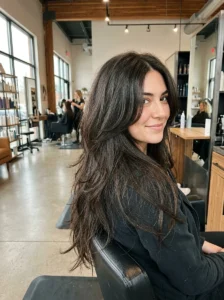
The most balanced interpretation, incorporating a moderate version of the butterfly cut’s dramatic layer contrast alongside the wolf cut’s characteristic curtain bangs, creates a cohesive result that reads clearly as influenced by both trends without either element overwhelming the other.
2. Maximum Volume Butterfly Wolf Cut
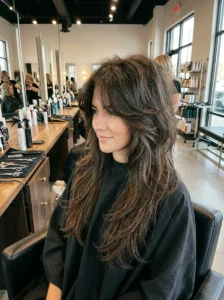
Pushing the layering contrast to its most dramatic extreme, with very short crown pieces against considerably longer remaining length, delivers the boldest possible version of this hybrid, particularly suited to anyone with thick, dense hair that can support this much dramatic volume without appearing sparse anywhere throughout the style.
3. Soft, Blended Butterfly Wolf Cut
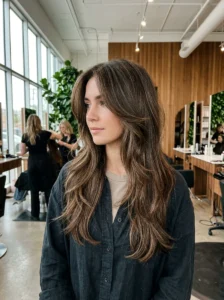
Rather than sharp, dramatic contrast, this gentler interpretation rounds out the transitions between the shortest and longest sections, creating a softer, more wearable everyday version while still incorporating elements of both trends throughout the overall structure.
4. Butterfly Wolf Cut With Full Curtain Bangs
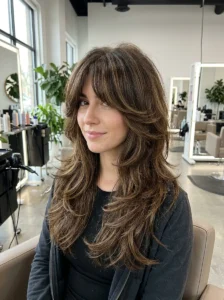
Pairing the dramatic crown layering with particularly prominent, full curtain bangs specifically emphasizes the wolf cut’s face-framing contribution to this hybrid, creating noticeable drama both at the crown and directly around the face simultaneously.
5. Wavy Butterfly Wolf Cut
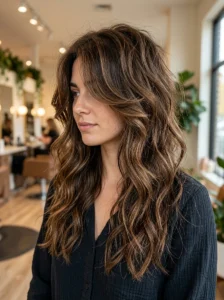
Specifically cut to work with natural wave or styled with loose waves throughout, this version lets existing texture amplify the already dramatic movement both techniques are individually designed to create, resulting in particularly striking, dynamic overall movement.
6. Butterfly Wolf Cut With Dimensional Color
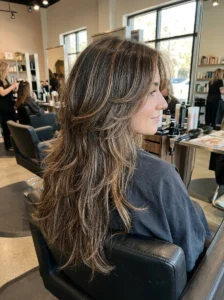
Adding balayage or highlighting specifically mapped to follow this hybrid’s complex layering pattern creates even more visible depth, since the varying tones catch light differently across both the butterfly cut’s dramatic contrast and the wolf cut’s additional face-framing structure.
7. Straight, Sleek Butterfly Wolf Cut
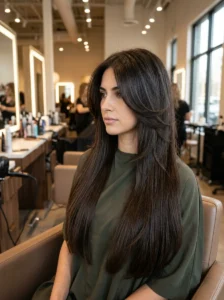
For anyone preferring a smoother daily finish, styling this hybrid pin-straight still showcases the underlying layering structure clearly, offering a more polished alternative to the typically more textured styling associated with both individual trends.
8. Butterfly Wolf Cut With a Deep Side Part
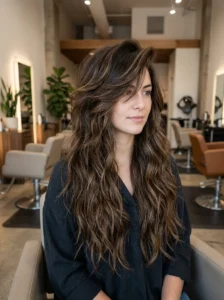
Simply shifting from a center to a deep side part adds asymmetry to this already complex layering pattern, creating additional visual interest without requiring any further cutting beyond the hybrid’s existing structure.
Which Hair Types Work Best With This Hybrid
Thick, dense hair genuinely thrives with this combination, since there’s ample volume and density for both techniques’ dramatic layering to create real visual impact throughout the considerable length this hybrid specifically requires to fully develop.
Wavy hair pairs beautifully here, with natural texture amplifying the already significant movement both individual trends are designed around, often requiring considerably less daily styling effort to achieve the full intended dramatic effect.
Curly hair can incorporate this hybrid successfully, though the cutting needs to carefully account for curl shrinkage given how much length and precise layering contrast this combination depends on to achieve its full visual impact once fully dry.
Fine hair can still work with this style, though your stylist may recommend a somewhat less extreme version of the layering contrast specifically, since very dramatic contrast on finer hair can occasionally emphasize thinness in the shortest sections.
Getting the Blend Right at the Salon
Bring reference photos of both individual trends, and discuss openly that you’re interested in combining specific elements from each rather than choosing one over the other, since a stylist working from just one reference may not automatically understand the blended result you’re envisioning.
Discuss how dramatic you want the overall layer contrast to be, since this hybrid genuinely spans a considerable range between subtle, blended transitions and maximum, bold drama throughout the crown and length.
Confirm your hair has sufficient length to properly support this particular combination, since both techniques individually benefit from considerable length, and combining them typically requires even more to fully develop their intended combined effect.
Styling This Hybrid Day to Day
For maximum textured drama, a texturizing spray applied to damp hair before diffusing or air drying encourages genuine separation throughout this hybrid’s complex layering pattern.
A curling wand, used loosely through the crown’s shortest layers and the longer face-framing sections separately, adds definition to both distinct elements without smoothing away the overall structure’s intended contrast.
Maintaining This More Complex Hybrid
Regular trims, generally every six to eight weeks, matter significantly given how much technical precision this combination requires to maintain its specific balance between the two blended techniques.
Finding a stylist genuinely comfortable executing both underlying cutting philosophies makes a real difference in how well this hybrid actually holds its intended shape and balance between appointments.
How Face Shape Factors Into This Hybrid
Round faces tend to benefit from keeping the crown’s shortest layers positioned to add height rather than width, elongating the overall face shape, while face-framing curtain pieces can fall slightly longer near the jaw specifically.
Square or angular faces often look particularly striking with this combination, since the sheer volume and movement involved helps soften strong jaw and cheekbone structure considerably more than either technique alone might achieve.
Heart-shaped faces, wider at the forehead and narrower at the chin, tend to benefit from face-framing pieces with a bit more volume concentrated near the jaw, helping balance a wider top against a narrower chin.
Long or oval faces generally have the most flexibility with this dramatic style, since there’s less specific correction needed, allowing freedom to lean fully into the most extreme version of this combined layering technique.
Color Choices That Enhance This Hybrid’s Complexity
Dimensional color, whether through balayage or subtle highlights, particularly enhances this cut’s already complex layering, since the varying tones catch light differently across both the butterfly cut’s dramatic contrast and the wolf cut’s additional face-framing structure, adding even more visible depth than either technique alone would achieve.
A solid, rich single-process color also works beautifully for anyone wanting the cut’s technical structure and volume to remain the primary visual focus without additional color competing for attention within an already visually complex style.
Products Worth Having on Hand
A strong-hold texturizing spray helps create and maintain separation throughout this hybrid’s numerous distinct layering sections, given how much more complex the overall structure is compared to either trend individually.
A small-barrel curling wand allows for more precise, section-by-section styling of the crown layers and face-framing pieces separately, which matters considerably given how many distinct elements this combination incorporates.
A deep conditioning treatment, used weekly given how much active styling this cut typically requires, helps offset cumulative dryness from more frequent heat styling needed to maintain both the volume and the definition throughout.
Common Mistakes to Avoid
Not clearly communicating that you want a genuine blend of both techniques, rather than one trend with minor elements of the other, can lead to a result leaning much more heavily toward one style than intended.
Attempting this combination without sufficient starting length can result in a less dramatic, less defined version than the hybrid is capable of achieving with adequate length to properly support both techniques simultaneously.
Frequently Asked Questions
How much length do I actually need for this hybrid to work well? Generally at least past the shoulders, with more dramatic length allowing the combined layering techniques to develop their full intended contrast and movement more clearly than shorter starting lengths would permit.
Is this cut more high-maintenance than either trend individually? Somewhat, given the added technical complexity of blending two distinct layering philosophies, though the specific maintenance level depends considerably on how dramatic a version you choose and your natural hair texture.
Will this cut work on hair that’s previously been damaged from coloring or heat styling? It can, though discussing your hair’s current health with your stylist beforehand matters, since this hybrid typically requires more active daily styling to showcase its full intended effect, which could compound existing damage without proper care.
Can I start with a more subtle version and go bolder later? Yes, starting with a gentler blend and discussing a more dramatic version at a future appointment once you’ve lived with the initial result is a reasonable approach for anyone unsure how much contrast they ultimately want.
Does this hybrid work well with bangs beyond the curtain style already incorporated? Full or blunt bangs can technically be added, though this introduces a third distinct element on top of an already complex combination, so discussing proportions carefully with your stylist helps avoid an overly busy, disjointed overall result.
How is this different from just asking for “an extra dramatic wolf cut”? Simply asking for more drama within a standard wolf cut typically increases the layering intensity using that single technique’s own approach, while this specific hybrid deliberately incorporates the butterfly cut’s distinct wing-shaped contrast technique alongside it, creating a different, more technically layered combined structure rather than just a more intense version of one single trend.
Final Thoughts
Looking back at that original appointment where I sat torn between two reference photos, I’m genuinely glad my stylist suggested blending specific elements rather than forcing a choice between two trends I both genuinely liked. This particular hybrid delivers a level of drama and volume neither technique quite achieves entirely on its own, and if you’ve found yourself facing that same difficult choice, it’s worth asking your own stylist whether combining them might be the better answer.