I went through a solid two years of chasing increasingly dramatic hair colors before finally admitting to myself, somewhat reluctantly, that I actually missed my natural brown and had been avoiding it specifically because it felt boring compared to the vivid reds and eventually platinum blonde I’d cycled through. When I finally booked an appointment to go back, I fully expected to feel a little deflated sitting in the chair watching all that previous color drama get covered up by what I’d mentally filed as the plain, default option. My colorist, sensing my hesitation, specifically walked me through just how much range actually exists within brown as a color family, pulling up swatch after swatch that looked nothing alike despite all technically qualifying as the same broad category I’d been dismissing as unexciting.
That appointment fundamentally changed how I think about brown, and pairing it with my wolf cut afterward showed me exactly how much dimension and personality a thoughtfully chosen brown shade can deliver, no vivid fashion color required. If you’ve been assuming brown is the boring, default choice the way I once did, here’s a genuinely wide range of brown wolf cut ideas proving otherwise, plus everything worth understanding about why this particular combination has developed such a dedicated, enthusiastic following.
Why Brown Specifically Complements the Wolf Cut’s Texture
Brown, perhaps more than almost any other color family, offers an enormous range of warmth, depth, and dimension while still reading as a cohesive, natural-feeling overall color rather than a collection of disconnected tones. The wolf cut’s dramatic layering, with its constant movement and varying depths throughout the head, genuinely benefits from this kind of dimensional range, since even subtle variation within brown’s spectrum, achieved through highlights, balayage, or simply a well-chosen single shade with natural depth, creates visible richness as different layers catch and reflect light slightly differently throughout normal movement.
My colorist explained this specific appeal during our conversation: brown doesn’t need to be flashy or dramatic to look genuinely striking on a cut like this, since the technique itself is already doing considerable visual work, and a well-chosen brown simply gives that movement and texture a rich, sophisticated backdrop to showcase itself against rather than competing for attention the way a more vivid fashion color sometimes can.
1. Deep Chocolate Brown
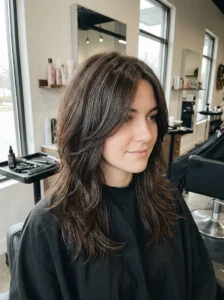
A rich, cool-leaning chocolate shade creates a sophisticated, glossy backdrop for the wolf cut’s layering, with the color’s depth particularly emphasizing how light catches and moves across each individual section throughout the day.
2. Espresso Brown
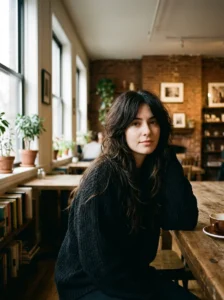
Nearly black but retaining visible brown undertones in direct light, espresso offers dramatic depth while still reading distinctly as brown rather than a true black, creating subtle richness that becomes more apparent the closer you look.
3. Mocha Brown
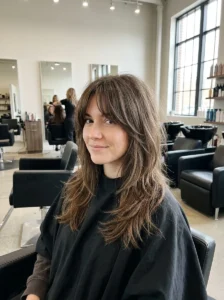
Blending warm and cool undertones together, mocha brown offers a balanced, universally flattering shade that works particularly well for anyone unsure which direction, warm or cool, actually suits their specific skin tone best.
Warm Brown Options
4. Chestnut Brown
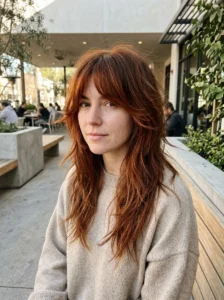
A warm, reddish-brown shade that captures genuine richness without tipping fully into red territory, chestnut pairs beautifully with the wolf cut’s face-framing curtain pieces, adding warmth exactly where the cut draws the most attention.
5. Caramel Brown
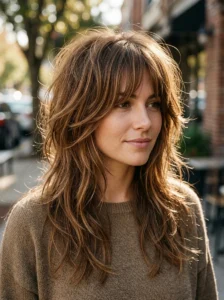
Lighter and warmer than a true chestnut, caramel brown offers a softer, more golden quality that particularly complements the wolf cut’s crown volume, catching light with a warm glow throughout the cut’s most dramatically layered section.
6. Honey Brown
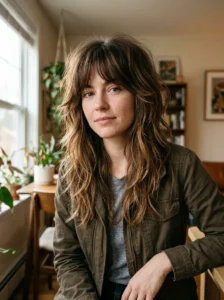
Blending golden honey tones throughout an otherwise medium brown base creates genuine warmth and dimension without requiring full highlighting, offering a relatively low-maintenance way to add richness to an all-over brown color.
7. Toffee Brown
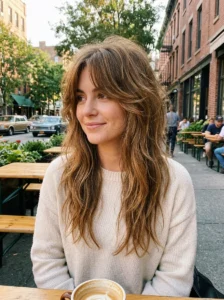
A warm, slightly lighter shade with golden undertones throughout, toffee brown offers a softer overall look than deeper options, particularly flattering for anyone wanting brown’s richness without as much overall depth or intensity.
Cool Brown Options
8. Ash Brown

A cool-toned brown avoiding any red or gold undertones creates a sophisticated, slightly smoky quality, particularly striking against cooler skin undertones and offering a modern alternative to warmer, more traditional brown shades.
9. Cool Taupe Brown
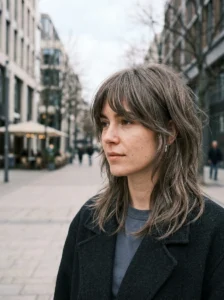
Blending subtle gray undertones into brown creates a genuinely distinctive, fashion-forward shade that reads as considerably more current and editorial than more traditional warm brown options, particularly popular among anyone wanting a brown that feels intentionally styled rather than simply natural.
10. Smoky Brunette
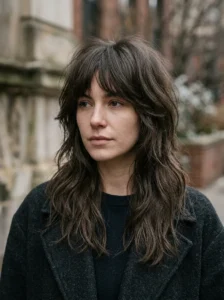
A deep, slightly muted brown with minimal warmth throughout offers a moody, sophisticated quality that particularly suits cooler color seasons and pairs well with equally cool-toned makeup and wardrobe choices.
Dimensional Brown Options
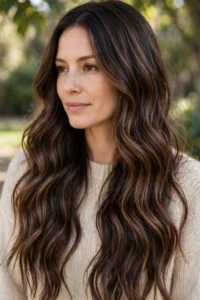
11. Brown Balayage With Caramel Pieces
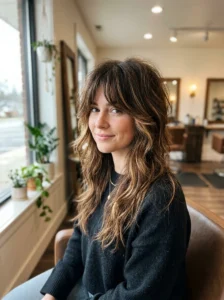
Soft, hand-painted caramel woven throughout an otherwise deep brown base adds genuine dimension and movement, particularly showcasing the wolf cut’s layering as the lighter pieces catch light differently across each section.
12. Root Melt Into Lighter Brown
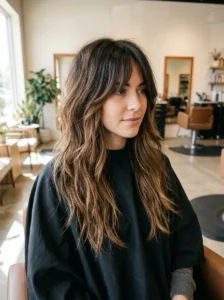
Blending a deeper, natural-looking root into progressively lighter brown throughout the rest of the length offers a low-maintenance, gradual color transition that grows out particularly gracefully between salon appointments.
13. Brown With Subtle Face-Framing Highlights

Concentrating just a few lighter pieces specifically within the wolf cut’s signature curtain-style sections adds brightness exactly where the cut already draws attention, without requiring more extensive highlighting throughout the rest of the head.
14. Brown With Red Undertone Dimension
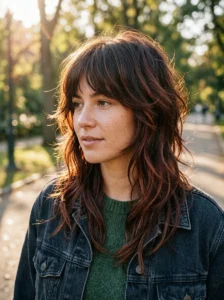
Weaving subtle red or auburn-toned pieces throughout an otherwise standard brown base adds warmth and richness that becomes more visible in direct sunlight, creating a brown that shifts and reveals additional depth depending on lighting conditions.
15. Multi-Tonal Brown Blend
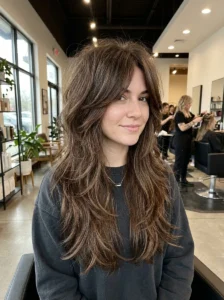
Combining several closely related brown shades throughout the cut, rather than relying on just one or two tones, creates the most genuinely dimensional, richly textured result within this entire category, particularly rewarding anyone willing to invest in a more involved, multi-step coloring process.
Choosing the Right Brown for Your Skin Tone
Warm skin undertones generally pair most naturally with warmer brown shades like chestnut, caramel, or honey brown, since these tones echo and enhance the warmth already present in the skin. Cool skin undertones often look particularly striking with ash or cool taupe brown specifically, which can create unwanted contrast against very warm undertones if the balance isn’t considered carefully. Neutral undertones tend to have the most flexibility across this entire brown spectrum, able to wear both warm and cool options comfortably without much risk of an unflattering mismatch between hair and complexion.
Which Hair Types Showcase Brown Particularly Well
Straight hair displays brown’s depth and any dimensional highlighting clearly, since there’s no competing texture, though the wolf cut’s layering specifically helps create visual interest a single-length straight cut wouldn’t achieve with the same color applied.
Wavy hair showcases dimensional brown beautifully, since natural movement adds extra opportunities for different tones to catch light throughout the day, working directly with both the cut and the color simultaneously.
Curly hair pairs wonderfully with rich brown shades specifically, since each curl catches and reflects subtle color variation slightly differently, creating a naturally multidimensional effect that particularly suits the deeper, richer options on this list.
Getting the Right Brown at the Salon
Bring specific reference photos, and discuss openly whether you’re drawn to warmer or cooler undertones, since this single factor significantly narrows down which specific shades within brown’s broad range will actually suit your preferences and skin tone.
Ask your colorist to show you swatches against your own hair and skin rather than relying entirely on reference photos of other people, since the same shade name can look noticeably different depending on your starting hair color and complexion.
Discuss whether you want a solid, single-process color or something more dimensional with highlights or balayage woven throughout, since this decision significantly affects both the appointment length and the overall richness of the finished result.
Maintaining Brown Hair on a Wolf Cut
Brown generally holds its color longer than more vivid fashion shades, though regular gloss treatments every six to eight weeks help maintain richness and shine, particularly important for keeping deeper brown shades looking glossy rather than dull between full color appointments.
A color-safe shampoo and regular deep conditioning both matter, especially for any dimensional brown involving some degree of highlighting or balayage, since even brown-based lightening sections benefit from the same gentle care that more dramatic color changes require.
Pairing Brown Tones With the Seasons
Warmer brown shades like chestnut, caramel, and honey brown tend to feel particularly suited to fall and winter specifically, echoing the warmer, cozier color palettes many people naturally gravitate toward as the weather cools. Cooler brown options like ash or cool taupe brown, by contrast, often feel more aligned with spring and summer, offering a lighter, fresher quality that complements brighter seasonal wardrobes and more time spent outdoors. This isn’t a strict rule by any means, but it’s worth considering if you’re choosing a shade partly based on how it’ll feel alongside the rest of your seasonal styling choices throughout the year.
Products Worth Having on Hand
A color-safe, sulfate-free shampoo and conditioner help preserve brown’s richness and shine, preventing the gradual dulling that can occur with harsher, non-color-safe formulas over repeated washes.
A glossing treatment, used at home between salon visits, helps maintain shine and vibrancy, particularly useful for deeper brown shades that can appear dull without consistent gloss maintenance between full color appointments.
A lightweight hair oil applied to the ends adds shine and combats dryness, especially important for any dimensional brown involving highlighting or balayage, since lightened sections benefit from extra moisture support.
A heat protectant spray remains essential regardless of which specific brown shade you choose, protecting both the color’s vibrancy and the hair’s overall health during regular styling.
Common Mistakes to Avoid
Assuming brown requires no real color decision-making, simply picking a shade without considering undertone or how it interacts with your specific skin tone, can lead to a result that feels flat or unflattering despite brown’s general reputation as a safe, versatile choice.
Choosing a brown shade based purely on a reference photo without discussing your own hair’s current color and condition can produce a noticeably different result than expected, since the same shade name translates differently depending on your starting point.
Frequently Asked Questions
Is brown really as versatile as people say, or does it only work on certain skin tones? Brown genuinely spans an enormous range, from very cool, ashy tones to very warm, golden ones, meaning there’s realistically a shade within this category that suits almost any skin undertone, provided the specific shade is chosen thoughtfully rather than assuming all browns look the same.
Does brown photograph as well as bolder, more vivid colors on this cut? Yes, particularly dimensional brown with some highlighting or balayage woven throughout, since the wolf cut’s movement combined with subtle tonal variation creates genuine visual interest in photos without needing a dramatic, attention-grabbing color choice.
How often do I need touch-ups with an all-over brown color? Generally every six to eight weeks for root touch-ups, similar to the wolf cut’s own regular trim schedule, making it convenient to coordinate both maintenance needs together in the same general timeframe.
Can I transition from a more dramatic color back to brown without significant damage? This depends on your hair’s specific color history, but a skilled colorist can typically guide you through a safe transition, sometimes requiring a gradual approach over a couple of sessions rather than a single dramatic color correction appointment.
Will brown work well if I have a lot of natural gray I want to blend rather than cover completely? Yes, and certain brown shades, particularly those with some dimensional balayage or highlighting, can blend naturally with emerging gray rather than requiring it to be fully covered, offering a softer, more gradual transition for anyone easing into embracing natural gray.
Is it true that brown hair requires less maintenance overall than bolder colors? Generally yes, particularly for a single-process brown without extensive highlighting, since regrowth tends to blend more naturally and fading is typically less dramatic than it is with vivid fashion colors, though dimensional brown involving highlights or balayage still benefits from the regular toning and gloss treatments that any lightened hair requires.
Final Thoughts
Looking back at those two years spent chasing increasingly dramatic colors before finally returning to brown, I genuinely wish I’d understood sooner just how much genuine range and personality exists within this color family rather than dismissing it as the plain, default option. Paired with the wolf cut’s dramatic texture, a thoughtfully chosen brown shade delivers real richness and dimension, and if you’ve been avoiding brown the same way I once did, it might be worth giving this specific combination an honest chance before assuming you need something bolder to stand out.