I’d always assumed balayage was specifically a summer thing, something people did right before a beach vacation and let grow out by winter, until my colorist pointed out during a routine color appointment that I’d been getting some version of the same sun-kissed highlighting touch-up for three years running regardless of season, just under different names depending on how dramatic I wanted it each time. I hadn’t actually clocked that pattern myself until she said it out loud, and it made me realize I’d been drawn specifically to balayage’s particular quality, soft, gradual, low-maintenance dimension, far more consistently than I’d given myself credit for. When I got my wolf cut about a year later, pairing it with balayage felt like the obvious next step rather than a new decision entirely, and the combination has genuinely become the lowest-effort, most consistently complimented hair decision I’ve made.
If you’re drawn to the wolf cut’s texture but want color that won’t demand constant salon visits to maintain, or you already love balayage and are wondering how it translates to this specific cut, here’s a real range of ideas plus everything worth understanding about why these two techniques work so naturally well together.
Why Balayage Specifically Suits the Wolf Cut’s Low-Maintenance Philosophy
The wolf cut’s whole appeal, beyond its dramatic texture, often centers on relatively low daily styling effort once properly cut, letting natural movement and built-in layering do most of the visual work rather than requiring extensive daily intervention. Balayage shares that same underlying philosophy specifically in how it’s maintained. Unlike traditional foiled highlights, which create a more defined regrowth line requiring fairly regular touch-ups to avoid looking obviously grown-out, balayage’s hand-painted, gradual technique is specifically designed to grow out gracefully, often extending the time between color appointments considerably compared to more precise highlighting methods.
My colorist explained this specific compatibility during our conversation: balayage essentially mimics how hair naturally lightens through genuine sun exposure, gradually and without a hard line, which means as your hair grows, the regrowth blends into the existing color rather than creating an obvious, stark boundary the way some other highlighting techniques do. Paired with a cut that’s already designed around relatively low daily maintenance, the result is a combination where both the cut and the color are specifically working to minimize the ongoing effort required to keep the whole look consistently finished-looking.
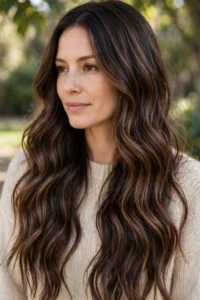
1. Classic Sun-Kissed Balayage on Brunette
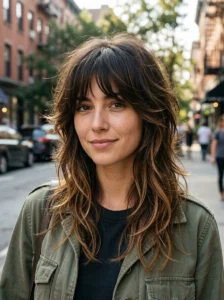
Soft, warm highlighting concentrated through the mid-lengths and ends of an otherwise brunette wolf cut creates that classic, effortless, “spent time outdoors” quality that balayage is specifically known for. This version particularly complements the wolf cut’s face-framing curtain pieces, since the lightest sections naturally fall exactly where they’d occur through genuine sun exposure, around the face and at the very ends of each layer.
2. Caramel Balayage Through Medium Brown

Warmer, richer caramel tones blended through a medium brown base offer slightly more visible dimension than the subtlest sun-kissed version while still maintaining balayage’s characteristic soft, gradual transition rather than any stark color lines or obvious highlighting pattern.
3. Cool-Toned Balayage on Ash Brown
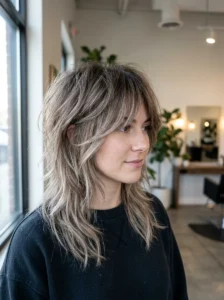
For anyone with cooler undertones specifically, ash-toned balayage avoids introducing unwanted warmth, maintaining tonal consistency throughout while still delivering the dimensional lift and movement that makes this technique so popular alongside the wolf cut’s already dynamic layering.
4. Bronde Balayage
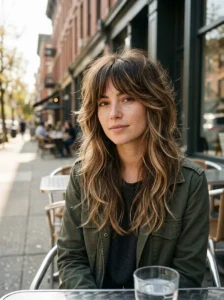
Blending blonde and brunette tones together throughout the layering creates a genuinely multidimensional result that shifts between the two colors depending on lighting and angle, particularly showcasing the wolf cut’s movement as different sections catch and reveal varying degrees of each tone throughout the day.
5. Red Balayage on Dark Hair
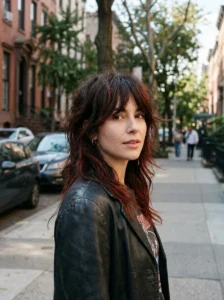
Weaving warm, red-toned balayage through dark brown or black hair adds genuine depth and warmth without the maintenance commitment of a full red color change, since the technique’s gradual nature means regrowth stays far less noticeable than an all-over vivid application would require managing.
6. Platinum Balayage on Light Brown

For anyone wanting more dramatic lightness without a full head of blonde, platinum balayage concentrated through the lengths and ends of lighter brown hair creates striking, high-contrast dimension while keeping the overall maintenance more manageable than committing to an entirely blonde base.
7. Money Piece Balayage
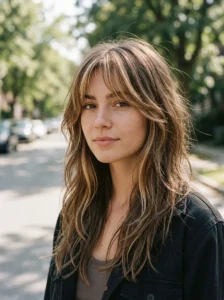
Concentrating the most noticeable lightening specifically in the face-framing sections, rather than throughout the whole head, offers a lower-commitment way to incorporate balayage’s brightening effect exactly where it’s most visible, working directly with the wolf cut’s existing emphasis on that particular area.
8. Root Melt Balayage
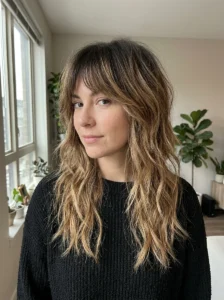
Blending a soft, natural-looking root shadow into lighter balayage throughout the rest of the length creates one of the most genuinely low-maintenance color options available, since the darker root section can extend considerably longer between touch-ups than almost any other highlighting approach.
9. Golden Balayage on Natural Blonde
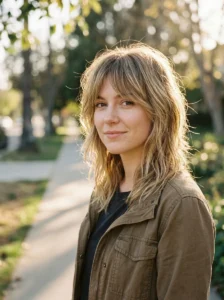
For already-blonde hair, adding warmer, golden balayage pieces throughout prevents the flat, one-dimensional look that natural or previously colored blonde can sometimes develop over time, adding back genuine richness and movement that particularly complements the wolf cut’s layering.
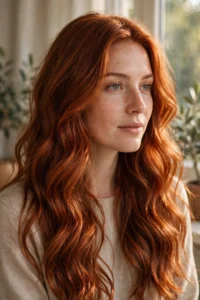
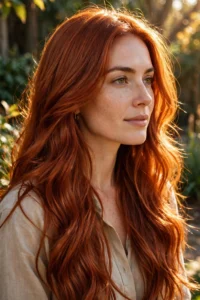
10. Copper Balayage on Auburn
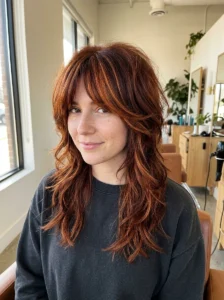
Weaving brighter copper tones through an existing auburn base intensifies natural warmth without requiring a complete color overhaul, creating a cohesive, multidimensional red-toned result that enhances rather than competes with the hair’s existing color family.
Which Hair Types Show Off Balayage Particularly Well on This Cut
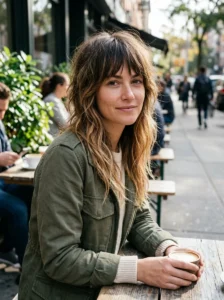
Straight hair displays balayage’s gradual transitions clearly, since there’s no competing texture, though the wolf cut’s layering specifically helps create additional visual interest that a single-length straight cut wouldn’t achieve with the identical color technique applied.
Wavy hair genuinely showcases this combination beautifully, since the natural movement adds extra dimension to how the gradual color transition catches light throughout the day, working directly with both the cutting technique and the color placement simultaneously.
Curly hair pairs wonderfully with balayage specifically, since each curl catches and reflects the gradually lightening tones slightly differently, creating a particularly rich, naturally multidimensional effect that some other more precise highlighting techniques don’t replicate quite as organically.
Getting the Right Balayage Placement for Your Wolf Cut
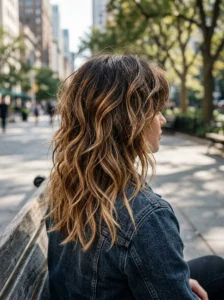
Discuss your cut’s specific layering pattern with your colorist before the appointment, since balayage placement benefits significantly from being mapped to work with, rather than independently of, where your particular layers actually fall throughout the cut.
Decide how dramatic you want the lightening to be, since balayage genuinely spans a considerable range from barely-there, subtle dimension to much more noticeable, high-contrast lightening, and communicating this preference clearly helps avoid a result that’s more or less dramatic than you actually wanted.
Ask about your hair’s current condition and color history, since achieving certain balayage looks, particularly going considerably lighter, may require a more involved process depending on where your hair currently stands.
Maintaining Balayage on a Wolf Cut
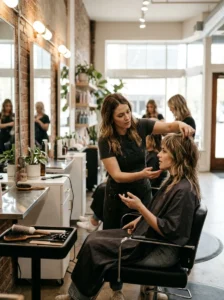
One of balayage’s most genuine advantages is how infrequently it typically needs full reapplication compared to other highlighting techniques, often extending to three or four months between full appointments rather than the six to eight weeks some other methods require.
A toning treatment between full appointments, roughly every eight to ten weeks, helps maintain the intended tone and prevent any unwanted brassiness, particularly for cooler or ash-toned balayage specifically.
A color-safe, sulfate-free shampoo and regular deep conditioning both matter considerably, since the lightened sections, however gradually they were achieved, still involve some degree of processing that benefits from consistent gentle care and moisture.
Choosing the Right Balayage Tone for Your Skin Tone

Warm skin undertones generally pair most naturally with warmer balayage tones like caramel, golden, or copper, since the color echoes and enhances the warmth already present in the skin rather than creating unwanted contrast between hair and complexion.
Cool skin undertones often look particularly striking with ash or platinum-leaning balayage specifically, which can occasionally clash or appear slightly muddy against very warm undertones, making tone selection genuinely worth discussing carefully with your colorist before committing to a specific direction.
Neutral undertones generally have the most flexibility across this entire range, able to wear both warm and cool balayage tones comfortably without much risk of an unflattering mismatch between the hair color and natural skin tone.
Products Worth Having on Hand
A color-safe, sulfate-free shampoo and conditioner help preserve balayage’s gradual, dimensional quality longer between salon visits, since these gentler formulas prevent the lightened sections from fading or shifting tone as quickly as harsher, sulfate-based products would.
A toning shampoo in whichever shade matches your specific balayage, whether purple for cooler tones or a warmer formula for golden or caramel balayage, helps maintain the intended color between professional toning appointments.
A lightweight hair oil or leave-in conditioner applied to the ends combats dryness in the lightened sections specifically, keeping the wolf cut’s layered ends looking glossy and healthy rather than dry or prone to breakage.
A UV protectant spray for hair helps slow fading from sun exposure, which affects lightened balayage sections more noticeably than it does hair that hasn’t been processed, helping the color stay vibrant longer between appointments.
Common Mistakes to Avoid
Choosing a colorist without specific balayage experience can result in a less seamless, more obviously highlighted look than the technique is specifically meant to achieve, since the hand-painted, freehand nature of this method genuinely requires considerable skill to execute smoothly.
Not discussing your cut’s layering pattern beforehand can lead to color placement that doesn’t actually enhance the cut’s existing structure, missing out on the genuine synergy this combination is capable of achieving when planned together thoughtfully.
Assuming balayage requires zero maintenance simply because it’s lower-maintenance than other techniques can lead to a gradually duller, less vibrant result over time without at least occasional toning treatments to refresh the intended tone.
How Balayage Placement Can Complement Different Face Shapes
Round faces tend to benefit from balayage concentrated slightly longer and lower, elongating the overall shape rather than adding brightness at the widest point. Square or angular faces often look softer with balayage placed to draw the eye gently around the jaw rather than emphasizing sharp, defined angles. Heart-shaped faces, wider at the forehead and narrower at the chin, tend to benefit from a bit more lightness concentrated near the jaw to help balance proportions. Long or oval faces generally have the most flexibility, with placement largely coming down to personal preference rather than specific correction.
Frequently Asked Questions
How is balayage different from regular highlights for this specific cut? Balayage uses a hand-painted, freehand technique creating soft, gradual transitions, while traditional highlights typically involve foiling and create more defined, uniform sections, resulting in a less structured, more naturally dimensional look that particularly complements the wolf cut’s already soft, undone aesthetic.
How often do I actually need salon visits with this combination? Balayage touch-ups are often needed only every three to four months, though toning treatments in between, roughly every eight to ten weeks, help maintain vibrancy, and these can often be scheduled alongside the wolf cut’s own regular trim appointments for convenience.
Will balayage work on a shorter wolf cut, or does it need more length? It works well across a range of lengths, though shorter cuts offer less overall length for the gradual transition to fully develop, so your colorist may adjust the placement technique slightly to achieve the same soft, dimensional effect within a more compact space.
Does balayage damage hair as much as traditional highlighting? Generally balayage is considered somewhat gentler, since it typically involves less overall lightening of the hair and a more targeted, selective application compared to full-head foiling, though any lightening process still benefits from proper aftercare regardless of technique.
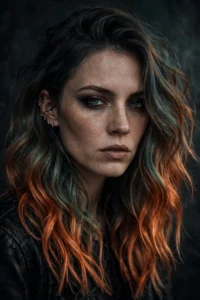
Can I combine balayage with a bolder color like red or vivid fashion shades? Yes, and this is a genuinely popular approach, using balayage’s gradual technique to introduce bolder colors more subtly than a full, all-over application would, offering a lower-commitment way to experiment with more dramatic shades.
Is balayage a good option if I color my own hair at home normally? Balayage’s freehand technique genuinely benefits from professional skill and experience to achieve that signature seamless, gradual blend, so this is one color technique where a professional appointment tends to produce a noticeably better result than most people can replicate accurately at home.
Final Thoughts
Looking back at that conversation where my colorist pointed out a pattern in my own color choices I hadn’t fully recognized myself, I understand now why balayage and the wolf cut have become such a natural, almost inevitable pairing for so many people. Both are built around the same core philosophy of genuine, low-effort dimension rather than demanding constant upkeep to look consistently finished, and if you’re drawn to that same combination of texture and effortless color, there’s a real range here to help you find the specific version that matches what you’re actually looking for.