
Healthy hair starts at the root, literally. If your scalp is dry, oily, itchy, or clogged, your hair will show it through dullness, breakage, and shedding. The good news is that scalp care does not need a shelf full of expensive products. Most of it comes down to washing well, handling your scalp gently, and noticing problems early instead of covering them up. These 12 tips are practical, honest, and easy to fit into a normal routine.
1Wash on a Schedule That Fits Your Scalp
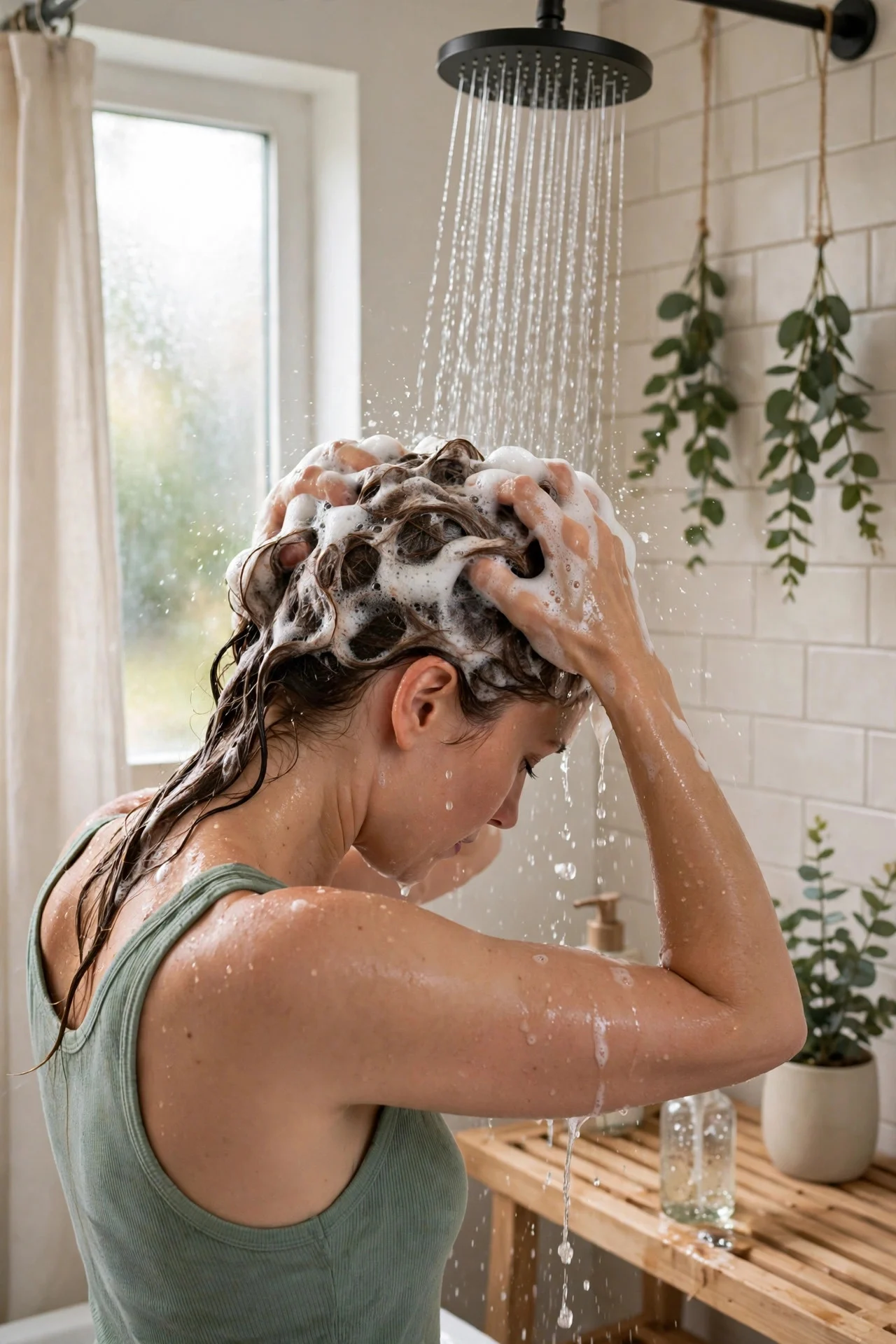
There is no single correct number of washes per week. An oily scalp that feels greasy by evening usually needs washing every other day, while a dry scalp may feel comfortable with two washes a week. The trick is to watch how your scalp feels on day two and three after washing, not just how your hair looks. If it feels tight and squeaky, you washed too often or used too harsh a shampoo. This tip suits almost everyone, but people with curly or coily hair should be careful, since frequent washing can strip natural oils from the lengths. Maintenance is simple: adjust by one wash per week at a time and give the change two weeks before judging it.
2Use Lukewarm Water, Not Hot
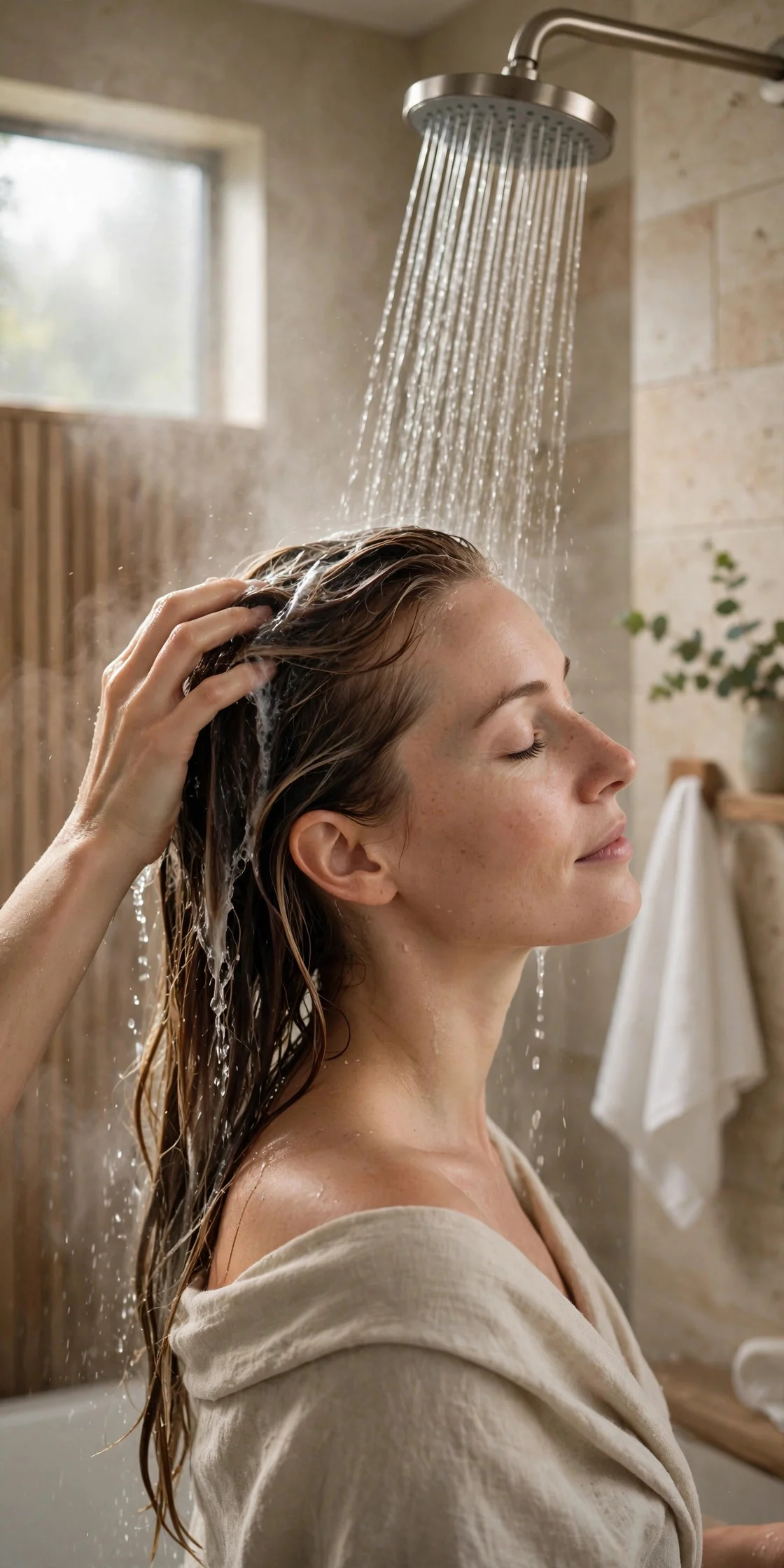
Hot water feels relaxing, but it strips the natural oils that keep your scalp comfortable and your hair soft. Lukewarm water cleans just as well without leaving that tight, dry feeling afterward. It also helps colour last longer if you dye your hair, which is a useful bonus. This tip suits everyone, especially people with dry scalps, eczema, or colour-treated hair. The honest drawback is comfort: a lukewarm shower in winter takes some getting used to. Try turning the heat down just for the hair-washing part if a fully cool shower feels too much. Rinse for a full minute at the end so no shampoo residue stays behind, since leftover product is a common cause of itchiness.
3Massage Shampoo In With Your Fingertips
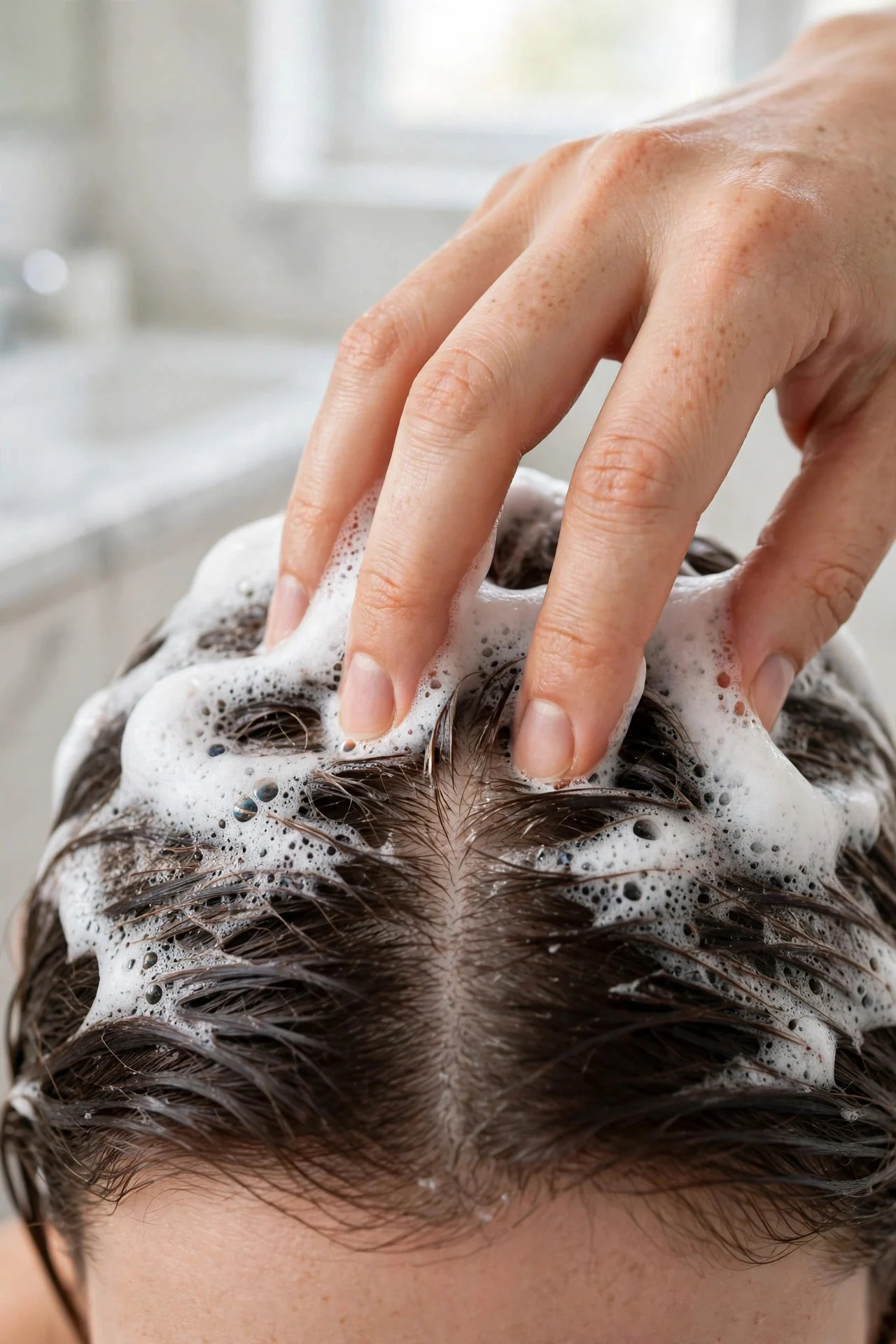
How you wash matters as much as what you wash with. Use the pads of your fingertips, not your nails, and massage in small circles. This lifts dirt and oil, boosts blood flow to the follicles, and helps shampoo reach the scalp instead of sitting on top of the hair. It suits all hair types and is especially helpful for people who use heavy styling products or sweat a lot. Avoid scratching, even if your scalp itches, because nails create tiny cuts that can get irritated or infected. The cost is nothing but a minute of your time. If your arms tire easily, a soft silicone scalp massager is a cheap alternative, but keep the pressure gentle and clean it after every use.
4Exfoliate Once a Week

Just like the skin on your face, your scalp builds up dead skin, oil, and product residue. A weekly scalp scrub or exfoliating shampoo removes that layer so follicles are not blocked and products can actually reach the skin. This suits people with oily scalps, dandruff, or heavy product use best. If your scalp is sensitive or sunburned, skip exfoliation until it calms down, since scrubbing irritated skin makes things worse. Maintenance is easy: once a week is enough, and more is not better. Over-exfoliating leads to redness and flaking, which looks a lot like the dandruff you were trying to fix. Choose a gentle scrub with fine particles, not a harsh gritty one.
5Treat Dandruff at the Source
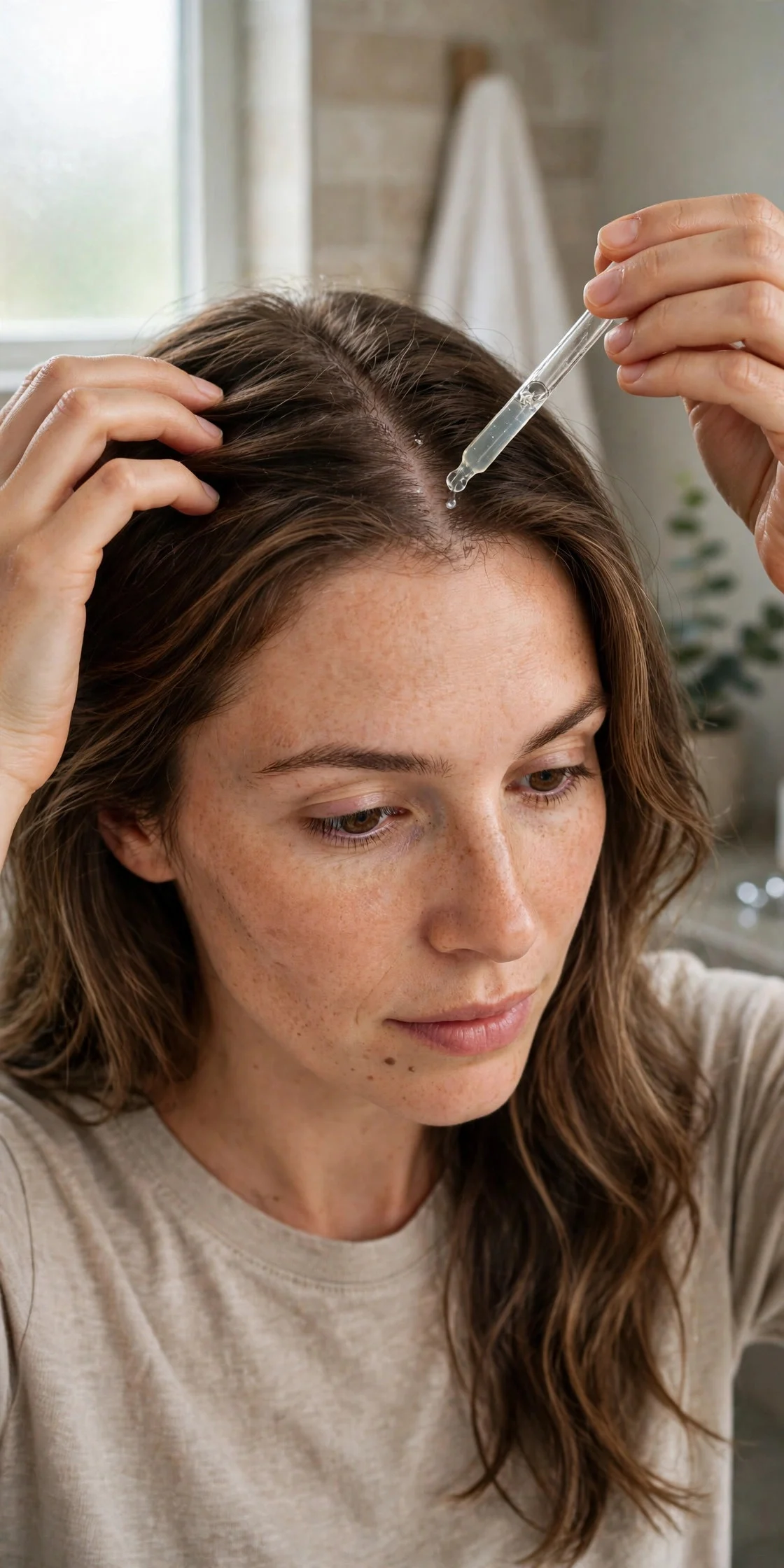
Dandruff is usually caused by an overgrowth of yeast on an oily scalp, not simply by dry skin, so plain moisturising shampoo often does not fix it. Look for an anti-dandruff shampoo with an active ingredient such as zinc pyrithione, selenium sulfide, or ketoconazole, and leave it on the scalp for three to five minutes before rinsing so it has time to work. This suits people with visible flakes, an itchy scalp, or yellowish oily patches. Rotate between two different active ingredients if one stops working. The drawback is that medicated shampoos can dry out the lengths, so apply conditioner from mid-length down only. If flakes do not improve after four weeks, see a professional rather than trying stronger products blindly.
6Calm an Itchy Scalp Without Scratching

Scratching feels satisfying and makes itching worse over time. It breaks the skin barrier, invites irritation, and can even damage follicles if it becomes a habit. Instead, press a cool damp cloth against the itchy area for a minute, or apply a soothing rinse such as diluted aloe vera. This tip suits people with dry scalps, seasonal itching, or sensitivity to fragranced products. Check your products first: a new shampoo, hairspray, or dry shampoo is a common trigger, and switching to a fragrance-free option often solves the problem within a week. The honest limit here is that home soothing only helps mild itching. If itching comes with red patches, sores, or hair loss, that needs a professional opinion, not another home remedy.
7Keep Oils Light and Targeted

Hair oiling has real benefits, but only when it is done with a light hand. A few drops massaged into the scalp, left for an hour or overnight, then washed out properly can reduce dryness and add shine. Heavy, daily oiling is a different story: it traps dirt, clogs follicles, and can trigger dandruff on oily scalps. This tip suits dry, curly, and coarse hair best, while fine or oily hair usually needs oil only on the ends. Maintenance means washing thoroughly afterward, sometimes with two gentle shampoo rounds, since oil left behind defeats the purpose. Cost is low: a basic coconut, jojoba, or argan oil lasts months. Skip oiling entirely if you have seborrheic dermatitis, since extra oil feeds the yeast behind it.
8Protect Your Scalp From the Sun

Your scalp burns just like the rest of your skin, and it is easy to forget because hair covers it. People with thin hair, a parting, or a shaved head are most at risk, and sunburn on the scalp peels, itches, and can damage follicles over time. A hat is the simplest protection. For exposed parts and hairlines, a lightweight SPF spray made for the scalp works well and does not leave hair greasy. This tip suits anyone who spends time outdoors, swims, or works outside. The drawback is that sunscreen on the scalp needs reapplying after swimming or heavy sweating, and some formulas can feel sticky. Wash it out at the end of the day so it does not build up.
9Rinse Out Product Buildup Regularly

Dry shampoo, gels, waxes, and leave-in sprays all leave residue, and over weeks that residue coats the scalp, dulls hair, and blocks follicles. A clarifying shampoo once or twice a month dissolves that layer and resets your scalp. This suits people who style daily, use dry shampoo often, or have hard water at home. The catch is that clarifying shampoos are strong: use them too often and they strip colour and dry out the lengths. Always follow with conditioner on the ends, and never use a clarifying wash on the same day as a chemical treatment. If your hair feels squeaky and rough after clarifying, you probably left it on too long or need a deeper conditioner. Once a month is plenty for most people.
10Feed Your Scalp From the Inside

No shampoo can make up for a diet that is missing the basics. Hair follicles are fast-growing cells, so they need protein, iron, zinc, and omega-3 fats to work well. Eggs, lentils, fish, nuts, seeds, and leafy greens all support that process. This tip suits everyone, but it matters most for people noticing extra shedding, slow growth, or hair that has gone dull and weak. Be honest with yourself here: supplements help only if you actually have a deficiency, and taking high doses without a reason can cause side effects. A blood test is cheaper than months of guessing with supplements. Hair also responds slowly to diet changes, so expect two to three months before you see a real difference, not a week.
11Give Tight Styles a Break

Ponytails, braids, and buns pulled tight every day put constant tension on the follicles, especially around the hairline. Over time that tension can cause soreness, breakage, and a receding hairline known as traction alopecia. This tip suits people who wear the same tight style daily, including those with braids, extensions, or slicked-back looks. The fix is simple: loosen the style, vary your parting, and leave hair down for at least part of the day. Use fabric-covered ties instead of thin elastic bands, which snag and snap hair. The drawback is purely practical: looser styles may not look as neat for formal occasions. Save the tightest styles for special days, not every day, and your hairline will thank you.
12Know When to See a Professional

Home care covers most scalp problems, but some need a dermatologist or trichologist. Book an appointment if you notice sudden or patchy hair loss, bald spots, sores that do not heal, thick crusty patches, or dandruff that does not respond to medicated shampoo after a month. A professional can check for conditions such as psoriasis, fungal infection, or hormonal shedding that no shampoo will fix. This tip suits everyone, but especially people who have been trying product after product without results. The cost varies, and a consultation is not free, but it saves money in the long run compared with months of wasted products. Bring a list of what you have tried and photos of the problem area, since that helps diagnosis.
A Simple Weekly Scalp Care Routine
Put the tips together and the routine is straightforward. Wash two to three times a week with lukewarm water, massaging shampoo in with your fingertips. Exfoliate once a week and clarify once a month. Oil lightly if your scalp is dry, protect it from the sun when you go out, and keep styles loose on most days. For styling, avoid applying heavy products directly to the scalp, and always wash out gel, wax, or dry shampoo before bed so residue does not sit overnight. If your scalp is oily, focus product on the lengths and keep the roots light. If it is dry, add a hydrating conditioner to the ends and skip daily washing. Small, steady habits beat dramatic overhauls, and your scalp will usually tell you within a couple of weeks whether a change is working.
FAQs
How often should I wash my scalp?
It depends on your scalp type. Oily scalps often need washing every other day, normal scalps do well with two to three washes a week, and dry or curly hair may only need one or two. Watch for itching, greasiness, or tightness and adjust from there rather than following a fixed rule.
Can I use conditioner on my scalp?
Most people should not. Conditioner is made for the lengths and ends, and on the scalp it can leave residue, weigh hair down, and trigger oiliness or dandruff. If your scalp is very dry, a lightweight scalp-specific treatment is a better choice than regular conditioner.
Does oiling the scalp help hair grow faster?
Oiling can improve scalp comfort and reduce breakage, which makes hair look fuller over time, but it does not speed up the actual growth rate. Growth is set by genetics, health, and diet. Gentle massage during oiling may help blood flow, but no oil guarantees faster growth.
Why is my scalp itchy even after washing?
Common causes include leftover shampoo residue, a reaction to a fragranced product, dryness, or dandruff. Try rinsing longer, switching to a fragrance-free shampoo for two weeks, and avoiding scratching. If itching continues with redness, sores, or hair loss, see a professional.
Is dandruff contagious?
No, dandruff is not contagious and you cannot catch it from someone else. It is linked to the natural yeast that lives on everyone’s scalp and to how oily or sensitive your own skin is. Sharing hats or brushes will not give you dandruff, though it is still good hygiene to use your own.
Keep exploring
A healthy scalp starts with the right wash routine, so read how rosemary water supports the scalp and how a rice water rinse works. If your ends need attention too, here is how to trim split ends at home safely.