
Tired of protective styles leaving your hair dry, weak, or damaged?
Want hairstyles that truly protect your natural hair while still looking stylish?
The right protective style should help your hair grow healthier — not cause breakage.
Protective Styles Should Help Your Hair Thrive
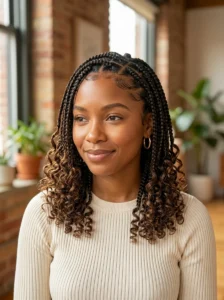
Protective hairstyles are one of the best ways to maintain healthy natural hair because they reduce daily manipulation, protect the ends, and help retain moisture. However, not every style marketed as “protective” actually protects the hair properly. Styles that are installed too tightly, left in too long, or neglected during wear can sometimes cause breakage, thinning edges, dryness, and scalp stress instead of healthy growth.
True protective styling focuses on low tension, moisture retention, scalp care, and minimizing friction. The goal is to give the hair a break from excessive heat styling, brushing, and environmental stress while keeping it healthy underneath the style.
Another important factor is choosing styles that work with your natural texture instead of pulling against it aggressively. Protective styles should feel comfortable, maintain scalp health, and allow easy access for moisturizing and cleansing throughout the week.
From knotless braids and twists to low buns and protective wigs, these natural hair hairstyles are designed to actually protect your curls, coils, and texture while still looking beautiful, modern, and versatile.
1. Knotless Braids for Low-Tension Protection
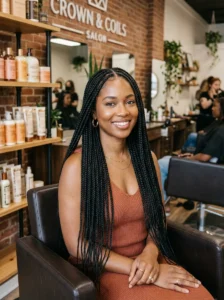
Knotless braids are one of the healthiest protective styles for natural hair because they place much less tension on the scalp compared to traditional box braids. Instead of starting with a tight knot at the root, knotless braids begin gradually using your natural hair first before additional hair is added. This creates a lighter and more natural feel that reduces pulling on the edges and scalp.
One of the biggest benefits of knotless braids is comfort. Traditional tight braids can sometimes cause soreness, headaches, and stress on fragile hairlines, especially during the first few days after installation. Knotless braids feel softer and more flexible, making them easier to wear for longer periods without discomfort.
These braids also help protect natural hair from daily manipulation. Constant brushing, detangling, and heat styling can weaken natural curls over time, but knotless braids keep the hair tucked away safely while reducing breakage and split ends. Since the braids move more naturally, they also create less tension when styling ponytails or buns.
Moisture is still important while wearing knotless braids. Light oils and water-based sprays can help keep the scalp hydrated while preventing dryness underneath the braids. Washing the scalp gently every few weeks also helps maintain scalp health and reduce buildup.
Another reason knotless braids are so popular is because they’re versatile and stylish. They can be worn long, medium-length, in buns, ponytails, or even accessorized with beads and cuffs while still protecting natural hair effectively.
2. Two-Strand Twists for Moisture Retention
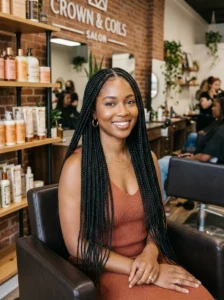
Two-strand twists are one of the most effective protective hairstyles because they help natural hair retain moisture while placing very little tension on the scalp. Unlike some tightly pulled styles, twists allow the hair to stay stretched gently without stressing the roots excessively.
Natural hair often struggles with dryness because the scalp’s natural oils have difficulty traveling through curls and coils evenly. Twists help minimize tangling while locking moisture into the strands more effectively. This makes them ideal for maintaining softness and reducing breakage.
Another major advantage of twists is their flexibility. They can be worn short, long, chunky, mini, or styled into buns and updos easily. Twists also work beautifully as a protective overnight style or long-term low-manipulation hairstyle.
One reason many people love twists is because they’re lightweight and comfortable. Unlike heavier braided styles, twists don’t pull strongly on the scalp or edges, which makes them healthier for long-term wear. They also create less tension during styling.
Proper moisturizing is still essential while wearing twists. Applying leave-in conditioner and lightweight oils regularly helps prevent dryness and keeps the hair healthy underneath the style. Satin bonnets or silk pillowcases also help reduce friction and preserve the twists longer.
Another benefit is twist-outs. Once removed, twists can create beautiful defined curl patterns that make styling even more versatile while still protecting natural hair during the process.
3. Cornrows With Proper Tension
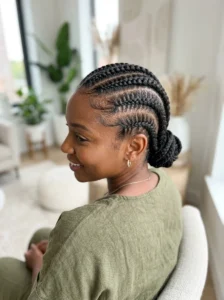
Cornrows can be an excellent protective style when installed with proper tension. The biggest problem with cornrows usually comes from braiding too tightly, which can stress the scalp and edges over time. Healthy cornrows should feel secure but never painful.
When done correctly, cornrows help keep the hair stretched, protected, and tucked away safely from environmental stress and daily manipulation. They also make moisturizing and scalp care easier because the scalp remains accessible between the braided rows.
Cornrows are especially useful as a foundation for wigs or sew-ins because they help protect the natural hair underneath while maintaining a flat smooth base.
The key is prioritizing scalp comfort and moisture while wearing the style.
4. Flat Twists for Gentle Styling
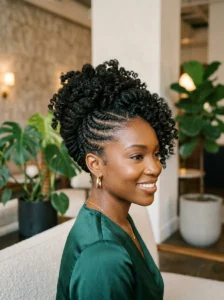
Flat twists create a softer alternative to cornrows while still protecting natural hair effectively. Since twists generally use less tension than braids, flat twists are often gentler on delicate edges and fine natural hair.
This hairstyle also creates beautiful texture when taken down later.
Flat twists work especially well for elegant updos and low-manipulation everyday styles.
5. Low Puff Hairstyles

Low puffs are simple protective hairstyles that minimize stress while keeping natural curls contained and moisturized. Tight high puffs can sometimes pull too strongly on the edges, so lower styles are often healthier for daily wear.
Using soft scrunchies instead of tight elastics helps reduce breakage even more.
6. Protective Wigs With Healthy Prep
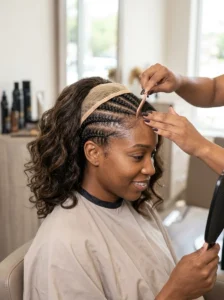
Protective wigs can help natural hair rest and grow when the hair underneath is properly moisturized and braided safely. The key is ensuring the braids underneath aren’t too tight and the scalp remains clean and hydrated.
Wigs should protect the hair — not suffocate it.
Taking breaks between installs also helps maintain scalp health.
7. Loose Braided Updos
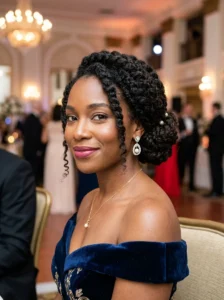
Loose braided updos protect the ends while creating elegant low-manipulation styling. Tight buns can sometimes weaken the hairline, but softer updos help reduce unnecessary tension.
This style works beautifully for both casual and formal occasions.
8. Mini Twists for Long-Term Protection
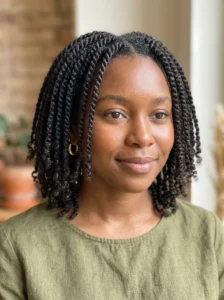
Mini twists are excellent for long-term protective styling because they allow easy access to the scalp while keeping the hair stretched and protected.
They also reduce tangling and daily manipulation significantly.
Proper moisturizing helps mini twists stay healthy and soft for longer periods.
9. Satin Scarves and Bonnets Matter
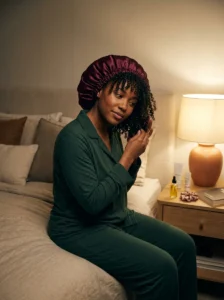
Protective styling doesn’t stop during the daytime. Sleeping on cotton pillowcases can create friction that dries out natural hair and weakens protective styles.
Satin scarves and bonnets help reduce moisture loss while preserving styles overnight.
This simple habit can dramatically improve hair retention and softness.
10. Moisturizing While Protective Styling
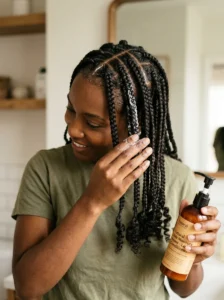
One common mistake people make is neglecting moisture while wearing protective styles. Even when the hair is braided or twisted, it still needs hydration regularly.
Water-based leave-ins and lightweight oils help keep the hair healthy underneath the style while reducing dryness and brittleness.
Healthy hair growth depends heavily on moisture retention.
11. Avoiding Tight Edges and Tension
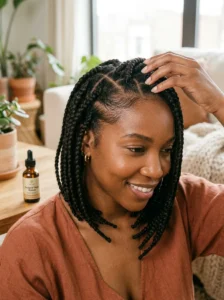
Protective styles should never feel painful. Excessive tension around the edges can lead to thinning and traction alopecia over time.
Choosing looser styles and communicating with stylists about comfort is extremely important for maintaining healthy edges and scalp health.
Healthy protective styling always prioritizes low tension first.
12. Taking Breaks Between Styles
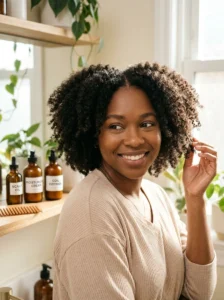
Natural hair also needs breaks between long-term protective styles. Constantly wearing braids, wigs, or twists without rest can stress the scalp and weaken the strands over time.
Allowing the hair to breathe while focusing on hydration and scalp care between installs helps maintain long-term hair health.
Balance is one of the most important parts of protective styling successfully.
Final Thoughts
Protective styles should truly protect your natural hair by reducing tension, maintaining moisture, and minimizing daily manipulation. Healthy natural hair thrives best when styles prioritize scalp comfort, hydration, and gentle handling instead of excessive tightness or long-term neglect.
The best protective styles are the ones that keep your hair healthy underneath while still allowing you to feel stylish, confident, and comfortable every day.