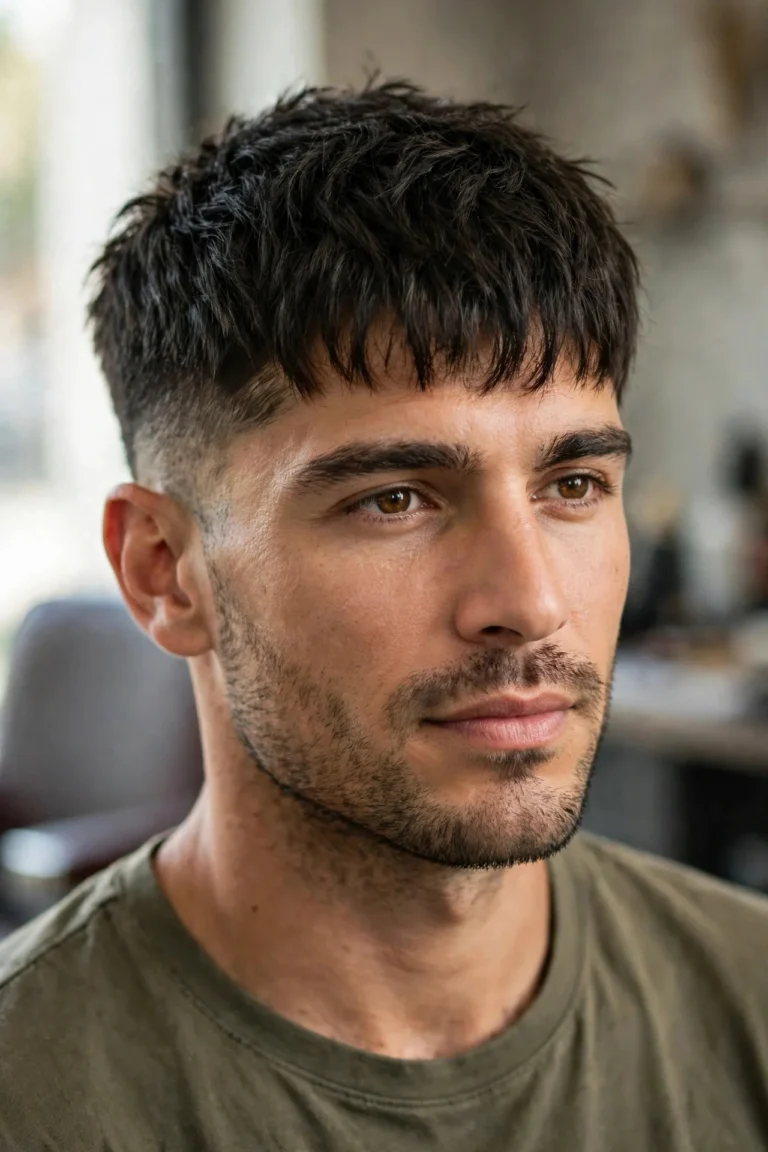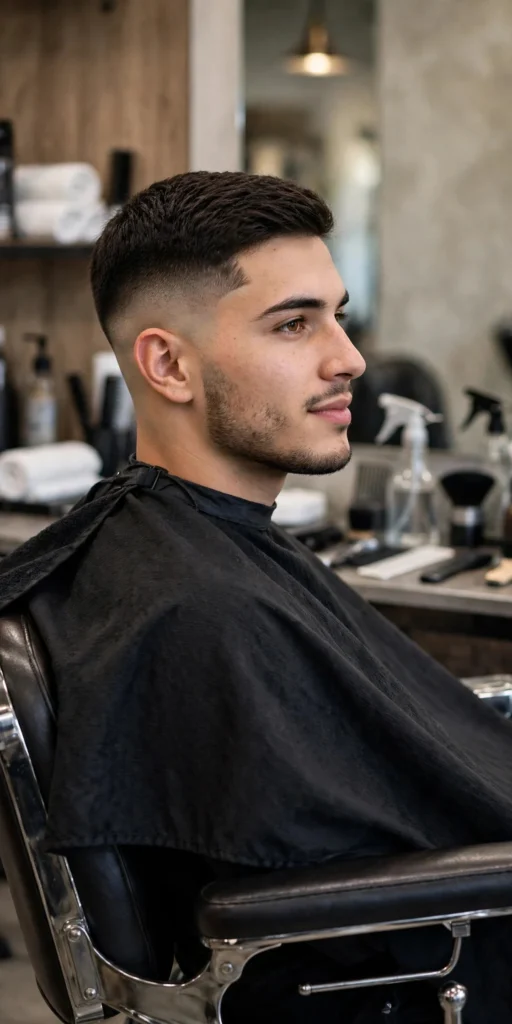
The low taper fade is having a real moment, and it is not hard to see why. It sits right above the ear, fading clean into the hairline without racing halfway up the head like a high fade. That low placement gives the cut its signature calm: neat around the edges, plenty of length left on top to play with.
What is driving the trend in 2026 is versatility. This is the fade you can wear in a boardroom, on a date, and at a Sunday pickup game without changing a thing. Barbers keep booking it because it flatters nearly every face shape and hair texture, and it works with beards, line-ups, curls, and waves alike. Below are twelve versions worth asking about, plus exactly what to say in the chair.
1Classic Low Taper
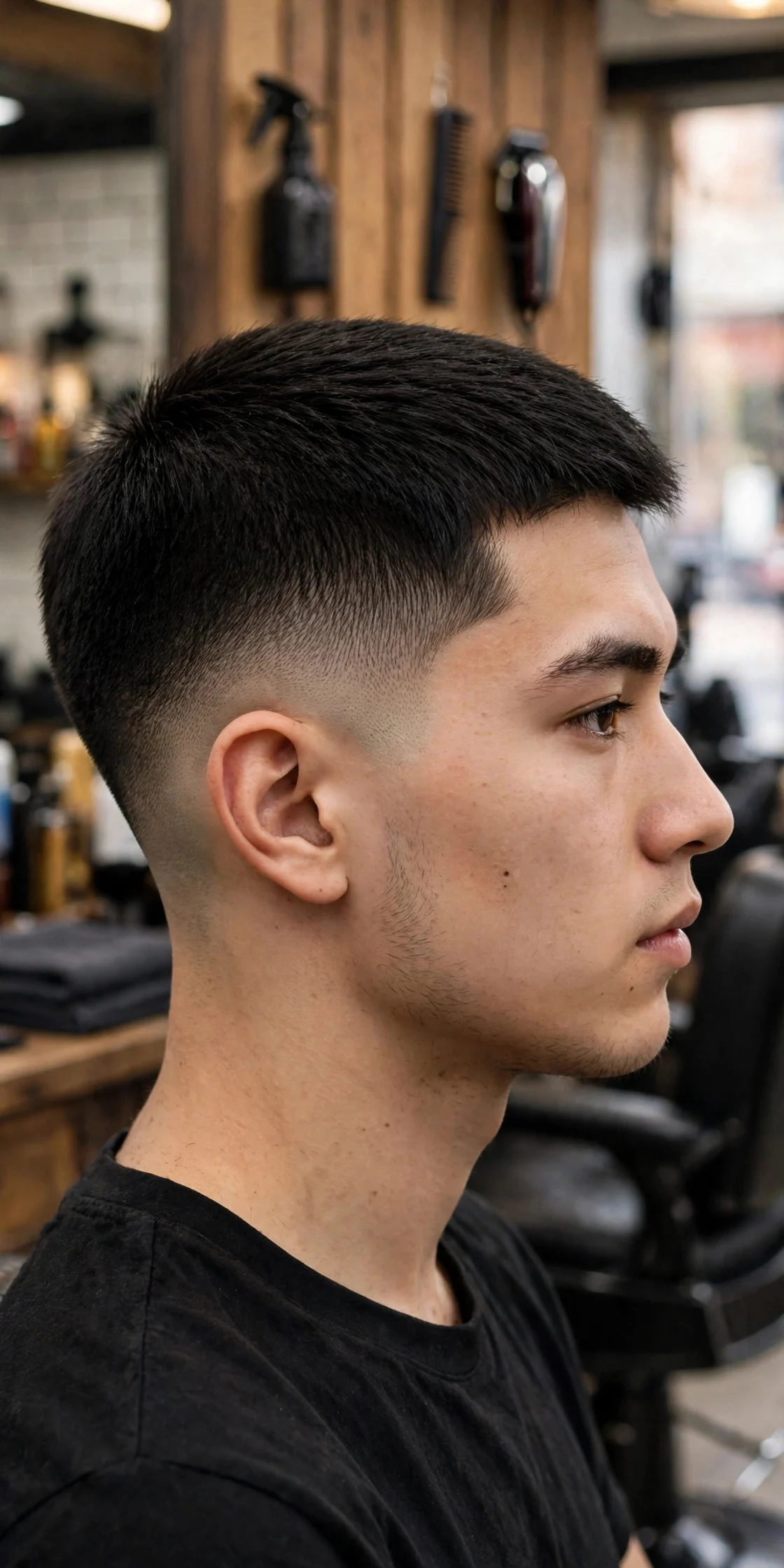
This is the baseline every other version is measured against: a gradual taper starting just above the ear and neckline, blended seamlessly into a neatly styled top. Ask your barber for a low taper with the fade kept tight to the skin only at the very bottom edge, then scissor-blended upward.
It suits round and square faces especially well because the kept length on top adds height without widening the sides. Straight to slightly wavy hair takes it best; very tight curls need a barber who knows how to blend texture. Get it touched up every 3 to 4 weeks to keep the edge crisp. The downside is frequency: this cut looks sloppy fast if you let the taper grow out, so budget for regular visits instead of stretching appointments.
2Low Taper with Curls on Top
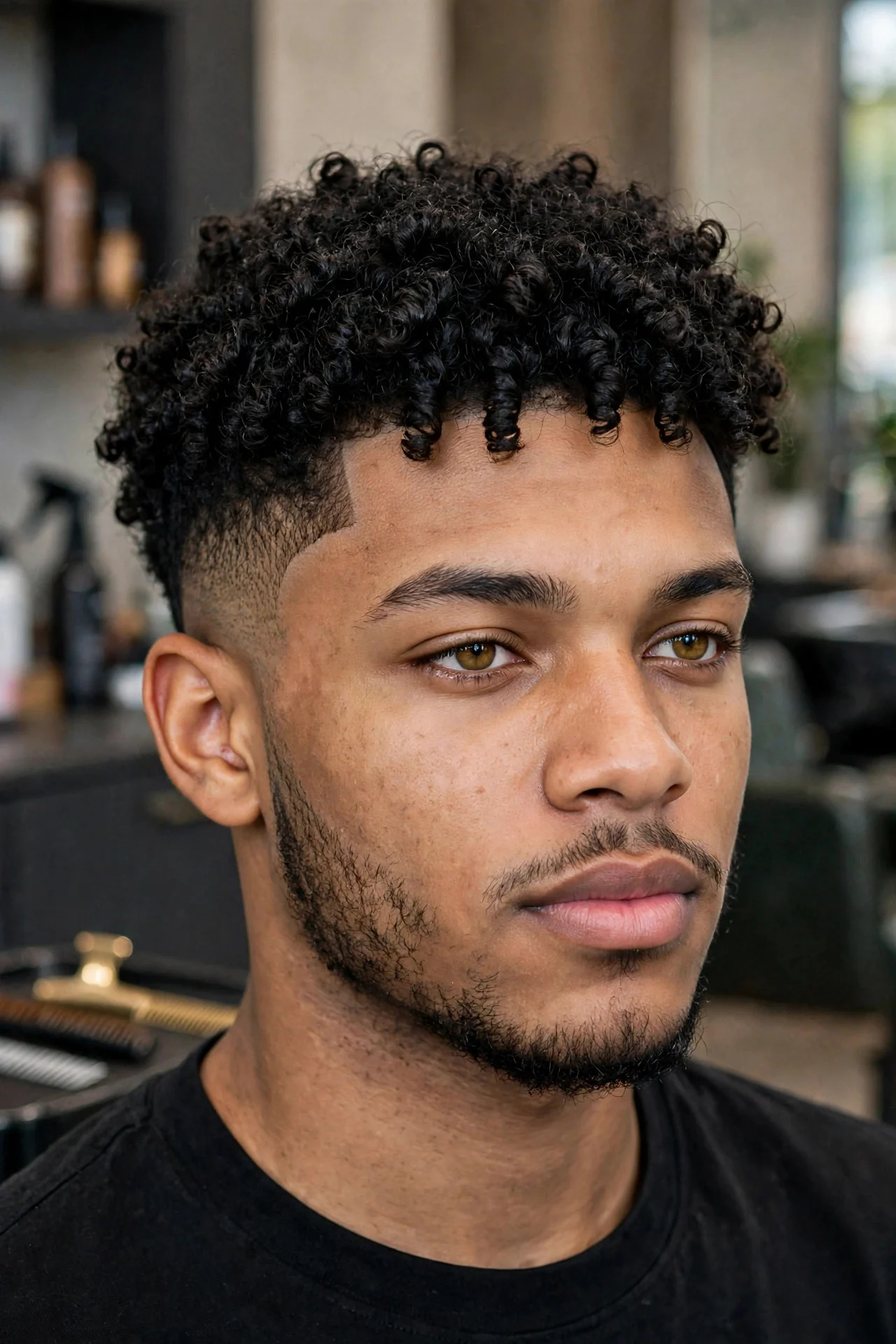
This one keeps your natural curls doing their thing on top while the sides taper down to clean skin. Tell your barber you want the curls untouched in length but the sides tapered low with a smooth blend, and ask him to carve the curl line so the top has intentional shape rather than just growing into a ball.
Best for coily and curly hair types who want structure without losing their texture. It works on oval and heart-shaped faces because the curl volume on top balances a narrower jaw. Maintenance is moderate: curls need a leave-in and a diffuser routine, and the taper wants a cleanup every 3 weeks. The trade-off is that grow-out looks uneven between curly top and short sides, so stay on schedule.
3Low Taper with Line-Up
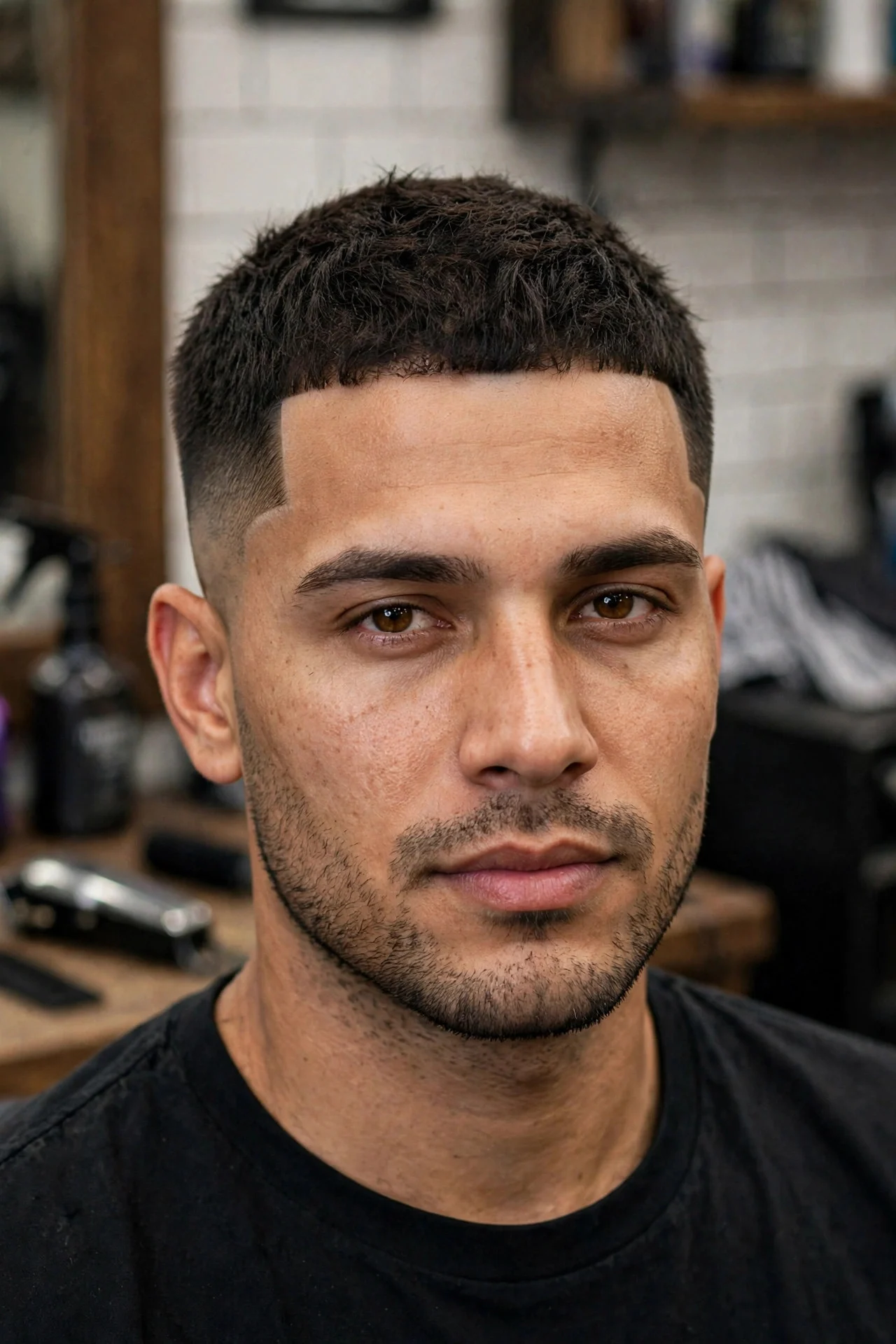
The line-up version pairs the low taper with razor-sharp forehead and temple edges. Ask for the taper plus a crisp lineup, and be specific: you want the corners kept square but natural, not pushed so far back that your hairline starts retreating in the mirror.
Great on square and diamond faces where defined angles sharpen everything. Any hair type works, though short textured or straight hair shows the lines best. Expect to book every 2 to 3 weeks, because the sharp edges are the whole point and they blur quickly. The drawback is real: an over-aggressive lineup grows back noticeably, and you cannot hide it, so only go to a barber whose edge work you have seen and trust.
4Low Taper with Beard Blend
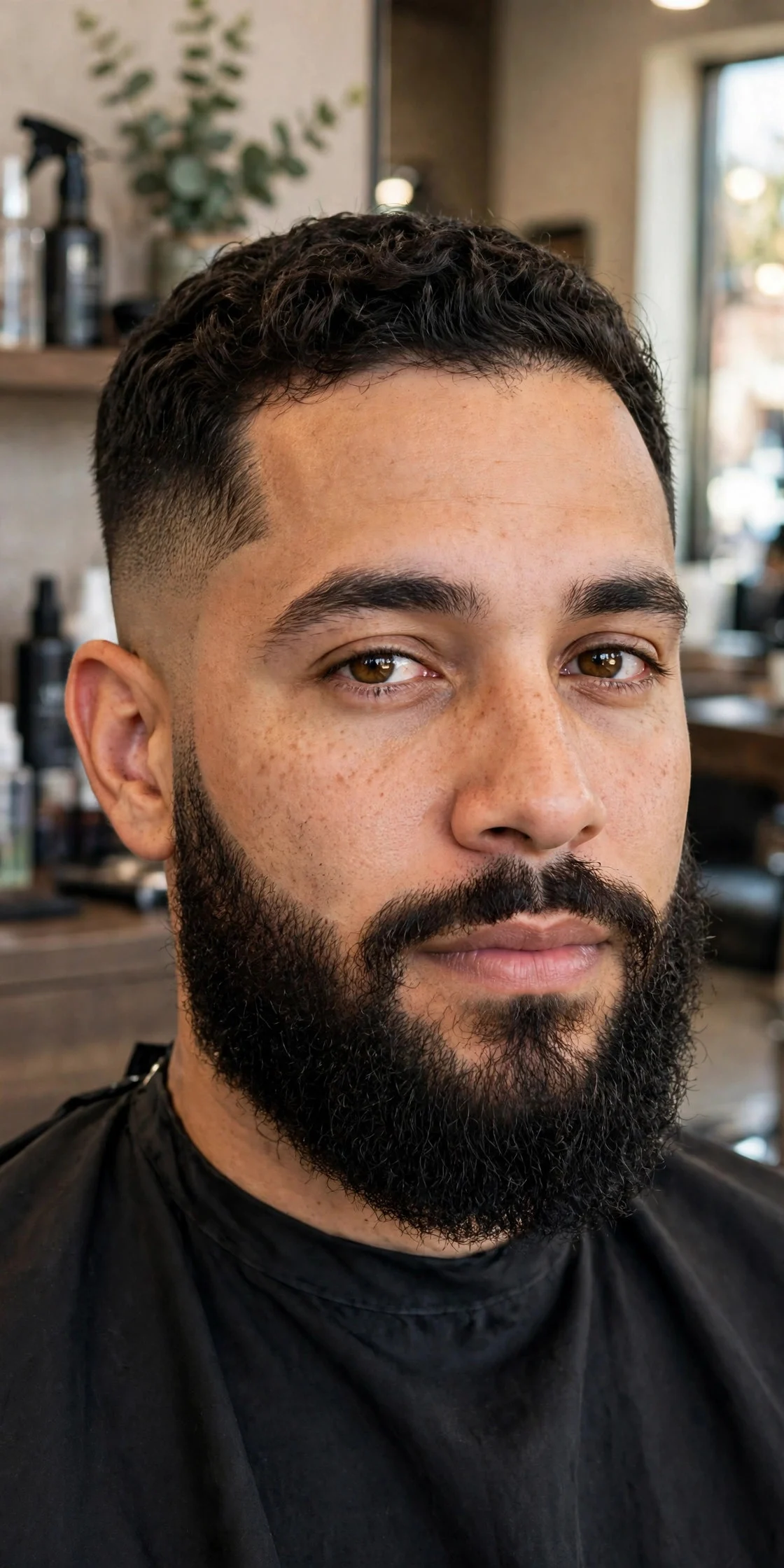
This connects the fade into the beard so the whole head reads as one continuous, intentional shape. Ask your barber to taper low and blend the sideburns directly into the beard length, matching the cheek line to the fade.
Ideal if you have a fuller beard and want it to look deliberate rather than disconnected. It suits oval and oblong faces, adding width at the cheeks. Maintenance doubles here: haircut every 3 to 4 weeks plus weekly beard trims, shaping, and oil to keep the blend line clean. The upkeep drawback is the honest one: this look is a commitment, and a grown-out beard plus faded sides stops reading as a style and starts reading as a rough month.
5Textured Low Taper
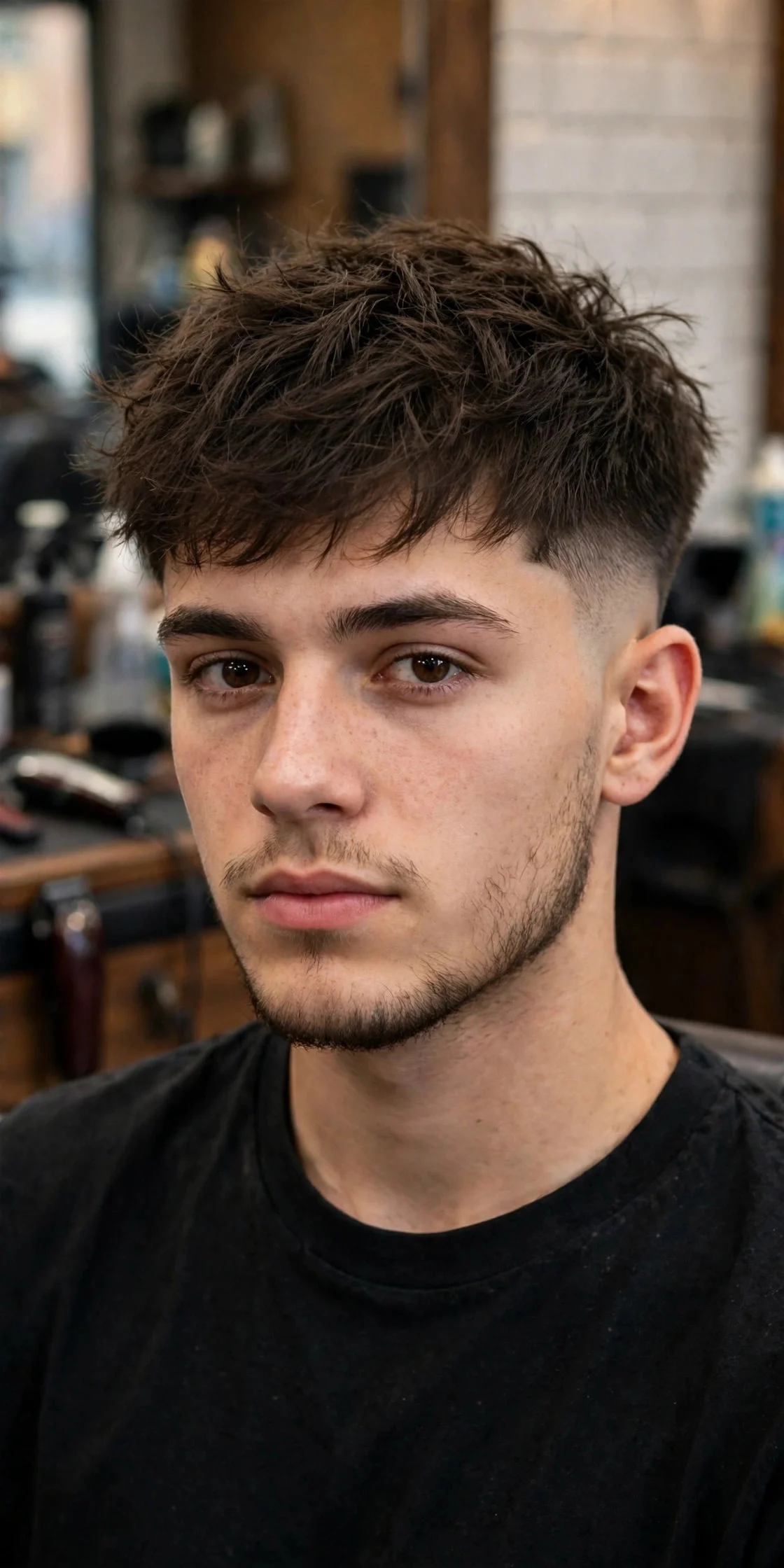
Think lived-in: choppy layers on top with a clean low taper holding the edges together. Ask for texture shears or point-cutting on top, about 2 to 3 inches of length, with the taper starting low and blending into that texture.
Perfect for guys with straight or fine hair who need visual thickness, and for anyone who dislikes a polished, helmet look. It flatters round faces because the messy height on top elongates the face. Styling takes a small matte paste each morning and a 2-minute tousle. The catch is that fine hair without product looks flat by midday, and the texture loses its edge between cuts, so plan a refresh every 3 weeks and keep paste in your bag.
6Low Taper with Hard Part
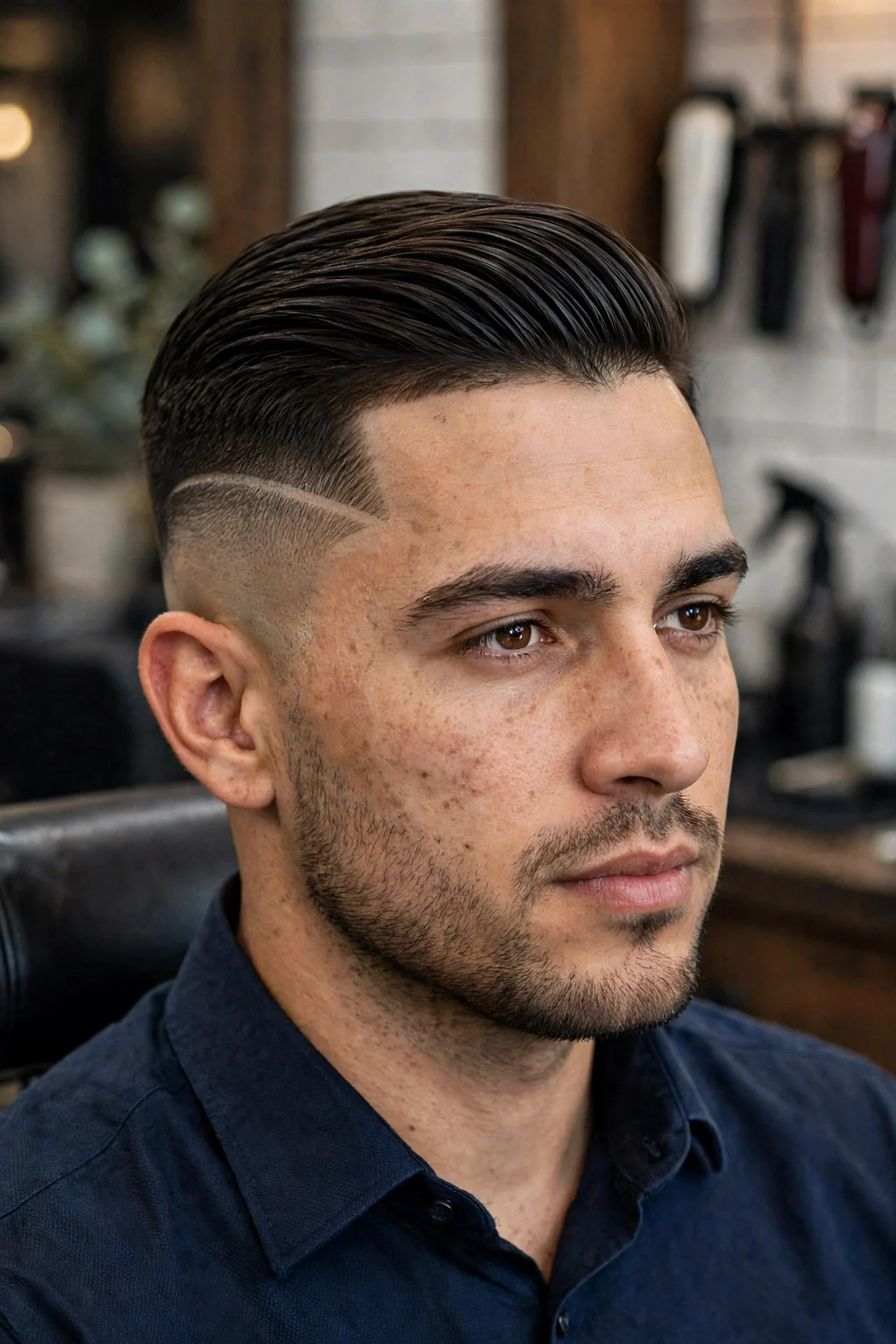
A clean, razored part line on the side, dropped into a low taper: instant sharpness. Ask your barber to shave a defined part into the side where your hair naturally separates, with the taper below it kept low and tight.
This is the power-haircut option. It suits square and heart faces and works best on straight or slightly wavy hair that lies where the part tells it to. Maintenance is on the high side: the hard part grows over in 10 to 14 days, so you will need part re-sharpening between full cuts or it turns into a weird trench. Costs add up, but nothing reads as immediately put-together. Skipping the in-between touch-up is the main mistake people make.
7Low Taper with Long Fringe
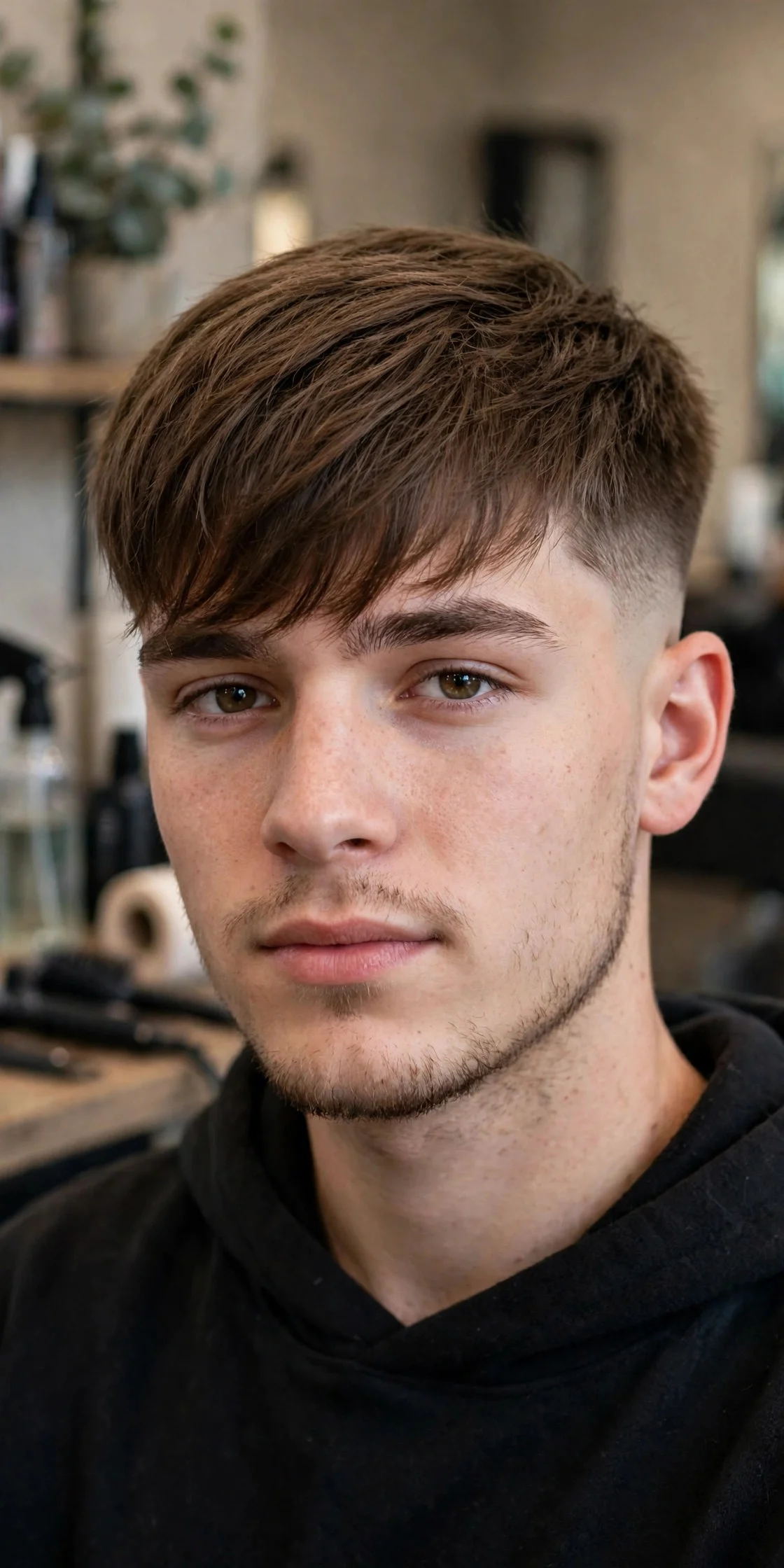
The sides taper low while the front keeps a longer fringe falling forward over the forehead. Tell your barber you want the fringe kept at brow length or longer, textured at the ends, with the taper tight and low so all the contrast lands on the front.
Best for guys with high foreheads or long faces; the fringe shortens the face visually. Works on straight to wavy hair; very curly hair will bounce the fringe up unless you train it down with a little weight. Maintenance is daily: the fringe needs styling to sit right, and a humid day will test it. Get the fringe trimmed every 3 weeks so it does not start poking your eyes or reading messy instead of styled.
8Low Taper Afro
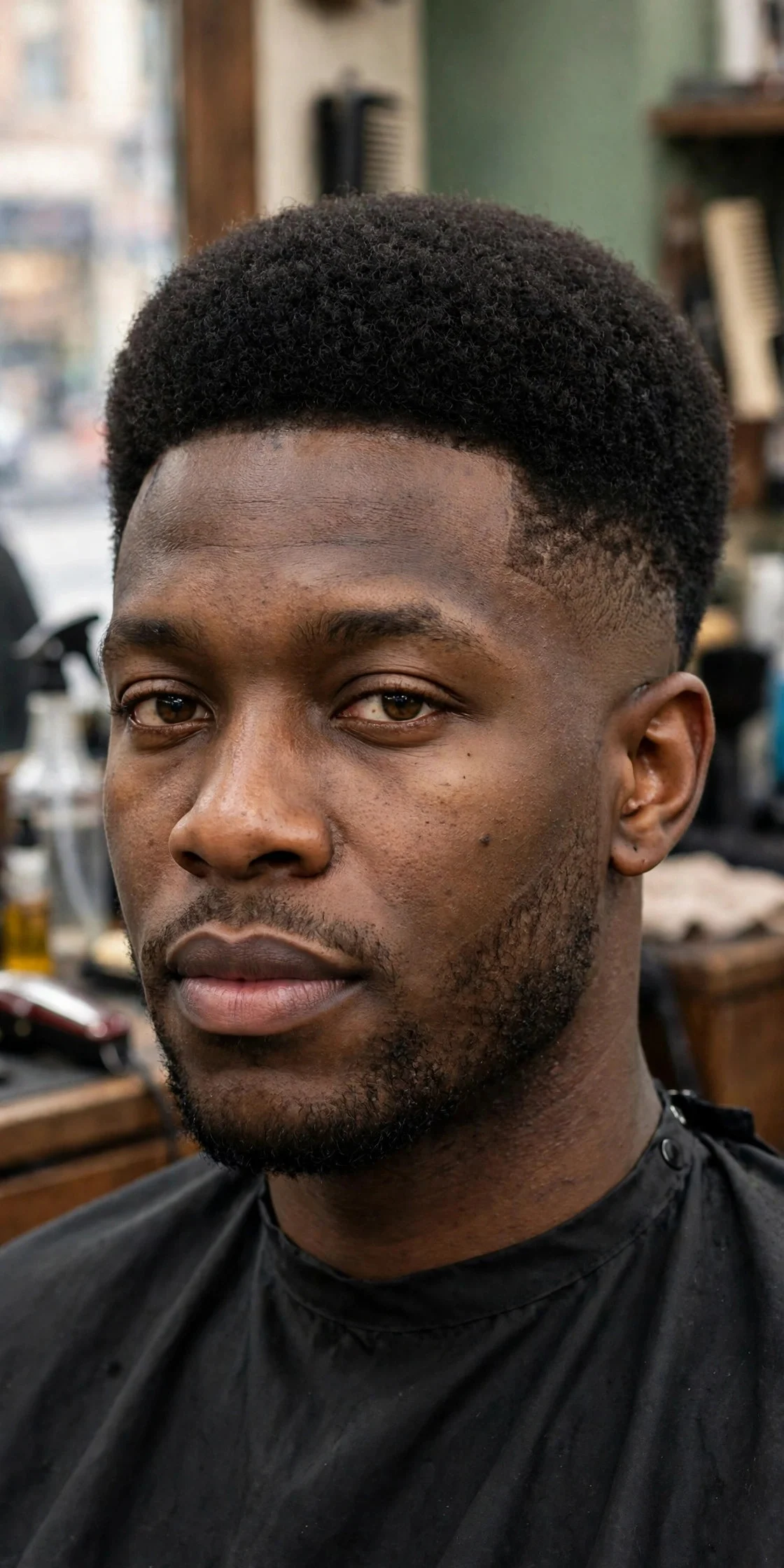
A rounded, full afro shape on top with the bottom edges tapered low for definition. Ask your barber to shape the top into a clean dome while keeping the taper low and gradual so it blends into the afro's natural curve.
This version is made for tight coils and kinks that want structure without sacrificing volume. It flatters oval, round, and square faces equally because the silhouette is symmetrical. Maintenance means picking daily, moisturizing the crown, and keeping the taper touched up every 2 to 3 weeks so the shape does not lose its outline. The drawback is that afro shapes grow out fast, so this one demands the tightest appointment schedule of the bunch.
9Low Taper with Waves
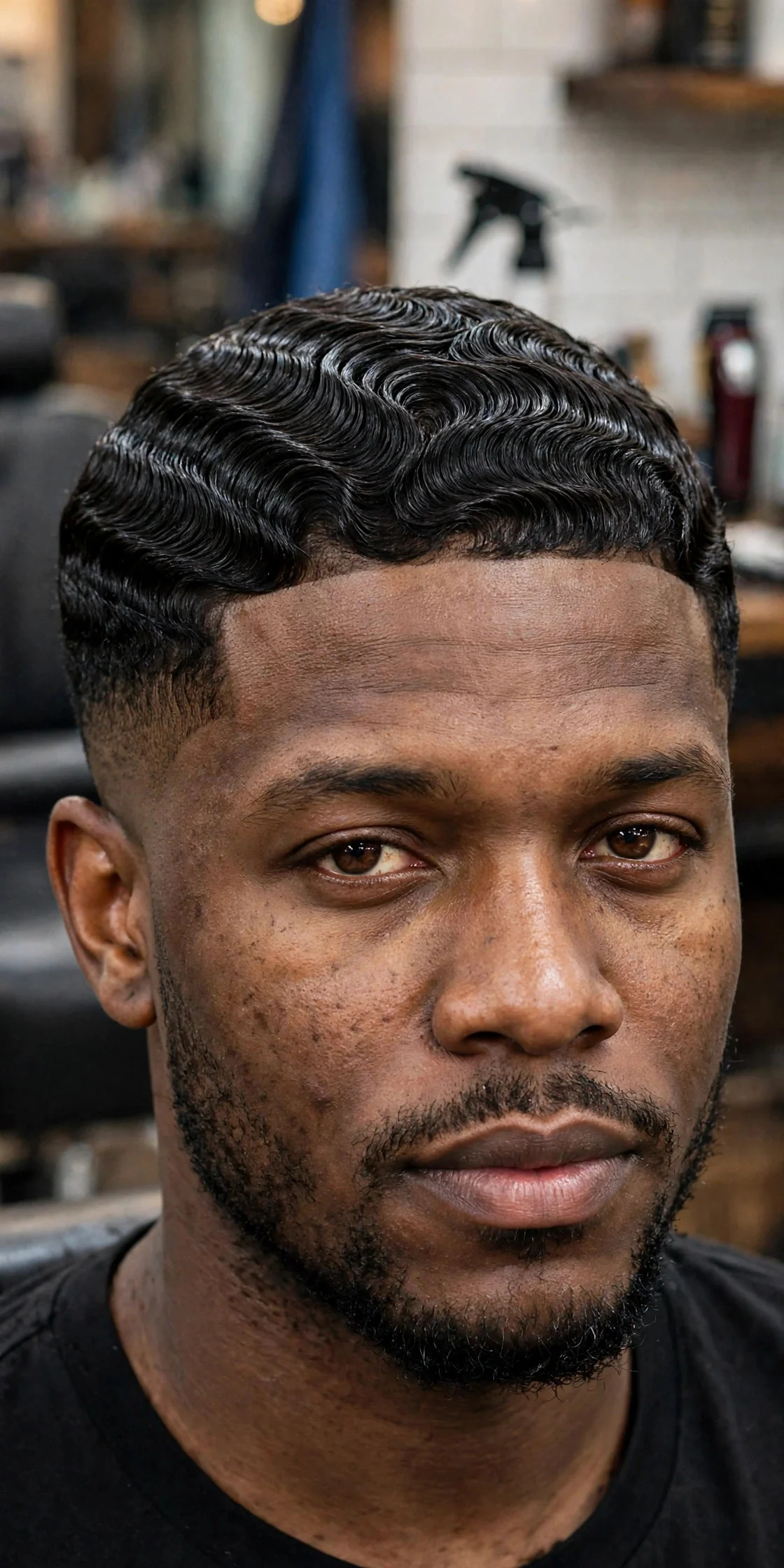
360 waves on top, tapered low around the sides: the classic waves look but sharper. Ask for a low taper that respects your wave pattern, meaning the barber should cut with the waves flowing, not against them, and set the taper line where your crown pattern ends.
Obviously this is for guys who already wave or are training them; it suits oval and round faces because the wave sheen adds dimension. Maintenance is the most demanding here: brushing sessions twice a day, durag at night, pomade or wave cream. Miss the routine and the waves flatten. But when the routine holds, this is one of the best-looking versions of the cut in existence. Budget for cuts every 2 to 3 weeks to keep the taper line honest.
10Buzzed Low Taper
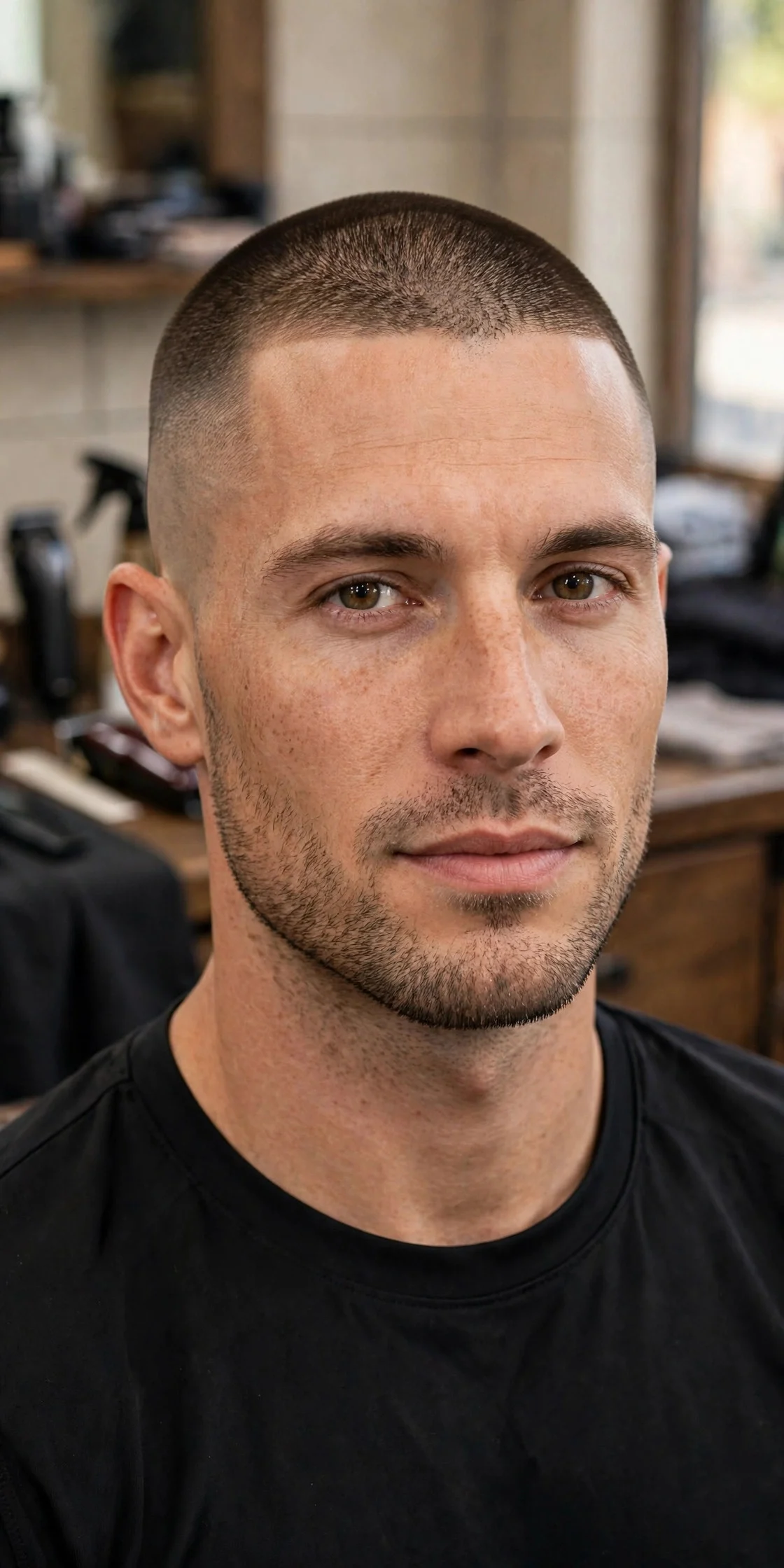
A short buzz across the whole head with a low taper instead of a hard edge at the sides and neck. Ask for a number 2 or 3 on top with a low taper at the ears and nape, blended rather than disconnected.
This is the low-effort champion. Suits strong jawlines and symmetrical faces, and it works for guys thinning on top who want coverage without a comb-over situation. Maintenance is almost zero between barber visits: no styling products, no morning routine. The trade-off is the regrowth cycle; a buzzed taper needs a redo every 2 weeks or it turns into shapeless fuzz, so you are in the chair often even though each visit is quick and cheap.
11Low Taper with Faux Hawk
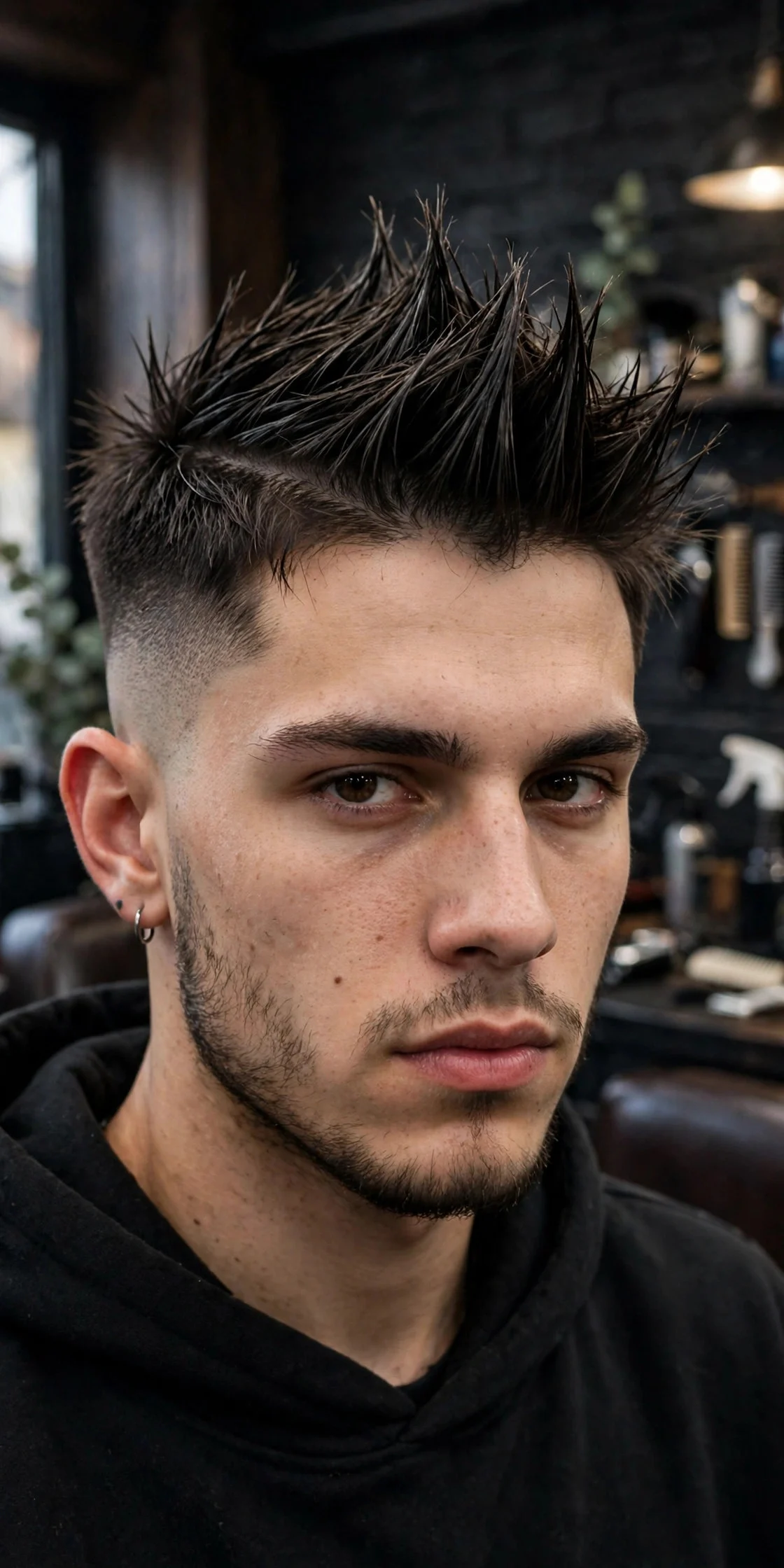
The top runs longer through the middle and gets styled upward into a faux hawk shape, while the taper stays low and clean on the sides. Tell your barber you want the center strip long enough to spike, about 2.5 to 3 inches, tapering down the sides low.
This is the boldest of the twelve. It suits oval and square faces and works best on thick, straight hair that holds height; fine hair needs product help. Styling is a daily job with a strong clay or fiber, and the faux hawk collapses in humidity, so carry product if your climate is damp. Maintenance runs every 3 weeks. The drawback is commitment to styling: without the morning routine, it just looks like an uneven top, so only pick this if you enjoy styling.
12Low Skin Taper with Side Sweep
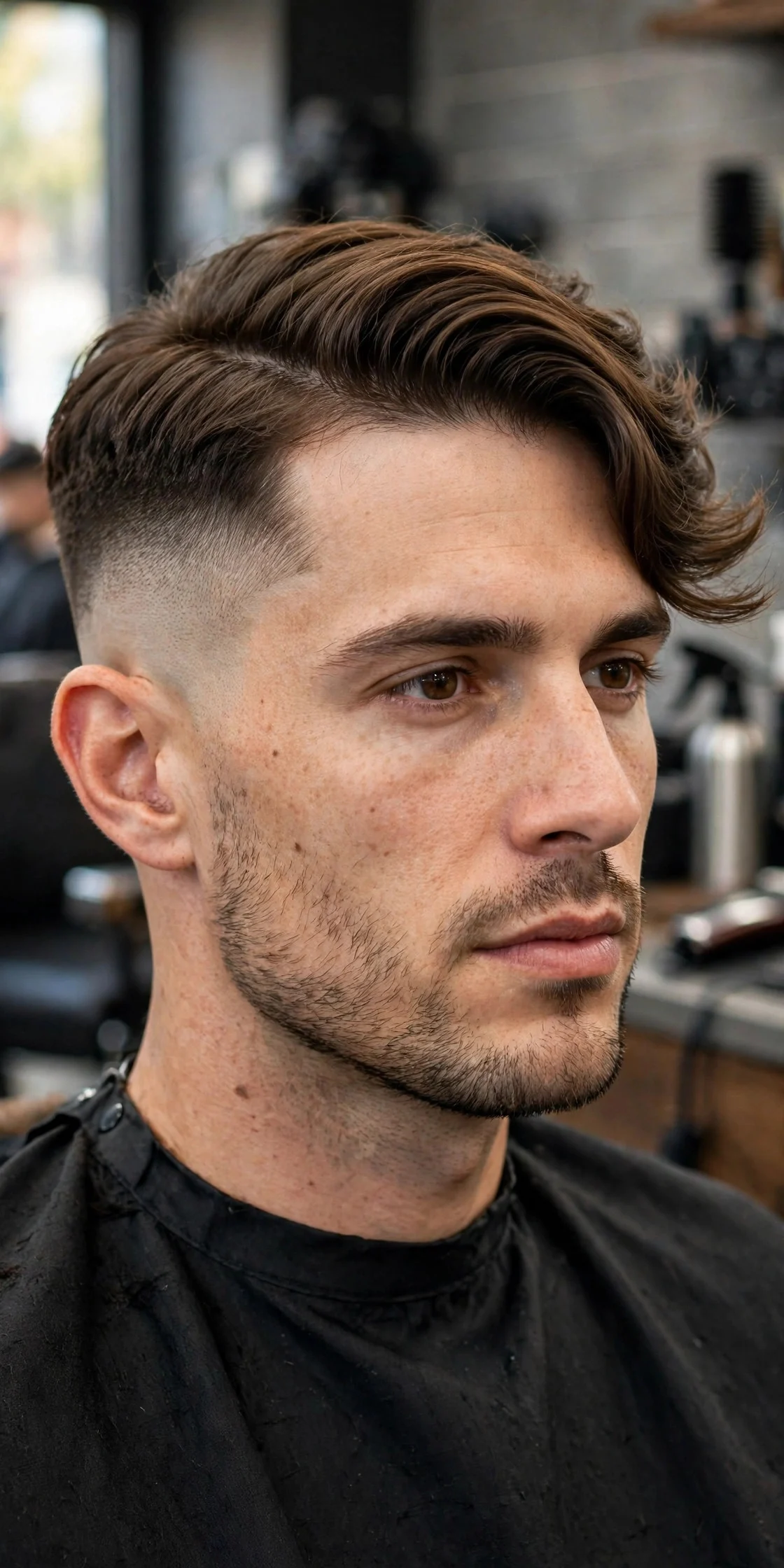
The taper drops to bare skin at the very bottom while the top stays long enough to sweep across to one side. Ask for the taper blended to skin just at the edge, with 3 to 4 inches on top cut to sweep.
Great on heart and oval faces, and ideal for thick hair that would look bulky with a higher fade. The skin edge makes it the sharpest-looking version while the sweep keeps it relaxed. Maintenance is split: the skin taper needs a lineup every 2 to 3 weeks, and the sweep needs a blow-dryer or a heavy cream to stay in place. The honest downside is that sweeps fight cowlicks, so if your hair has a mind of its own at the crown, test-drive this with product before committing to the length.
How to Maintain a Low Taper Fade
The taper itself is the part that needs the barber. Most versions hold their shape for about 3 weeks, with skin fades and hard parts needing attention closer to 2. Stretching it to 5 or 6 weeks turns the low taper into an undefined grown-out mess, and no amount of styling fixes that. Find a barber who cuts low tapers weekly and book your next appointment before you leave the chair; the guys who look sharp year-round are on a standing schedule, not deciding each time.
At home, your job is the top. A pea-sized amount of matte clay or paste, worked through dry hair, handles nearly every version here. Wash 2 to 3 times a week rather than daily, since overwashing strips the natural oils that give the top its texture and makes the taper's regrowth look wiry. And sleep on a satin or silk pillowcase if you have waves or curls on top; cotton roughs them up overnight and doubles your morning styling time.
Frequently Asked Questions
How often do I need to get a low taper fade touched up?
Every 3 to 4 weeks for most versions. If your taper goes to skin, has a hard part, or includes a line-up, plan for every 2 to 3 weeks instead, since the sharp details blur first. The top can usually wait a week longer than the sides, so some guys book a quick edge-up between full cuts.
What is the difference between a low taper and a low fade?
A taper gradually shortens the hair and usually stays off the skin or only kisses it at the very bottom, while a fade blends all the way down to bare skin. In practice barbers use the terms loosely, which is why showing a photo matters more than the word you say. Bring a reference photo to your appointment so you and your barber mean the same thing.
Does a low taper fade work on curly or coily hair?
Yes, and it is one of the best options for it. The low placement keeps the natural shape of your curls on top while the taper gives the edges structure, which is why the curly and afro versions in this list are so popular. Make sure your barber has experience cutting textured hair, because blending a taper into curls takes a different touch than straight hair.
Will a low taper fade suit a round face?
It does, as long as you keep some length and height on top. The low sides avoid adding width where a round face does not want it, and volume on the crown visually lengthens the face. Ask your barber to keep the top at least 2 inches and avoid cutting the sides too tight, and the cut will flatter a round face nicely.
How much does a low taper fade usually cost?
Expect the standard men's cut price in your area, roughly the same as any other fade haircut. Versions with line-ups, hard parts, or beard blending often cost a little more because of the extra detail work. The real cost is the schedule: budget for a visit every 3 weeks rather than every 6, since this cut is built on crisp edges.
Keep exploring: if you are deciding between fade heights, our roundup of mid fade haircuts for men lays out the next step up in detail. And if you wear your texture proud, these curly haircut ideas are built around making curls the star of the cut.