
Air-drying sounds like the easiest thing in the world. You wash your hair, you walk away, and it dries on its own. Yet for most of us, the result is a halo of frizz, flyaways that stick up at odd angles, and ends that look nothing like they did when your hair was wet. The gap between what air-drying promises and what it delivers usually comes down to a handful of small habits, not your hair type.
The good news is that none of these habits are hard to change. You do not need a drawer full of expensive products or a salon appointment every week. You need the right order of steps, a light touch, and a little patience while your hair dries. Work through the ten steps below and you should see a real difference within a wash or two.
1Start With a Gentle Wash
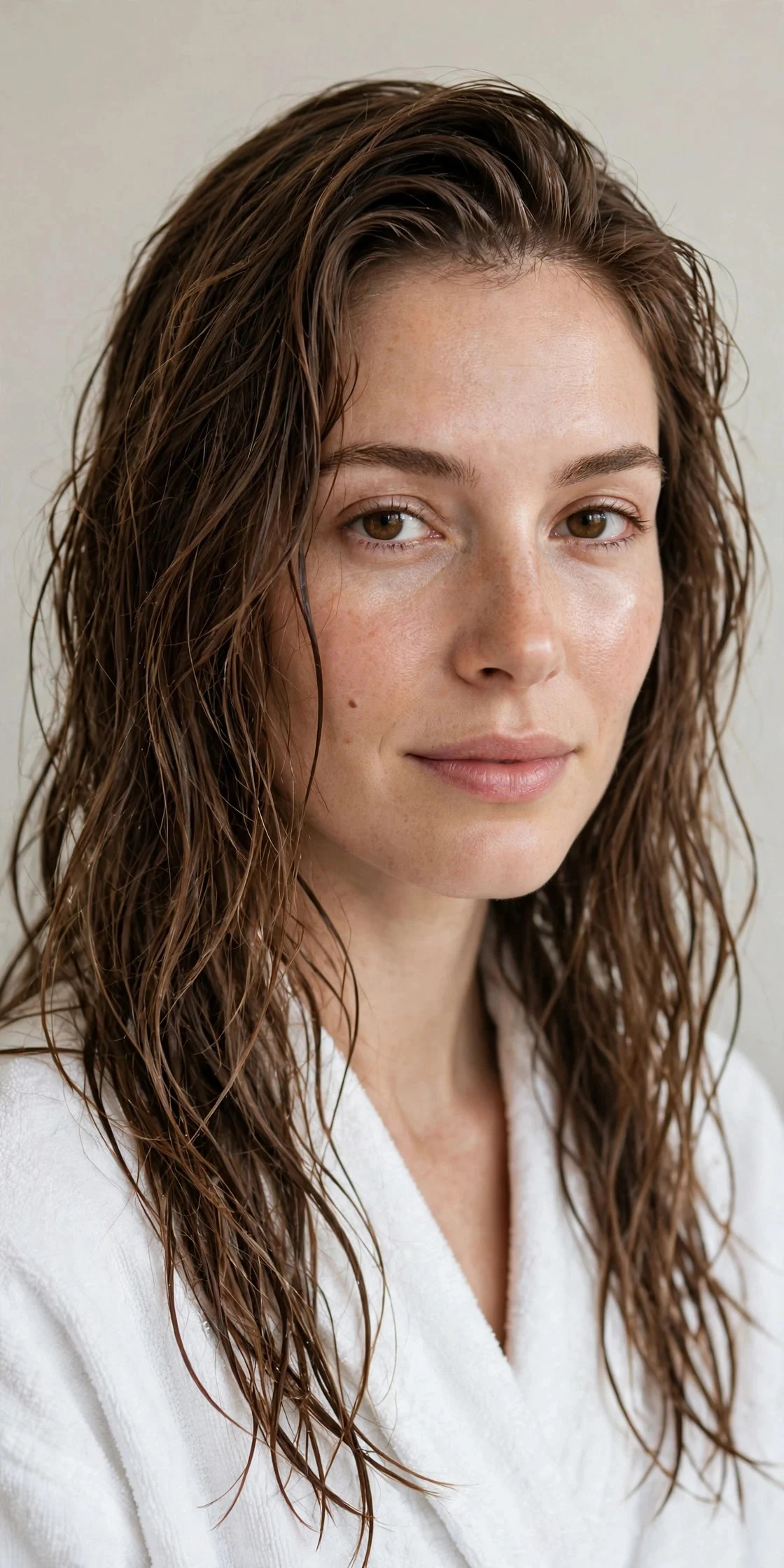
Frizz starts in the shower, long before your hair sees open air. Harsh, sulphate-heavy shampoos strip the natural oils that keep the cuticle lying flat, and a rough cuticle is what catches light the wrong way and reads as frizz. Choose a moisturising shampoo and focus it on your scalp, letting the suds run down the lengths rather than scrubbing the ends. Rinse with lukewarm water, since very hot water lifts the cuticle and dries hair out. Fine hair suits washing every other day, while thick or curly hair can often go two to three days. A common mistake is piling all your hair on top of your head and scrubbing it like laundry. Keep it smooth and gentle, and your air-dry starts from a much better place.
2Skip the Rough Towel-Dry

The classic rub-your-hair-with-a-towel move is one of the biggest frizz triggers there is. A regular bath towel has a rough looped surface that catches on the hair cuticle, lifts it, and creates friction exactly where you do not want it. Instead, squeeze excess water out gently with your hands first, then wrap your hair in a microfibre towel or an old cotton T-shirt. Press and hold, rather than rubbing back and forth. Leave it wrapped for five to ten minutes while you get on with your morning. This matters most for wavy and curly hair, where the pattern is easily disturbed. The only drawback is that it takes a few extra minutes, so keep a microfibre towel in your bathroom and it becomes automatic.
3Apply Leave-In Conditioner While Damp
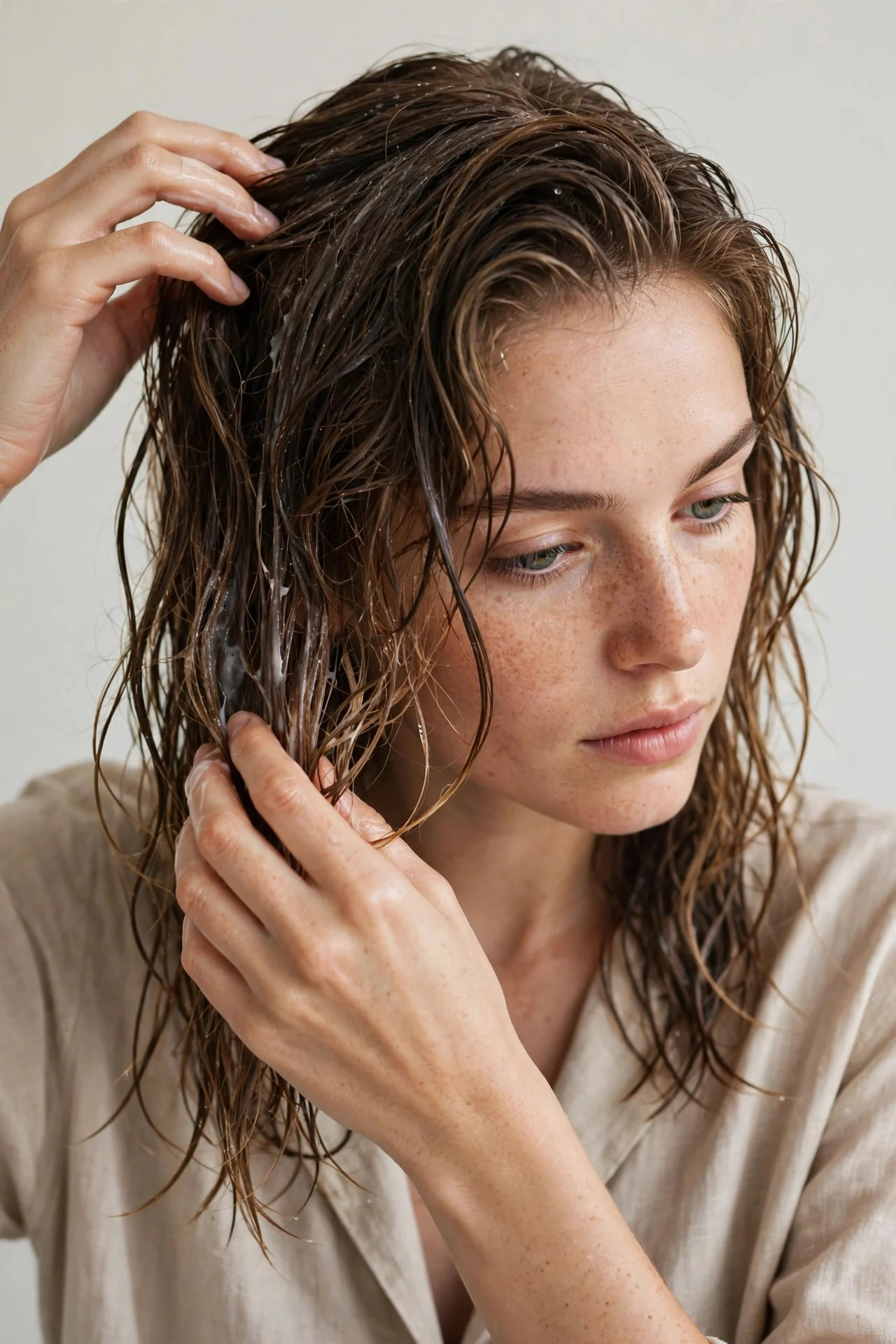
Timing matters more than the product itself. Leave-in conditioner works best on hair that is damp, not dripping wet and not half dry. After towel-drying, take a coin-sized amount for medium hair, less for fine hair, and rub it between your palms. Smooth it over the mid-lengths and ends, where frizz shows up first, and skip the roots so your hair does not go flat. Fine hair suits a light spray leave-in, while thick or curly hair can handle a cream. Comb it through with your fingers so it spreads evenly. A common mistake is using far too much, which leaves hair greasy and heavy instead of smooth. Start small, since you can always add more, but you cannot take it back without washing again.
4Smooth in a Light Styling Cream
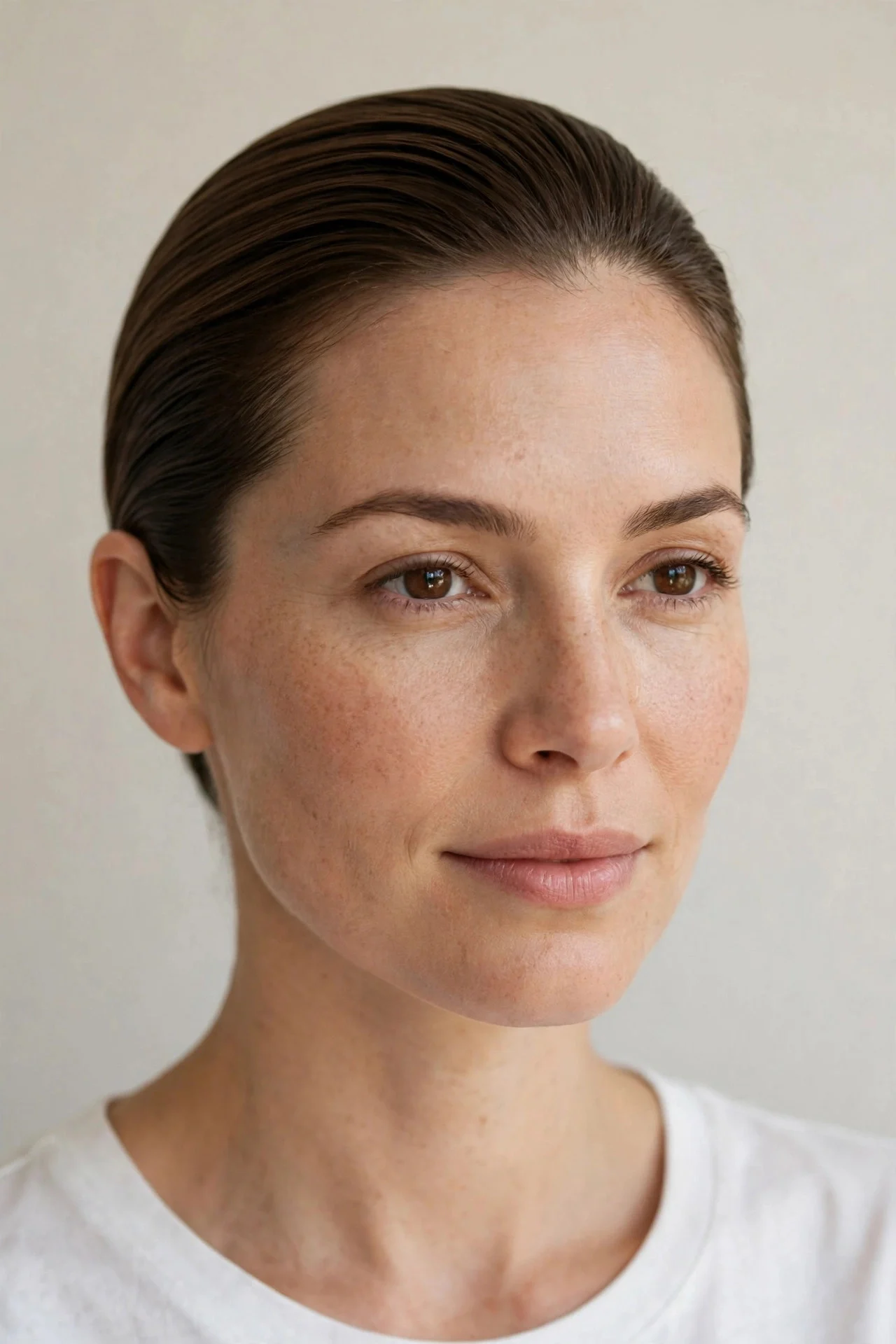
A light styling cream is what gives air-dried hair its finished look. It adds a little weight to the lengths and tames flyaways without making hair stiff the way gel sometimes does. Work a pea-sized amount through damp hair after your leave-in, focusing on the ends and the frizziest sections around your face. Straight hair needs barely any. Wavy hair benefits from a cream with a little hold to keep the wave from going fluffy. Curly hair can take a richer cream that defines the pattern as it dries. The mistake to avoid is applying cream to soaking wet hair, where it dilutes and slides off. Damp hair grips it. The only drawback is build-up, so clarify your hair every couple of weeks if you use cream daily.
5Detangle With a Wide-Tooth Comb
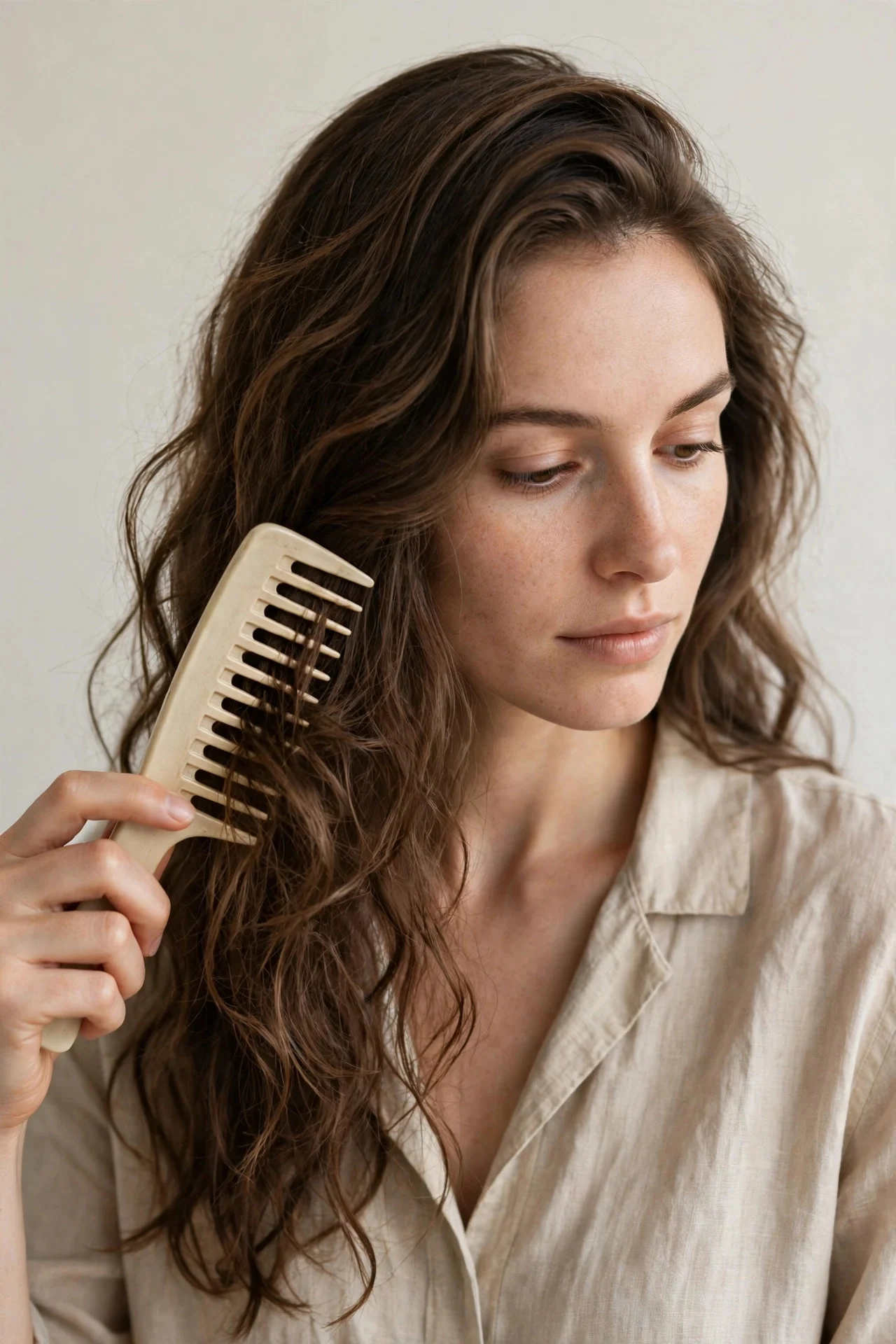
Wet hair is fragile, and the wrong tool turns a smooth air-dry into a frizzy one. A fine-tooth comb or a brush drags through wet strands, stretches them, and breaks up any natural wave or curl into a fuzzy cloud. A wide-tooth comb glides through far more easily. Start at the ends and work upward in short sections, holding each section above where you are combing so you are not pulling at the roots. Do this while your leave-in is still in, since the slip makes detangling easier. Straight hair can be combed smooth and left to fall. Wavy and curly hair should be detangled and left alone, since every extra pass breaks the pattern apart. Never force a knot. Work it out slowly with your fingers first.
6Scrunch or Twist to Encourage Shape
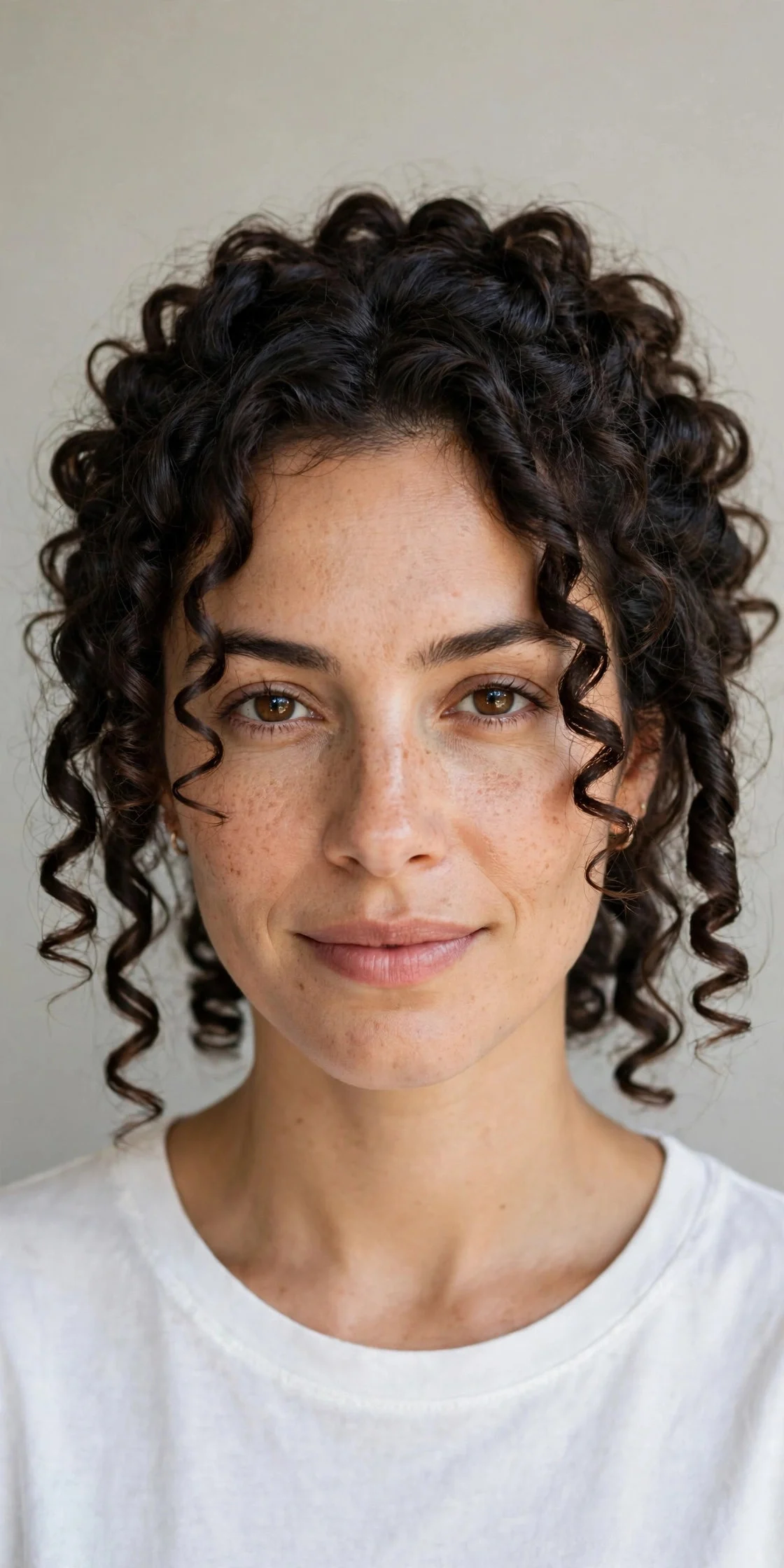
Flat, shapeless air-dried hair usually means the hair was left completely alone after combing, and it dried in whatever random shape gravity gave it. For wavy and curly hair, scrunching is the fix. Cup a section of hair in your palm, push it up toward your scalp, and hold for a few seconds. Repeat around your head. This pushes the wave back into its natural pattern while the hair is still damp enough to hold it. For straighter hair that falls limp, twist two or three loose sections away from your face and let them dry that way, then shake them out for a soft bend. Do this once, early, while hair is damp, and then stop. Re-scrunching half-dry hair breaks the shape and invites frizz back in.
7Let Your Hair Fall Naturally

Where your hair sits while it dries decides how it looks when it is done. Hair flipped forward over your face dries with bent roots and a strange kink at the crown. Hair tucked behind your ears dries with a dent. Let your hair fall where it naturally wants to go, parted the way you normally wear it, and leave it there. If your roots tend to go flat, lift a few sections at the crown with small clips while the hair dries, then remove them once it is fully dry. This gives lift without heat. Thick hair can take an hour or more to dry, so plan around that. The payoff is hair that dries in its own shape instead of one you have to fix later.
8Keep Your Hands Off While It Dries
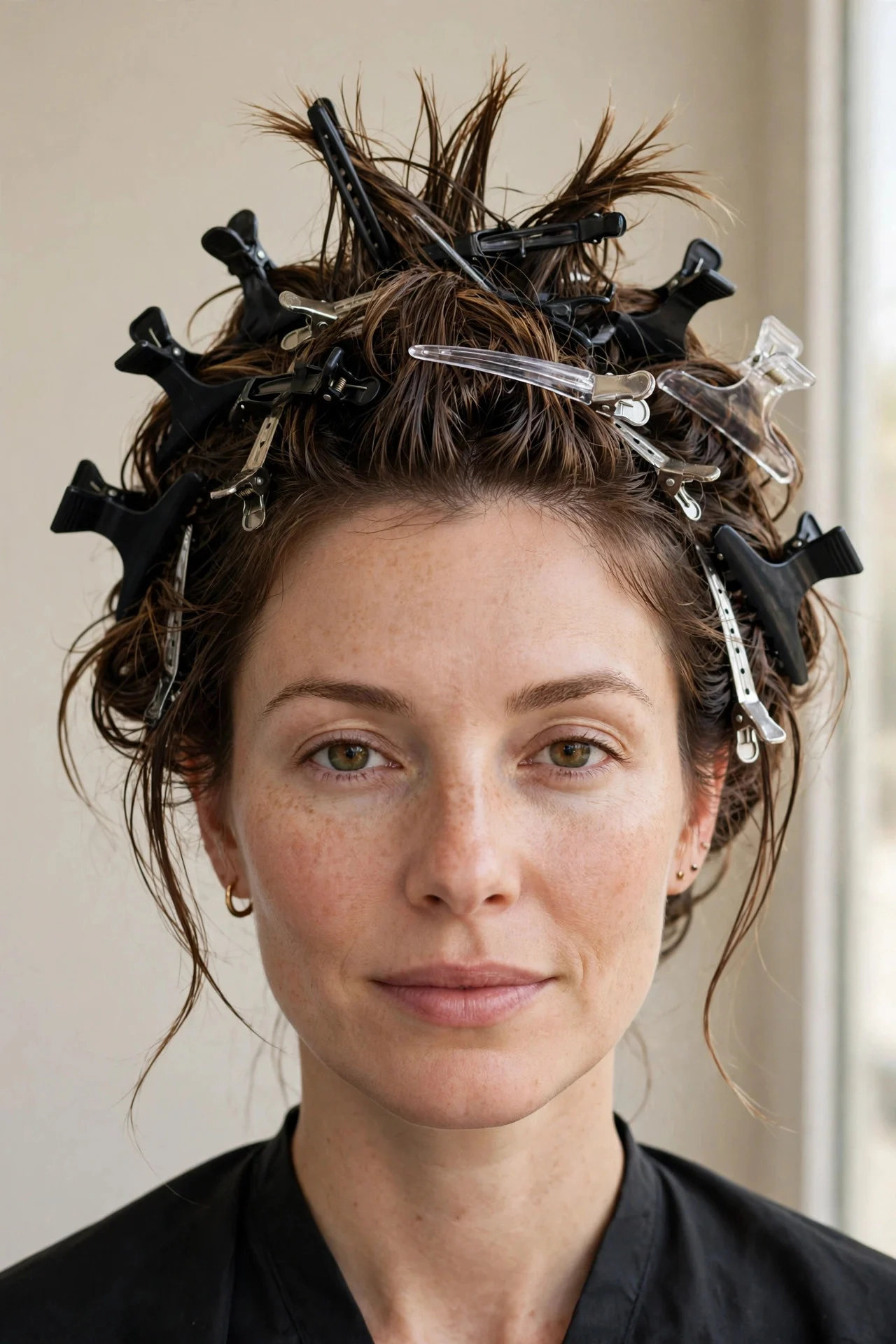
This is the hardest step, and it is also the one that makes the biggest difference. Running your fingers through half-dry hair feels harmless, but every touch disturbs the cuticle while it is still setting. It breaks up waves, pulls curls apart, and creates the flyaways you are trying to avoid. Once your products are in and your hair is arranged, stop touching it. Do not check it every five minutes. Do not tuck it behind your ear and pull it out again. If a section is drying oddly, wait until it is completely dry, because fixing wet hair usually makes it worse. This rule suits every hair type, but curly hair punishes touching the most. The exception is the first five minutes, when you are shaping it.
9Speed Things Up Without Heat

Air-drying takes time, and thick hair can stay damp for hours on a busy morning. You can speed it up without reaching for a hair dryer. After towel-drying, sit near a fan for ten minutes, or step outside on a breezy day, and let moving air do the work. A second microfibre towel swap halfway through helps, since the first towel gets saturated. Another trick is to wash your hair earlier in the evening so most of it dries before bed, though sleeping on damp hair can flatten it, so this suits straight hair better than curly. Avoid blasting it with a dryer on high heat to finish faster, since that undoes all the gentle work. Wash earlier, and the wait becomes part of your routine rather than a delay.
10Finish With a Drop of Hair Oil
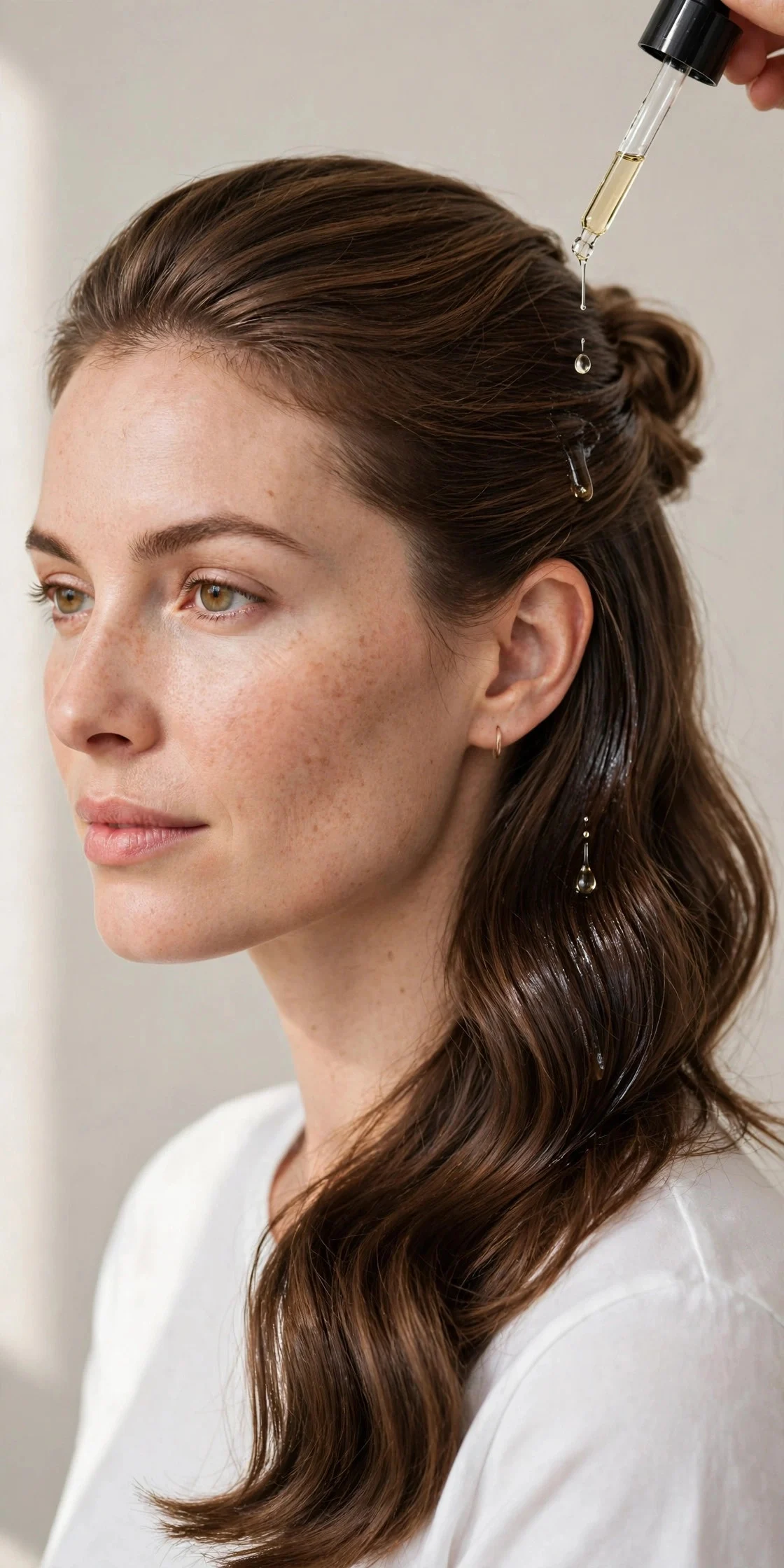
Once your hair is completely dry, a tiny amount of hair oil seals the deal. Rub one or two drops between your palms until your hands feel barely coated, then smooth them lightly over the surface of your hair and the ends. This tames the last flyaways, adds shine, and locks in moisture from your leave-in. Argan oil suits most hair types, jojoba suits fine hair because it is light, and coconut oil suits thick, coarse hair. The classic mistake is using too much, which turns smooth hair into greasy hair in seconds. Start with less than you think you need, adding a second drop only if the ends still look dry. Never apply oil to wet hair to prevent frizz, since it mostly sits on top and does nothing.
Air-Dry Care Tips That Actually Work
A good air-dry routine is only half the story. How you treat your hair between washes matters just as much. Sleep on a silk or satin pillowcase, since cotton creates friction all night and you wake up with the frizz you spent the morning fighting. A loose braid or a soft pineapple ponytail keeps curls intact overnight. Wash your hair with lukewarm water, never hot, and rinse with cool water at the end to help the cuticle lie flat. Get a trim every eight to ten weeks, because split ends frizz no matter what products you use. If you live somewhere humid, a light anti-humidity spray on dry hair helps on the worst days. Ask your stylist for a dusting, which is a tiny trim that only takes off damaged ends, if your hair is generally healthy. And if your hair suddenly gets frizzier than usual, check your products first. Build-up from heavy creams and oils is a common cause, and a clarifying wash usually fixes it in one go.
Can you air-dry hair without frizz every day?
Yes, you can, as long as your routine stays gentle. Wash with a moisturising shampoo, towel-dry with microfibre, and apply a small amount of leave-in and cream while your hair is damp. Daily washing suits fine or oily hair, while thicker hair often does better washed every two or three days. The key is consistency rather than piling on more product each morning.
Why does my hair frizz when I air-dry it?
Frizz happens when the hair cuticle lifts and lets moisture in, which makes strands swell and stick out. Rough towel-drying, hot water, brushing wet hair, and touching hair while it dries all lift the cuticle. Dry or damaged hair frizzes more because its cuticle is already rough. Gentle handling, leave-in conditioner, and leaving hair alone while it dries all help the cuticle stay flat.
Should I brush my hair while it air-dries?
No, brushing half-dry hair is one of the fastest ways to create frizz. A brush pulls apart the natural pattern of wavy and curly hair and roughs up the cuticle of straight hair. Detangle once with a wide-tooth comb while your hair is damp and full of leave-in conditioner, then leave it alone until it is fully dry. If you need to smooth it after drying, use your fingers or a soft bristle brush very lightly.
What products stop frizz when air-drying?
Three products do most of the work. A moisturising leave-in conditioner smooths the cuticle, a light styling cream adds weight and hold, and a drop of hair oil on dry hair seals the surface. Fine hair should stick to sprays and light creams, while thick or curly hair can use richer creams. Avoid heavy products on fine hair, since they cause build-up and flat roots.
How long does hair take to air-dry?
It depends on thickness and length. Fine, short hair can dry in 30 to 45 minutes. Medium hair usually takes one to two hours. Thick, long, or very curly hair can take three hours or more. A microfibre towel, a fan, and washing earlier in the day all speed things up. Your hair is only truly done when the roots feel dry, so check there rather than just the ends.
Air drying without frizz is mostly about what you do in the first ten minutes after washing. Handle wet hair gently, add product early, and then leave it alone while it dries.
Keep exploring
If you liked these ideas, check out How to Fix Frizzy Hair: 15 Tips That Work, Damaged Hair Repair: 12 Treatments That Help and 12 Scalp Care Tips for Healthy Hair.