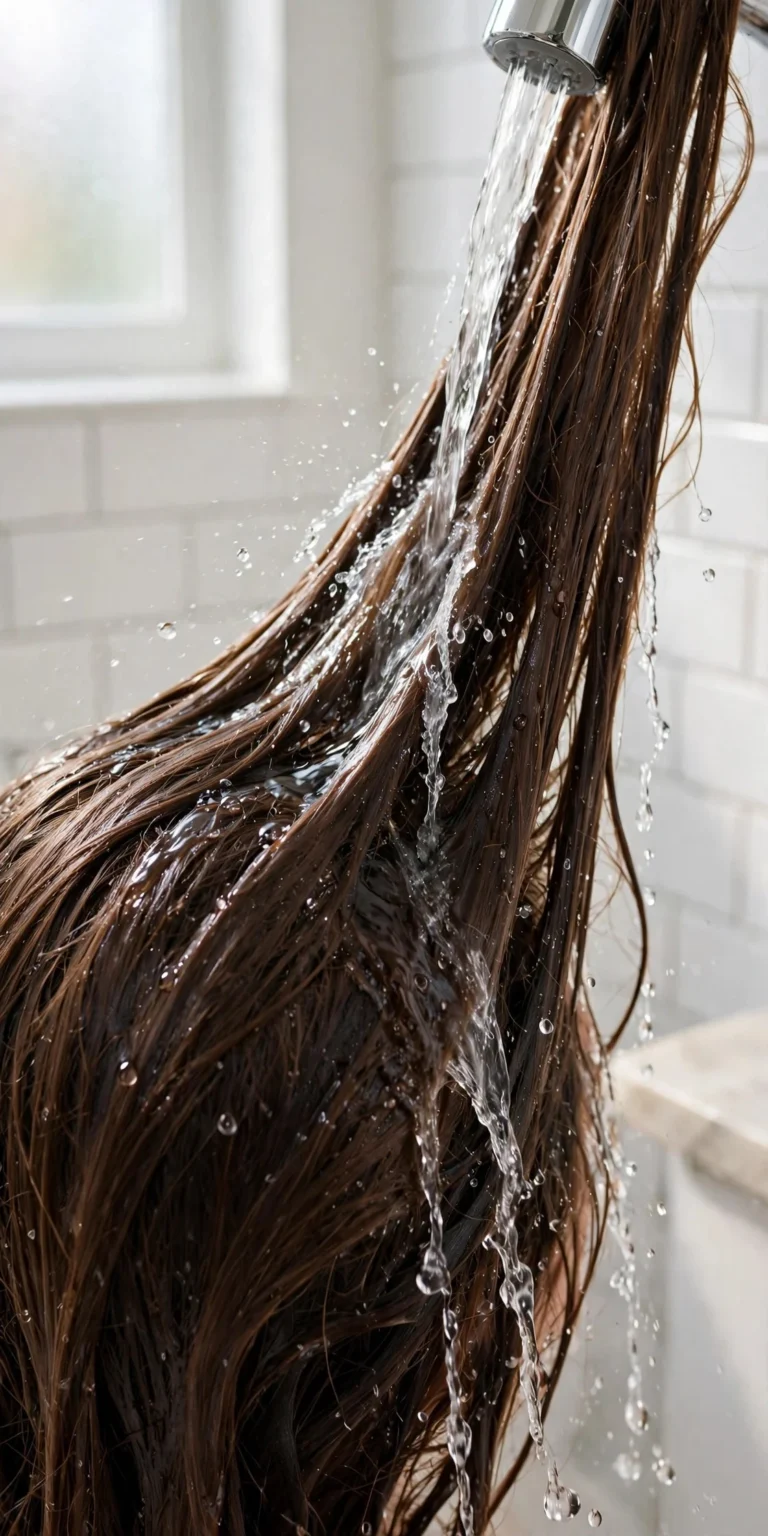
Everybody wants the curls without the damage. The problem is, most “heatless curls” tutorials only show you the method that worked for one specific hair type on one specific influencer. So I tested ten popular methods on different hair textures, slept in all of them, and took notes on what actually happened by morning.
Here is the honest breakdown. Some of these gave me genuine ringlets. Some gave me a weird kink. A few were so uncomfortable I ripped them out at 3am. Each method below tells you who it is really for, how to do it right, and whether it is worth your sleep.
1Satin Heatless Curl Rod (Headband Method)
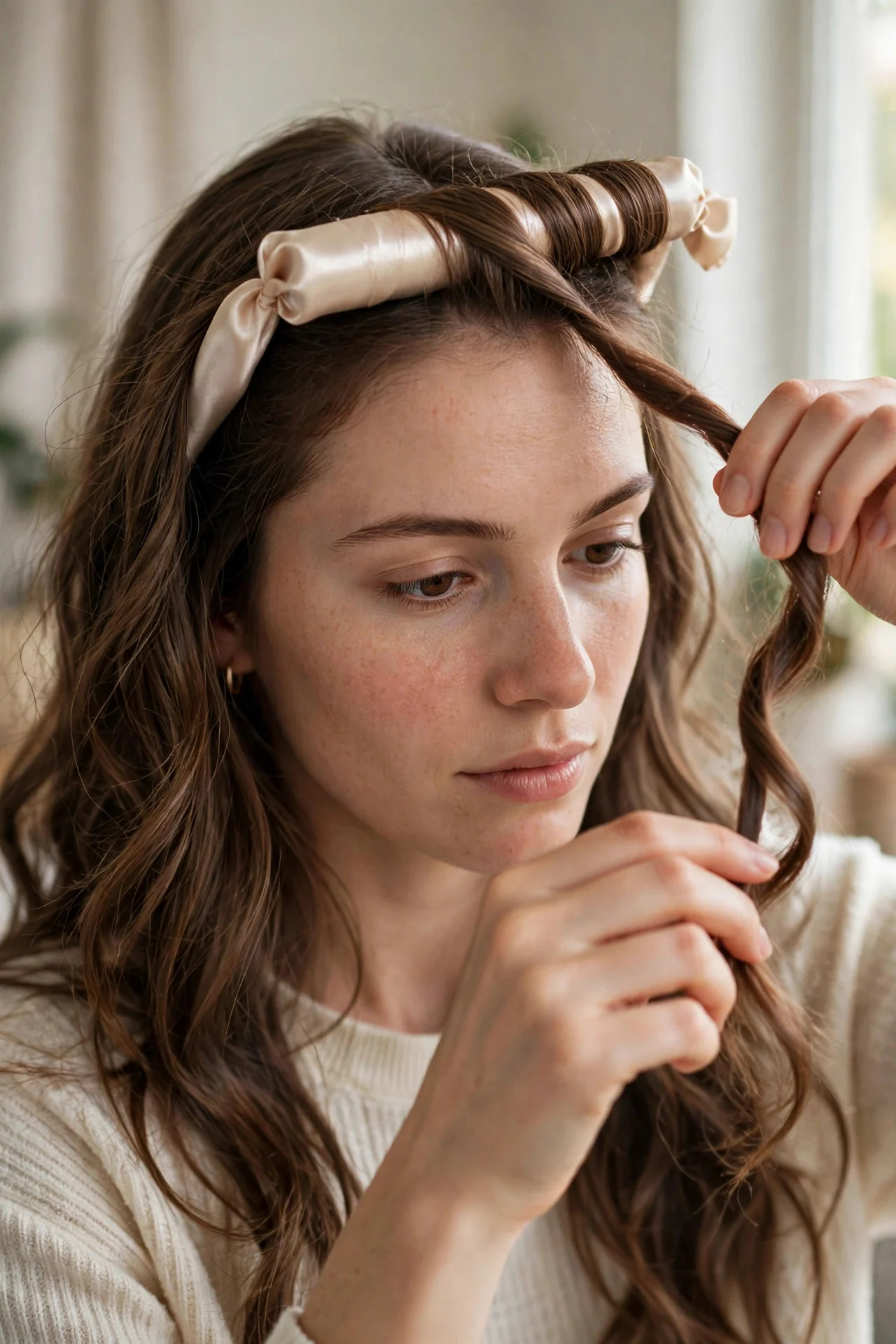
This is the viral satin rod you drape over your head like a headband, wrapping sections of damp hair around it and securing the ends with scrunchies. Sleep in it, unwrap in the morning, and you get big, bouncy, uniform waves. It works shockingly well on medium to long hair, especially straight or wavy textures that hold a shape overnight.
The catch is comfort. The rod sits across your forehead and the back of your head, so back sleepers do fine but side sleepers often wake up with a headache or a flattened side. It also needs your hair at least shoulder-length to wrap properly. Shorter hair slips off. Expect the curls to drop by about 30 percent within two hours, so wrap tighter than you think you need.
2Sock Curls
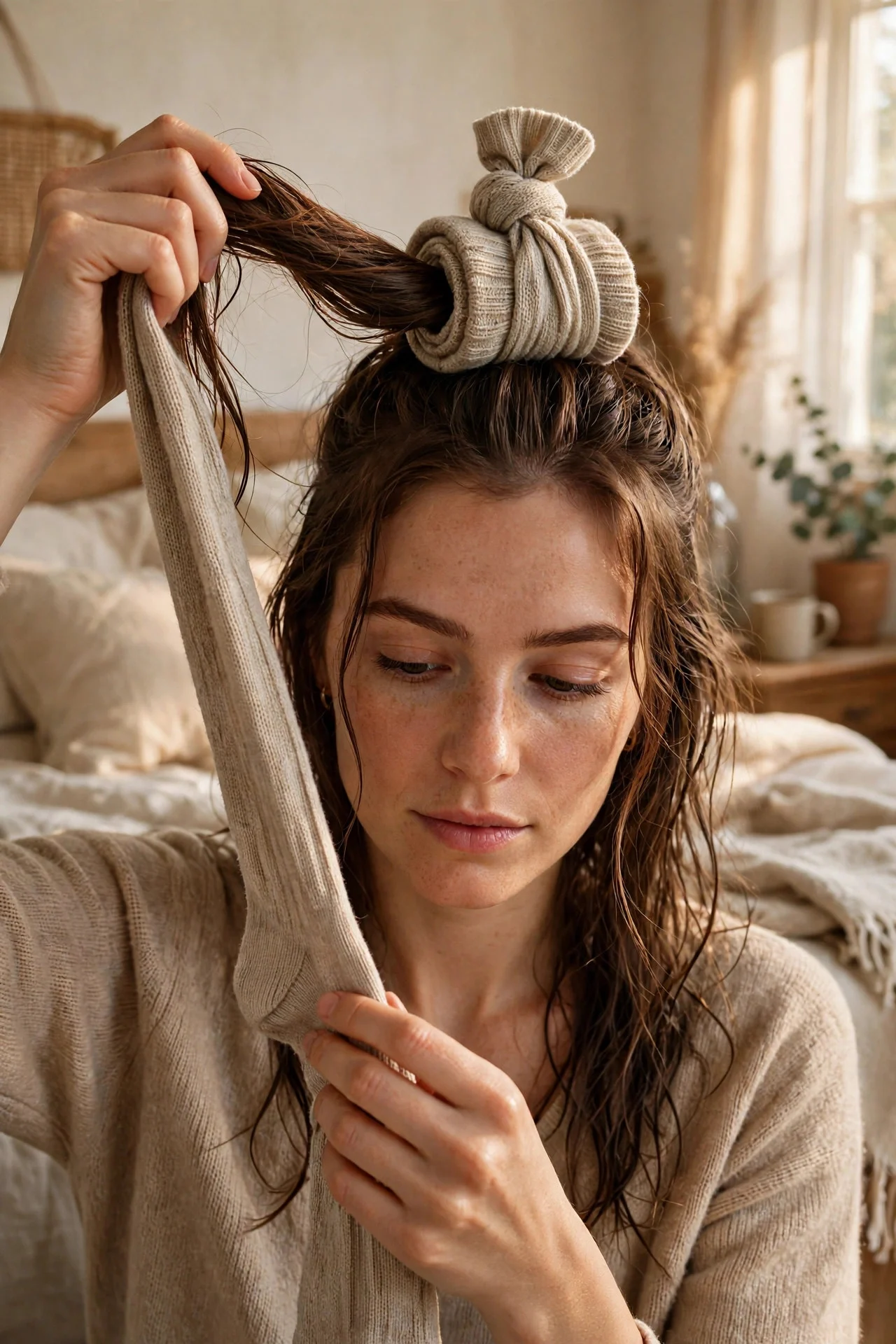
Divide damp hair into sections, lay each section on a long sock, roll the hair up inside the sock, and tie the sock to secure it. In the morning you get tight, spiral-ish curls with a lot of volume at the roots. This is one of the cheapest methods (you already own socks) and it works on a wide range of lengths, from bob to waist-length.
The downside is the look and feel. You go to bed with what appears to be laundry tied to your head, and the knots can dig into your scalp. The curls also come out tighter and more retro than the loose waves most people want, so you will need to brush them out and let them relax. Fine hair gets great lift from this; very thick hair may need six to eight socks and a lot of patience.
3Robe-Belt Curls
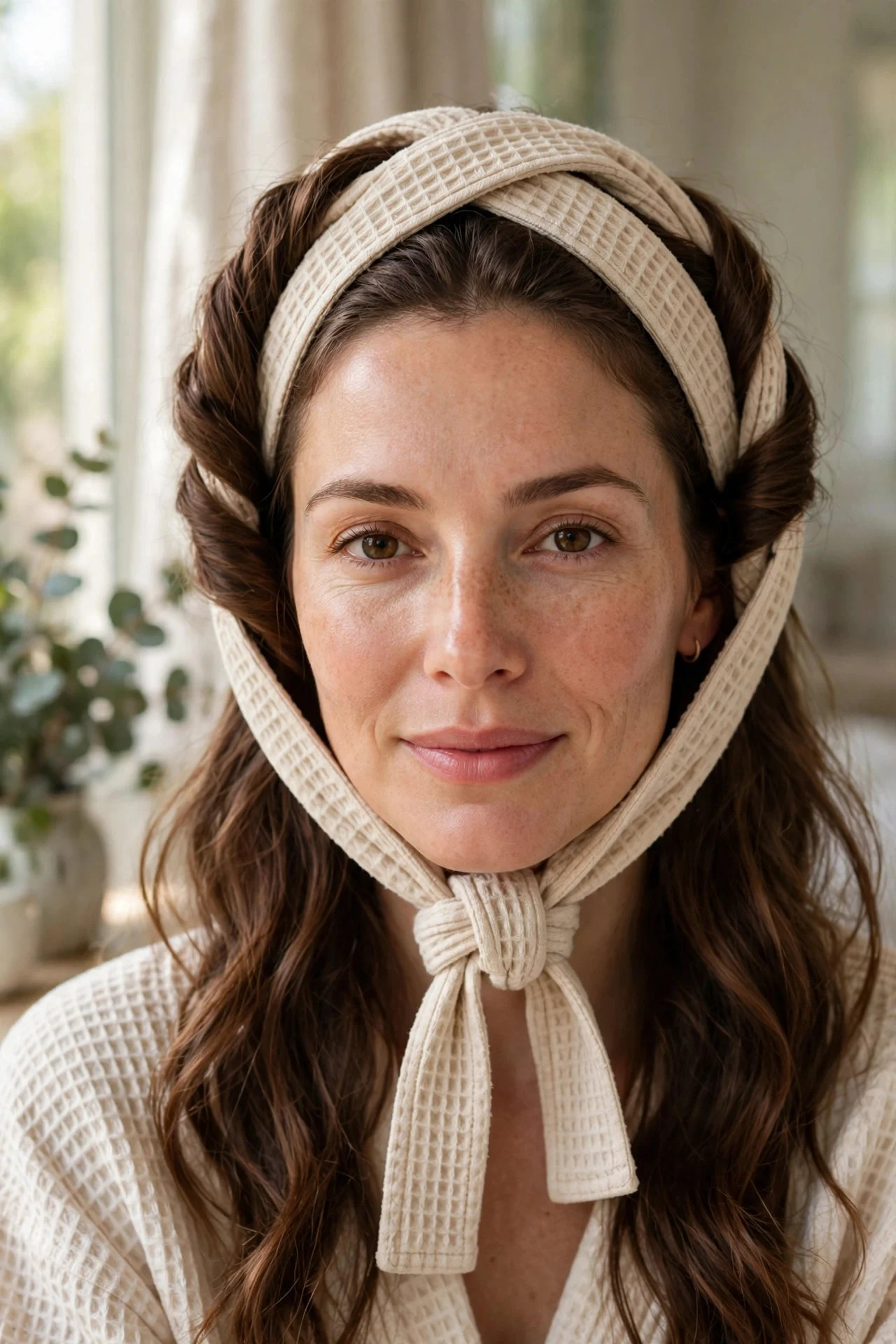
Same principle as the satin rod, but you use the belt from a bathrobe instead. Drape it over your head, wrap damp sections around each side, and secure with scrunchies. The thicker, softer belt is more comfortable to sleep in than a satin rod, and the resulting waves are looser and more beachy.
It is best for long, thick hair that needs a wider wrapping surface. The waves are less defined than the satin rod, which is either a pro or a con depending on what you want. The belt can shift during the night if you toss and turn, so pin the top with a claw clip for insurance. Do not use a belt with a rough texture; it will frizz your hair.
4Flexi Rods
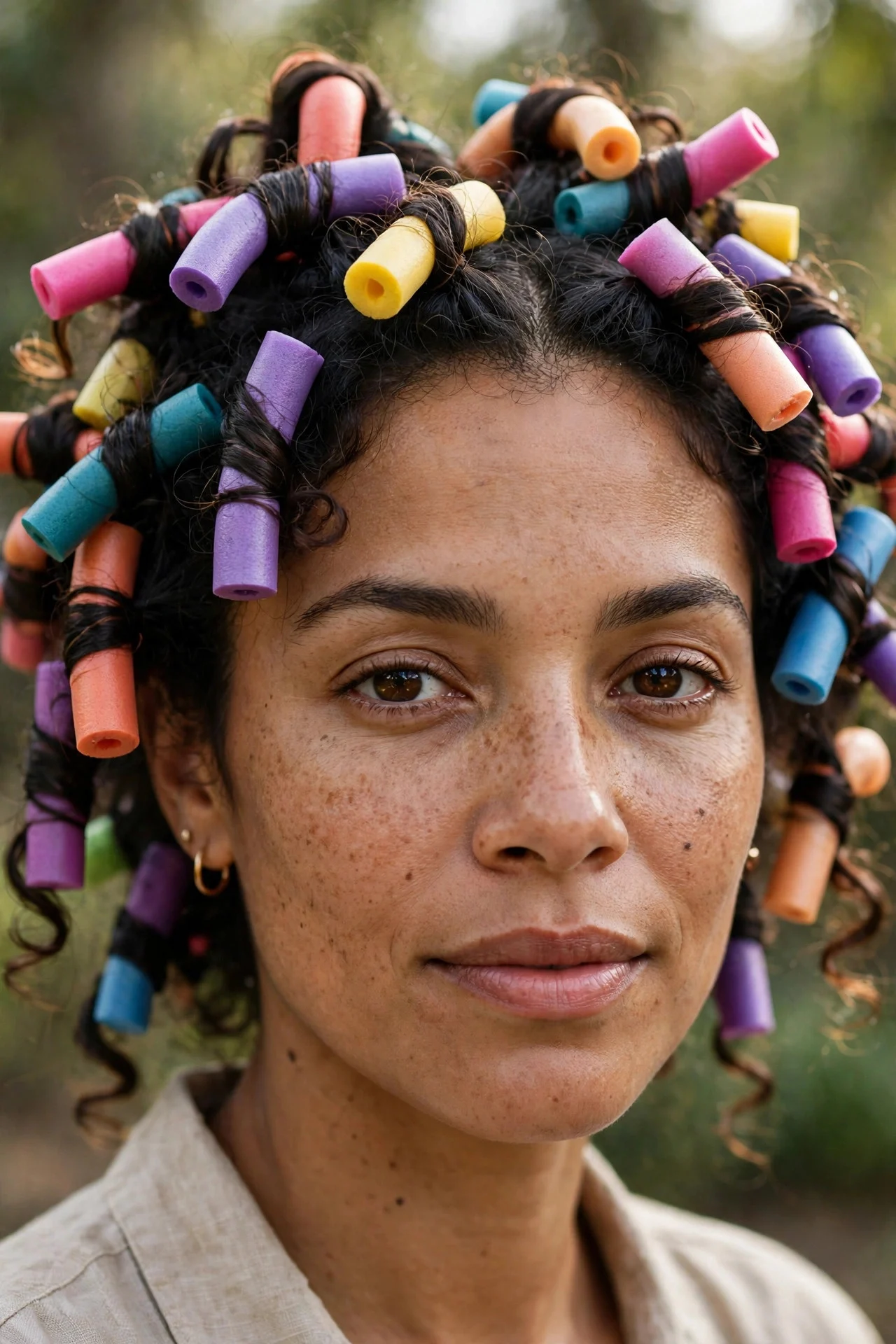
These are bendable foam rods you wrap sections of hair around, then bend the ends to lock them in place. They give you the most control over curl size of any method here: small rods for tight curls, large rods for loose waves. They work on almost every hair type, including short hair and natural textures, because you are not relying on wrapping around your head.
The trade-off is time and comfort. Wrapping your whole head takes 20 to 30 minutes, and sleeping on a head full of foam rods is lumpy. They are also the method most likely to leave you with curls that look “done” rather than effortless, so separate and shake them out well in the morning. For the best results, use them on 80-percent-dry hair with a light styling foam.
5Braids Overnight

The simplest method of all: braid damp hair before bed. One loose braid gives you soft waves, two braids give you more texture, and four or more small braids give you crimp-like definition. It is the most comfortable method to sleep in (no hardware on your head) and the fastest to do.
The results are the least predictable, though. Braid waves can look amazing or slightly frizzy depending on your hair’s mood, and the ends often come out straight where the elastic was. It works best on hair that already has some natural wave. Very straight hair may wake up with barely-there texture unless you braid tightly on damp hair with product. Pro tip: braid on the looser side for waves, tighter for definition.
6Twisted Buns
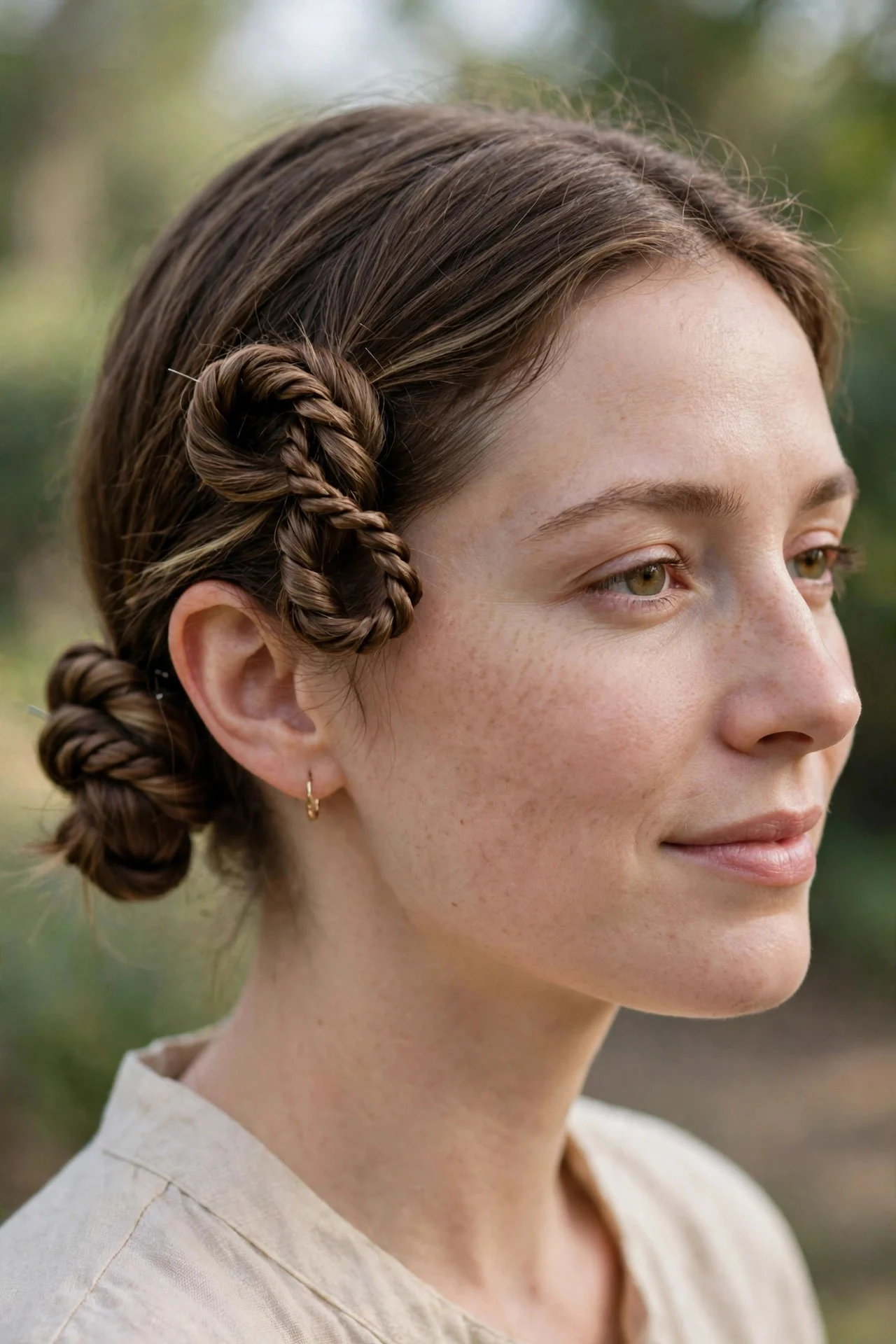
Split damp hair into two sections, twist each section tightly, coil it into a bun on top of your head, and secure with a scrunchie or claw clip. This is the flattest method to sleep on (the buns sit on top, not under your head) and it gives you voluminous, loose waves with great root lift.
It is ideal for side sleepers and anyone who hates things pressing against their scalp. The waves are big and soft rather than defined curls. Thick hair works beautifully here; fine hair may need a texturizing spray for grip. The buns can loosen overnight if your hair is silky, so twist tightly and use a secure scrunchie, not a loose one.
7Foam Rollers
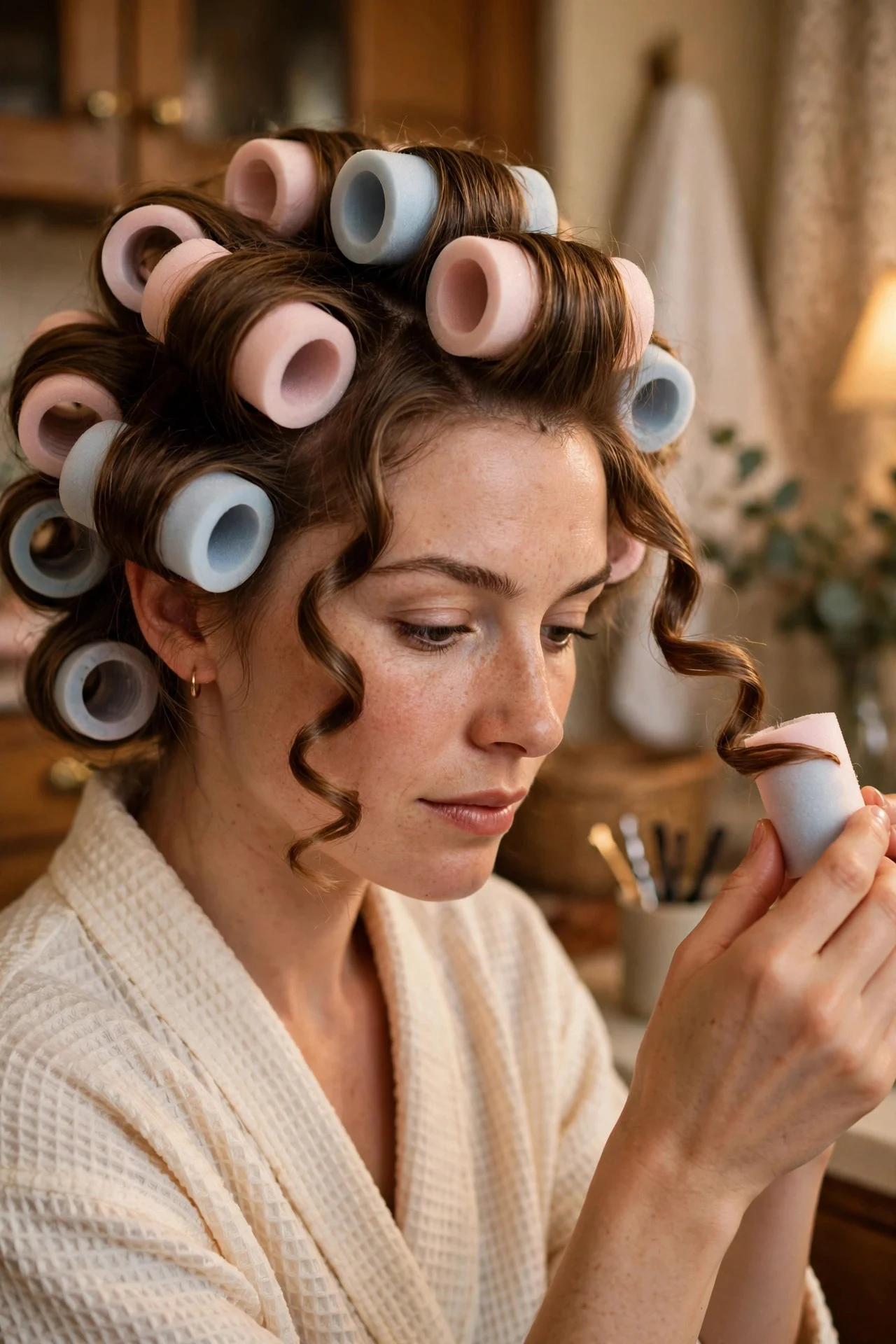
The old-school method your grandmother used, and it still works. Roll sections of damp hair onto soft foam rollers, secure them, and sleep. You get classic, bouncy curls with a lot of volume, and the curl pattern is very consistent because each roller is the same size.
Sleeping in them is the main complaint; they are bulky and can hurt if you lie on them wrong. They also take the longest to put in (30-plus minutes for a full head). But for special occasions where you want reliable, polished curls without heat, they are hard to beat. Use the largest rollers for waves, medium for curls. They work on all hair types but are especially good for fine hair that needs volume.
8Pin Curls
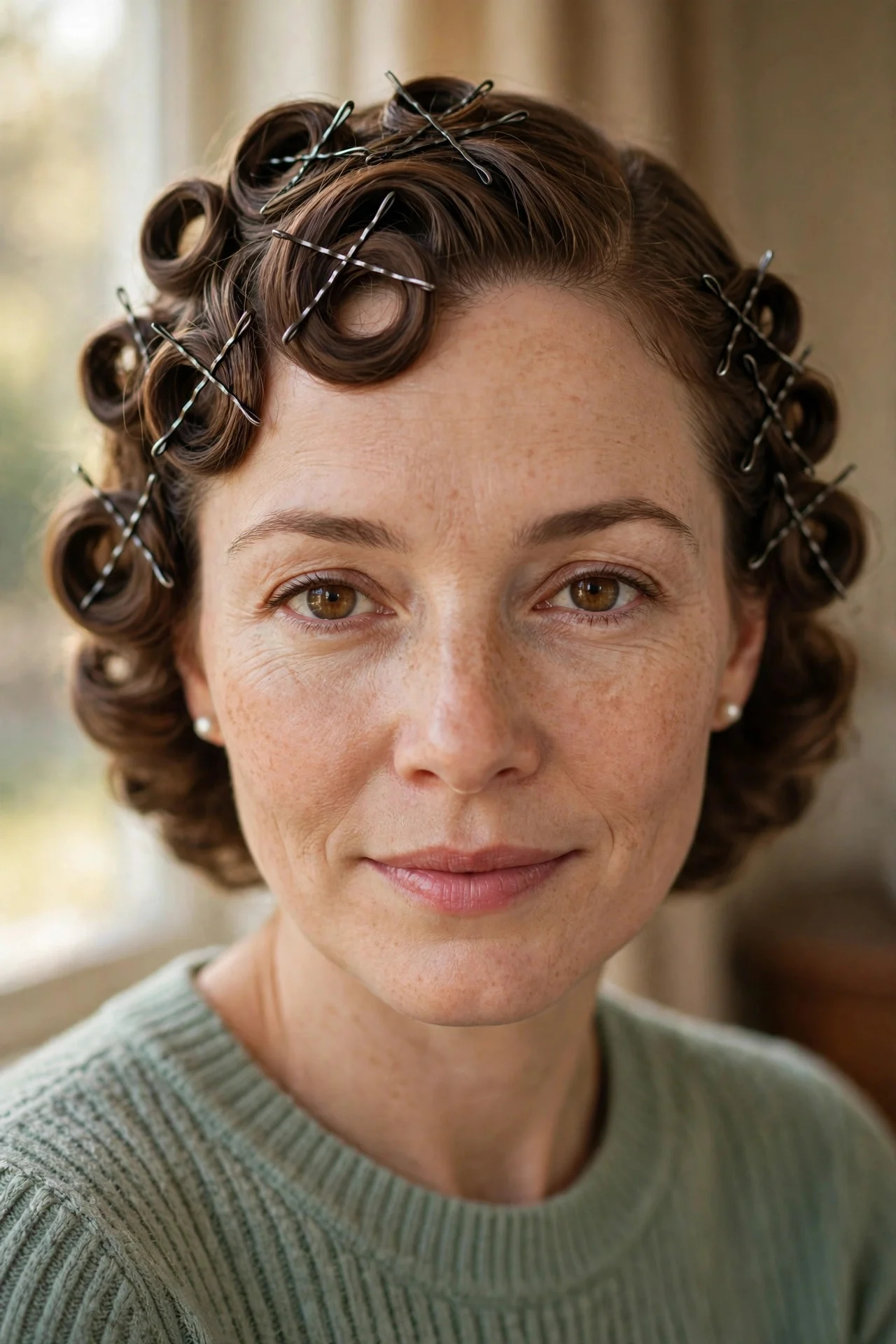
Roll small sections of damp hair into flat spirals against your scalp and pin them with bobby pins or duckbill clips. This is the vintage Hollywood method, and it produces the most defined, long-lasting curls of any heatless technique. The curls have real structure and bounce.
It is also the most labor-intensive and the least comfortable. Pinning a whole head takes 30 to 45 minutes, and sleeping on bobby pins is not fun. The results are worth it for events, though; pin curls can last two days with minimal touch-ups. Best for medium to long hair. Short hair is hard to pin flat. If you try one “fancy” method, make it this one.
9Headband Wrap Curls
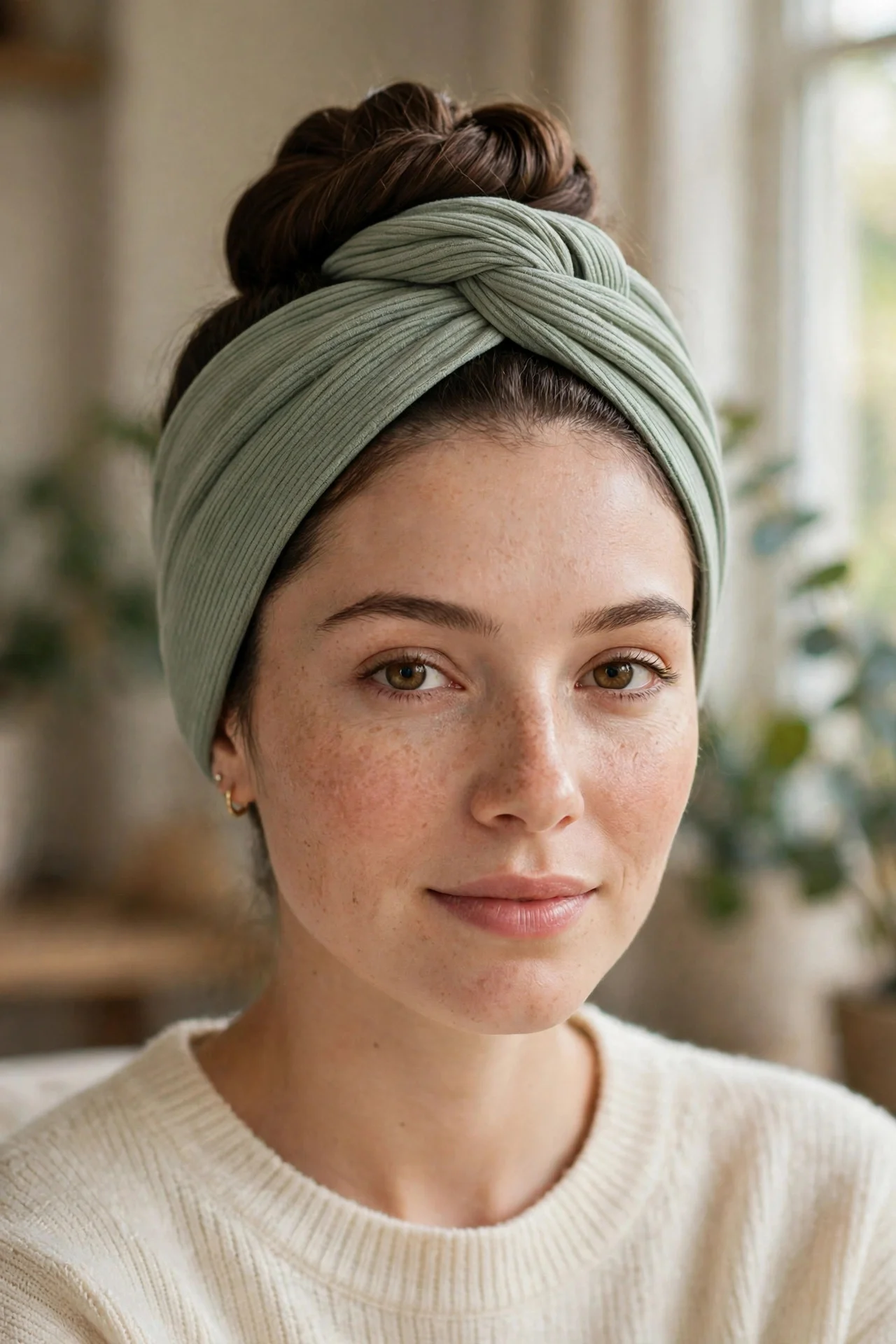
Put on a soft, stretchy headband (like a yoga headband), then tuck and wrap sections of damp hair up and around the band all the way around your head. Secure the ends and sleep. In the morning you get soft, romantic waves that frame your face beautifully.
This is one of the most comfortable methods because the headband is flat and soft. It works best on medium to long hair; short hair will not reach around the band. The waves are loose and natural-looking, not tight curls. The headband can ride up during the night, so choose one with good grip (not silky) and consider pinning it in a few places. Great for beginners because it is almost impossible to mess up.
10Claw-Clip Waves
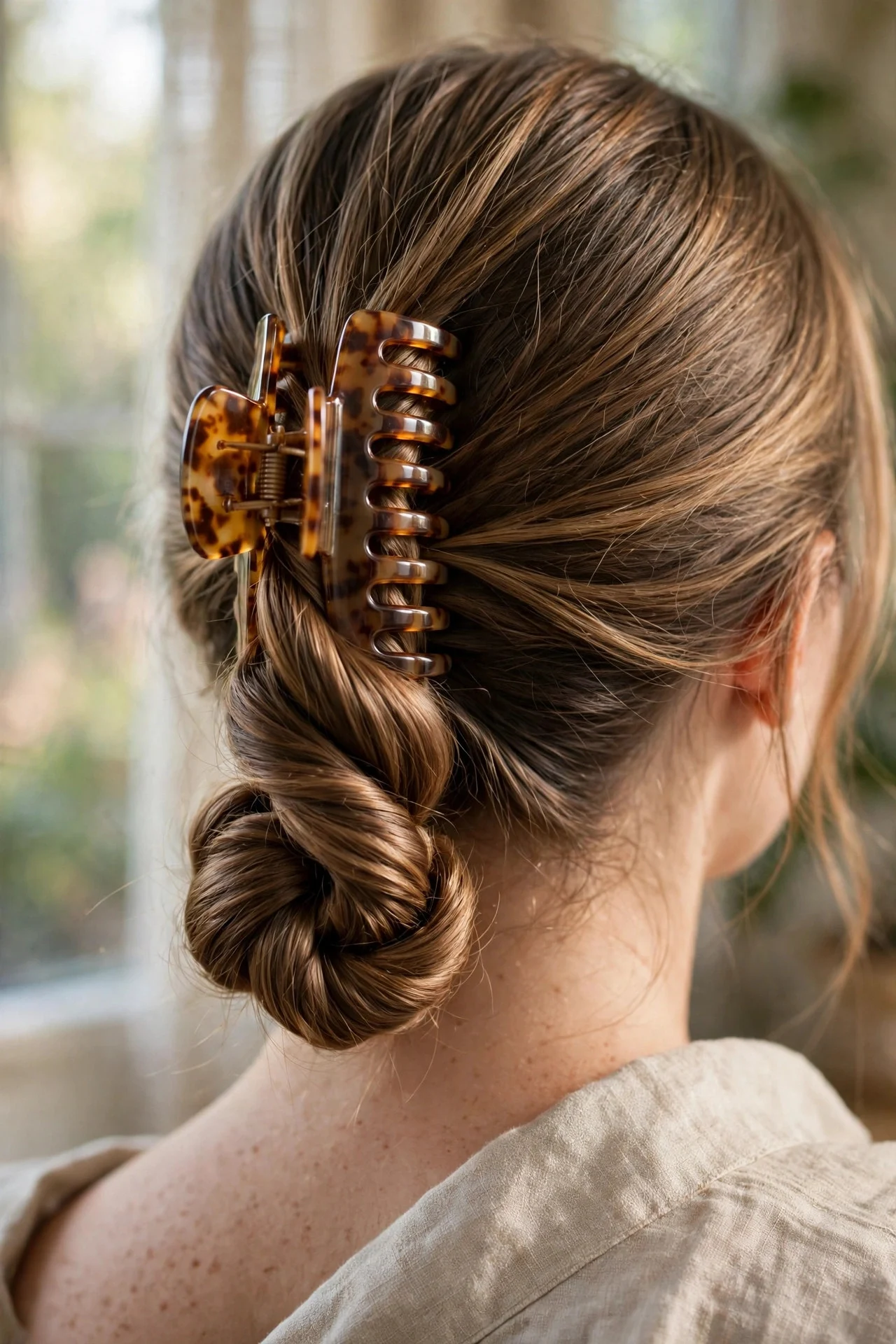
Twist damp hair up into a high twist and secure it with a large claw clip, or divide into two twists with smaller clips. This is the laziest method here (takes two minutes) and it gives you loose, tousled waves with volume at the crown. It is also the only method you can realistically do on dry hair with a bit of texturizing spray.
The waves are the most casual and least defined of all ten methods, which is perfect for a lived-in look but disappointing if you wanted real curls. It works on most lengths but is best for medium to long hair. The clip can leave a dent if it is too tight, so position it carefully. This is my pick for “I want to look like I tried without actually trying.”
Making Heatless Curls Last
Getting the curls is only half the battle; keeping them past noon is the other half. Start with the right foundation: hair that is 60 to 80 percent dry holds a set far better than soaking wet or bone dry hair. Apply a light mousse or curl cream before wrapping; it gives your hair “memory” without the crunch of gel.
In the morning, do not brush your curls out aggressively. Use your fingers or a wide-tooth comb to separate them gently. A light mist of flexible-hold hairspray locks everything in without stiffness. If your curls fall fast, you probably need smaller sections, damper hair, or a stronger-hold product. And sleep on a silk or satin pillowcase; cotton absorbs moisture and creates friction that kills curls overnight.
How damp should my hair be for heatless curls?
Most methods work best on hair that is 60 to 80 percent dry, meaning damp but not dripping. Too wet and your hair will not dry overnight, so it falls flat by morning. Too dry and there is no shape memory to set the curl. If you only have dry hair, mist it section by section with a spray bottle as you work.
Why did one side of my heatless curls come out straight?
Almost always a sleep-position issue. The side you sleep on gets pressed flat and absorbs friction all night. Try switching sides halfway through the night, securing everything tighter with a silk scarf over the top, or choosing a flatter method like twisted buns or the headband wrap if you are a dedicated side sleeper.
Can heatless curls work on very straight hair?
Yes, but manage your expectations and stack the odds. Use the dampest level your method allows, make your sections smaller, and add a light mousse or texture spray before wrapping. Your curls will be looser and shorter-lived than someone with wavy hair gets, but you will still see a real difference, and the satin rod and flexi rods tend to perform best on stubbornly straight hair.
Keep exploring: when your waves need a rest day, these 15 Messy Bun Variations for Every Hair Length (2026) hide second-day texture beautifully, and the braid skills from method 5 transfer straight into these 10 Waterfall Braid Ideas for Long Hair. If the twisted-bun method was your favorite, you will love these 12 Twisted Updos for Medium Hair (2026) for daytime wear.