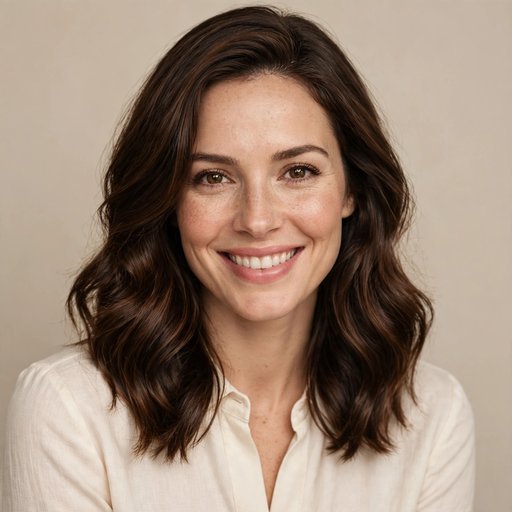
Your forties are a great time to get honest about your hair. You know what you will actually style in the morning, and you know what just sits in a bun all week. The best cuts at this age work with your texture instead of fighting it, and they still leave room to look polished when it matters.
The twelve styles below cover short, medium, and long hair, plus options for fine, thick, straight, and wavy textures. Pick the one that fits your routine first, then bring the description to your stylist.
1Shoulder-Length Layers with Soft Ends
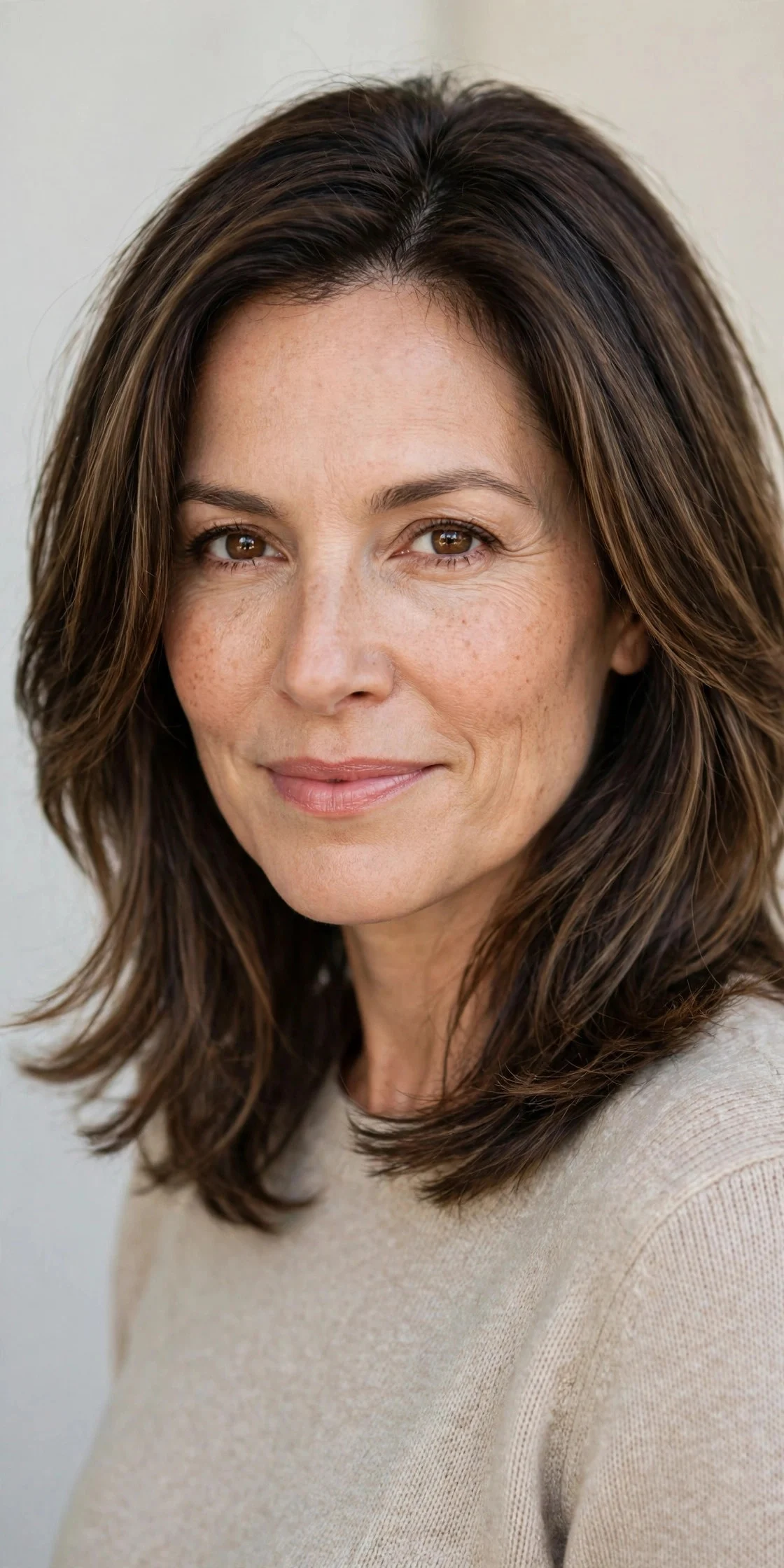
Ask your stylist for long layers that start around the chin and soften toward the ends, with the length sitting just on the shoulders. This cut suits almost every face shape, and it is especially kind to oval and round faces because the layers open up the cheekbones. Blow dry with a round brush for a smooth finish, or let it air dry with a little cream for a relaxed look. It needs a trim every six to eight weeks to keep the ends from looking thin. The honest drawback is that thick hair can puff out at this length, so ask for some weight removed from underneath if your hair tends to expand.
2The Classic Lob
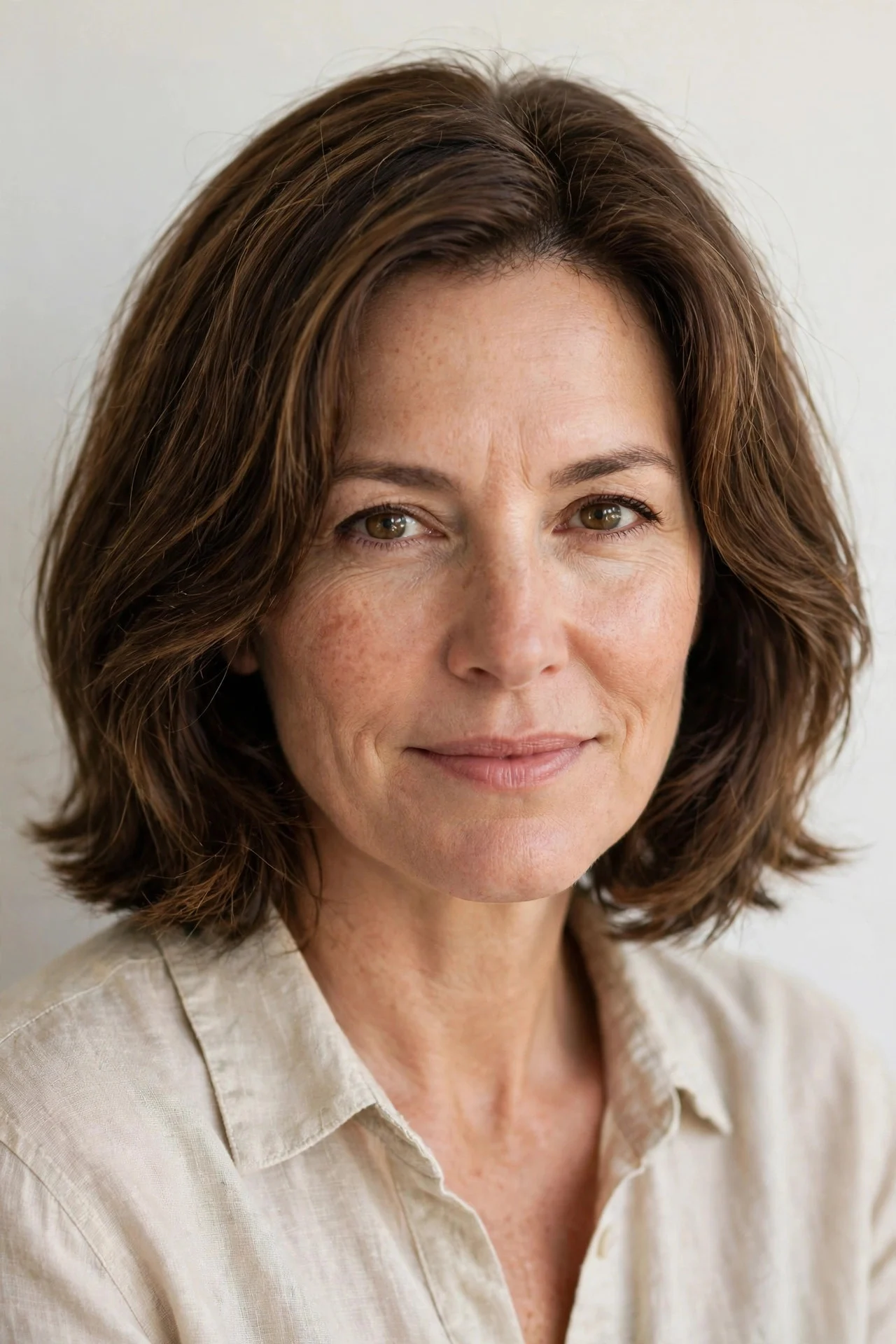
The lob, or long bob, ends between the chin and the collarbone and works beautifully when you want shorter hair without going short. Ask for a blunt baseline with just a few invisible layers inside for movement, and a centre or slightly off-centre part. It suits straight and slightly wavy hair best, and it flatters square and heart-shaped faces by softening the jawline. Style it with a flat iron for a sleek look, or bend the ends under with a brush. The drawback is upkeep: the shape grows out fast, so plan a trim every six weeks, and fine hair may need volumising mousse at the roots to avoid a flat finish.
3Textured Pixie with Side-Swept Fringe
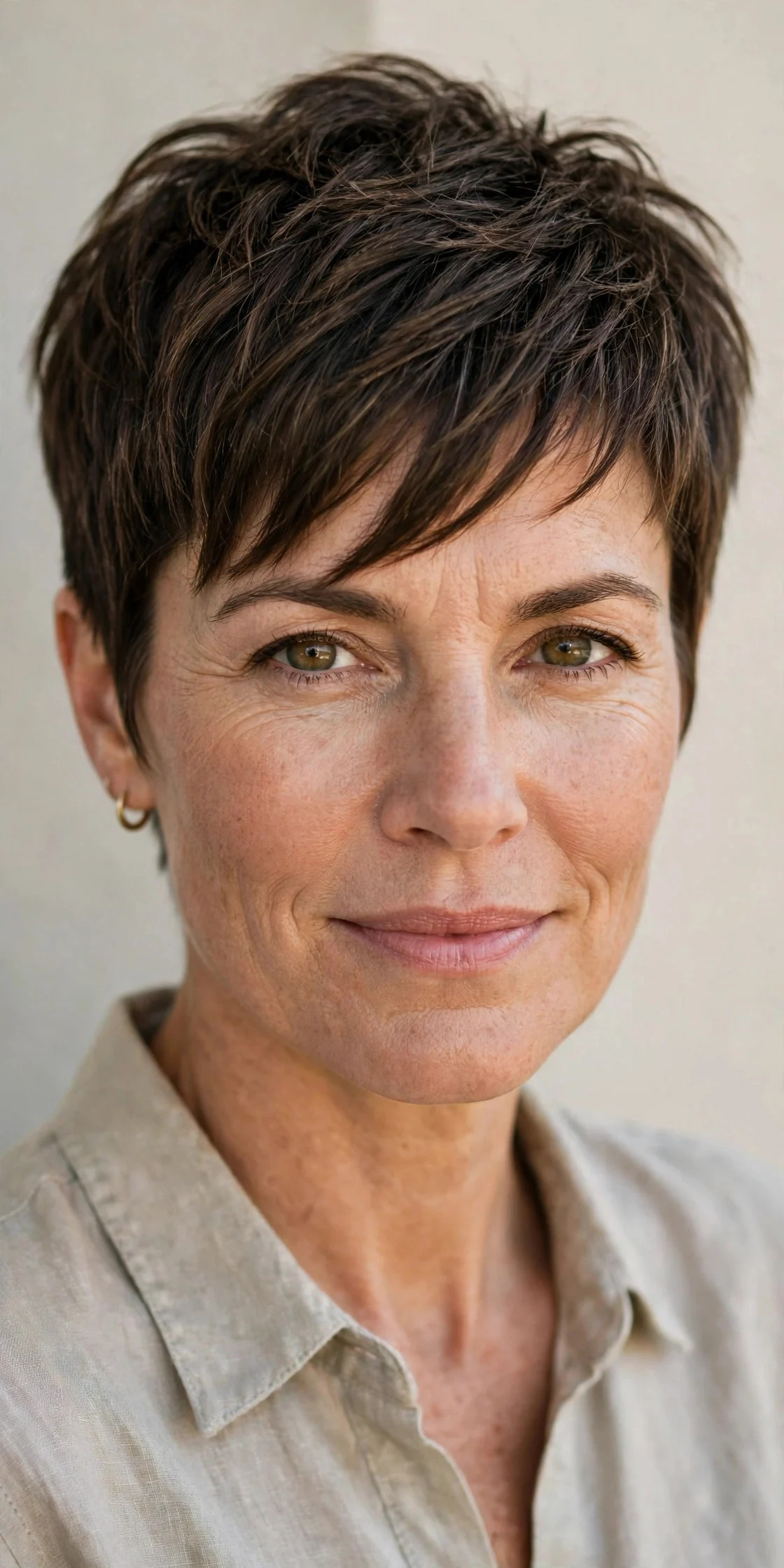
A textured pixie is the low-effort hero for women who are done with long styling sessions. Ask for short, choppy layers on top, tapered sides, and a longer side-swept fringe that can be tucked behind one ear. It suits oval, heart, and square faces, and it shows off cheekbones and earrings beautifully. Styling takes about five minutes: a dab of pomade or texture paste, tousled with your fingers, and you are done. The drawback is the salon commitment, since pixies need reshaping every four to five weeks, and growing one out takes patience and a few awkward in-between stages.
4Face-Framing Layers on Long Hair
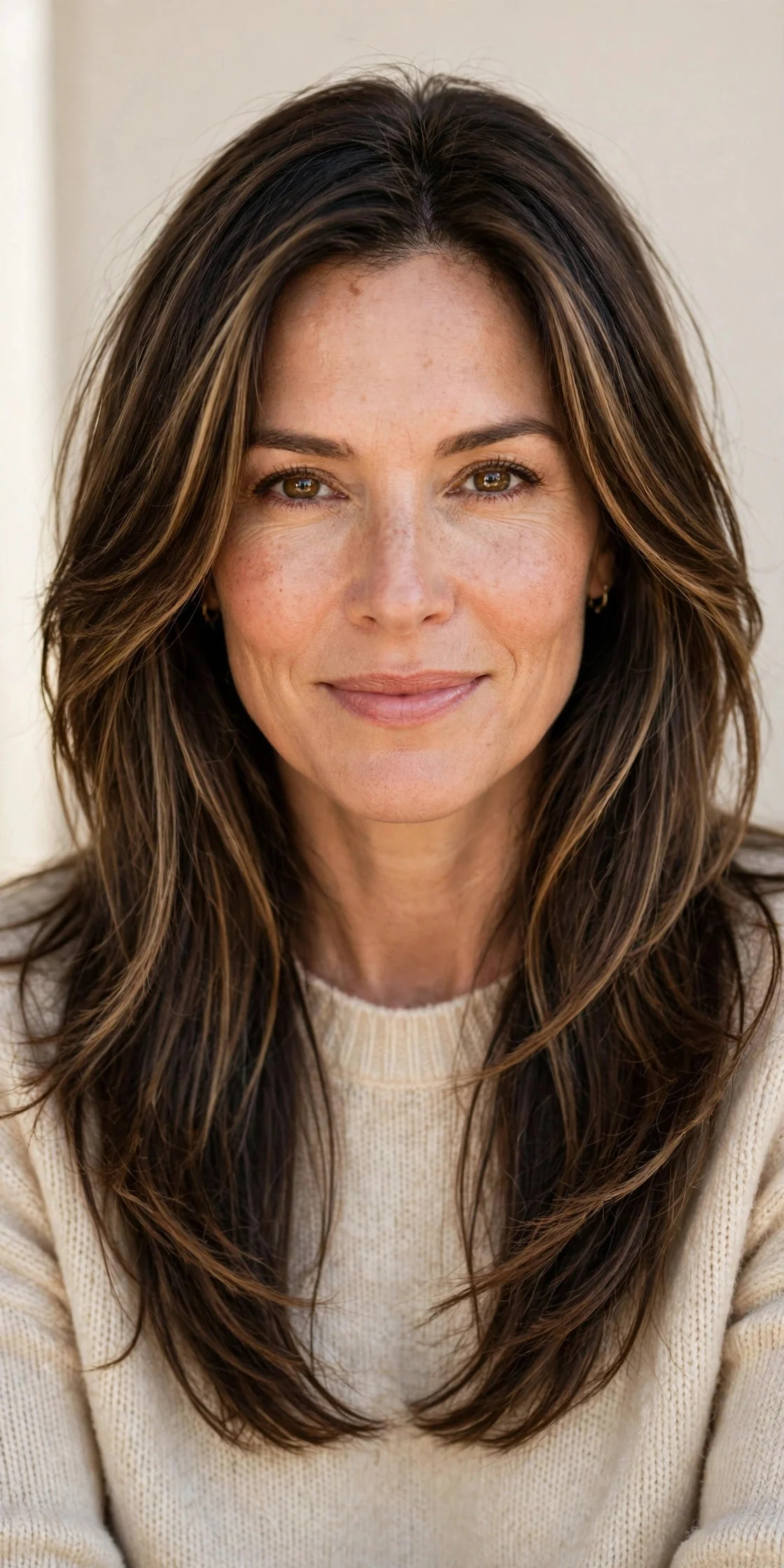
If you love your length and do not want to lose it, face-framing layers are the safest refresh. Ask for shorter pieces starting at the cheekbones or jaw, blending into the rest of your length, with no harsh steps. This suits long, oval, and rectangular faces, and it works on straight, wavy, and thick hair. It instantly makes a ponytail or a half-up style look intentional, and it grows out gracefully. Style with a large barrel brush or loose curls away from the face. The drawback is that very fine hair can look thinner around the face if the layers are cut too short, so keep the shortest pieces at jaw length or below.
5Soft Curtain Bangs with a Medium Cut
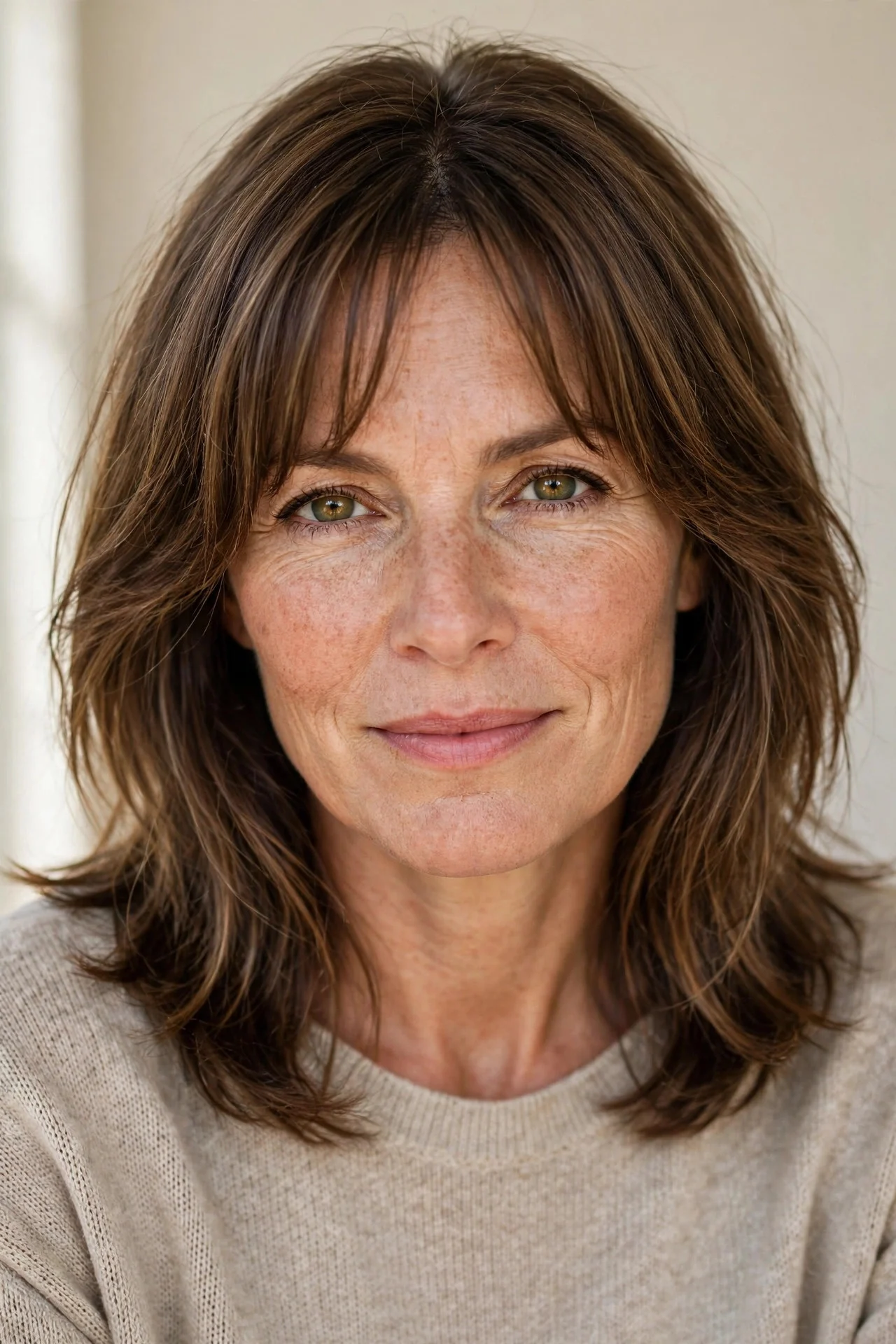
Curtain bangs part in the middle and sweep to each side, framing the forehead without the commitment of a full fringe. Ask your stylist to cut them starting at the cheekbones, blended into medium-length layers, so they grow out softly. They suit round, oval, and heart-shaped faces, and they are a kind way to soften a high forehead or strong brow. Blow dry them forward with a round brush, then split them to each side. The drawback is the learning curve: bangs need a quick daily style, and they can go limp in humidity, so keep dry shampoo and a small brush handy for midday touch-ups.
6Sleek Blunt Bob
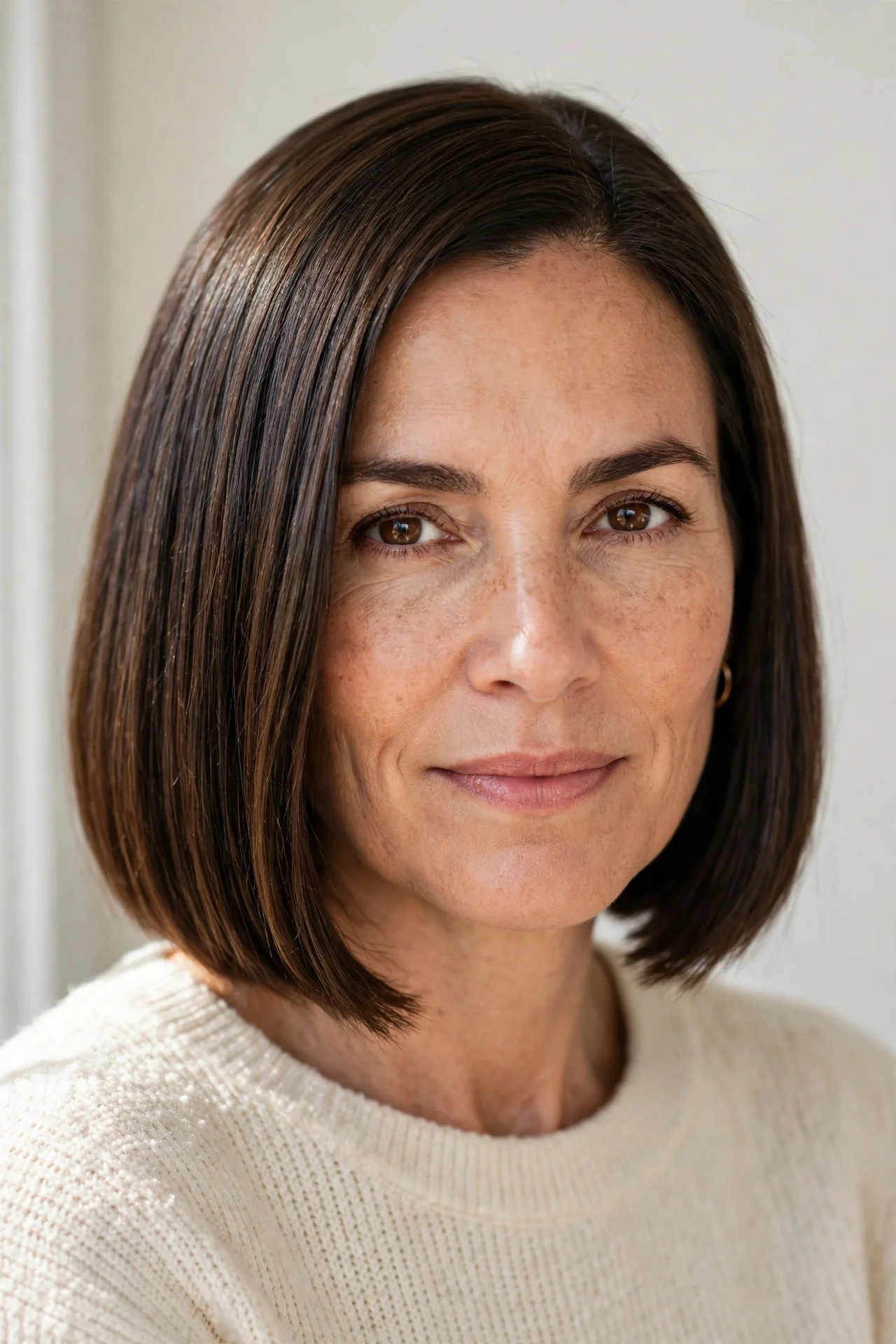
A blunt bob that ends at the jaw or just below it reads sharp, modern, and put together. Ask for one clean length with no layers, and a part that suits your face, either centre or deep side. It suits straight, fine to medium hair and oval, heart, and square faces, and it makes thin hair look instantly thicker. Style it with a flat iron and a shine serum, tucking one side behind the ear for a softer feel. The drawback is that it shows every bit of regrowth and every split end, so it needs trims every five to six weeks, and wavy or curly hair will need regular smoothing to hold the blunt line.
7Bouncy Blowout Layers
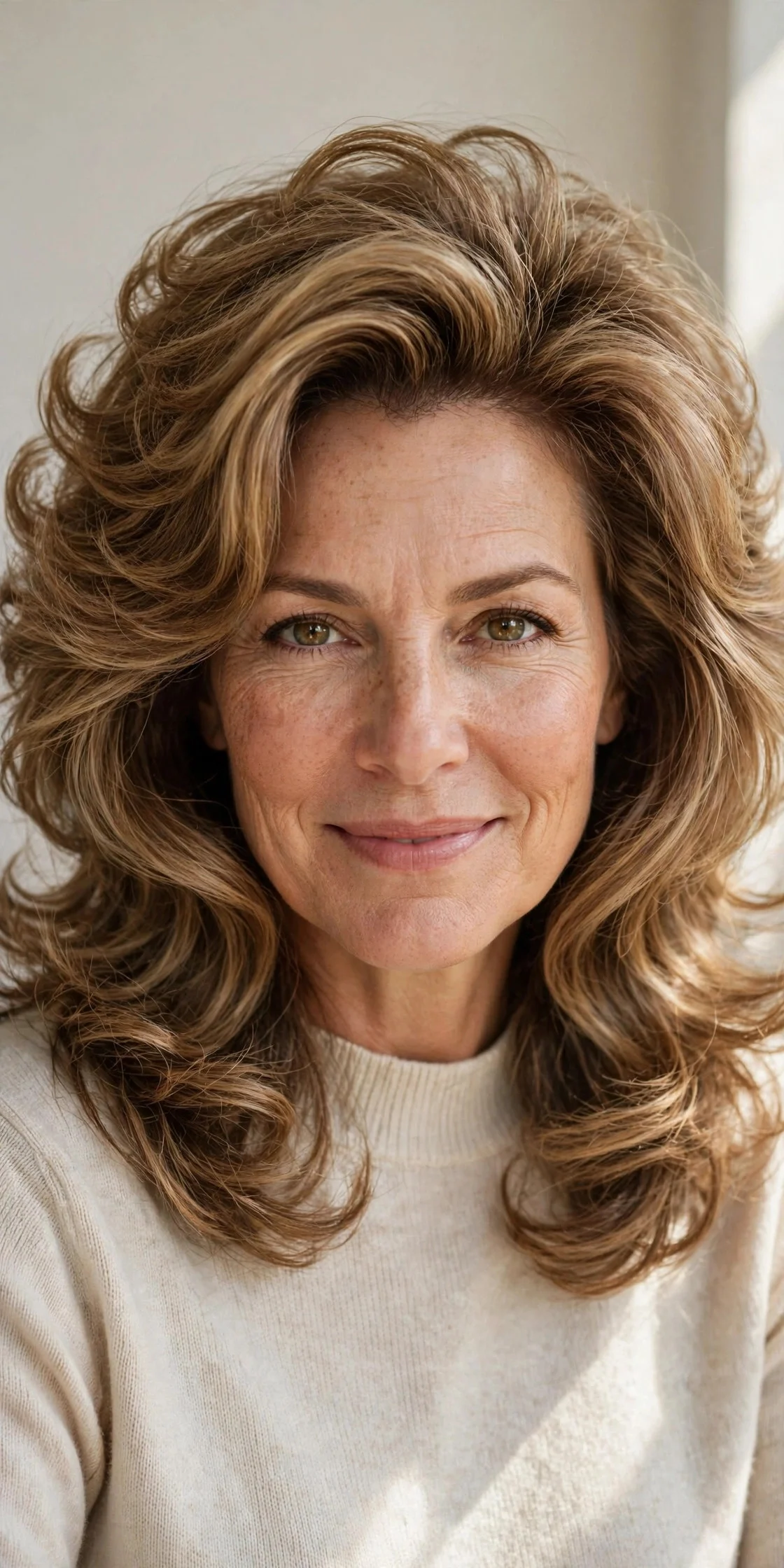
The bouncy blowout is all about volume, movement, and ends that flick outward. Ask for long layers throughout, with the shortest layers around the face, and a cut that supports a round-brush blow dry. It suits medium to thick hair and oval, round, and heart-shaped faces, and it is perfect if you like a polished, salon-finished look. At home, use a large round brush and a volumising spray, drying in sections for lift at the roots. The drawback is time: a full blowout takes twenty to thirty minutes, and the style falls flat in rain or humidity unless you set it with a light-hold spray.
8Feathered Shag with Movement
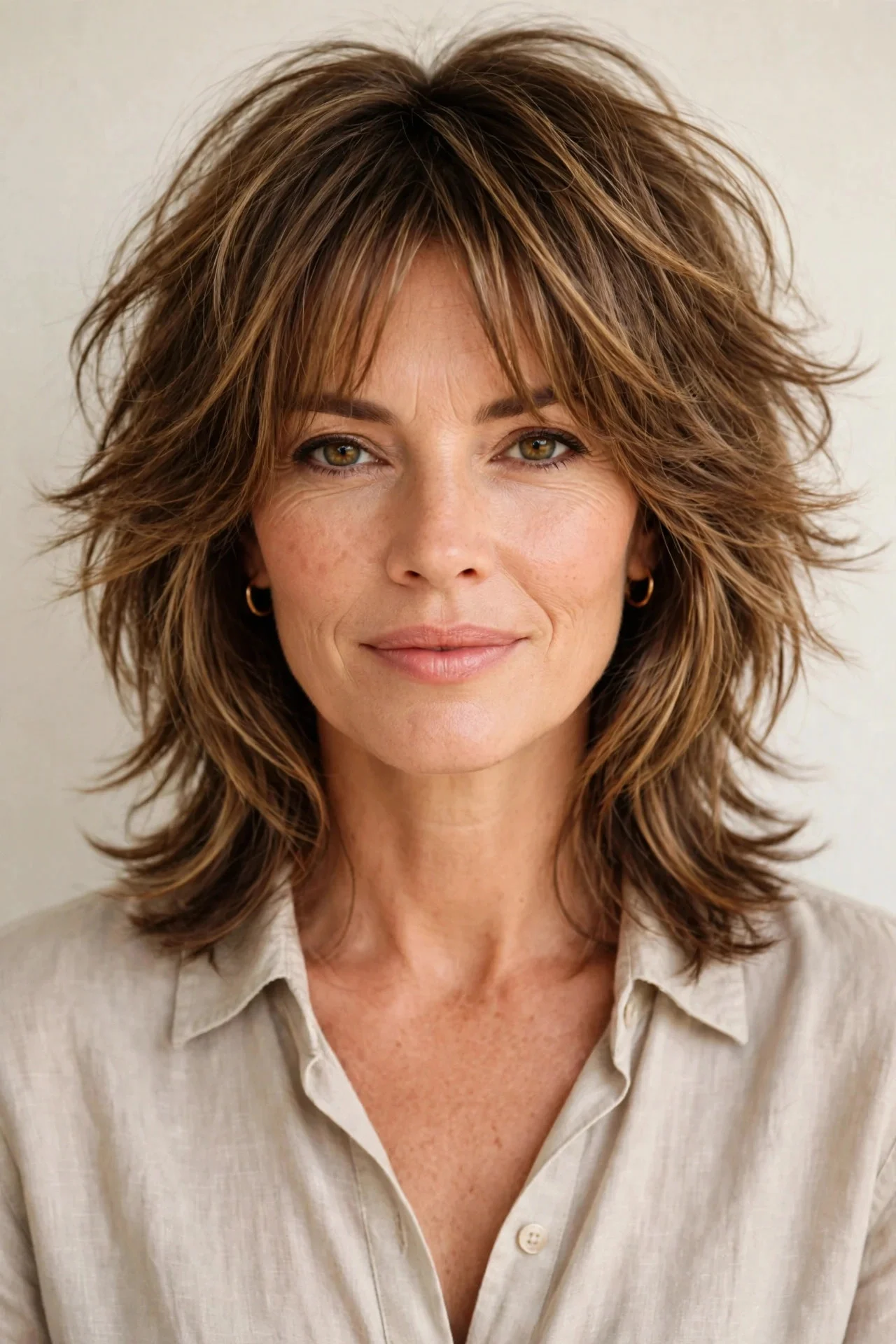
The modern shag is softer than the retro version, with feathered layers and a lived-in texture. Ask for choppy layers through the crown and mid-lengths, a little texture at the ends, and optional curtain bangs to tie it together. It suits wavy and thick hair best, and it flatters round and square faces by adding height on top. Style it by scrunching in a salt spray or curl cream and letting it air dry. The drawback is that it can look messy rather than textured on very fine or very straight hair, so you may need a texturising spray and a few minutes of scrunching to get the intended shape.
9Chin-Length Bob with a Deep Side Part

A chin-length bob with a deep side part is a classic that never really leaves style. Ask for a clean cut that grazes the chin, with the part set far to one side for instant volume and asymmetry. It suits oval, heart, and long faces, and it works well on straight and slightly wavy hair. The deep part lifts the roots on one side, which is a gift for fine hair that tends to lie flat. Style with a smoothing cream and a quick pass of the flat iron. The drawback is that the style depends on the part staying put, so you may need a light-hold product, and the short length leaves little room to tie hair back on busy days.
10Long Layers with Loose Waves
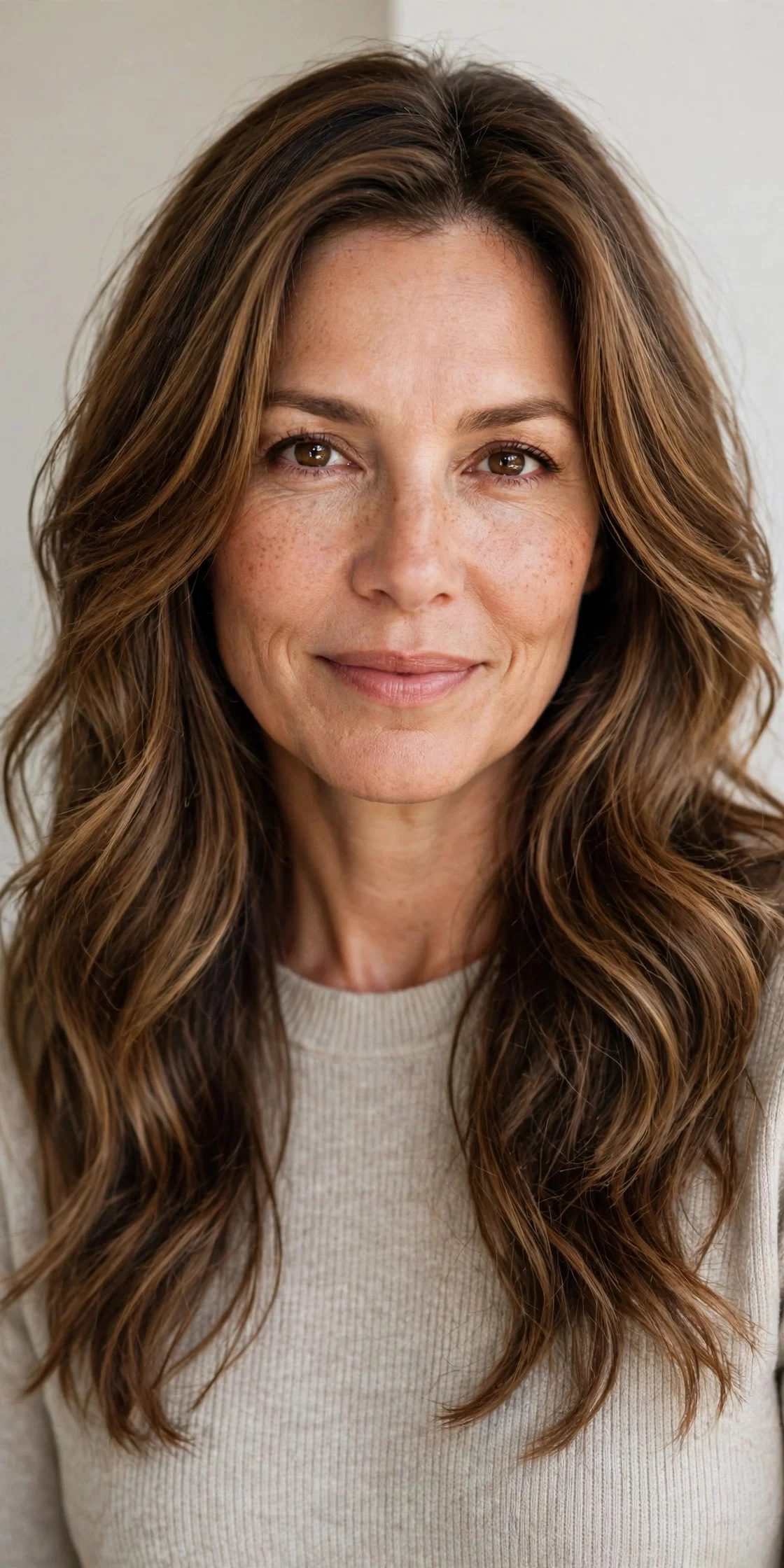
Long layers with loose waves are the relaxed, romantic option for women keeping their length. Ask for long, blended layers from the shoulders down, with no short pieces that break up the wave pattern. This suits oval and long faces, and medium to thick wavy or straight hair that holds a bend. Create the waves with a large curling iron, wrapping sections away from the face, then brush through for softness. The drawback is weight: very long, thick hair can drag the waves out by evening, so use a volumising mousse at the roots and a light texturising spray, and expect a trim every eight to ten weeks.
11Soft French Bob
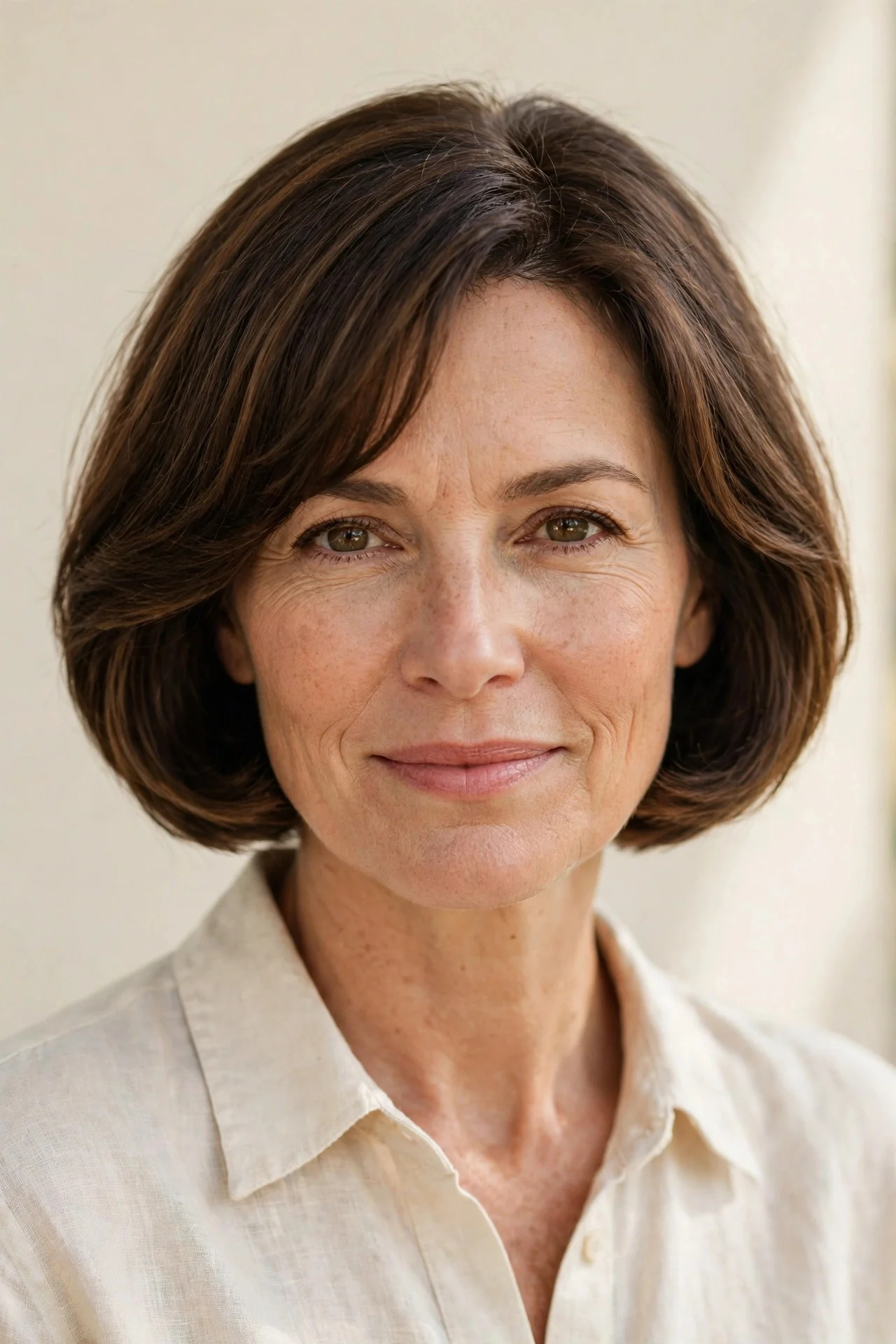
The French bob ends around the cheekbone or jaw with a slightly undone, airy finish. Ask for a short bob with soft, textured ends and a wispy fringe or face-framing pieces, rather than a sharp blunt edge. It suits oval, heart, and square faces, and fine to medium hair that moves easily. Style it with a little texture cream, tousled with your fingers, for that effortless Parisian feel. The drawback is the narrow window of perfection: it grows out of shape quickly, so plan trims every four to six weeks, and very thick or curly hair may need thinning and smoothing to sit in the intended shape.
12Layered Cut with Wispy Bangs
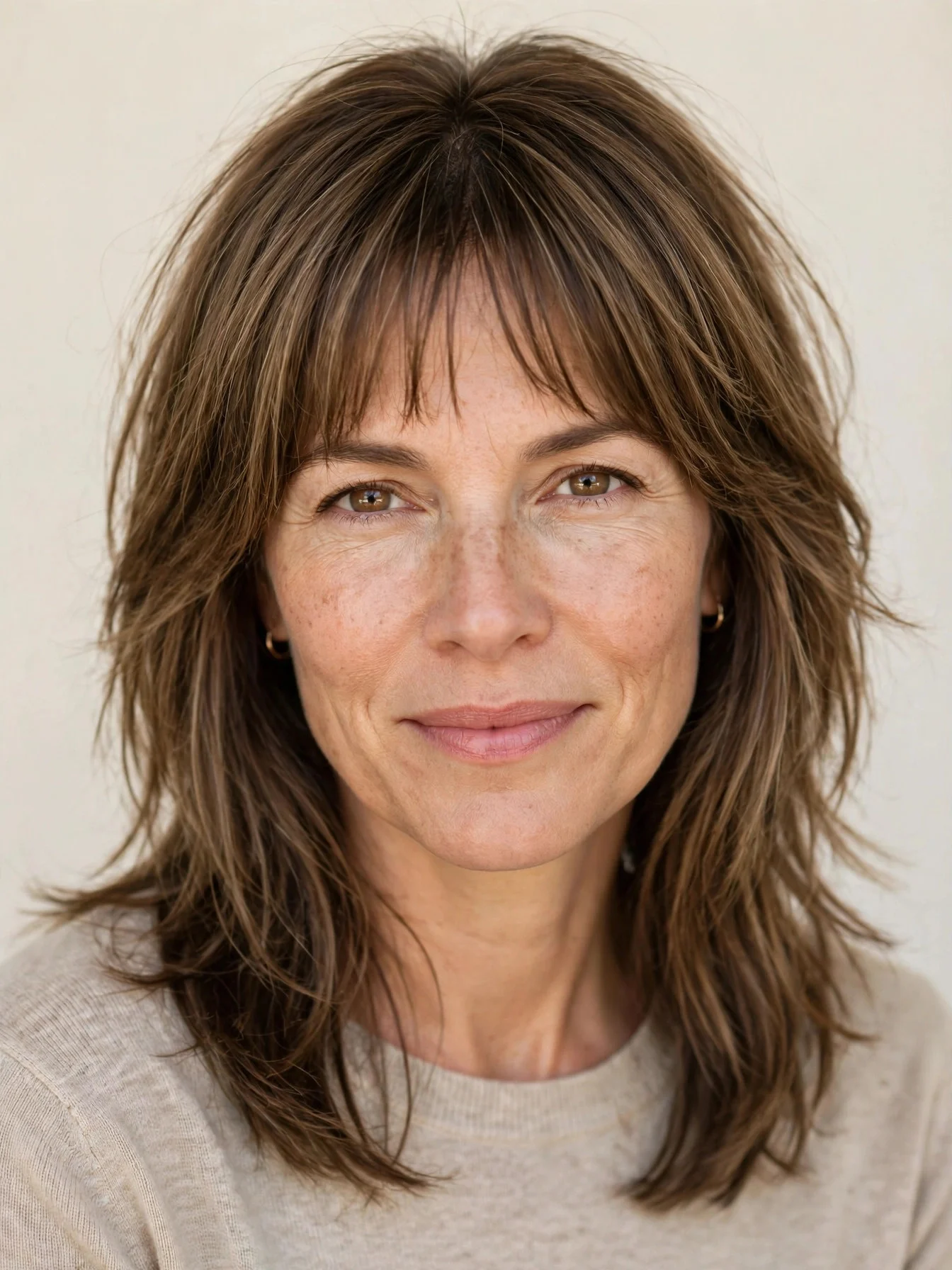
Wispy bangs are the gentlest way to try a fringe, with light, see-through pieces that do not hide the forehead. Ask for a layered medium or long cut, plus soft, feathered bangs that sit just above the brows and can be swept to the side. They suit oval, long, and heart-shaped faces, and they pair well with fine to medium hair. Style them with a small round brush and a quick blast of the dryer, and they take less than a minute once you get the habit. The drawback is that wispy bangs need frequent mini-trims, every three to four weeks, to stay light, and they can clump together on oily hair days, so dry shampoo becomes a regular friend.
Hair care and styling tips
Healthy hair makes any of these cuts look better, so keep the basics simple and consistent. Use a sulfate-free shampoo if your hair is colour-treated or dry, and follow with conditioner only from the mid-lengths down, so the roots stay light. A weekly deep-conditioning mask helps with the dryness that often shows up in your forties, and a heat protectant is a must before any hot tool. When you visit the salon, bring a photo of the exact style you want, and be honest about how much time you spend styling each morning. A good stylist will adjust the cut to your real routine, not an ideal one. Finally, protect your hair from sun and chlorine, and get trims on schedule, since split ends travel upward and make even a great cut look tired.
How often should I trim my hair in my 40s?
Most cuts in this list need a trim every six to eight weeks, while short styles like pixies and French bobs need one every four to six weeks. Regular trims keep the shape intact and stop split ends from making the ends look thin. If you are growing your hair out, ask for a light dusting of the ends instead of a full cut.
What haircut makes fine hair look thicker?
Blunt cuts like the sleek bob or the classic lob make fine hair look fuller, because the ends stay thick instead of being layered away. Ask for minimal internal layering, and use a volumising mousse at the roots when styling. Avoid very long, heavily layered cuts, which can make fine hair look stringy at the ends.
Can I get bangs in my 40s?
Yes, bangs suit many women in their forties, and softer styles like curtain bangs or wispy bangs are the easiest place to start. They grow out gracefully and can be swept to the side while you decide if you like them. Tell your stylist about your forehead shape and daily styling time, so the fringe is cut to fit both.
How do I cover grey hair without constant salon visits?
Grey blending with highlights or lowlights softens the line of regrowth, so you can stretch salon visits to eight to twelve weeks instead of every four. A root touch-up spray or powder covers the part line between appointments. If you prefer going natural, a silver-enhancing shampoo keeps grey hair bright instead of yellow.
What is the lowest maintenance hairstyle for women in their 40s?
The textured pixie and the shoulder-length layered cut are the lowest maintenance options, since both air dry well and need only a few minutes of styling. The pixie needs more frequent salon visits, while the layered cut needs fewer, so pick based on whether you prefer quick mornings or fewer appointments. Either way, a cut that works with your natural texture will always take less effort.
Keep exploring
If you liked these hairstyles for women in their 40s, check out chin-length bob for fine hair, long bob with layers, luxury lob haircuts for more ideas.