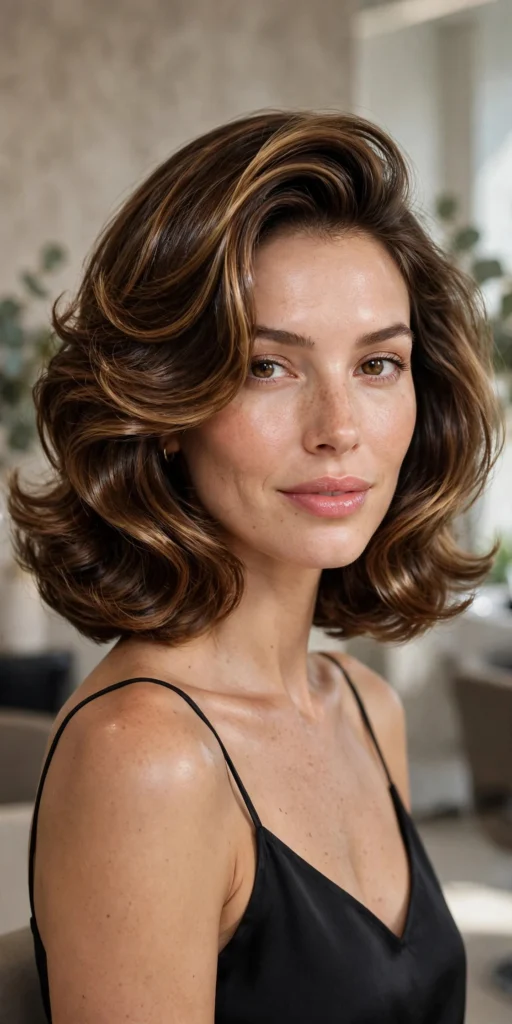
There is something about a lob that just reads expensive. Not the stiff, overdone kind of expensive, but the quiet kind, the kind that makes people assume you have a standing appointment somewhere good and a silk pillowcase at home. The long bob sits in that sweet spot: long enough to feel feminine and versatile, short enough to look deliberate. These twelve cuts take the classic lob and push it into luxury territory. Some do it with texture, some with shine, some with nothing more than a flawless line. Each one below includes what to ask for at the salon, who it actually flatters, how much upkeep you are signing up for, and the honest drawbacks nobody mentions until you are already committed.
1The Glass-Smooth Blunt Lob
This is the lob that made everyone rethink their layers. One clean, sharp line at the ends, cut just below the jawline or grazing the collarbone, with zero texturizing. The luxury comes entirely from precision, which means your stylist needs to be genuinely good with a straight cut. Ask for a blunt perimeter with no layering, finished with a flat-iron pass and a gloss. It suits straight and fine hair best, and flatters oval and round faces by drawing the eye downward. Maintenance is deceptively high: trims every six to eight weeks to keep that line crisp, plus smoothing serum and heat protectant daily. The drawback is honesty here. The second it grows out even slightly uneven, or humidity hits, it loses the whole effect.
2The Lived-In Textured Lob
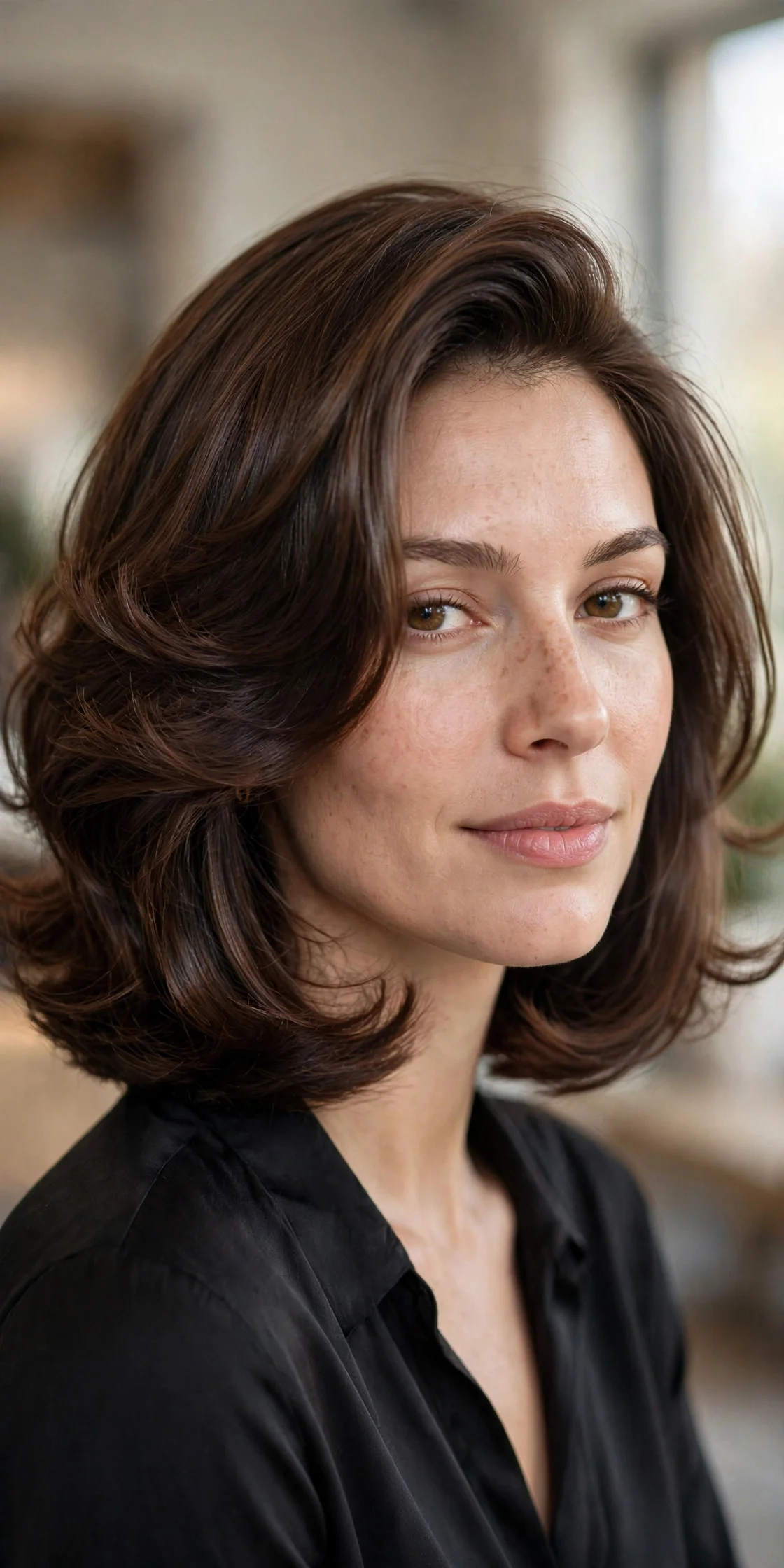
The opposite of the blunt cut. This lob is all soft, invisible layers and gentle texture through the ends, giving you movement without any obvious styling. Tell your stylist you want a collar-length cut with long, blended layers and soft texture at the ends only, nothing choppy on top. It works beautifully on medium to thick hair, wavy hair especially, and softens strong jawlines. Maintenance is refreshingly low. A trim every eight to ten weeks, sea-salt or texture spray on damp hair, and you are mostly done. The tradeoff is that very fine hair can look thinner with texture, and on truly straight hair it falls out fast without product, so you end up leaning on sprays more than you expected.
3The Side-Parted Silk Lob
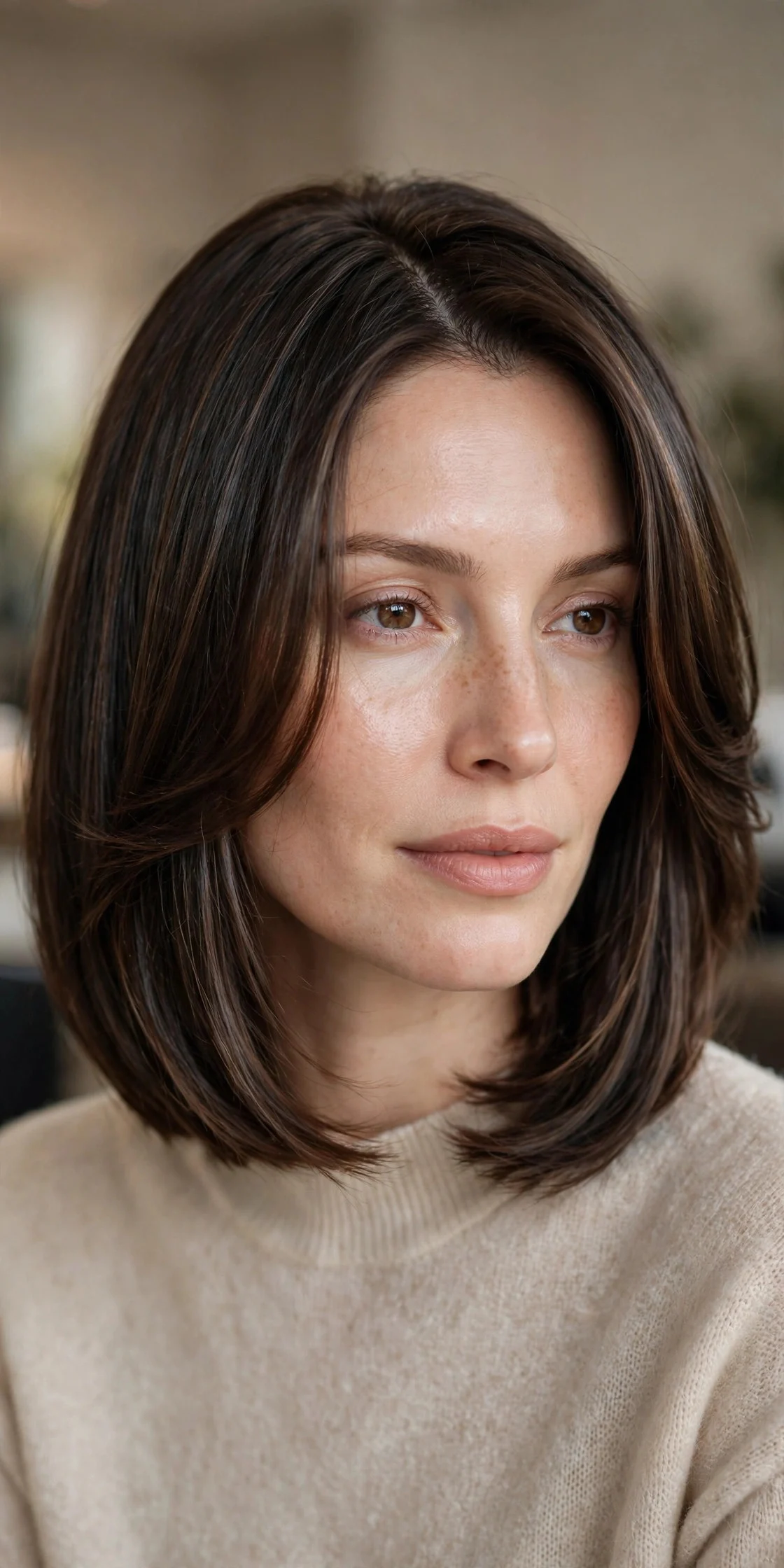
Sometimes luxury is not a cut at all but a direction. This lob is cut with a deep side part in mind, the longer side falling past the collarbone while the shorter side tucks neatly behind the ear. It has a whole old-Hollywood feeling without the fuss. Ask for an asymmetrical long bob cut with the part in mind, front lengths graduated for a deep side sweep. It suits heart-shaped and round faces especially, since the diagonal line slims and balances. Styling takes about ten minutes with a blow dryer and round brush, plus a couple of weeks to train the part. The downside: if you are married to a middle part, this cut fights you every morning, and the short side grows awkwardly between trims.
4The French-Girl Lob With Curtain Bangs
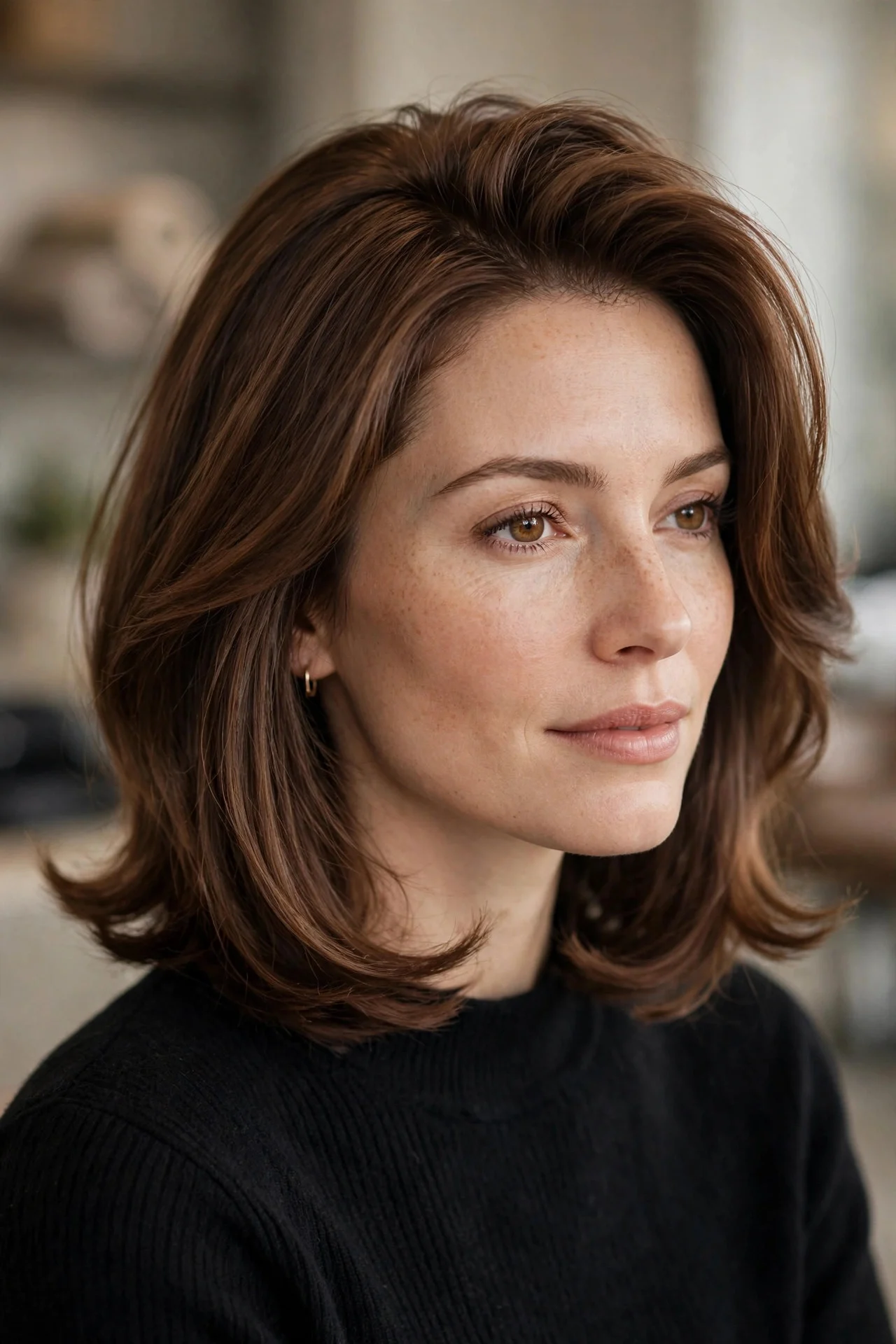
The French bob’s slightly longer, more relaxed sister. This lob hits right at the collarbone with curtain bangs that blend into soft face-framing layers, giving you that effortless Parisian energy without trying too hard. Ask for a one-length base with curtain bangs cut from the cheekbone down, blended into the front. It flatters longer and oval faces by adding width at the cheeks, and fine hair benefits from the illusion of fullness around the face. The bangs need a trim every three to four weeks to stay in the curtain zone, and you will style them every morning, even if just with a quick round-brush pass. The real drawback is growing them out. Curtain bangs in the awkward phase demand pinning, tucking, and patience.
5The Polished Chin-Grazing Bob-Lob

Shorter than most lobs but longer than a classic bob, this cut grazes the chin or sits just below it with a gently tucked-under finish. It reads incredibly chic with the right styling and shows off the neck and jawline in a way longer hair never can. Request a bob length at the chin with soft undercutting inside for natural tucking, no heavy layering. This cut loves fine to medium straight hair and oval or heart-shaped faces. Maintenance means trims every six weeks to hold the shape, plus daily heat styling for that tucked finish. The honest downside is the grow-out, which is brutal. Between chin and collarbone there is a phase where it flips out no matter what you do, so be prepared.
6The Balayage-Kissed Dimensional Lob
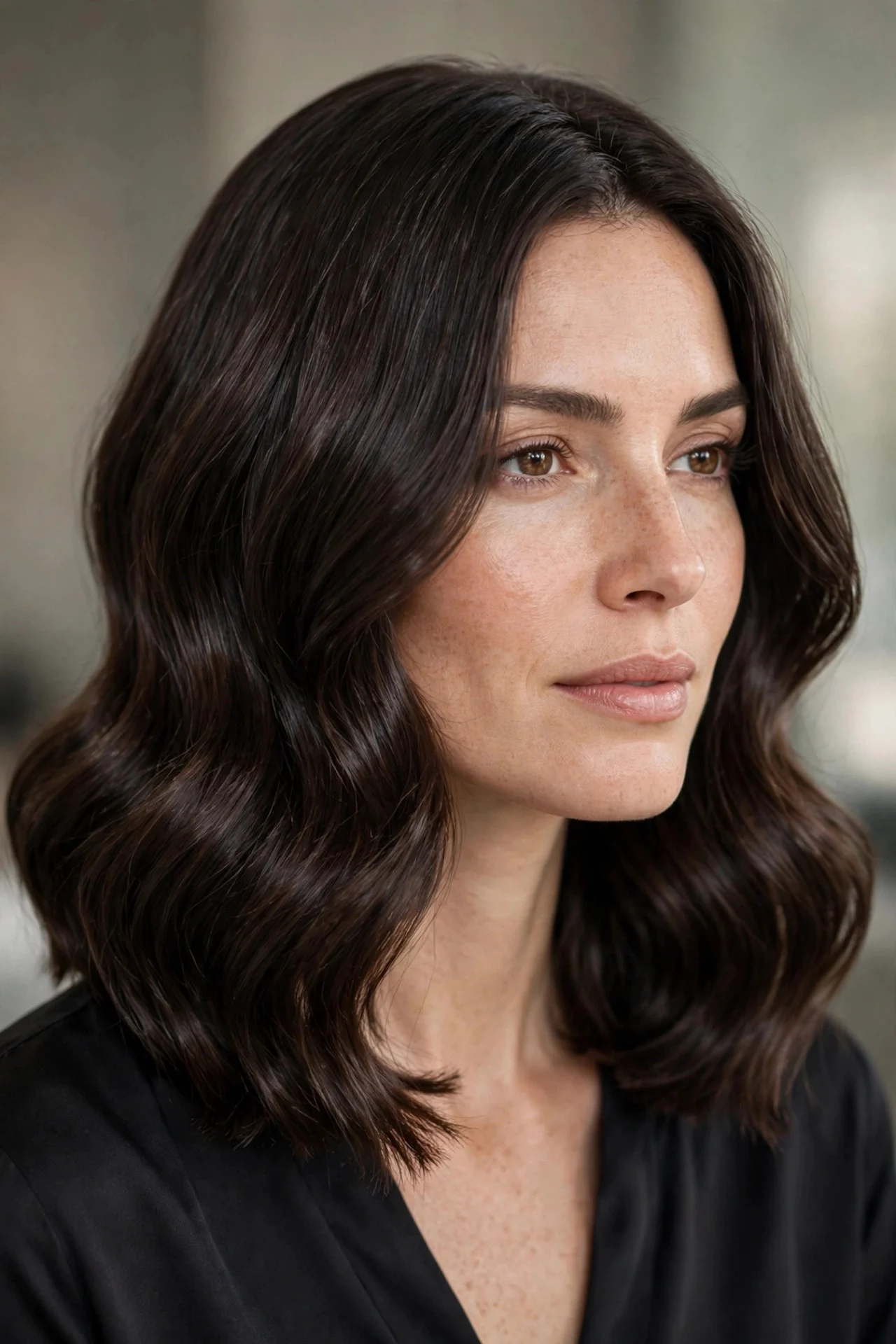
Color does half the heavy lifting here. This lob pairs a soft, face-framing cut with hand-painted balayage that looks expensive even on second-day hair. Ask for a lob with subtle layering plus a natural balayage, one to two levels lighter than your base, focused around the face and ends. It suits basically everyone, since the color can be tuned warm or cool to your skin tone, and it gives fine hair the illusion of depth. Maintenance: trims every eight weeks, color refresh every three to four months, and toning products in between. This is the priciest option on the list. The drawback is that neglected roots flip from effortless to overdue fast.
7The Sleek Center-Part Power Lob

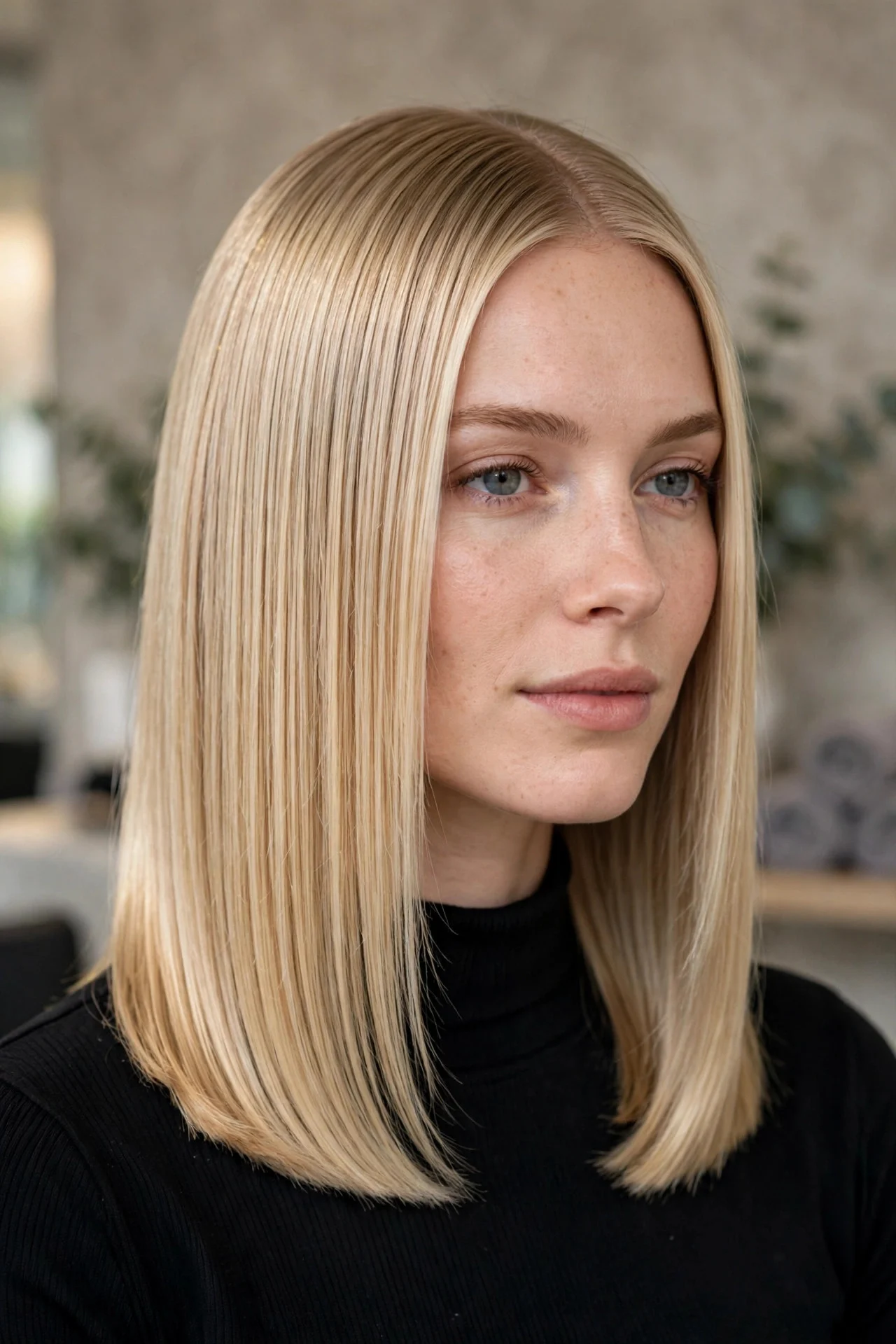
The boardroom lob. Perfectly straight, center-parted, cut to one immaculate length at the collarbone. There is no hiding behind texture here, which is exactly the point. Ask for a single-length cut with a clean center part, ends blunted, and a keratin or smoothing finish if your hair has any wave. It looks strongest on oval and long faces with straight hair, and it makes fine hair look denser. You will be flat-ironing or blow-drying straight most mornings, about fifteen minutes, and trims every six to eight weeks. Heat protectant and smoothing treatments are non-negotiable. The drawback is heat damage over time, so build in the occasional deep-conditioning mask, or the ends start to look fried instead of polished.
8The Softly Waved Lob
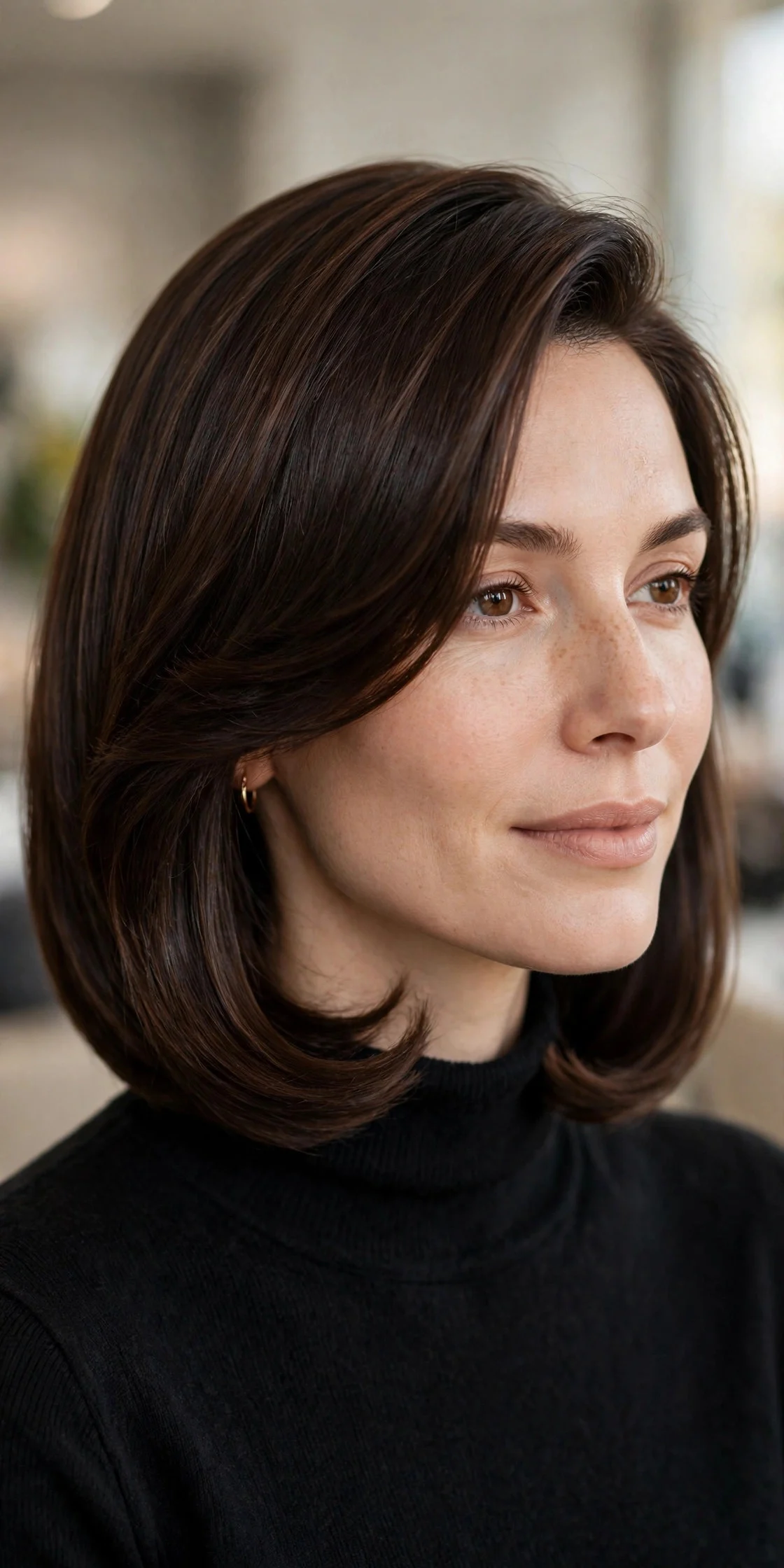
The everyday luxury option, and probably the most wearable cut on this list. Loose, soft waves through the mid-lengths and ends, nothing too uniform, just enough bend to look styled without looking styled. Ask for long layers and soft texture, then style with a one-inch iron using alternating directions and brush through. It flatters every face shape, honestly, and works on fine, medium, and thick hair alike. Maintenance is easy: wash, wave loosely, done. Trims every eight to ten weeks. The drawback is weather. Humidity flattens the waves fast, so on damp days you either commit to a stronger hold product or accept a flatter look. Also, if your hair is very straight, the waves may drop out by midday without texture underneath.
9The A-Line Angled Lob
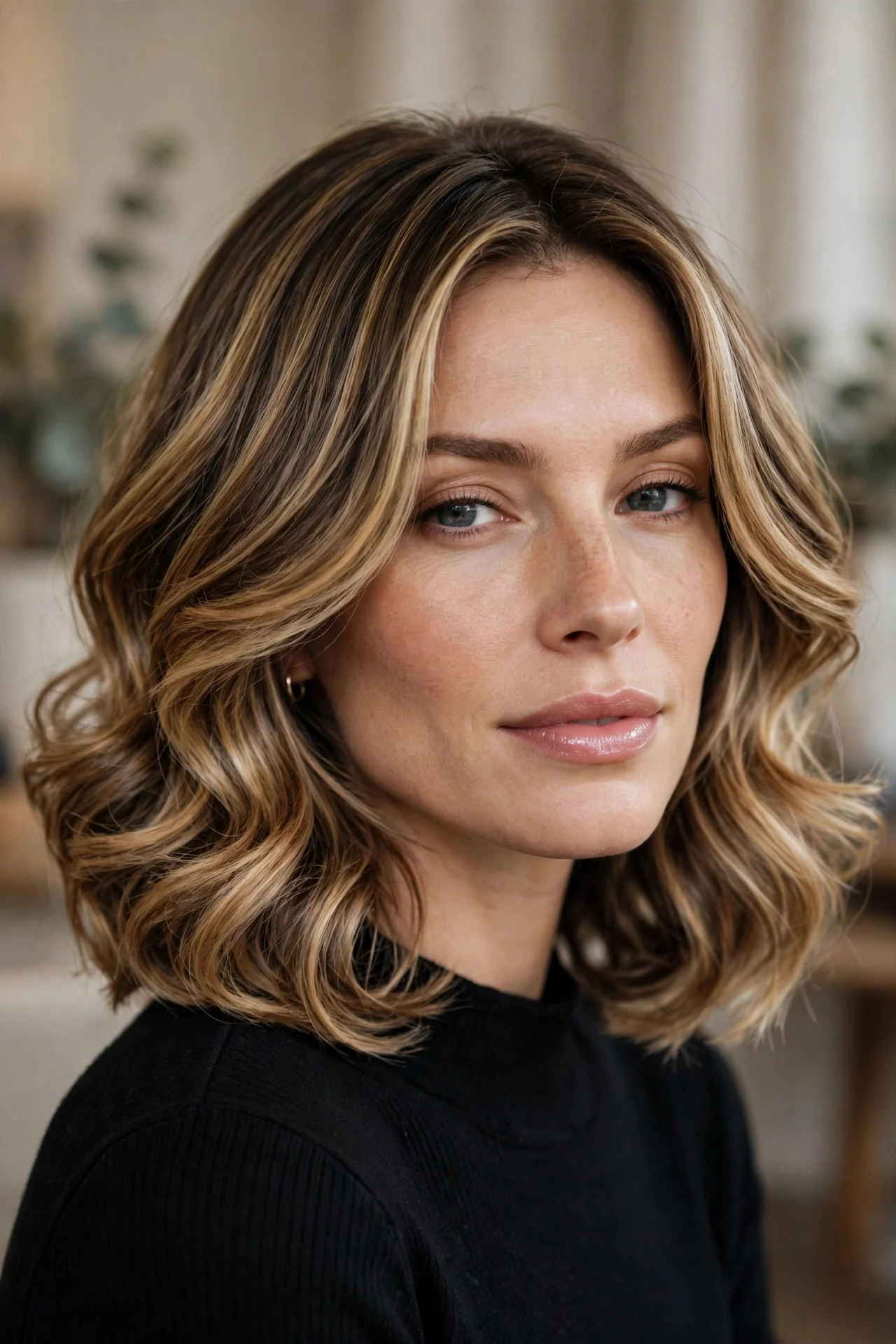
The drama cut of the group. Shorter in the back, graduating longer toward the front, so you get this sharp, architectural line that looks incredibly intentional. Ask for a stacked-in-the-back A-line with front pieces reaching the collarbone and the nape cut shorter for lift. It suits thick hair best, since the stacking needs weight, and it is fantastic on round faces because the long front pieces elongate. Trims every six to eight weeks are essential. The angle disappears fast as it grows. Styling needs a round brush or straightener to show off the line, about ten minutes a day. The real drawback is commitment. The back grows into a strange mushroom situation if you skip trims, and switching styles from here takes a long grow-out.
10The Undone Wavy Lob With Face Framing
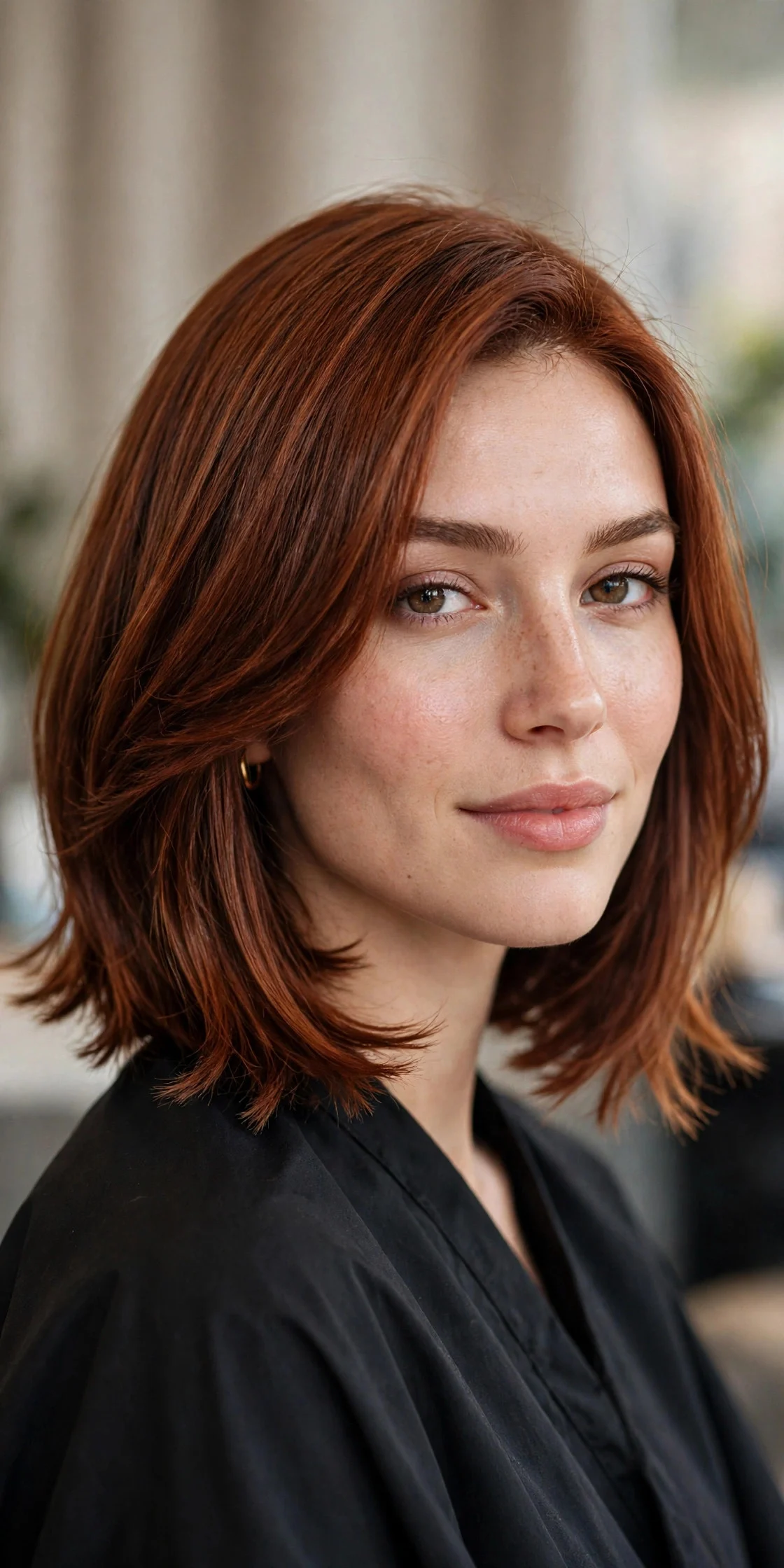
A little more personality than the softly waved version. This one leans into piecey, undone waves with shorter face-framing layers starting around the cheekbones, giving you shape around the face and movement everywhere else. Ask for face-framing layers from the cheekbones down, blended into a collarbone-length lob with texture through the ends. It is gorgeous on wavy and curly hair, and the framing flatters square and wide faces. Maintenance is minimal. The waves do the work, and trims every ten weeks keep the framing fresh. The drawback is that the face-framing layers can look disconnected if the rest of the cut grows out unevenly, and on very fine hair the piecey ends can read as wispy rather than intentional.
11The Micro-Layered Airy Lob
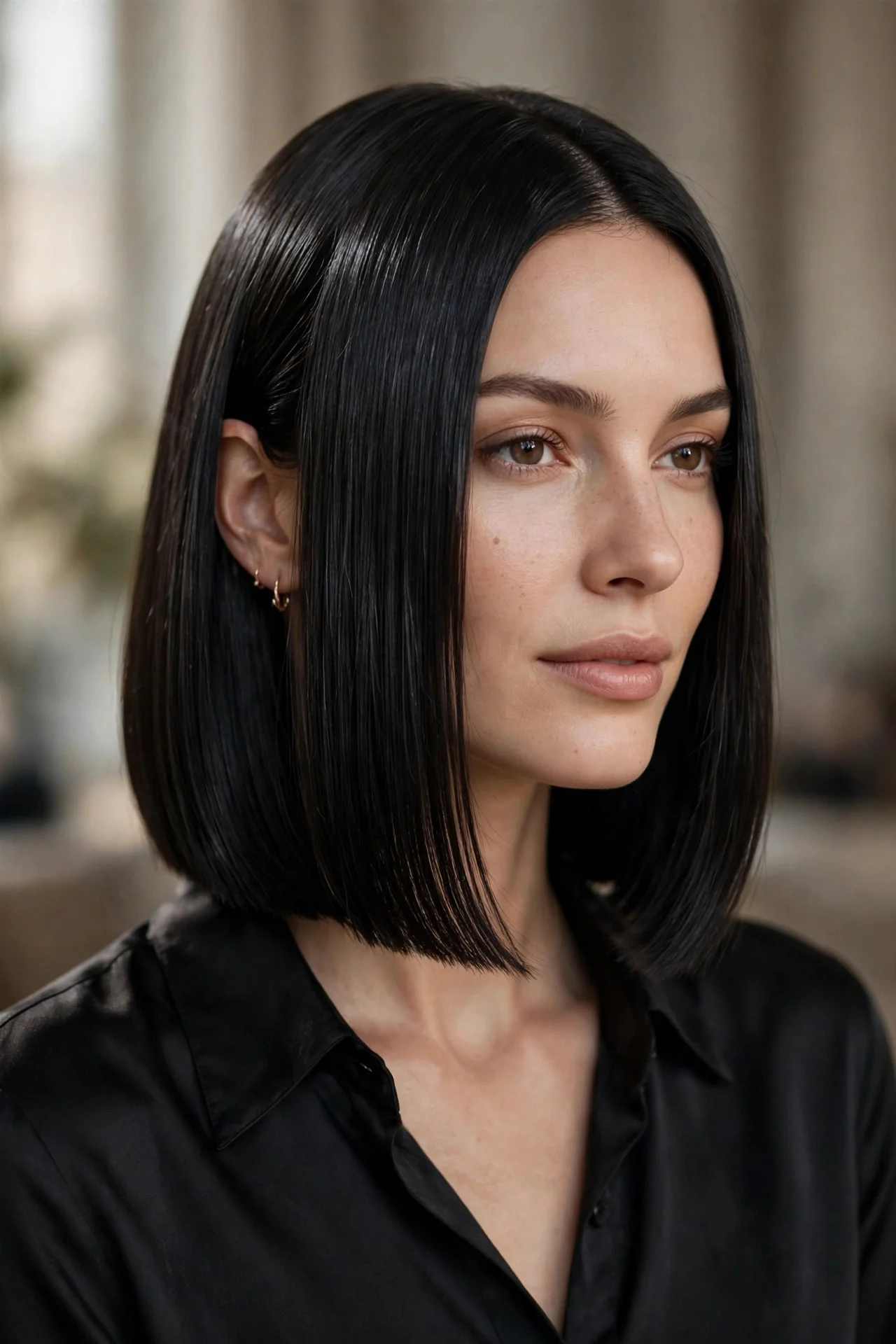
The freshest feeling cut here. Micro layers throughout, not just at the ends, create airiness and swing without any visible layering lines. Your hair just looks lighter and more expensive, and people cannot quite tell why. Ask for invisible internal layering through the mid-lengths with a soft, feathered perimeter, finished with a blowout. It is made for medium to thick hair that feels heavy, and it works well on oval and square faces. Trims every eight weeks keep the layers balanced. The drawback is precision. This cut only looks good from a stylist who understands internal layering. Done wrong, it looks like a grown-out shag, and done too aggressively it removes more weight than you wanted.
12The Classic One-Length Lob With a Gloss Finish
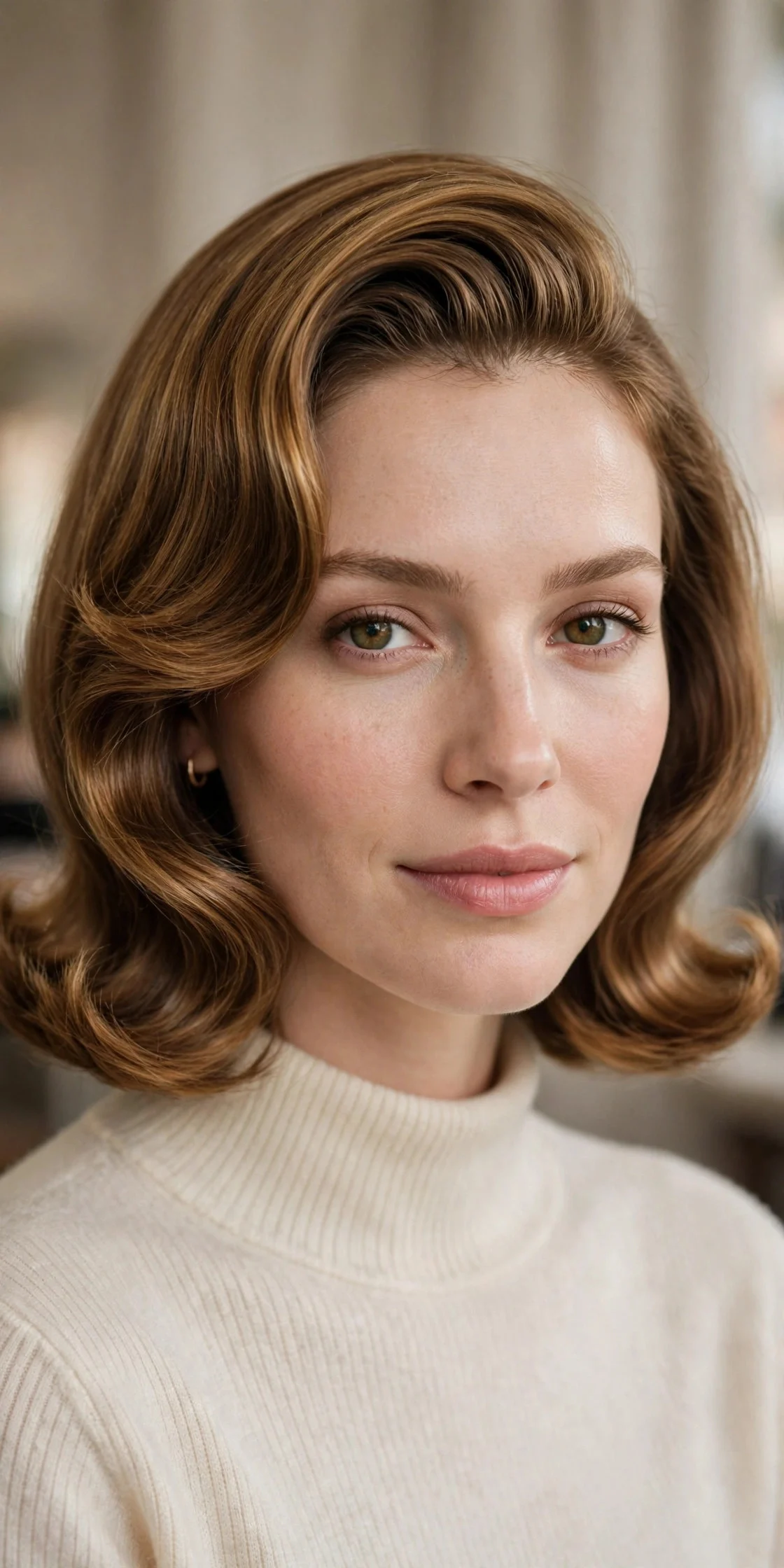
Sometimes the most luxurious thing is restraint. This is the purest lob on the list: one length, no layers, cut between the jaw and collarbone, with a salon gloss that makes the color look liquid. Ask for a single-length cut and request a clear or tinted gloss on top. It suits straight hair of any density, and the simplicity flatters every face shape because nothing distracts from your features. Maintenance is trims every eight weeks and a gloss refresh every six to eight weeks to keep the shine. The drawback is the obvious one. One length shows every split end and unevenness, so your hair has to be in genuinely good condition, or the minimalism works against you.
Caring For and Styling Your Luxury Lob
The secret to a lob that keeps looking expensive is not the cut alone. It is the boring, consistent maintenance between appointments. Start with the wash routine: sulfate-free shampoo, conditioner focused on the mid-lengths and ends, and a weekly deep-conditioning mask if you heat style regularly.
Heat is the biggest threat to the whole luxury effect. If you flat iron or curl regularly, a quality heat protectant is non-negotiable, and keep your tools at or below 400 degrees. Consider a silk or satin pillowcase, since lobs get slept-on tangles that turn into morning frizz.
For daily styling, most of these cuts only need ten to fifteen minutes. A blow dryer with a round brush gives the most polished result for the blunt, sleek, and A-line versions. For the textured and wavy cuts, air-drying with the right product gets you most of the way there. A dry shampoo on the roots extends the style to day two or three.
Budget for trims on a strict schedule. The difference between a lob that looks expensive and one that looks grown out is usually about two weeks past the trim date. Find a stylist whose precision work you trust, and book your next appointment before you leave the chair.
Frequently Asked Questions
What exactly counts as a lob haircut?
A lob is a long bob, generally falling anywhere from the jawline to just past the collarbone. Longer than a classic bob, shorter than shoulder-length hair. The luxury versions on this list add precision cutting, shine, or dimension to the basic shape.
How often does a lob need trimming?
Most lobs need a trim every six to eight weeks. Textured and layered versions can stretch to eight or ten weeks, while blunt, angled, and short lobs need the shorter end of that range. Past ten weeks, almost every lob starts to look grown out rather than intentional.
Will a lob suit my face shape?
Almost certainly yes. Longer front pieces flatter round faces, face-framing layers soften square jaws, and side parts balance asymmetry. Bring photos to your consultation and ask your stylist what length and layering work with your specific features.
Is a luxury lob expensive to maintain?
It can be. Precision cuts need frequent trims, balayage needs color refreshes, and glossy finishes need gloss appointments. Expect to budget for salon visits every six to eight weeks plus quality styling products. The simpler cuts, like the textured or wavy lob, cost noticeably less to maintain than the color-dependent ones.
Can I get a lob if my hair is curly?
Absolutely, and curly lobs look fantastic. The key is finding a stylist who cuts curly hair dry or curl by curl, since curls shrink as they dry. Ask for a length that lands where you want it after shrinkage, not before, and expect a longer consultation to get the shape right.
Keep exploring: Curly Butterfly Cut Ideas, Mocha Balayage Hair Ideas, Cowboy Copper Hair Color Ideas