
Hair oiling has been around for generations, long before fancy serums and ten-step routines took over bathroom shelves. Done well, it can keep your scalp comfortable, reduce breakage, and help you hold on to the length you grow. Done badly, it leaves you greasy, itchy, and convinced nothing works. The difference is rarely the oil itself. It is how you apply it, how long you leave it, and how gently you wash it out. This guide walks through a simple routine you can actually repeat week after week, with realistic expectations and no miracle promises.
1Choose the Right Oil for Your Hair Type

Start with one oil, not a shelf full of them. Coconut oil suits thick, coarse, or dry hair because it sinks in well, but it can feel heavy on fine hair and may cause buildup if you overdo it. Lighter options like sweet almond, grapeseed, or jojoba work better for fine or oily scalps. If your scalp is dry or flaky, look for oils with soothing ingredients such as rosemary or tea tree in a carrier oil base. Buy a plain, unperfumed oil first so you can tell whether your scalp likes it. Fancy blends cost more and often hide the same base oils. Keep your first bottle small. If it does not suit you after three uses, you have not wasted much money.
2Patch Test Before Your First Full Oiling
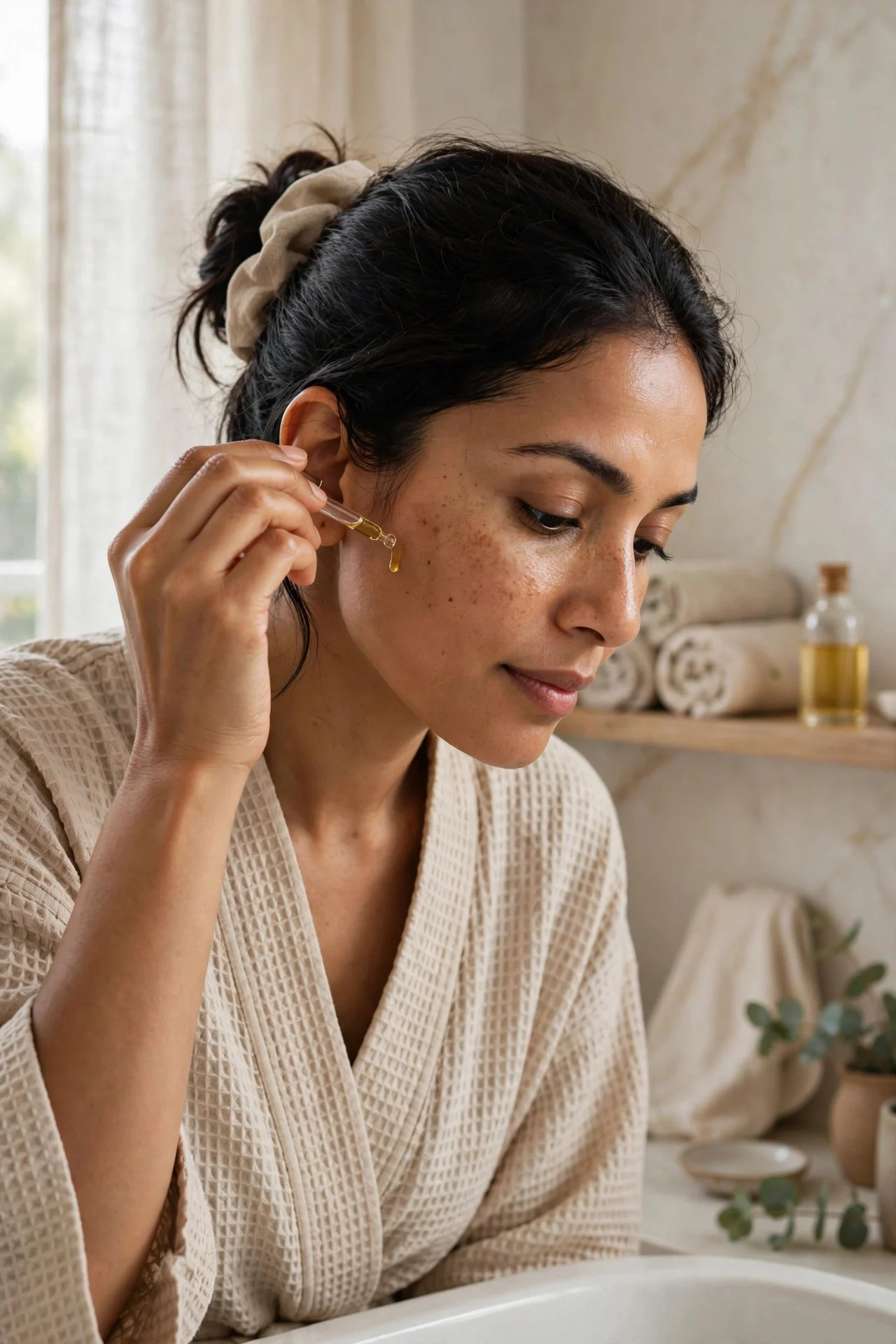
A patch test takes two minutes and saves you from a week of itching. Rub a small amount of oil behind your ear or on your inner forearm, then wait 24 hours. Watch for redness, bumps, or itching. Essential oils in particular can irritate sensitive skin, even when they are marketed as natural. If your skin reacts, do not push through and hope your scalp will cope better. It will not. Try a different carrier oil, or skip essential oils entirely and use the plain base alone. This step matters most if you have eczema, psoriasis, or a sensitive scalp. One bad reaction can make you avoid oiling altogether, which helps nobody. A calm test result means you can move ahead with confidence.
3Warm the Oil Gently, Never Boil It
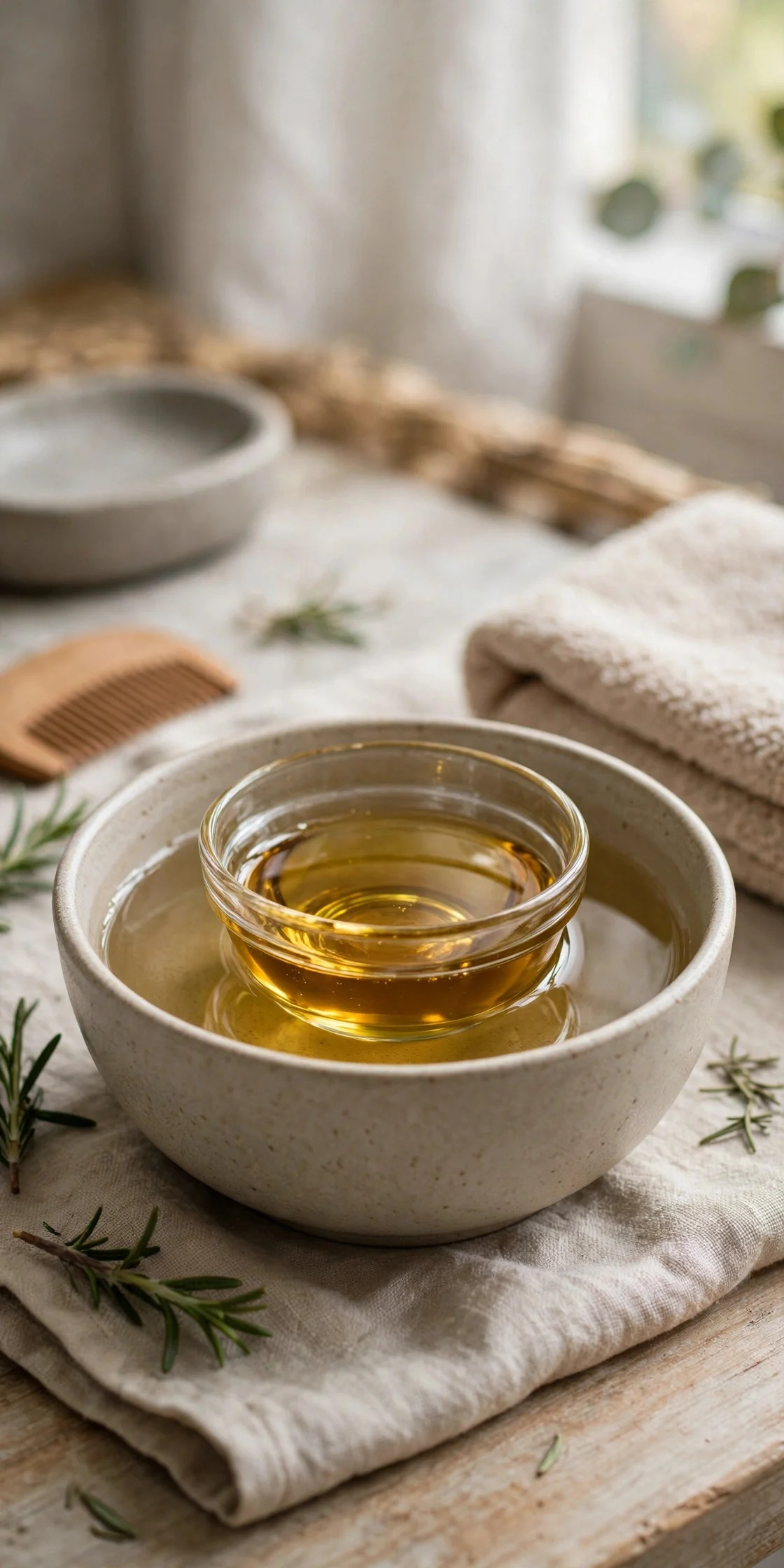
Warm oil spreads more easily and feels far more pleasant on a cold scalp, but boiling destroys its benefits and risks burns. Pour two to three tablespoons into a small bowl, then set that bowl in a larger bowl of hot water for a few minutes. Test a drop on your wrist. It should feel warm, not hot. Microwaving is risky because it heats unevenly and can create scalding spots. You do not need much oil. Short hair needs about a tablespoon, medium hair two, and long or thick hair three. Using too much only makes washing out harder. The goal is a light, even coating, not dripping strands. If your hair looks soaked, you have used more than you need.
4Section Your Hair for Even Coverage
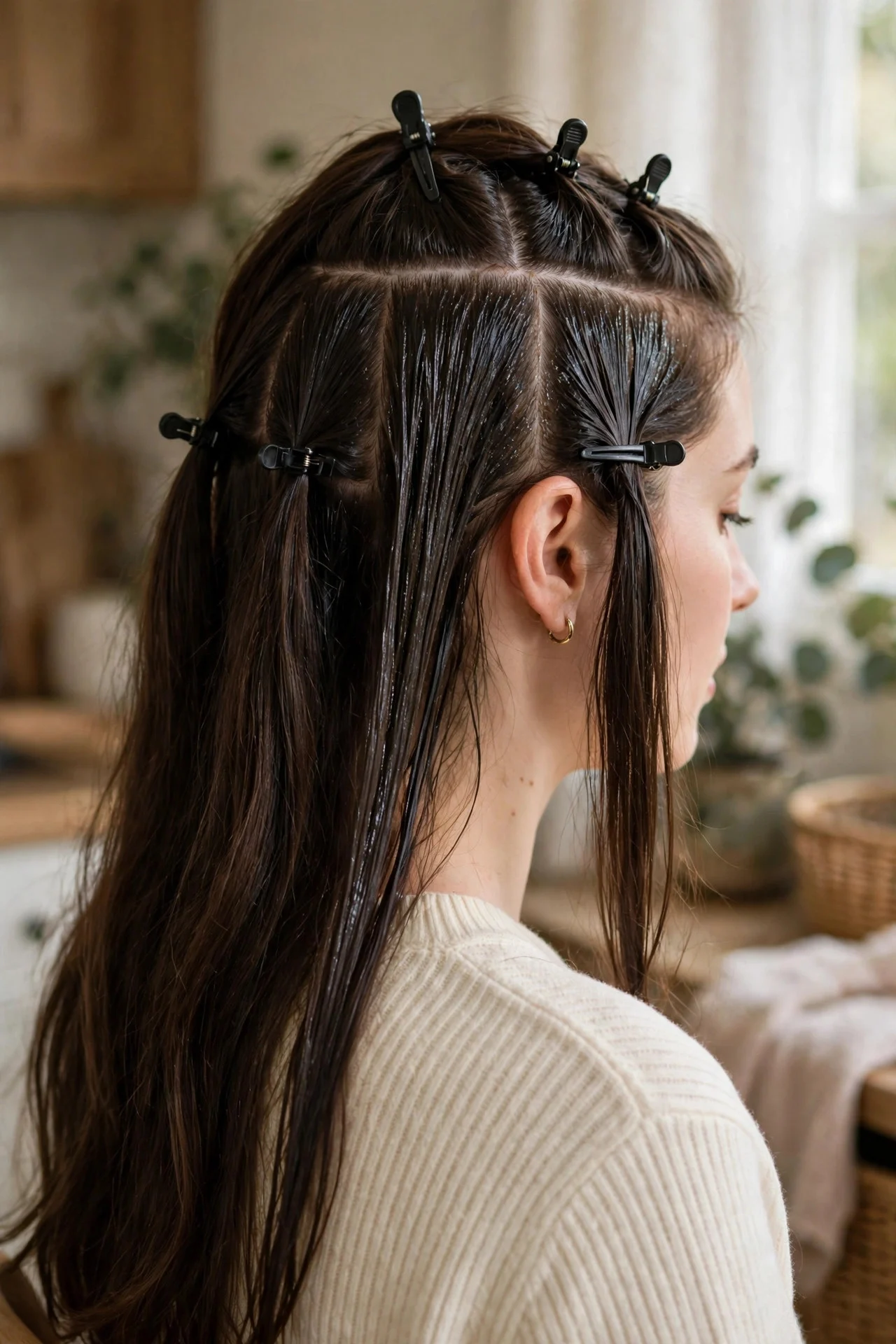
Most people slap oil on top and wonder why the underneath stays dry. Divide your hair into four to six sections with clips, starting from the nape and working upward. This takes an extra minute and changes everything. Each section gets its own attention, so no patch is missed and no area gets overloaded. It also keeps the process tidy, which matters if you oil before work or school. Fine hair needs fewer sections, while thick or curly hair benefits from more. Work section by section, unclipping one at a time, and re-clip loosely as you finish. This habit also helps you notice scalp changes, such as dry patches or tenderness, that you would miss with a rushed all-over application.
5Massage Your Scalp for Five to Ten Minutes
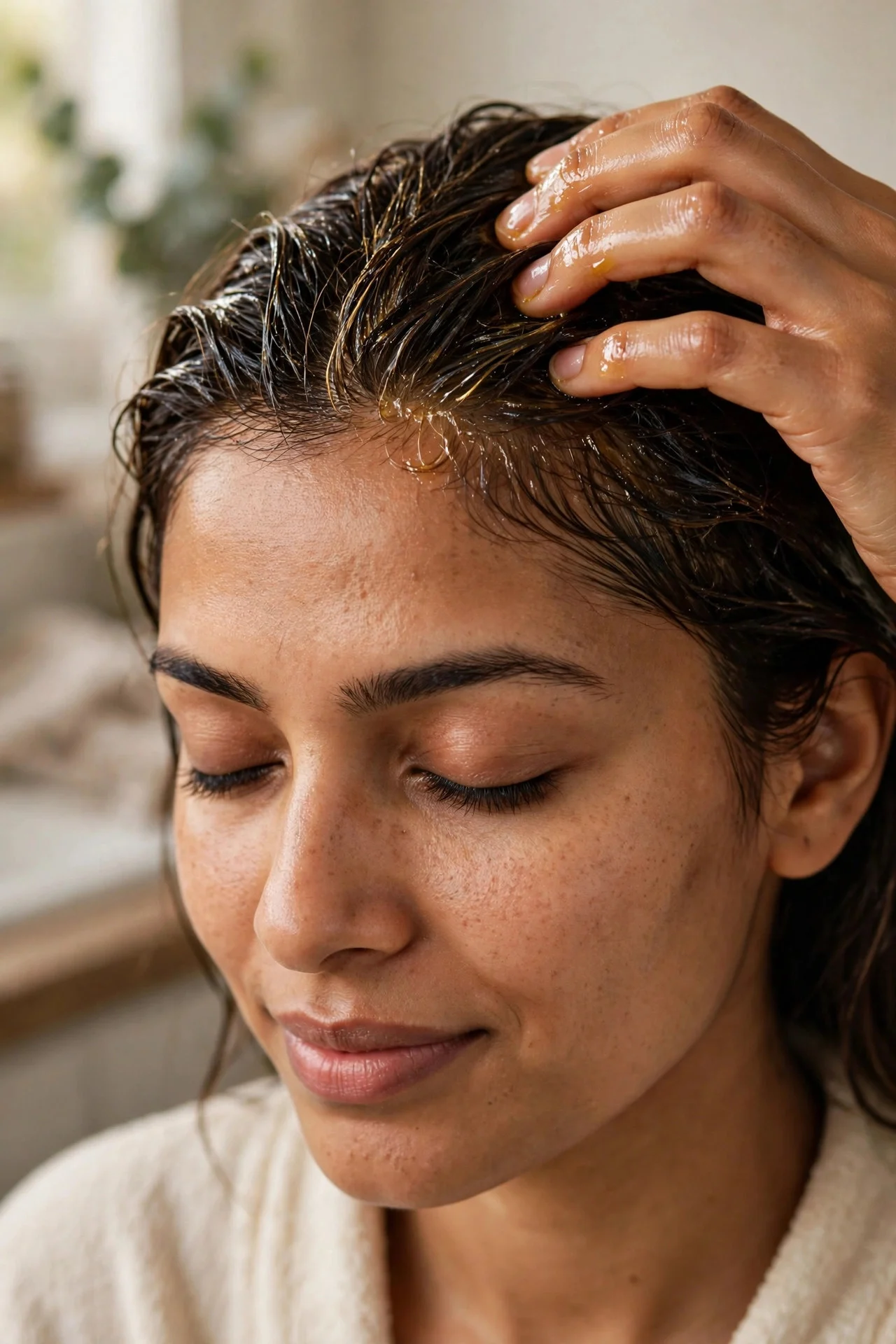
Dip your fingertips, not your nails, into the oil and massage in small circles across your scalp. Keep pressure firm but comfortable, moving from your hairline toward the crown, then down to the nape. Five to ten minutes is enough. Longer is not automatically better, and aggressive rubbing can snap fragile hairs at the root. Scalp massage feels good because it relaxes tension, and it helps distribute oil evenly where it can condition the skin. It does not force hair to grow faster, despite what many videos claim. Think of it as scalp care, not a growth switch. If your arms tire, take short breaks. Consistency beats intensity here. A gentle five-minute massage every week beats one painful twenty-minute session you never repeat.
6Work Oil Through the Lengths and Ends

Your scalp makes its own natural oil, but your ends get almost none of it, especially if your hair is long, curly, or chemically treated. After massaging your scalp, smooth the remaining oil down each section, focusing on the last few inches. Ends are the oldest, driest part of your hair and the first to split. Do not drag a brush through oiled hair, which can stretch and snap wet strands. Use your fingers or a wide-tooth comb, working from the ends upward in short strokes. If your roots get greasy fast, keep oil off them on refresh days and apply only from mid-length down. This simple split approach protects length without making your scalp feel weighed down or dirty between washes.
7Let It Sit: Timing That Actually Helps

Thirty minutes is enough for most people, and one to two hours is plenty if you have the time. Leaving oil on overnight can help very dry hair, but it is not required, and it can backfire. Sleeping in oil may stain pillowcases, trap sweat against your scalp, and trigger breakouts along your hairline. If you do sleep with it, use an old towel over your pillow and a loose braid or shower cap. Never leave oil on for days. Old oil oxidizes, attracts dust, and can clog follicles, which is the opposite of healthy growth. Set a timer if you tend to forget. The best duration is the one you can wash out properly afterward, because clean removal matters as much as the oiling itself.
8Wash It Out Without Stripping Your Hair
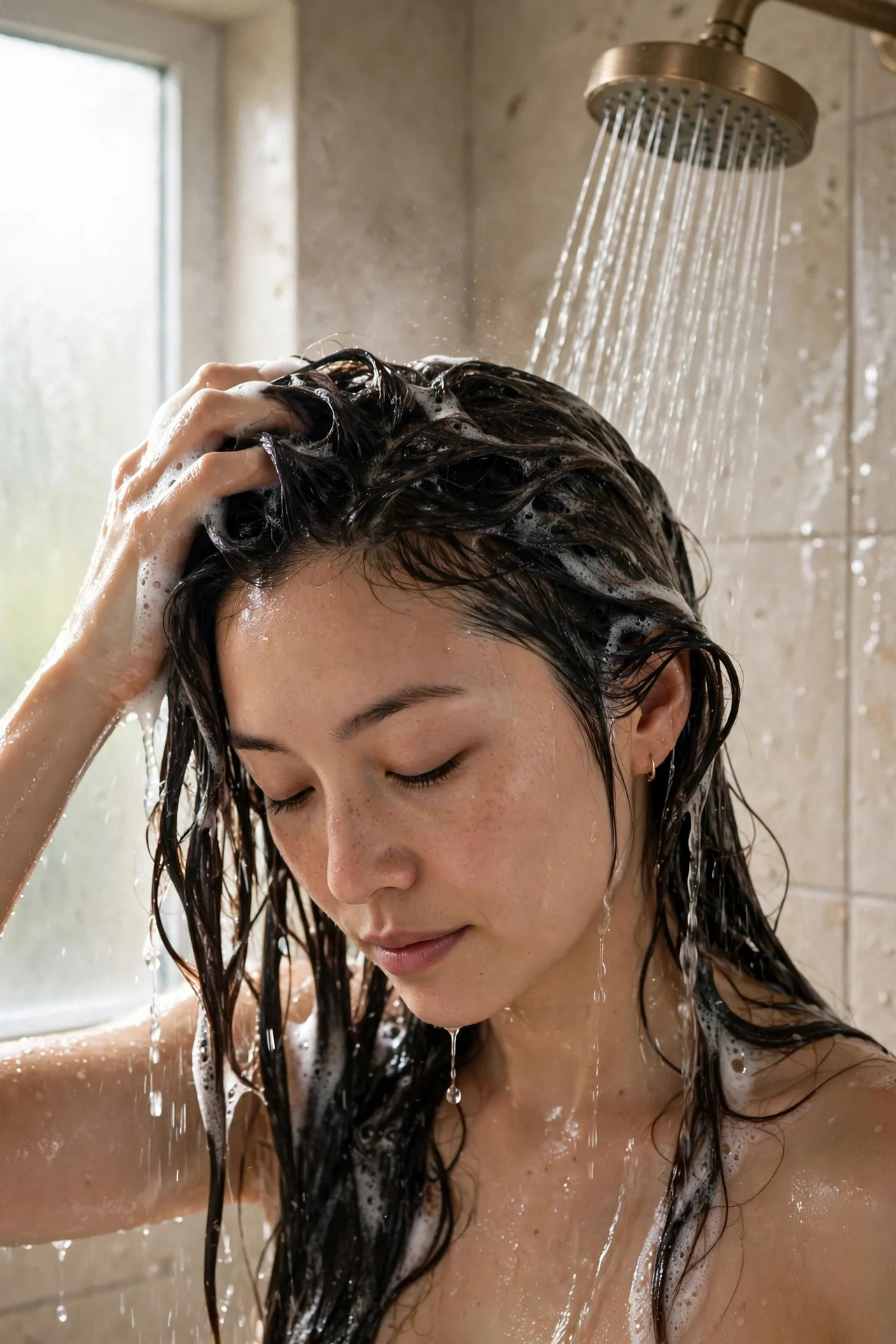
Washing out oil is where many routines fail. Wet your hair, then apply shampoo directly to your scalp and massage gently before adding much water. A first wash often produces little lather because the oil blocks it. Rinse, then shampoo a second time. That second wash usually lathers properly and removes the residue. Use a mild shampoo, not a harsh clarifying one every week, or you will undo the conditioning you just did. Conditioner goes on the lengths and ends only, never the scalp. If your hair still feels coated after two washes, your oil amount was too high, not your shampoo too weak. Reduce the amount next time. Dry hair with a soft towel and avoid high heat right after oiling day.
9Set a Realistic Weekly Schedule

Once a week suits most hair types. Very dry, coarse, or curly hair may benefit from twice a week, while fine or oily hair often does better with once every ten days. Pick a fixed day, such as Sunday evening, so oiling becomes a habit rather than a chore you keep postponing. Mark it on your calendar for the first month. Over-oiling is a real problem. Daily oiling without proper washing leads to buildup, itchiness, and limp hair, and it costs more in product and shampoo. Your schedule should fit your life. If you wash your hair three times a week for workouts, oil the night before one of those washes. A routine you can keep for three months beats a perfect routine you abandon in two weeks.
10Track Growth Honestly Over Twelve Weeks

Hair grows about half an inch per month on average, and oiling will not double that. What it can do is reduce breakage, so more of your growth stays on your head instead of snapping off. Take a length photo in the same light, against the same background, on day one and again at four, eight, and twelve weeks. Measure from a fixed point, such as your hairline to your longest ends, rather than guessing. Note shedding, scalp comfort, and split ends in a phone note. If shedding increases sharply, or your scalp stays irritated, stop and reassess instead of pushing on. Twelve weeks is the minimum fair trial. Anything shorter tells you about texture and comfort, not growth, and patience here is part of the routine.
Practical Care and Styling Between Oiling Days
Between oiling sessions, keep things simple. Sleep on a satin or silk pillowcase, or wear a loose braid, to cut down on friction and tangles. Avoid tight hairstyles that pull at your hairline day after day, since traction damage undoes length retention faster than any oil can repair it. When you style with heat, use a heat protectant and the lowest setting that gets the job done. Trim your ends every eight to twelve weeks, even when you are growing your hair out, because split ends travel upward and force a bigger cut later. Eat and sleep normally, drink water, and do not expect oil alone to fix shedding caused by illness, stress, or medication. If hair loss is sudden or patchy, see a doctor rather than adding more products.
FAQs
How often should I oil my hair for growth?
Once a week works for most people. Dry, coarse, or curly hair may do well twice a week, while fine or oily hair often prefers once every ten days. Watch your scalp. If it feels itchy, coated, or limp, you are oiling too often or using too much. Consistency over twelve weeks matters more than frequency.
Can hair oiling cause hair fall?
Oiling itself should not cause hair fall, but rough handling can. Scratching with nails, pulling tangles through oiled hair, or scrubbing hard during washing can snap hairs. Gentle fingertips, a wide-tooth comb, and a mild shampoo keep breakage low. If shedding rises sharply after starting a new oil, stop using it and check for a scalp reaction.
Should I leave oil on overnight?
You can, but you do not need to. Thirty minutes to two hours gives most of the conditioning benefit. Overnight oiling suits very dry hair, but it can stain bedding and irritate acne-prone skin along the hairline. If you try it, protect your pillow, braid your hair loosely, and wash thoroughly in the morning.
Which oil is best for hair growth?
No single oil guarantees growth. Coconut, almond, and jojoba are reliable starting points, and rosemary oil has some research support for scalp health when diluted in a carrier oil. Pick one that suits your hair type and scalp, patch test it, and judge it over twelve weeks. A plain oil you tolerate beats an expensive blend you react to.
Can I oil my hair if my scalp is already oily?
Yes, but adjust the method. Use a light oil like grapeseed or jojoba, apply mainly from mid-length to ends, and keep scalp application light and brief. Wash out thoroughly with two gentle shampoo rounds. If your scalp stays greasy or itchy despite this, oil only the lengths and skip the scalp altogether.
Keep exploring
Once your oiling routine is set, add these rosemary water routines on wash days, and read whether a rice water rinse helps growth. For nights when you want no heat at all, these overnight heatless waves keep hair healthy while you sleep.