
Coconut oil has been sitting in kitchen cupboards and bathroom cabinets for years, and for good reason. It is cheap, easy to find, and it actually helps a lot of hair types. That said, it is not magic. Used wrong, it leaves hair limp and greasy. Used right, it can make dry hair feel softer and easier to manage. This guide covers what it really does, who it suits, and where it falls short.
1Deep Moisture for Dry, Brittle Ends
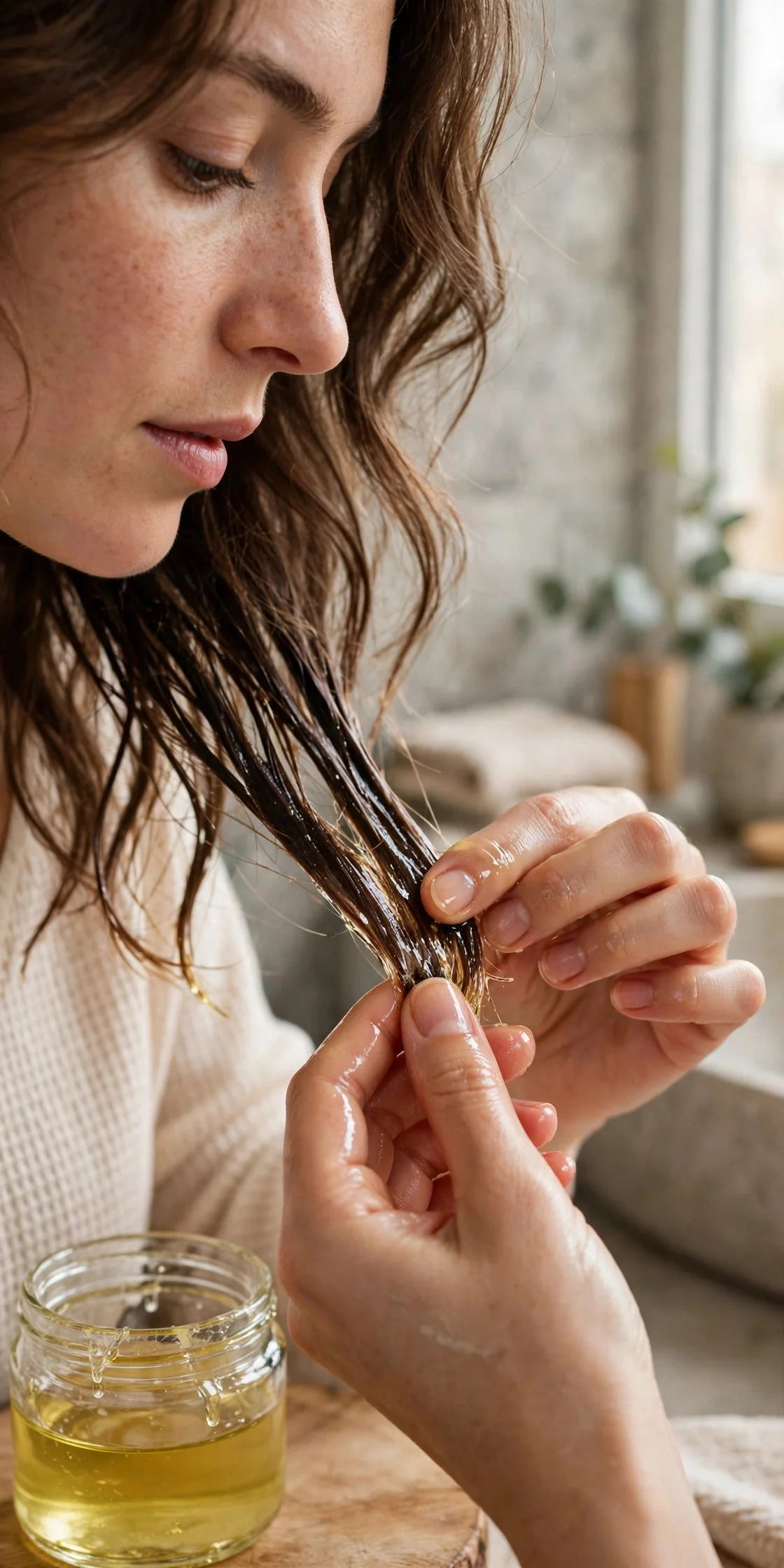
Dry ends are usually the first place hair shows stress. They catch on each other, snap when you brush, and look dull no matter what shampoo you use. Coconut oil helps here because it sinks into the hair shaft instead of just sitting on top. Warm a pea sized amount between your palms until it turns to liquid, then smooth it over the bottom few inches of damp or dry hair. Leave it for at least 30 minutes, or overnight if your ends are very dry. It suits thick, coarse, and dry hair best. Fine hair can still use it, but keep the amount tiny or ends will look flat. A small jar costs little and lasts months.
2A Pre-Wash Shield Against Damage
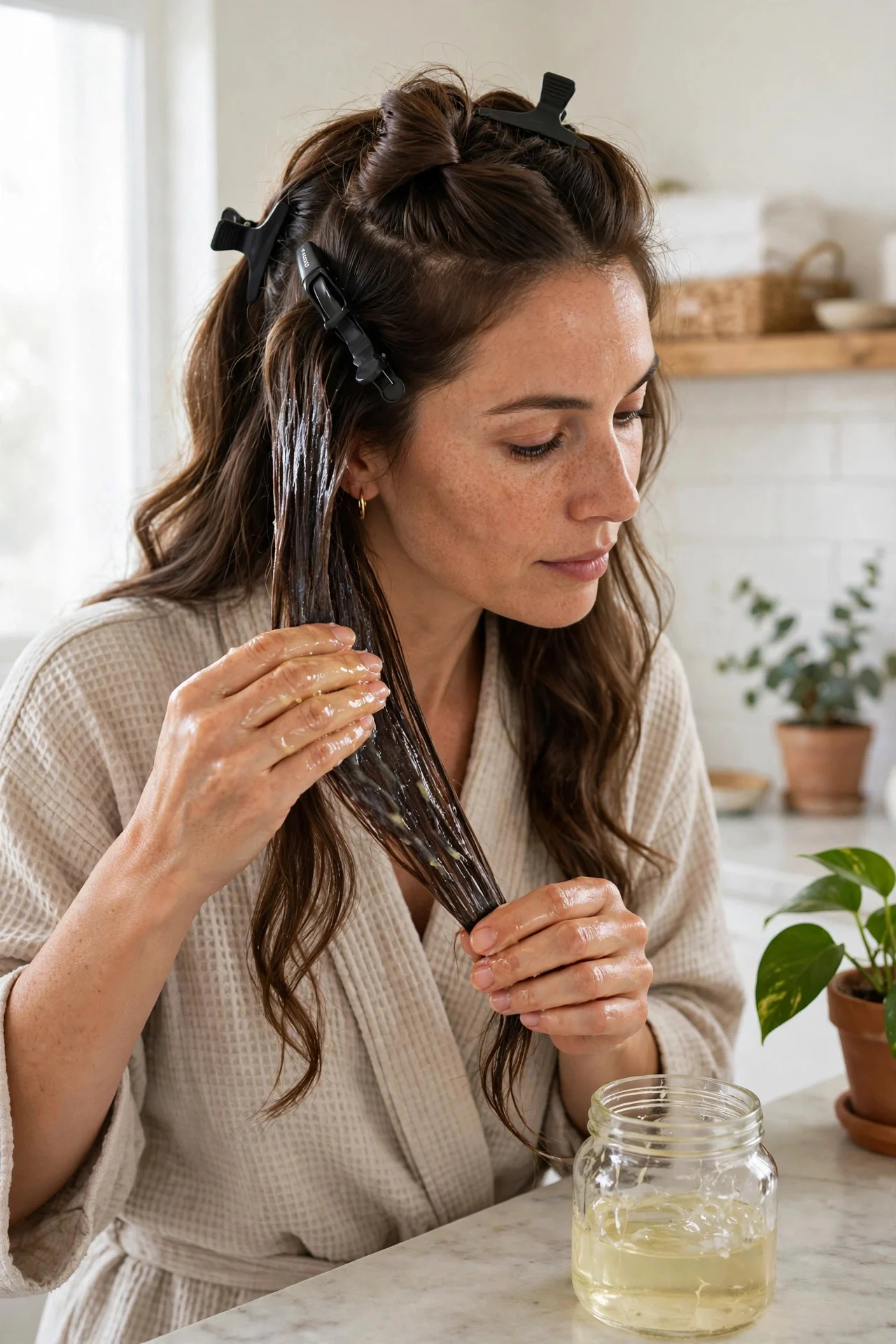
Hair swells when it gets wet, and that swelling can weaken it over time, especially if you wash often or have bleached hair. A light coat of coconut oil before shampooing slows down how much water the hair absorbs. Apply it to dry hair from mid lengths to ends about 20 to 30 minutes before your shower. You do not need to soak your scalp unless it feels dry. Shampoo as normal after, and you may find your hair feels less rough when wet. This suits frequent washers, swimmers, and anyone with color treated hair. The drawback is time. It adds a step to wash day, and skipping the pre wash rinse can leave residue.
3Smoother, Shinier Hair Without Silicones

If you want shine without a silicone heavy serum, coconut oil is a simple option. A very small amount smoothed over the outer layer of dry hair catches light and calms flyaways. The trick is using far less than you think you need. Start with half a pea sized drop, rub it between your hands, then glide it over the surface only. Do not work it into the roots. It suits straight and wavy hair that looks dull, and it works well on smooth blowouts. The risk is overdoing it. Too much turns shine into grease within an hour, and you cannot fix that without washing again. Keep a light hand and build up slowly.
4Frizz Control on Humid Days

Humidity makes the outer layer of hair lift, and that lifted layer is what we see as frizz. Coconut oil coats that layer and helps keep moisture from the air out. On a humid day, smooth a tiny amount over the canopy of your hair after styling, focusing on the frizziest sections. It works best when your hair is already mostly dry, since applying it to soaking hair can weigh curls down. Wavy, curly, and thick hair tend to benefit most. Fine hair should use a drop on the ends only. The honest limit is that it will not hold a style in heavy rain or all day humidity. It softens frizz, it does not lock it out completely.
5Scalp Massage for Comfort and Circulation

A scalp massage with coconut oil feels good, and it can help a tight, dry scalp feel more comfortable. Warm a tablespoon of oil, part your hair in sections, and massage it in with your fingertips for five to ten minutes. The massage itself increases blood flow to the scalp and helps you notice dry patches or buildup. Rinse well with shampoo afterward, twice if your hair is fine. It suits people with dry scalps or those who find regular oiling relaxing. It does not regrow hair or cure hair loss, despite what some claims suggest. If you have an oily scalp or acne along your hairline, skip the scalp and use oil on lengths only.
6Help for Split Ends Between Trims
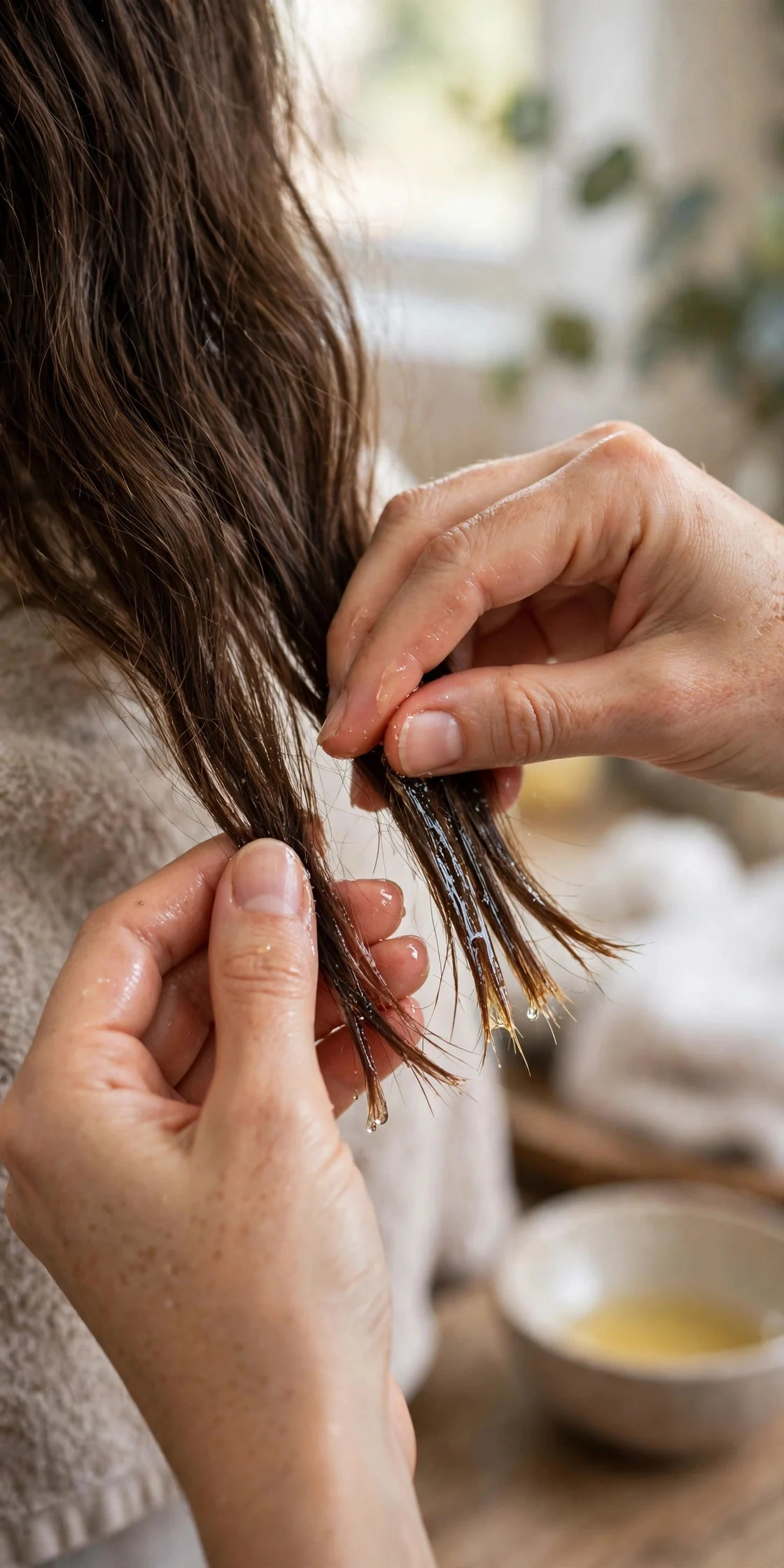
Coconut oil cannot glue split ends back together, no matter what a label promises. What it can do is make them less noticeable and less likely to split further before your next trim. Smooth a small amount over the ends daily, especially after washing when hair is most fragile. This seals in a bit of moisture and reduces friction when ends rub against clothes or each other. It suits long hair that is growing out, and anyone stretching time between cuts. The drawback is that it only buys time. You still need a trim to actually remove splits. Think of it as care between appointments, not a replacement for them, and budget for regular trims.
7Gentle Detangling for Curly and Coily Hair

Curly and coily hair tangles easily, and forcing a comb through dry tangles causes breakage. Coconut oil adds slip, which lets a wide tooth comb move through knots with less pulling. Work a generous amount through damp, sectioned hair, starting at the ends and moving up slowly. Finger detangle first, then use a comb if needed. This suits type 3 and type 4 curls, thick hair, and protective styles that need gentle handling. The cost is time and product. You will use more oil than someone with straight hair, and wash day takes longer. Wash it out fully afterward, or buildup can make curls feel coated and heavy.
8Protection Before Heat Styling

Heat tools strip moisture fast, and dry hair burns more easily. A thin layer of coconut oil before blow drying or flat ironing can reduce that moisture loss. Apply a small amount to damp hair, then let it absorb for a few minutes before you pick up the dryer. Keep heat on medium where possible, and do not use a heavy coat, since excess oil can smoke on a hot iron. It suits people who style with heat weekly, and hair that feels rough after styling. It is not a full heat protectant on its own. For very high heat or frequent styling, pair it with a proper heat protectant spray, and expect some trial and error with amounts.
9Overnight Repair for Chemically Treated Hair

Bleach, color, and relaxers leave hair porous, which means it loses moisture quickly and breaks more easily. An overnight coconut oil treatment gives porous hair hours to absorb what it needs. Apply it generously to lengths and ends, braid or wrap your hair, and cover your pillow with a towel or old scarf. Wash it out in the morning with shampoo, and repeat once a week if your hair feels dry. It suits bleached, colored, and relaxed hair that feels straw like. The drawback is laundry and comfort. Sleeping with oiled hair is not for everyone, and you may need two shampoos to feel fully clean.
10A Simple Treatment for Dandruff Prone Scalps

Flakes have many causes, and coconut oil will not fix all of them. But if your flakes come from dryness, a weekly oil massage can calm the scalp and loosen dry skin so shampoo removes it more easily. Massage a small amount into the scalp, leave it for 20 minutes, then shampoo well. It suits dry, flaky scalps in winter or after frequent washing. If flakes are thick, yellow, or itchy with redness, that may be a scalp condition that needs a medicated shampoo or a dermatologist, not oil alone. Also note that oil can feed certain scalp yeasts in some people, so if flakes get worse after two weeks, stop and try a different approach.
11Stronger Looking Hair After Swimming

Chlorine and salt water dry hair out and leave it tangled and rough. Coconut oil used before swimming coats the hair and limits how much chlorinated water it soaks up. Wet your hair with clean water first, smooth oil through the lengths, then swim as normal. Afterward, rinse with fresh water and shampoo gently. It suits regular swimmers, beach goers, and anyone whose hair feels like straw after a pool day. The drawback is practical. Oil and swim caps do not mix well, and you will need to wash your cap and towel after. It reduces damage, it does not make hair fully waterproof, so still rinse as soon as you can.
12A Budget Friendly Alternative to Salon Masks

Salon masks can cost a lot, and many work mainly because they coat hair well. A jar of unrefined coconut oil does a similar job for a fraction of the price, and one jar lasts for dozens of treatments. Use it as a weekly mask on lengths and ends, leave it for 30 minutes, then shampoo out. It suits anyone watching spending, students, and families who share products. The trade off is scent and texture. Some people dislike the coconut smell, and refined oil has less scent but also fewer of the compounds fans value. Store the jar in a cool place, since it melts in heat. For the price, though, it is hard to beat.
How to Use Coconut Oil Without the Grease
The most common complaint about coconut oil is greasiness, and it almost always comes down to amount and placement. Start with less than you think you need. Warm it fully between your palms so it spreads evenly instead of sitting in clumps. Apply to mid lengths and ends first, and only touch the scalp if it is dry. Leave masks on for 20 to 30 minutes, or overnight for very dry hair, then shampoo well. Fine hair may need two light shampoos, while thick hair may need just one. Wash your pillowcase and towels after overnight treatments. If your hair still looks flat, cut the amount in half next time before you give up on it.
FAQs
Does coconut oil work for all hair types?
Not equally. Thick, coarse, dry, curly, and chemically treated hair usually benefit most. Fine, thin, or very oily hair can still use it, but only in tiny amounts on the ends. If your hair feels heavy after using it, you likely used too much or applied it too close to the roots. Low porosity hair may also feel coated. Try a small test on the ends first.
How often should I use coconut oil on my hair?
Once a week is a good starting point for most people, as a pre wash treatment or mask. Very dry or chemically treated hair may handle twice a week. Daily use is usually too much except for a tiny amount on the ends. Watch for buildup, which shows up as dullness, heaviness, or hair that feels coated even after washing. If that happens, take a week off and use a clarifying shampoo once before you start again.
Should I apply coconut oil to wet or dry hair?
Both work, but for different jobs. Dry hair is best for pre wash treatments and overnight masks, since the oil can coat the hair before water swells it. Damp hair is better for detangling and light styling, since the oil spreads more easily and adds slip. For shine, use it on dry, styled hair in a very small amount. Avoid applying a heavy coat to soaking wet hair if you have fine hair, since it can weigh the lengths down as it dries.
Can coconut oil cause hair loss or clogged pores?
Coconut oil itself does not cause hair loss. Problems usually come from buildup, heavy scalp application, or leaving it on too long without washing. If oil sits on the scalp for days, it can trap sweat and dead skin, which irritates some people and may lead to breakouts along the hairline. Keep scalp applications light, wash well afterward, and stop if you notice more shedding, itching, or acne. If shedding continues, see a doctor rather than changing oils.
Is unrefined or refined coconut oil better for hair?
Unrefined, also called virgin, coconut oil keeps more of its natural scent and compounds, and most people prefer it for hair treatments. Refined oil has a neutral scent and a higher smoke point, which some people like for heat styling. For a basic mask or pre wash treatment, either works. Choose unrefined if you like the coconut scent and want the least processed option. Choose refined if the smell bothers you, or if you share the jar for cooking as well.
Keep exploring
If coconut oil works for your hair, you will also like these rosemary water benefits and uses, which pair well with regular oiling. For a weekly treatment, try these aloe vera hair mask recipes, and if your ends still feel rough, learn how to trim split ends at home between salon visits.