
The mixie sits right where a pixie and a mullet meet. You get short, shaped layers around the face and crown, plus a softer, longer nape that keeps the cut from feeling too severe. It is playful without being costume-y, and it works on far more hair types than people expect.
Before you book, it helps to know exactly what to ask for. The ideas below spell out crown length, nape length, texture, and fringe for each version, plus who it suits best and what the upkeep really looks like. Bring a photo, but also bring the words, because a mixie lives or dies on its layering.
1Classic Textured Mixie

This is the baseline mixie most people picture: a piecey pixie crown with soft, tapered layers that melt into a nape ending just below the ears at the back. Ask your stylist for about two inches on top, disconnected texture through the crown, and a nape left long enough to tuck behind the ears. It suits oval and heart-shaped faces, and straight to slightly wavy hair shows off the layers best. Maintenance is moderate. You will need a trim every five to six weeks to keep the shape from going shaggy, plus a pea-sized amount of texture paste most mornings. The drawback is the grow-out, which can look uneven around week seven if you skip appointments.
2Soft Shaggy Mixie

A softer take on the cut, with feathered layers and no harsh lines anywhere. Ask for a longer crown, around three inches, wispy ends, and a nape that brushes the top of the neck. The fringe should be long and side-swept so it blends into the face-framing layers. This version flatters rounder faces because the height on top lengthens the look of the face. It suits wavy hair beautifully, since the natural bend does half the styling for you. Upkeep is forgiving, with trims every six to eight weeks. The trade-off is frizz on humid days, so budget for a smoothing cream and accept that wash-and-go will not always look polished.
3Sleek Straight Mixie

If your hair is naturally straight, this polished version keeps the mixie shape but with clean, smooth ends instead of choppy texture. Ask for a close-cropped crown with precise layering, a tapered nape ending at the hairline, and a short side-swept fringe that sits neatly across the forehead. It suits fine to medium straight hair and looks sharp on angular jawlines. Styling is quick, just a blow dry with a round brush or a pass of a flat iron. The downside is how fast it shows regrowth, so plan trims every four to five weeks. Skip this if you hate frequent salon visits, because the sleek lines lose their edge quickly.
4Curly Mixie with Volume
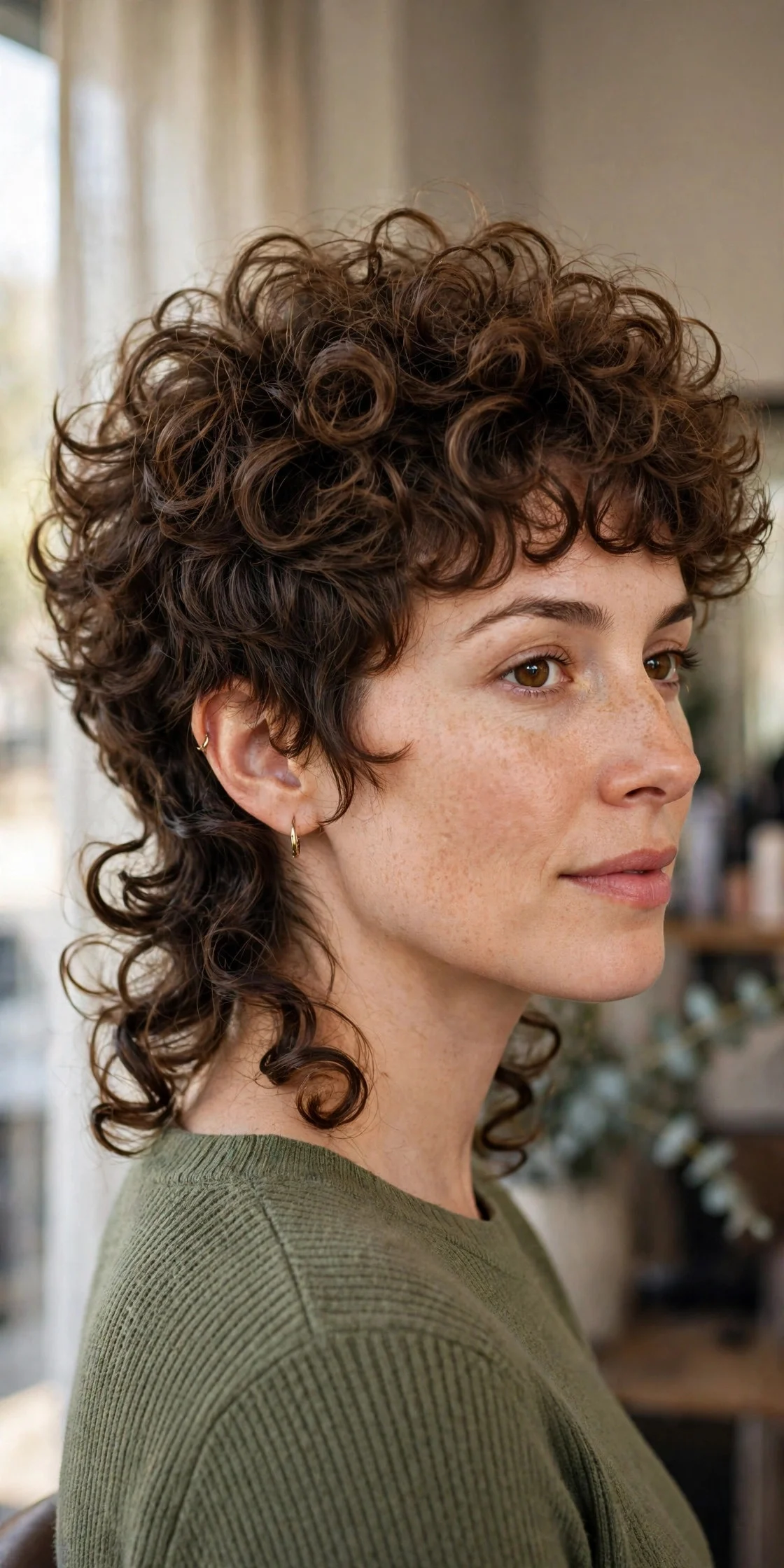
Curly hair gives the mixie natural drama, with a rounded crown and a longer, curl-defined nape. Ask your stylist to cut it dry, curl by curl, keeping three to four inches on top and leaving the nape long enough for the curls to spring up rather than hang flat. Request light internal layering, not thinning shears, so the shape stays full. This suits tight curls and loose coils alike, and it frames the face without heavy bangs. Maintenance means regular trims every six weeks and a good curl cream, which adds to your product costs. The awkward phase comes when the top grows out, since curls can puff sideways before the length catches up.
5Wavy Tousled Mixie

This is the weekend version of the mixie, built for waves that air dry with a bit of bend. Ask for two to three inches on the crown, choppy layers through the sides, and a nape that ends just past the ears. A curtain-style fringe that parts in the middle keeps it soft around the face. It suits medium-density wavy hair and oval or long faces, adding width where you want it. Styling takes five minutes with sea salt spray and a scrunch. Trims every six weeks keep the ends from turning stringy. The drawback is inconsistency, since some days your waves cooperate and some days they do not.
6Feathered Mixie for Fine Hair

Fine hair needs a mixie that creates the illusion of fullness, and feathering is the trick. Ask for short, stacked layers at the crown for lift, lightly feathered ends so the hair does not look blunt or thin, and a short nape that keeps the silhouette neat. Keep the fringe piecey rather than heavy, so it does not eat up your volume. This version suits fine, straight hair and smaller facial features, and it makes thin hair look deliberately styled instead of flat. You will need a volumizing mousse and a trim every five weeks. The drawback is that fine hair shows every uneven layer, so a cheap rushed cut will be obvious.
7Choppy Edgy Mixie

For a bolder take, go choppy: razor-cut ends, uneven layers, and a fringe with real attitude. Ask for a short, textured crown around one and a half inches, jagged pieces around the ears, and a nape with visible, disconnected length at the back. A short, choppy fringe completes the look. This suits confident dressers, strong cheekbones, and hair with some natural grip, since very silky hair slides out of the texture. Styling needs a matte paste or wax daily, and trims every four weeks keep the edges sharp. The cost is time, not money, because this cut looks unfinished if you skip styling, and growing it out means months of uneven stages.
8Mixie with Curtain Bangs

Curtain bangs soften the mixie and make it an easier first step if you are nervous about going short. Ask for a two-inch crown with textured layers, a nape ending just below the ears, and a longer fringe that parts in the centre and sweeps to each cheekbone. This version suits most face shapes, especially wider foreheads, and works on straight and wavy hair. It grows out more gracefully than a short fringe, which is a real plus. Maintenance is a trim every six weeks, with the bangs needing a quick tidy between full cuts. The drawback is that the bangs need daily styling to sit right, and they can stick to your forehead in heat.
9Long Nape Mixie

This version leans further toward the mullet side, with a noticeably longer nape. Ask for a pixie-short crown, about two inches, with tight layers on top, and a nape left to reach the top of the shoulders or just above it. Keep the sides short and tucked so the contrast reads clearly. It suits thick hair best, since the nape needs enough weight to sit well, and it looks great with an undercut-free, natural hairline. Trims every six to eight weeks keep the top shaped while the back grows. The honest drawback is the grow-out, which can drift into full mullet territory fast, so you need a stylist who will keep the crown short while the nape does its thing.
10Pixie-Forward Mixie with Micro Fringe

If you love a true pixie at the front but want the mixie length at the back, this is your cut. Ask for a very short crown, close to the head, a micro fringe that ends well above the brows, and a soft nape falling just past the ears. The sides should be tapered tight so the fringe becomes the focal point. This suits small, balanced features and straight hair, and it shows off earrings and bone structure beautifully. Maintenance is the highest of this list, with trims every three to four weeks to keep the fringe from going shaggy. The drawback is commitment, since a micro fringe takes months to grow out if you change your mind.
11Layered Mixie for Thick Hair
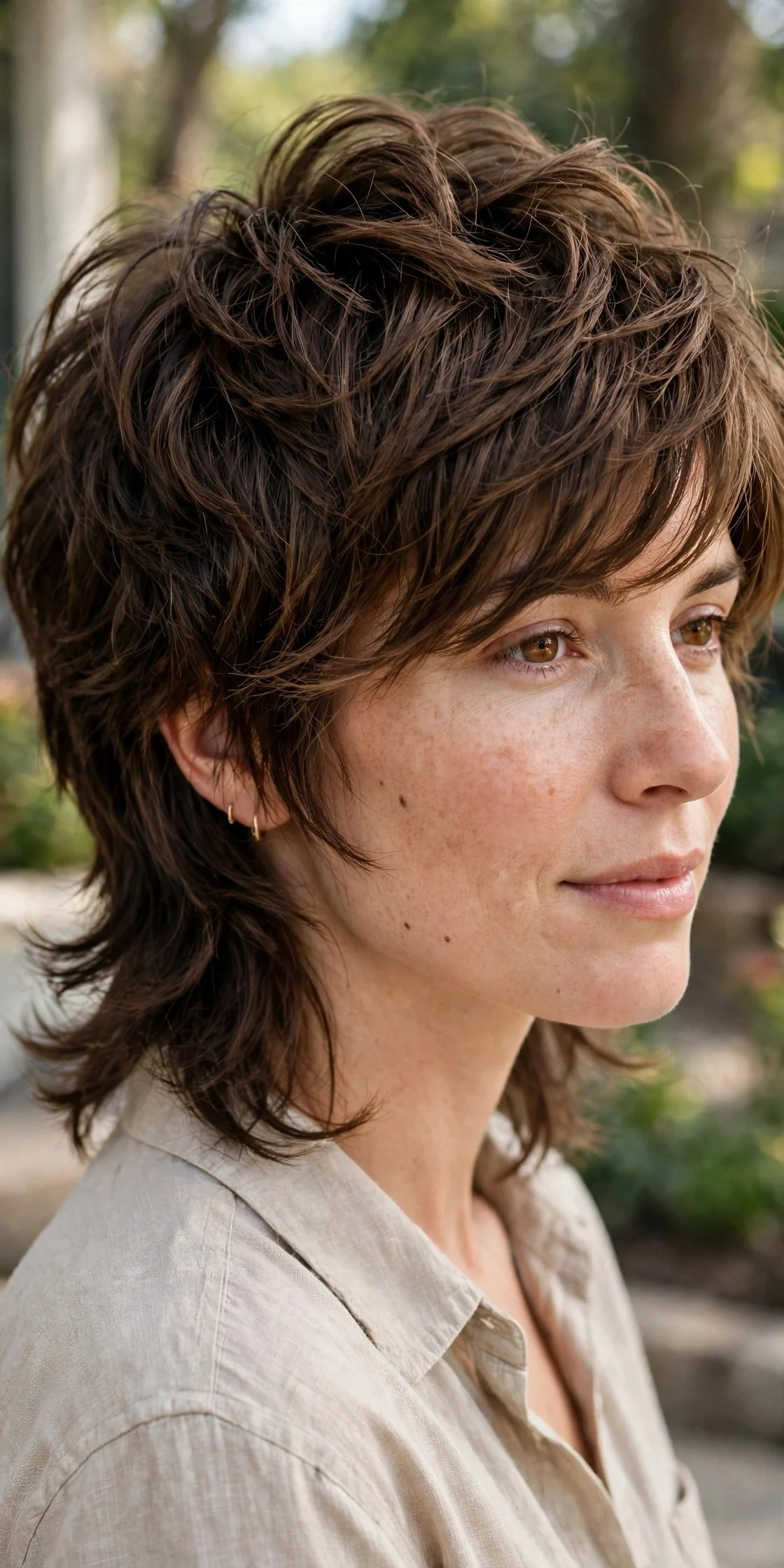
Thick hair can swallow a mixie if the layers are not deep enough, so this version goes bold on internal layering. Ask for a three-inch crown with shorter layers underneath to remove bulk, textured ends to stop the shape going triangular, and a nape that ends at the neck. A side-swept fringe keeps the front light. This suits thick, straight or wavy hair and round or square faces, because the removed weight stops the cut looking boxy. You will need thinning done carefully, never over-thinned, plus trims every six weeks. The drawback is drying time and product use, since thick hair still needs a proper blow dry to show the layers.
12Grown-Out Friendly Soft Mixie

This is the mixie to ask for if you already know you will stretch appointments. Ask for a longer crown, three to four inches, soft blended layers with no hard lines, and a nape that sits just past the ears so everything grows at a similar pace. A long, face-framing fringe blends in as it grows, which avoids the dreaded shelf stage. It suits busy schedules and wavy or straight hair, and it is the most forgiving version on this list. Trims every eight weeks are enough, which saves money. The drawback is that it looks less sharp than the choppier versions, so if you want a statement cut, this softer grow-out plan may feel too safe.
Hair care and styling tips
A mixie rewards a lighter hand with products than longer cuts do. Too much cream or oil flattens the crown, which is where the shape lives, so start with half what you think you need and add more only if the ends still look dry. Wash every two to three days if your scalp allows it, since freshly washed short hair can be harder to shape than second-day hair with a little natural grip.
Heat styling should stay quick and low. A short blow dry with your fingers, rather than a brush, keeps texture intact, and a flat iron should only touch the fringe or the very ends, not the whole crown. The single biggest mixie mistake is waiting too long between cuts, because a mixie grows out in stages, and each stage needs a small reshape to stay wearable.
How long does a mixie take to grow out?
Growing a mixie out takes roughly six to twelve months depending on how short you started and how long you want to go. The awkward stage usually hits around month three, when the crown starts to flip outward and the nape looks disconnected from the rest. Regular mini trims on just the nape or the fringe can carry you through that phase without losing all your length. Patience matters here, and so does a stylist who understands grow-out shaping rather than just cutting the same shape shorter each time.
Will a mixie work on curly hair?
Yes, a mixie can work beautifully on curly hair, but the cut must be done on dry, styled curls, not wet hair that shrinks as it dries. Ask for a stylist experienced with curls who will shape curl by curl and keep enough length for the curls to form properly. The result is a rounded, full crown with a defined nape, which suits many curl patterns. You will need a curl cream and a diffuser, and trims every six weeks keep the shape from turning into a triangle as the curls grow.
How often should I get a mixie trimmed?
Most mixies need a trim every four to six weeks, with edgier or shorter versions closer to four and softer versions stretching to eight. That frequency is the real cost of the cut, both in salon bills and in time, so factor it into your decision before you commit. Skipping trims does not ruin the cut overnight, but by week seven or eight the layers lose their definition and the grow-out stages start to look accidental. Booking your next appointment before you leave the salon is the easiest way to stay on track.
Is the mixie hard to style every morning?
Not usually, and that is part of its appeal. Most versions take five to ten minutes with a small amount of paste, cream, or salt spray, and wavy or curly hair often needs even less. The versions that demand more effort are the sleek straight mixie and the choppy edgy mixie, which both rely on daily styling to look intentional. If you want a true wash-and-go cut, choose a softer, longer version and tell your stylist that low effort is your priority.
What should I ask my stylist for at the appointment?
Bring two or three photos of the exact version you want, and use the words from the idea descriptions above: crown length in inches, nape length, how much texture you want, and what kind of fringe suits your face. Mention your hair type, how often you are willing to come back for trims, and how much time you will spend styling each morning. A good stylist will adjust the cut to your answers, and that conversation is what turns a generic short cut into a mixie that actually fits your life.
Keep exploring
If you liked these mixie haircut ideas, check out micro bob haircut ideas, butterfly bob haircuts, graduated bob haircuts for more ideas.