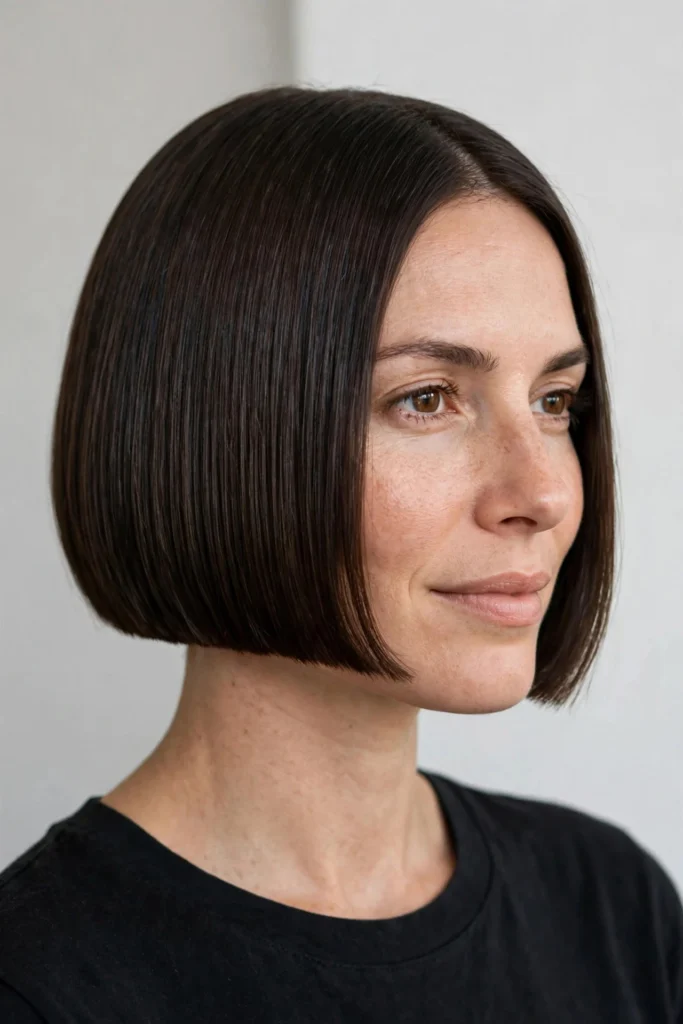
The micro bob is having its moment, and honestly, it earned it. This is the cut that lands between the ears and the top of the cheekbone, shorter than a classic bob, longer than a pixie. It photographs beautifully, dries fast, and makes fine hair look thicker than it is. The catch? You will live in the salon chair a little more than you’d like. Here are 12 ways to wear it this year, with honest notes on who each one suits and what the upkeep really costs.
1Blunt Cheek-Length Micro Bob
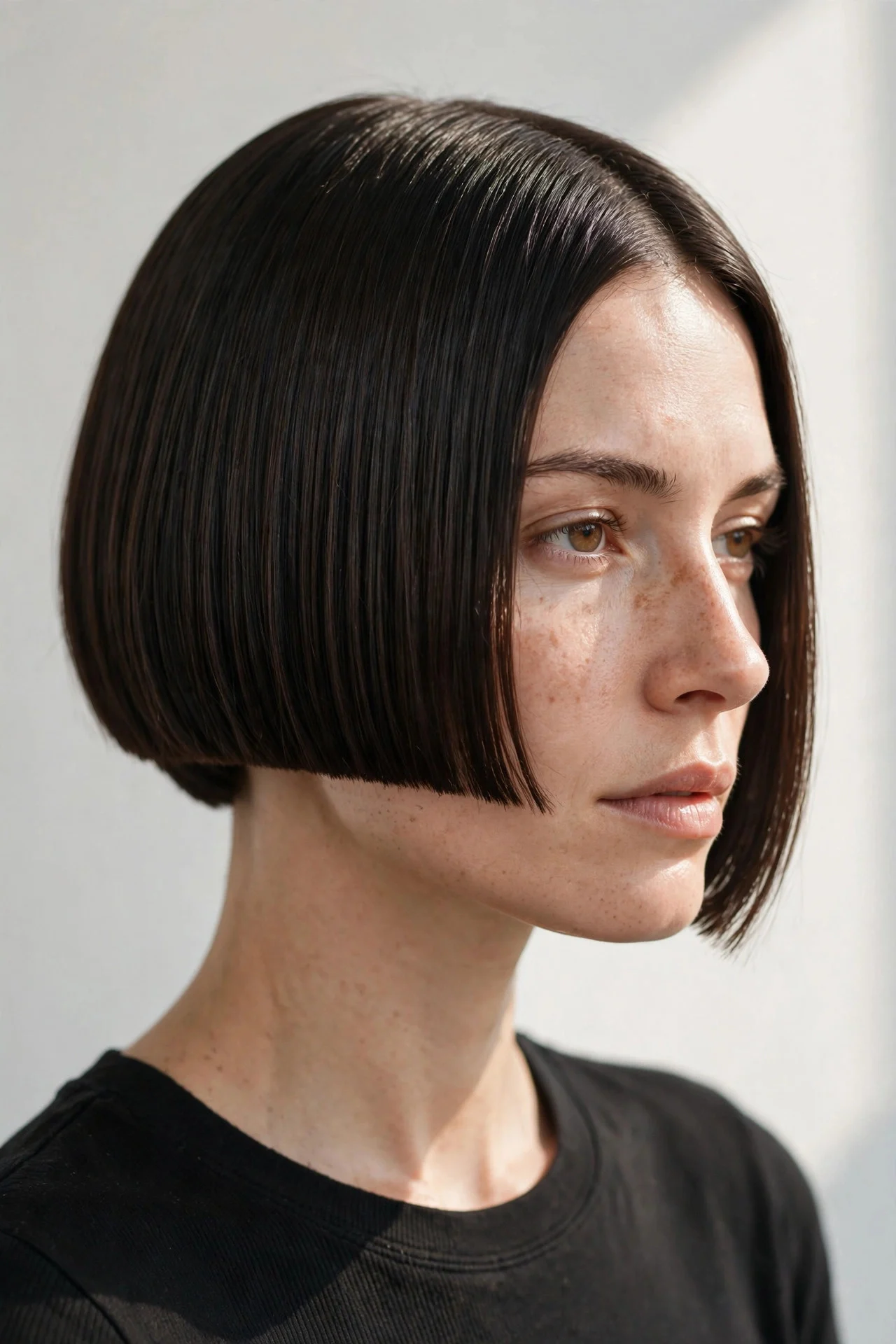
Ask your stylist for a razor-sharp one-length cut that finishes right at the top of the cheekbone, no layering, no texture. This is the most graphic version of the cut and it looks best on straight, fine to medium hair with an oval or long face. Round faces can wear it too, but keep the length just kissing the cheekbone rather than above it, or it can widen the cheeks. Plan trims every 4 weeks to keep that crisp edge, because a blunt cut shows growth fast. Drawback: there is nowhere to hide; roots, regrowth, and any unevenness show immediately, so this is a high-maintenance relationship. Cost-wise, expect a precision-cut price point, usually $60 to $90 plus tip.
2Textured French-Girl Micro Bob
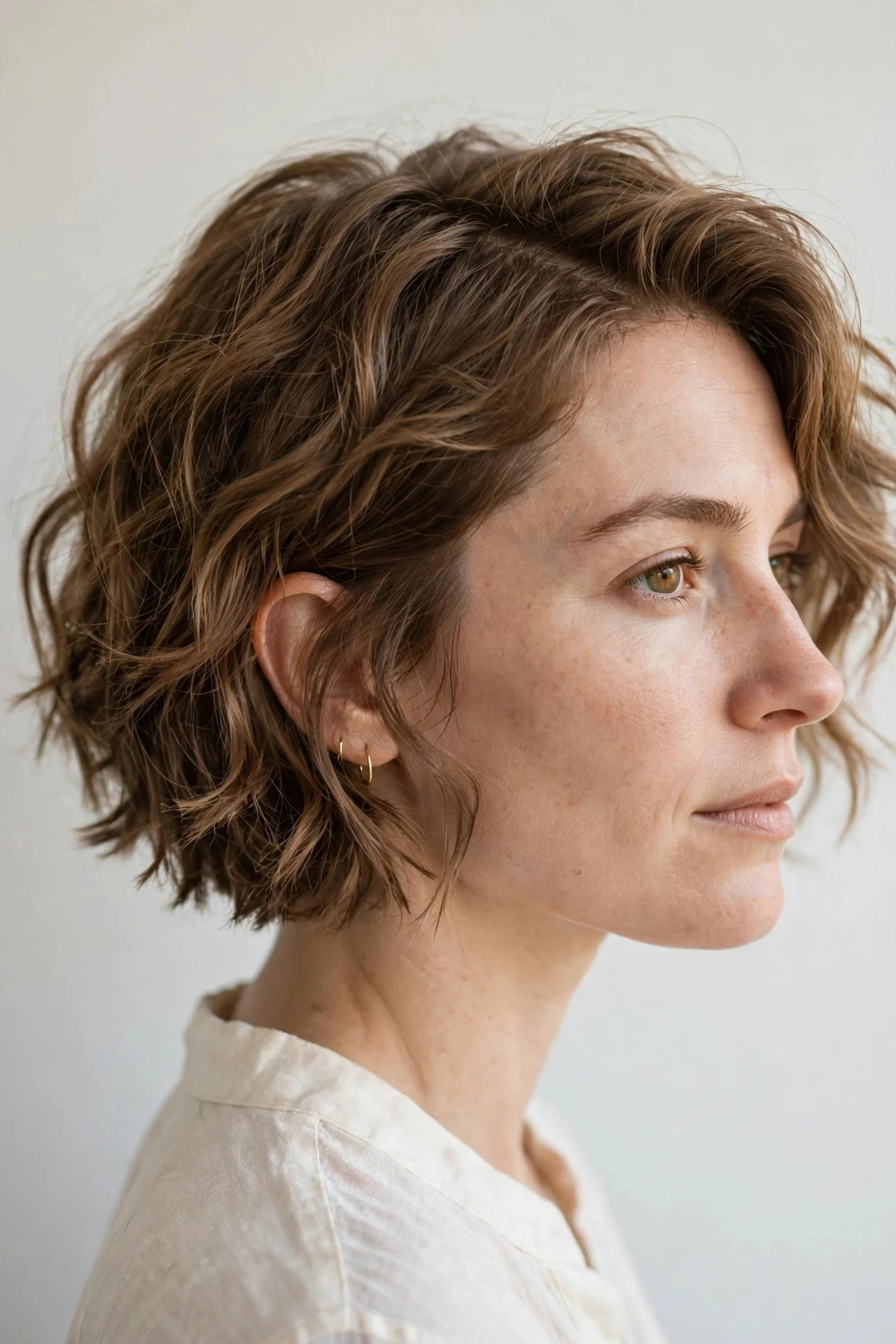
Ask for soft, lived-in texture with the weight left at the ends and the crown slightly de-bulked. Your stylist should point-cut the perimeter so it looks deliberately undone. This suits wavy and fine-straight hair best, and it flatters square faces because the softness breaks up a strong jawline. It works on most ages, but looks especially natural on women in their late twenties to forties. Trim every 5 to 6 weeks; the texture hides regrowth better than a blunt cut. Upkeep is low key: air dry with a little salt spray and go. The honest downside is that on very straight hair the texture can fall flat by afternoon, so you may need a quick refresh with texturizing spray. A standard bob cut runs $50 to $75.
3Curly Micro Bob
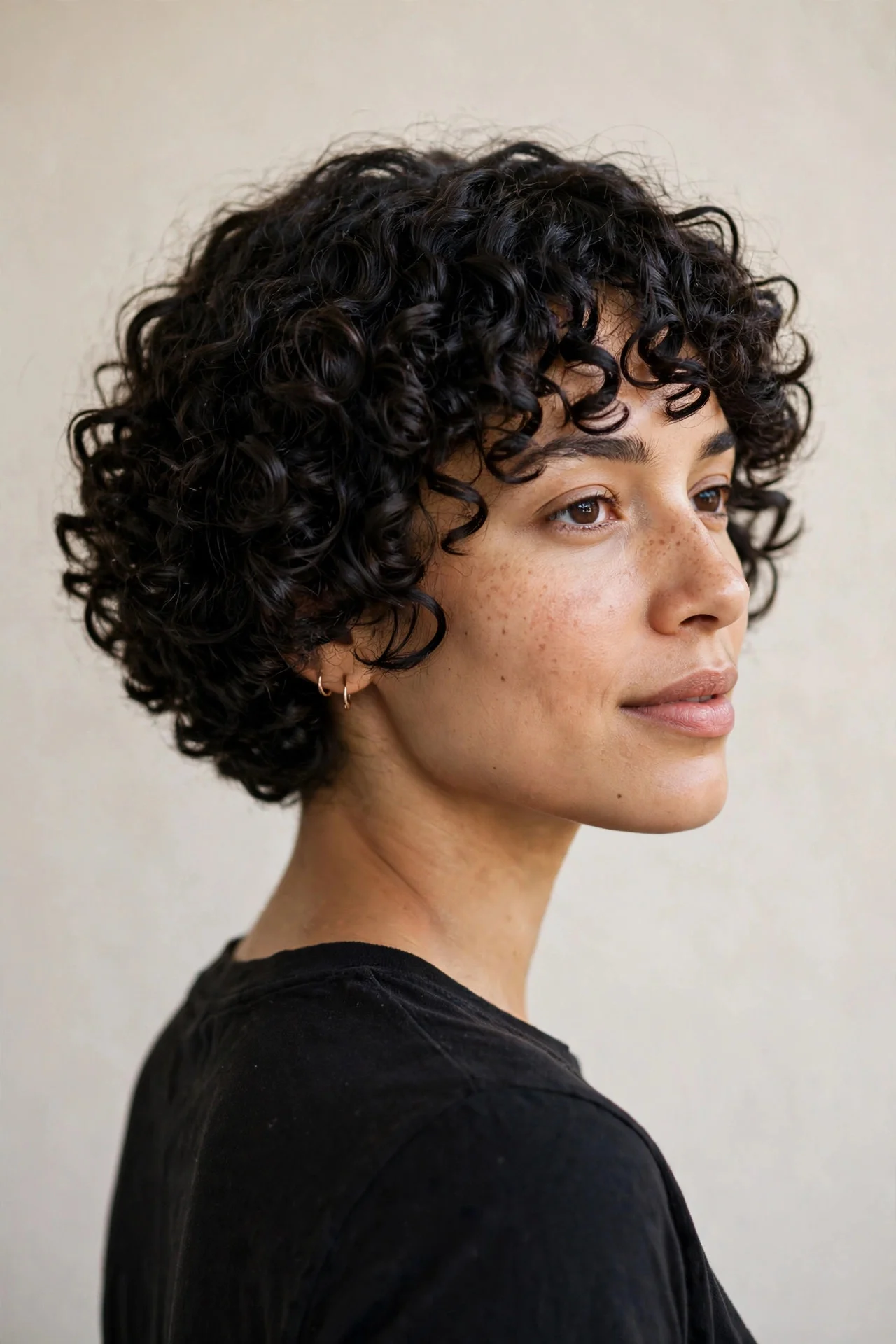
Ask your stylist for a dry cut shaped around your curl pattern, keeping the silhouette compact and the length between the ear and mid-cheek. Curly hair shrinks, so cutting it dry is non-negotiable. This is magical on type 3 curls and loose coils, and it gives oval, heart, and diamond faces a gorgeous rounded frame. Round faces should ask for a little extra length at the temples to avoid a circle-on-circle effect. Trim every 6 to 8 weeks, and budget for a curl-specialist cut, which typically runs $85 to $130. The real drawback is volume control: humidity will have its way with this cut, so you need a reliable gel or curl cream routine, and silk pillowcases stop being optional.
4Asymmetrical Micro Bob
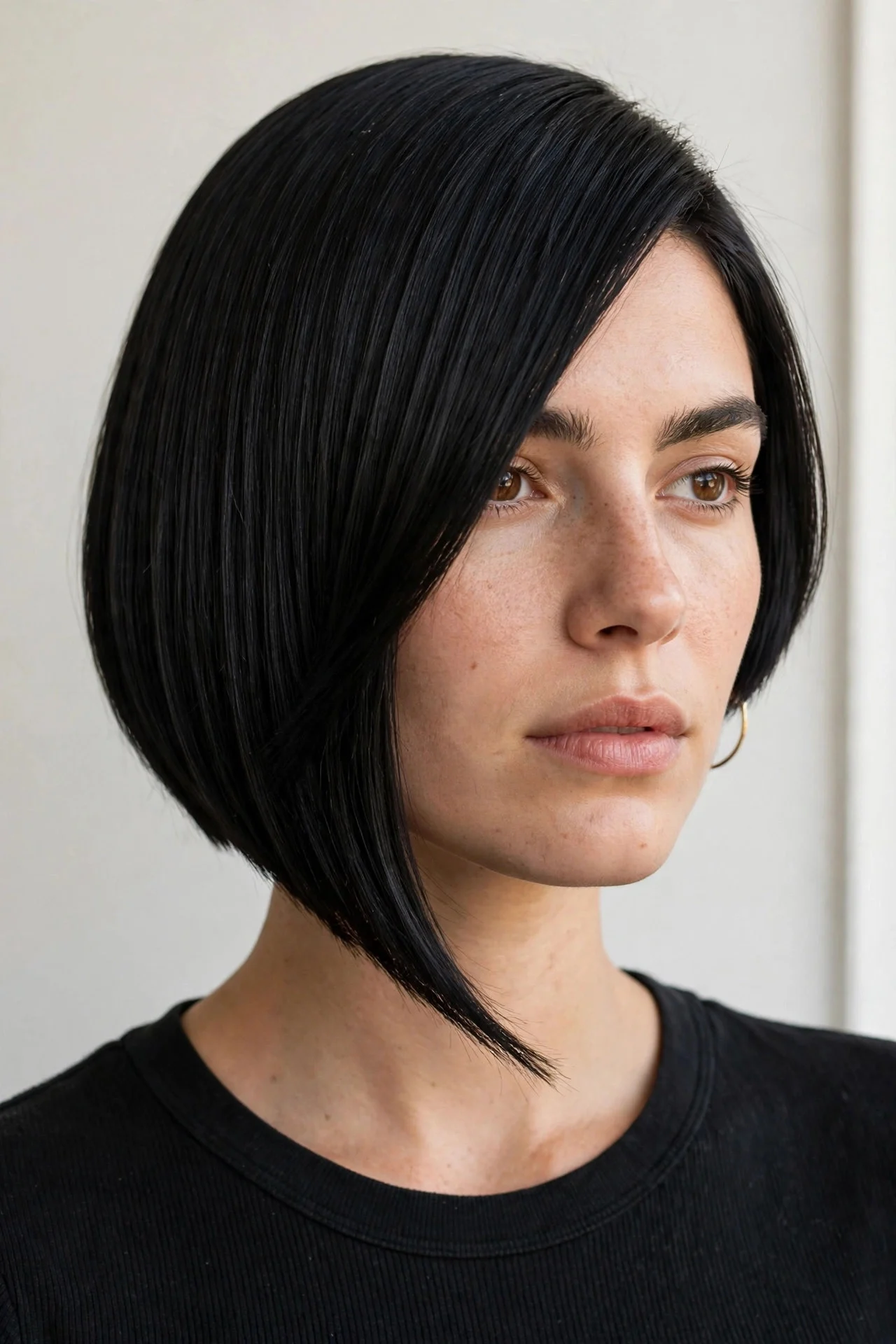
Ask for one side sitting a half inch longer than the other, with the difference visible from the front. The asymmetry is the whole point, so do not let your stylist even it out. This cut loves straight hair, where the uneven hemline reads cleanly, and it is brilliant on long or oblong faces because the diagonal line breaks up vertical length. It suits bold dressers of any age. Trims every 3 to 4 weeks are essential; as soon as the short side grows in, the design disappears. Drawback: styling takes intention. You cannot just push it behind your ears and call it a day, because the asymmetry is the hairstyle. Expect to pay $65 to $95 for the cut.
5Wet-Look Glass Micro Bob
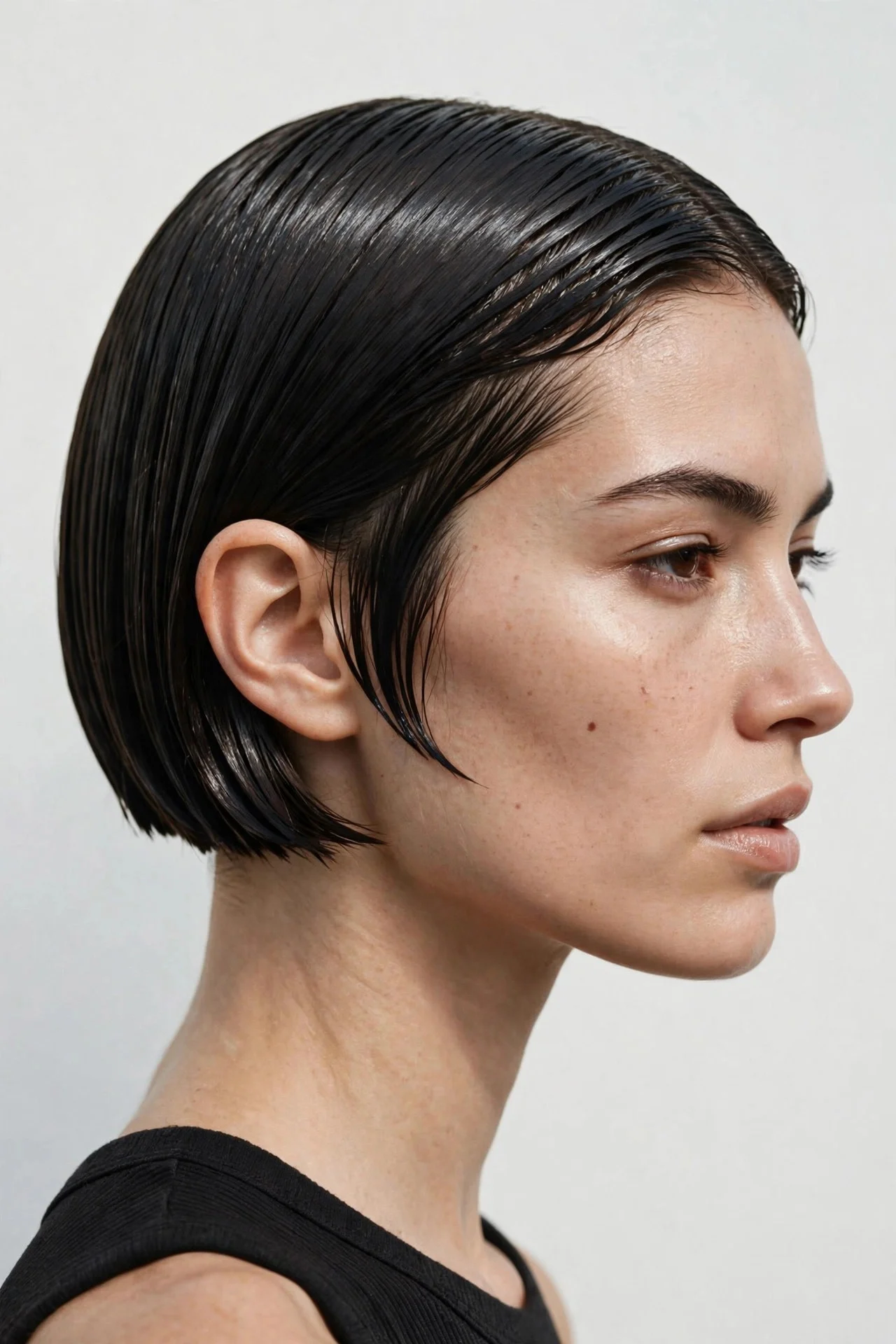
Ask for a sleek, blunt micro bob cut tight to the head, then style it with a high-shine gel or glossing cream combed flat against the scalp. This is the runway version, best on straight or straightened fine hair, and it slays on oval and angular faces. It reads editorial, not everyday, so it suits evenings and events more than the school run. Maintenance is actually easy since the shape is simple; trims every 5 weeks keep the line. The honest catch: the wet look needs re-gelling if it dries out mid-day, and heavy gel on a short cut can feel sticky against your neck. A bottle of good styling gel costs $15 to $25 and lasts months.
6Choppy Layers Micro Bob
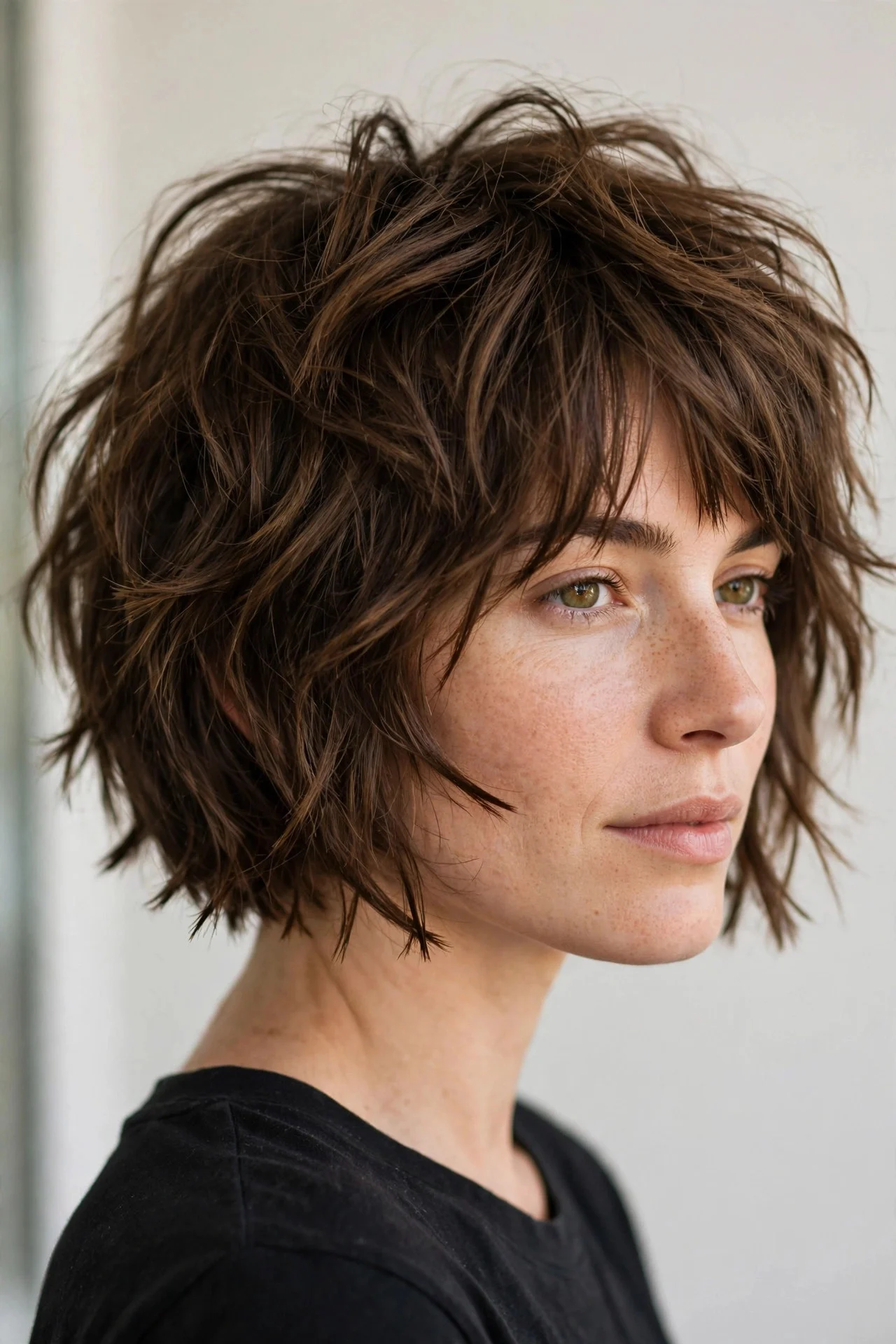
Ask your stylist for disconnected, piecey layers through the crown with jagged ends, finishing around the mid-cheek. Razor work or deep point-cutting creates the choppiness. Thick hair benefits most because the layers remove bulk, and it gives round and square faces movement that softens their edges. It is a forgiving cut for busy women in their thirties to fifties who want edge without fuss. Trim every 6 weeks. The downside is that choppy ends need texture paste or wax to look intentional; without product, they can read scruffy rather than cool. Keep a travel-size paste in your bag. Standard pricing, $55 to $80.
7Side-Part Micro Bob
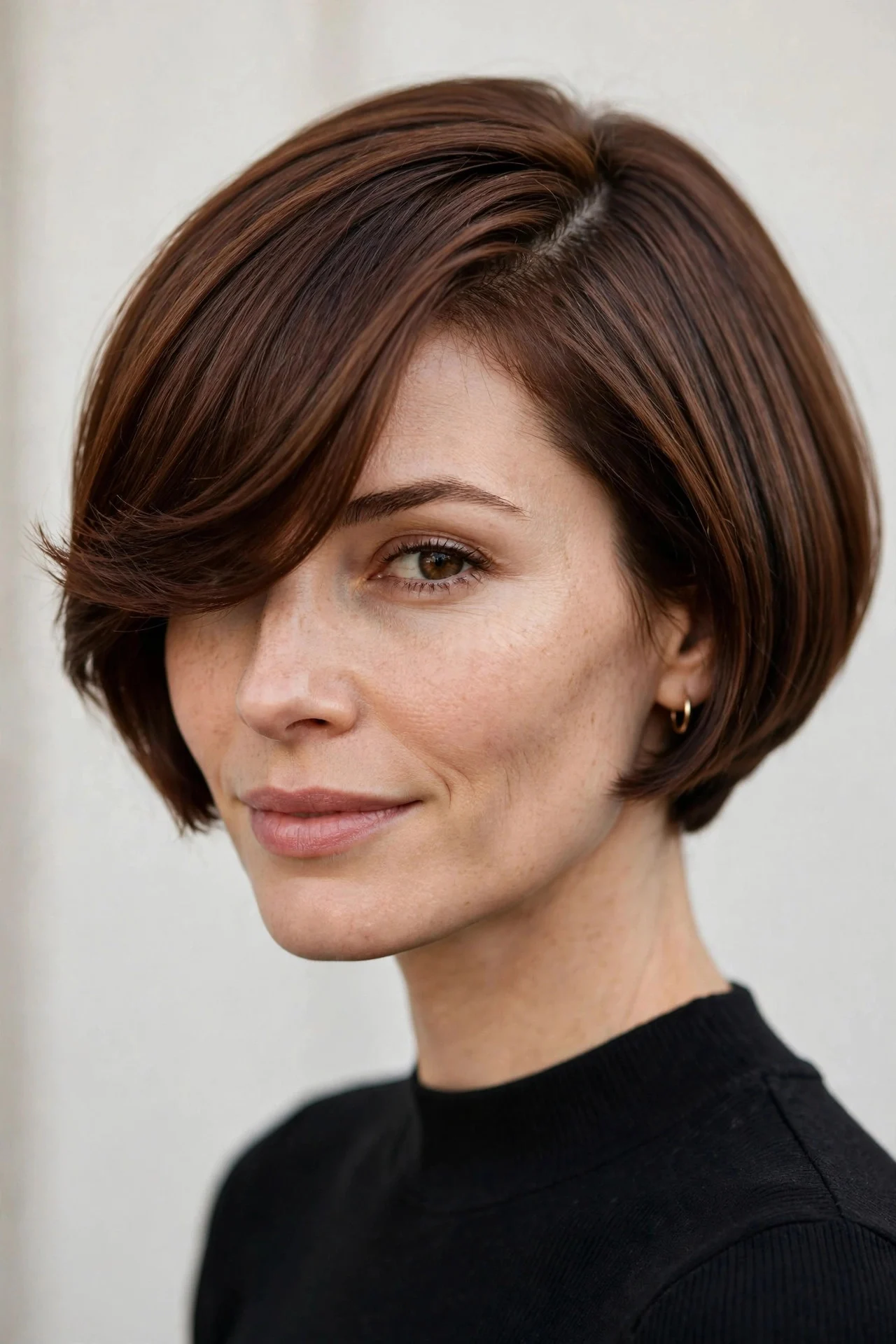
Ask for a micro bob cut with a deep side part carved in from the start, the heavy side sweeping across the forehead toward the opposite cheek. The part does the heavy lifting here, so your stylist should cut around it. This is a winner for heart-shaped and square faces, because the diagonal sweep softens a strong forehead or jaw. Works on fine to medium hair; thick hair needs thinning at the heavy side. It is universally wearable across ages. Trims every 4 to 5 weeks keep the part line defined. Drawback: your hair will want to flip back to its natural part, so you will use bobby pins or a light-hold gel to train it for the first week or two. Cut cost: $55 to $85.
8Micro Bob with Micro Bangs

Ask for a cheek-length micro bob paired with very short, brow-grazing or above-brow bangs cut blunt or slightly textured. The bangs are the star, so precision matters. This suits long and oval faces beautifully by shortening the forehead, and it loves straight to wavy hair. It is a strong look on women in their twenties and thirties, and on anyone with a confident personal style. Trim the bangs every 2 to 3 weeks (many salons do bang trims free or cheap) and the bob every 4 to 5. The real drawback is forehead exposure: oily skin means the bangs need washing or dry-shampooing daily, and humid weather can make them frizz into a wave. Budget $70 to $100 for the initial cut.
9Graduated Micro Bob
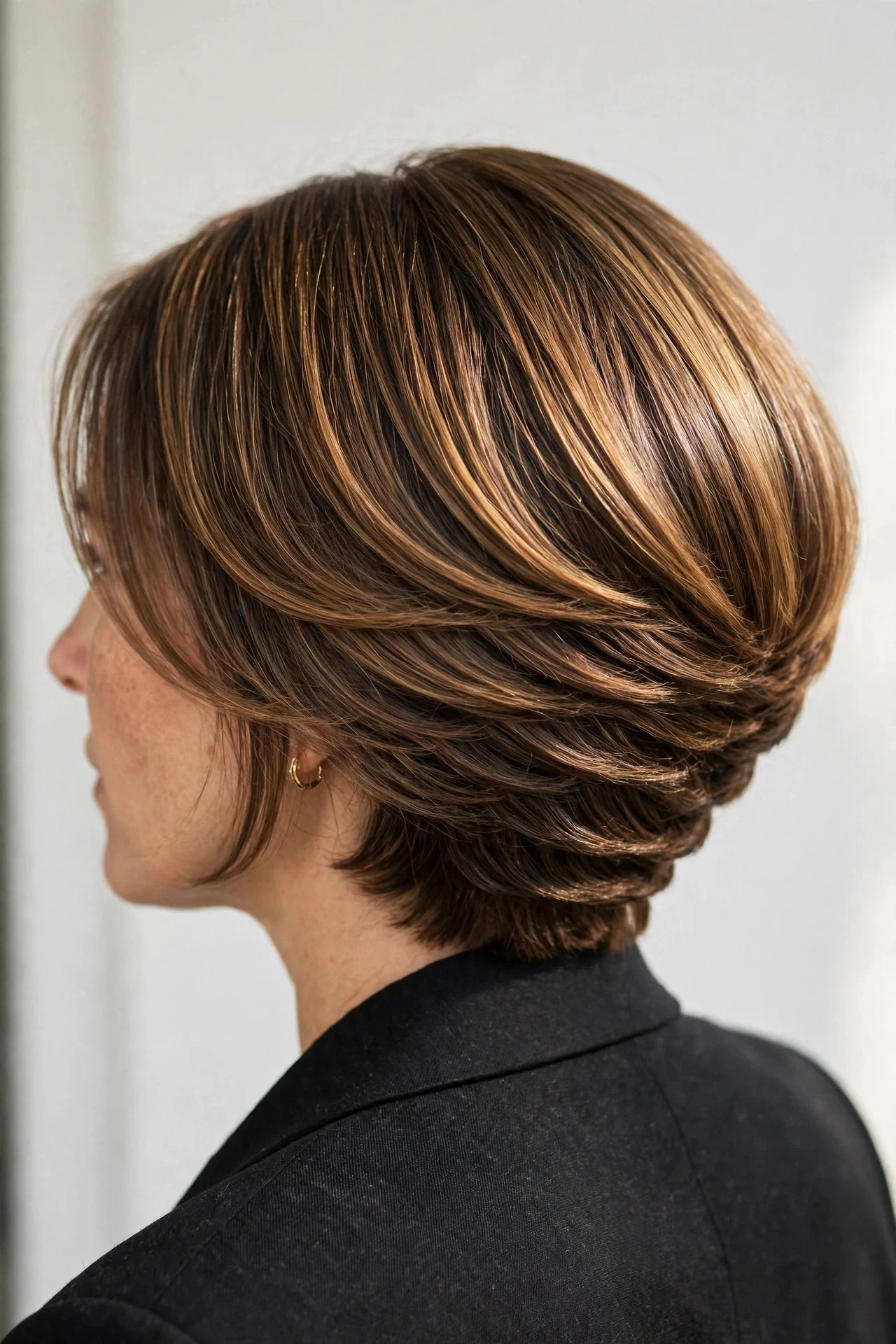
Ask for stacked layers at the nape that graduate up from the hairline, with the front pieces skimming the cheek. The back sits shorter and tucked, which gives this cut its signature rounded shape. Fine hair gets an instant fullness boost from the stacking, and it is ideal for petite women and oval or heart faces. It reads polished and professional, great for women in their thirties to sixties. Trim every 4 to 5 weeks to keep the graduation from growing into a shelf. Drawback: the stacked back needs blow-drying with a round brush or smoothing to sit right; air-drying can leave the nape flipping out. It also requires a stylist skilled in graduation, so check their portfolio. Expect $65 to $95.
10Slicked-Back Micro Bob
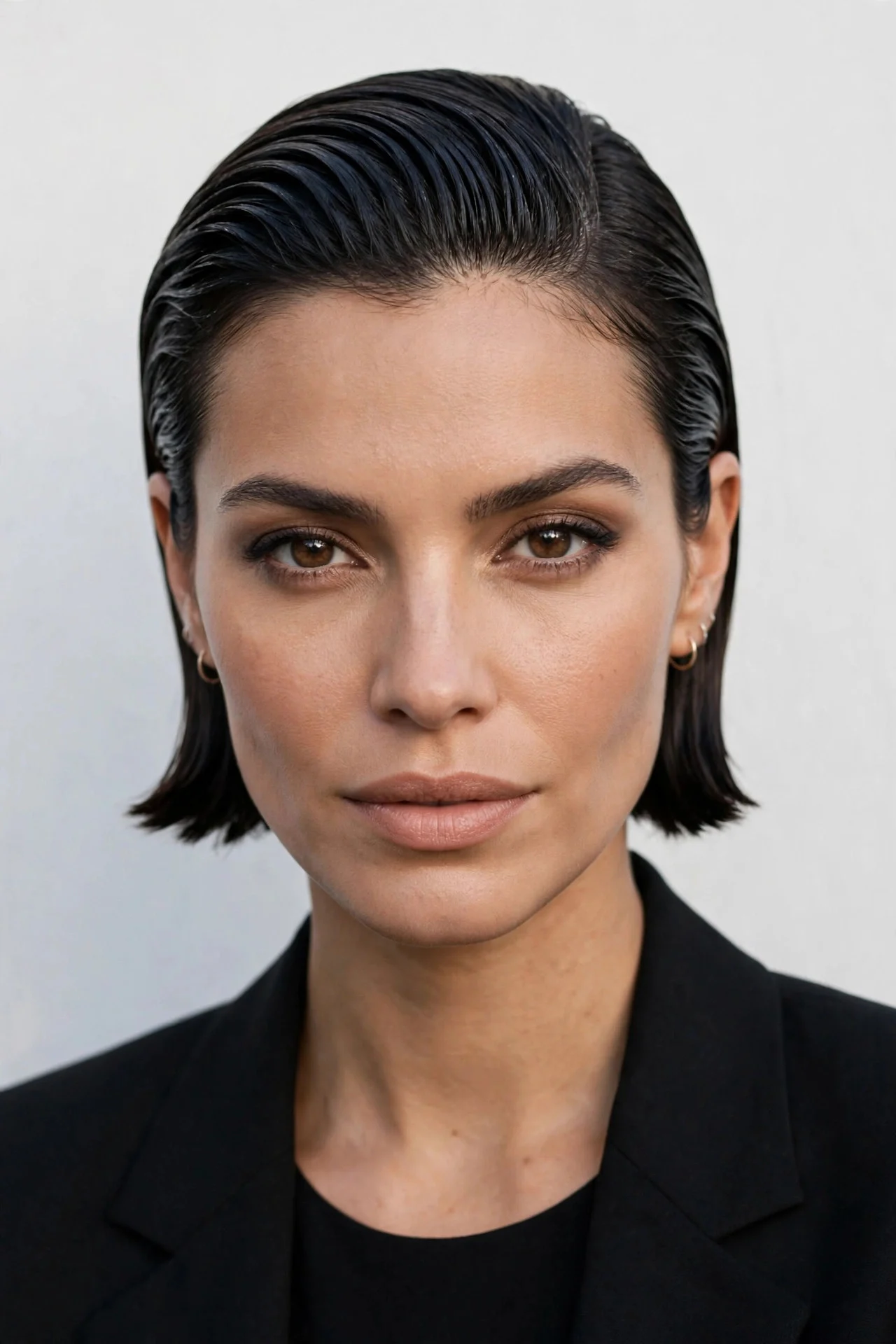
Ask for an even, blunt micro bob with no part or a center part, cut so the hair can be combed straight back off the face. Styling is everything: work a smoothing serum through damp hair and comb it flat back, then set with a light mist of strong-hold hairspray. This suits oval, heart, and angular faces and looks incredible with statement earrings. It is more of a going-out style than a daily driver, best for straight or straightened hair. The cut itself is low maintenance with trims every 5 weeks. The catch is product dependency: you will go through serum and hairspray, and by late evening the slick can lose its grip at the roots. Keep a mini hairspray for touch-ups. Cut cost: $55 to $80.
11Tousled Air-Dried Micro Bob
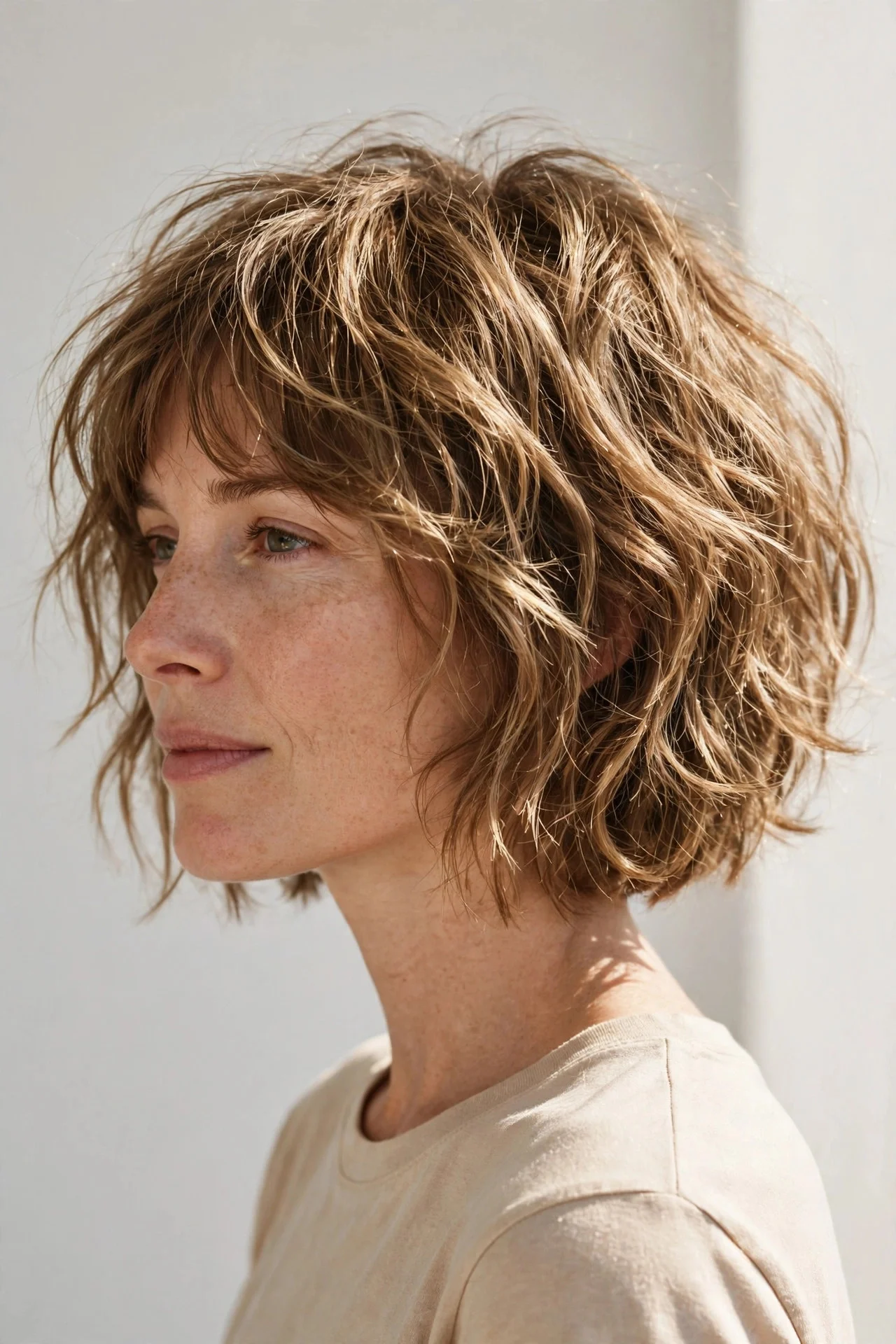
Ask your stylist for long layers and soft texture throughout, cut so the hair falls naturally when air-dried. Specify that you will not be heat-styling it; a good stylist cuts differently for air-dry wearers. Wavy and fine hair take to this effortlessly, and it suits oval and oblong faces with its easy, relaxed line. This is the lowest-effort micro bob on this list, ideal for moms, students, and anyone who sleeps through their alarm. Trims every 6 to 7 weeks. The drawback is predictability: air-drying means every wash day lands a little differently, and frizz-prone hair still needs a smoothing cream or the texture turns to fuzz. One cream, $12 to $20, handles it. Cut cost: $50 to $75.
12Vintage Hollywood Micro Bob
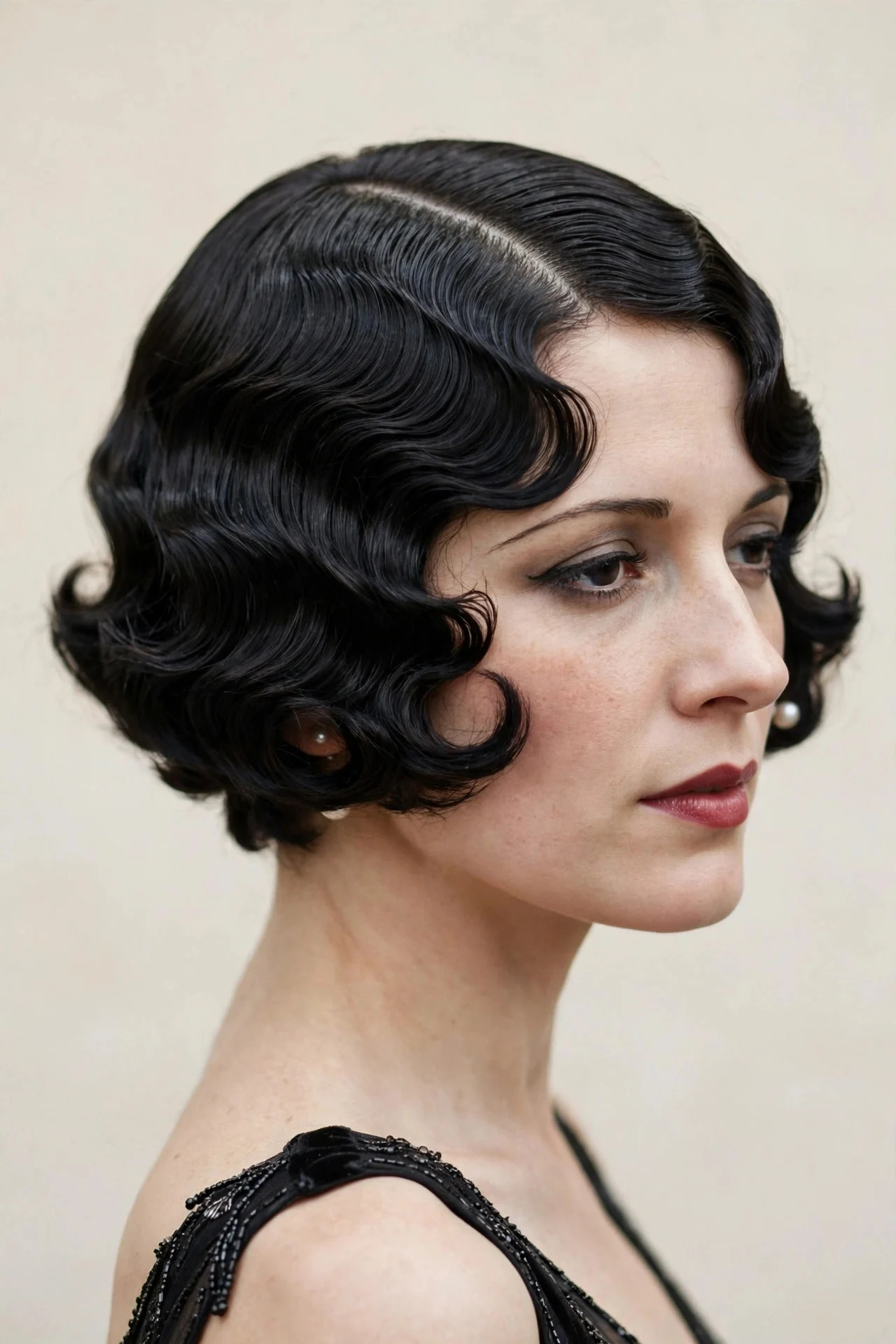
Ask for a polished micro bob with sculpted waves, deep side part, and ends that tuck under at the cheekbone, a nod to the 1920s flapper bob. This is a styling-dependent cut: the shape is simple, but the glam comes from a curling iron or hot rollers plus setting spray. Medium to thick straight hair holds the waves best. It is stunning on heart and oval faces and perfect for weddings, parties, and anyone who loves a retro aesthetic. Trims every 5 weeks. Honest downside: this is the highest-effort option here, 20 minutes of styling per wear, and the vintage wave collapses in humidity. Cut cost: $60 to $90.
How to Style and Care for a Micro Bob
Heat is your friend in small doses. A flat iron with a slight bend at the ends gives the blunt cuts their polish, while a 1-inch curling wand adds movement to textured versions. Always use a heat protectant spray; short hair shows damage fast because there is no length to trim away later. For products, keep three: a light smoothing serum for frizz, a texturizing spray for the lived-in styles, and a strong-hold hairspray for slicked looks. Trims matter more with this cut than almost any other, so book your next appointment before you leave the salon, every 4 to 6 weeks depending on your style. Second-day hair works surprisingly well on a micro bob. A spritz of water at the roots, a dab of paste on the ends, and you are presentable. Silk or satin pillowcases reduce morning frizz, and dry shampoo at the roots extends wash day without flattening the shape.
Will a micro bob suit a round face?
Yes, with the right tweaks. Keep the length at or just below the cheekbone rather than above it, and ask for longer pieces framing the face. A side part or subtle asymmetry creates diagonal lines that slim the cheeks. Avoid ultra-blunt cuts that end right at the widest part of your face.
How often does a micro bob need trimming?
Every 4 to 6 weeks for most versions. Blunt and asymmetrical styles need it closer to every 4 weeks because regrowth shows quickly. Textured and layered versions can stretch to 6 or 7 weeks. If the ends start flipping out or the shape looks bottom-heavy, you have waited too long.
Is a micro bob hard to grow out?
Growing out a micro bob is one of the more awkward grow-outs, because every stage looks like a different haircut. Plan for regular shaping trims every 8 weeks while you grow it, focusing on keeping the back neat as the front catches up. Headbands, clips, and the slicked-back style are your best friends through the mullet-adjacent phase.
Can I get a micro bob with thin hair?
Absolutely, and it is one of the best short cuts for thin hair. A blunt or graduated micro bob makes the ends look thicker because all the hair ends at the same line. Avoid heavy layering, which removes the little density you have. A root-lifting mousse at the crown adds the fullness that thin hair needs.
Does a micro bob work for women over 50?
It works beautifully. The graduated and side-part versions are especially flattering, lifting the face and keeping the silhouette neat. Micro bangs can look chic at any age if the rest of the cut is polished. The main consideration is maintenance: pick a version whose trim schedule you will actually keep, because an overgrown micro bob loses its charm fast.
Keep exploring
If the micro bob has you thinking shorter, there is a whole family of bob cuts worth browsing. The sculpted bob haircuts collection leans more polished and structured, while jaw-length bob haircuts stay in a similar length zone with a slightly bolder edge. For something with more movement and length, the luxury lob haircuts roundup is a great middle ground. And if the French-inspired texture caught your eye, the textured Parisian bob ideas feel like its chic older sister.