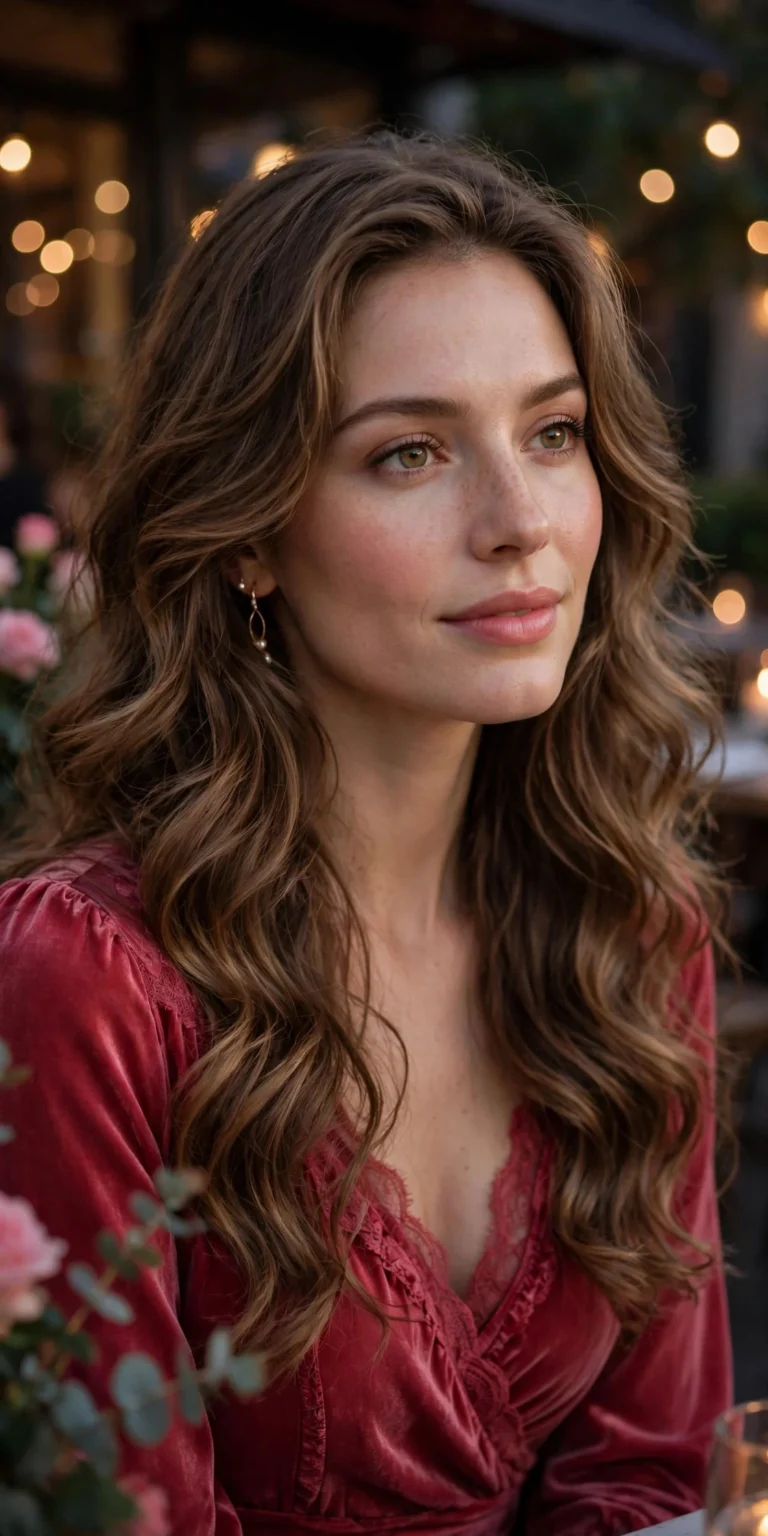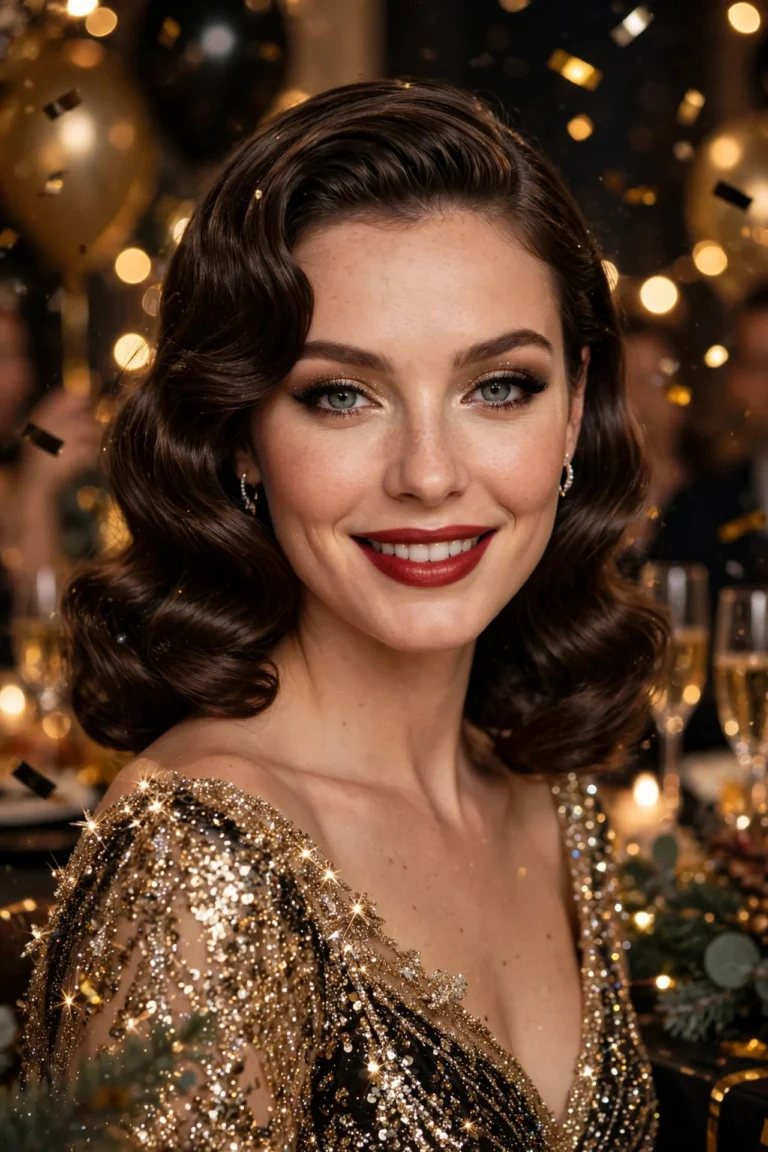
An interview is one of those rare days when your hair should do its job quietly. It should frame your face, stay out of the way, and let the conversation take center stage. The styles below are all polished without being stiff, and each one works in a real office, a video call, or a walk across town on a humid morning. Pick the one that fits your hair type and your comfort level, then give yourself a trial run a few days before the big day.
1Sleek Low Bun
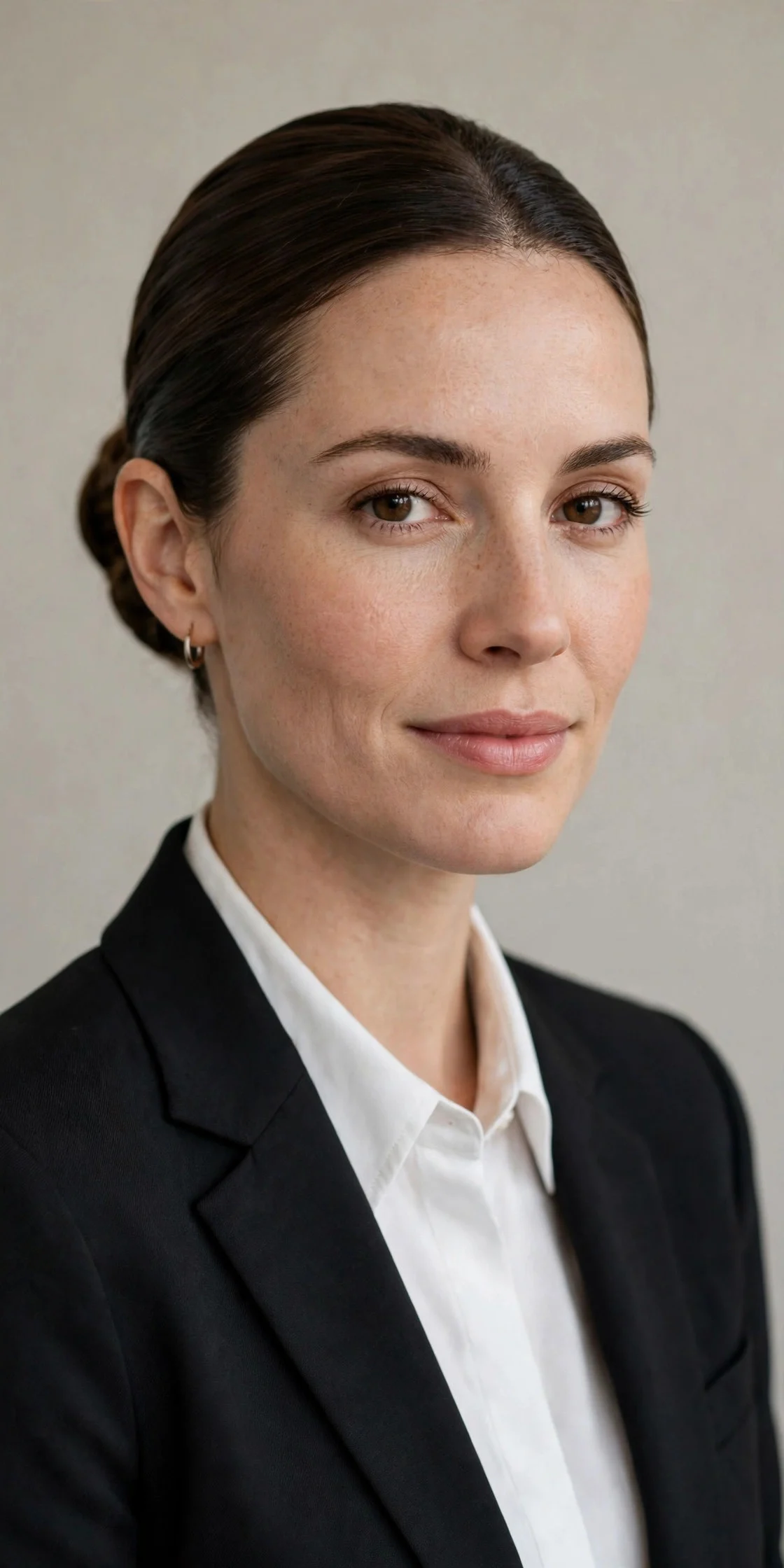
Ask your stylist for a low bun that sits at the nape, with a center or side part and a smooth finish. This style suits almost every face shape and works best on medium to long hair. It reads as calm and put together, which is exactly the impression most interviewers remember. Maintenance is simple: a light smoothing cream, a few bobby pins, and a fine-tooth comb for flyaways. The drawback is that very fine hair can slip loose by midday, so a bit of texture spray at the roots helps it hold. A salon blowout and bun costs roughly what a standard styling appointment does, and the style itself takes about ten minutes at home once you have practiced it.
2Classic Low Ponytail
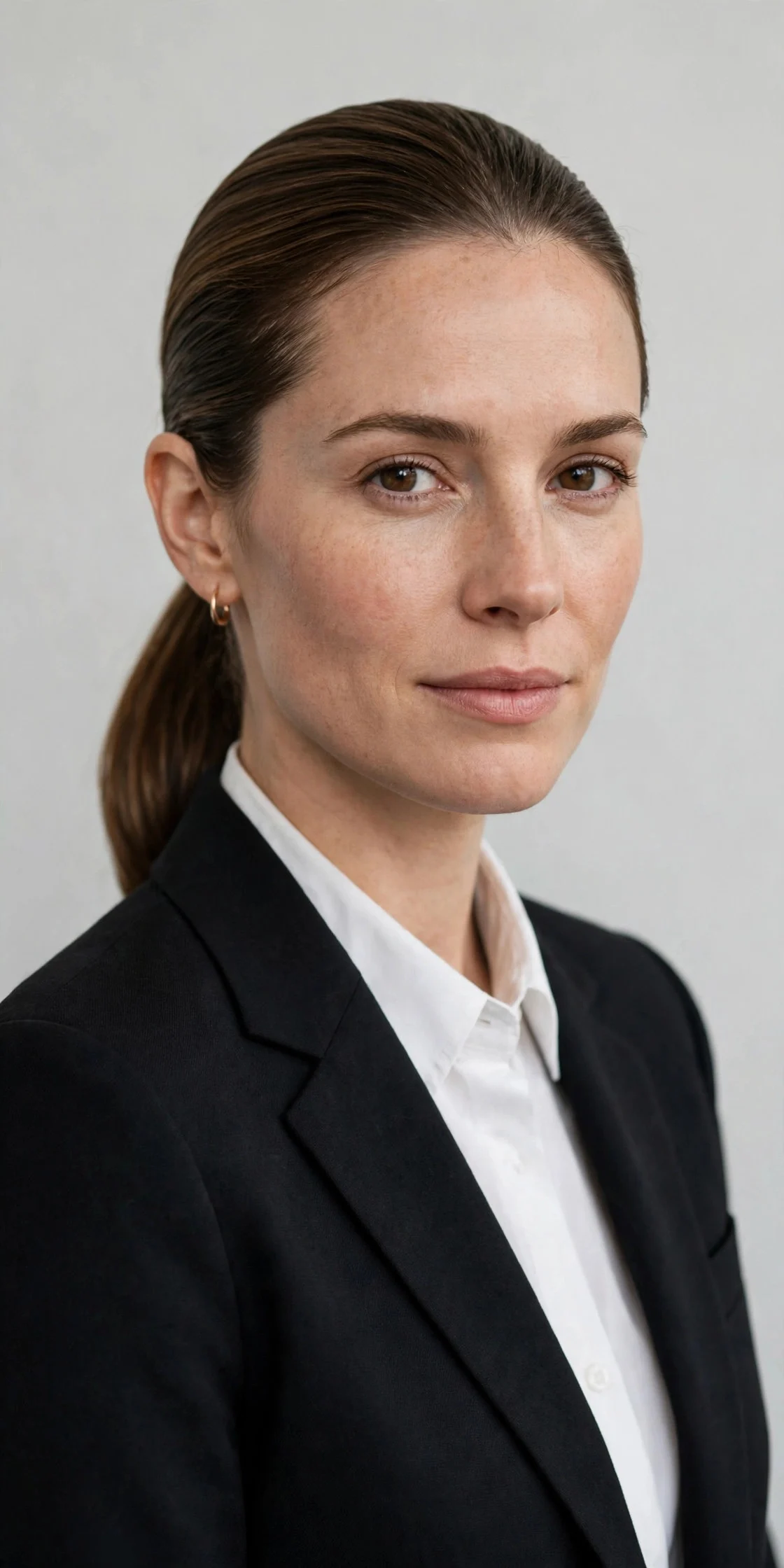
For the ponytail, ask for a low placement with no bumps at the crown and a small section of hair wrapped around the elastic to hide it. This suits straight and wavy hair best, and it keeps hair completely off the face during a long interview. It works for most industries, from finance to retail, because it looks tidy without trying too hard. Upkeep is minimal, just a brush, an elastic, and a drop of serum on the ends. The main drawback is that a tight ponytail can cause a headache or breakage over time, so keep the tension comfortable and vary your part. It is free to do at home and takes under five minutes.
3Polished Shoulder-Length Bob
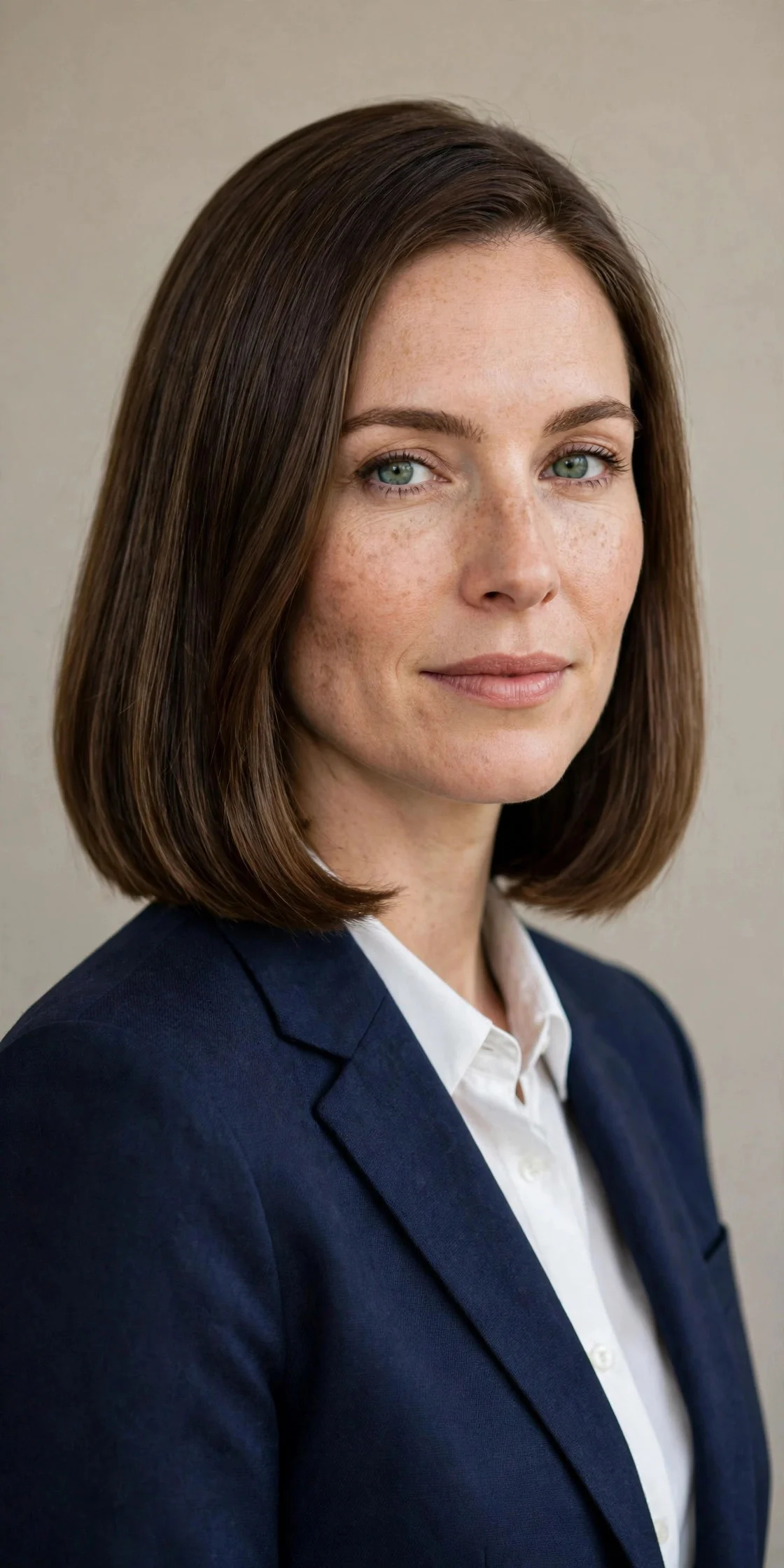
Ask your stylist for a blunt or slightly layered bob that ends around the shoulders, with ends that curve gently inward. This cut suits round, oval, and square faces, and it gives fine hair the appearance of extra fullness. It is a strong choice for creative and corporate roles alike because it looks intentional but not fussy. Maintenance means a trim every six to eight weeks to keep the shape sharp. The drawback is the morning styling time: a round brush and dryer take about fifteen minutes, and humidity can undo the smooth finish. Expect a standard cut price, with no extra color or treatment needed.
4Side-Parted Straight Lob
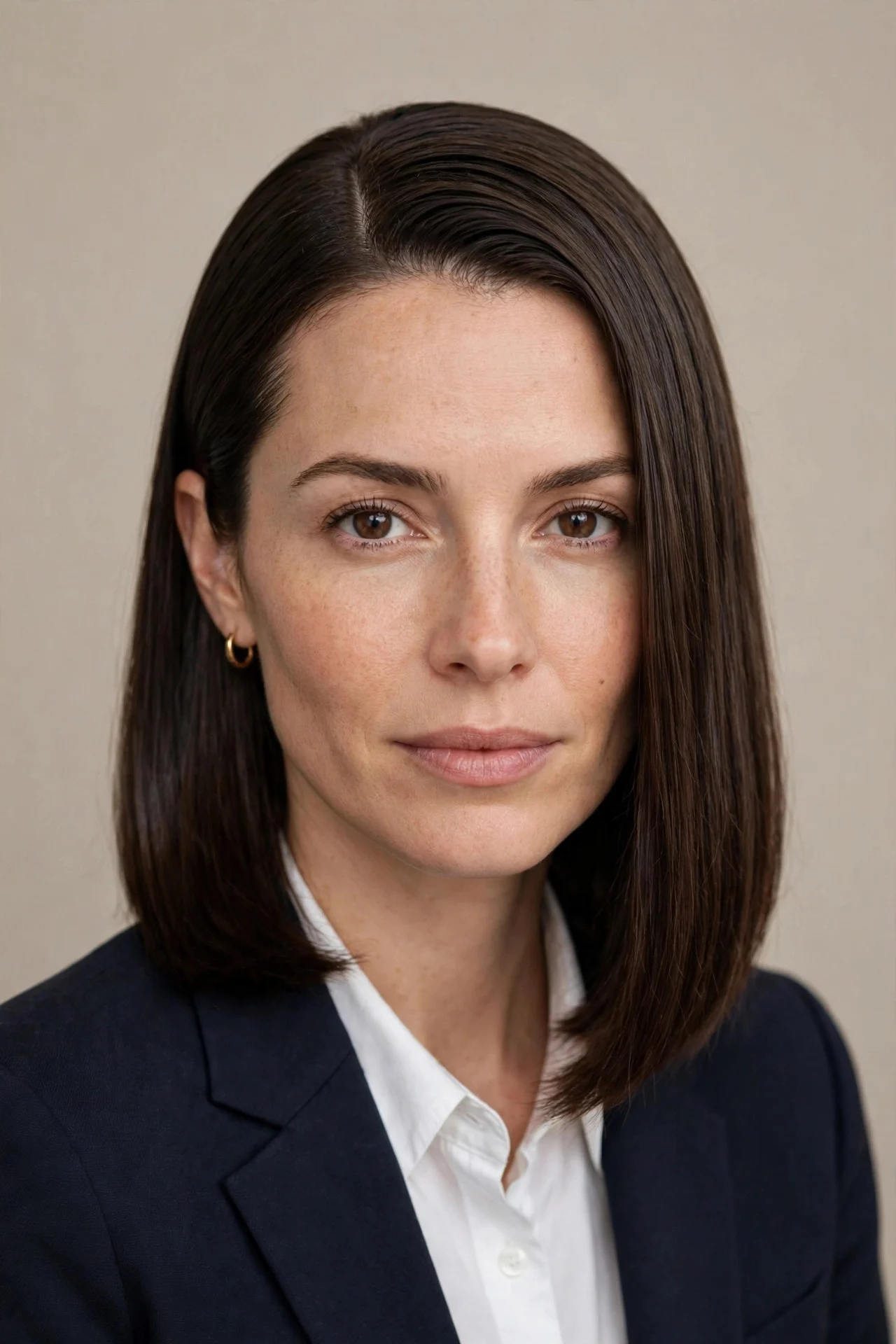
A lob, or long bob, with a deep side part is an easy way to look polished without a severe style. Ask for long layers that keep movement in the hair while the ends stay clean. This suits thick and medium hair especially well, and the side part softens a strong jawline or a high forehead. Styling takes a flat iron pass and a light heat protectant, about ten to fifteen minutes. The upkeep drawback is split ends showing quickly on straight hair, so trims every eight weeks matter. Color is not required, which keeps costs down, but a gloss treatment every couple of months can keep the shine looking fresh.
5Soft French Twist
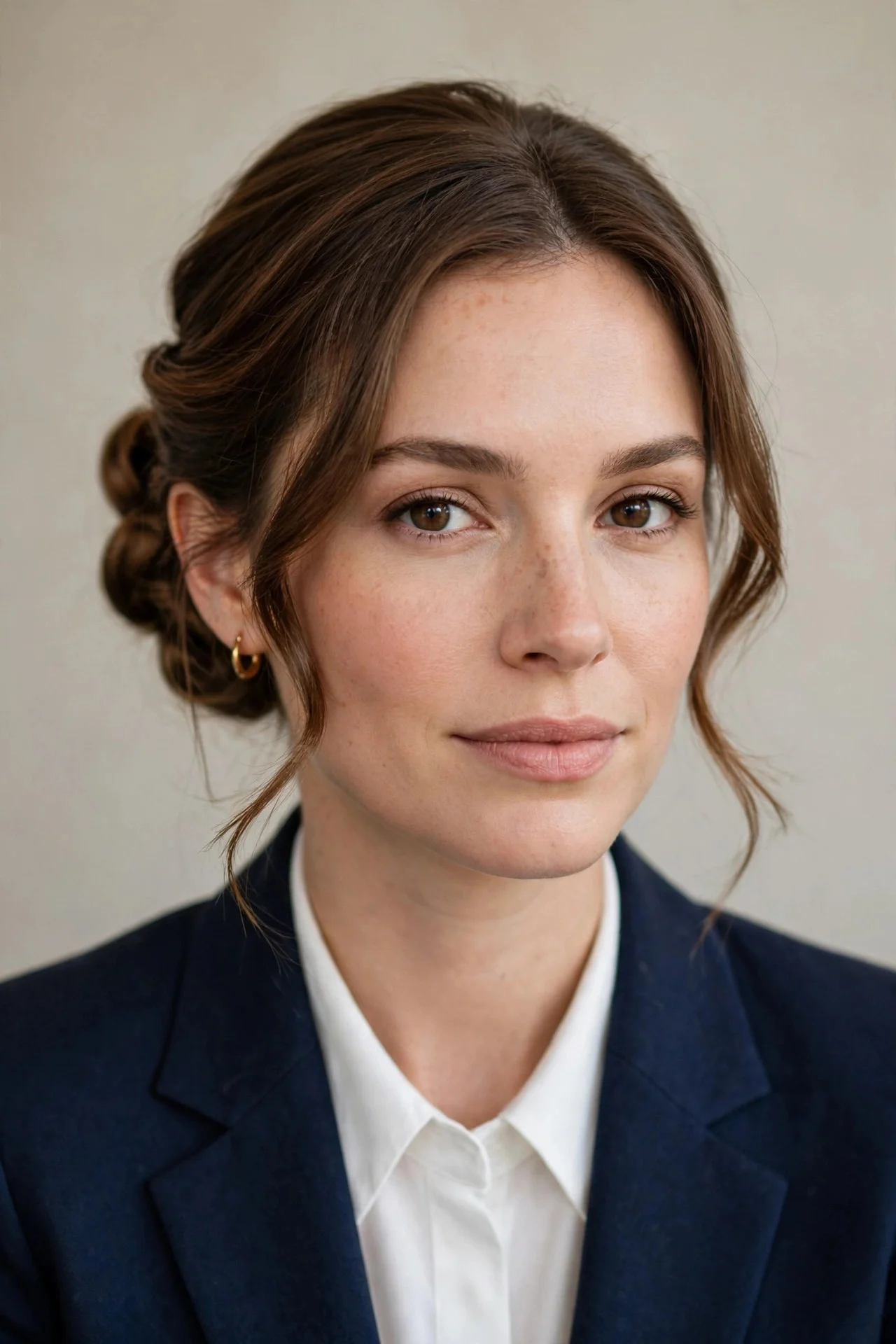
Ask your stylist for a French twist that is smooth on top but not pulled drum-tight, with the ends tucked neatly inside. This classic updo suits medium to long hair and longer necks, and it carries a quiet formality that fits law, banking, and senior roles. It holds well through a full day, which is a real advantage when interviews run long. The drawback is the learning curve: most people need a practice run or two, plus plenty of pins, before it feels secure. A salon updo costs more than a blowout, so budget for that if you plan to have it done professionally. At home, a strong-hold spray finishes the look.
6Neat Half-Up Twist
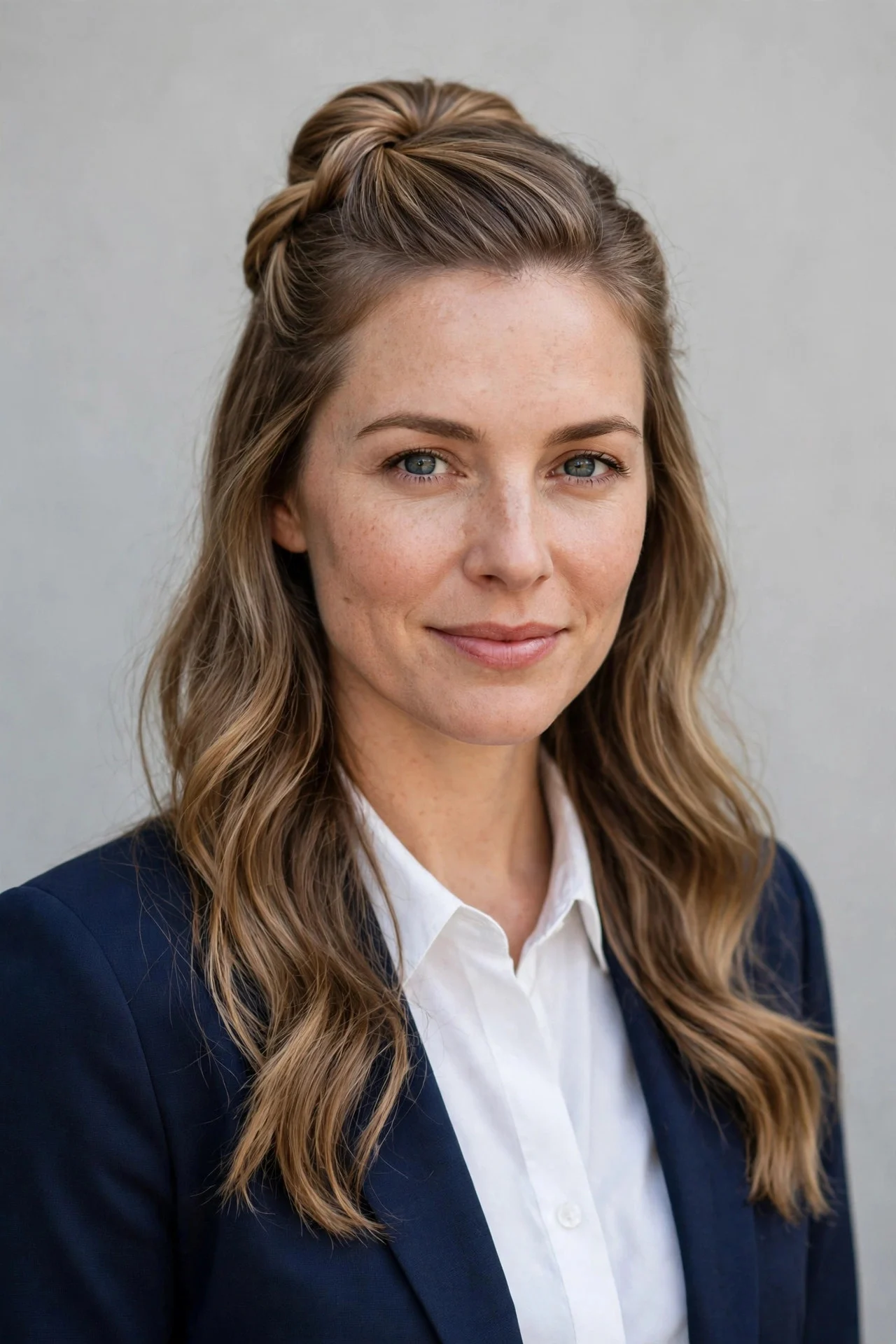
For this style, ask for the top section twisted back from each temple and pinned at the back, with the rest left down in soft waves or straight lengths. It suits wavy and thick hair beautifully, and it keeps hair out of the eyes while still showing off length. This is a good middle ground for people who feel unlike themselves in a full updo. Maintenance is low, just a few pins and a light spray, and it survives a commute well. The drawback is that very slippery, freshly washed hair may not hold the twists, so second-day hair or a little texture spray works better. It costs nothing beyond your usual styling products.
7Smooth Blowout with Tucked Ends
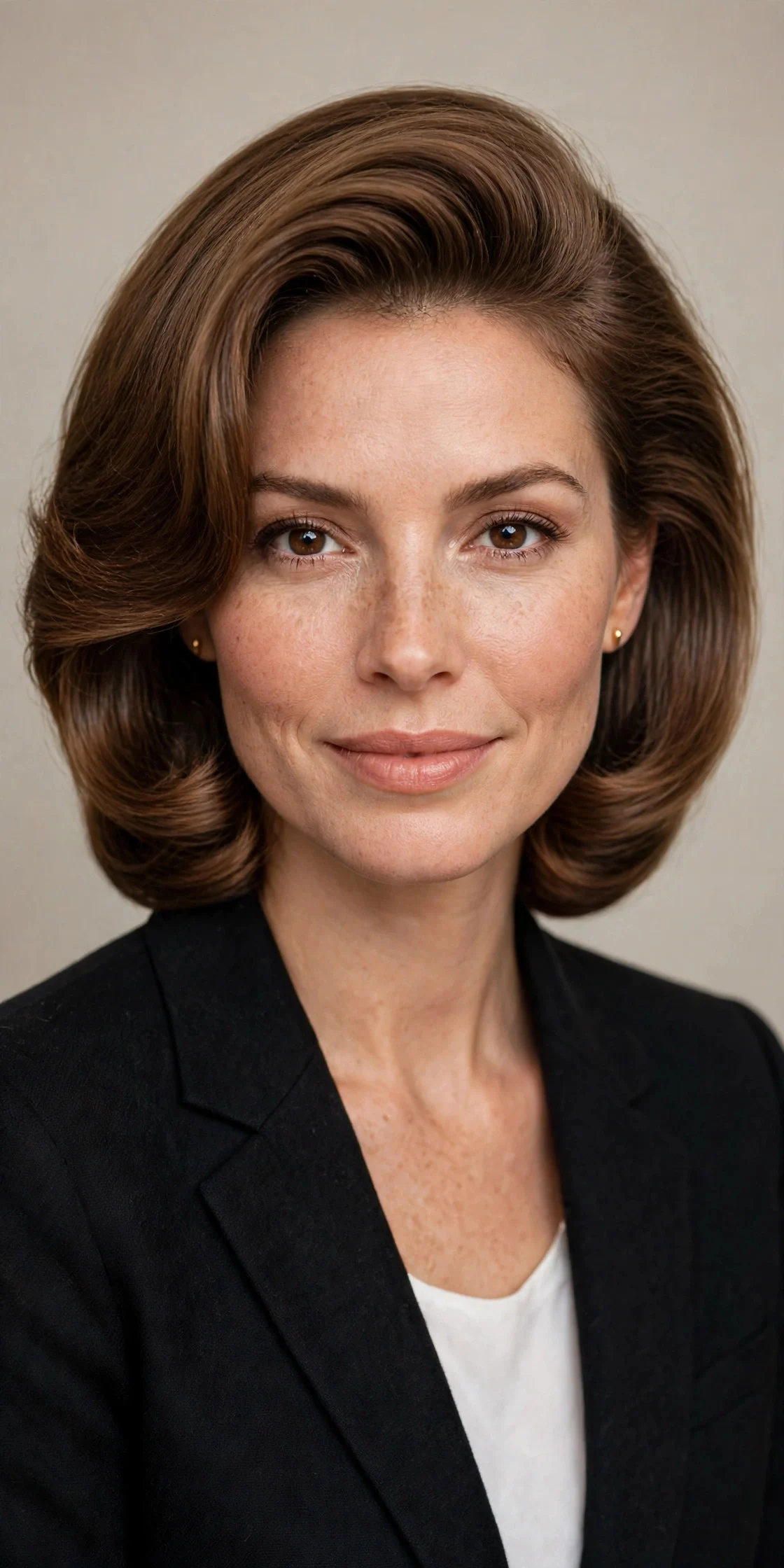
Ask your stylist for a smooth blowout with the ends tucked under, rather than flipped out, for a clean silhouette. This suits medium to long hair and most face shapes, and it looks especially good on video calls where the frame cuts at the shoulders. The tucked ends give a finished edge that reads as professional without looking dated. Upkeep is the main catch: the blowout lasts one to three days depending on hair type, and rain or humidity can flatten it fast. A salon blowout is a recurring cost if you rely on it weekly, though a home round-brush routine keeps it affordable. Use a heat protectant every time.
8Low Chignon with a Center Part
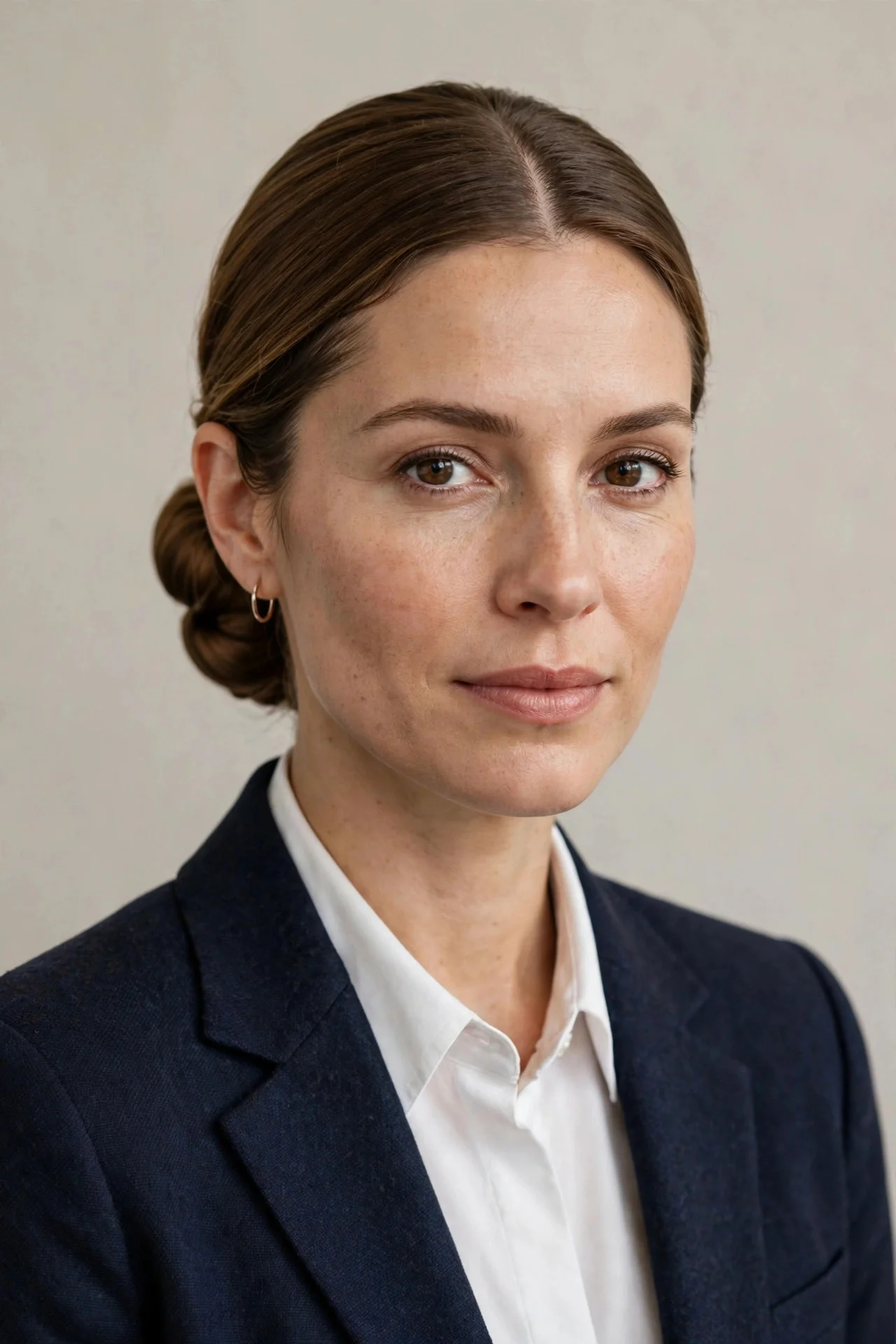
A low chignon differs from a bun in its softer, slightly loosened finish. Ask for a center part, gentle volume at the crown, and a knot pinned low at the nape. This suits oval and heart-shaped faces, and it flatters finer hair because the softness adds visual fullness. It is formal enough for a panel interview but relaxed enough for a startup office. Maintenance is straightforward, with pins and a light-hold spray, and it holds up well under a blazer collar. The drawback is that it can unravel if the pins are placed poorly, so practice the pin placement the night before. It takes about fifteen minutes once learned.
9Classic Pixie with a Side Sweep
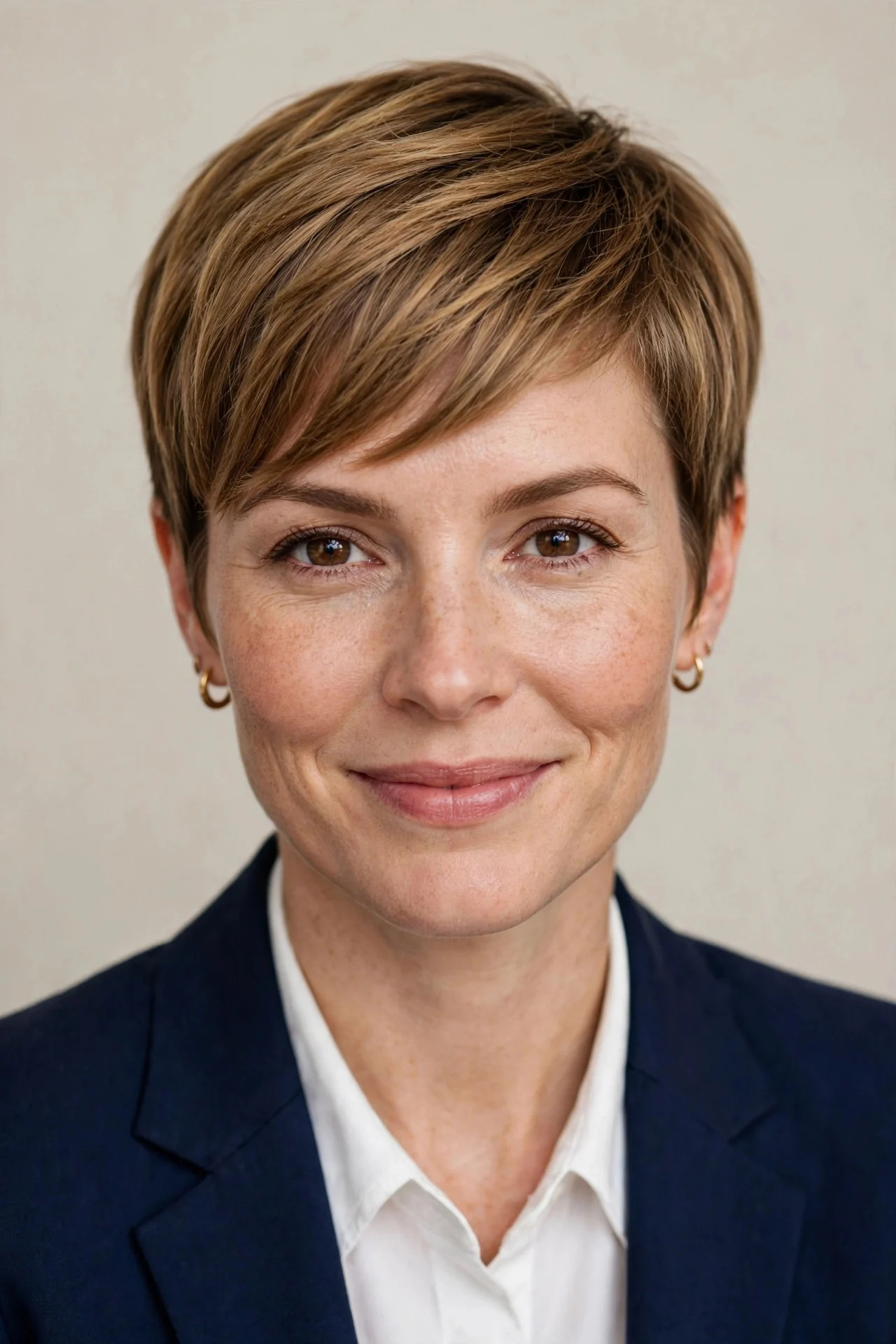
Ask your barber or stylist for a pixie with enough length on top to sweep to one side, keeping the sides neat but not shaved harshly. This suits oval, heart-shaped, and petite faces, and it is a confident, low-fuss choice for interviews. Short hair puts the focus on the face, which helps in conversation-heavy roles. Maintenance is the trade-off: pixies need a trim every four to five weeks to keep their shape, which adds up over a year. Daily styling is quick, just a pea-sized amount of pomade or wax and a comb. The style costs nothing extra beyond regular cuts, and it dries in minutes.
10Sleek Braided Low Ponytail
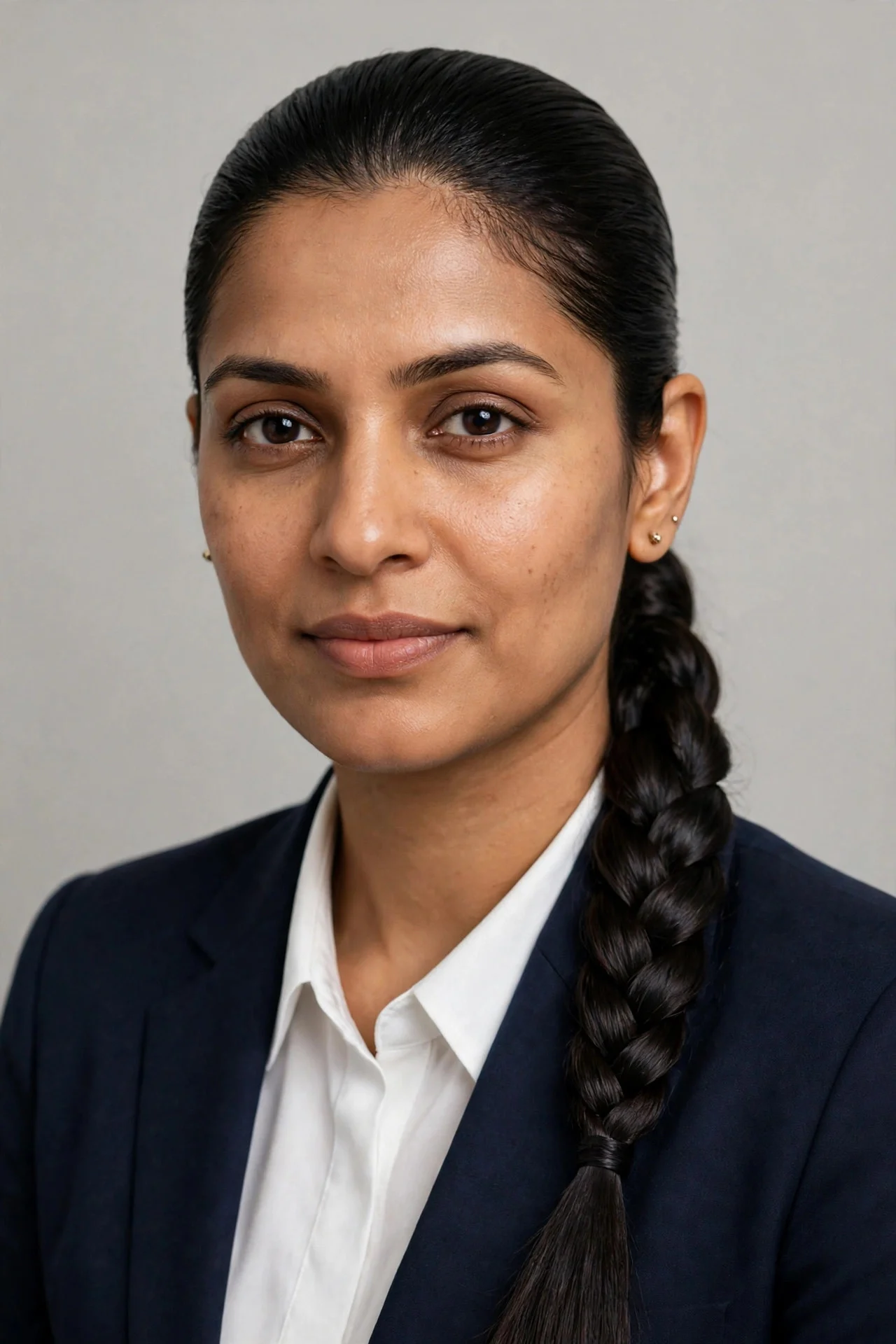
Ask for a single braid, either a classic three-strand or a simple French braid, that starts at the crown and finishes as a low ponytail. This suits long, thick, or textured hair and keeps everything secure through a long day of interviews and travel. It reads as neat and intentional, especially for roles where you will be moving around a lot. Maintenance is easy: braid on damp hair with a little leave-in cream, then secure with a snag-free elastic. The drawback is that tight braiding can strain the hairline, so keep the braid firm but not pulling. It takes about ten minutes and costs nothing at home.
11Tucked-Behind-the-Ears Straight Style
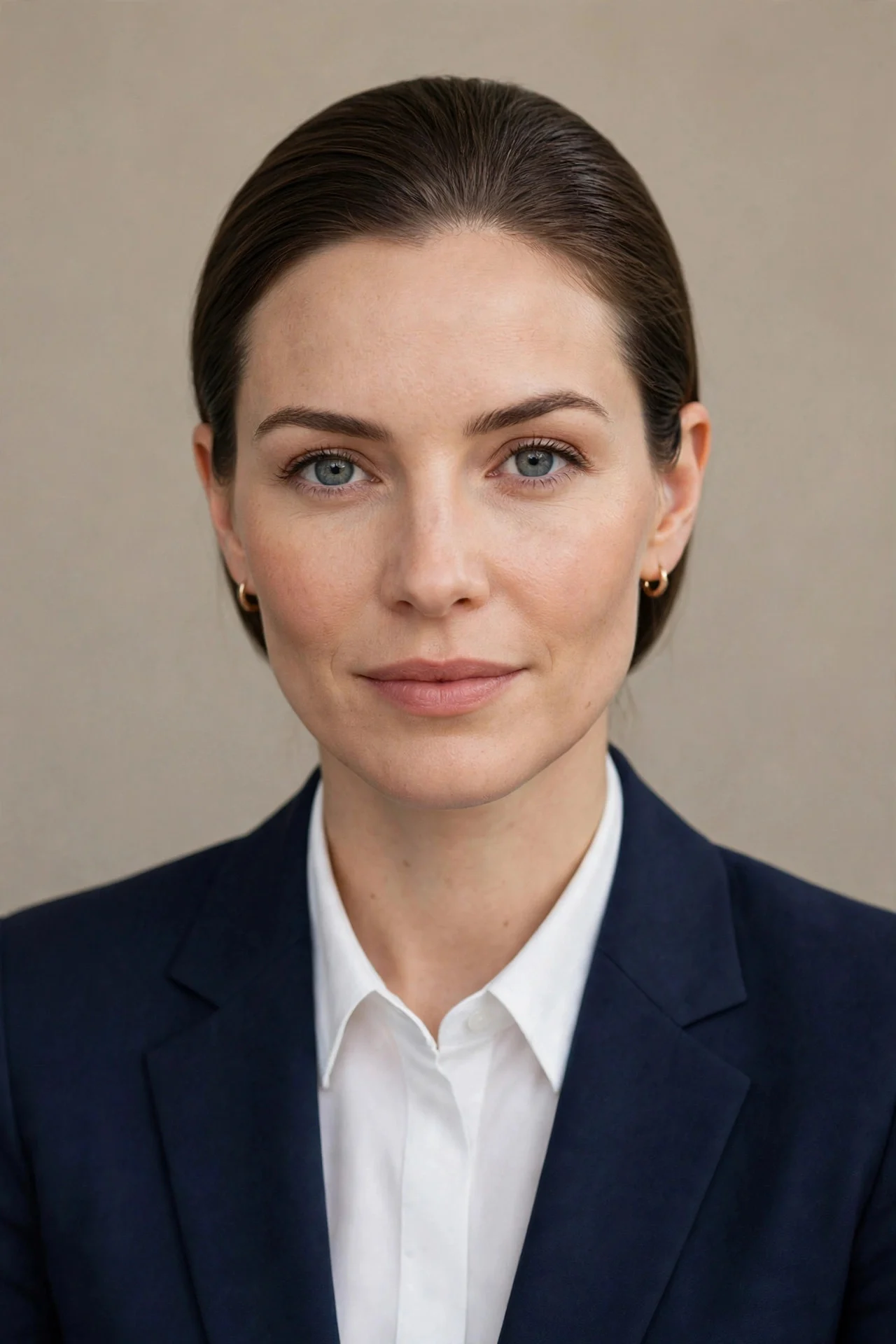
This is the simplest option on the list, and sometimes the best one. Ask your stylist for a cut with clean ends and face-framing layers that sit naturally behind the ears. It suits straight and slightly wavy hair, and it works well for people who want to look like themselves, just neater. The style keeps hair off the face during the interview without pins or product build-up. The drawback is that it needs freshly styled hair to look deliberate: air-dried ends can look unfinished. A quick flat-iron pass and a drop of serum solve that in about ten minutes. Trims every eight weeks keep the ends looking sharp.
12Defined Natural Curls, Neatly Shaped
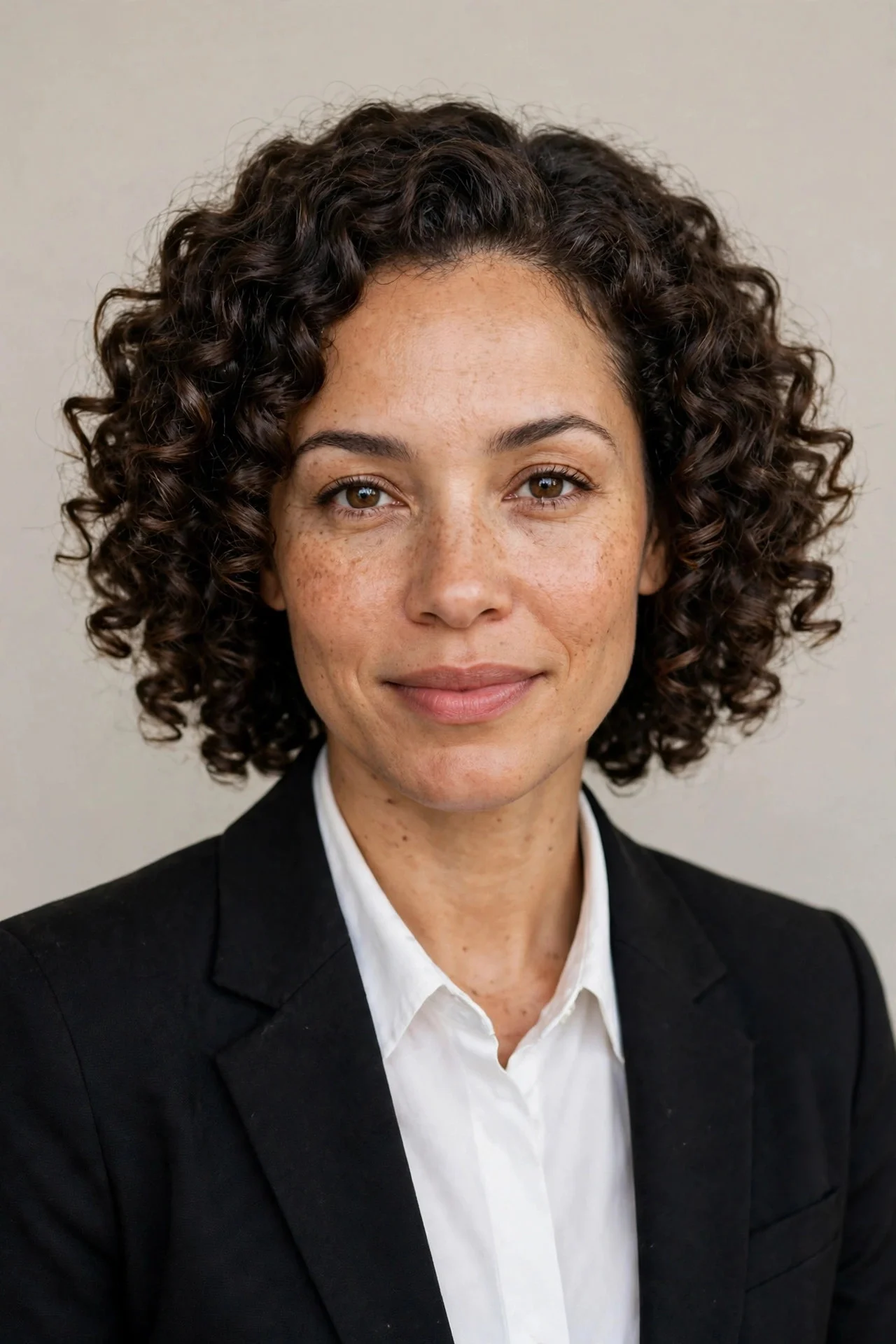
Ask your stylist for a shape-up cut that defines your curl pattern, with layers that prevent a triangle shape and a length that frames the face. This suits all curl types, from loose waves to tight coils, and it lets natural texture shine in a professional setting. The key is definition without frizz: apply curl cream to soaking wet hair, then diffuse or air dry. Maintenance includes a trim every ten to twelve weeks and a satin pillowcase to protect the shape overnight. The drawback is weather, since humidity can expand curls quickly, so a light gel cast helps lock the definition. The cut itself is a standard price.
How to Prep Your Hair for Interview Day
Do the trial run at least two days before the interview, not the morning of. Wash and style your hair exactly as you plan to on the day, then check how it holds after four or five hours, especially around the hairline and nape. If you are getting a cut or color, book it a week ahead so it settles and looks natural rather than freshly done. On the day itself, pack a small kit: two bobby pins, a mini brush, and a travel-size spray. Avoid trying a brand new product that morning, since an unexpected reaction or texture change is the last thing you need. Finally, check the style on camera if the interview is virtual, because lighting and webcam angles change how volume and parts read on screen.
What if my hair is fine and will not hold an updo?
Use texture spray or dry shampoo at the roots before styling, and backcomb the crown lightly for grip. Choose styles with pins placed in an X shape, which lock better than parallel pins. If the updo still slips, a low ponytail or a bob-length blowout is a safer choice than fighting your hair all day.
Should I get a haircut right before an interview?
A trim a week before is ideal. A cut the day before can look too sharp or unfamiliar, and a major restyle right before an interview adds stress you do not need. If you only need a tidy-up, book it early enough that you can live with the cut for a few days first.
Is it okay to wear my hair down for an interview?
Yes, as long as it is neat and stays off your face. A smooth blowout, a tucked straight style, or defined curls all work well worn down. The rule is simple: if you keep pushing hair out of your eyes during conversation, pin it back or choose an updo instead.
What hairstyle works best for a video interview?
Styles that frame the face clearly work best on camera. A side-parted lob, a low bun, or a neat half-up style all read well in a small video window. Avoid very high volume on top, which can throw off the framing, and check your lighting before the call starts.
How do I handle frizz or humidity on interview day?
Start with a smoothing cream on damp hair and finish with a light-hold spray, which seals the cuticle better than a heavy product. Carry a mini serum for touch-ups, and choose an updo or braid if the forecast is very humid, since those styles hide frizz far better than a blowout.
Keep exploring
Interview polish starts with control, so try these sleek top knot ideas and low sleek bun hairstyles. A blunt bob with bangs is another sharp choice.