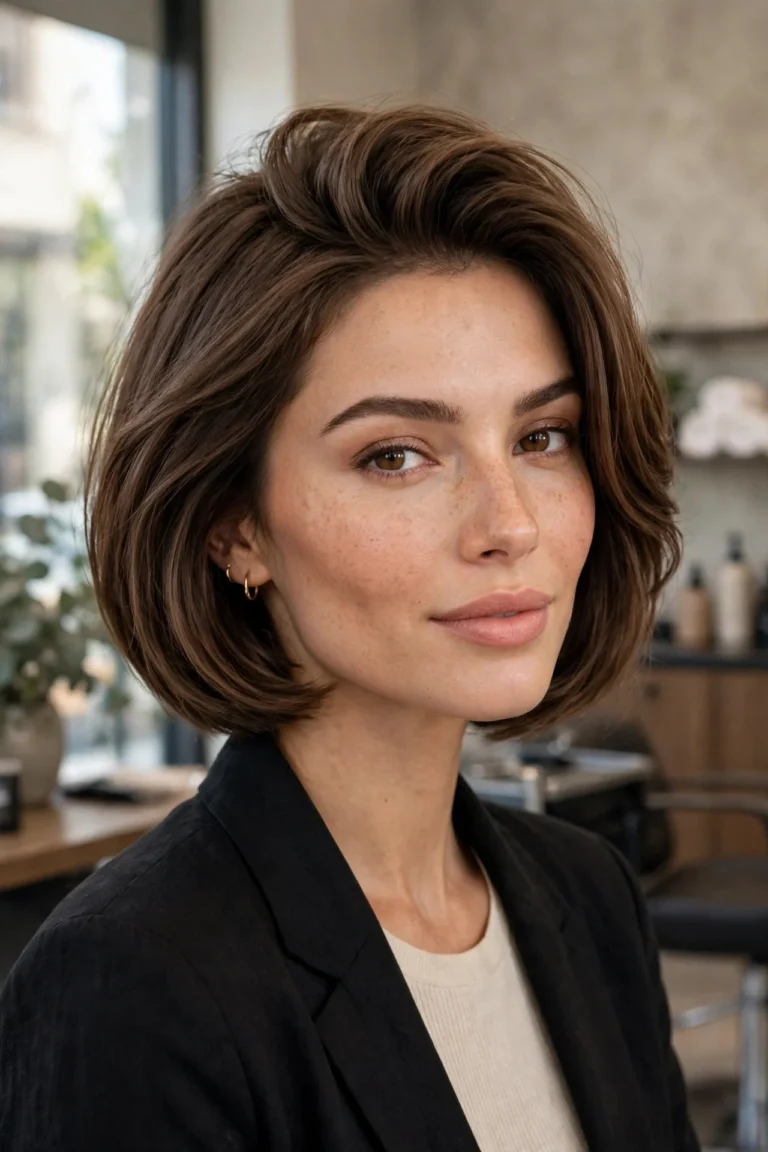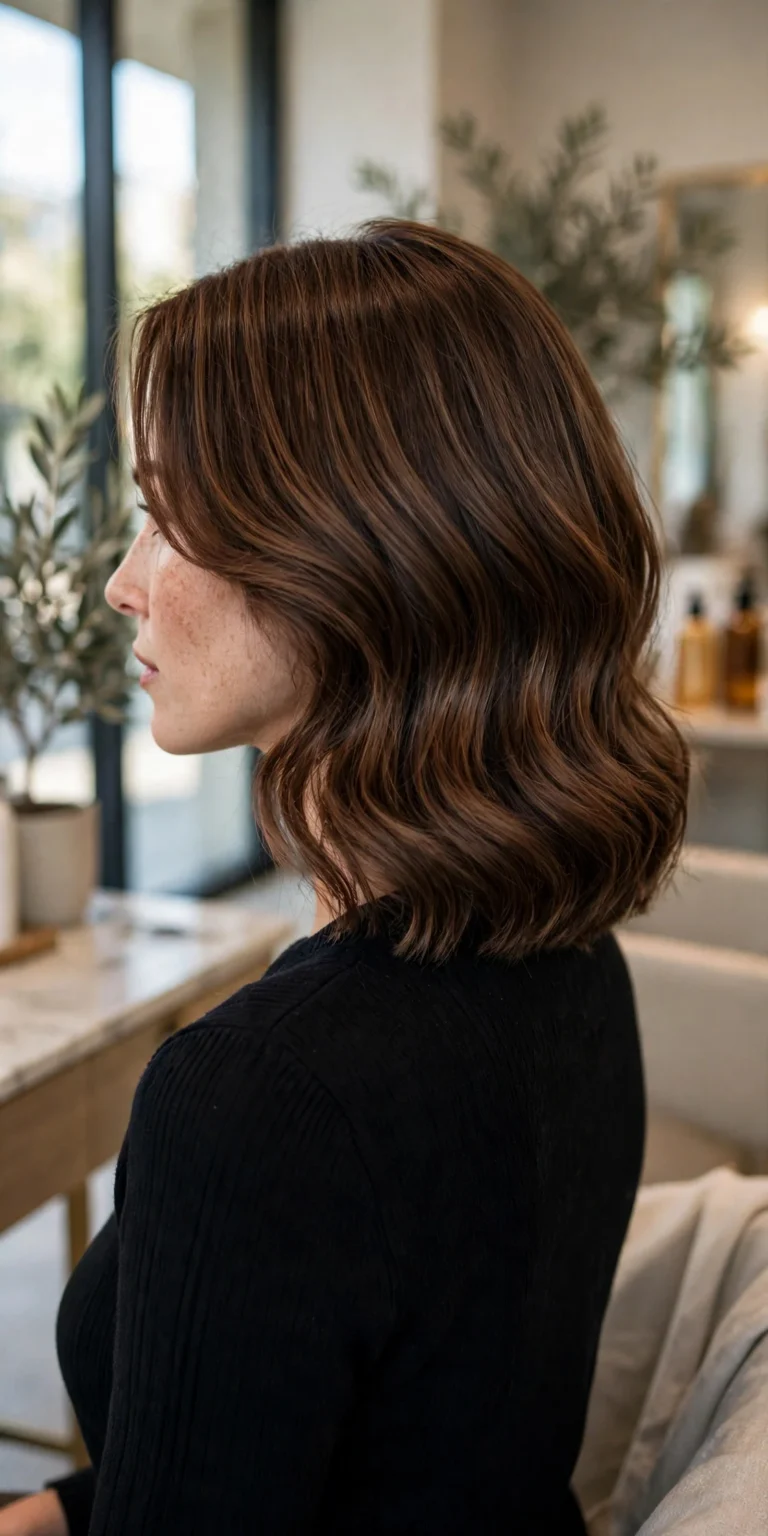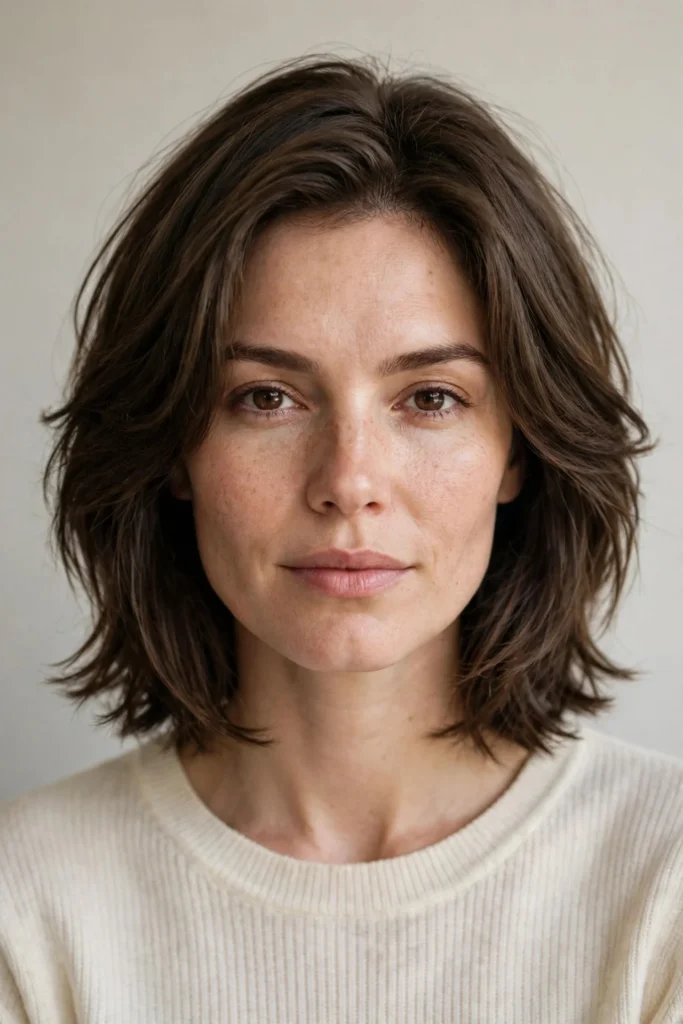
A square face has a strong jaw, a broad forehead, and cheekbones that sit wide. That structure photographs beautifully, but the wrong cut can make the jaw look even sharper than it is. The trick is not to hide your face shape. It is to add softness and movement around it so the angles look intentional instead of harsh.
These twelve styles all do that job in different ways. Some use layers to break up the jawline, others use bangs or volume at the right height, and a few rely on texture to keep everything looking relaxed. Pick the one that matches your hair type and how much effort you are willing to put in each morning.
1Soft Layered Lob
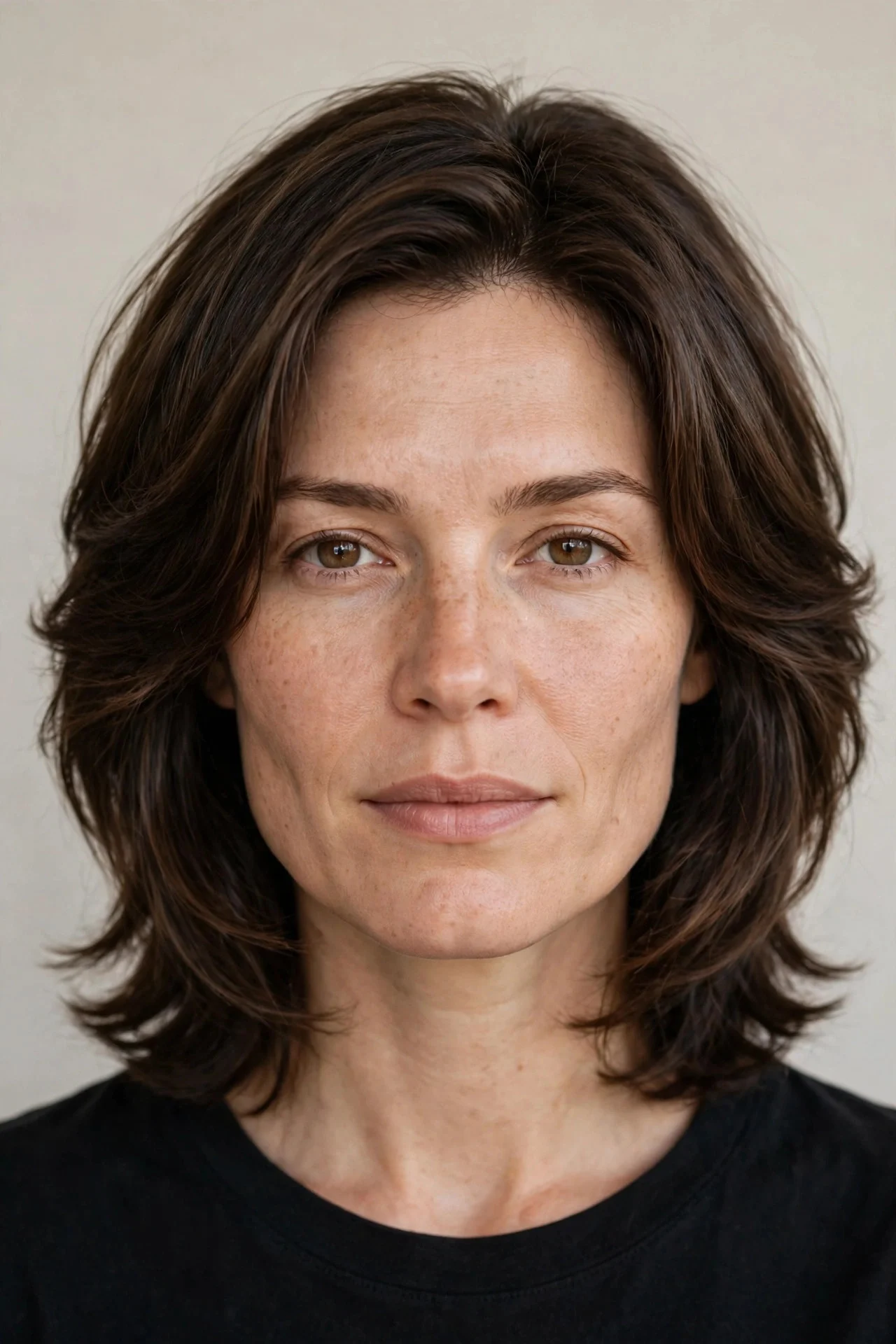
Ask your stylist for a lob that hits just below the collarbone with long, soft layers starting at the chin. The layers should feather inward slightly so they curve around the jaw instead of sticking out straight. This cut suits straight and wavy hair best, and it works on fine hair too because the length keeps some weight. Maintenance is easy: a trim every eight weeks keeps the ends neat, and a round brush or a quick pass with a flat iron gives it shape. The drawback is that it can look flat on very thick hair unless the layers are thinned properly, and it needs a little styling each morning or the ends flip outward.
2Side-Swept Bangs with Long Layers
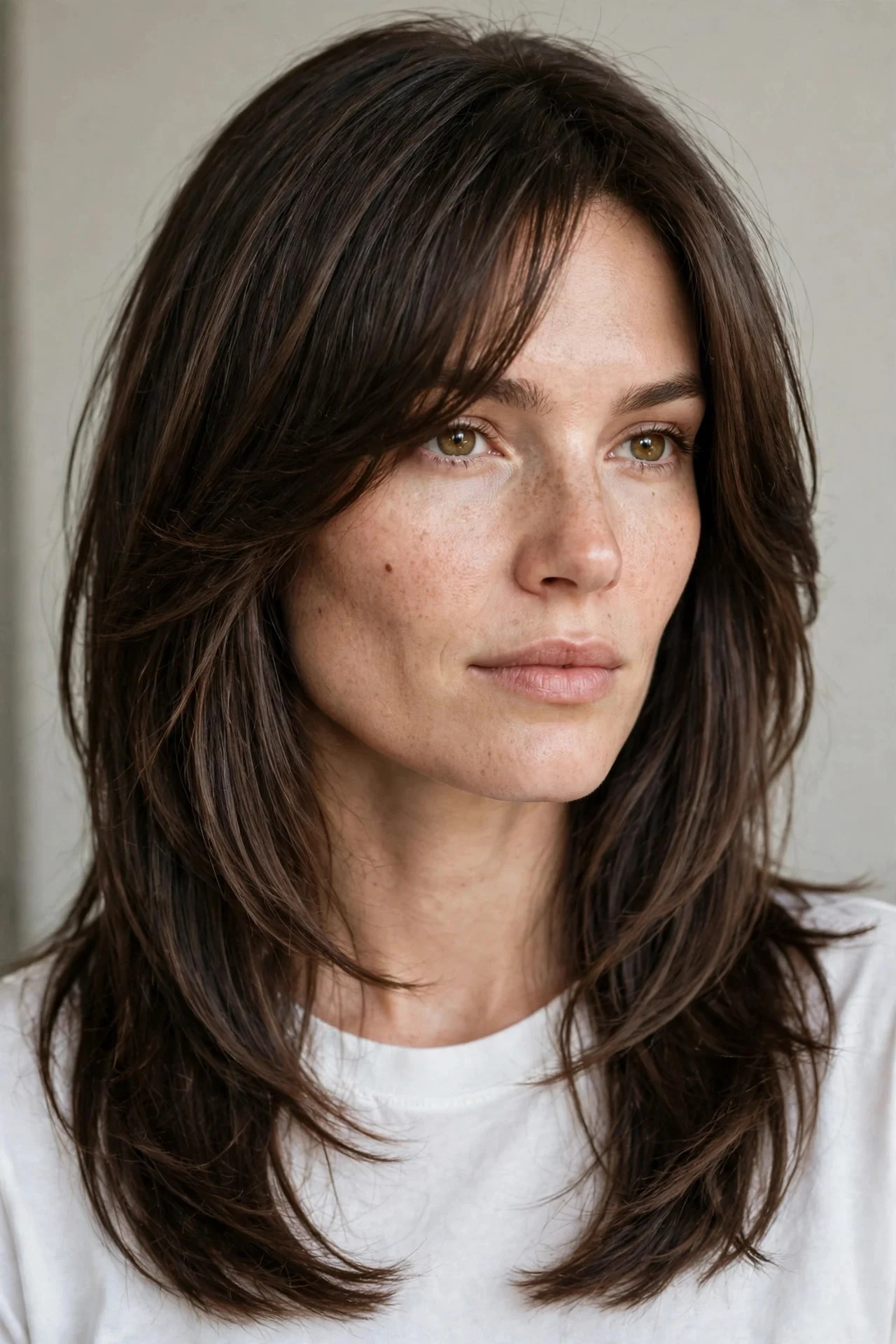
Ask for side-swept bangs cut on a diagonal, longest at the cheekbone, paired with long layers through the lengths. The diagonal line breaks up the symmetry of a square face and draws the eye across instead of straight down to the jaw. This works well on straight, wavy, and lightly curly hair. Styling takes about five minutes with a blow dryer and a round brush, and the bangs need a trim every three to four weeks to stay out of your eyes. The honest downside is that bangs get greasy faster than the rest of your hair, and on very humid days they can separate and look limp.
3Textured Bob with Wispy Ends
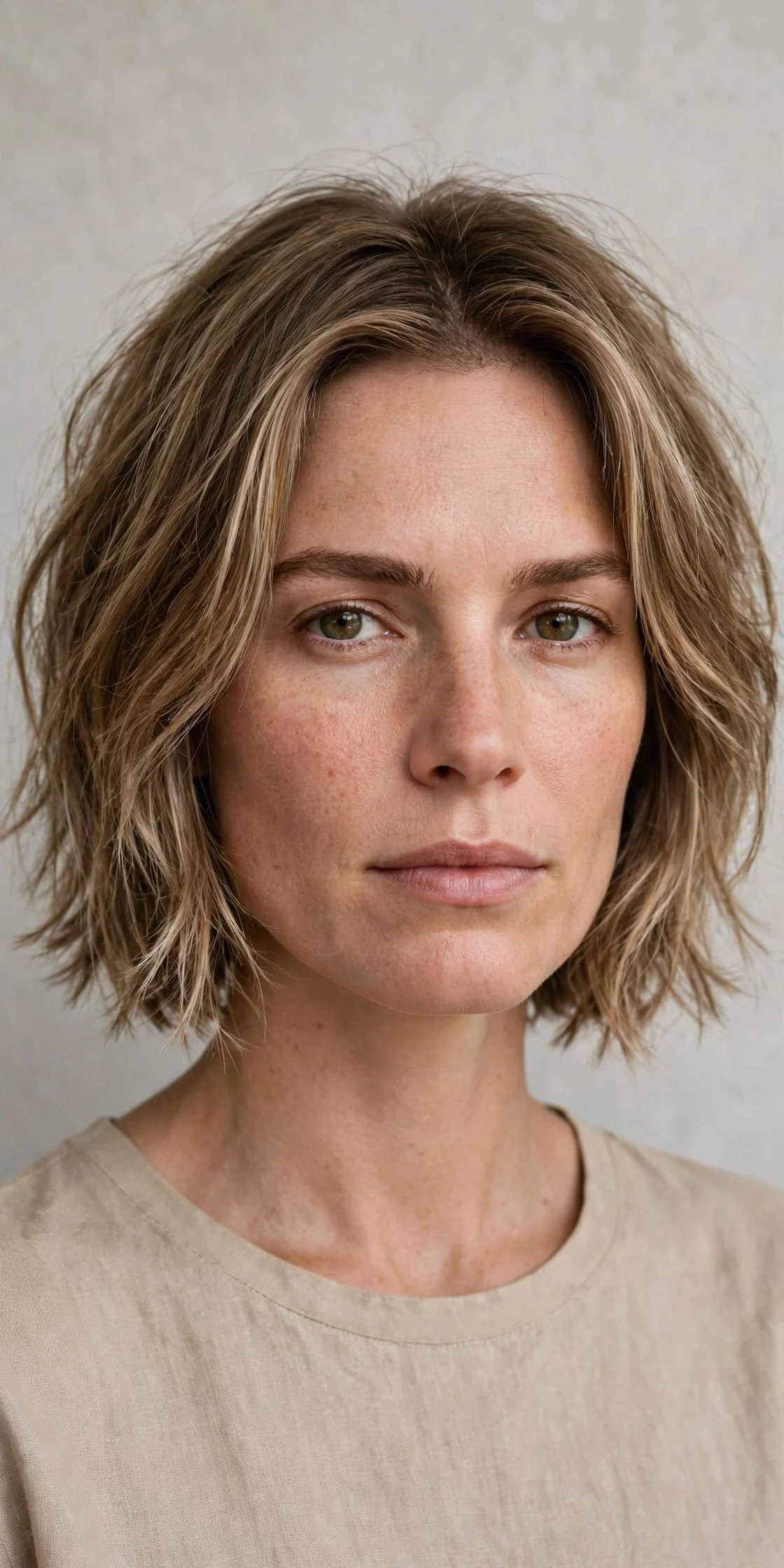
Ask for a bob that ends between the chin and the jaw, with the ends point-cut so they look wispy rather than blunt. A blunt edge at jaw level makes a square jaw look wider, so the texture matters more than the length here. This cut suits fine to medium hair and looks great slightly tousled. It needs a trim every six weeks to hold its shape, and a dab of texture spray or sea salt spray is usually enough to style it. The drawback is that it can puff out on thick or very curly hair, and it is one of those cuts that looks best with at least a little daily styling.
4Curtain Bangs with Face-Framing Layers
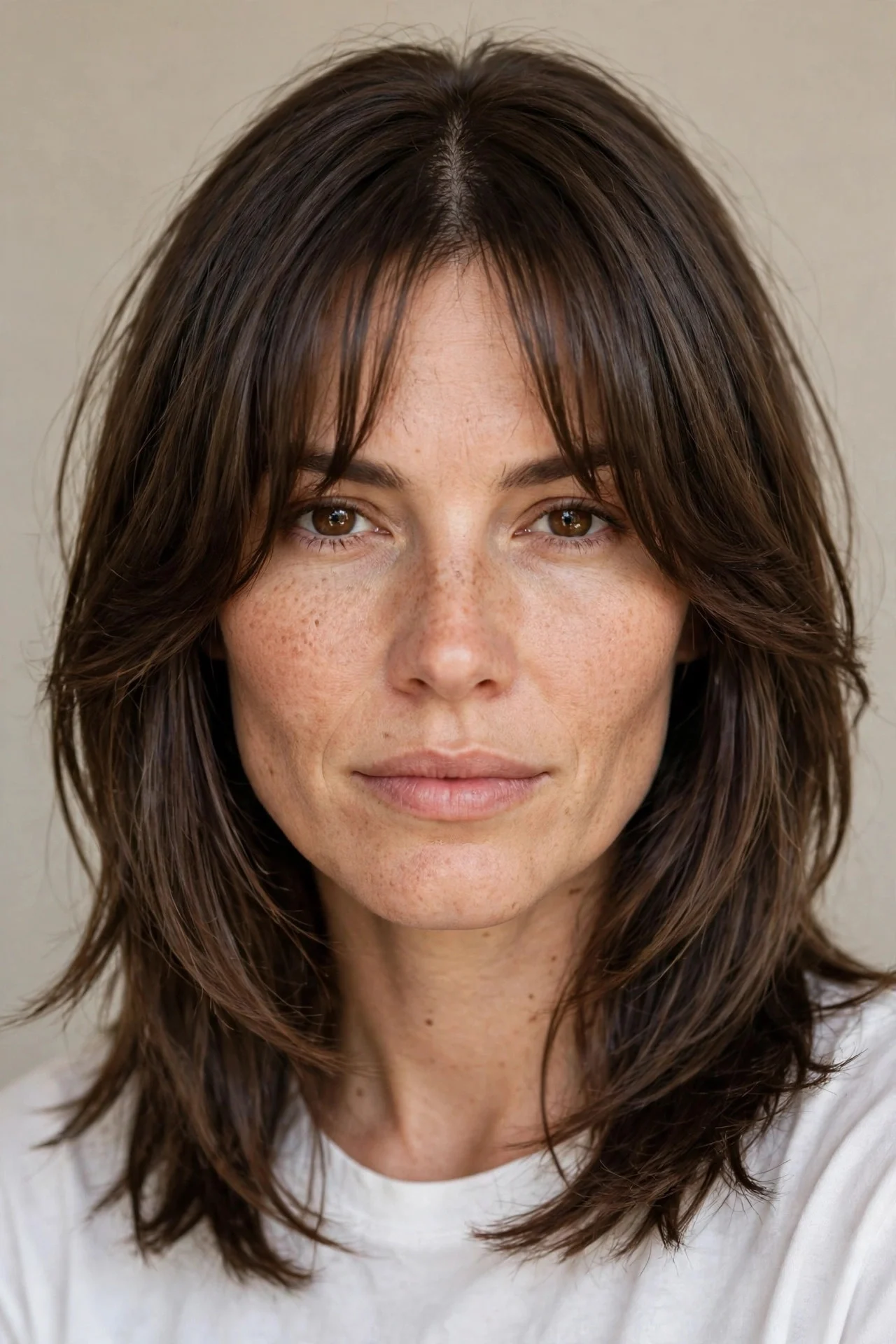
Ask for curtain bangs that part in the middle and fall to cheekbone length, blended into face-framing layers that continue down past the jaw. The soft curtain shape rounds out the forehead and the layers soften the jaw at the same time. This style suits almost every hair type, from straight to wavy, and it grows out gracefully. Maintenance is light: bang trims every four to five weeks and a regular cut every eight to ten weeks. The main drawback is that curtain bangs need a quick blow dry to sit right, and if your hair is very fine they can look thin unless your stylist keeps them slightly thicker.
5Long Waves with Face-Framing Layers
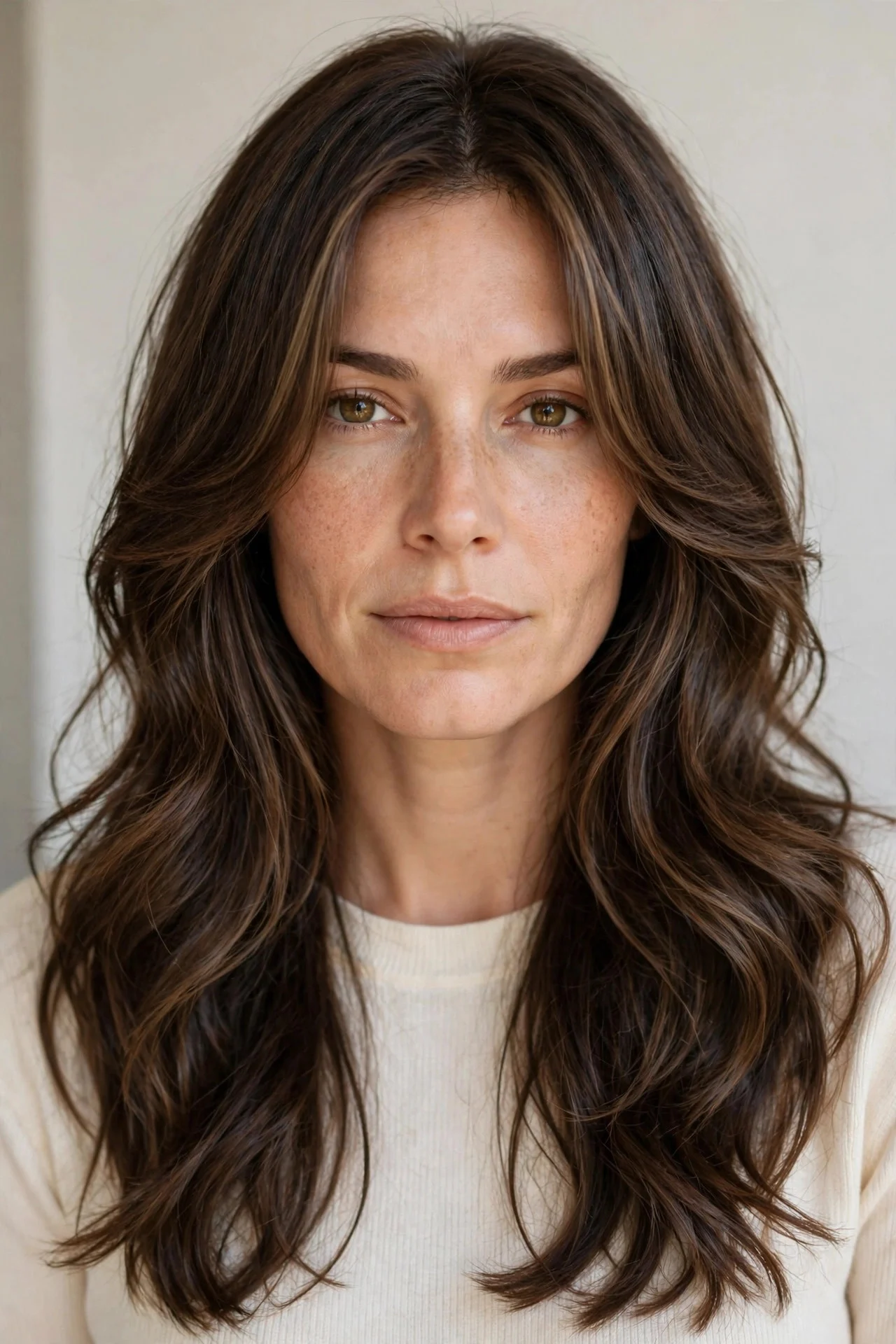
Ask for long layers starting at the collarbone with shorter face-framing pieces beginning at the cheekbone. Wear it with loose waves made with a large-barrel curling iron or overnight braids. The waves add width at the sides and movement around the jaw, which softens the whole face. This is the lowest-effort option on this list for wavy and curly hair, and it suits thick hair beautifully. Trims every ten to twelve weeks are enough. The downside is that long hair is heavy, so fine hair can go flat at the roots, and growing it out takes patience if you are starting from a shorter cut.
6Shaggy Mid-Length Cut with Choppy Layers
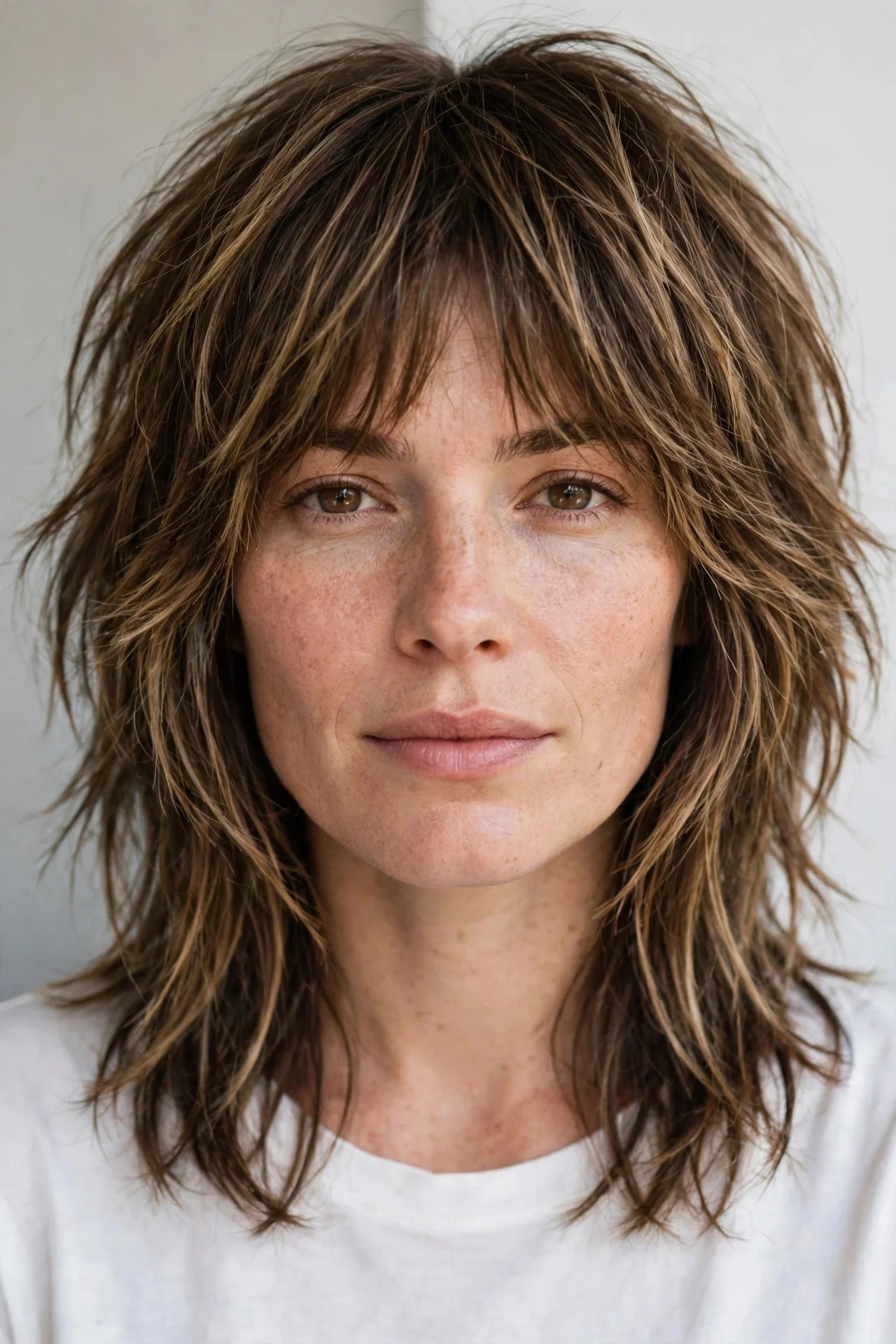
Ask for a shag with choppy, disconnected layers through the mid-lengths and ends, plus a soft fringe that hits just above the eyebrows. The uneven texture breaks up the straight lines of a square face and gives the whole cut a relaxed, lived-in feel. This suits wavy and curly hair best, and it is very forgiving if you air dry. It needs a trim every eight weeks and a little texturizing spray. The drawback is that it can look messy rather than intentional on very straight hair, and the layers mean it takes longer to grow out if you change your mind.
7Deep Side Part with Voluminous Blowout
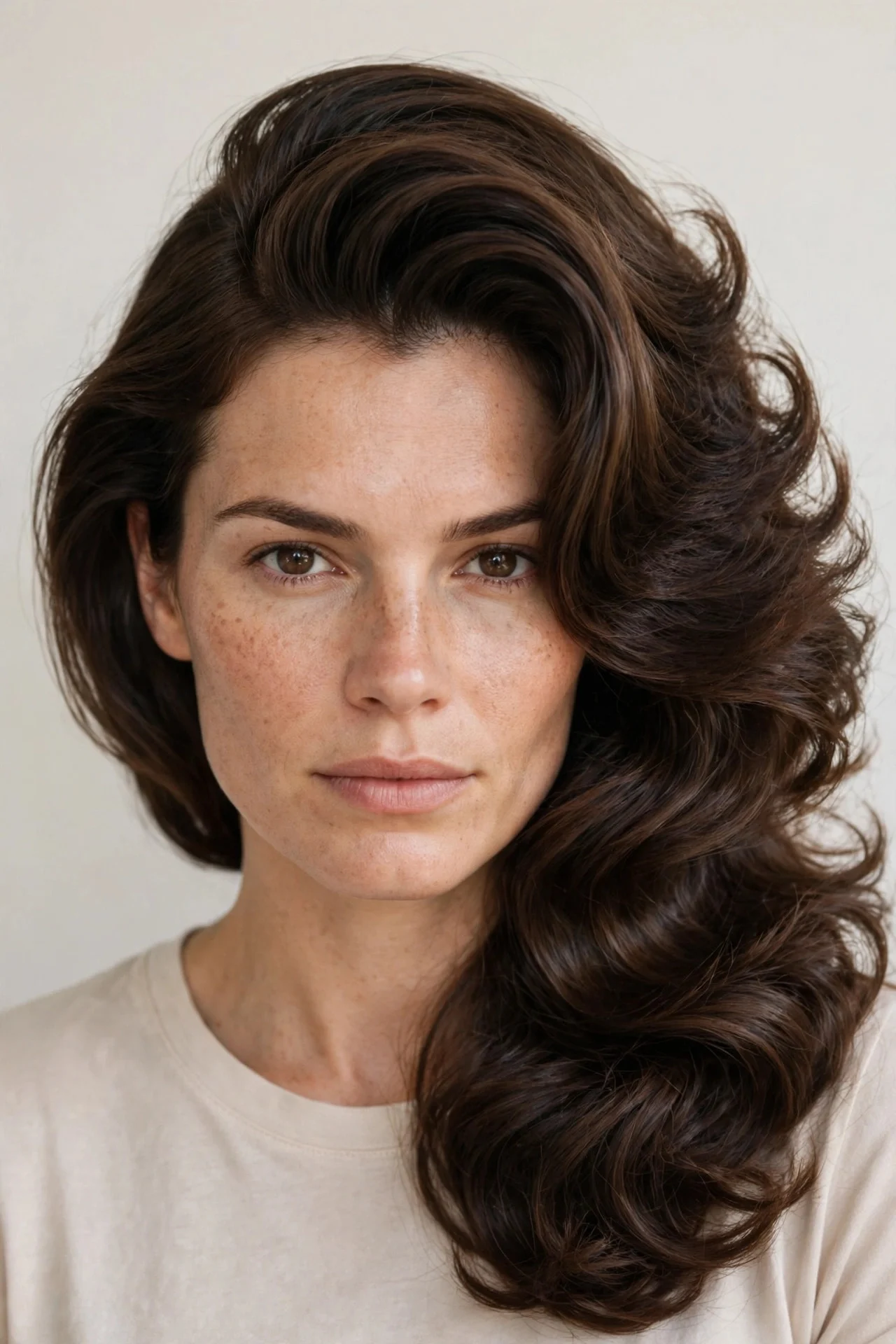
Ask your stylist to cut your hair with a deep side part in mind, with long layers that give lift at the crown. The deep part shifts volume to one side, which creates an diagonal line across the face and makes the jaw look less boxy. This works on medium to thick hair, straight or wavy, and it looks polished for work or events. You will need a round brush and a blow dryer, or a hot brush, to get the volume, so budget ten minutes in the morning. The drawback is that the volume drops by midday on fine hair, and a blowout rarely survives a humid day without some hairspray.
8Wavy Pixie with Long Top Layers
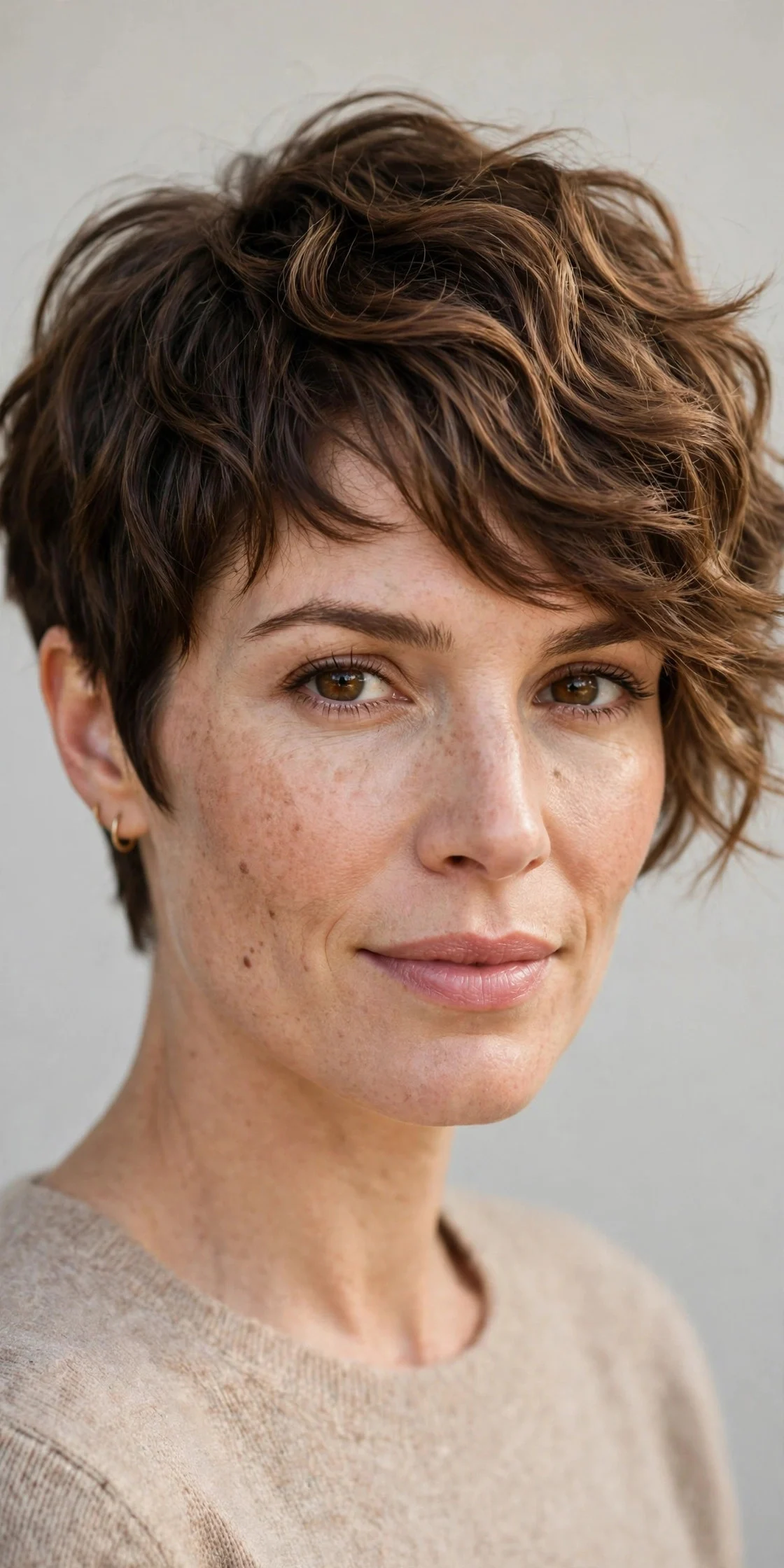
Ask for a pixie that is short at the back and sides but keeps length on top, with soft, textured layers that can be swept to one side. Keeping the top longer and slightly messy adds height and softness that balances a strong jaw, while a very short, severe pixie can make the jaw look harder. This suits wavy and fine hair especially well. Styling is fast: a pea-sized amount of pomade or wax and two minutes of finger styling. The drawback is the upkeep. It needs a cut every four to five weeks to keep its shape, which adds up in salon costs over a year.
9Asymmetrical Bob with Longer Front
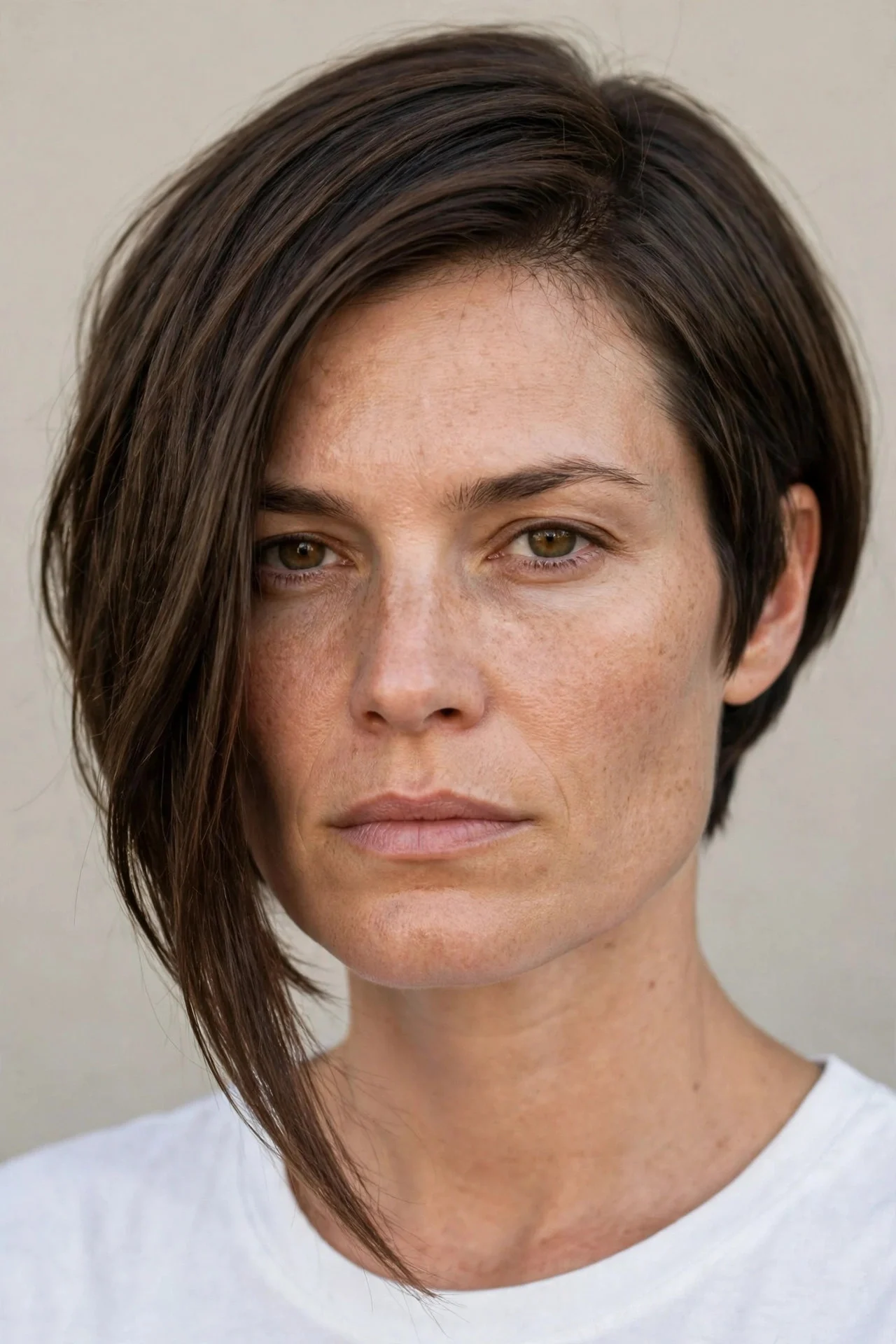
Ask for a bob that is shorter at the back and gradually longer toward the front, with the front pieces reaching just past the jaw. The angle creates a diagonal line that pulls the eye downward and softens the jawline, and it looks modern without being dramatic. This cut suits straight and slightly wavy hair best. It needs a trim every six weeks to keep the angle sharp, and it looks best smoothed with a flat iron or a round brush. The drawback is that the asymmetry is obvious as it grows out, so you will notice it sooner than a more even cut, and it is not the best choice if you like tying your hair back.
10Feathered Layers with a Middle Part
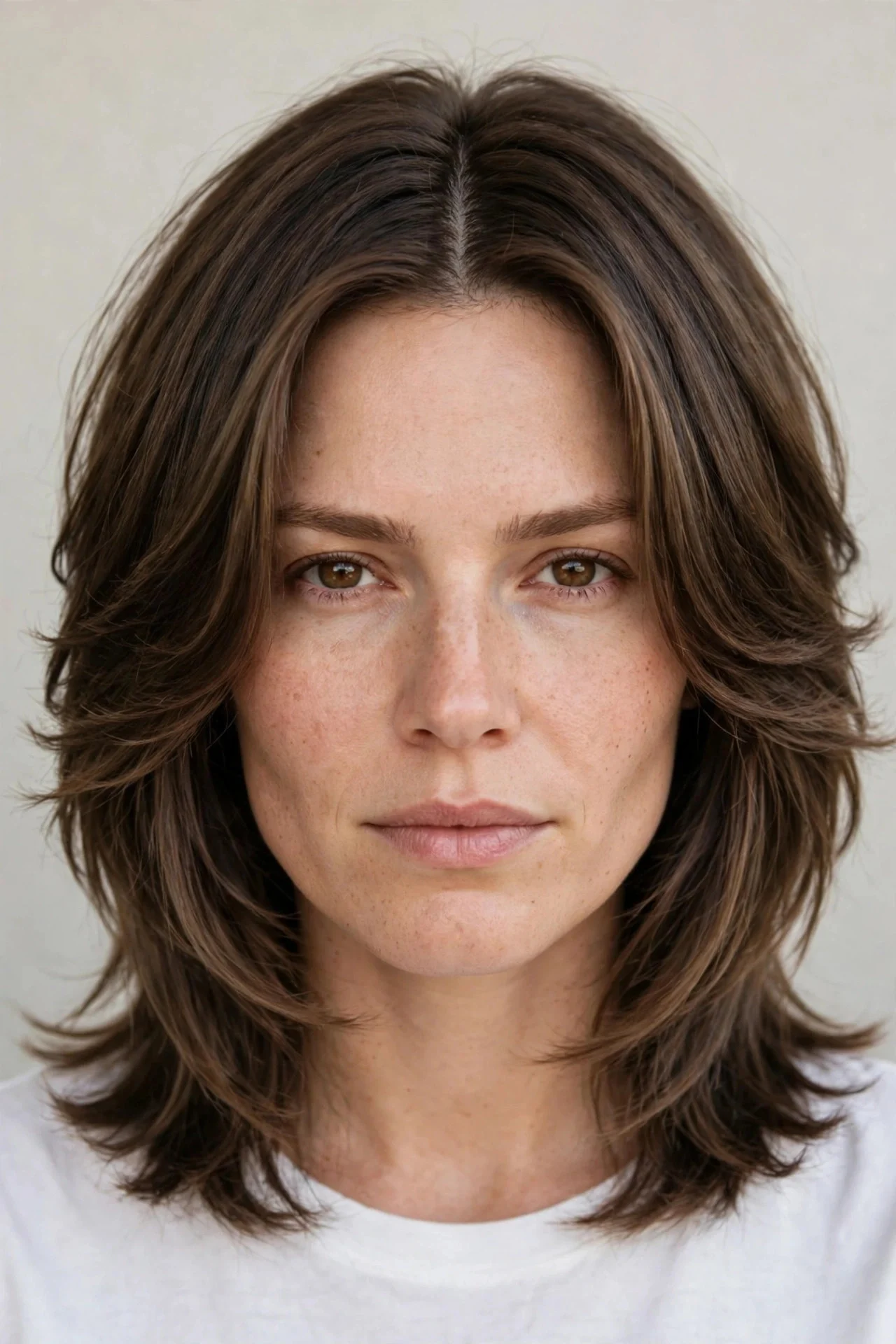
Ask for feathered layers that start at the cheekbones and taper down, worn with a middle part. The feathered edges create soft movement around the face instead of hard lines, and the middle part keeps the look balanced and natural. This suits medium to thick hair, straight or wavy, and it works well at shoulder length or longer. Maintenance is simple: a trim every eight to ten weeks and a blow dry with a round brush to flick the layers outward. The drawback is that feathered layers need a bit of heat styling to show their shape, and on fine hair they can look thin at the ends.
11Curly Shoulder-Length Cut with Rounded Shape
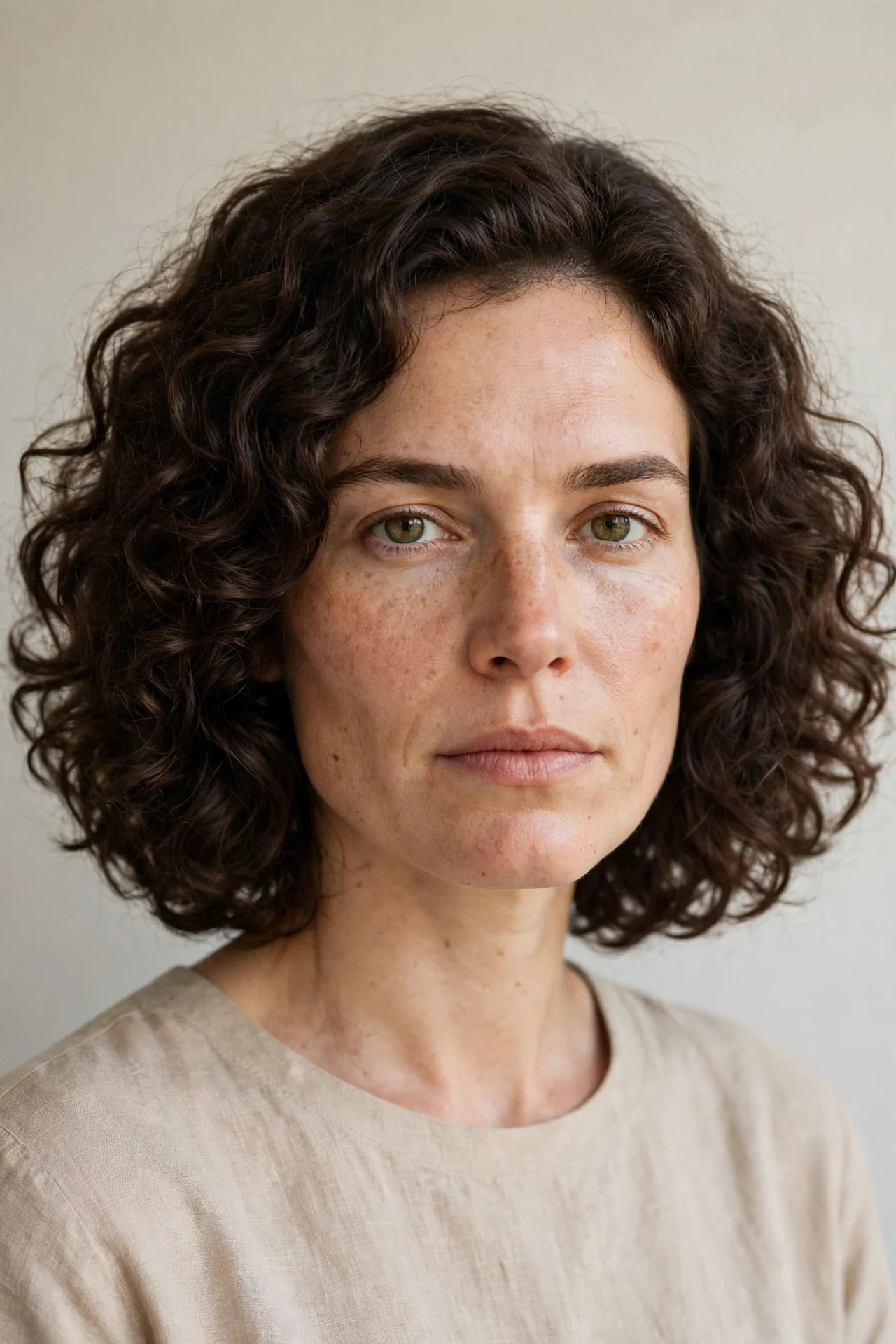
Ask for a shoulder-length cut shaped round rather than square, with layers that let your natural curls spring up and frame the face. The rounded silhouette and the curls themselves soften every angle of a square face, and the volume at the sides balances a wide jaw. This is the best option on this list if you have natural curls or waves, because it works with your texture instead of fighting it. Trims every ten weeks and a curl cream are usually enough. The drawback is that curly cuts are harder to find a stylist for, and a bad curly cut grows out unevenly, so choose your salon carefully.
12Sleek Low Ponytail with Face-Framing Strands
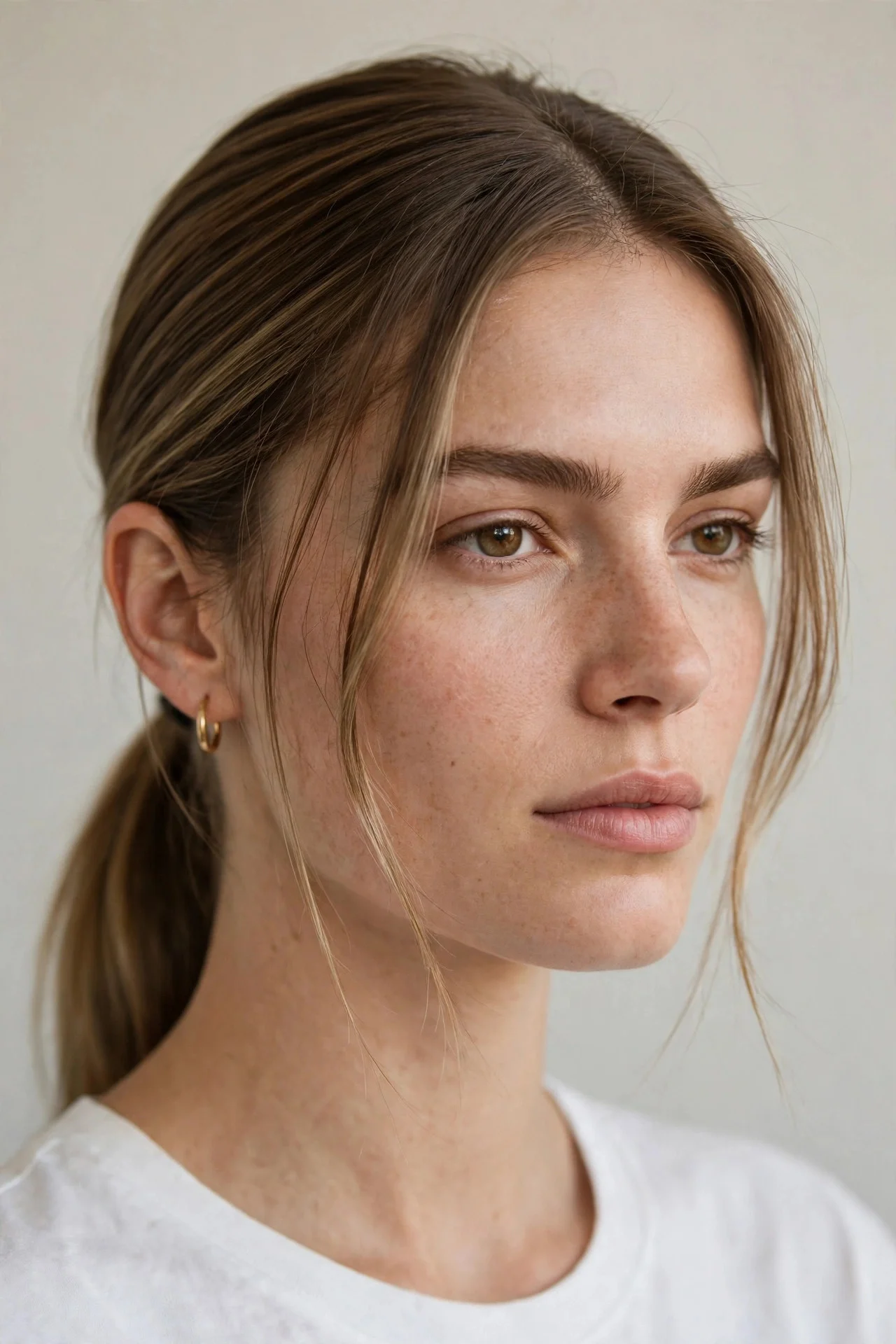
Ask for a cut with long face-framing layers, then wear it pulled into a low ponytail at the nape with two soft strands left out at the front. The strands soften the jaw while the low ponytail keeps the look clean and polished, and it takes about two minutes. This works on straight and wavy hair of any thickness and is a great option for days when you do not want to style your hair fully. The drawback is that it depends on having those front layers cut in, so it is more of a styling idea than a cut on its own, and a tight ponytail pulled straight back will do the opposite and show off the jaw.
Styling Tips for Square Faces
The general rule is simple: softness and movement help, hard straight lines do not. A blunt cut that ends exactly at the jaw, a center part with pin-straight hair, and a slicked-back style all draw attention to the angles of a square face. You do not have to avoid them forever, but if you want the most flattering result, add a wave, a bend, or a soft layer somewhere around the face.
Volume placement matters too. A little lift at the crown or width at the cheekbones balances the jaw, while volume right at the jawline can make it look wider. When you blow dry, lift the roots at the top and keep the ends around the jaw soft and slightly curved inward. A large round brush or a curling iron with a wide barrel does most of the work here.
For everyday care, keep your ends healthy with a trim every eight to ten weeks, because split ends make layers look scruffy fast. A lightweight leave-in conditioner helps fine hair stay smooth without going flat, and a small amount of texturizing spray gives straight hair the grip it needs to hold a wave. If you color your hair, soft dimension like balayage or a few face-framing highlights can add even more softness around the jawline.
What hairstyle suits a square face best?
Soft layers, side-swept bangs, and textured cuts that add movement around the jaw tend to suit a square face best. A layered lob, long waves with face-framing layers, or a textured bob are all reliable choices because they soften the angles without hiding your face shape. The best one for you also depends on your hair type and how much styling time you want to spend each day.
Should I get bangs if I have a square face?
Yes, bangs can work very well on a square face as long as they are soft. Side-swept bangs and curtain bangs are the safest choices because their diagonal and curved lines break up the forehead and jaw. Avoid heavy, straight-across blunt bangs, which can make a square face look wider and boxier. Ask your stylist to keep the edges wispy.
Is short hair good for a square face?
Short hair can look great on a square face, but the cut matters more than the length. A textured bob with wispy ends or a pixie with long, soft layers on top both work well because they add softness and movement. A very blunt, chin-length bob with no layers is the one short style to be careful with, since it can sit right at the jawline and make it look wider.
Does a middle part suit a square face?
A middle part can suit a square face when it is paired with soft layers or waves. On its own with pin-straight hair, a middle part can look severe and draw attention to the jaw. Add face-framing layers, feathered ends, or loose waves and the same part suddenly looks balanced and flattering. If your hair is very straight, a deep side part is usually the easier option.
How do I soften a strong jawline without a haircut?
You can soften a strong jawline with styling alone. Try loose waves, a deep side part, or pulling your hair into a low ponytail with two strands left out at the front. A little volume at the crown also helps balance the lower face. For a more lasting change, ask your stylist for face-framing layers at your next cut, since even a small change there makes a visible difference.
A square face suits more styles than most people think. The trick is softness around the jawline, layers that move, and a part that breaks up the width. Bring a photo to your stylist and ask what will work with your texture, not just your face shape.
Keep exploring
If you liked these ideas, check out 12 Hairstyles for Round Faces, 12 Face-Framing Layers Haircuts and 14 Curtain Bangs for Round Faces.