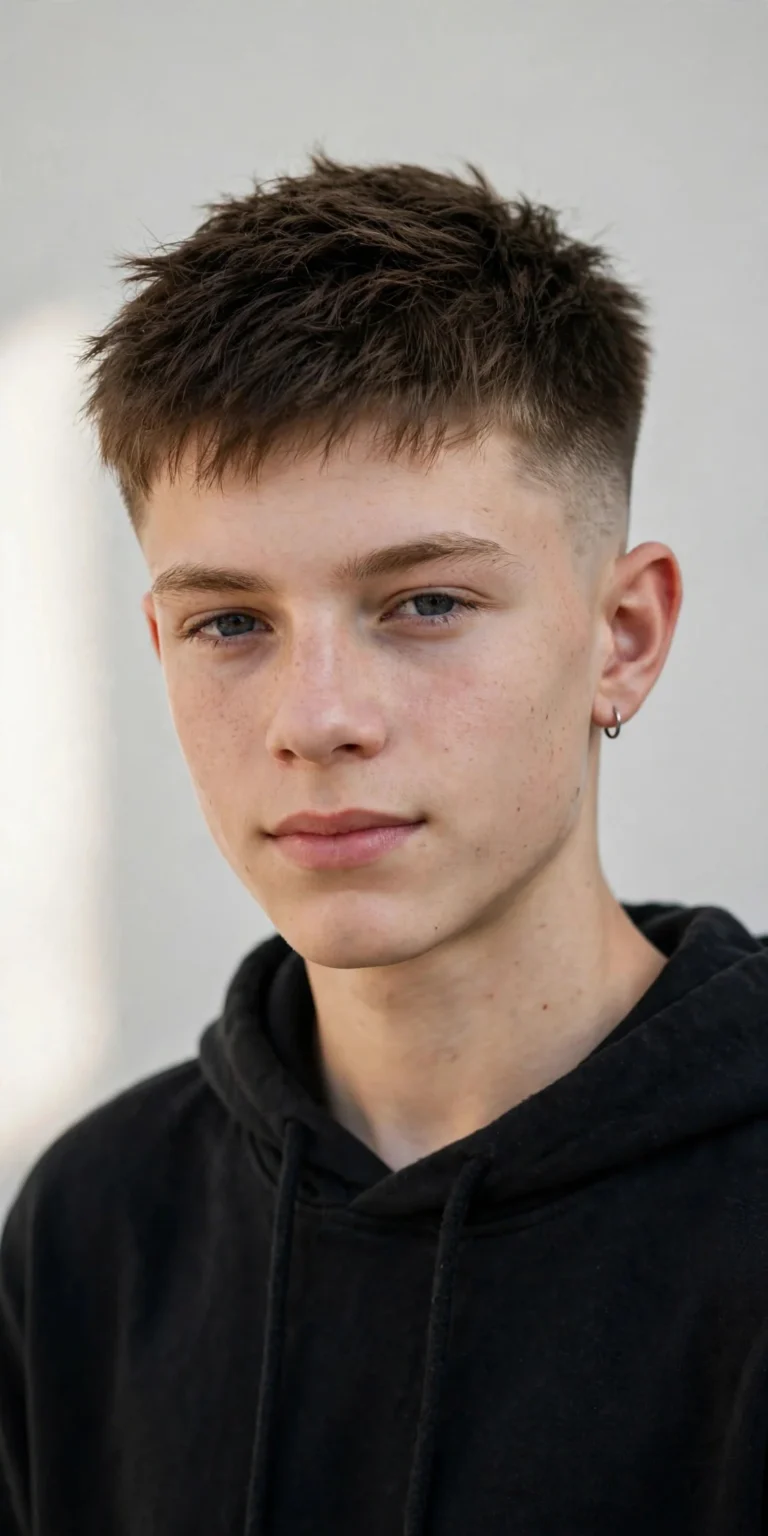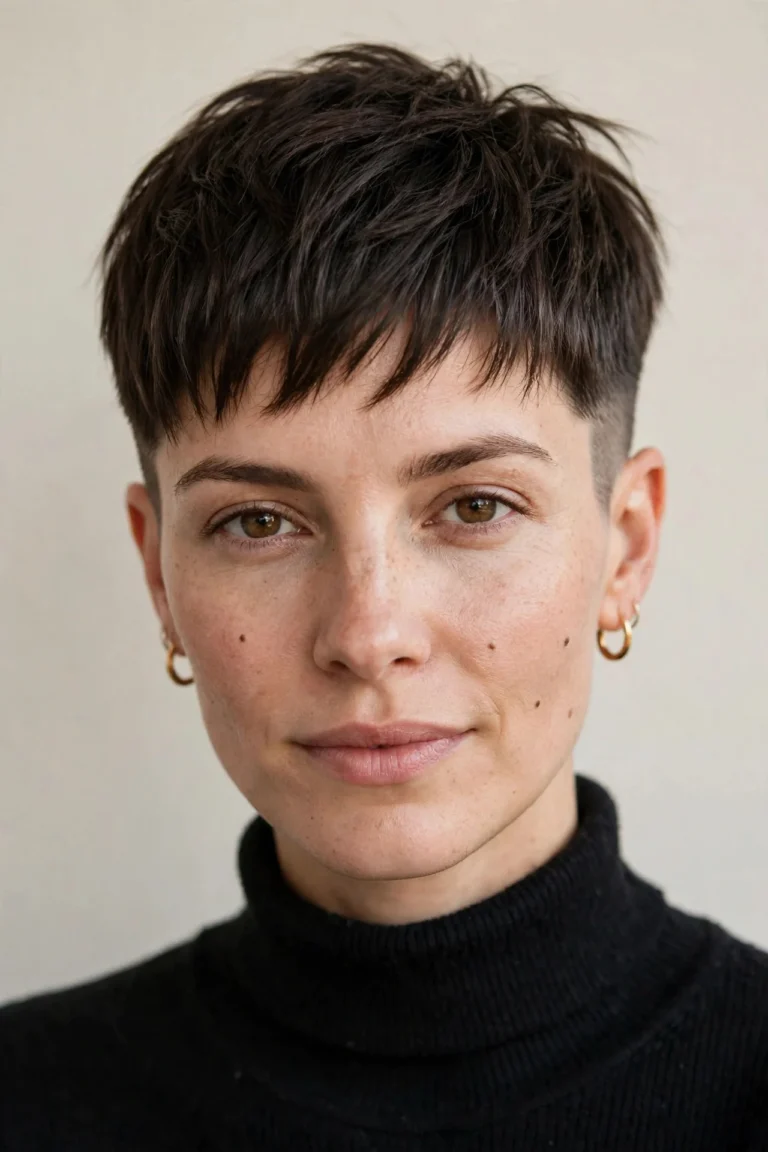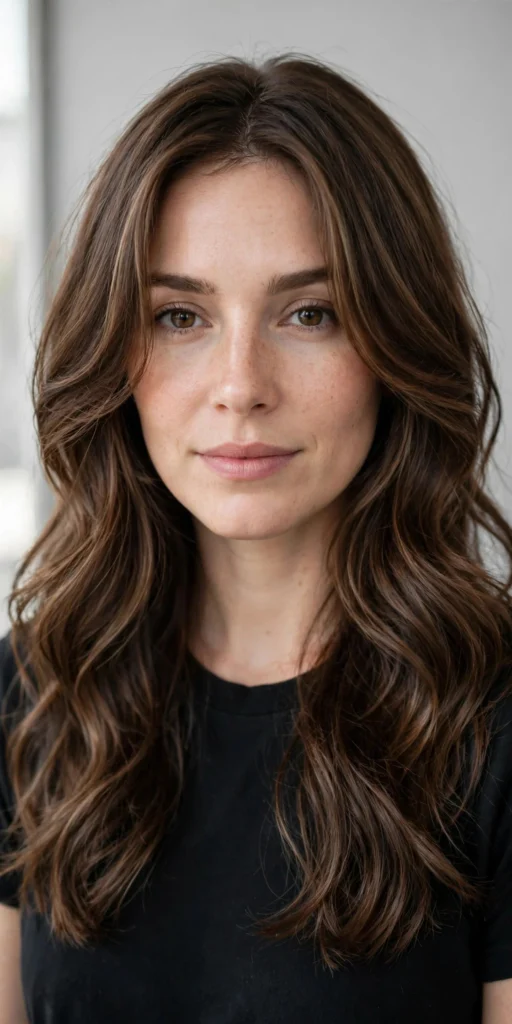
Face framing layers are the quiet heroes of a great haircut. They soften a jawline, open up the cheekbones, and make even the simplest lengths look finished without a lot of effort. The right face framing layers haircut can take years off a tired style, add movement to flat hair, and grow out gracefully when life gets busy. Whether you want a subtle change or a full refresh, these twelve cuts cover every length, texture, and face shape, so you can walk into the salon knowing exactly what to ask for.
1Classic Long Layers with Face-Framing Pieces
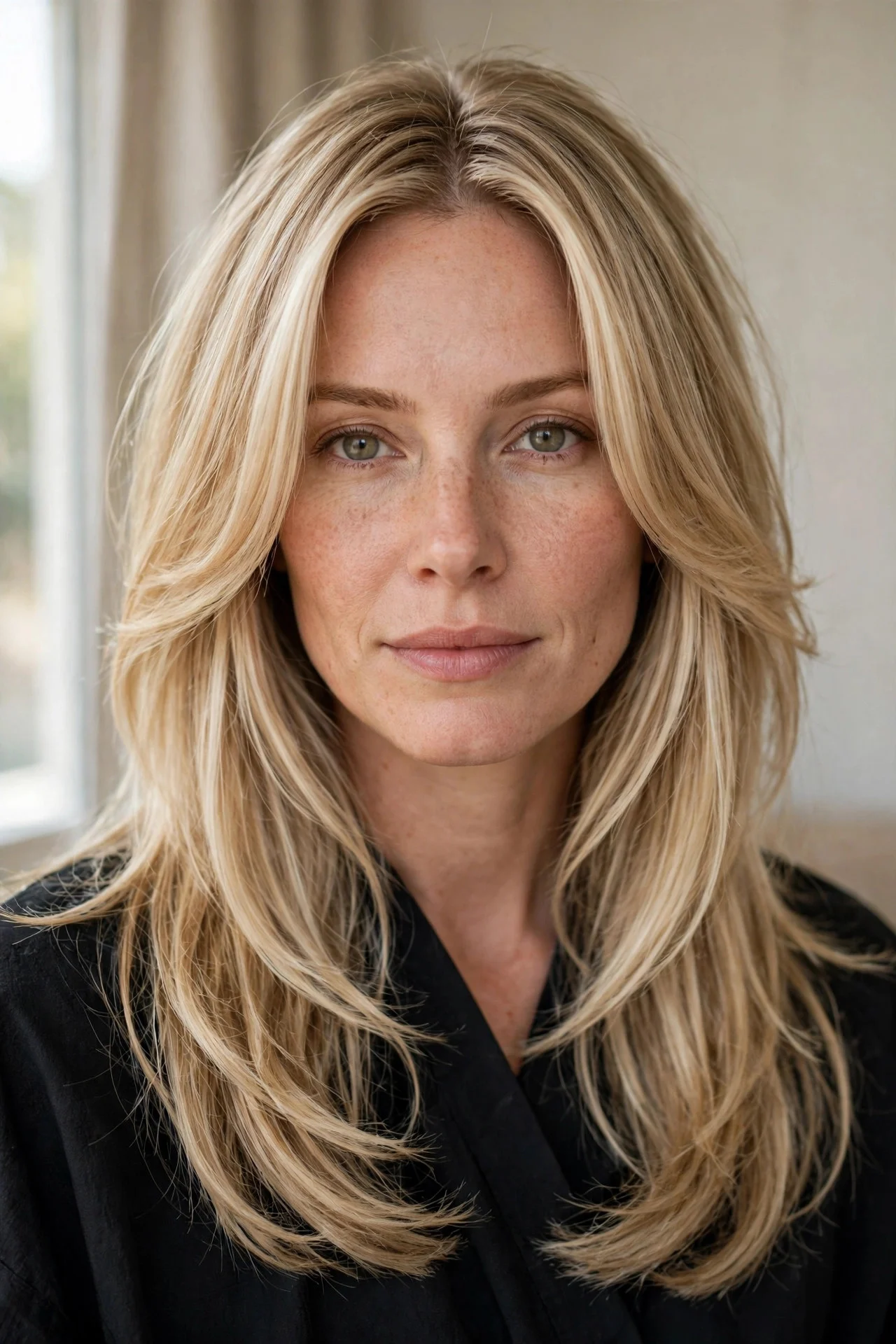
Ask your stylist for long layers through the lengths with shorter pieces that start at the cheekbone and blend down past the chin. This cut suits oval, round, and heart-shaped faces best, and it works on straight, wavy, and lightly curly hair. Blow dry the front pieces with a round brush, curving them away from the face for a soft, open look. Trims every eight to ten weeks keep the shape tidy. The drawback is that the front pieces can fall flat on very fine hair, so you may need a light volumizing spray or a quick blast of dry shampoo at the roots on day two.
2Curtain Bangs with Face-Framing Layers

Curtain bangs paired with face-framing layers give you a soft, retro feel without committing to a full fringe. Ask for the shortest point of the bangs to hit just below the brow, with the sides blending into layers that fall past the jaw. This suits oval and square faces beautifully, and it works well on medium to thick hair. Style with a round brush or a flat iron, bending the ends outward for that parted curtain effect. Trims every six weeks keep the bangs from growing into your eyes. The honest downside is the daily styling: curtain bangs need a minute or two of heat most mornings, or they can look messy.
3Shaggy Face-Framing Layers
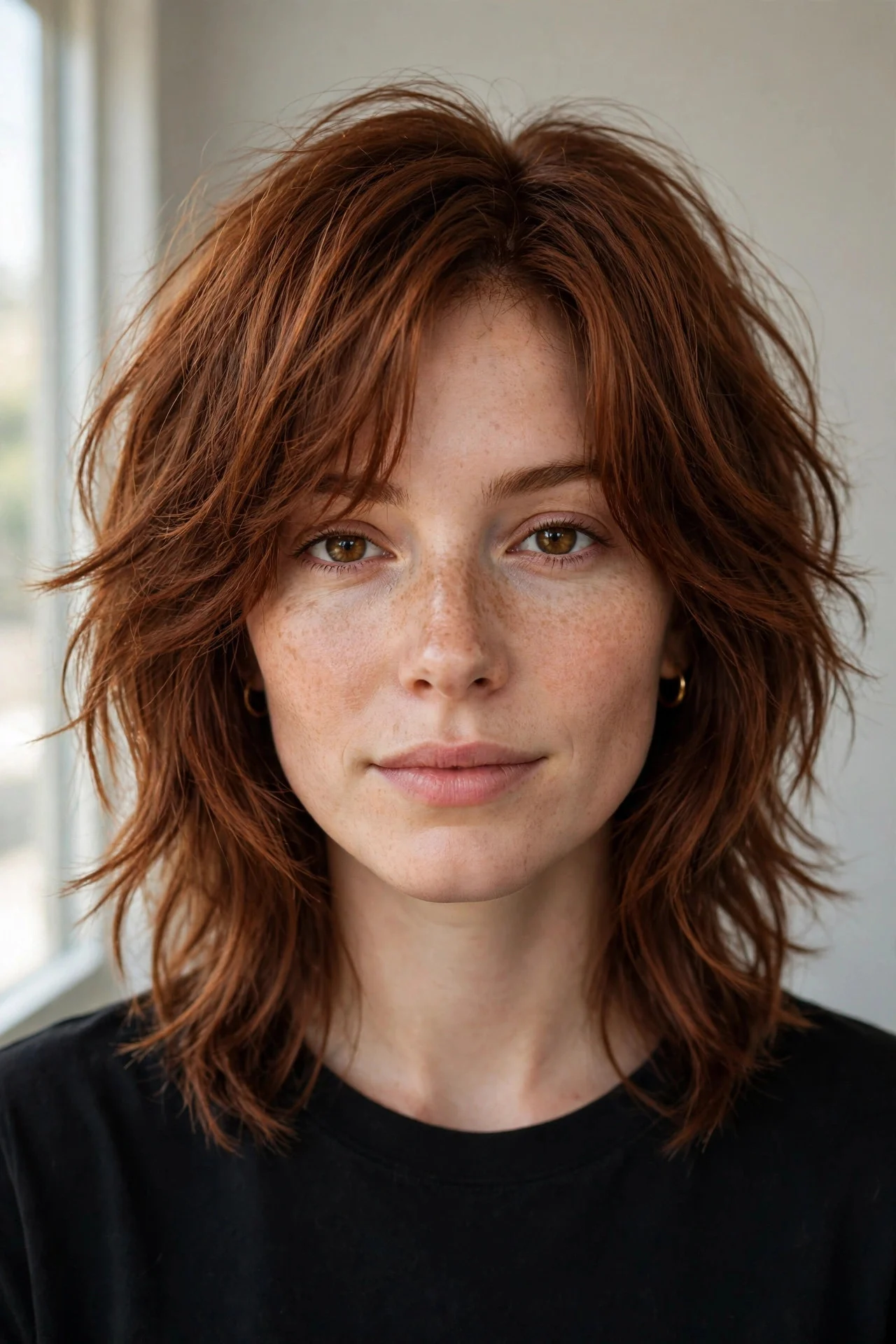
A shag cut with choppy face-framing pieces is perfect if you love texture and a lived-in finish. Ask for short, disconnected layers around the face, with the shortest pieces starting at the cheekbone and lots of movement through the ends. This cut flatters round and square faces because the uneven pieces break up width, and it works best on wavy or curly hair. Scrunch in a little mousse or texture cream and let it air dry. Maintenance is easy, with trims every ten to twelve weeks, but the drawback is that it can look shapeless on very straight, fine hair unless you style it with waves every time.
4Chin-Length Bob with Face-Framing Layers
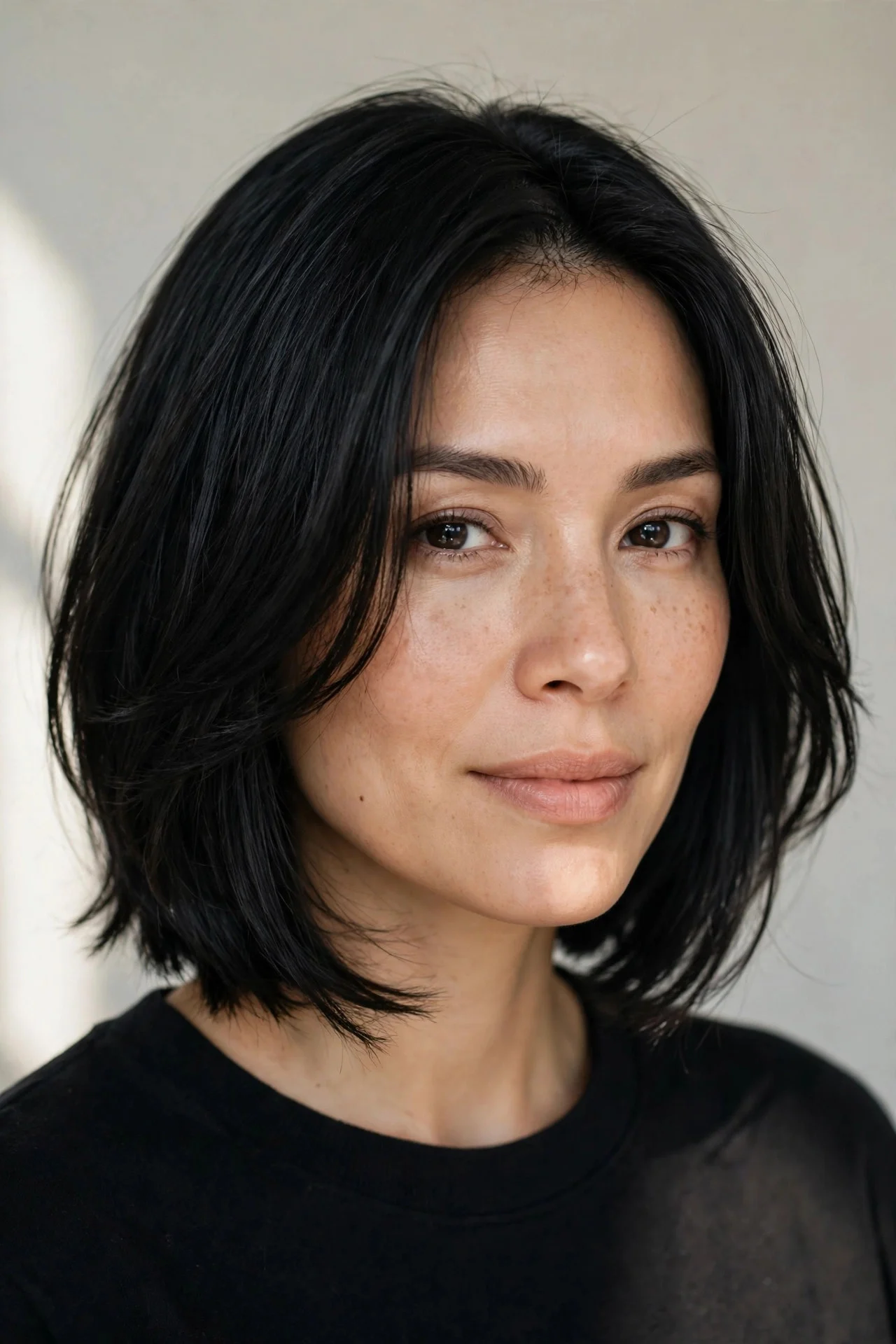
A chin-length bob with soft layers around the face is polished, modern, and surprisingly low fuss. Ask your stylist for a bob that ends right at the chin with face-framing pieces that are slightly shorter at the front. This suits oval, heart, and long faces, and it works on straight or slightly wavy hair. A quick blow dry with a paddle brush gives a smooth finish, or you can add a bend with a flat iron for movement. Trims every six weeks keep the length crisp. The honest drawback is the grow-out phase: a bob loses its shape fast, so skipping trims makes it look heavy around the jaw.
5Face-Framing Layers on Long Wavy Hair
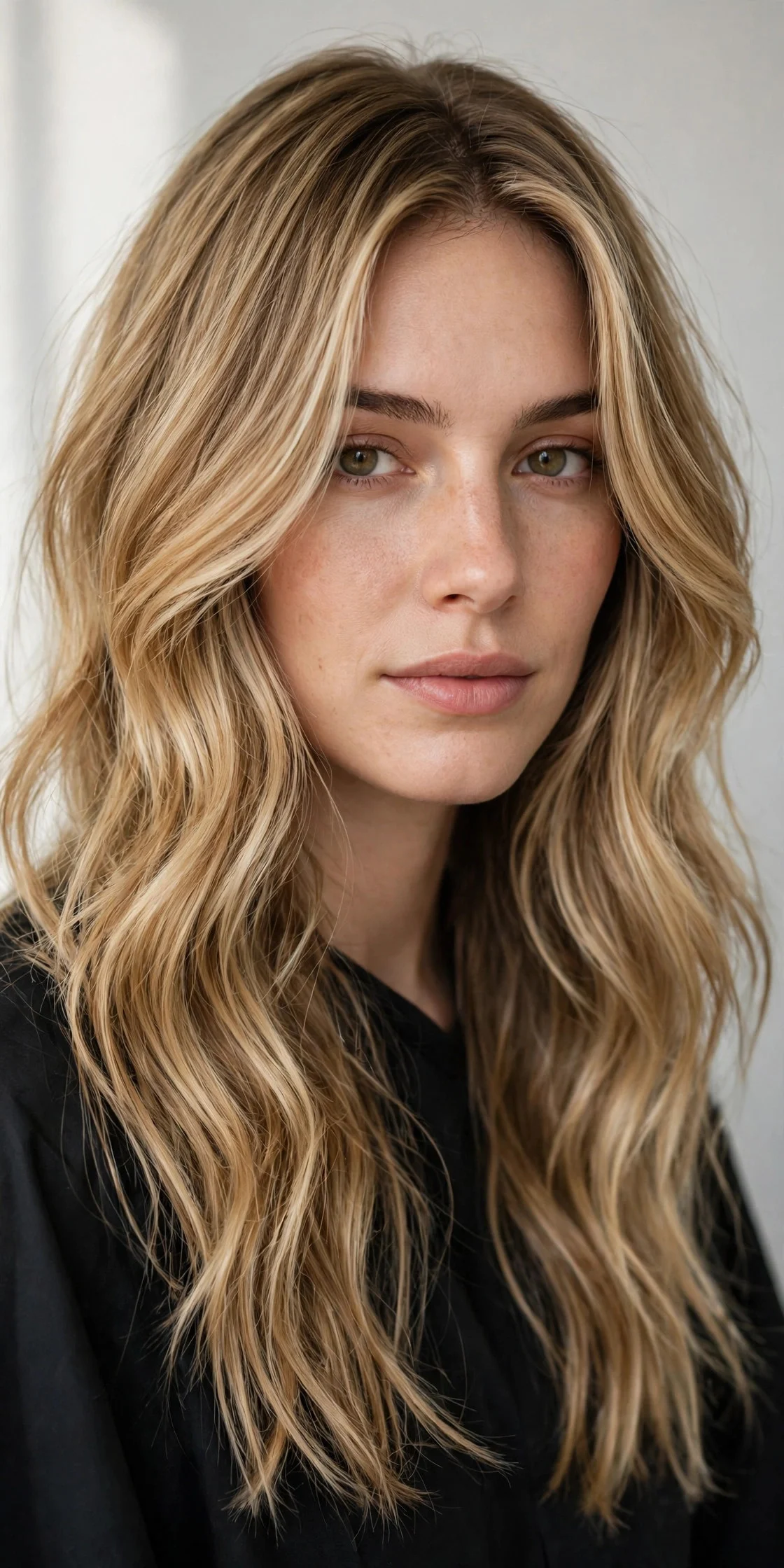
Long wavy hair with face-framing layers is the easiest way to add shape without losing length. Ask for layers that start at the collarbone around the face, keeping the back long and full. This cut suits every face shape, but it is especially kind to round and square faces because the longer front pieces slim the cheeks. Enhance your natural wave with a curl cream and a diffuser, or braid damp hair overnight for soft bends. Trims every ten weeks are enough. The drawback is that wavy hair can frizz in humidity, so a smoothing serum on the front pieces is worth keeping in your bag.
6Butterfly Cut with Face-Framing Layers
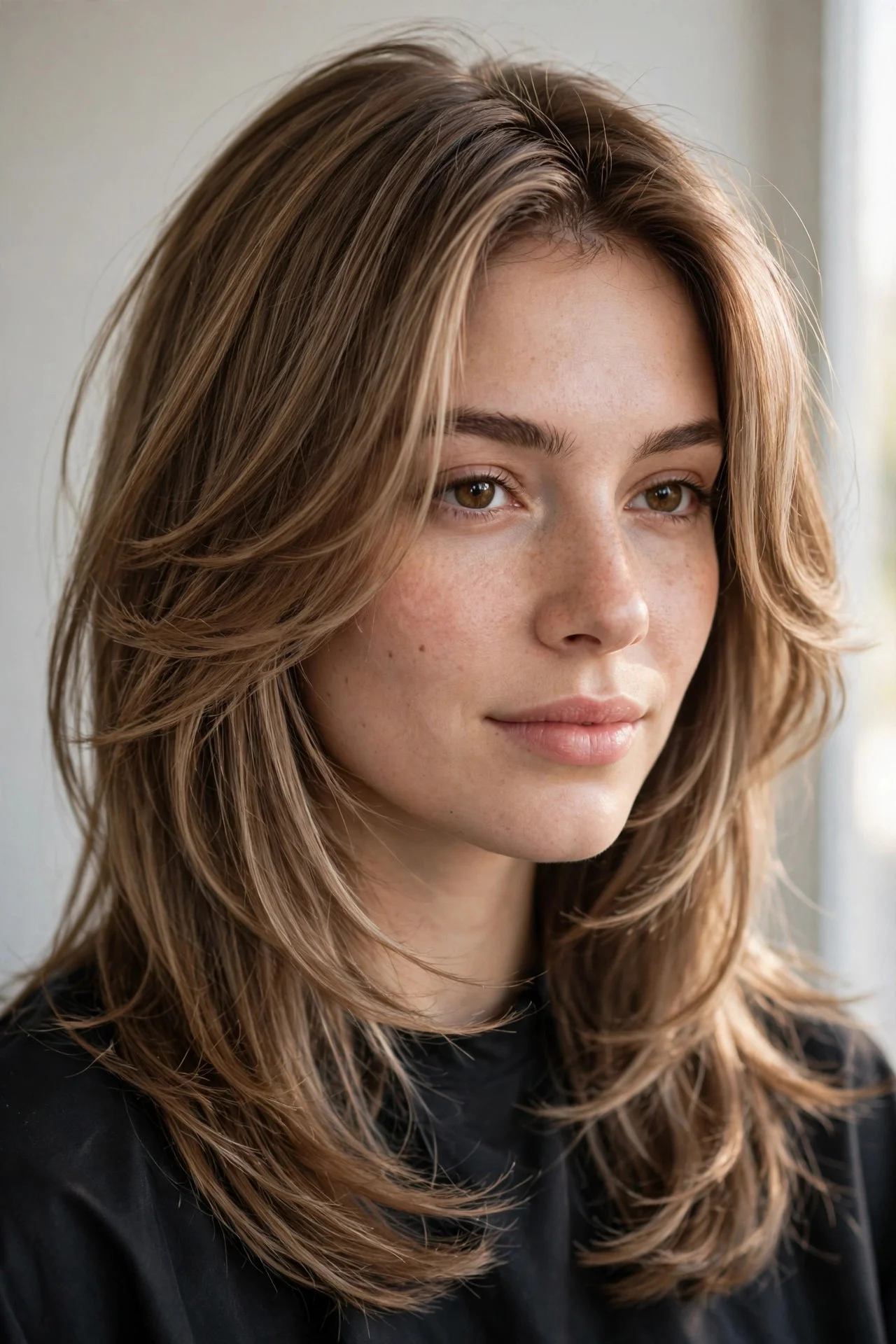
The butterfly cut layers short, bouncy pieces around the face over longer lengths underneath, giving you the look of a short cut with the security of long hair. Ask for the shortest face-framing pieces to hit at the cheekbone, with the rest of the layers cascading down. This suits oval, round, and heart-shaped faces, and it works best on medium to thick hair with a natural wave. Blow dry with a large round brush, flicking the front layers outward for volume. Trims every eight weeks keep the shape. The downside is the styling time: the bouncy layers need a proper blow dry to look their best, and air drying can leave them limp.
7Face-Framing Layers for Curly Hair
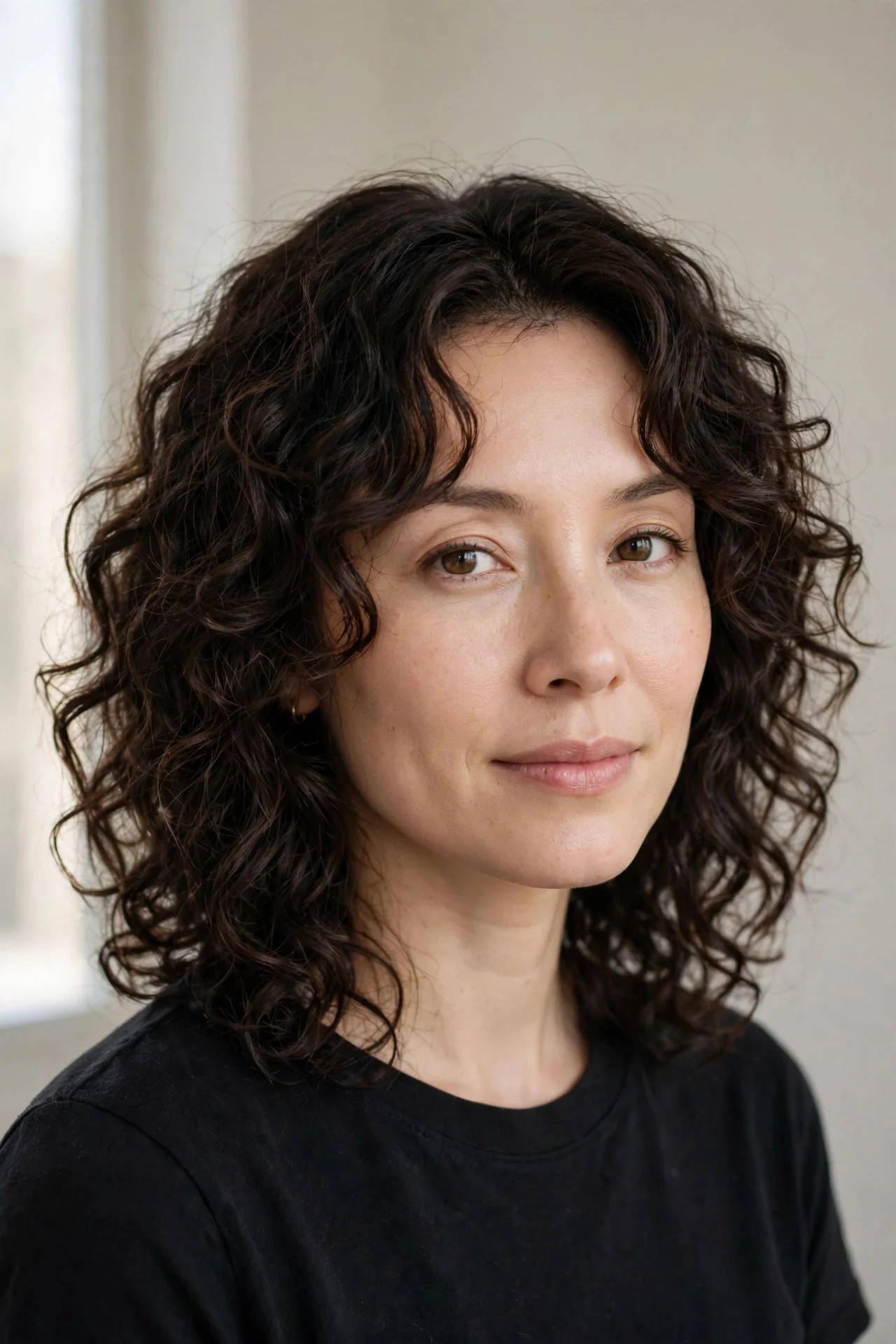
Curly hair benefits hugely from face-framing layers, which lift the curls around the face and stop the cut from looking like a triangle. Ask for a curly-hair specialist who cuts dry or cuts curl by curl, with the shortest pieces around the cheekbone. This suits all face shapes, and it works on loose waves through tight coils. Use a curl cream and scrunch, then diffuse or air dry for definition. Trims every ten to twelve weeks keep the shape balanced. The honest drawback is cost: a good curly cut often costs more than a standard cut, and finding a stylist who truly understands curls can take a few tries.
8Wispy Face-Framing Layers for Fine Hair

Fine hair can wear face-framing layers beautifully if they are kept light and wispy rather than chunky. Ask for feathered, point-cut pieces around the face that start at the nose and taper down, with minimal layering through the back so you keep density. This suits oval and long faces, and it works best on straight or slightly wavy fine hair. A root-lifting spray and a quick round-brush blow dry give the front pieces lift. Trims every six to eight weeks keep the wispy ends from looking stringy. The drawback is that fine hair shows split ends quickly, so regular trims and a good leave-in conditioner are not optional.
9Face-Framing Layers with a Middle Part
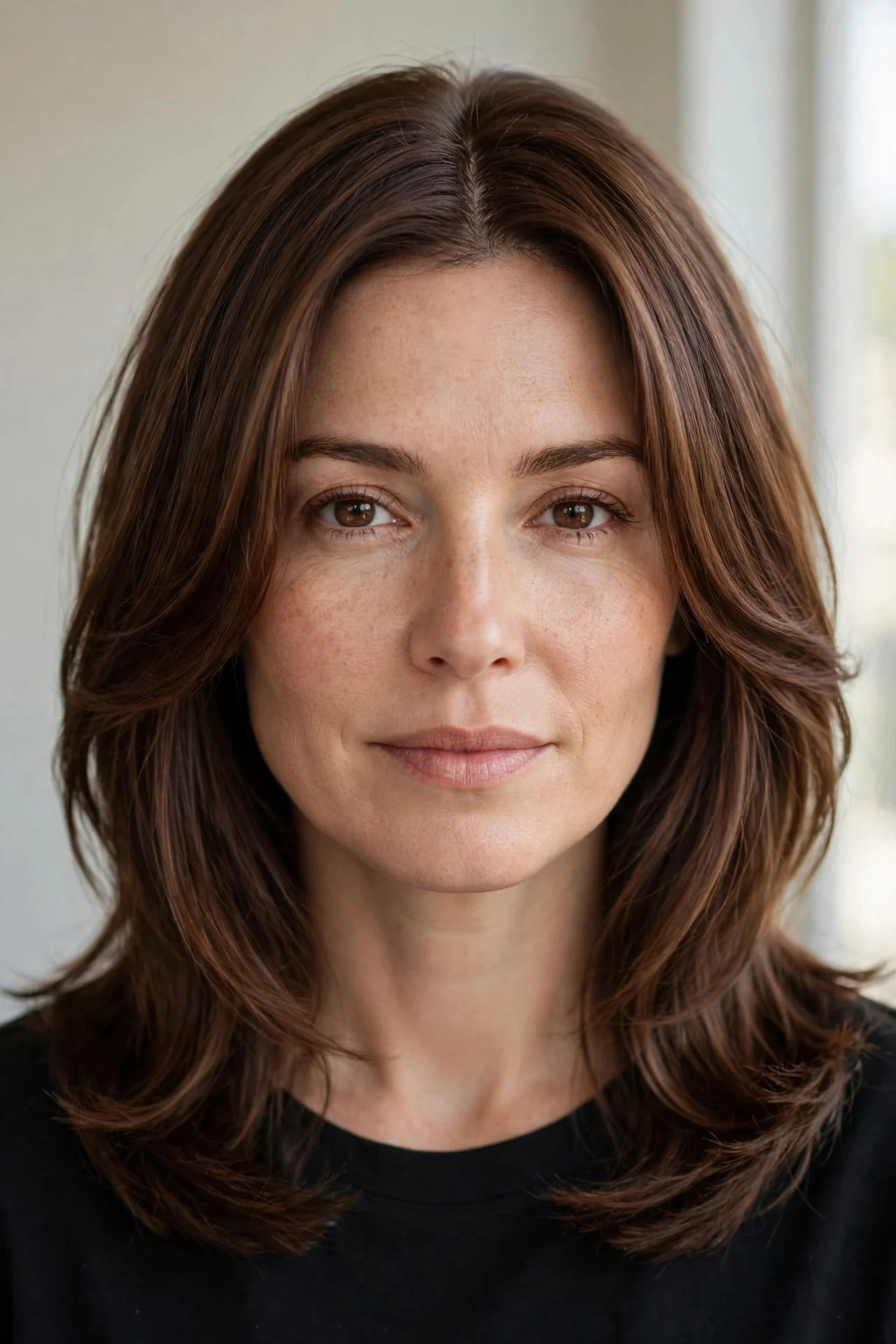
A middle part with face-framing layers is clean, symmetrical, and very flattering on oval and heart-shaped faces. Ask for layers that start at the cheekbone on both sides and fall evenly, keeping the part dead center. This works on straight, wavy, and curly hair, and it is especially good on medium to long lengths. Blow dry the front pieces away from the face on both sides for a balanced frame. Trims every eight weeks keep the symmetry. The honest downside is that a middle part shows regrowth and scalp more clearly, so it suits people who keep up with color or have even density at the part.
10Face-Framing Layers on a Lob
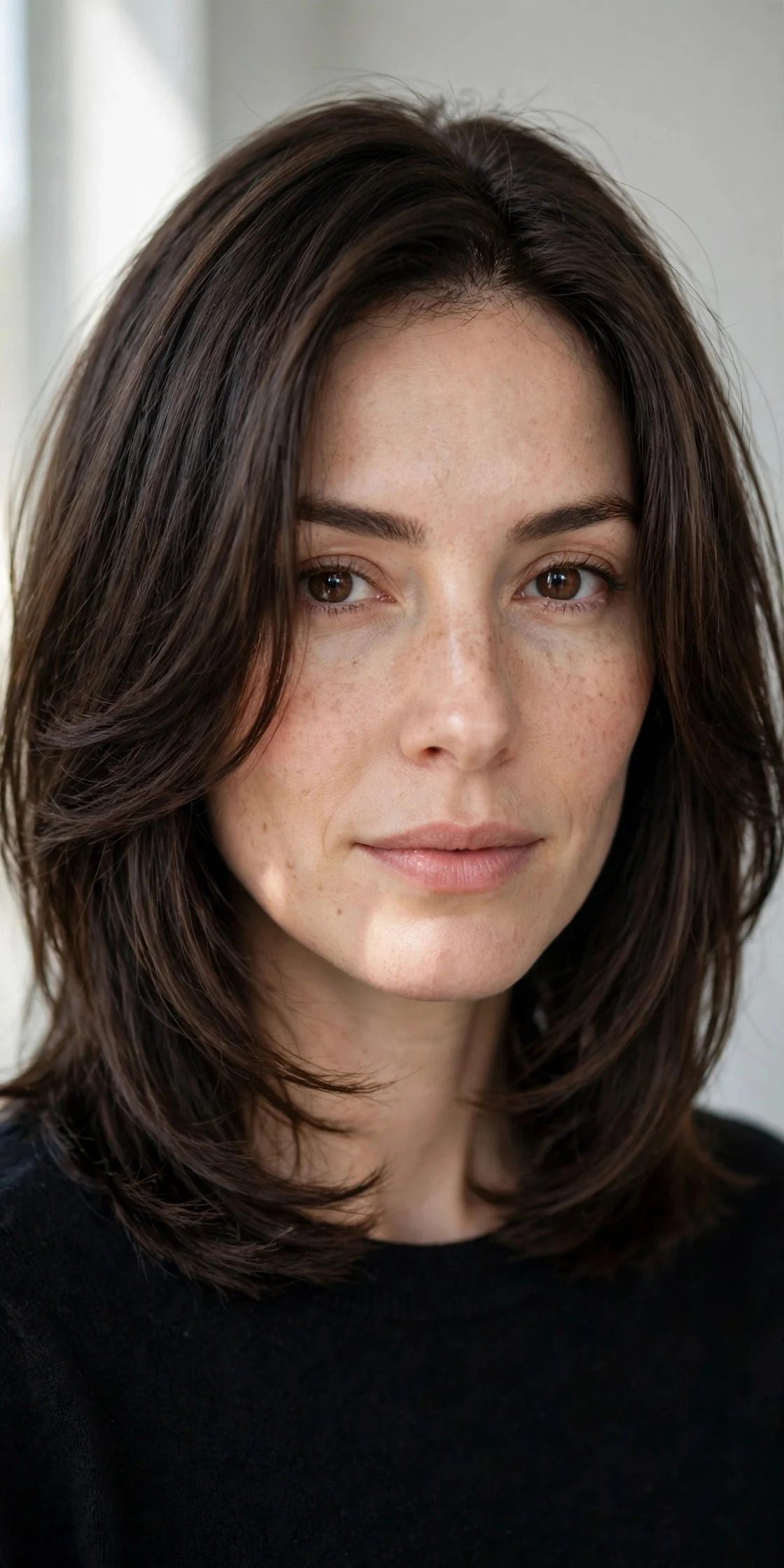
A long bob, or lob, with face-framing layers is the sweet spot between short and long. Ask for a lob that ends between the chin and the collarbone, with shorter pieces around the face that start at the cheekbone. This suits round, square, and oval faces, and it works on straight, wavy, and thick hair. Style it straight for a sharp finish, or add loose waves with a curling iron for a softer look. Trims every seven to eight weeks keep the ends healthy. The drawback is that a lob sits right at the shoulders, so it can flip outward on its own, and you may need a quick pass with a flat iron on humid days.
11Bold Face-Framing Layers with Highlights

Face-framing layers paired with lighter pieces around the face, often called a money piece, add brightness exactly where it counts. Ask for layers starting at the cheekbone plus fine highlights on the two front sections, a shade or two lighter than your base. This suits every face shape, and it works on all hair types, though it shows best on medium to long hair. Style with a round brush to show off the lighter pieces. The color needs a toner refresh every six to eight weeks, and the layers need trims on the same schedule. The honest drawback is the upkeep cost: highlights plus regular trims add up, and the front pieces can dry out faster than the rest of your hair.
12Face-Framing Layers for Thick Hair
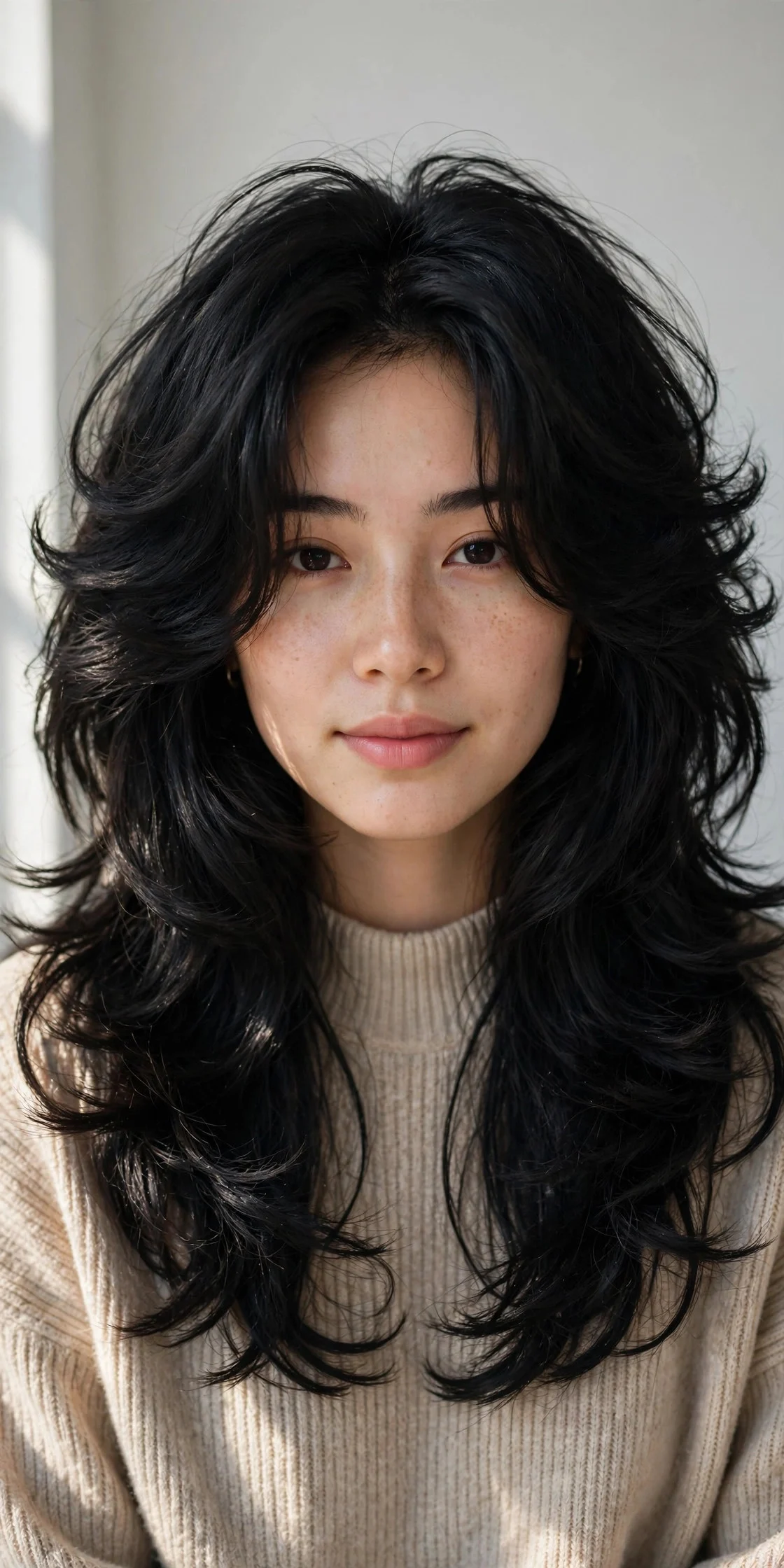
Thick hair can feel heavy and shapeless without layers, and face-framing pieces are the fix. Ask your stylist to thin the bulk around the face with long, sliding layers that start at the jaw and remove weight without creating short, puffy bits. This suits round, square, and oval faces, and it works on straight, wavy, and curly thick hair. A smoothing cream and a blow dry keep it sleek, or you can let it air dry for natural volume. Trims every ten to twelve weeks are enough. The drawback is the time it takes: thick hair needs longer in the chair for both cutting and styling, so salon visits cost more time and often more money.
How to Style and Care for Face-Framing Layers
The front pieces are the first thing people notice, so give them a little extra attention. After washing, apply a heat protectant and blow dry the face-framing layers first, using a round brush to curve them away from your face. If you are short on time, a flat iron on just those two sections can refresh the whole cut in under two minutes.
Between washes, dry shampoo at the roots keeps the front pieces from going limp, and a tiny drop of hair oil on the ends prevents them from looking dry or split. Book trims before the layers lose their shape, not after, because grown-out face-framing pieces tend to fall into the eyes and lose their framing effect. With the right products and a regular trim schedule, this cut stays looking fresh far longer than most.
Frequently Asked Questions
What should I ask my stylist for with face-framing layers?
Ask for layers that start at a specific point on your face, such as the cheekbone or jawline, and explain how much length you want to keep. Bring a photo of a cut you like, and mention your hair type, how much time you spend styling, and whether you want the layers subtle or bold. A good stylist will adjust the starting point and the amount of layering to suit your face shape and daily routine.
Do face-framing layers suit round faces?
Yes, they are one of the best choices for round faces. Longer layers that start at the cheekbone or below and fall past the chin create vertical lines that slim the cheeks and lengthen the face. Avoid very short, wide layers that end at the cheek, since those can add width. A middle or side part with longer front pieces usually gives the most flattering result.
How often do face-framing layers need a trim?
Most face-framing layers need a trim every six to ten weeks, depending on the cut and your hair type. Shorter layers and bobs need trims closer to six weeks, while long, subtle layers can stretch to ten or twelve weeks. If the front pieces start falling into your eyes or losing their shape, that is your sign to book an appointment.
Can I get face-framing layers with curly hair?
Absolutely, and they often make curly hair look better by lifting the curls around the face and adding shape. The key is finding a stylist experienced with curly cuts, ideally one who cuts the hair dry so they can see how each curl falls. Layers should be cut with the curl pattern in mind, not against it, to avoid uneven lengths when the hair shrinks.
Will face-framing layers make my hair look thinner?
They can if the layers are cut too short or too choppy, especially on fine hair. The fix is to ask for long, blended layers and to keep the layering mostly around the face rather than through the whole head. Wispy, point-cut ends keep the shape soft without removing too much bulk, so your hair still looks full.
Keep exploring other haircut ideas and styling guides to find the version that fits your hair, your face, and the way you actually live day to day. The best face-framing layers haircut is the one you can style in five minutes and still love on day three, so take your time choosing, and enjoy the change.
Keep exploring
If you liked these face-framing layers haircuts, check out long bob with layers ideas, butterfly bob haircuts soft layers, textured shag haircuts for long hair for more ideas.