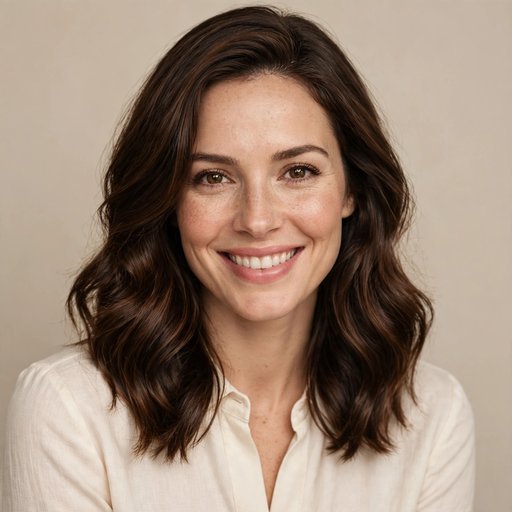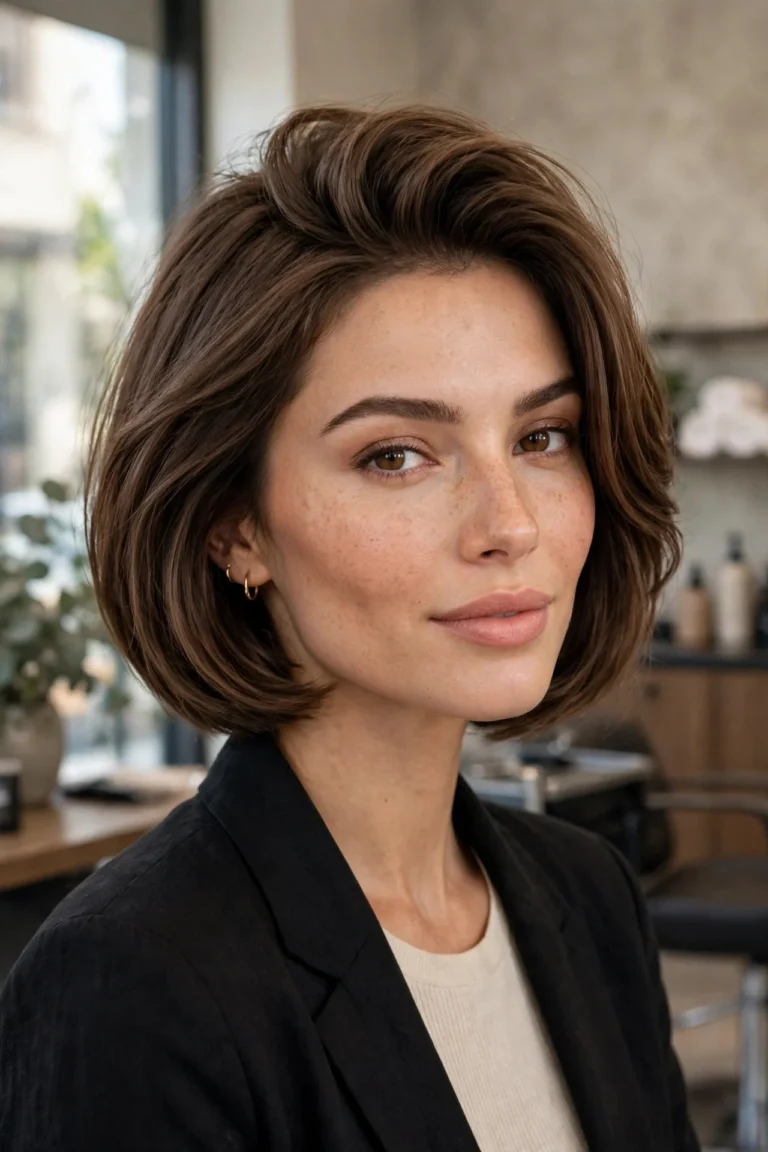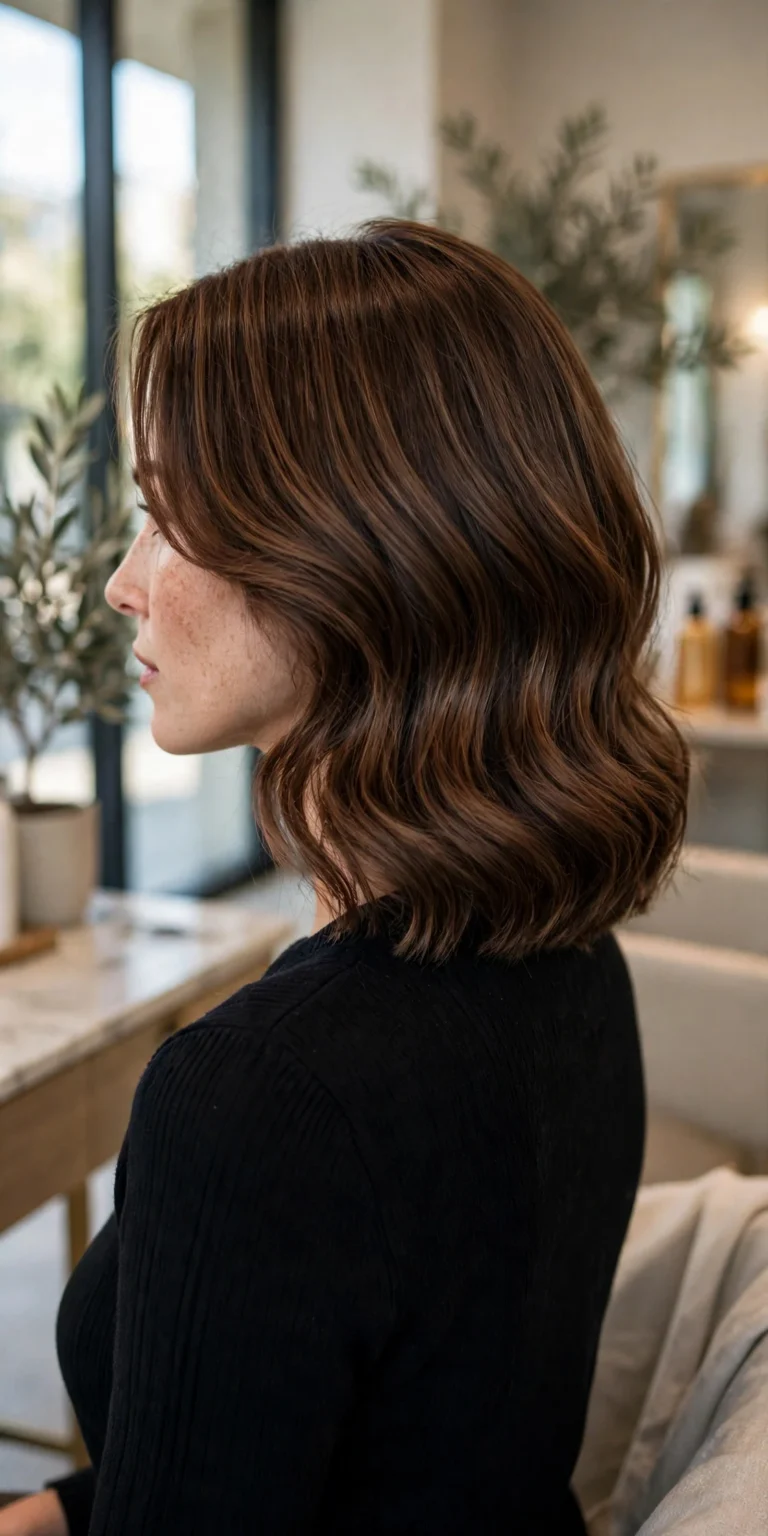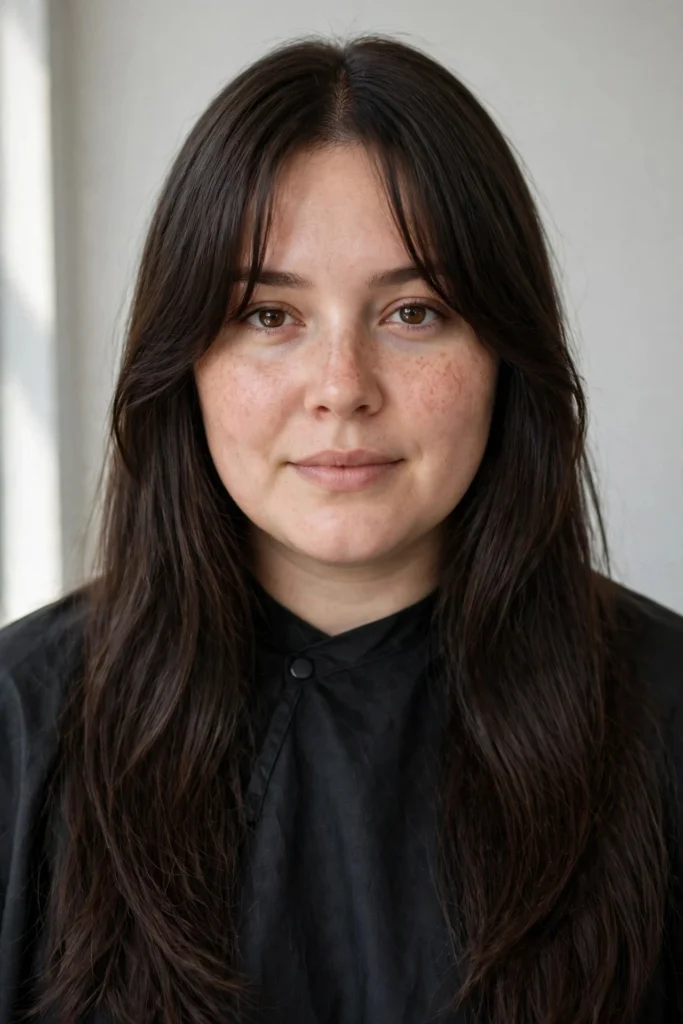
Round faces have soft, full cheeks and a gentle jawline, but the wrong fringe can make the face look even rounder. Curtain bangs work so well here because they open in the middle and sweep to the sides, creating vertical lines that make the face look longer and more balanced. The trick is in the length and the parting. These fourteen styles show how to get that face-framing effect, whether your hair is short, long, straight, or curly.
1Classic Long Curtain Bangs
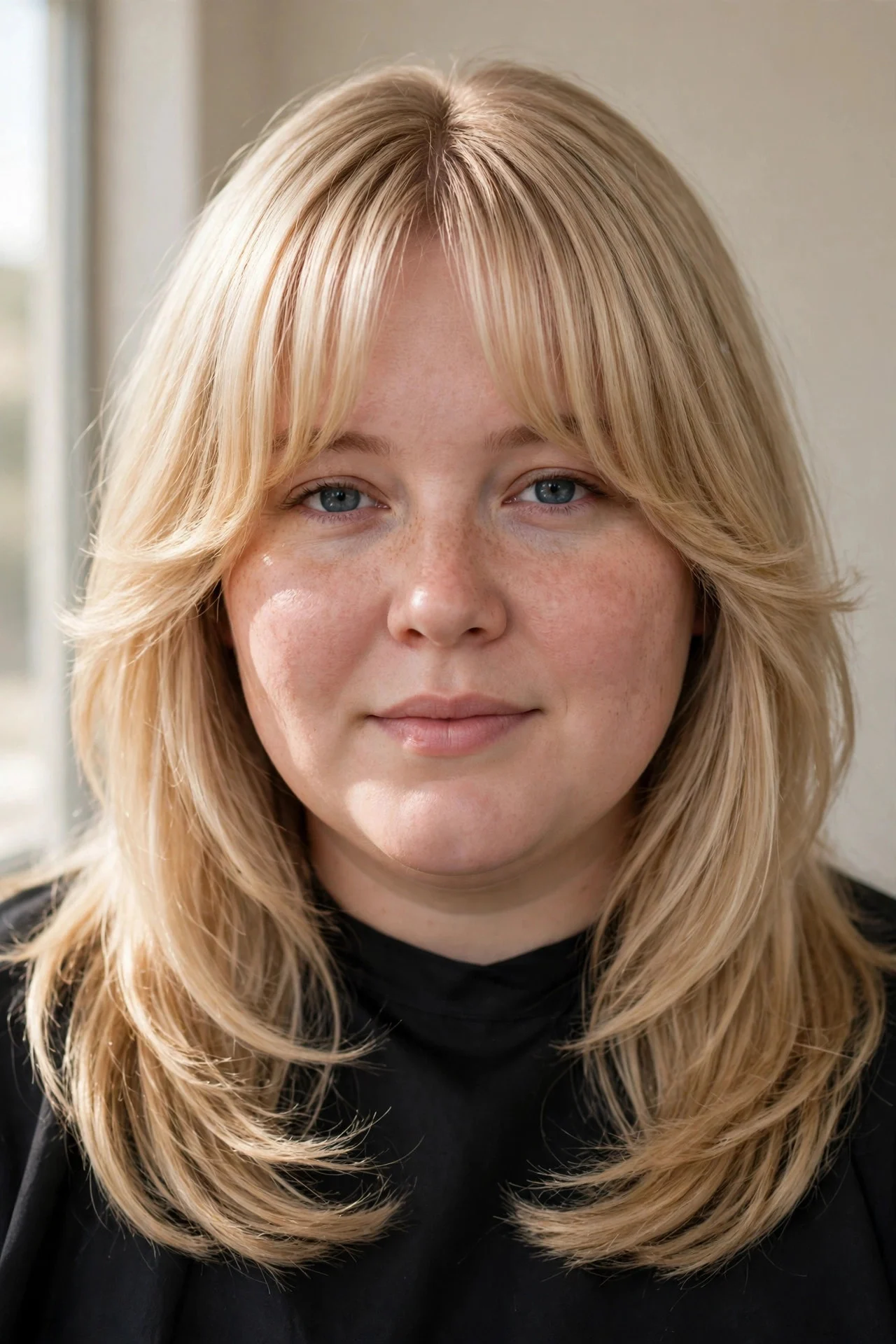
Ask your stylist for curtain bangs starting around the cheekbones and tapering to the jawline, with a soft centre part. The longer pieces draw the eye downward instead of across the widest part of the cheeks. It suits straight to slightly wavy hair best, at any length from a lob to waist length. Blow dry with a round brush, sweeping each side outward, or air dry with a little texture spray. Trims every five to six weeks keep the shape from going heavy. The drawback is that long bangs take patience to grow out, so be sure before you commit.
2Wispy Curtain Bangs with a Middle Part
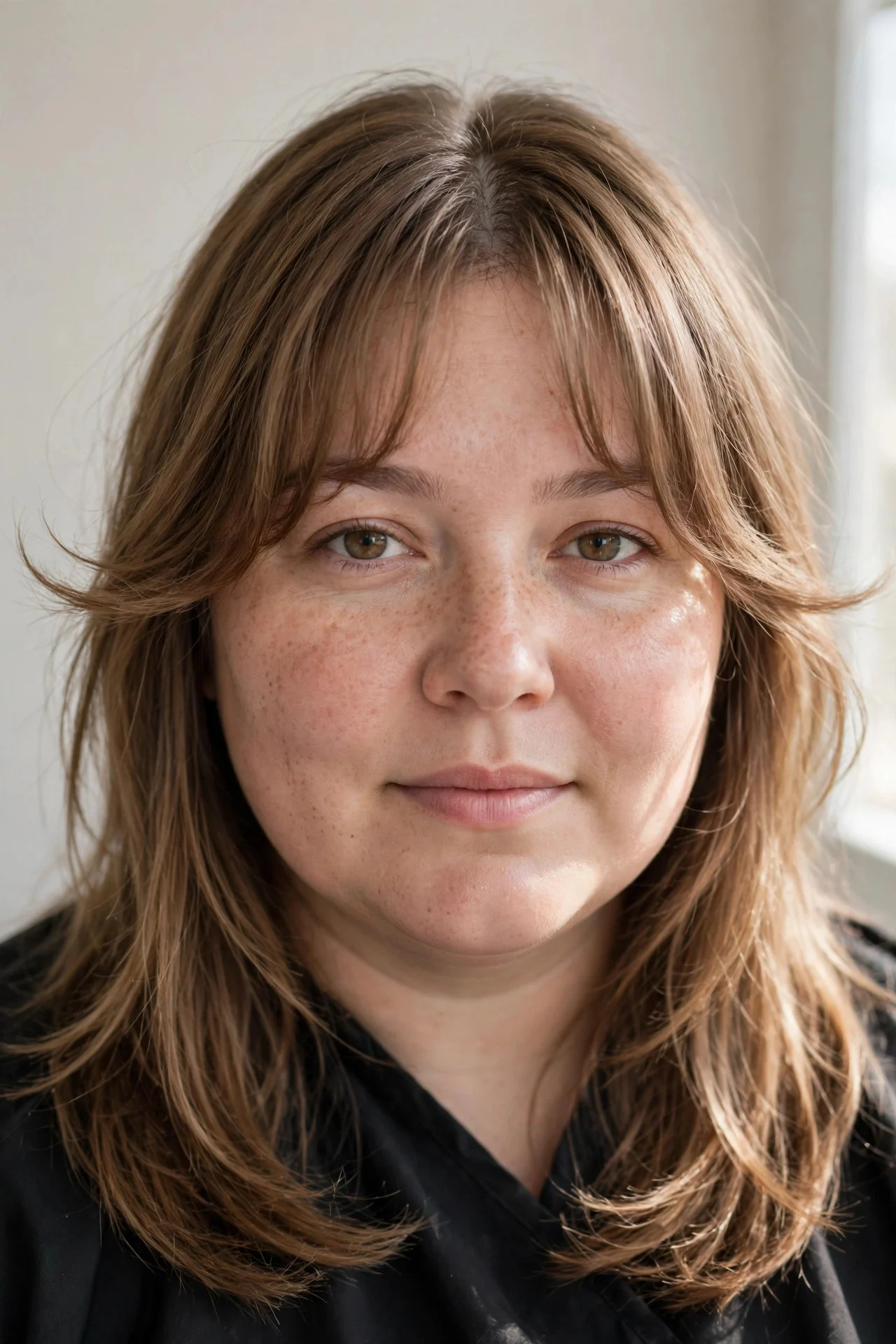
Ask for feathered, wispy ends with texture cut into the tips, keeping the shortest point at the brow. Lightness matters here, because a heavy, blunt fringe can close in a round face, while wispy pieces keep everything airy and open. This suits fine hair especially well, since it creates movement without lots of bulk. Style by blow drying the roots forward, then flicking the ends to each side with your fingers. Maintenance is light, with a trim every six to eight weeks. The honest downside is that wispy bangs show oil faster than thicker styles, so dry shampoo becomes a regular habit.
3Curtain Bangs with Face-Framing Layers
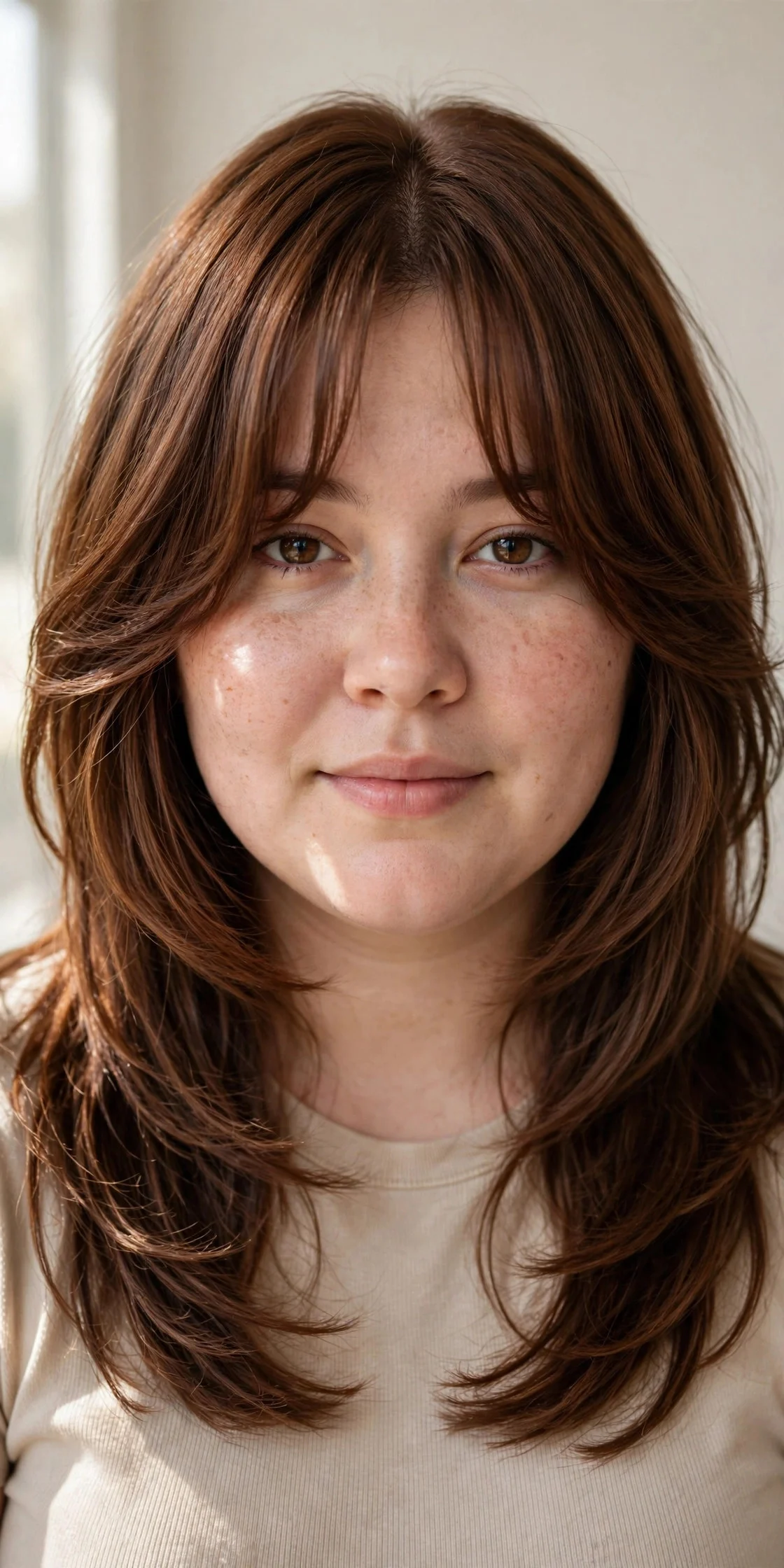
Ask for curtain bangs blended into long layers starting at the chin and continuing past the shoulders. The layers extend the vertical lines the bangs begin. This suits medium to thick hair, and looks great on long hair that can otherwise feel shapeless. Style the bangs with a round brush and let the layers fall naturally, or add a loose wave with a large curling iron. Trims every six weeks keep the layers from merging into one heavy block. The drawback is cost, since layered cuts and regular blowouts add up, and the style needs heat styling to look its best.
4Shaggy Curtain Bangs
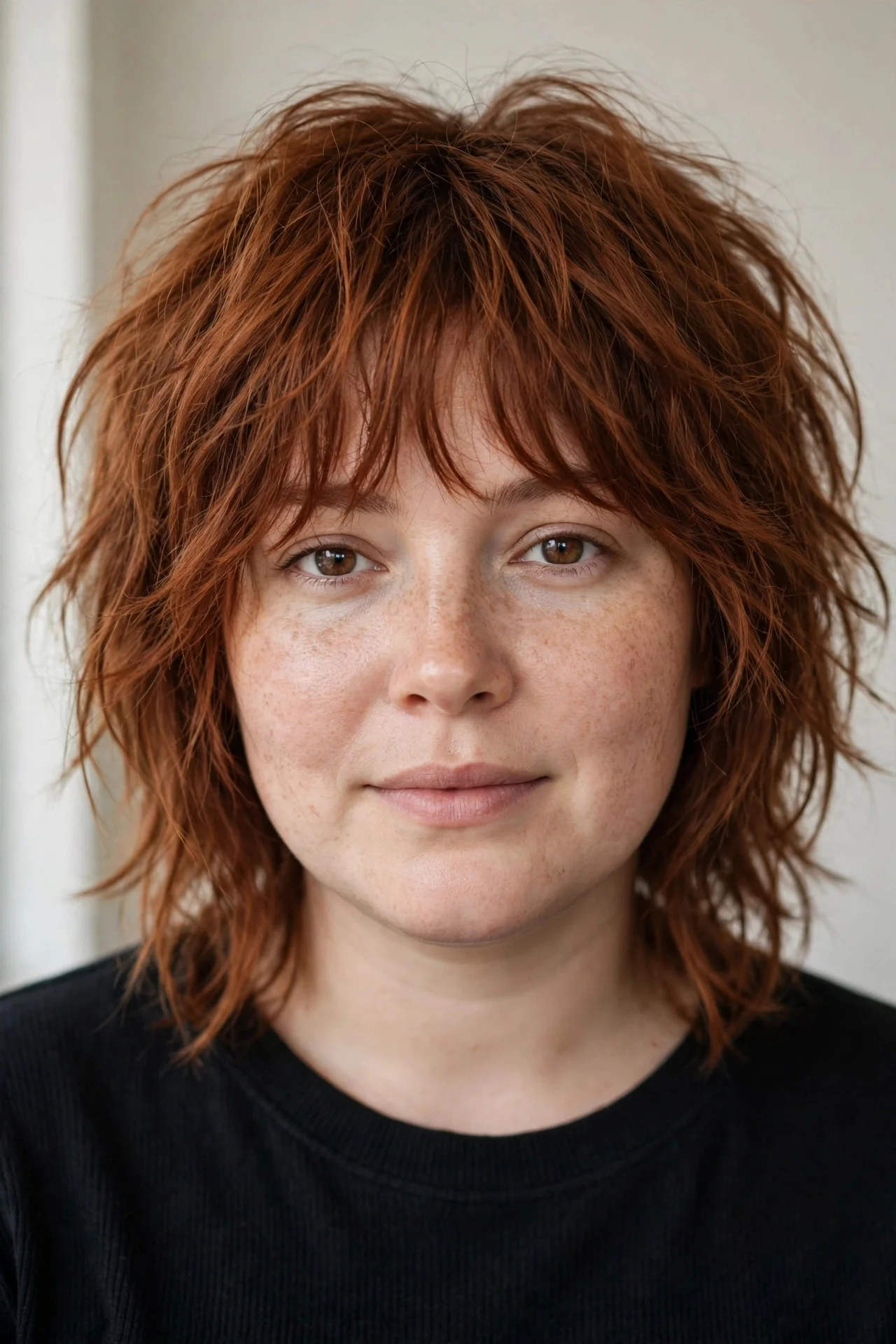
Ask for a shaggy cut with choppy curtain bangs, lots of texture through the ends, and a slightly uneven finish. The choppy pieces break up the roundness of the face and add an easy, lived-in edge. This suits wavy and thick hair beautifully, on a medium cut that sits around the collarbone. Styling is simple: scrunch in some mousse and let it dry naturally. Trims every six to eight weeks are enough, because the messy texture hides growth well. The drawback is that shaggy cuts can look untidy on very fine hair, which may need extra product to hold the shape.
5Curtain Bangs for Curly Hair
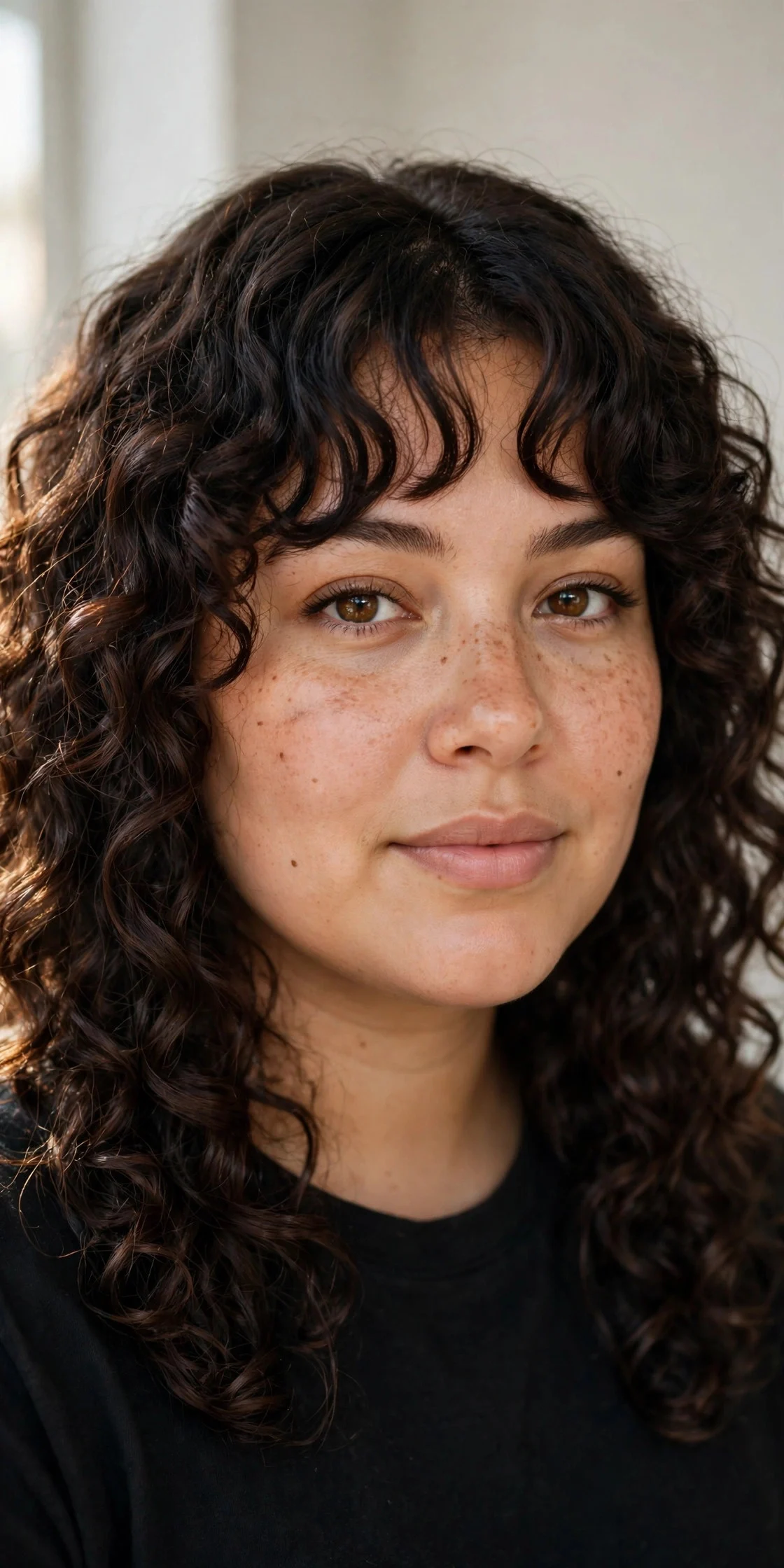
Ask for curtain bangs cut on dry, curly hair, with the shortest pieces landing at the cheekbones once the curls spring up. Cutting curls dry matters, because wet curls shrink and a fringe cut too short will bounce up to the forehead. This suits natural curls and waves from loose to tight, framing a round face without hiding it. Style with a curl cream, scrunching the bangs to each side, and avoid brushing them out. Trims every eight to ten weeks keep the shape tidy. The drawback is that curly bangs react to humidity, so some days they will look shorter and fuller than others.
6Side-Swept Curtain Bangs
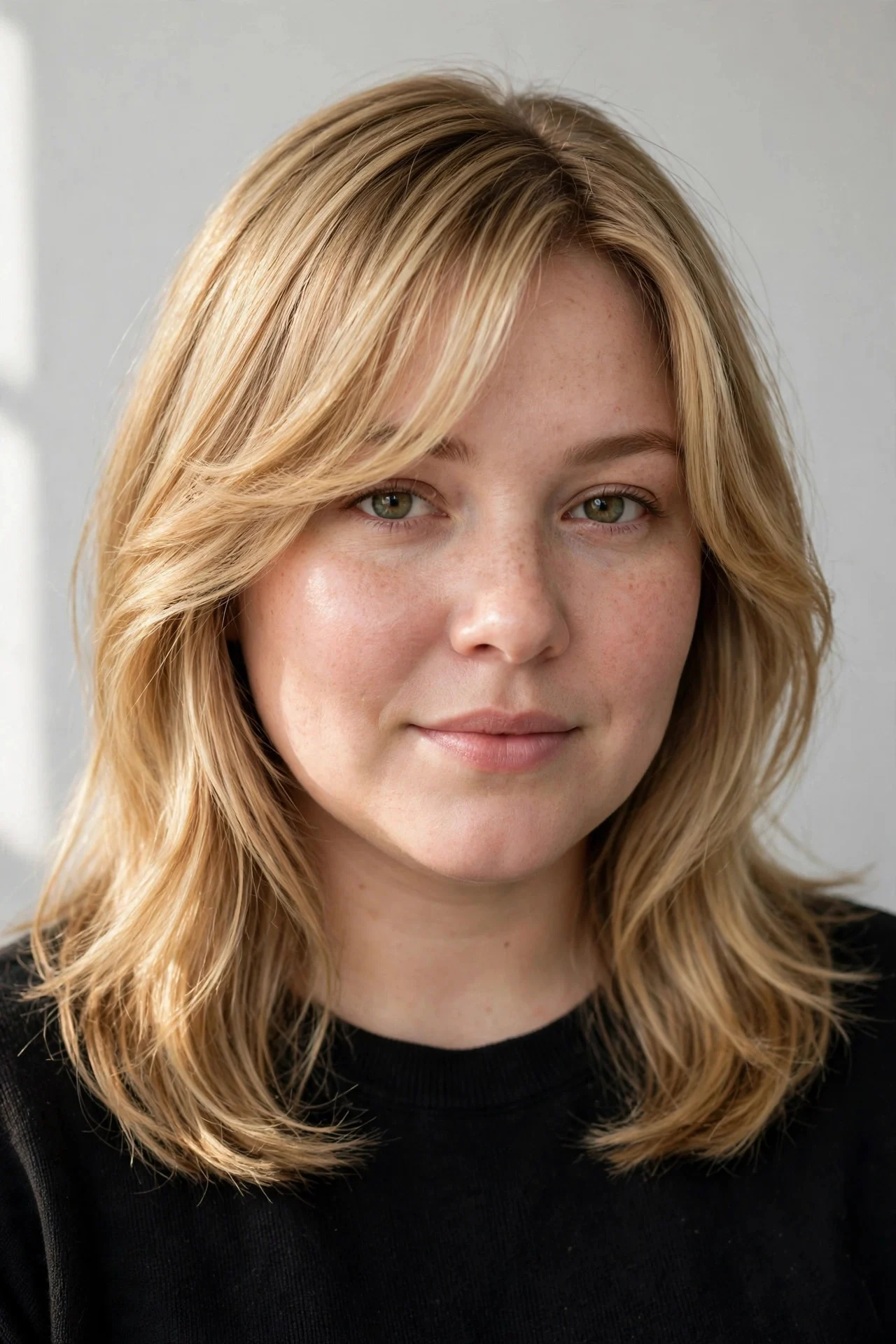
Ask for a deep side part with curtain bangs that sweep across the forehead, the shorter pieces near the brow and the longer ones past the cheek. The diagonal line breaks up roundness in a way a straight centre part sometimes cannot. This suits straight and wavy hair, and works beautifully on a bob or a lob. Blow dry the bangs to the side with a flat brush, then finish with a light hold spray. Trims every four to five weeks keep the sweep from falling into the eyes. The drawback is that a side sweep needs daily styling, since it will not fall into place on its own.
7Curtain Bangs with a Bob

Ask for a chin-length bob with curtain bangs that graze the cheekbones, keeping the ends of the bob slightly textured rather than blunt. The combination gives structure at the jaw and softness around the cheeks. This suits straight to wavy hair, and it is a strong choice for a shorter cut that still feels feminine. Style with a round brush for a smooth finish, or add a slight bend with a flat iron. Trims every four to five weeks are essential, since a bob loses its shape fast. The drawback is the upkeep, because short cuts demand more frequent salon visits than longer styles.
8Long Layers with Curtain Bangs and a Centre Part
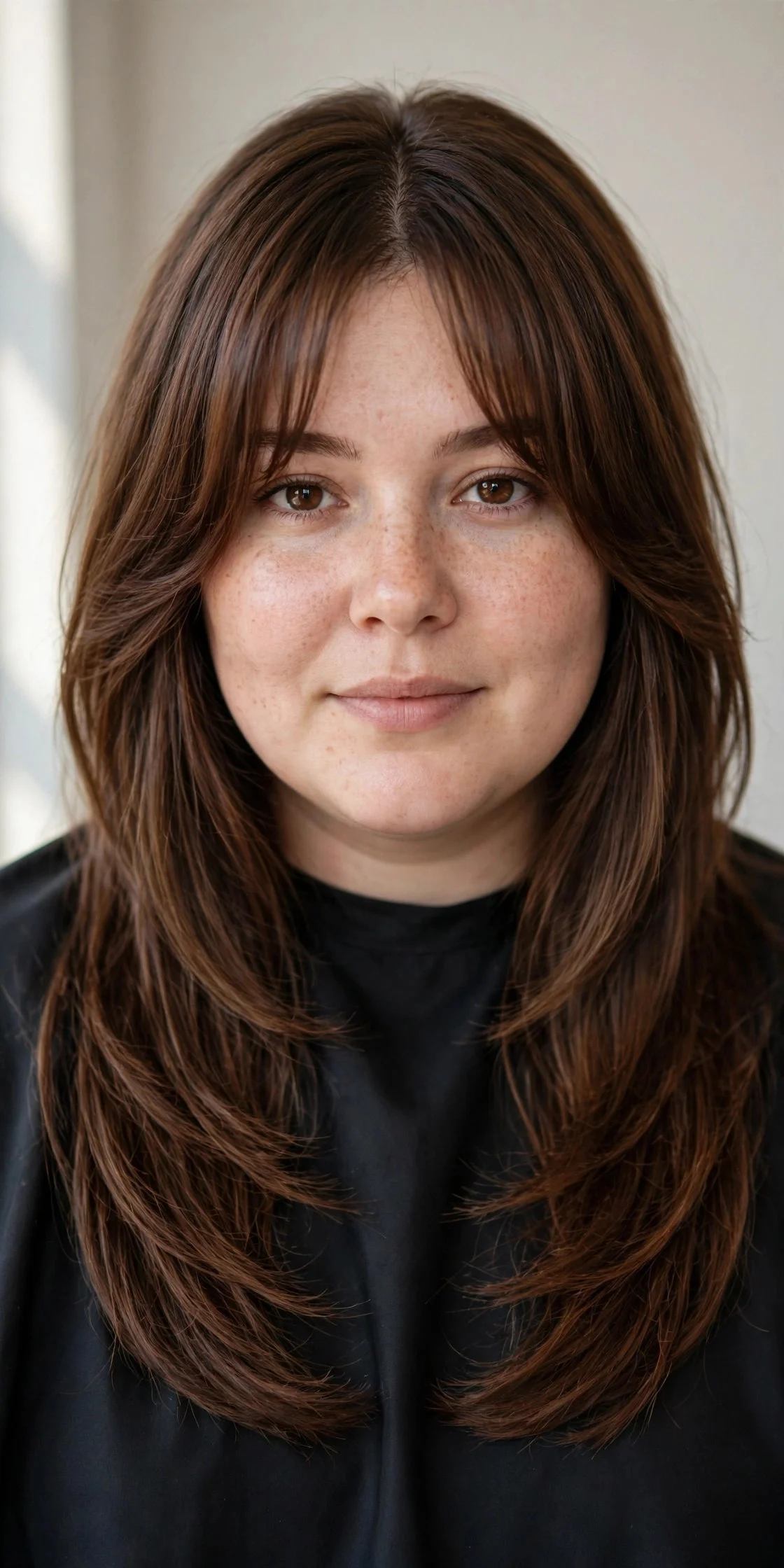
Ask for a clean centre part with curtain bangs that melt into long, face-framing layers, the shortest layer starting at the chin. The centre part plus the length of the layers creates a slimming frame around a round face. This suits thick hair best, since it can carry the layers without looking thin at the ends. Style by blow drying the bangs outward and the layers under, or wear it with soft waves. Trims every six to eight weeks keep the layers fresh. The drawback is that thick hair takes longer to style, so this is not a wash-and-go option unless your hair dries wavy.
9Curtain Bangs with a High Ponytail
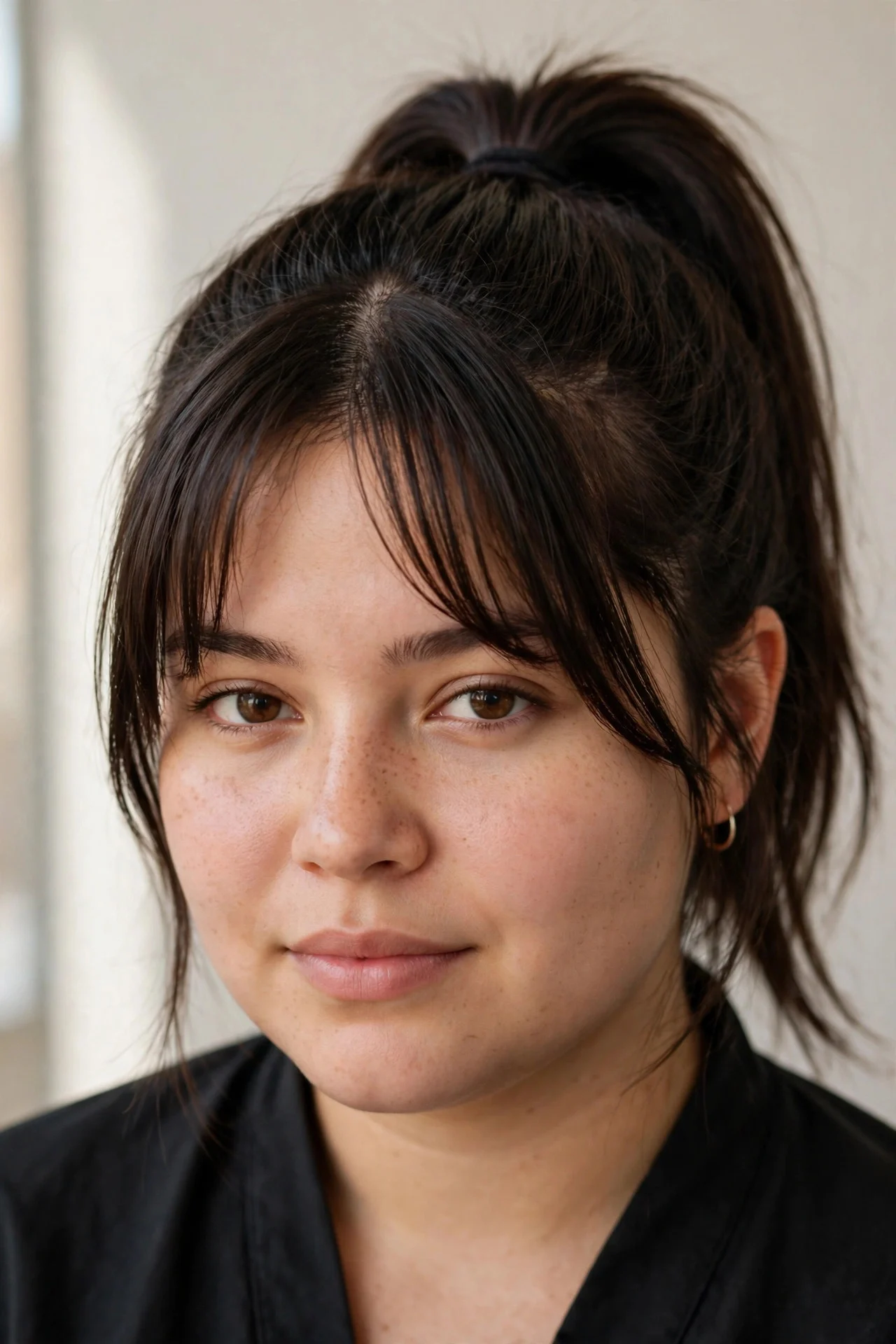
Ask for curtain bangs long enough to frame the face from a high ponytail without falling into the eyes. The loose pieces soften the face while the ponytail adds height, which balances a round face. This suits medium to long hair, straight or wavy, and it is ideal for busy days and workouts. Style the bangs quickly with a round brush or a flat iron bend, then pull the rest up high. Trims every five to six weeks keep the framing pieces at the right length. The drawback is that bangs and ponytails both need daily attention, so this is two styling jobs instead of one.
10Soft Curtain Bangs with a Lob
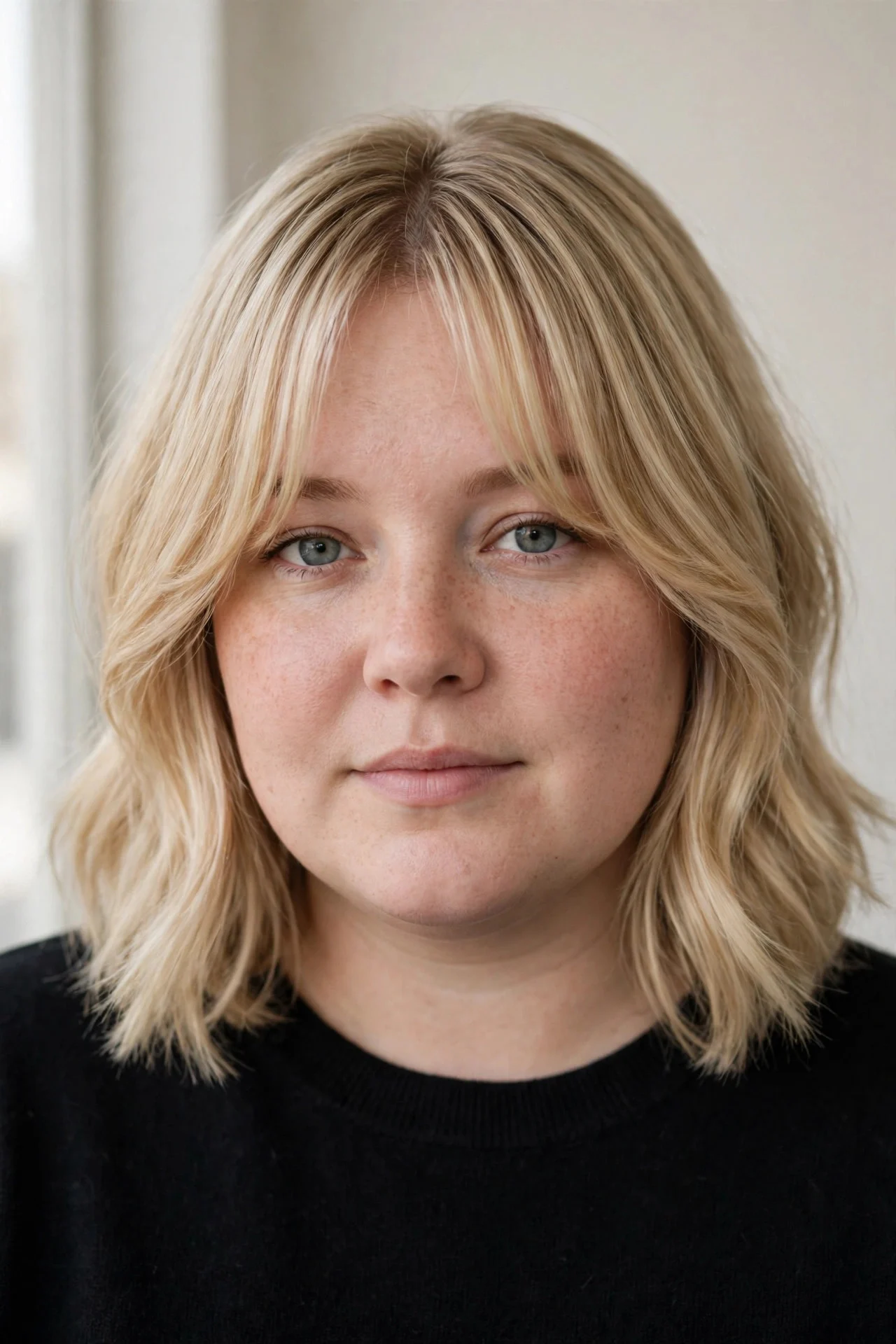
Ask for a long bob that sits just below the shoulders, with soft curtain bangs that start at the brows and sweep to the cheekbones. The lob is forgiving for a round face, because it ends below the jaw and keeps the face looking longer. This suits almost every hair type, from fine to thick, and it is easy to dress up or down. Style with a round brush for polish, or add beachy waves for a relaxed finish. Trims every six weeks keep the lob from creeping into a bob. The drawback is that the ends can flip out, so a quick pass with a flat iron is often needed.
11Curtain Bangs with Curtain Layers and Loose Waves
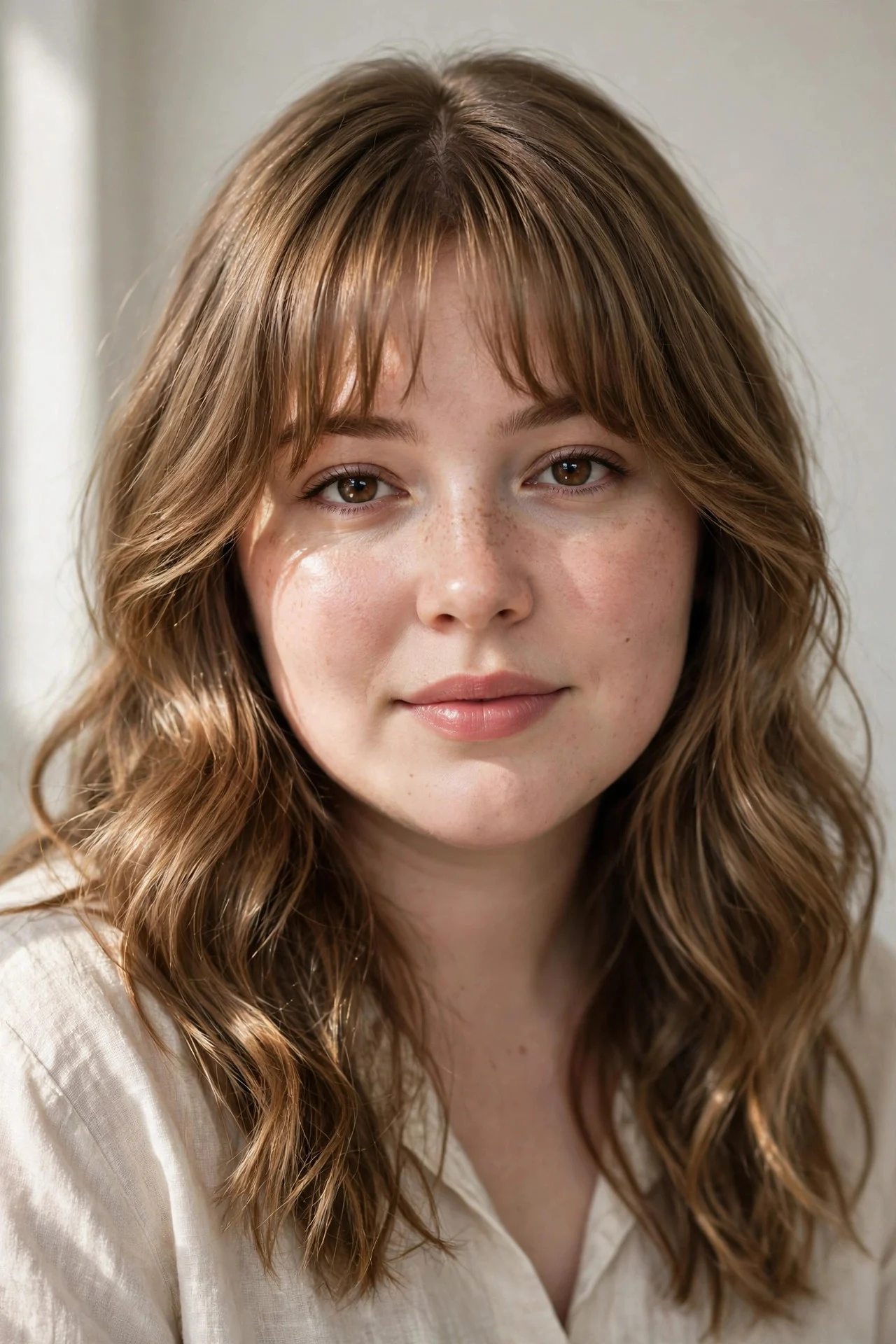
Ask for curtain bangs paired with soft, loose waves through the lengths, with the shortest wave starting at the cheek. The waves add width lower down, which balances the fullness of the cheeks and makes the shape look more oval. This suits naturally wavy hair and hair that holds a curl well. Style with a large barrel iron, curling away from the face, then brush through for softness. Trims every six to eight weeks keep the waves from looking weighed down. The drawback is that heat styling takes time, and the waves drop faster in humid weather, so a good texture spray is worth having.
12Curtain Bangs for Thick Hair
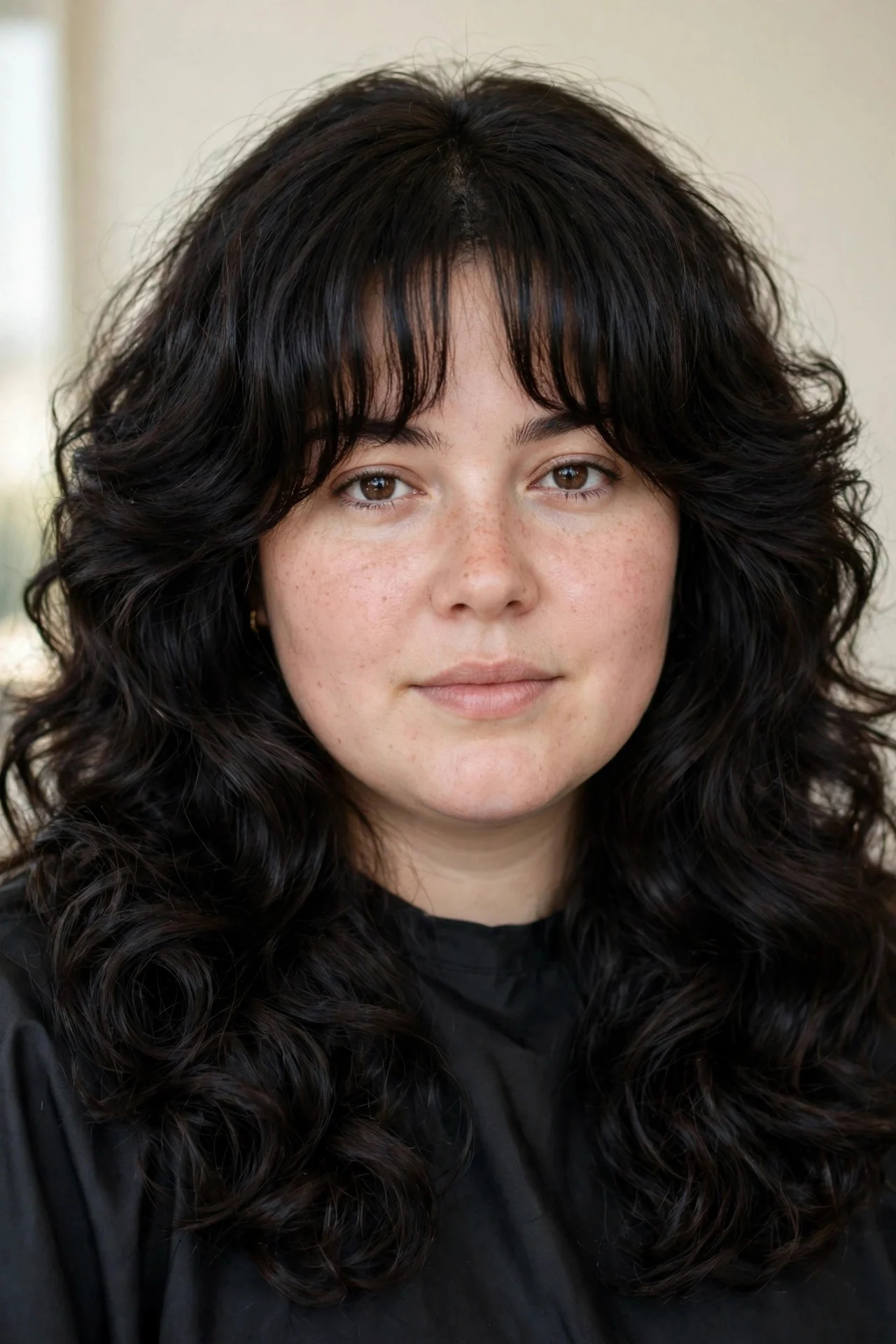
Ask for curtain bangs with the bulk thinned out through the ends, so the fringe moves instead of sitting like a solid curtain. Thick hair can make bangs look heavy on a round face, and thinning keeps them light and flattering. This suits thick, straight to wavy hair, and it works at shoulder length or longer. Style by blow drying with a round brush and smoothing cream, which tames frizz without flattening the shape. Trims every five to six weeks keep the weight from building back up. The drawback is that a bad thinning job can leave the bangs looking stringy, so choosing a stylist you trust matters more here.
13Curtain Bangs with a Low Bun
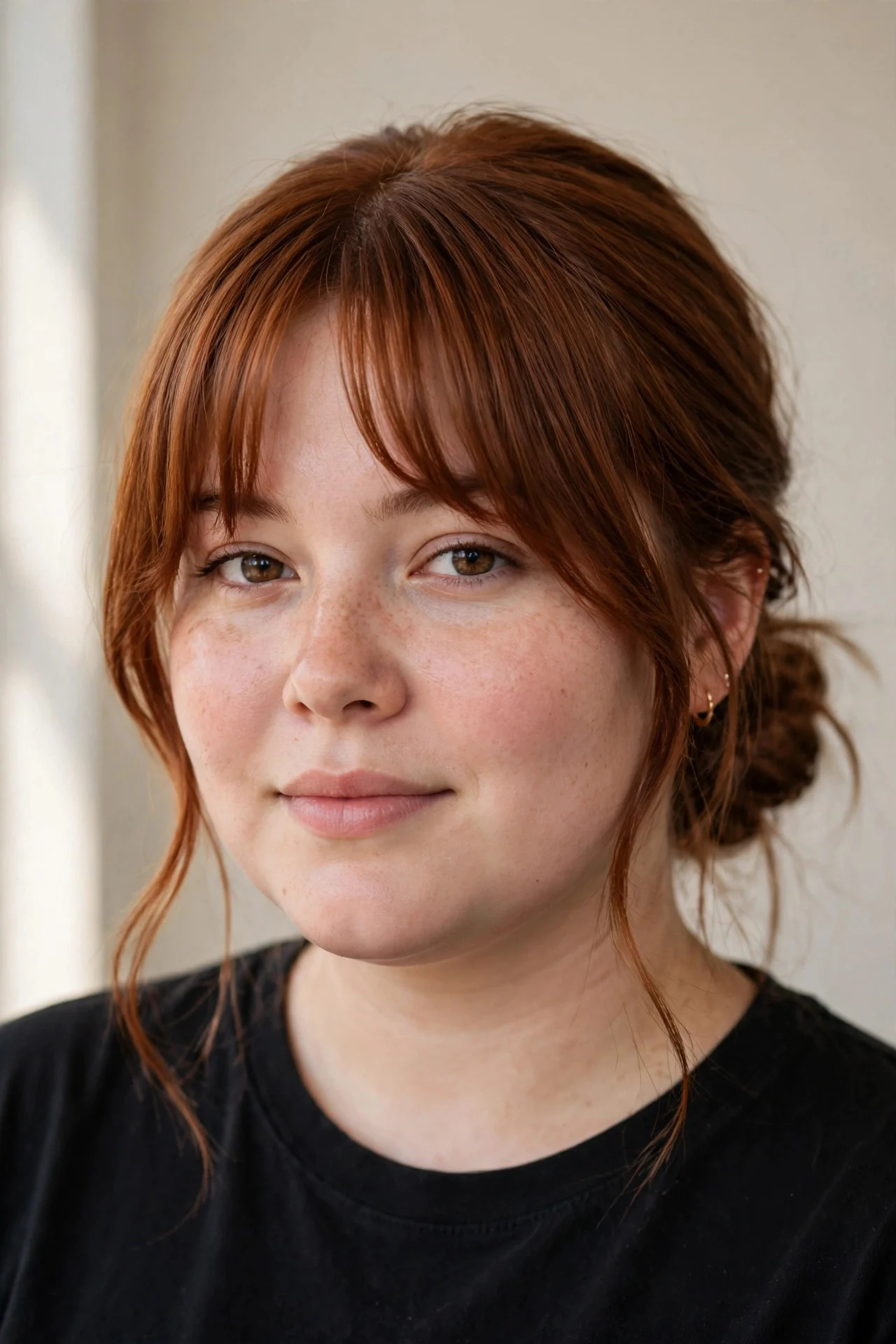
Ask for curtain bangs that frame the face when the rest of the hair is pulled into a low bun. This is a polished look for weddings and work events, and the loose pieces keep a round face from looking severe. It suits medium to long hair in straight, wavy, or curly textures. Style the bangs with a round brush, gather the rest into a low bun, and pull out a few wisps at the temples. Trims every five to six weeks keep the framing neat. The drawback is that updos with bangs take extra time, so this is not the fastest everyday option.
14Curtain Bangs with a Pixie Cut
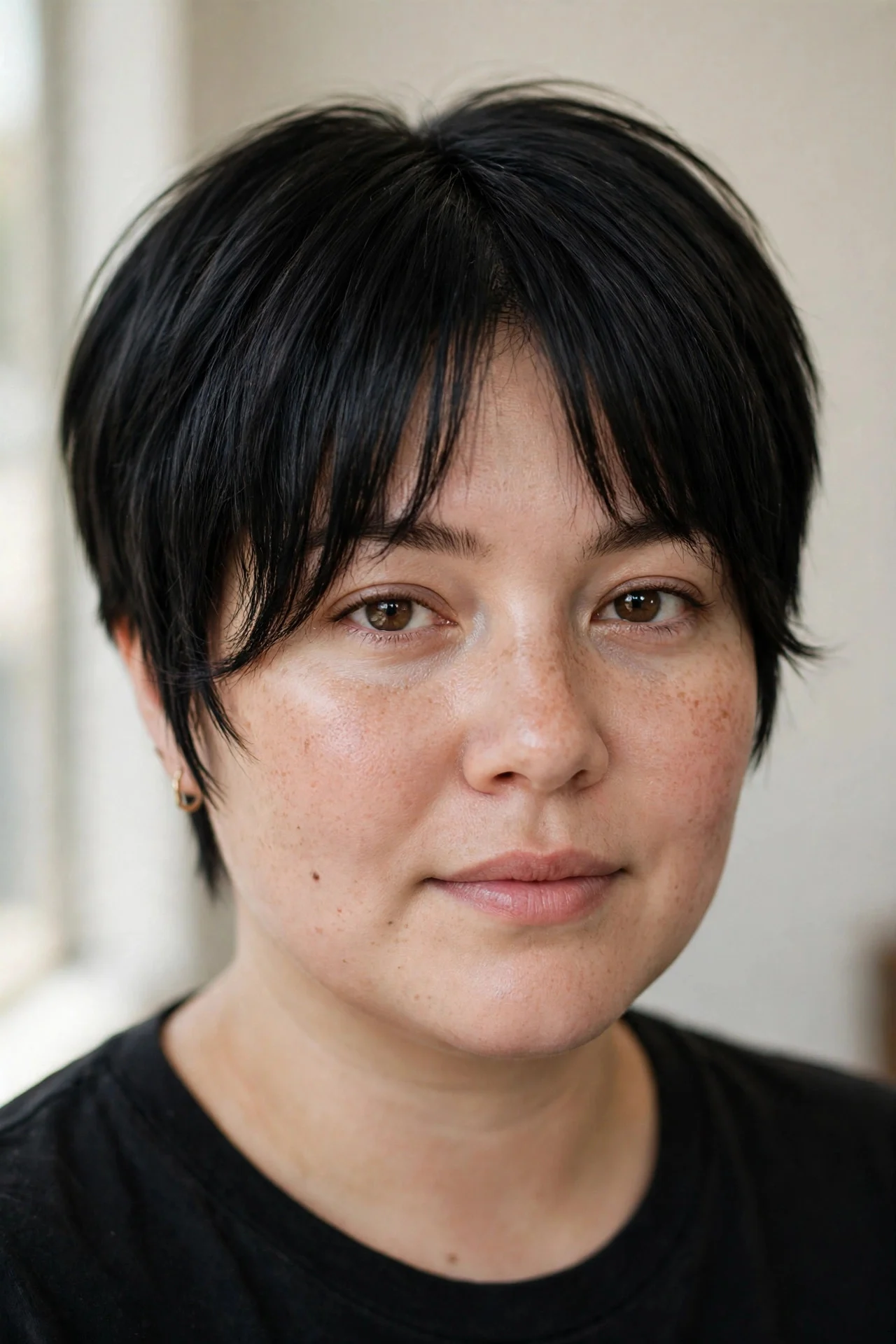
Ask for a pixie with longer curtain bangs on top that sweep to the sides, keeping the fringe soft and piecey rather than short and blunt. The longer fringe adds height on top, which balances a round face, while the short back keeps the cut fresh and modern. This suits fine to medium hair and anyone ready for a genuinely short style. Styling is quick, with a dab of pomade or texture paste to shape the fringe. Trims every three to four weeks are needed, since pixies grow out fast. The drawback is the maintenance schedule, because this is the highest upkeep option here, and growing it out takes months.
How to Style Curtain Bangs on a Round Face
Start with damp bangs and a round brush, blow drying the roots forward, then sweeping each side outward and away from the face. This creates the open curtain shape and stops the bangs from falling flat across the forehead. Light hold spray keeps the shape without making the hair stiff.
If your bangs separate oddly or fall into your eyes, a flat iron can fix the shape in seconds. Clamp near the root, bend the iron outward, and let the ends flick to the sides. Avoid pulling the bangs straight down, since that closes in the face. On second or third day hair, dry shampoo at the roots lifts the fringe and buys another day.
Frequently Asked Questions
Do curtain bangs suit a round face?
Yes, curtain bangs are one of the best fringe choices for a round face. They part in the middle and sweep to the sides, creating vertical lines that make the face look longer. Keep them long enough to reach the cheekbones or jaw, so they frame the face instead of cutting across it.
How long should curtain bangs be on a round face?
The shortest point should sit at the brow or cheekbone, with the longest pieces reaching the jawline or chin. Shorter bangs can make a round face look wider, so length is your friend here. Your stylist can adjust the length to suit your hair texture and how much forehead you want to show.
Are curtain bangs hard to maintain?
They need more upkeep than no bangs at all, but less than a blunt fringe. Most people need a trim every five to six weeks to keep the shape. Daily styling takes only a few minutes with a round brush or flat iron, and dry shampoo keeps the bangs fresh between washes.
Can curtain bangs work on curly hair?
Yes, but they must be cut dry so the stylist can see where the curls will actually sit. Curls shrink as they dry, so a fringe cut wet will end up much shorter than expected. With the right cut and a little curl cream, curtain bangs look soft and natural on curly hair.
What should I ask my stylist for?
Ask for curtain bangs with a soft centre part, the shortest pieces at the cheekbones, and the longest pieces at the jaw. Ask for them blended into face-framing layers rather than cut as a separate block. Bring a photo of a style you like, since it helps your stylist match the length and texture you want.
Curtain bangs are a forgiving, flexible choice for round faces, with a version here for almost every hair type and length. Start with the length that feels safest, give yourself a week to learn the styling, and decide if they are a keeper. Keep exploring the site for more face shape guides, styling ideas, and cuts that flatter your features.
Keep exploring
If you liked these curtain bangs for round faces, check out how to cut curtain bangs at home, style curtain bangs without heat, wavy bob with bangs ideas for more ideas.