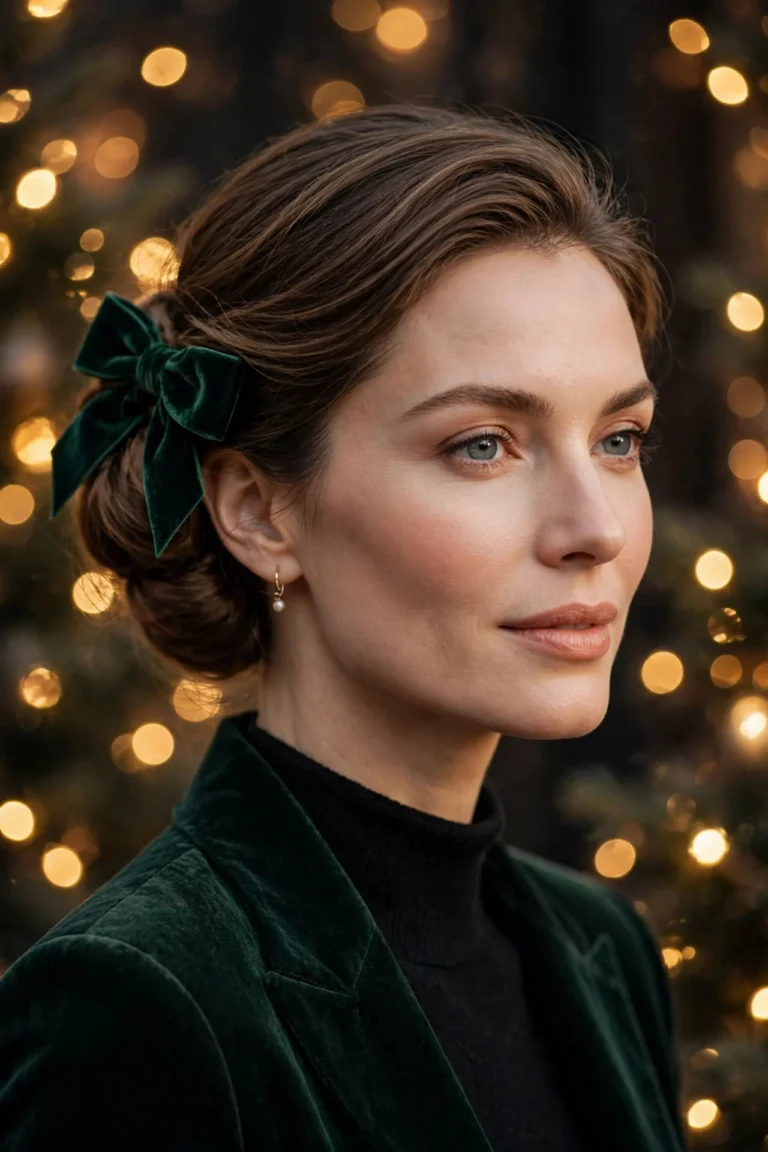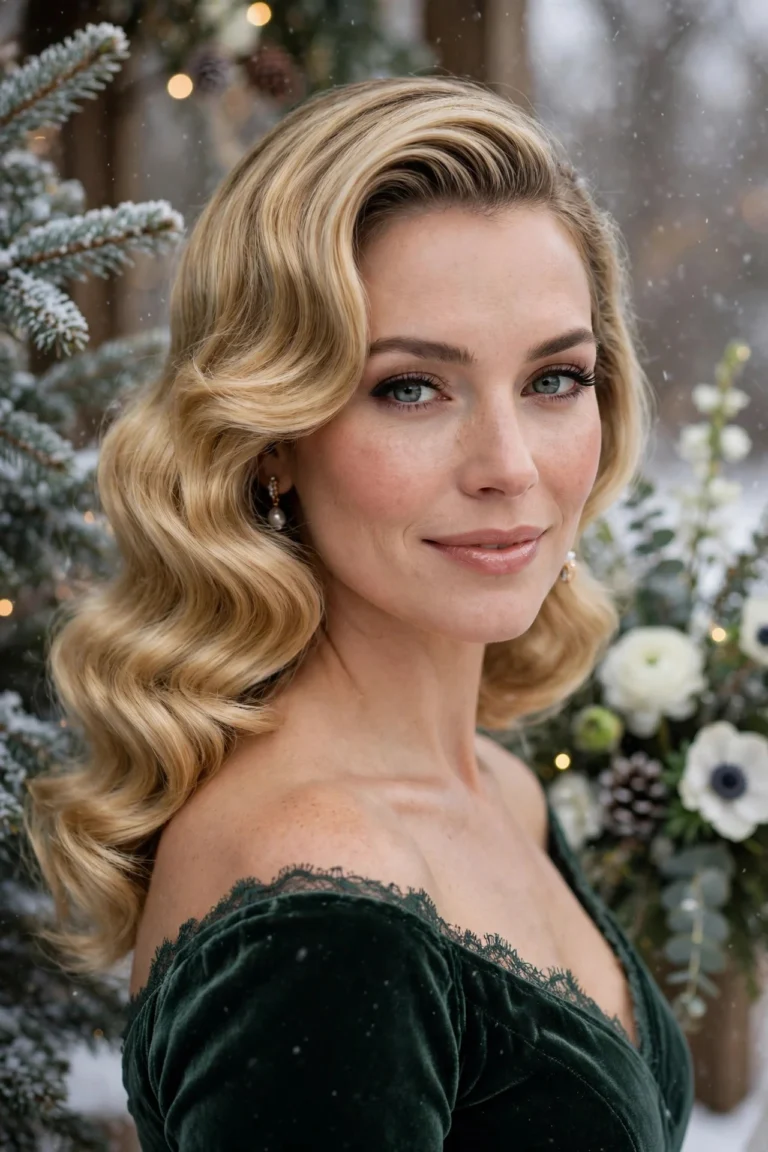
Day-two hair does not have to mean a bad hair day. When your roots turn shiny a little too fast, the right style can work with the oil instead of fighting it. Grease actually helps some looks hold better, and a bit of texture can make flat roots look full again. These twelve styles are made for real life, the kind of morning when you have ten minutes, a can of dry shampoo, and no plans to wash your hair. Pick the one that fits your length and your day, and your hair will look like you meant it to look this way.
1Textured High Ponytail
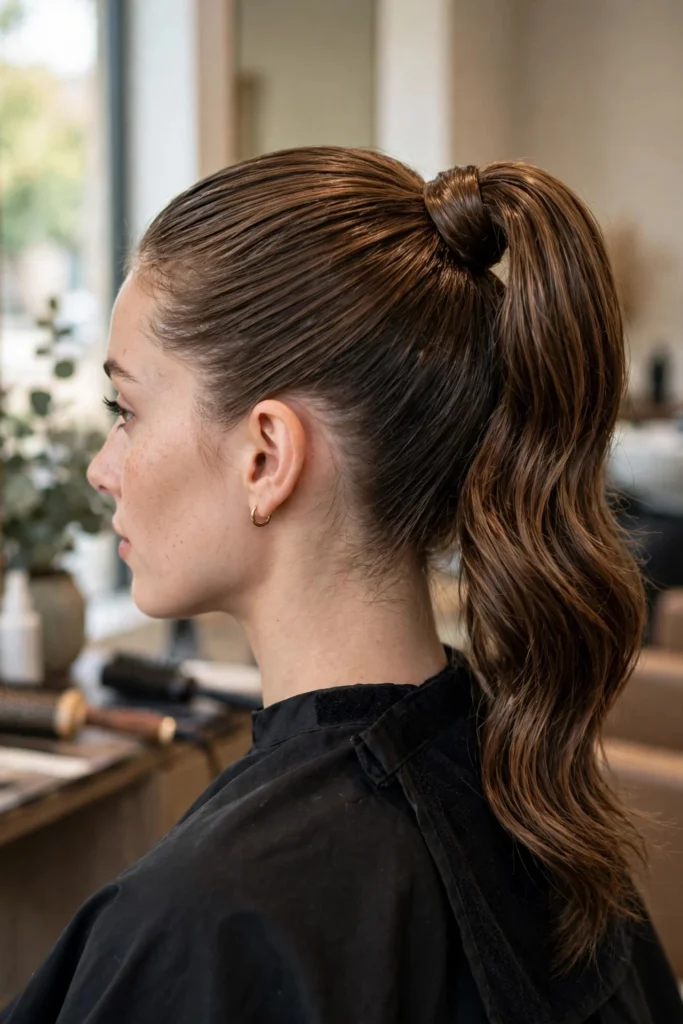
A high ponytail is the fastest fix when your roots feel heavy. Start by spraying dry shampoo at the crown, then flip your head upside down and brush the roots with your fingers to lift them. Gather the hair high, secure it with a snug elastic, and pull a few pieces loose around your face. Ask your stylist for long layers if you want more movement, since blunt ends can make a ponytail look flat. This suits straight and wavy hair best, and it works well for work, gym days, and errands. The drawback is tension. Wearing it tight every day can pull at your hairline, so switch the height and use a soft scrunchie when you can.
2Messy Top Knot
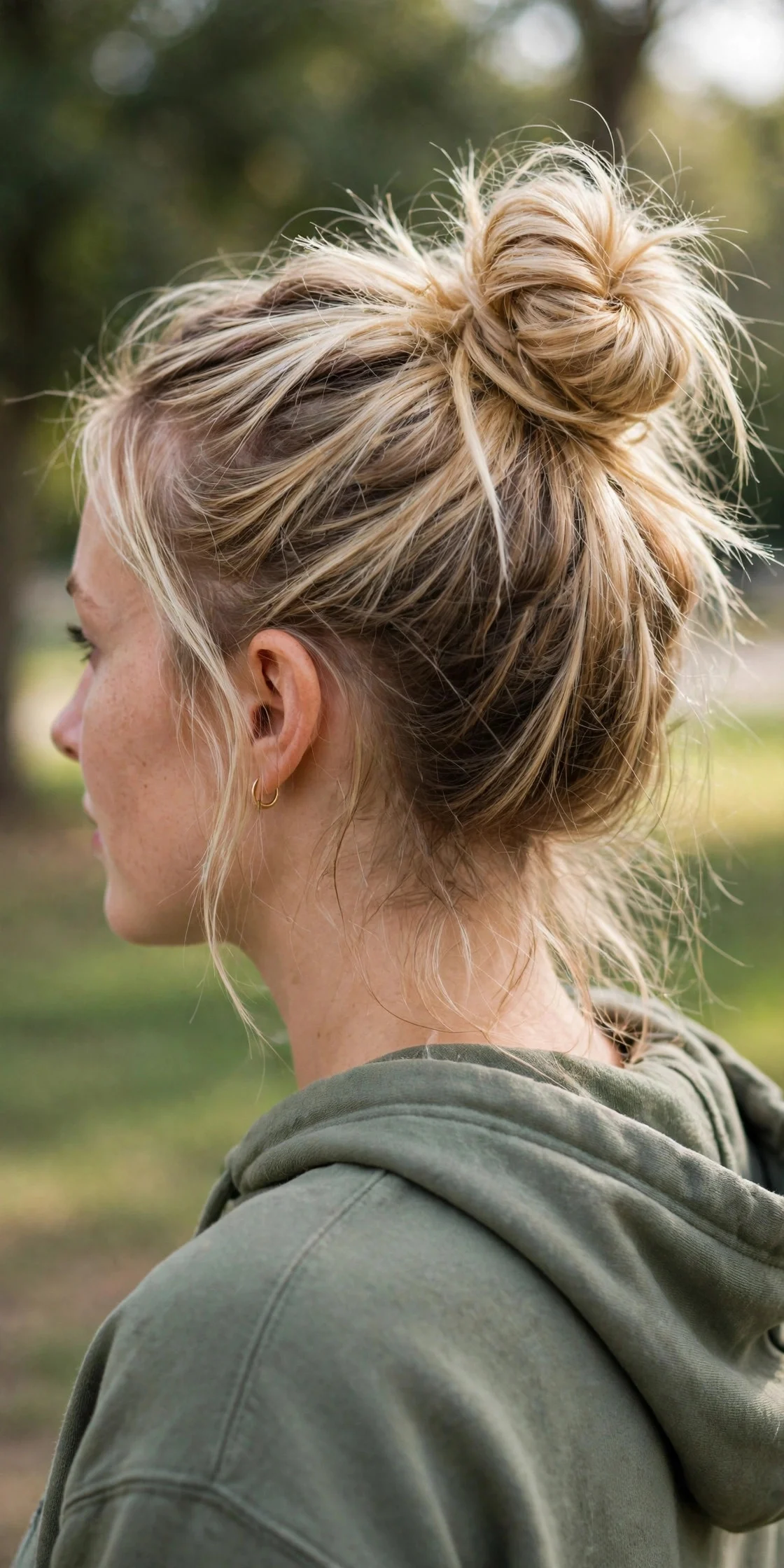
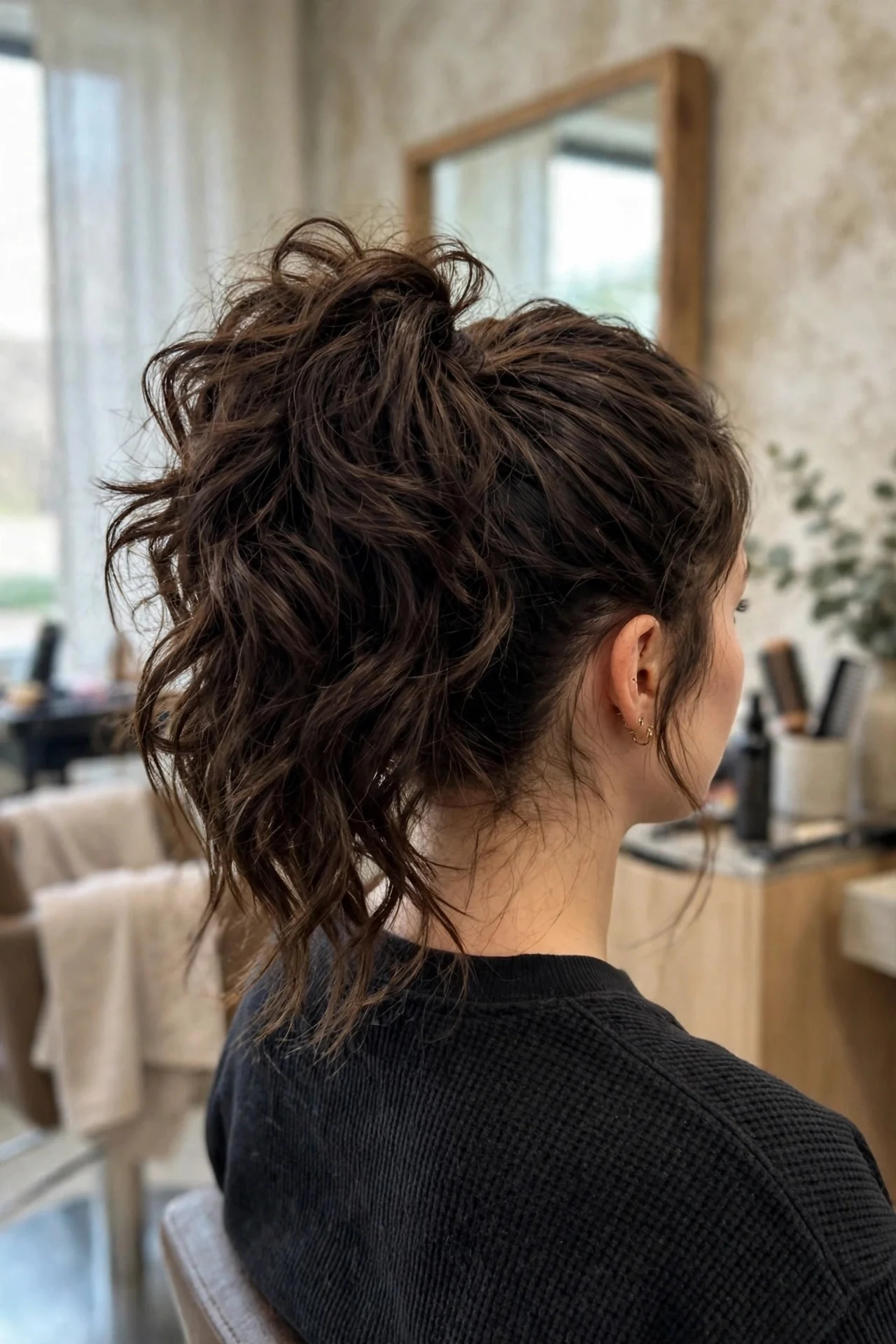
A messy top knot turns greasy roots into a feature. The natural oil gives the bun grip, so it stays put without a dozen pins. Pile your hair on top of your head, twist it loosely, and pin the ends in place. Leave the front pieces out for a softer finish, and tug at the bun gently to make it look full. This is ideal for thick hair and for anyone who wants their hair completely off their neck. Ask for face framing layers at your next cut if you like the pulled out pieces. The upkeep is low, but the style can look untidy in a formal setting. Keep a few bobby pins in your bag for touch ups.
3Sleek Low Bun
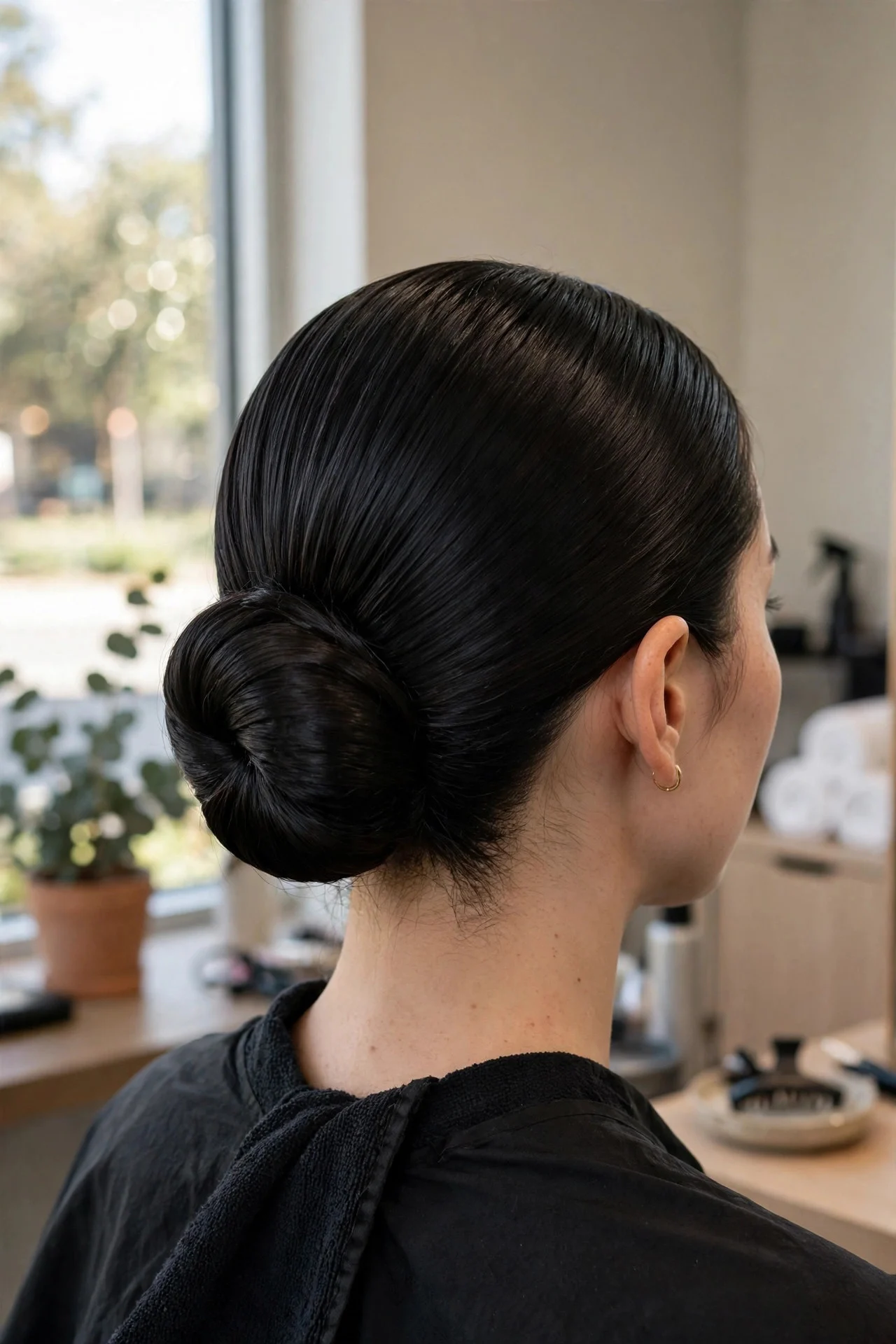
If your hair already looks slick at the roots, lean into it. A sleek low bun is polished, quick, and honest about what day-two hair does best. Brush everything back with a boar bristle brush, smooth the crown with a tiny bit of gel or pomade, and twist the length into a low bun at the nape. This suits fine hair especially well because the oil adds shine instead of weight. It is a strong choice for weddings, interviews, and office days. The downside is that it shows every bump, so take an extra minute to smooth the sides. A silk scrunchie helps stop creases and breakage.
4French Braid Crown
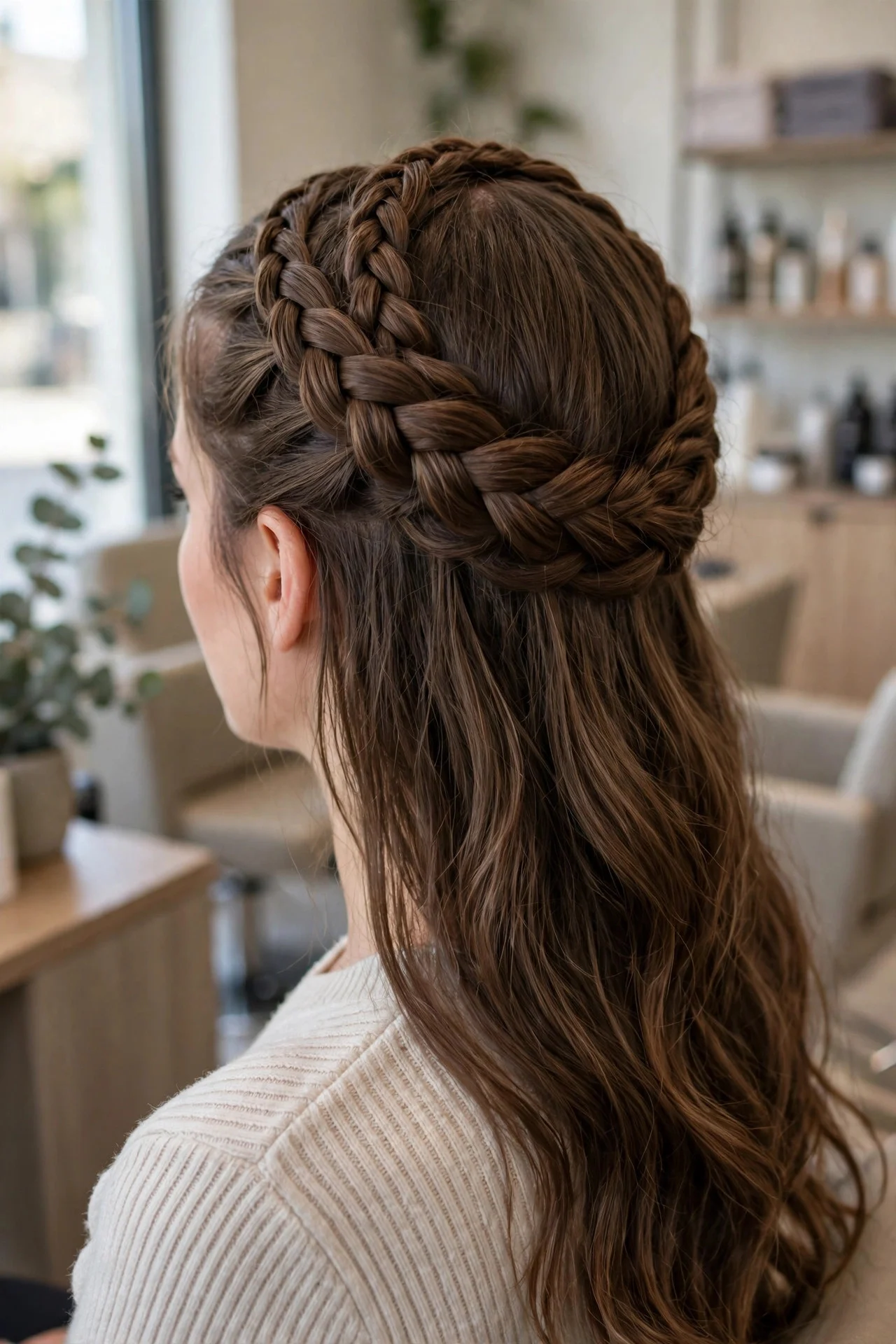
A French braid crown hides oily roots better than almost any other style. The braid pulls the greasiest section, the hairline and part, into the plait itself. Start at one ear, braid across the front, and continue around to the other side, then pin the tail underneath. The texture of the braid breaks up shine and adds shape where flat roots usually sit. This works for medium to long hair and suits wavy and straight textures. Ask your stylist to show you the hand placement once, and practice will do the rest. It takes a few extra minutes, and tight braiding daily can stress the edges, so keep it loose.
5Double Dutch Braids
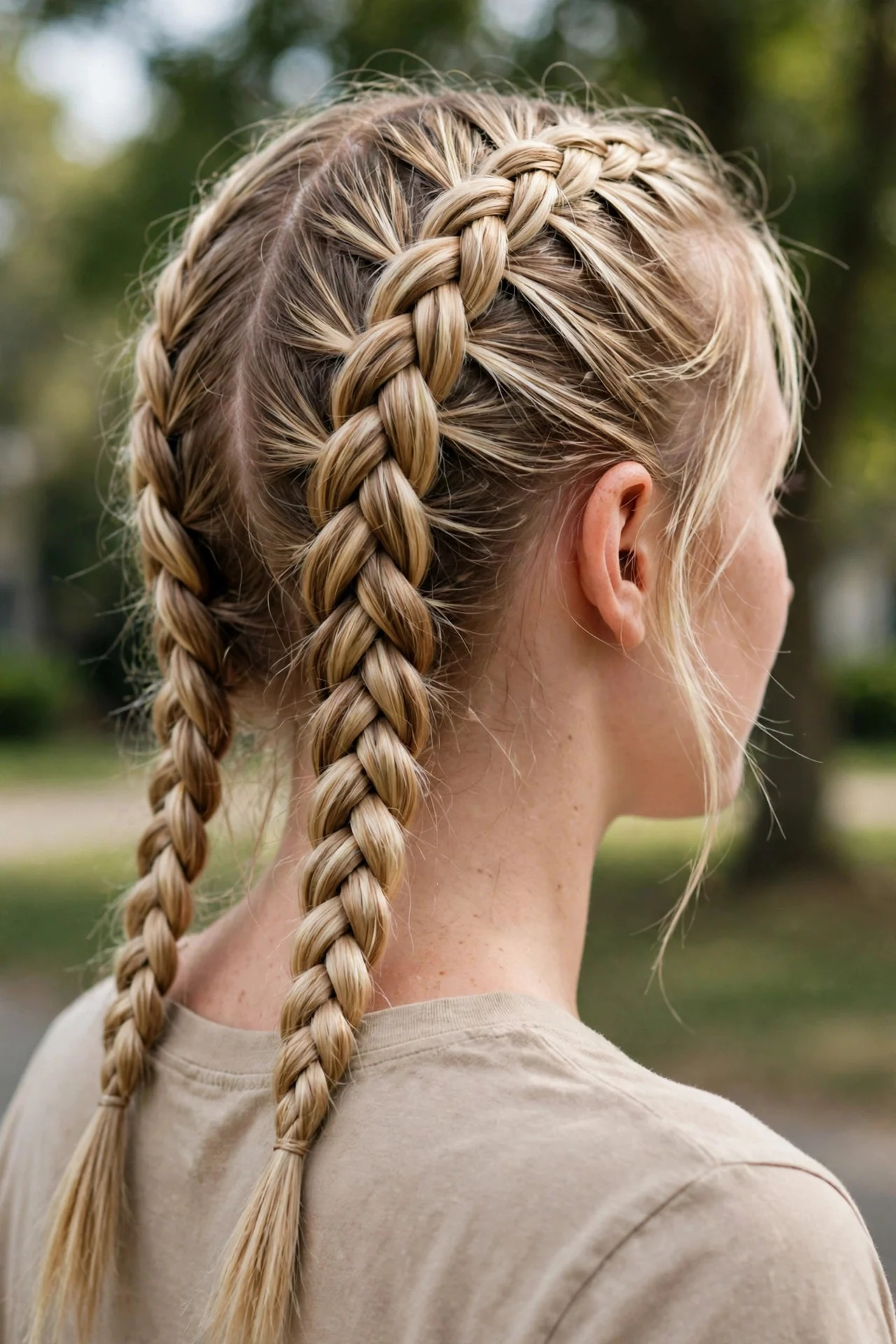
Double Dutch braids are a lifesaver on the greasiest days. They keep every strand off your face, they hide the part completely, and they look neat for hours. Part your hair down the middle, braid each side from the front to the nape, and secure with small elastics. A little dry shampoo before you start gives the braids grip and volume. This style suits long hair, thick hair, and active days, and it doubles as a great heatless wave setup for tomorrow. The cost is time. Two braids take longer than one, and the style can feel tight if you pull too hard. Loosen the plaits with your fingers for a softer look.
6Half-Up Claw Clip Twist
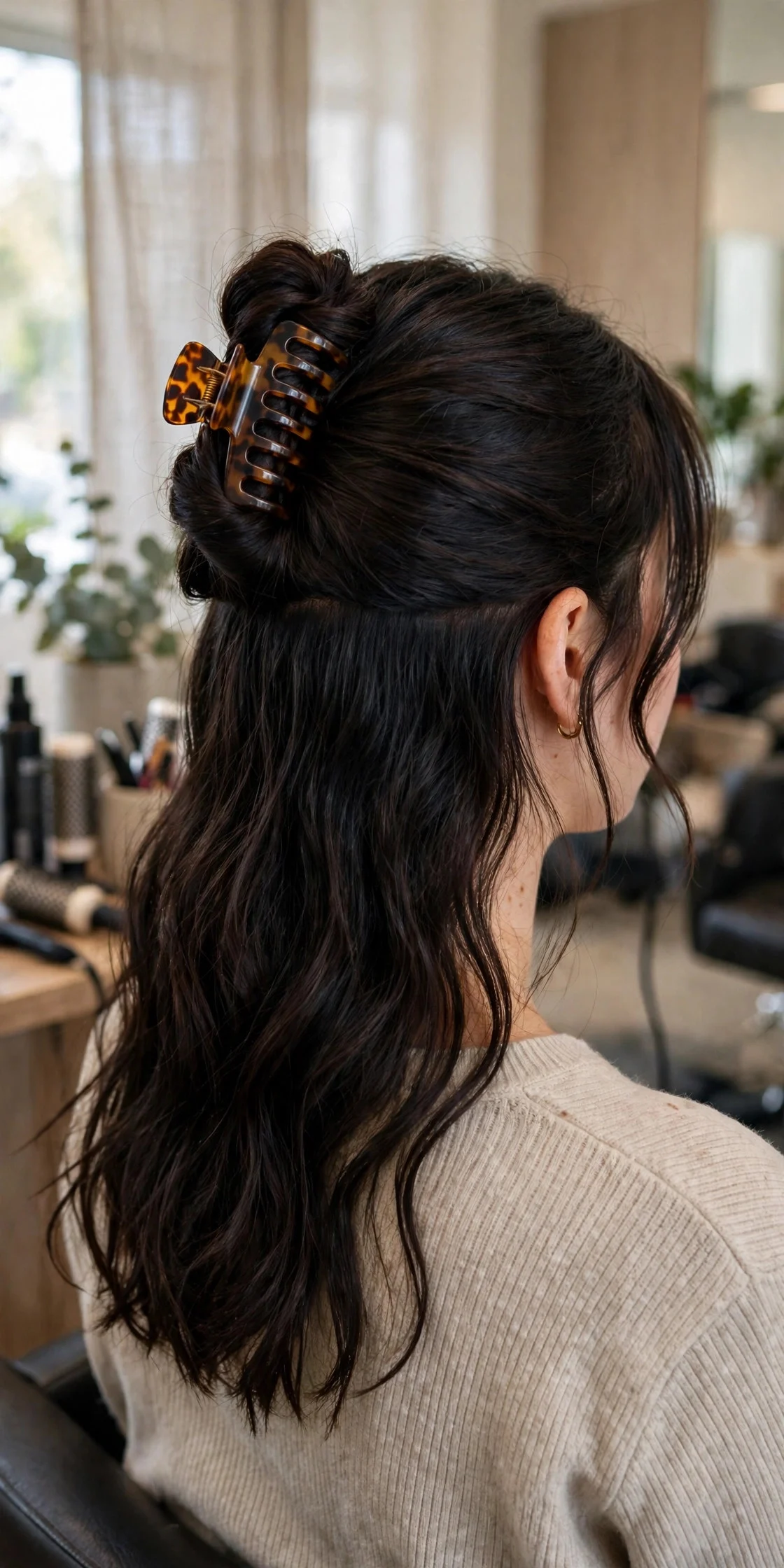
A half-up claw clip twist takes about two minutes and makes oily roots look intentional. Take the top section of your hair, twist it up, and clip it in place, leaving the rest down. The clip adds height at the crown, which is exactly where flat, greasy hair needs it. This works for shoulder length hair and longer, and it suits straight, wavy, and curly textures. At the salon, ask for layers that keep the bottom section from looking too heavy. The drawback is hold. Fine hair can slip out of a large clip, so choose a clip that matches your thickness and carry a spare. It is casual, so save it for everyday looks rather than formal events.
7Voluminous Blowout with Dry Shampoo
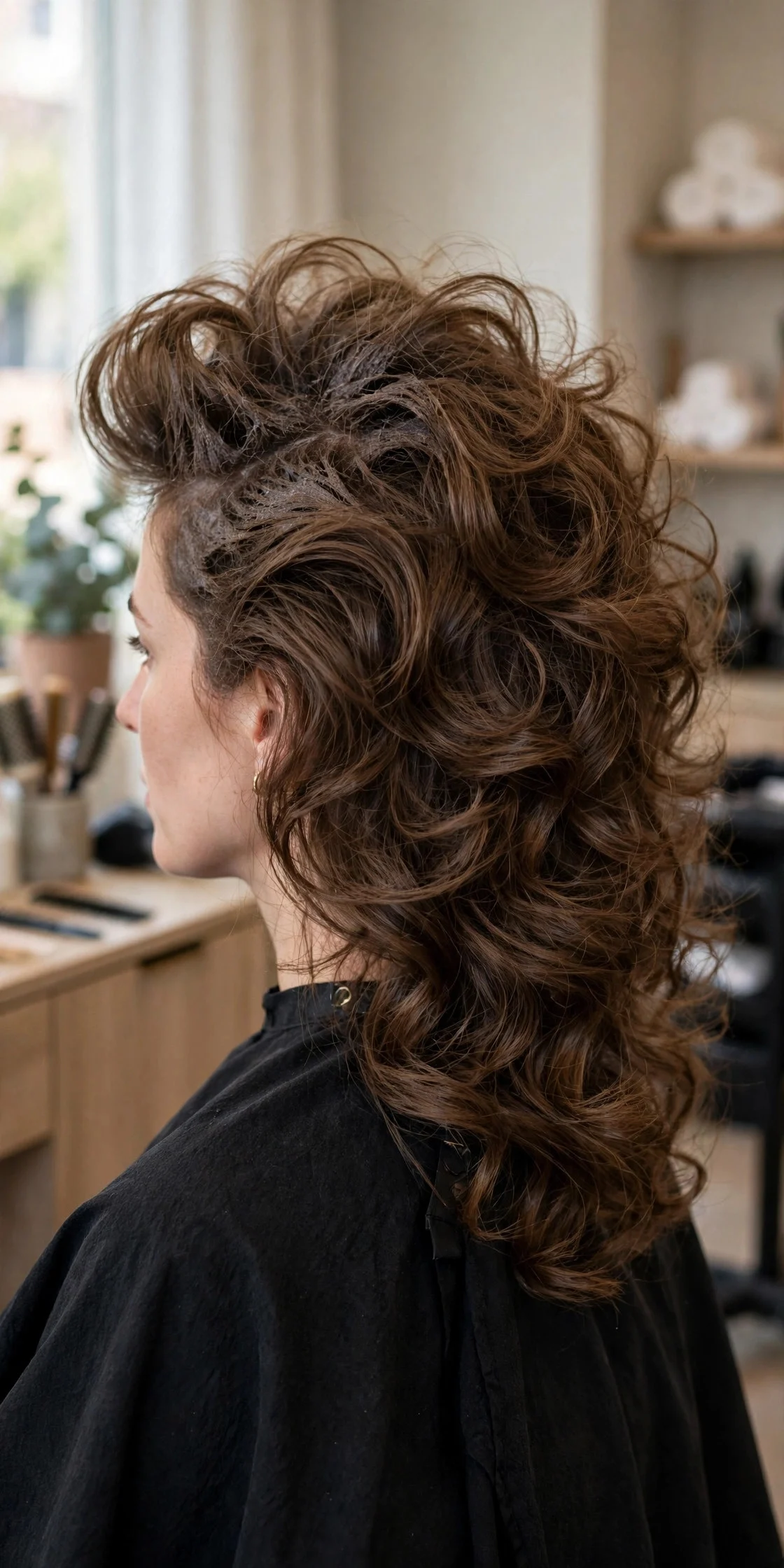
A blowout on day-two hair sounds odd, but it works when dry shampoo does the first step. Spray the roots in sections, wait a minute, then massage it in until the white cast fades. Blow dry with a round brush, lifting at the roots and curling the ends under or out. The heat and the powder together bring back body that oil had flattened. This suits medium and long hair and anyone who wants a polished finish without washing. At the salon, ask for a blowout with a root lift spray rather than heavy serum. The downside is buildup. Too much dry shampoo over several days can clog the scalp, so wash properly when you finally shampoo.
8Side-Swept Deep Part
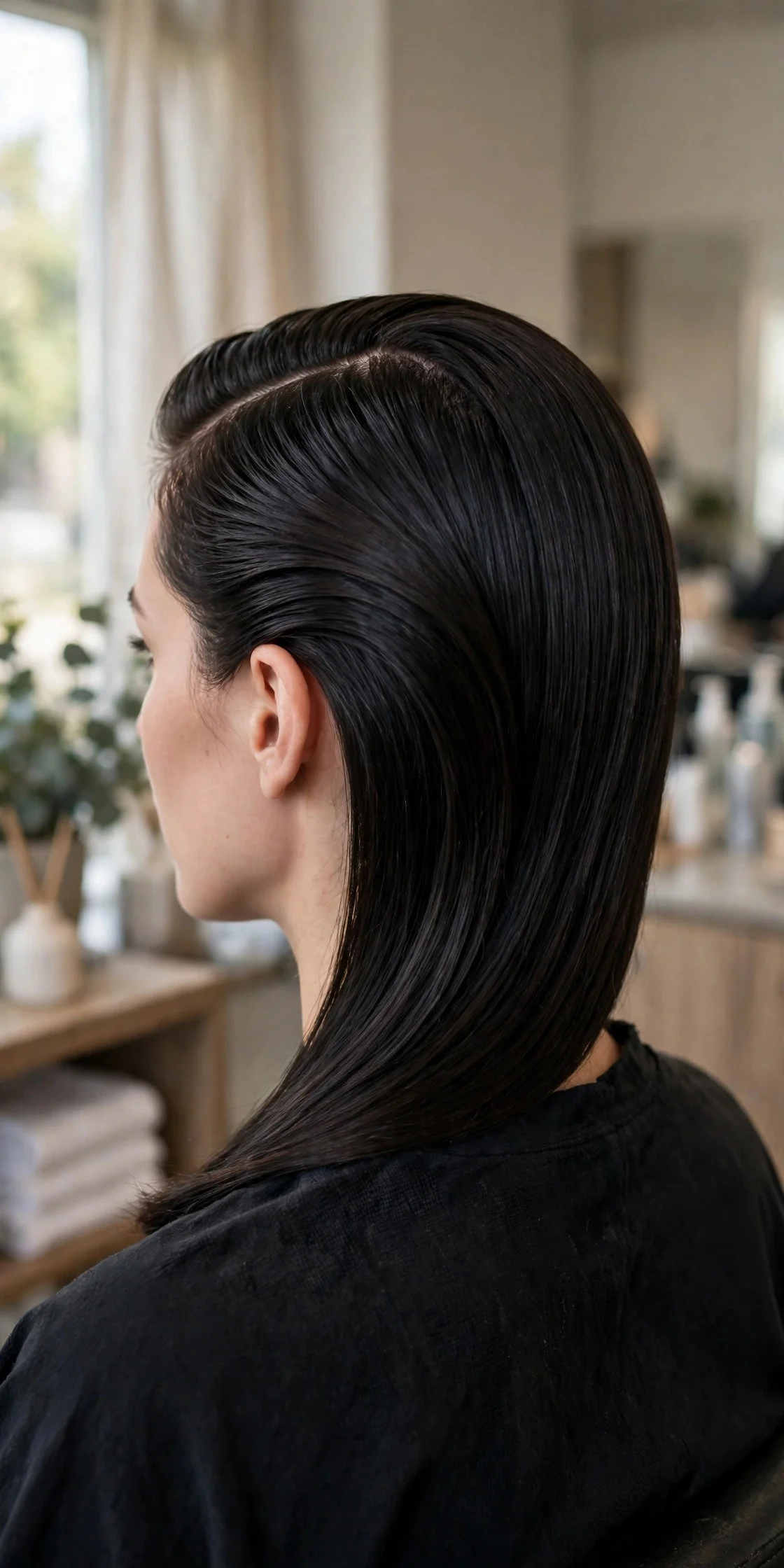
Changing your part is the simplest trick for oily hair. A deep side part moves the greasiest area, the usual center part, out of sight and creates instant volume on the heavier side. Sweep the hair across, tuck the smaller side behind your ear, and let the longer side fall over your shoulder. A light mist of texturizing spray keeps it from falling flat. This suits fine and medium hair, and it flatters round and square face shapes because the diagonal line softens the face. The upkeep is almost zero, but the style can collapse in humidity. A single bobby pin hidden behind the ear keeps the sweep in place all day.
9Braided Low Ponytail
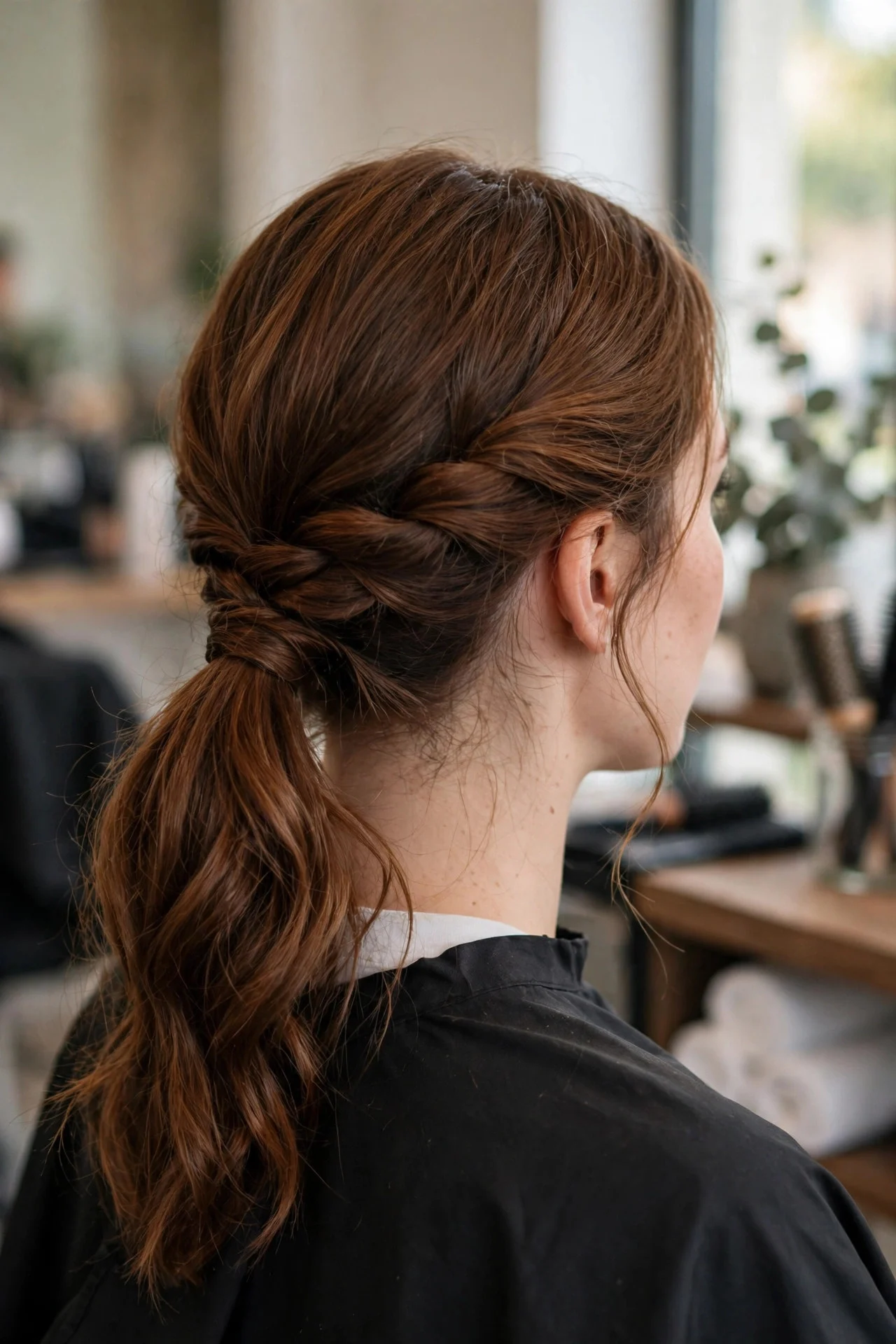
A braided low ponytail combines two grease hiding tricks in one style. The braid adds texture, and the low placement keeps the look relaxed. Gather your hair at the nape, braid the length, and secure the end. Pull the braid apart gently to make it look thicker, and wrap a small strand around the elastic to hide it. This is ideal for long hair and for days when you want something neat but not severe. Ask your stylist for long layers if your braid looks too thin. The main drawback is that a braid can highlight uneven ends, so trim regularly. It is also not the best choice if your hair is very short.
10Messy Side Braid
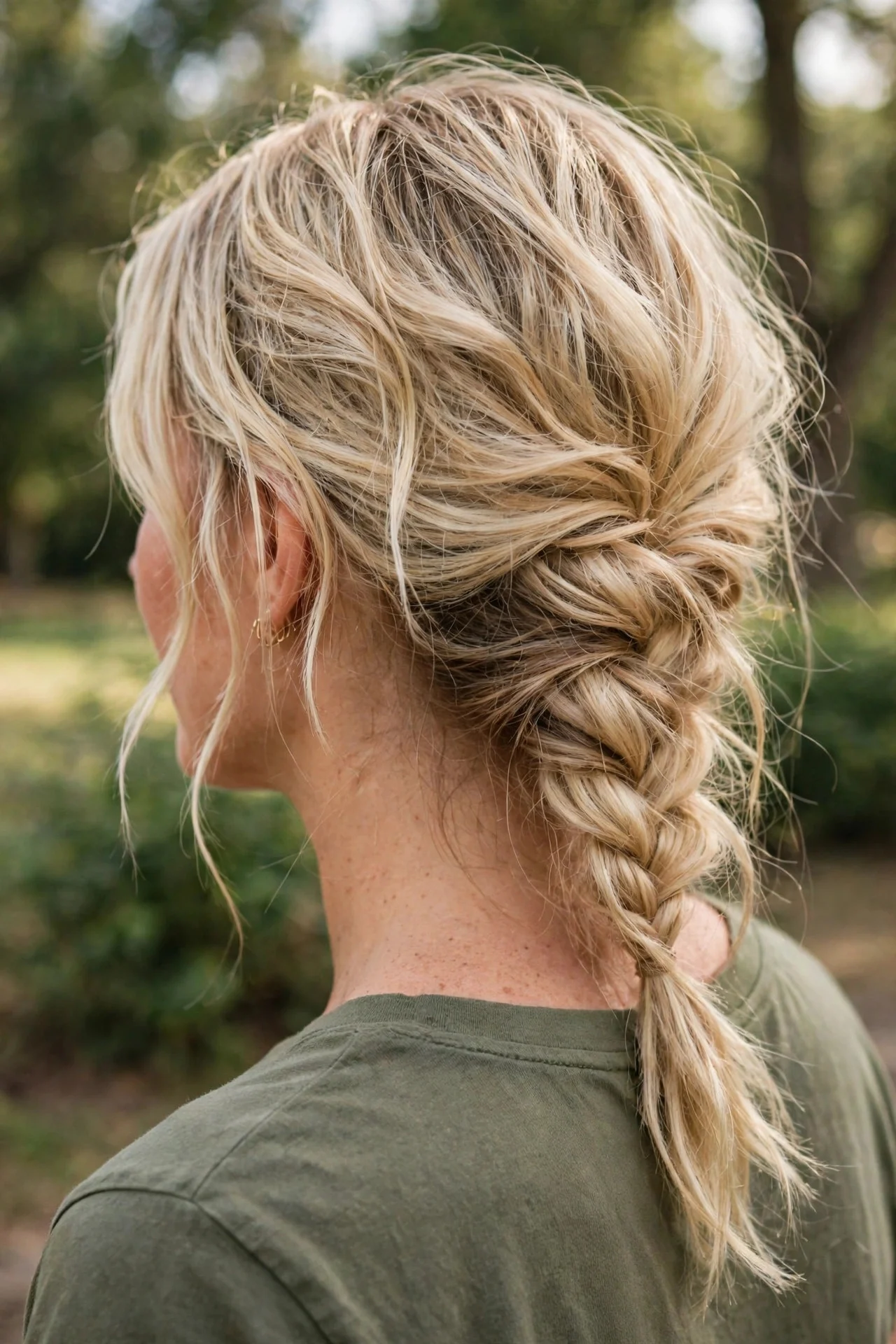
A messy side braid is the relaxed cousin of the braided ponytail, and it is perfect for day-two texture. Sweep all your hair over one shoulder, braid it loosely, and pull out a few face framing pieces. The oil helps the braid stay together, and the looseness hides any shine at the roots. This suits wavy and curly hair best, since the natural texture fills out the braid. It works for casual days, travel, and evenings out with a dressier outfit. At the salon, ask for soft layers around the face to make the pulled out pieces look deliberate. The style can unravel if your hair is very silky, so use a texturizing spray first and a small elastic at the end.
11Slicked-Back Wet Look
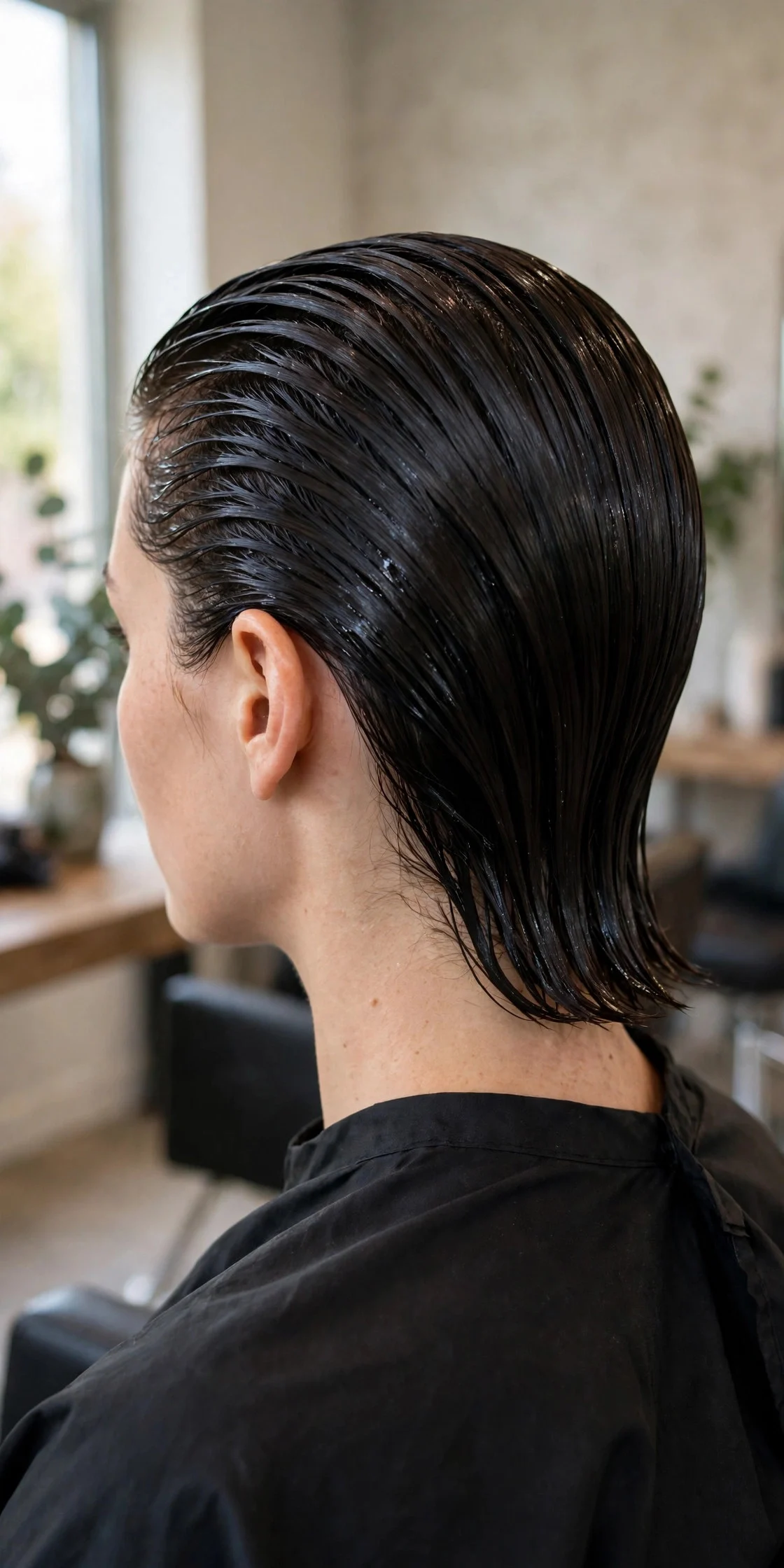
The wet look is one of the few styles where oily roots are actually an advantage. Brush your hair straight back, smooth it with gel, and let the length fall loose or tie it into a low ponytail. The shine reads as intentional gloss rather than grease. This suits straight hair and sleek bobs as well as long hair, and it looks striking for evenings, photos, and events. Ask your stylist for a strong hold gel that does not flake, and use a fine tooth comb for a clean finish. The drawback is that it is a bold look, not an everyday one, and too much product can feel heavy. Wash it out properly at night so the gel does not build up.
12Bubble Ponytail
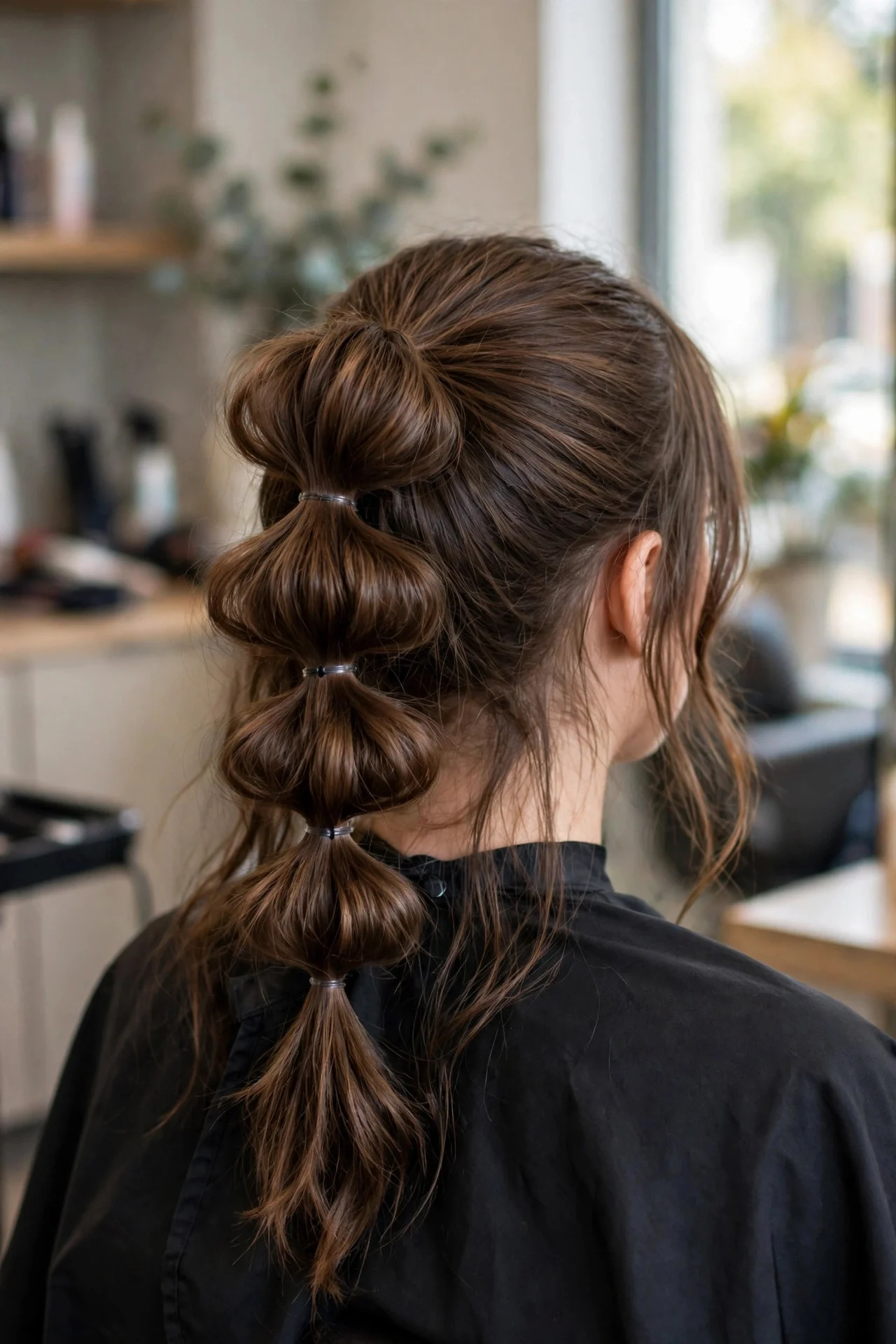
A bubble ponytail adds fun and volume to flat, oily hair. Pull your hair into a high or mid ponytail, then add elastics every few inches down the length. Gently pull each section outward to create round bubbles. The shape distracts from the roots completely, and the elastics add structure that day-two hair often lacks. This suits long hair best, and it works for parties, festivals, and casual weekends. At the salon, ask for layers that keep the bubbles from looking too thin at the ends. The upkeep is simple, but the elastics can snag fine hair, so use snag free bands and remove them carefully. It is playful, so pair it with a simple outfit.
How to Style Oily Hair Without Washing It
Start with dry shampoo, but use it the right way. Spray it at the roots in sections, hold the can about six inches away, and wait a full minute before you massage it in. That pause lets the powder absorb the oil instead of just sitting on top of it. A boar bristle brush helps spread the natural oil down the length, which makes the ends look healthier and the roots less shiny. Avoid heavy serums and oils near the crown, since they add to the problem. Keep your hands off your hair during the day, because touching it transfers more oil. At night, sleep with your hair in a loose braid or a silk bonnet to slow down grease and frizz. When you do wash, use lukewarm water, shampoo the scalp twice, and keep conditioner on the ends only. A clarifying shampoo once a week can reset buildup, but do not use it every wash or your scalp may produce even more oil.
FAQs
How often should I wash oily hair?
Most people with oily hair do well washing every other day, or every two days with dry shampoo in between. Washing daily can strip the scalp and trigger more oil, while waiting too long lets buildup irritate the scalp. Watch how your own hair responds and adjust from there.
Does dry shampoo damage hair?
Dry shampoo is safe when used in moderation, but it is not a replacement for washing. Using it several days in a row can clog follicles and leave a dull coating. Use it on day two, wash on day three, and brush it out well before bed.
What hairstyles hide greasy roots best?
Braids, buns, and textured ponytails hide greasy roots best because they pull the oiliest sections into the style itself. A French braid, a messy top knot, and a sleek low bun all work well. Avoid leaving flat, straight hair down with a center part on a greasy day.
Can I use hair oil if my hair is already oily?
Yes, but only on the ends. A drop of light oil on the mid lengths and tips can stop dry ends from looking frizzy, and it will not add grease to your roots if you keep it away from the scalp. Avoid heavy oils and butters near the crown.
Why does my hair get oily so fast?
Oil production depends on hormones, genetics, weather, and habits. Touching your hair often, using heavy products, and overwashing can all make it worse. A balanced shampoo routine, lighter styling products, and styles that keep hair off your face can help stretch the time between washes.
Keep exploring
If you liked these ideas, check out 10 Quick Hairstyles for Dirty Hair Days (2026), 10 Quick Updos for Work and 12 Christmas Morning Hairstyles (Quick & Easy).