I spent a solid decade describing my natural hair color as “just brown” before a colorist looked at it more closely during a consultation and pointed out the warm, reddish undertone running through it that I’d genuinely never noticed before. She used the term “ginger brown” to describe what she saw, and once she pointed it out, I couldn’t unsee it. That single observation changed how I approached my hair color entirely, shifting me from years of fighting my natural warmth with ashy, cool-toned dyes toward finally working with what was already there.
Since that consultation, I’ve spent considerable time understanding exactly what ginger brown hair color involves, the specific variations within this broader category, and how to achieve and maintain it whether you’re working with a natural base similar to mine or starting from a different color entirely. Here’s everything I’ve learned.
What Exactly Is Ginger Brown Hair?
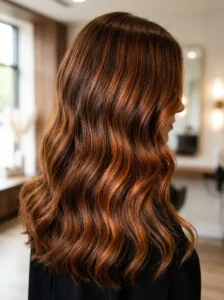
This particular shade category sits at an interesting intersection, warmer and more vibrant than a standard neutral brown, but more grounded and less fiery than a true, vivid red or copper shade. Ginger brown combines a rich brown base with noticeable reddish-orange undertones, creating a color that reads as fundamentally brunette while carrying genuine warmth and depth that a flat, neutral brown lacks.
The specific balance between the brown base and the ginger undertone can vary considerably, some versions lean more heavily brown with just a hint of warmth, while others lean more toward the red-orange end of the spectrum while still maintaining enough brown depth to avoid reading as a true red or copper shade. This range is exactly what makes the category so versatile and adaptable to different starting points and personal preferences.
Why Ginger Brown Has Become Such a Popular Color Choice

Understanding the broader appeal of this particular shade category helps explain why so many people, colorists included, have been gravitating toward it recently.
It tends to look genuinely natural rather than obviously processed. Because the combination of brown and warm red-orange tones occurs naturally in many people’s hair, a well-executed ginger brown color often reads as an enhanced, more vibrant version of a natural shade rather than an obvious, dramatic color change.
It’s flattering across a notably wide range of skin tones. The warmth inherent in ginger brown tends to complement both warm and many neutral undertones, giving it broader universal appeal than some more specifically warm or cool-toned color trends.
It offers genuine versatility in terms of maintenance commitment. Depending on how dramatically you want to shift from your natural color, ginger brown can be achieved through a relatively low-commitment toning process for those already close to this shade naturally, or through a more involved color transformation for those starting from a significantly different base.
It pairs beautifully with the broader trend toward warmer, richer hair colors generally. After a long stretch of cooler, ashier tones dominating color trends, there’s been a genuine shift toward embracing warmth, and ginger brown fits squarely within that broader movement.
The Difference Between Ginger Brown and Similar Shades

This distinction was genuinely useful for me to understand clearly, since several adjacent color categories can sometimes get confused or used interchangeably, even though they create meaningfully different final results.
Ginger brown versus auburn. Auburn typically leans more heavily toward red with brown as a supporting undertone, while ginger brown maintains brown as the dominant base color with red-orange as the supporting warmth. The proportion of red to brown is essentially reversed between these two categories.
Ginger brown versus copper. Copper is a significantly more vivid, saturated orange-red tone, generally lighter and more attention-grabbing than the deeper, more grounded quality of ginger brown, which maintains more brown depth throughout.
Ginger brown versus chestnut. Chestnut tends to have a slightly cooler or more neutral reddish-brown quality, lacking the specific orange-leaning warmth that defines true ginger brown. The two can look somewhat similar in certain lighting but typically read differently in natural daylight.
Ginger brown versus warm chocolate. Warm chocolate brown carries some warmth but generally lacks the more pronounced reddish-orange quality of ginger brown, instead leaning toward a more golden or amber-tinted warmth rather than a true ginger undertone.
1. Natural Ginger Brown
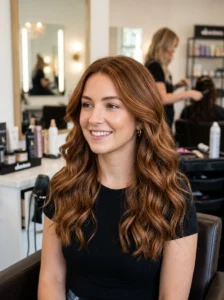
A balanced, medium-depth brown with consistent reddish-orange warmth running throughout, designed to look like an enhanced version of a natural hair color rather than an obvious, deliberate color treatment.
This is essentially the direction my own colorist guided me toward, leaning into and enhancing what was already naturally present in my hair rather than introducing an entirely new color concept.
Best for: Those with naturally warm brown hair wanting to enhance their existing color.
2. Deep Ginger Brown
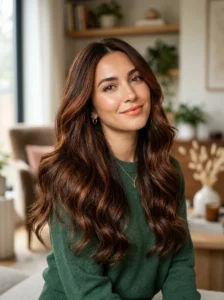
A richer, darker version of the shade, with the brown base pushed toward a deeper, almost espresso-adjacent depth while still maintaining visible reddish-orange undertones throughout.
Best for: Those wanting a dramatic, rich color with warmth, deeper skin tones.
3. Light Ginger Brown
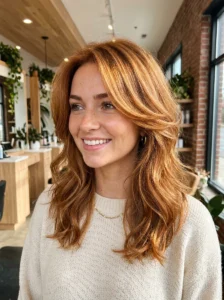
A lighter, more golden-leaning version of the shade, where the brown base sits closer to a light to medium depth, allowing the ginger warmth to read more prominently and brightly.
Best for: Fair to medium skin tones, those wanting a brighter, more noticeable warm effect.
4. Ginger Brown Balayage
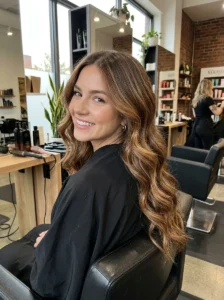
Hand-painted ginger brown tones woven through a slightly darker natural base, creating a dimensional, sun-kissed gradient effect that concentrates the warmest tones toward the mid-lengths and ends.
Best for: Medium to dark brown base hair, those wanting dimension alongside the warm color shift.
5. Ginger Brown With Face-Framing Highlights
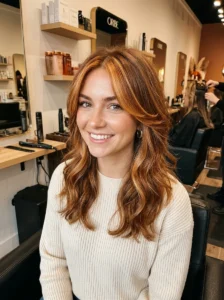
The overall ginger brown base color paired with slightly lighter, warm-toned highlights concentrated specifically around the face, adding brightness exactly where it has the most visual impact.
Best for: All base depths, those wanting added dimension near the face specifically.
6. Ginger Brown on Curly Hair

The same warm color concept applied specifically to curly or coily hair textures, where the multidimensional nature of curl patterns tends to showcase the warm undertones beautifully as light catches different curls and angles throughout the day.
Best for: Medium to tight curl patterns, those wanting their natural texture to enhance the color’s dimension.
7. Ginger Brown With Subtle Copper Money Piece

A predominantly ginger brown base with a slightly more vivid, copper-leaning money piece framing the face, adding an extra pop of warmth and brightness at the most visually prominent section of hair.
Best for: Those wanting a bolder accent within an overall more grounded color choice.
8. Cool-Adjacent Ginger Brown
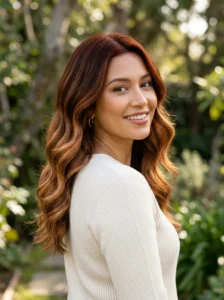
A version that maintains the core ginger brown warmth but with a slightly more muted, less vivid overall saturation, appealing to those who want the warmth without quite as much intensity as some of the more saturated versions on this list.
Best for: Those wanting warmth with a more subtle, understated overall effect.
9. Ginger Brown With Root Melt
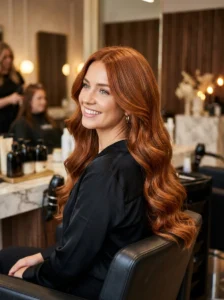
A soft, gradual blend between a slightly deeper natural root color and the ginger brown tone throughout the rest of the length, minimizing visible regrowth lines and extending the time between necessary salon visits.
Best for: Those wanting a lower-maintenance approach to this color.
10. Vivid Ginger Brown
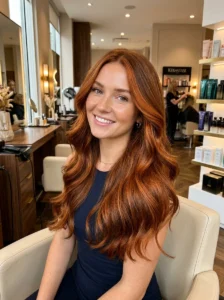
A more saturated, intense version of the shade, pushing the warmth and overall vibrancy higher than the more subtle, natural-leaning versions on this list, creating a genuinely eye-catching color statement.
Best for: Those wanting maximum visual impact and willing to commit to more involved maintenance.
How to Determine If Ginger Brown Will Suit You

Beyond simply liking the way this color category looks in photos, a few practical factors genuinely affect how successfully and easily you can achieve and maintain this shade.
Your current natural hair color matters significantly for the process involved. Those with naturally warm-toned brown hair, like my own situation, often require a comparatively simpler toning or glossing process to enhance and bring out tones already present. Those with naturally cool-toned or significantly different starting colors may require a more involved color correction process to achieve the same result.
Your skin’s undertone affects which specific version will be most flattering. Generally, warm and many neutral undertones are well-suited to ginger brown’s inherent warmth, though a skilled colorist can adjust the specific balance of brown to ginger to complement a wider range of skin tones than you might initially expect.
Your hair’s current health and processing history affects the achievable timeline. Hair that has undergone significant previous chemical processing, particularly previous lightening, may require additional consideration and potentially a more gradual approach to safely achieve a rich, healthy-looking ginger brown result.
The Process: What Achieving This Color Actually Involves

Understanding the technical process helped me have a much more informed conversation with my own colorist, and I think it’s genuinely useful information for anyone considering this color change.
For those starting close to this shade naturally, the process is often relatively straightforward, frequently involving a glossing or toning treatment designed to enhance and deepen tones already present rather than fundamentally altering the hair’s existing color and structure.
For those starting from a notably different base color, particularly those with naturally cool-toned or significantly darker or lighter hair, the process typically involves a more comprehensive color application, sometimes requiring color correction techniques to neutralize unwanted underlying tones before the desired ginger brown can be achieved accurately.
Maintenance applications generally focus on refreshing warmth and richness. Even once the initial color is achieved, regular toning or glossing treatments help maintain the specific warm balance that defines this shade, since red and orange-based tones, even within a primarily brown color, can fade or shift over time without proper maintenance.
Maintaining Ginger Brown Hair Color
Based on my own experience over the months since my initial consultation, here’s what’s made the most genuine difference in keeping this color looking rich and vibrant.
Use color-safe, sulfate-free hair care products consistently. Warm tones, including the red-orange undertones central to ginger brown, are particularly prone to fading without proper, gentle hair care, making this a genuinely important habit rather than an optional upgrade.
Limit excessively hot water during washing. Hot water opens the hair cuticle more significantly than cooler water, accelerating color fading. I’ve adjusted my own shower routine to use cooler water specifically when washing my hair, which has made a noticeable difference in how long my color stays vibrant between salon visits.
Schedule regular glossing or toning treatments. Even with otherwise excellent at-home care, periodic professional toning treatments help refresh and maintain the specific warm balance that defines this color, preventing it from fading into a flatter, less dimensional brown over time.
Protect from sun exposure specifically. Warm tones, including ginger brown’s reddish-orange undertones, can shift or fade more noticeably with significant sun exposure than cooler, more neutral colors. A leave-in product with UV protection has become a genuine staple in my own routine since making this color change.
How Often Does Maintenance Actually Require Salon Visits?
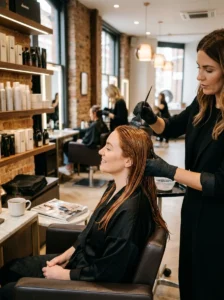
This is a genuinely practical question worth addressing honestly, since maintenance schedules vary considerably depending on your specific starting point and how dramatically your natural color differs from the desired ginger brown shade.
For those, like myself, working primarily with enhancement of an already similar natural color, full color or toning appointments every eight to ten weeks have been sufficient to maintain a consistently rich, vibrant result.
For those who underwent a more significant initial color transformation, particularly involving substantial color correction, maintenance schedules tend to run somewhat more frequently, often every six to eight weeks, to maintain both the color accuracy and overall hair health throughout the ongoing process.
Styling Tips to Enhance Ginger Brown’s Natural Warmth
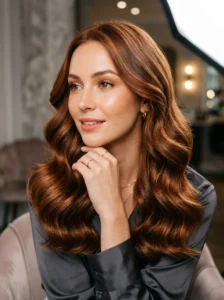
Beyond the color itself, a few styling considerations genuinely help showcase this particular shade at its best.
Prioritize shine-enhancing products and treatments. Glossy, reflective hair shows off the dimensional warmth of ginger brown significantly more effectively than dull, matte-finished hair, making shine-focused products a genuinely worthwhile investment for this particular color.
Consider how your specific haircut interacts with the color’s dimension. Cuts with some layering or movement tend to showcase the subtle variations within ginger brown more dynamically than a completely uniform, one-length style, since the layers create more surface area for the light to catch the warm tones differently throughout.
Be mindful of how heat styling affects color longevity. As with most warm or red-adjacent hair colors, excessive heat styling can contribute to faster fading. Consistent heat protectant use and moderated overall heat tool frequency help preserve both the vibrancy of the color and the overall health of your hair.
My Honest Reflection Since Making This Change
Reflecting on the months since that initial consultation where my colorist first pointed out and named the warm undertone I’d genuinely never noticed in my own hair, I can say this has been one of the more meaningful, lower-drama color decisions I’ve made. Rather than fighting against or covering up what was naturally present, working with and enhancing it has resulted in a color that feels distinctly like an elevated version of myself rather than an entirely different look.
The compliments I’ve received since making this shift have consistently included some version of “I can’t tell if that’s natural or not,” which has been exactly the effect I was hoping to achieve, warmth and richness that reads as genuinely mine rather than obviously, dramatically altered.
Final Thoughts
If you’ve been drawn to the warm, natural quality of ginger brown hair, whether you’re starting from a similar natural base the way I was, or considering a more significant color transformation to achieve this shade, I’d genuinely encourage having a detailed, honest consultation with a skilled colorist about your specific starting point and realistic expectations for the process and maintenance involved.
This particular color category offers a genuinely appealing combination of warmth, depth, and natural-looking richness that, in my own experience, has proven both flattering and surprisingly manageable to maintain. Sometimes the best color change is simply enhancing what was quietly already there all along.