
For years, every haircut I got followed the exact same formula, short on the sides, a little length on top, styled with enough product every morning to hold everything rigidly in place until I washed it out again that night. It worked fine, but it never once felt like my hair was actually doing anything on its own. Everything about it was manufactured, dependent entirely on product and technique to look intentional. It wasn’t until my barber, mid-cut during a routine appointment, asked if I’d ever considered growing my top section out slightly longer and working with more natural movement instead of fighting for a completely controlled shape, that I even considered there was another option. I said something noncommittal at the time, mostly out of habit, but the idea stuck with me for months afterward.
Almost a year later, I finally committed, and the difference has been bigger than I expected going in. Hair that actually moves when I move, that looks intentional whether or not I’ve styled it that particular morning, has genuinely changed how much time and mental energy I spend thinking about my hair day to day. If you’ve been stuck in the same rigid, product-dependent routine I was, here’s what actually creates that flowy, effortless movement, and how to get there without ending up looking unkempt instead of intentional.
What Creates Genuine Flow and Movement in a Men’s Haircut

Before getting into specific styles, it’s worth understanding the actual mechanics behind this look, since it’s not simply a matter of growing hair out longer and hoping for the best. My barber explained the core principle clearly once I finally committed to trying it: movement comes from length paired with the right amount of weight removal through the mid-lengths, allowing hair to fall and shift naturally rather than sitting in one rigid, product-held position.
A cut that’s simply grown out without any specific technique applied tends to look heavy and shapeless rather than genuinely flowing, since there’s nothing helping the hair move and fall with any intention. The actual technique involves selective thinning and layering throughout the length, removing enough weight in the right places that the hair has genuine freedom to move while still maintaining an overall recognizable shape.
1. Textured Crop with Longer Fringe
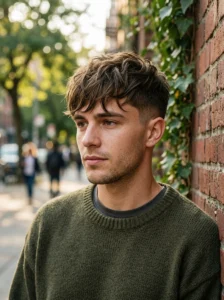
A shorter cut overall, but with a noticeably longer, textured fringe left at the front, allows for genuine movement in that one key area without requiring significant length throughout the rest of the head, making it a good entry point for anyone not ready to grow their hair out significantly.
2. Shoulder-Length Layers

For anyone willing to commit to real length, shoulder-length hair with soft layering throughout creates dramatic, genuine movement, particularly effective on hair with any natural wave, where the layering works with the texture rather than needing to force movement through styling alone.
3. Textured Quiff with Longer Sides

Rather than the traditionally tight, closely faded sides paired with a classic quiff, leaving more length on the sides specifically allows the whole style to move together more cohesively, rather than creating a sharp contrast between a controlled top and closely cropped sides.
4. Curtain Fringe for Men

Adapting the curtain bang concept, popular for women’s hairstyles, into a men’s cut specifically, soft, parted fringe framing both sides of the face creates natural movement and has become an increasingly popular choice for men wanting that same face-framing effect.
5. Medium-Length Wavy Cut

For hair with natural wave, simply allowing medium length to grow out with minimal layering lets the existing texture do most of the work, creating genuine, effortless-looking movement without requiring much active styling technique at all.
6. Long Layers with a Center Part

Longer hair, past the shoulders, with soft layering throughout and a natural center part, creates significant movement and has become a favorite specifically among men wanting a more dramatic, longer overall length while still maintaining genuine flow rather than heavy, static length.
7. Textured Mid-Length Shag

Borrowing shag-style layering techniques more commonly associated with women’s cuts, but adapted to a men’s length and overall shape, creates significant texture and movement throughout a moderate, versatile length.
8. Slicked-Back Length with Natural Movement

Longer hair pushed back rather than parted to the side, styled with a lighter product that allows some natural movement rather than a completely rigid, slicked finish, creates a look that’s polished but still has genuine life and flow to it.
Which Hair Types Achieve This Look Most Easily
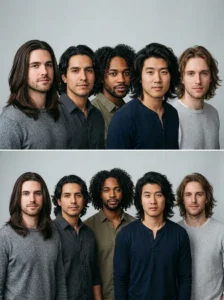
Straight hair can achieve genuine movement with the right length and layering technique, though it typically requires more active daily styling, some texturizing product and technique, to encourage movement that doesn’t come as naturally as it would with textured hair.
Wavy hair genuinely thrives with this aesthetic, since the natural texture already provides much of the movement this look depends on, often requiring significantly less daily effort to achieve a finished, flowing result than straighter hair would need.
Curly hair pairs beautifully with longer, flowy cuts specifically, since natural curl provides exactly the kind of dynamic movement this style is built around, though the specific cutting technique needs to account for curl pattern and shrinkage to avoid unexpected results once the curls settle into their natural shape.
Thick, dense hair holds length and movement particularly well, making it well-suited to the more dramatic, longer versions of this aesthetic without the hair looking thin or sparse at greater lengths.
Fine hair can still achieve genuine movement, though it typically benefits from staying at a slightly more moderate length rather than growing very long, since fine hair at extreme lengths can sometimes look flat and lack the body needed for the intended flowing effect.
Getting the Cut Right at the Barbershop or Salon
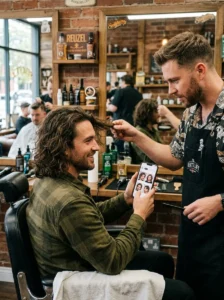
Discuss growth timeline honestly with whoever is cutting your hair, since achieving genuine flow and movement, particularly if you’re growing out from a much shorter starting length, takes real time and several transitional appointments rather than happening in a single cut.
Ask specifically about layering and thinning technique, since simply growing hair out without any structural work is what leads to the heavy, shapeless result that doesn’t actually achieve the flowing, intentional look you’re picturing.
Bring reference photos, and be specific about the exact length and movement you’re drawn to in each one, since “flowy” and “effortless” can mean fairly different things depending on how someone interprets those terms without more specific guidance.
Mention your natural hair texture and how much daily styling time you’re realistically willing to commit to, since this affects both the specific cutting technique recommended and how the finished style will actually behave for you day to day.
Styling for Genuine Movement, Not a Forced Look
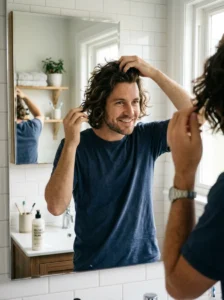
A lightweight texturizing spray or light-hold pomade, rather than a heavy, rigid-hold product, allows hair to actually move throughout the day rather than staying frozen in whatever position it was styled into that morning.
Air drying, either partially or fully depending on your specific hair type and the humidity where you live, tends to produce more natural, believable movement than a full blow-dry styled into a very specific, controlled shape.
Running fingers through hair rather than relying entirely on a comb or brush for daily styling helps maintain a slightly less structured, more genuinely effortless-looking finish, which is generally the whole point of choosing this aesthetic over a more precisely controlled style.
For hair with natural wave or curl specifically, a light curl cream or texturizing product applied to damp hair, then left to air dry, often achieves the intended look with considerably less active styling effort than straighter hair would require.
Maintaining Length and Movement Over Time
Regular trims, generally every six to eight weeks even while growing hair out or maintaining a longer length, keep the ends looking healthy and prevent the kind of split, damaged look that can undermine the intended effortless quality of this style.
Deep conditioning treatments matter more at greater lengths, since longer hair has simply existed longer and been exposed to more cumulative styling, washing, and environmental damage by the time it reaches the ends compared to hair kept at a shorter length.
If you’re specifically growing out from a much shorter cut, expect an awkward transitional phase where the hair isn’t yet long enough to achieve full movement but is past the point of looking intentionally short, and discussing this timeline honestly with your barber helps set realistic expectations for how many appointments this transition will actually take.
How Face Shape Factors Into This Style
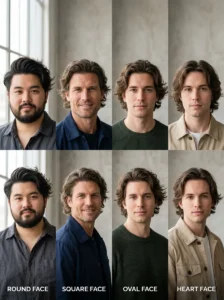
This is something I hadn’t considered much before committing to my own longer, flowier cut, but it turned out to matter more than I expected once my barber brought it up during a follow-up appointment.
Round faces tend to benefit from more length and layering concentrated toward the top and crown, elongating the overall face shape, rather than a style that adds significant width or volume at the sides, which can sometimes emphasize roundness rather than balancing it.
Square or angular faces often look particularly striking with this flowing aesthetic, since the softness and movement of longer, layered hair helps balance out stronger, more defined jaw and cheekbone structure without needing to fight against those features.
Long or oval faces generally have the most flexibility with these styles, since there’s less specific correction needed, though a center part specifically, rather than a deep side part, tends to work particularly well by adding some visual width rather than further elongating the face.
Heart-shaped faces, wider at the forehead and narrower at the chin, often benefit from styles with slightly less volume concentrated at the very top, balancing proportions by keeping visual weight lower through the mid-lengths instead.
Products Worth Having on Hand
A lightweight sea salt spray, applied to damp hair before air drying, enhances natural texture and encourages the kind of loose, effortless movement this whole aesthetic depends on, particularly useful for straighter hair types that don’t naturally have as much built-in texture to work with.
A matte clay or light pomade, used sparingly rather than heavily, adds a small amount of definition and control without creating the rigid, frozen-in-place finish that would undermine the intended natural movement.
A good heat protectant spray matters if you’re using any blow-drying or diffusing technique to encourage texture, since longer hair specifically shows cumulative heat damage more visibly over time than shorter styles where damaged ends get trimmed away more frequently.
A wide-tooth comb, rather than a fine-tooth comb or standard brush, detangles longer hair more gently, which matters increasingly as length grows and the hair itself becomes more prone to tangling, especially after washing.
Common Mistakes to Avoid
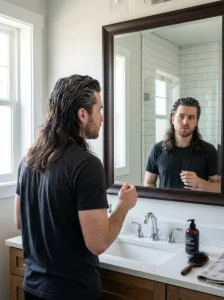
Simply growing hair out without any layering or thinning technique applied is probably the most common mistake, leading to a heavy, shapeless result rather than the genuine, intentional movement this aesthetic is actually built around.
Using overly heavy, rigid-hold styling products undermines the whole point of this look, since the entire appeal depends on hair having genuine freedom to move rather than being held in one fixed position throughout the day.
Rushing the growing-out process, cutting too much off too soon out of frustration with the awkward in-between length, can set back the timeline considerably and require starting the transition over again from a shorter point than necessary.
Frequently Asked Questions
How long does it typically take to grow hair out enough to achieve genuine flowing movement? This varies considerably depending on your starting length and how fast your hair grows, but generally expect at least six months to a year of consistent growth and regular trims before reaching a length where genuine, effortless movement becomes achievable.
Will this style work with a beard, or is it better suited to a clean-shaven look? It genuinely works with either, though many people find that some facial hair helps balance out the increased length and movement on top, creating a more cohesive overall look rather than the hair reading as disconnected from the rest of the face.
Does this aesthetic require more daily maintenance than a shorter, more traditional men’s haircut? Generally somewhat more than a very short, low-maintenance cut, though considerably less than people often assume, particularly for anyone with natural wave or curl, where much of the intended movement happens with minimal active styling effort required.
Can I achieve this look without growing my hair out significantly, if I’m not ready for that big a change? Yes, shorter options like a textured crop with a longer fringe, or a textured quiff with slightly longer sides, can incorporate elements of this same flowing, effortless quality without requiring a dramatic length change.
What’s the biggest factor in whether this style will actually work for my specific hair? Natural texture matters more than almost any other single factor, since wavy or curly hair achieves this look with considerably less active effort than straight hair, which typically needs more deliberate styling technique to encourage the same kind of movement.
Will this style look messy or unkempt in a professional work environment? It depends heavily on the specific length and how it’s maintained, but many professional environments have become more accepting of longer, textured men’s hairstyles over recent years, particularly when the cut itself is well-maintained through regular trims and the overall look reads as intentional rather than simply unkempt or overgrown.
Final Thoughts
Looking back at that offhand comment from my barber that I brushed off for months before finally committing to trying it, I genuinely wish I’d taken the suggestion more seriously the first time it came up. Moving away from a rigid, fully product-dependent style toward something that actually has its own natural life and movement changed more about my daily routine and how I think about my hair than I expected a single haircut decision ever could. If a similar suggestion has ever come up in your own appointments and you brushed it off the way I initially did, it might be worth reconsidering the next time it comes up.