
There’s a specific week every year, right around when the first genuinely cold morning shows up and I finally give in and pull my sweaters out of storage, when I start scrolling through hair color inspiration without any real intention of booking an appointment. It’s become something of a ritual at this point, a way of marking the actual start of the season more than the calendar date ever does. Three years ago, that scrolling habit actually turned into an appointment, on a whim, the week after that first cold morning, and I walked out with a deep, warm auburn that felt more like the season than any sweater or candle ever had. I remember specifically thinking, sitting in the chair watching the color develop, that this was the first time a hair color had ever made me feel like I was wearing the season itself rather than just choosing a shade I thought looked nice.
That appointment started an actual annual tradition for me now, revisiting some version of a warm, cozy fall color every year around that same time. If you’ve been feeling that same seasonal pull toward something warmer and richer, here’s a real range of ideas, from subtle to dramatic, plus what I’ve learned about actually achieving that cozy, autumnal quality rather than just picking any brown or red shade and hoping it captures the feeling.
What Makes a Color Actually Read as “Cozy” and “Fall”
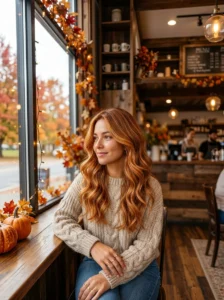
Before getting into specific shades, it’s worth understanding what separates a genuinely autumnal-feeling color from one that just happens to be brown or red without that particular warmth. My colorist explained this to me during that first appointment in a way that’s stuck with me since: cozy fall colors almost universally have warm undertones, gold, copper, amber, cinnamon, rather than cool or ashy undertones, which tend to read as more wintery or simply neutral regardless of the actual color family.
It’s less about choosing a specific color and more about choosing the warmth level within whatever color you’re drawn to. A cool-toned blonde and a warm, honey-toned blonde are technically both blonde, but only one of them captures that cozy, autumnal quality this whole category of color is built around.
Warm Brunette Options
1. Deep Chestnut
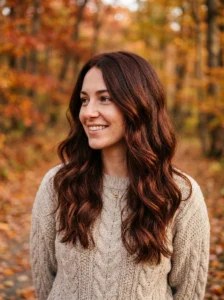
A rich, warm brown with distinct reddish undertones, chestnut captures that cozy, sweater-weather feeling almost immediately, and works beautifully across a wide range of starting hair colors without requiring dramatic lightening beforehand.
2. Chocolate Auburn
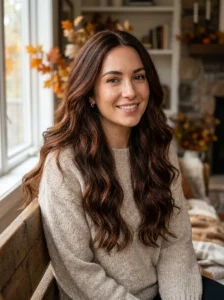
Blending deep chocolate brown with auburn’s characteristic warmth creates a color that shifts subtly between brown and red depending on the lighting, evoking exactly the kind of rich, layered quality that makes fall colors specifically feel more complex than a simple, flat brown.
3. Cinnamon Brown

Named directly after the spice for good reason, cinnamon brown incorporates warm, reddish-orange undertones into an otherwise medium brown base, creating a color that genuinely does evoke the specific warmth of the season it’s named for.
4. Toffee Brown
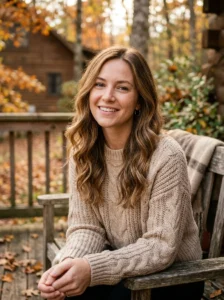
A lighter, warmer brown with golden undertones throughout, toffee offers a softer, more subtle take on cozy warmth for anyone not wanting to go as deep or dramatic as chestnut or chocolate auburn.
Rich Red and Auburn Options
5. Deep Auburn
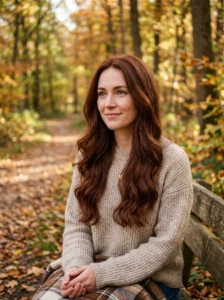
This was close to what I chose that first year, and it remains one of the most iconic, immediately recognizable “fall hair color” options, rich, warm, and deep enough to feel substantial without tipping into an overly bright, less natural-reading red.
6. Copper Red
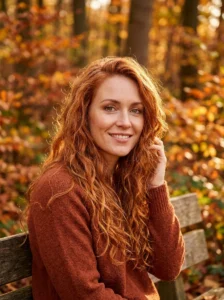
A brighter, more vivid take on red with strong warm undertones, copper captures a bolder version of that same autumnal energy, particularly striking against warmer skin tones and hazel or green eyes.
7. Burnt Sienna

Borrowing its name directly from the deep orange-red pigment used in art and design, burnt sienna as a hair color leans more orange than a typical auburn, offering a distinctly warm, earthy quality that feels particularly connected to fall foliage specifically.
8. Mahogany

Combining deep brown with red undertones in a slightly cooler, more purple-leaning way than auburn, mahogany offers a sophisticated, rich alternative for anyone wanting red’s warmth with a bit more depth and complexity.
Warm Blonde and Caramel Options
9. Golden Caramel
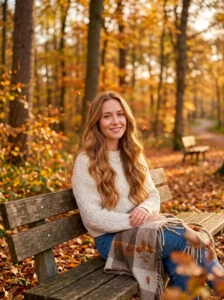
A warm, honey-toned caramel with golden undertones throughout captures cozy warmth without needing to go as dark as the brunette or red options, ideal for anyone wanting to stay lighter overall while still leaning into the season’s characteristic warmth.
10. Honey Blonde
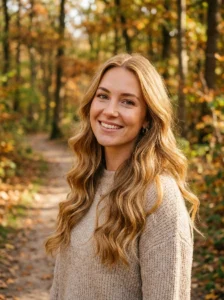
Rich, warm, and glowing rather than icy or ashy, honey blonde specifically avoids the cooler undertones that can sometimes make blonde read as more wintery, capturing that same cozy quality at a much lighter overall base color.
11. Butterscotch Blonde
Deeper and warmer than a typical honey blonde, butterscotch incorporates more visible golden-brown depth, offering a slightly richer, more dimensional take on warm blonde specifically suited to the season.
Dimensional and Multi-Tonal Options
12. Fall Balayage
Rather than a single, flat color, warm balayage woven throughout a brunette or auburn base creates dimension and movement that mimics the natural variation you’d see in changing autumn leaves, layering multiple warm tones together rather than committing to just one.
13. Root Melt into Warm Ends
Starting with a natural or slightly deeper root and gradually melting into warmer, richer tones toward the ends creates a low-maintenance, dimensional option that still captures the season’s characteristic warmth throughout the length.
14. Copper and Chocolate Highlights
Combining both copper and chocolate-toned highlighted pieces throughout a brunette base creates rich, multi-dimensional depth, offering more visual complexity than a single warm tone applied uniformly throughout.
Choosing the Right Warm Tone for Your Skin Tone

Warm skin undertones, generally golden, peachy, or olive, tend to have the most flexibility across this entire category, since the natural warmth in the skin pairs easily with almost any of these autumnal shades without much risk of clashing.
Cool skin undertones can still absolutely wear warm fall colors, but the specific shade often benefits from being pulled slightly less orange or golden and more toward a deeper, richer warmth, like mahogany rather than bright copper, to avoid an unflattering contrast against cooler-toned skin.
Neutral undertones, similar to other color decisions, tend to have the widest flexibility of the three and can generally experiment across the full range of warm tones without significant risk of an unflattering mismatch.
Getting the Color Right at the Salon
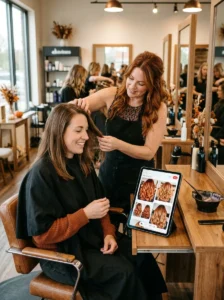
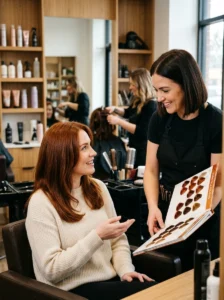
Bring specific reference photos, and be clear about what exactly you’re drawn to in each one, whether it’s the overall depth, the amount of red or gold undertone, or a specific dimensional quality like highlights or a root melt.
Discuss your current hair color honestly, since the same shade name can require significantly different processes and produce different results depending on whether you’re starting from a much lighter or much darker base than your target color.
Ask specifically about the undertone balance your colorist is planning, since this single factor determines more about whether the final result actually reads as warm and cozy versus simply “brown” or “red” without that particular seasonal quality you’re after.
Mention your skin’s undertone if you know it, or ask your colorist to help assess it, since this genuinely affects which specific warm shade within this broader category will look most flattering and intentional against your complexion.
Maintaining Warm Fall Tones
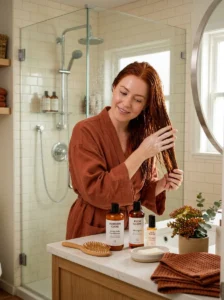
Warm tones, particularly reds and coppers, tend to fade faster than cooler or more neutral colors, since these specific pigments break down more quickly with regular washing and sun exposure than other tones typically do.
A color-safe, sulfate-free shampoo helps preserve vibrancy longer between salon visits, and switching to a formula specifically designed for warm or red tones can help maintain the intended richness rather than letting the color fade toward a duller, more muted version of itself.
Regular deep conditioning treatments matter especially for any of the more dramatic color changes on this list, since achieving deeper, richer tones sometimes involves some initial lightening or significant deposit of pigment, both of which benefit from consistent moisture to keep hair looking healthy and glossy.
A gloss or toning treatment between full color appointments, roughly every six to eight weeks, refreshes warmth and vibrancy without needing to redo the entire color process, extending the time between more involved full appointments.
How These Colors Interact With Different Hair Types

Straight hair tends to show off deep, rich, single-process colors like chestnut or deep auburn particularly cleanly, since there’s no competing natural texture, and the smooth surface reflects light evenly across the whole warm tone.
Wavy hair pairs especially well with the more dimensional options on this list, like fall balayage or copper and chocolate highlights, since the natural movement catches and reflects the multiple tones differently throughout the day, adding extra depth beyond what the color alone provides.
Curly hair genuinely showcases dimensional warm color beautifully, since each curl catches light slightly differently, making balayage or highlighted options in particular look especially rich and multidimensional compared to how the same technique might appear on straight hair.
Fine hair often benefits from the lighter end of this warm spectrum, like honey or butterscotch blonde, since very deep, saturated colors can sometimes emphasize a lack of density on finer hair, while warmer, lighter tones tend to create the illusion of more fullness.
Thick, dense hair can carry the deepest, richest tones on this list beautifully, like mahogany or chocolate auburn, since there’s enough natural volume and density for these darker, more saturated shades to look luxurious rather than heavy or flat.
Styling Tips to Enhance Warm Fall Color
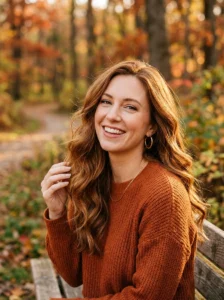
A gloss treatment specifically timed for the season, even independent of a full color change, adds shine and can subtly warm up whatever base color you’re already wearing, giving a seasonal refresh without committing to an entirely new shade.
Soft waves or loose curls tend to show off the dimension in warm, multi-tonal colors like balayage more effectively than a completely sleek, straight style, since the varying tones catch light differently as the hair moves.
Accessorizing with warm-toned metals, gold or copper jewelry specifically, tends to complement these hair colors particularly well, echoing the same warmth found in the hair itself rather than introducing a cooler, contrasting element.
Common Mistakes to Avoid
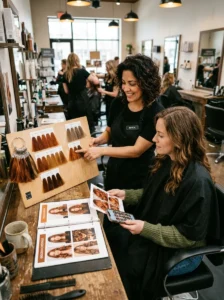
Choosing a color based on the name alone without discussing actual undertone with your colorist can lead to a result that technically matches the shade name but doesn’t capture the cozy, warm quality you were actually picturing, since undertone matters more than the general color family itself.
Going too dramatic on a first attempt if you’ve never colored your hair before, or haven’t gone this warm before, can be a bigger process and adjustment than expected. Starting with a gloss or more subtle version before committing to the deepest, richest version of your chosen shade lets you test the waters.
Not accounting for how quickly warm tones fade compared to cooler ones can lead to disappointment within just a few weeks if you’re not prepared for the slightly more involved maintenance schedule these shades typically require compared to cooler, more muted alternatives.
Pairing Warm Fall Colors With Your Wardrobe and Makeup
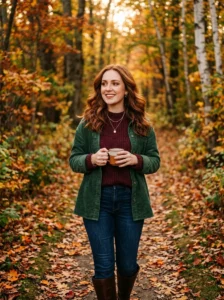
Something I genuinely didn’t consider before that first appointment is how much a warm hair color can shift which makeup and clothing shades suddenly look effortless rather than requiring much thought. Warm browns and reds in your hair tend to make earthy, warm-toned eyeshadow palettes, rusts, olives, warm browns, look particularly cohesive rather than fighting against a cooler hair color.
Similarly, clothing in deep jewel tones, burgundy, forest green, mustard, tends to complement these warm hair colors especially well during the actual fall season, creating an overall look that feels intentional and coordinated rather than colors simply existing separately from each other.
Gold or rose gold-toned jewelry, rather than silver or platinum, tends to echo the same warmth found in these hair colors, reinforcing the cozy, autumnal quality rather than introducing a cooler, contrasting metal tone into the overall look.
Frequently Asked Questions
Will warm fall colors work on hair that’s previously been colored ash or cool-toned? Yes, though your colorist will need to neutralize any existing cool tones first before depositing the warmer color, since cool and warm pigments can interact in unpredictable ways if the transition isn’t handled carefully.
How long do warm, cozy fall colors typically last before fading noticeably? Generally six to eight weeks before a noticeable shift, though this varies depending on the specific tone, with copper and red-leaning shades typically fading faster than warm browns or caramels.
Can I achieve a warm fall color without any bleaching or lightening? Many of these shades, particularly the warm brunette and auburn options, can be achieved with minimal to no lightening if you’re already working with a medium to dark natural base, while lighter options like honey or butterscotch blonde may require some lightening depending on your starting color.
Do these colors work well on gray or graying hair? Yes, and warm tones in particular can create a soft, dimensional blend with natural gray, often requiring less stark maintenance than a very flat, single-process color would against emerging gray regrowth.
How do I keep a warm color from turning brassy as it fades? Using a color-safe shampoo specifically formulated to maintain warm tones, along with regular gloss treatments between full color appointments, helps prevent the gradual shift toward an unwanted, overly brassy version of the original intended shade.
Is there a specific time of year I should get these colors done for the best result? While these shades work year-round, many people time their appointment for early fall specifically so the color has settled and looks its richest by the time the season, and the accompanying wardrobe and lighting, is in full swing, though there’s genuinely no wrong time to book if the feeling strikes you.
Final Thoughts
Three years into this now-annual tradition, I still think about that first appointment as the moment hair color actually started feeling connected to the season itself rather than just an arbitrary style choice made at a random time of year. Whatever specific shade within this warm, cozy category actually calls to you, the real key, based on everything I’ve learned since, comes down to nailing the undertone rather than just picking a color family and hoping it captures that particular feeling on its own.