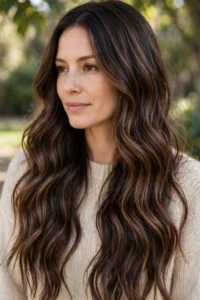
I spent years lightening my naturally dark hair, chasing increasingly blonder shades under the assumption that lighter automatically meant more striking, more photogenic, more interesting overall. It wasn’t until a stylist at a new salon, examining my damaged, overly processed ends during a consultation, asked directly why I kept fighting my natural color instead of working with it that I actually stopped to consider the question seriously. I went home that night and looked through old photos from before I’d started lightening, genuinely surprised by how much personality and depth my natural black hair had carried that I’d apparently stopped noticing somewhere along the way. The following month, I finally committed to going back to black, and getting my wolf cut shortly afterward specifically with that natural color in mind rather than planning around yet another lightening appointment.
That decision, close to eighteen months ago now, remains one of the better choices I’ve made for both my hair’s health and how genuinely striking the finished result actually looks. If you’ve been assuming black is somehow less exciting or less versatile than lighter colors the way I once did, here’s a genuinely wide range of black wolf cut ideas proving that assumption wrong, plus everything worth understanding about why this particular combination delivers such real visual impact.
Why Black Specifically Amplifies the Wolf Cut’s Drama
Black, perhaps more than any other hair color, creates maximum contrast with light itself, meaning the wolf cut’s dramatic layering and constant movement throughout the day produces particularly striking visual effects as different sections catch and reflect available light against that deep, dark backdrop. My stylist explained this specific relationship during that original consultation: lighter colors inherently reflect more ambient light regardless of the cut’s structure, while black relies specifically on genuine movement and shine to create visual interest, meaning a cut like the wolf cut, built entirely around dramatic movement and layer separation, gives black hair exactly the kind of structural variation it needs to look genuinely dynamic rather than flat or one-dimensional.
1. Jet Black Wolf Cut
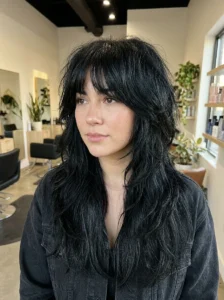
The deepest, most saturated black available creates maximum drama and contrast, particularly striking under direct light where the wolf cut’s individual layers become clearly visible against the color’s otherwise uniform depth.
2. Soft Black With Natural Shine

Rather than the most intensely saturated version, this slightly softer black emphasizes glossy, healthy shine over maximum depth, relying on the wolf cut’s movement and light reflection to create visual interest rather than color intensity alone.
3. Blue-Black Wolf Cut
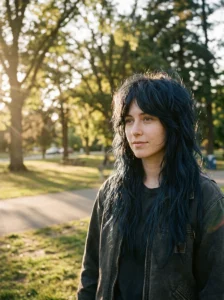
A cool-toned black with subtle blue undertones, visible specifically in direct sunlight, adds a sophisticated, slightly editorial quality that distinguishes this shade from a more standard, neutral black throughout the cut’s dramatic layering.
4. Black With Subtle Brown Undertones
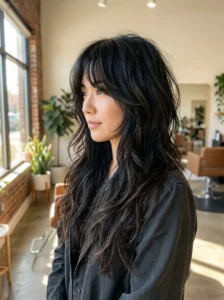
Rather than completely flat black, this version incorporates soft brown undertones that become visible specifically in bright light, adding genuine warmth and dimension that a single, uniform black can sometimes lack.
5. Black With Face-Framing Highlights

Concentrating a few subtle, lighter pieces specifically within the wolf cut’s curtain-style face-framing sections adds dimension exactly where the cut already draws attention, without requiring extensive highlighting throughout the rest of the head.
6. Black With Red Undertone Dimension
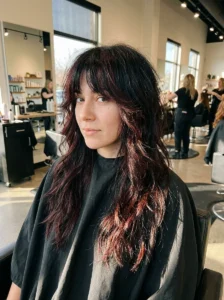
Weaving subtle red or burgundy-toned pieces throughout an otherwise black base creates a rich, almost wine-like depth that only becomes fully visible in direct light, adding considerable complexity without a dramatic overall color change.
7. Black Balayage With Dark Brown
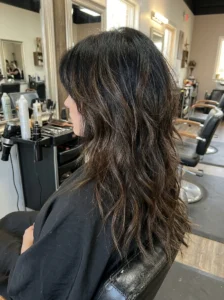
Soft, barely-there balayage transitioning from black at the roots into a slightly lighter dark brown toward the ends adds subtle movement and dimension while maintaining an overall dark, dramatic aesthetic throughout most of the length.
8. Black and Platinum Wolf Cut
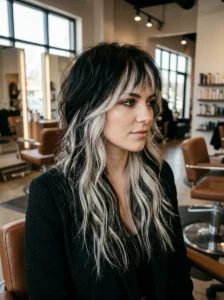
Combining sections of deep black with vivid platinum throughout creates maximum possible contrast, representing one of the boldest combinations within this entire category and particularly showcasing the wolf cut’s dramatic layer separation with striking clarity.
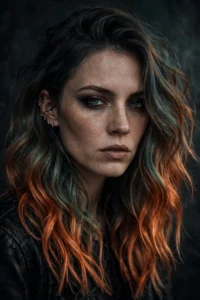
9. Black With Vivid Fashion Color Streaks
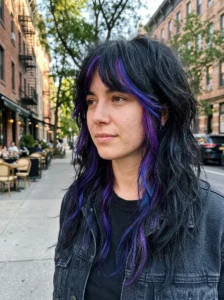
Incorporating a few concentrated streaks of a bold, unexpected color, like deep purple or vivid blue, against an otherwise black base creates a dramatic, editorial-leaning statement that particularly suits bolder wolf cut interpretations with equally dramatic layering elsewhere.
10. Black and Silver Wolf Cut
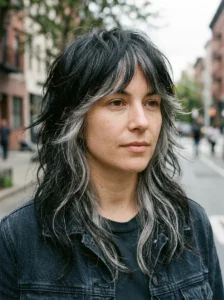
Blending genuine silver or gray tones with black throughout the cut creates a striking, high-fashion quality, particularly popular among anyone wanting to incorporate gray intentionally rather than covering natural graying hair entirely.
11. Sleek, Straight Black Wolf Cut

Styled pin-straight rather than textured, this version emphasizes the color’s natural shine and the cut’s clean layering lines, offering a more polished, editorial alternative to the typically more textured styling associated with this trend.
12. Textured, Choppy Black Wolf Cut

Leaning fully into the wolf cut’s characteristic choppy, undone texture, this version maximizes visible movement and separation throughout the black color, creating the most dramatic possible showcase of how light interacts with the cut’s layering structure.
13. Wavy Black Wolf Cut

Specifically styled with loose waves or cut to work with natural wave, this version adds additional movement and dimension to the black color, since each wave catches and reflects light slightly differently than straighter sections would throughout the day.
14. Black Wolf Cut With Full Bangs

Pairing the cut’s existing drama with bold, full bangs cut straight across creates an even more striking, graphic overall statement, particularly suited to anyone wanting maximum visual impact throughout the entire style.
15. Short Black Wolf Cut

A more compact interpretation at a shorter length still delivers genuine drama through the color’s inherent depth and the cut’s characteristic crown volume, offering a lower-maintenance option without sacrificing the overall bold, edgy aesthetic this combination is known for.
Which Hair Types Showcase Black Particularly Well
Straight hair displays black’s depth and shine very clearly, since there’s no competing texture, though the wolf cut’s layering specifically helps create visual movement a single-length straight cut wouldn’t achieve with the identical color.
Wavy hair showcases black’s dimension beautifully, since natural movement creates additional opportunities for light to catch and reflect differently throughout the day, working directly with both the cut and color simultaneously.
Curly hair pairs wonderfully with black specifically, since each curl catches and reflects light slightly differently, creating a particularly rich, naturally dynamic effect that straighter hair types typically need more active styling to achieve.
How Face Shape Factors Into Styling Choices
Round faces tend to benefit from keeping the wolf cut’s crown volume concentrated higher, elongating the overall shape, while black’s natural depth already helps create visual slimming through shadow and contrast along the sides. Square or angular faces often look particularly striking with the softer, wavy interpretations on this list, since movement helps break up strong jaw and cheekbone structure. Heart-shaped faces tend to benefit from face-framing pieces with a bit more fullness near the jaw. Long or oval faces generally have the most flexibility, able to lean into any of these bolder, more dramatic black variations without much specific concern for correction.
Getting the Right Black at the Salon
Discuss whether you want a completely neutral black or one with subtle undertones, whether blue, brown, or red, since this decision significantly affects how the color reads under different lighting conditions throughout a typical day.
If you’re transitioning from previously lightened hair back to black, be honest about your hair’s color history, since achieving an even, healthy-looking black on previously processed hair sometimes requires a more careful, gradual approach than applying black to virgin, unprocessed hair.
Maintaining Black Hair on a Wolf Cut
Black generally holds its color exceptionally well compared to lighter or more vivid shades, often requiring touch-ups only every six to eight weeks for root regrowth, conveniently aligning with the wolf cut’s own regular trim schedule.
A glossing treatment between full color appointments helps maintain the deep, glossy shine that’s such a central part of what makes black hair look genuinely vibrant rather than flat or dull.
Choosing the Right Black Undertone for Your Skin Tone
Warm skin undertones generally pair well with black that carries subtle brown or warm undertones rather than a completely cool, blue-black shade, since this softer approach echoes the warmth already present in the skin rather than creating stark contrast.
Cool skin undertones often look particularly striking with blue-black specifically, which can enhance cooler undertones already present in the complexion, creating a cohesive, sophisticated overall effect between hair and skin.
Deeper skin tones across the spectrum tend to have considerable flexibility with black hair, since this color family generally reads as vibrant and complementary against a wide range of deeper complexions, though working with a colorist to fine-tune the exact undertone helps maximize how flattering the specific shade ends up looking.
Products Worth Having on Hand
A color-safe shampoo and conditioner, even for a color as seemingly low-maintenance as black, helps preserve shine and prevent the color from looking dull or lifeless over time, particularly important since black hair’s visual impact depends so heavily on genuine gloss and light reflection.
A glossing treatment or shine serum, used regularly, enhances the deep, glossy quality that makes black hair look genuinely vibrant, since dull, poorly maintained black can appear flat and lifeless rather than rich and dynamic.
A heat protectant spray remains essential regardless of color choice, protecting both the wolf cut’s layering and the hair’s overall health during regular styling sessions.
A deep conditioning treatment, used weekly, keeps black hair looking its healthiest, since dryness and damage show up as dullness particularly noticeably against such a deep, saturated color.
Common Mistakes to Avoid
Assuming black requires no real color consideration, simply choosing the darkest available shade without discussing undertone, can result in a flatter, less dimensional finished look than a more thoughtfully chosen black would achieve.
Going back to black from significantly lightened hair without proper preparation can sometimes result in uneven color absorption, making a consultation about your specific hair history genuinely important before committing to this transition.
Frequently Asked Questions
Will black hair look flat or one-dimensional on a wolf cut, given how dark the color is? Generally no, since the cut’s dramatic layering and movement create visible light interaction regardless of color darkness, though incorporating subtle undertones or dimensional highlighting can add even more visible depth for anyone wanting additional complexity.
How often do I need touch-ups with black hair specifically? Generally every six to eight weeks for root regrowth, similar to the wolf cut’s own trim schedule, making it convenient to coordinate both maintenance needs together.
Is black hair more damaging to achieve than lighter colors? Often less damaging, particularly if you’re already naturally dark-haired, since achieving black typically requires considerably less lightening processing than achieving lighter, more dramatically contrasted shades would need.
Can I add dimension to black hair without going significantly lighter overall? Yes, subtle undertones, face-framing highlights, or balayage transitioning to a slightly lighter dark brown all add genuine dimension while keeping the overall look recognizably dark and dramatic.
Will black hair wash out my skin tone, or does it work on everyone? Black generally works across a wide range of skin tones, though your colorist may recommend a specific undertone, warmer or cooler, to best complement your individual complexion rather than assuming one universal black shade suits everyone identically.
Does black hair photograph differently than lighter colors on this specific cut? Yes, black tends to rely more heavily on genuine movement and direct light exposure to reveal the wolf cut’s layering clearly in photos, meaning lighting conditions matter somewhat more for black hair than they do for lighter shades, which naturally reflect more ambient light regardless of the specific photo setup or available lighting.
Final Thoughts
Looking back at those years spent chasing increasingly lighter shades before finally returning to my natural black, I genuinely wish I’d asked myself sooner why I was fighting a color that, paired with the right cut, turned out to deliver exactly the striking, dynamic look I’d been searching for the whole time. If you’ve been assuming black is somehow less interesting than lighter alternatives, this combination might be exactly the reminder you need that drama and depth were never about color brightness in the first place.