
Hair oil will not transform your hair overnight, and anyone promising that is selling you something. What good oils can do is simpler and still worth it: they protect the hair you already have, calm an irritated scalp, reduce breakage, and create the conditions where growth shows up instead of snapping off at the ends. Most people lose length to breakage, not to slow growth, so an oil routine that keeps strands strong often looks like faster growth within a few months.
The trick is picking the right oil for your hair type and using it the right way. A heavy oil on fine hair will sit flat and greasy. A light oil on thick, dry curls will vanish before it does anything. Below are ten oils that actually earn their place, with honest notes on who each one suits, how to use it, and where it falls short.
1Rosemary Oil

Rosemary oil is the one most people ask about first, and for good reason. It is usually mixed with a carrier oil and massaged into the scalp, where it boosts circulation and may help with shedding over time. Use two to three drops mixed into a tablespoon of jojoba or sweet almond oil, massage for five minutes, and leave it for at least 30 minutes before washing. It suits most hair types, especially fine or thinning hair, because it does not weigh strands down when diluted properly. The drawback is patience: visible change takes three to six months of steady use, two to three times a week. It is also not cheap in pure form, and undiluted rosemary oil can irritate sensitive scalps, so always patch test first.
2Castor Oil
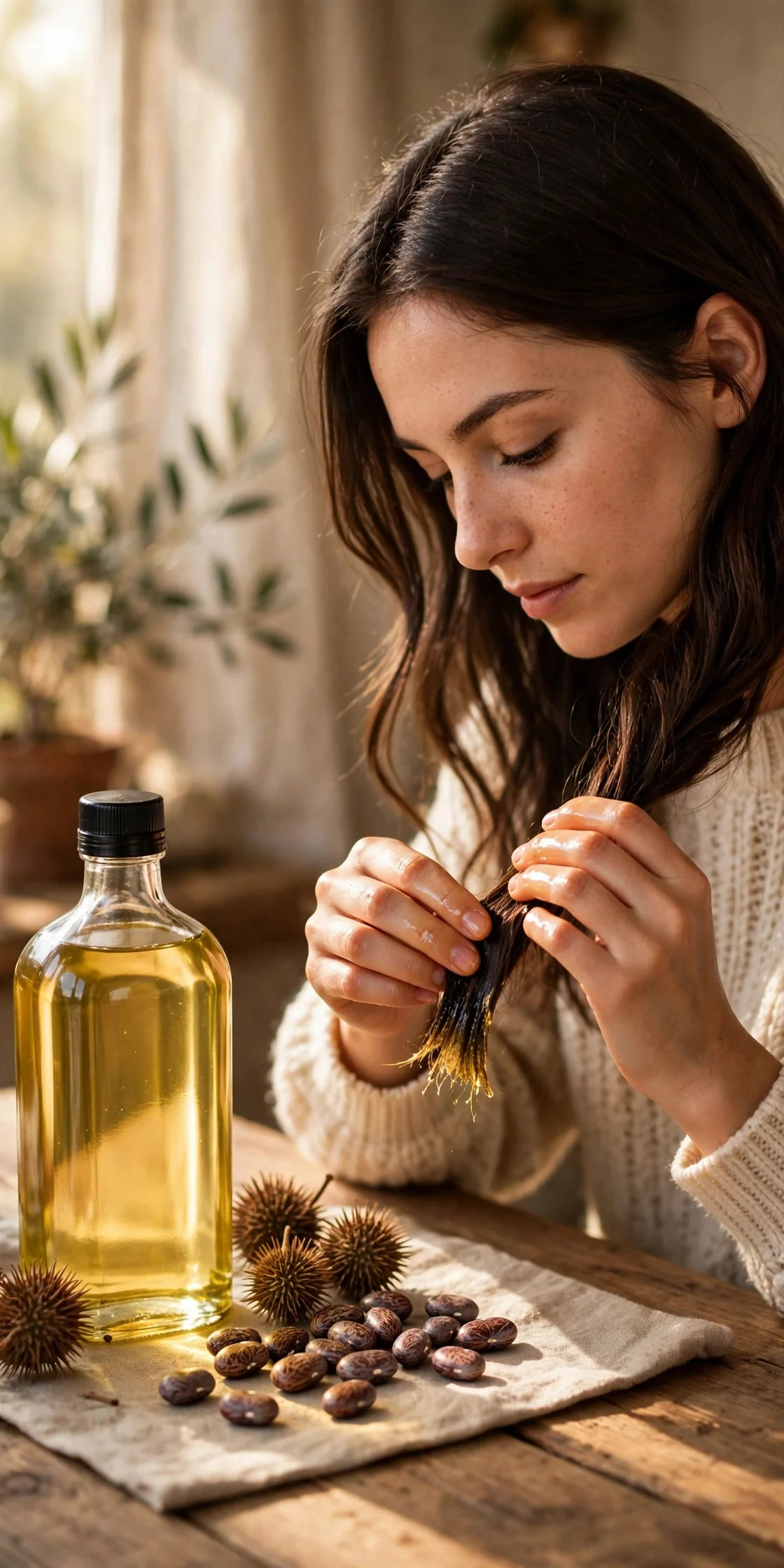
Castor oil is thick, sticky, and famously messy, but it is a favourite for people trying to protect fragile edges and ends. Its thickness coats the hair shaft and locks in moisture, which means less breakage for dry, coarse, or curly hair. Warm a small amount between your palms, apply mainly to the scalp and ends, and leave it for one to two hours or overnight under a shower cap. The honest drawback is the texture. It is hard to wash out, it can feel heavy on fine hair, and it will make thin hair look flat if you use too much. Mix it half and half with a lighter oil like grapeseed to make it easier to spread and rinse.
3Coconut Oil

Coconut oil works differently from most oils because it can actually get inside the hair shaft instead of just sitting on top. That makes it excellent for reducing protein loss during washing, especially for thick, dry, or damaged hair. Apply it to dry hair before shampooing, leave it for 30 minutes, then wash twice with a gentle shampoo. It suits straight, wavy, and curly hair that feels rough or straw-like. The catch is that it can be too heavy for fine hair and may cause buildup if you use it every day. Some people also find it makes their scalp break out, so keep it off the scalp if you are acne prone and focus on the lengths instead.
4Argan Oil
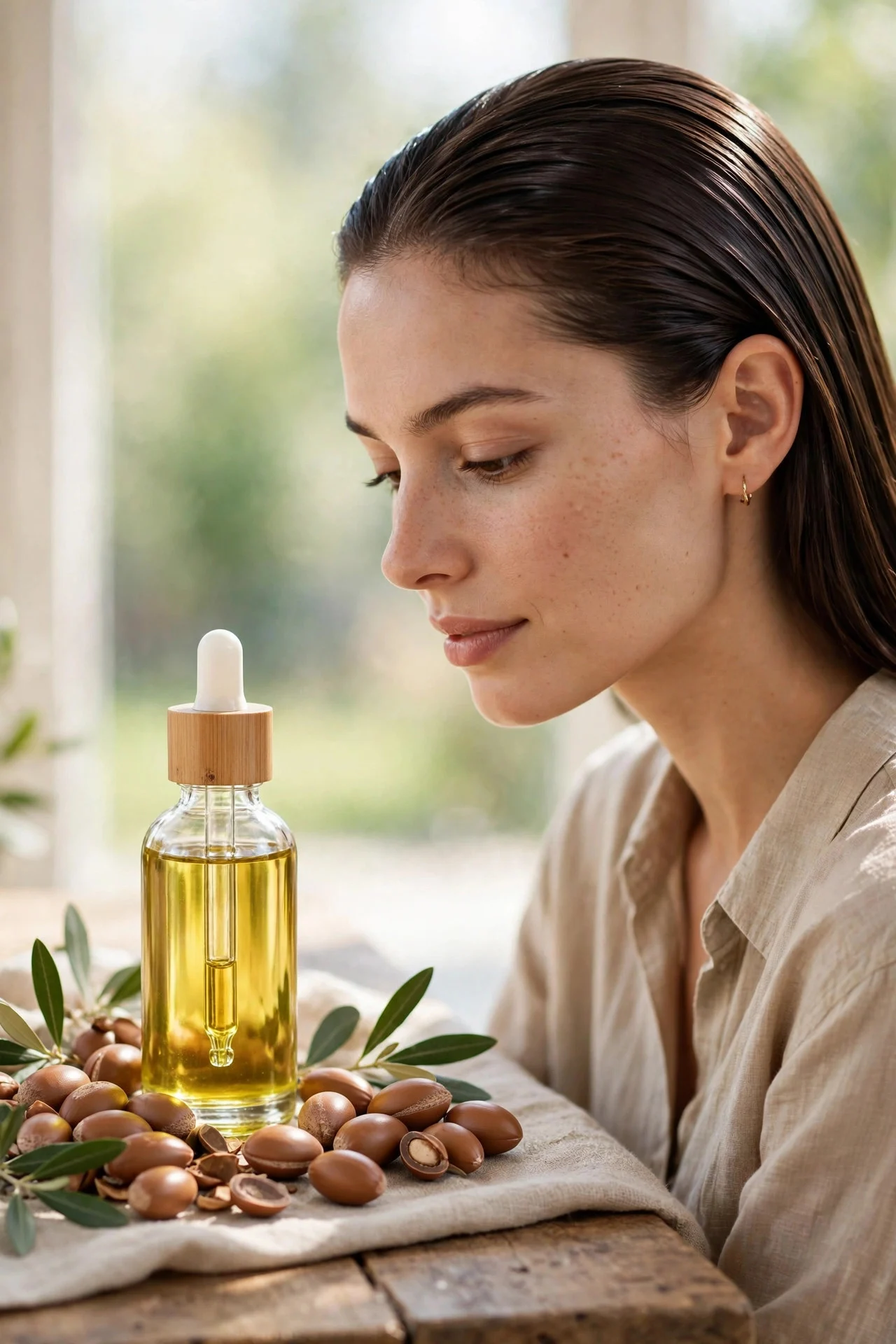
Argan oil is light, fast absorbing, and one of the easiest oils to live with day to day. A few drops smoothed over damp ends tames frizz, adds shine, and protects against heat styling without leaving a greasy film. It suits almost everyone, but it shines brightest on medium to fine hair, coloured hair, and hair that frizzes in humidity. Use it as a finishing oil after styling rather than a heavy pre-wash treatment. The main drawback is price. Real, good quality argan oil costs more than most oils on this list, and cheap bottles are often diluted with silicone or cheaper oils. Check the label: it should list only argan oil, nothing else.
5Jojoba Oil
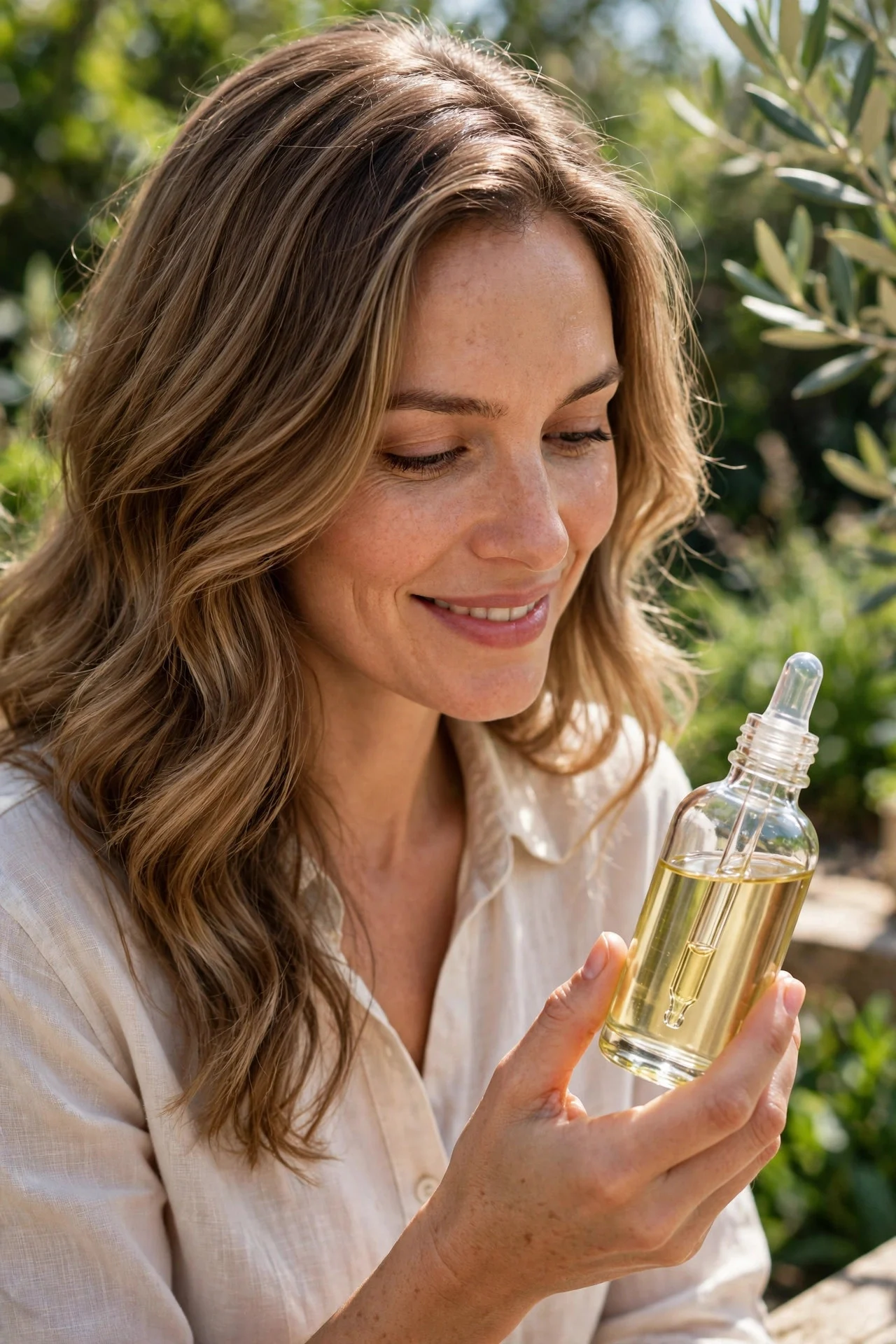
Jojoba oil is technically a wax, and its structure is very close to the natural oil your scalp already makes. That is why it rarely causes irritation and absorbs without a heavy feeling. It is a great choice for oily scalps, sensitive skin, and people who want a daily scalp massage oil without buildup. Massage a teaspoon into the scalp, leave for 20 minutes, then shampoo as normal. It also works well as a carrier for rosemary or peppermint oil. The drawback is that on its own it is not the most intensive repair oil. Very dry or damaged hair will need something richer layered over it, and a full bottle does not last long if you have very long hair.
6Sweet Almond Oil
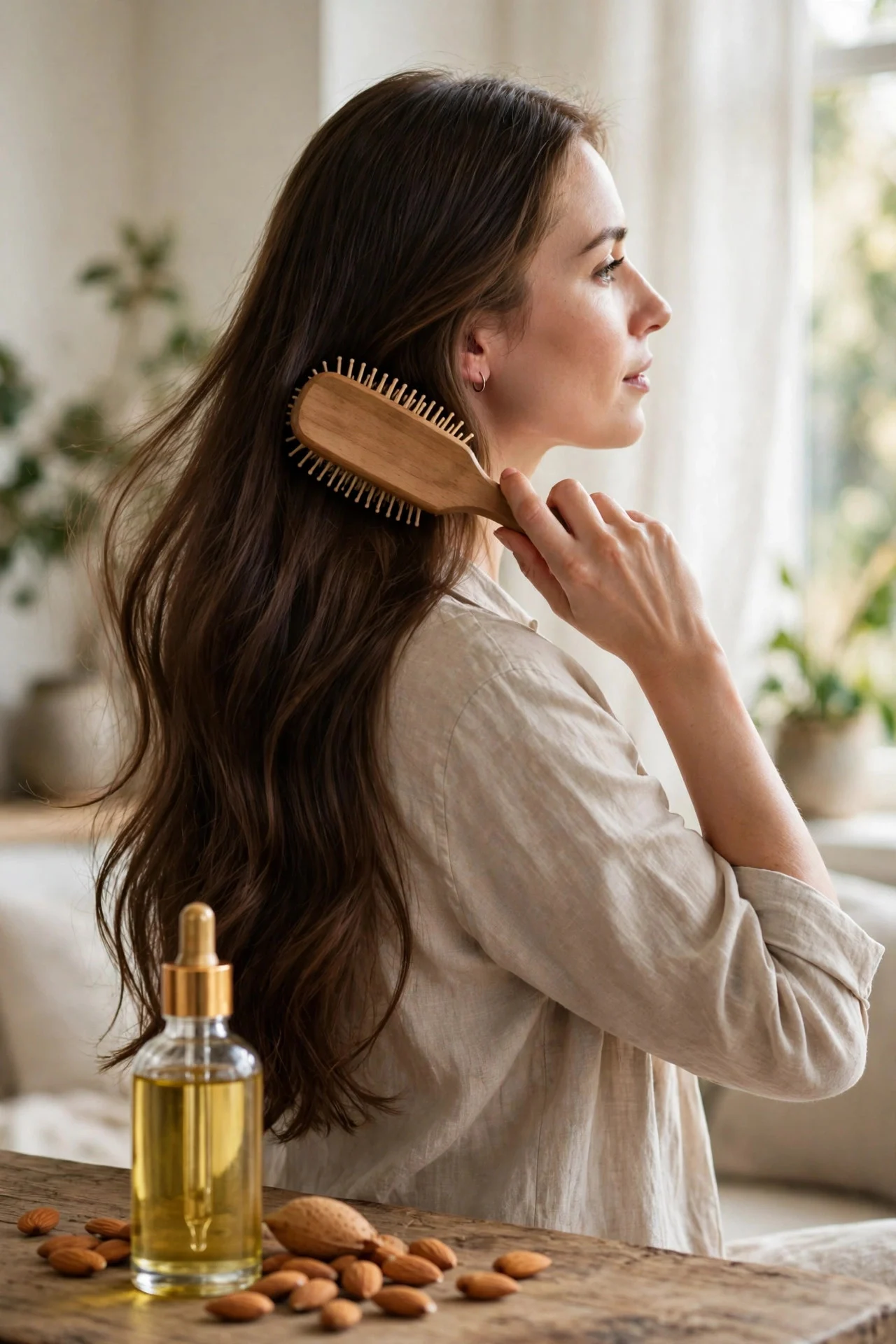
Sweet almond oil is light, affordable, and easy to find, which makes it a solid everyday option. It softens rough ends, smooths flyaways, and adds a gentle shine without much weight. It suits normal to dry hair, wavy textures, and anyone new to hair oiling who does not want to spend a lot to start. Warm a tablespoon in your hands, work it through the mid-lengths and ends, and leave it for an hour before washing. The honest limit is strength. It will not rescue severely damaged hair on its own, and people with nut allergies should skip it entirely and pick jojoba or grapeseed instead. Store it away from heat so it does not go rancid quickly.
7Olive Oil

Olive oil is the kitchen staple that actually earns a place in hair care, especially for thick, coarse, or very dry hair. It is rich, deeply moisturising, and brilliant as a weekly deep treatment before wash day. Coat the lengths generously, wrap hair in a warm towel, leave for 45 minutes, then shampoo twice. It is cheap, widely available, and hard to get wrong. The drawback is weight. Fine hair will look limp and oily with even a small excess, and the smell lingers more than lighter oils. Use the extra virgin kind, keep it to once a week, and rinse thoroughly. If your hair is fine, skip this one and use argan or grapeseed instead.
8Peppermint Oil
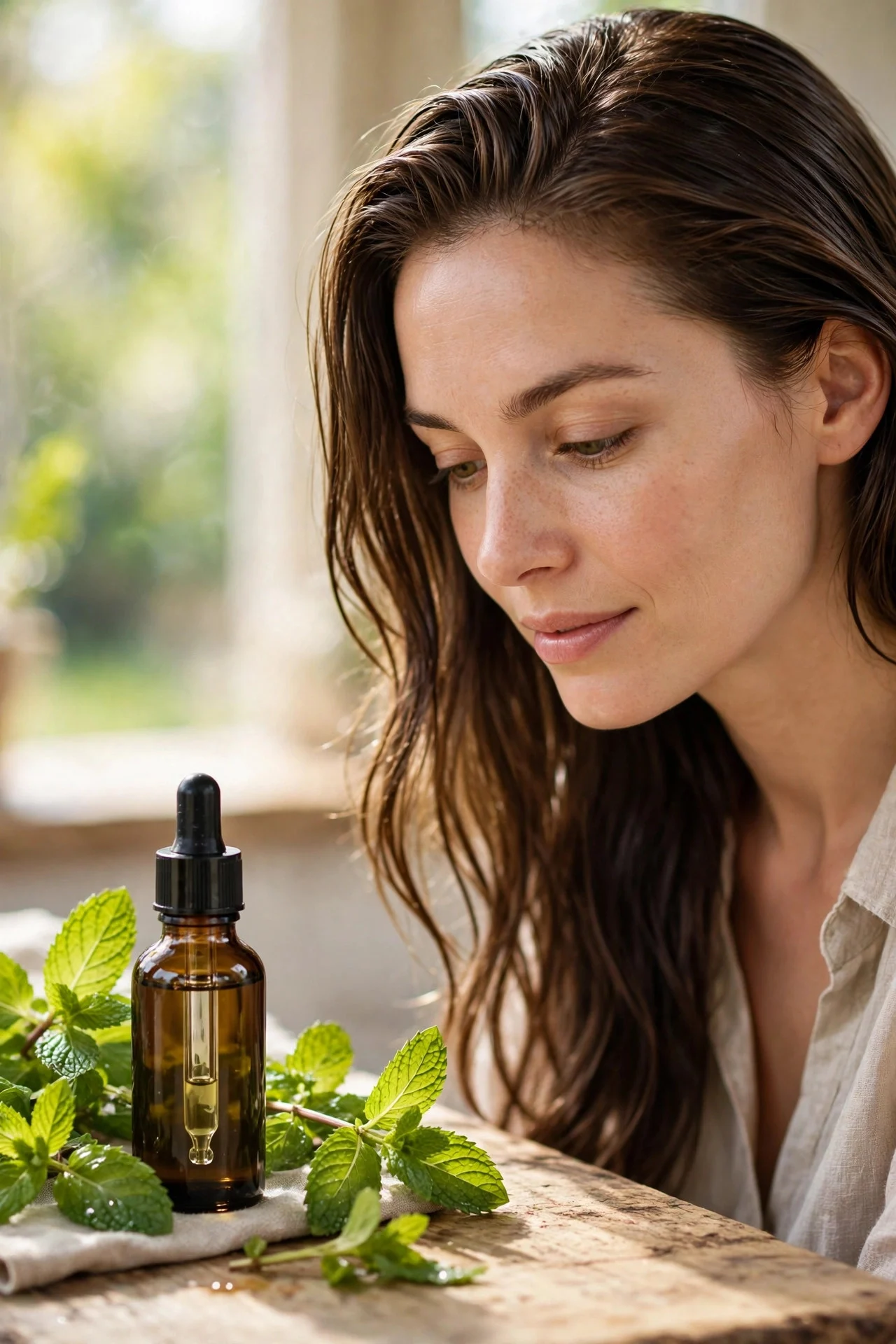
Peppermint oil gives that cool, tingling feeling on the scalp, and that tingle comes from increased blood flow, which is part of why people use it for growth routines. Like rosemary, it must always be diluted: two to three drops in a tablespoon of carrier oil, massaged in for five minutes, left for 20 to 30 minutes. It suits people with an itchy or flaky scalp and those who like a fresh, clean feeling after oiling. The drawback is sensitivity. Too many drops will burn or irritate, and it should never be used undiluted or near the eyes. If your scalp is already sore or broken, wait until it heals before trying peppermint.
9Black Seed Oil

Black seed oil has a long history in traditional hair care and is valued for scalp health, especially for dryness, flaking, and shedding linked to irritation. It has a slightly earthy smell and a medium weight that works well for normal to thick hair. Massage it into the scalp two to three times a week, leave for 30 to 60 minutes, then wash out. Some people also use a few drops on the ends for shine. The drawbacks are the smell, which not everyone likes, and the price, since good quality cold pressed black seed oil is not the cheapest. It also stains light pillowcases, so use an old towel or cap if you leave it overnight.
10Grapeseed Oil

Grapeseed oil is the quiet workhorse of this list: light, nearly odourless, cheap, and almost impossible to overdo. It suits fine hair, oily scalps, and anyone who hates the feeling of oil sitting on their head. Use it as a pre-wash treatment, a carrier for essential oils, or a tiny amount on dry ends to smooth frizz. It absorbs fast and rinses out easily, which makes it ideal for beginners. The trade-off is that it is not deeply reparative. Very dry, coarse, or chemically damaged hair will feel better with coconut or castor oil layered in for extra moisture. Think of grapeseed as your everyday light oil, not your rescue treatment.
How to Use Hair Oils Without Wrecking Your Routine
Start simple. Pick one oil, not five, and use it two to three times a week for at least eight weeks before judging it. Oil on dry or slightly damp hair, never soaking wet, and focus on the scalp if growth is your goal or the ends if breakage is the problem. Massage matters as much as the oil itself: five minutes of gentle fingertip massage beats a rushed slap of oil every time. Always shampoo twice after a heavy oiling session, and use a clarifying shampoo once every two to three weeks if you oil often, so buildup does not dull your hair. Protect your pillow with a towel or cap on overnight oiling nights, and keep expectations honest. Oils support growth by reducing breakage and keeping the scalp healthy. They cannot change your genetics, fix hormonal hair loss alone, or regrow a bald patch by themselves.
FAQs
How often should I oil my hair for growth?
Two to three times a week is enough for most people. Daily oiling can cause buildup, weigh hair down, and irritate the scalp, especially with heavy oils. Consistency over months matters far more than frequency in a single week.
Can I leave hair oil overnight?
Yes, if you use a cap or towel to protect your bedding. Overnight works best for thick, dry, or coarse hair with oils like castor or coconut. Fine hair usually does better with 30 to 60 minutes, since overnight oiling can leave it flat and hard to rinse clean.
Which oil is best for fine hair?
Light oils like argan, jojoba, and grapeseed suit fine hair best. They absorb quickly and add shine without flattening volume. Avoid heavy oils like castor and olive on fine hair, or use them only on the very ends in tiny amounts.
Do hair oils actually make hair grow faster?
Oils do not speed up the rate your hair grows from the follicle in a dramatic way. What they do is reduce breakage, protect the scalp, and keep existing hair healthy, so you keep more of the length you grow. That retained length is why oiled hair often looks longer over time.
Should I apply oil to my scalp or just the lengths?
It depends on your goal. For shedding, scalp health, and growth routines, apply to the scalp with a massage. For dryness, frizz, and split ends, focus on the mid-lengths and ends. You can do both, but use less on the scalp if your hair gets oily quickly.
Keep exploring
After picking your oil, read rosemary water benefits and uses and whether rice water helps growth. For a weekly mask to go with oiling, try these aloe vera hair mask recipes.