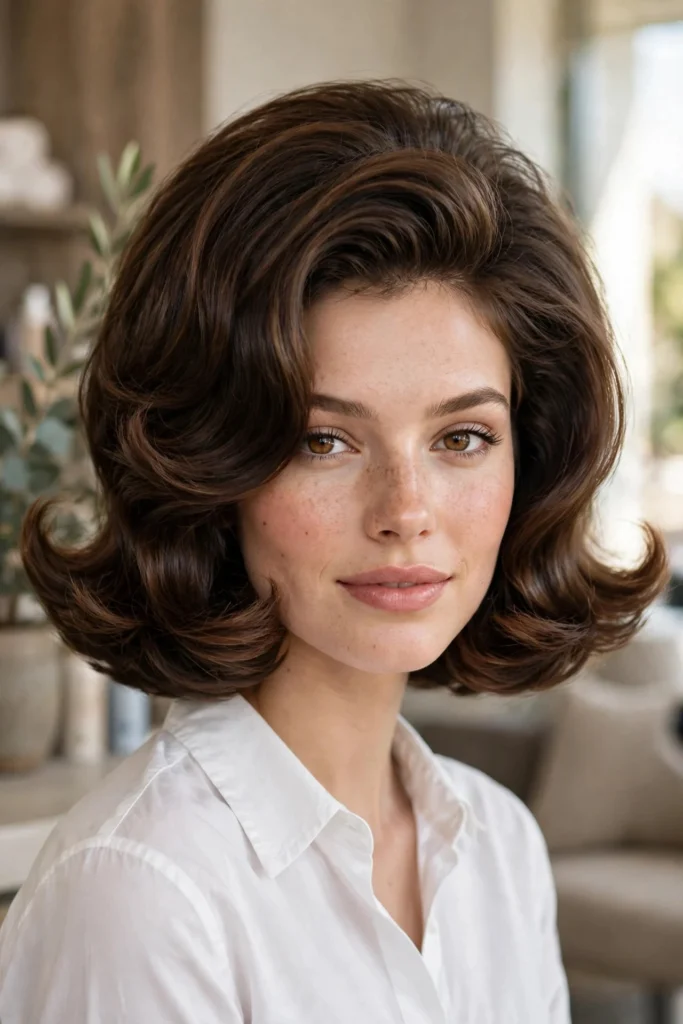
There’s something about the Italian bob that makes every other haircut look like it’s trying too hard. It’s chin-grazing, a little undone, and somehow manages to look both polished and like you just rolled out of bed on the Amalfi Coast. Born in the salons of Milan and Rome, this cut has real staying power because it works on so many face shapes and hair types. If you’ve been eyeing shorter hair but want to keep some softness, this is your moment.
1The Classic Chin-Grazing Italian Bob

The original and still the best. This one ends right at the chin or just above it, with blunt-ish ends that have been softened just enough to move. Ask your stylist for a one-length cut with very subtle layering only at the very ends, so it doesn’t look stiff. It suits oval and heart-shaped faces beautifully, and it’s honestly flattering on round faces too because the ends carve in slightly. Maintenance is easy: a trim every 6 to 8 weeks keeps the line sharp. The drawback is that it looks best freshly blow-dried, so air-drying gives you more of a tousled vibe than a sleek one. Budget for a good round brush and a smoothing serum.
2Tousled Wavy Italian Bob
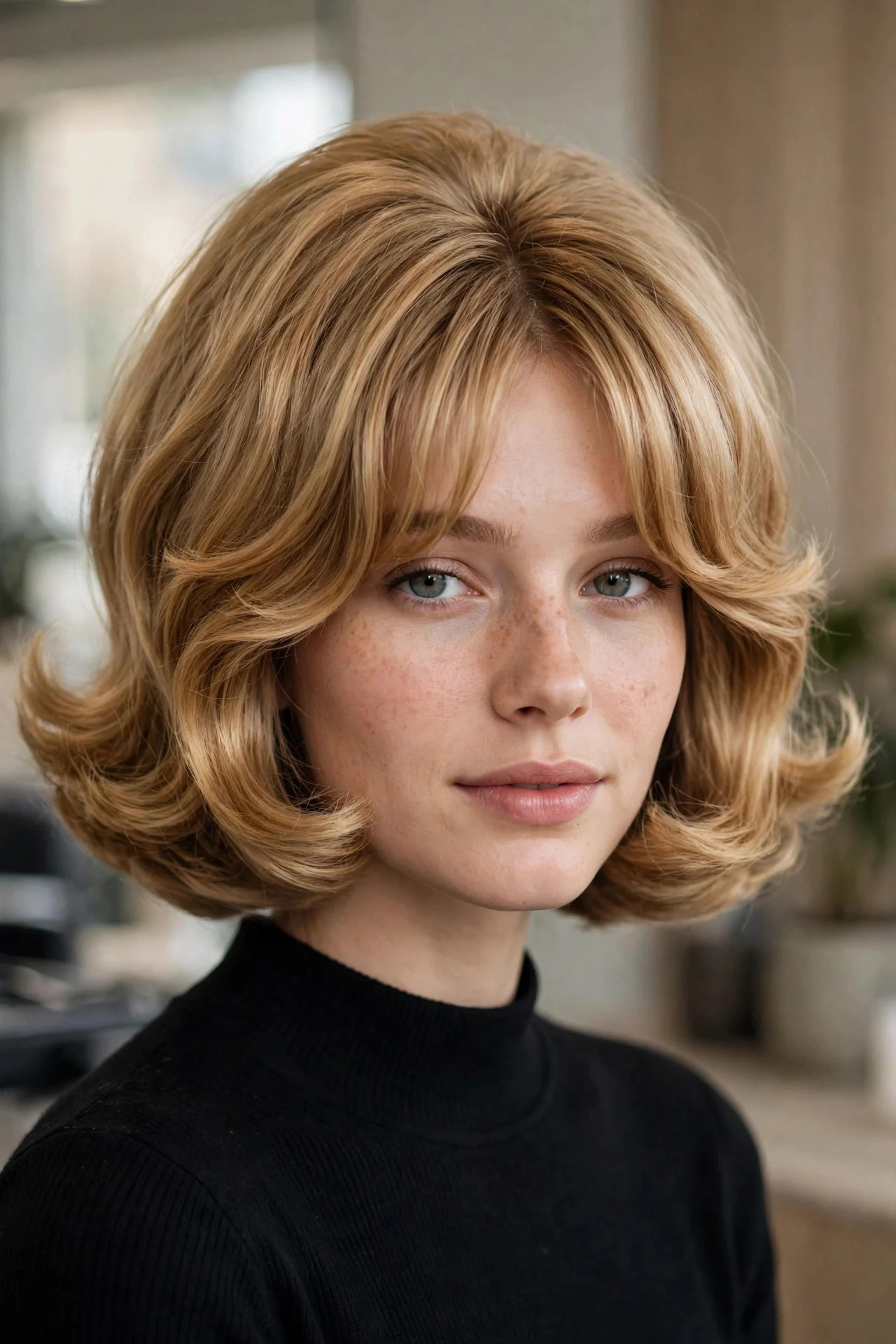
This is the version you see all over Italian street style. Same chin-length base, but worn with loose, imperfect waves that look like you spent the day at the beach. Ask for a few long layers through the mid-lengths to encourage movement, and tell your stylist you want it cut to look good messy. Works for fine to medium hair; thick hair may need some weight removed or the waves will puff out. The upside is that it’s incredibly low-effort day to day. The downside is that those waves usually need a salt spray or a quick curling wand pass to look intentional. Wavy-hair products and occasional texturizing sprays add to the upkeep cost.
3Italian Bob with Curtain Bangs

Curtain bangs plus the Italian bob is a combination that just works. The bangs soften the forehead and blend right into the sides of the cut, giving you that effortless European feel. Ask your stylist for curtain bangs that part in the middle and taper into the bob’s length, long enough to tuck behind the ears. This suits longer foreheads and square jawlines especially well. The catch: bangs need trims every 3 to 4 weeks or they lose their shape, and they can get oily fast if you have a combination skin type. On the plus side, they grow out gracefully and can be blended into the bob as they lengthen.
4Sleek Glass-Hair Italian Bob

For those who love a polished finish, the glass-hair version is stunning. Think ultra-smooth, reflective strands with a razor-clean perimeter. Ask for a blunt cut with zero visible layering, and be clear you want it worn straight. This suits straight, fine to medium hair best; curly hair will fight it without regular smoothing treatments. It suits angular faces because the softness of the styling balances sharp features. Maintenance means regular trims (every 5 to 6 weeks) and heat protectant every time you straighten. The drawback is cost: achieving that shine at home usually means investing in a quality flat iron and smoothing treatments.
5The Italian Bob with Micro Fringe
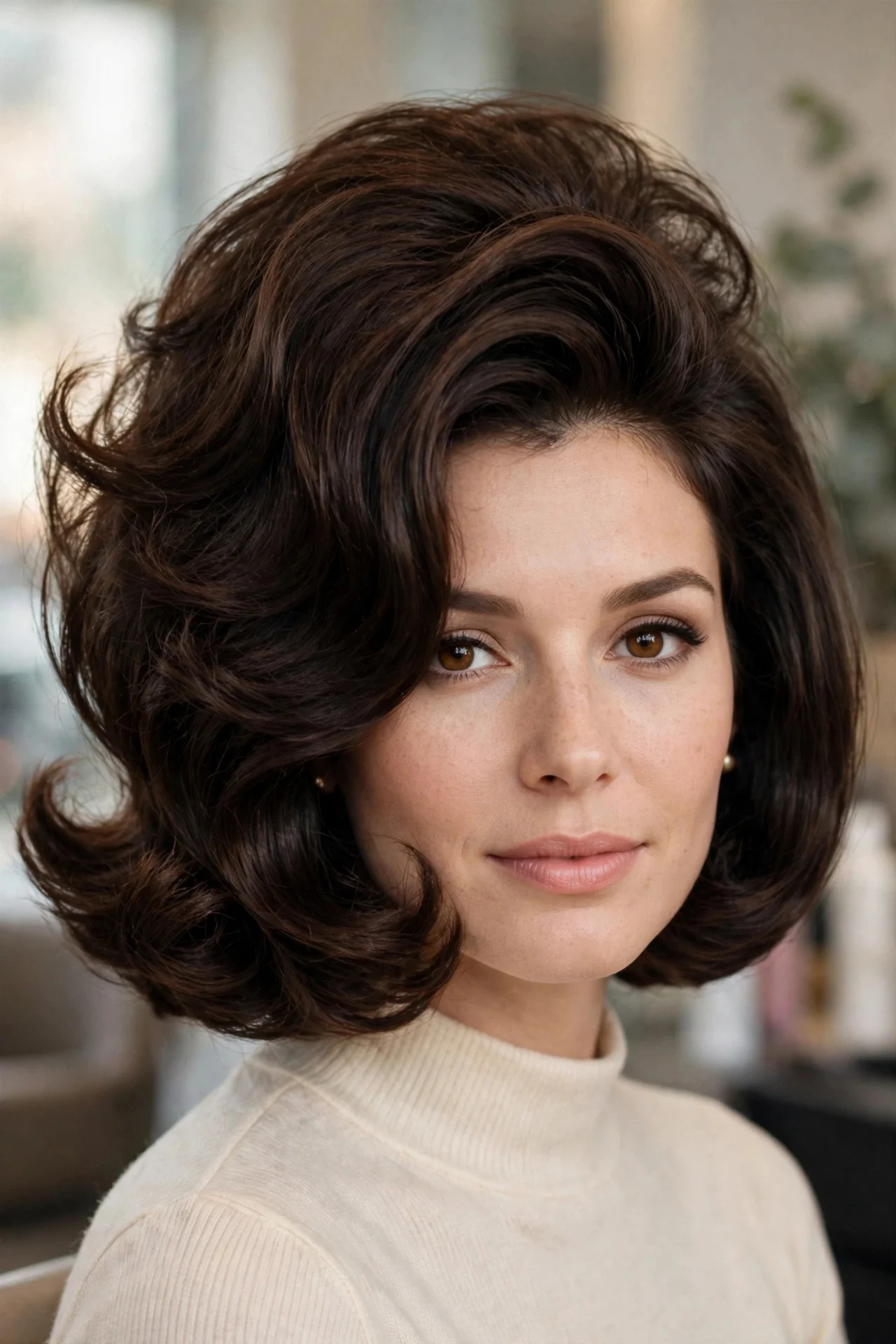
A bold little fringe takes the classic Italian bob somewhere edgier. The fringe sits high on the forehead, well above the brows, which opens up the face and shows off your eyes. Ask for a textured micro fringe with the ends point-cut for softness. This is best for oval faces and anyone with the confidence to wear a statement fringe. It’s less forgiving on very round faces. Fringe trims are non-negotiable every 3 weeks, and you’ll need to style it daily with a small brush and a touch of product. Some stylists include fringe trims free between appointments, so ask about that to keep costs down.
6Curly Italian Bob

Curly-haired women can absolutely wear the Italian bob, and honestly it looks incredible. The key is cutting it dry so the stylist can see exactly where each curl lands, and leaving it slightly longer than you think so shrinkage doesn’t turn it into a crop. Ask for a dry cut with layers that let the curls stack without creating a triangle shape. This suits every face shape because curls soften everything. Maintenance is minimal in terms of cutting (every 8 to 10 weeks), but you’ll need curl cream and a diffuser. The drawback is that curly cuts often cost more, and not every salon knows how to cut curls properly, so choose your stylist carefully.
7Side-Parted Italian Bob
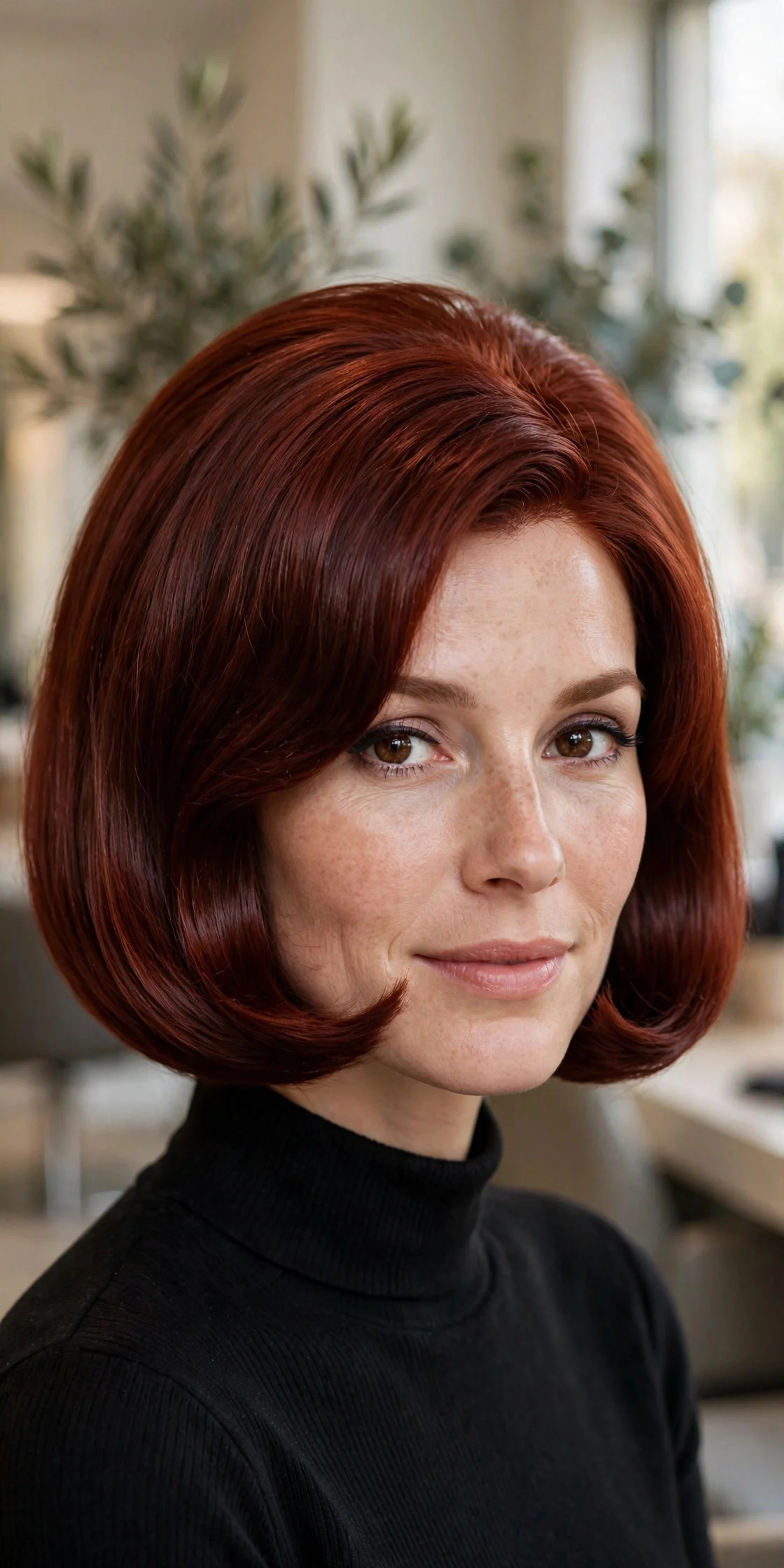
Sometimes the smallest change makes the biggest difference. A deep side part on an Italian bob adds instant drama and volume at the crown. Ask your stylist to cut it with your natural part in mind, slightly shorter on one side to emphasize the asymmetry. This is great for fine hair because the side part creates the illusion of fullness, and it suits round and square faces by breaking up symmetry. The upkeep is basically the same as the classic bob. The only real drawback is that switching your part after years of a middle part can feel strange, and it may take a week or two of training your hair to lie the new way.
8Italian Bob with Face-Framing Layers

If a blunt perimeter feels too severe, face-framing layers give you the best of both worlds. The overall length stays at the chin, but shorter pieces around the face add softness and movement. Ask for layers that start at the cheekbones and blend down into the ends. This suits square and heart-shaped faces by softening strong lines. It grows out more gracefully than a blunt bob, which is a real plus if you stretch appointments to 10 weeks. The downside is that the layers can flip outward when you sleep on them, so expect some morning restyling. A quick round-brush pass usually fixes it in under five minutes.
9The Grown-Out Italian Bob (Lob Territory)

This is for anyone who loved the Italian bob but is growing it out, or who wants the vibe with a little more length. Sitting between chin and collarbone, it’s basically a lob with Italian attitude. Ask for the same soft, blunt-ish perimeter but an inch or two longer than the classic. This suits everyone and is probably the most versatile version on this list. Maintenance is forgiving: trims every 8 to 10 weeks, and it air-dries beautifully. The honest drawback is that it doesn’t have quite the same sharp, statement-making quality as the true chin-length version. It’s safe, which is both its charm and its limitation.
10Italian Bob with Bold Color

The Italian bob is a fantastic canvas for color. Whether it’s a rich espresso, a coppery auburn, or a dramatic jet black, the short length makes bold color look intentional and chic. Ask your stylist to pair the cut with a single-process color or subtle dimensional highlights that catch the light. This suits anyone ready for a change, and darker shades are especially flattering on olive and warm skin tones. The cost factor is real: color plus a bob cut means salon visits every 6 to 8 weeks for root touch-ups, and color-safe shampoo is a must. But short hair uses less product, so home upkeep is cheap.
11Textured Shaggy Italian Bob

The shaggy take adds lots of choppy texture through the ends, giving the bob a rock-and-roll edge while keeping that Italian softness. Ask for point-cutting and razoring through the mid-lengths and ends, with a cut that encourages piece-y separation. This suits medium to thick hair and anyone who wants an edgier feel. It’s a dream for wavy and slightly curly textures. The drawback is that heavily textured cuts can look stringy on very fine hair, and the razored ends may need extra moisture. It also grows out a bit awkwardly, so plan on trims every 6 weeks to keep the shape.
12The Polished Italian Bob with a Tuck
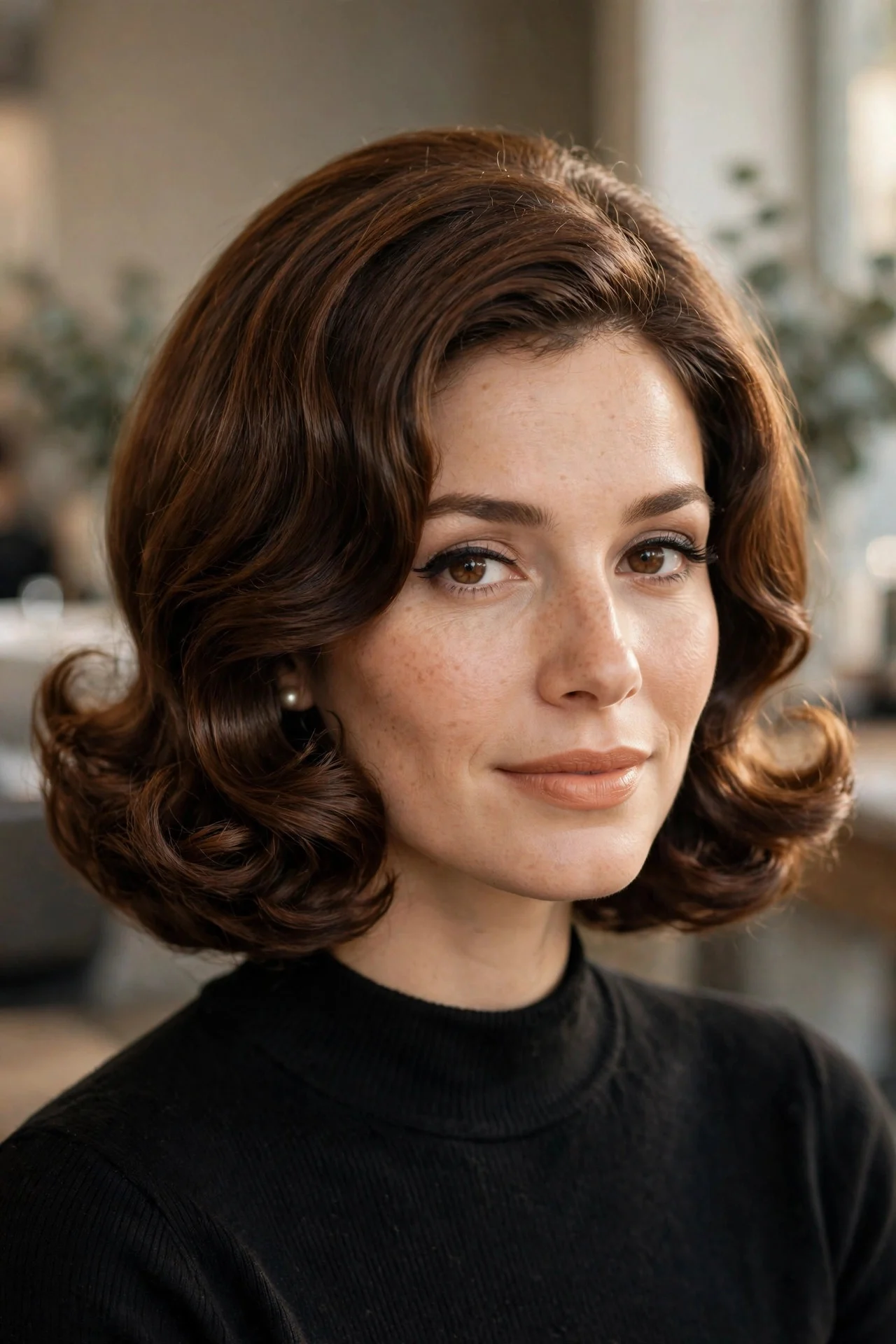
A styling variation rather than a different cut, but it deserves a spot: wearing your Italian bob tucked behind one or both ears for a sleek, minimalist look. It instantly changes the silhouette and shows off earrings beautifully. This works best on bobs with a clean perimeter and minimal layering around the face. It suits all face shapes and is perfect for professional settings. The drawback is purely practical: your hair has to be smooth enough to stay tucked, so it works best on freshly washed and styled hair. Keep a small bottle of smoothing serum in your bag for touch-ups through the day.
How to Care for and Style Your Italian Bob
The Italian bob is one of those cuts that rewards a little daily effort but doesn’t punish you for skipping it. Wash every 2 to 3 days rather than daily; short hair gets oily at the roots faster, so a good dry shampoo is your best friend. When you do wash, use a lightweight shampoo and conditioner, since heavy products flatten the shape. For styling, the classic blowout uses a round brush and a nozzle attachment: lift at the roots, curve the ends under slightly, and finish with cool air to set the shape. If you prefer the tousled look, scrunch in a salt spray or mousse and let it air-dry, then pinch a few pieces with a curling wand for definition.
Heat protectant is non-negotiable if you use hot tools regularly. A smoothing serum or lightweight oil on the ends keeps them looking healthy and prevents that dry, frayed appearance short cuts are prone to. Sleep on a silk pillowcase to reduce morning frizz and bedhead, which is especially helpful with textured versions. Trims are the real secret: book them every 6 to 8 weeks without fail. The Italian bob’s charm lives in its precise length, and even half an inch of overgrowth changes the whole look. Many salons offer quick bang or perimeter trims between full appointments at a lower price, so ask about that option.
What face shape suits an Italian bob best?
The Italian bob is genuinely versatile. Oval faces can wear every version. Round faces look great with the classic or side-parted versions, since the length at the chin adds structure. Heart-shaped faces benefit from the curtain-bang or face-framing-layer versions, which soften a wider forehead. Square faces do well with any version that adds softness around the jaw, like the tousled or layered takes.
How long does an Italian bob take to grow out?
Growing out an Italian bob to shoulder length typically takes 6 to 9 months, depending on your hair’s growth rate. The awkward in-between stage hits around month 3, when the ends flip out at the jawline. Regular trims every 8 weeks during grow-out keep the shape tidy and prevent split ends from slowing you down.
Is the Italian bob good for thin hair?
Yes, it’s one of the better short cuts for thin hair. The blunt perimeter makes ends look thicker, and the short length removes the stringy effect long thin hair can get. Ask your stylist to avoid over-layering, which can make thin hair look sparse. A side part adds instant volume at the crown.
How do I style an Italian bob without heat?
Start with damp hair and work in a lightweight mousse or curl cream, depending on your texture. Scrunch the ends upward to encourage natural wave, then either air-dry or use a diffuser on low heat. A tiny amount of texturizing paste on dry ends adds definition. For extra hold without heat, try pinning a few sections while it dries.
What’s the difference between an Italian bob and a French bob?
The French bob is shorter (usually above the chin, sometimes at the cheekbone) with a fuller fringe and a more deliberately messy, Parisian feel. The Italian bob sits at or just below the chin, tends to be sleeker or softly tousled, and has a more polished, Milanese quality. Both are chic, but the Italian bob is slightly longer and a bit more versatile.
Keep exploring: Curly Butterfly Cut Ideas, Espresso Mocha Balayage Ideas, Cherry Cola Brunette Hair Ideas