
Wavy hair sits in that sweet middle ground. It is not straight enough to fall flat and not curly enough to need a full routine. That is exactly what makes it so easy to work with, once you know what to ask for. The right cut and a little bit of product can turn a wave pattern you barely noticed into the best part of your look. These fourteen styles are built around real waves, so they hold up on busy mornings and second-day hair alike.
1The Shoulder-Length Shag
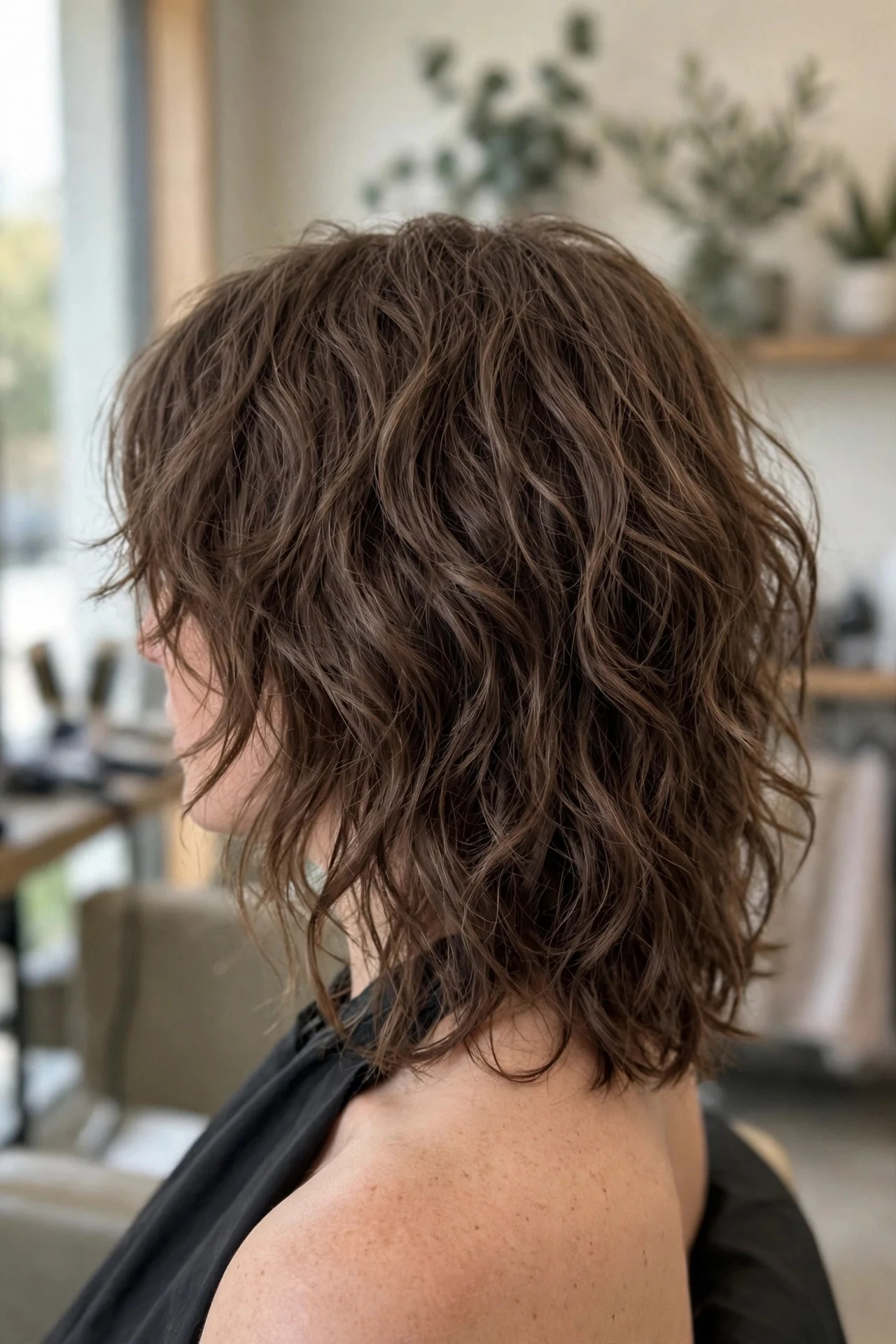
Ask your stylist for a shoulder-length shag with soft, disconnected layers through the ends and a little weight taken out around the crown. This cut lets the wave pattern form on its own instead of fighting it. It suits almost every face shape, but it is especially good on oval and round faces because the layers open up around the cheekbones. Scrunch in a light mousse while the hair is damp and let it air dry. A trim every eight weeks keeps the layers from going stringy. The one drawback is that very fine hair can look a bit thin at the ends if the layers are cut too aggressively, so ask for them to stay soft.
2Long Layers With a Middle Part
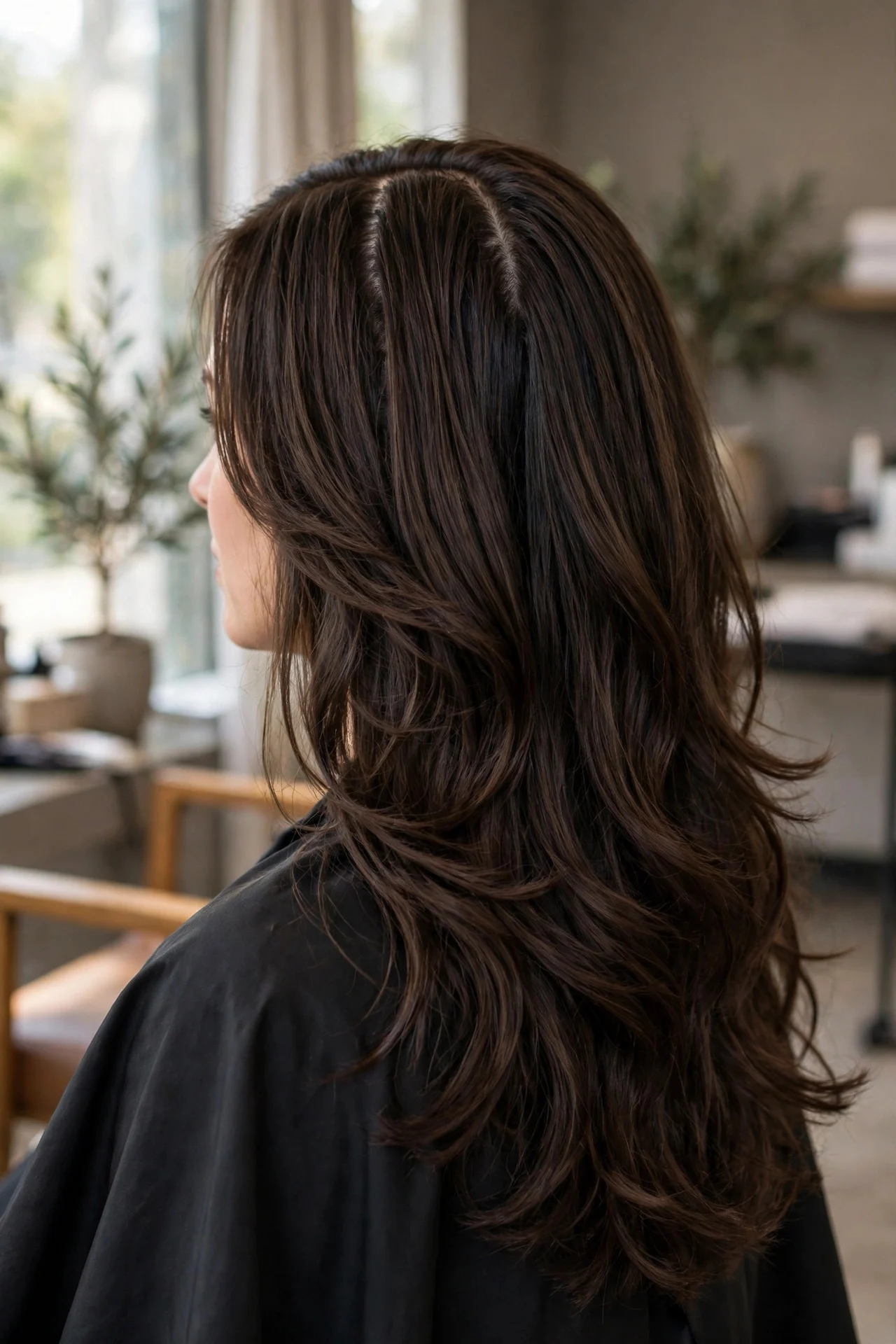
Long layers are the safest way to keep length while giving waves room to move. Ask for layers that start at the chin and get longer toward the ends, with no harsh steps. A middle part shows off the symmetry of the waves and keeps the style from falling to one side. This works best on medium to thick hair with a natural S-wave. Fine hair can work too, but keep the layers long so the ends stay full. Wash, add a pea-sized amount of curl cream, and twist a few front sections around your finger while drying. You will need a trim every ten weeks or so, and the ends can dry out if you skip leave-in conditioner.
3The Wavy Lob
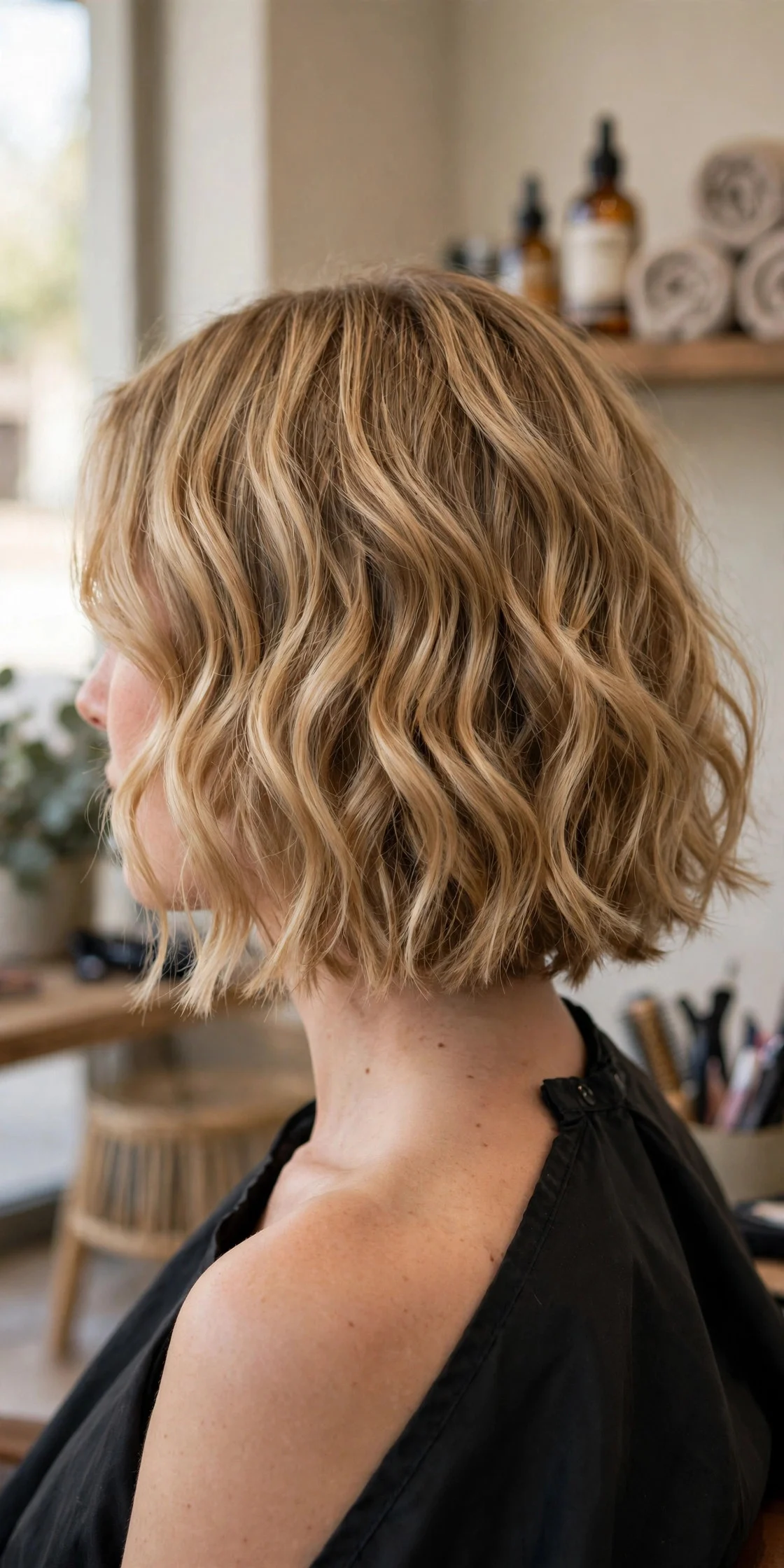
A lob, or long bob, that hits just above the collarbone is one of the easiest wavy hair hairstyles to live with. Ask for a blunt-ish base with a few internal layers so the waves have movement without losing the strong outline. It suits heart-shaped and square faces well because the length softens the jaw. Style it with a salt spray on damp hair, then rough-dry with your hands. It dries fast, which is a real plus if you wash your hair in the morning. The downside is the grow-out phase. Once it passes the shoulders it needs reshaping, so plan on a cut every six to eight weeks to keep the shape.
4Curtain Bangs With Loose Waves
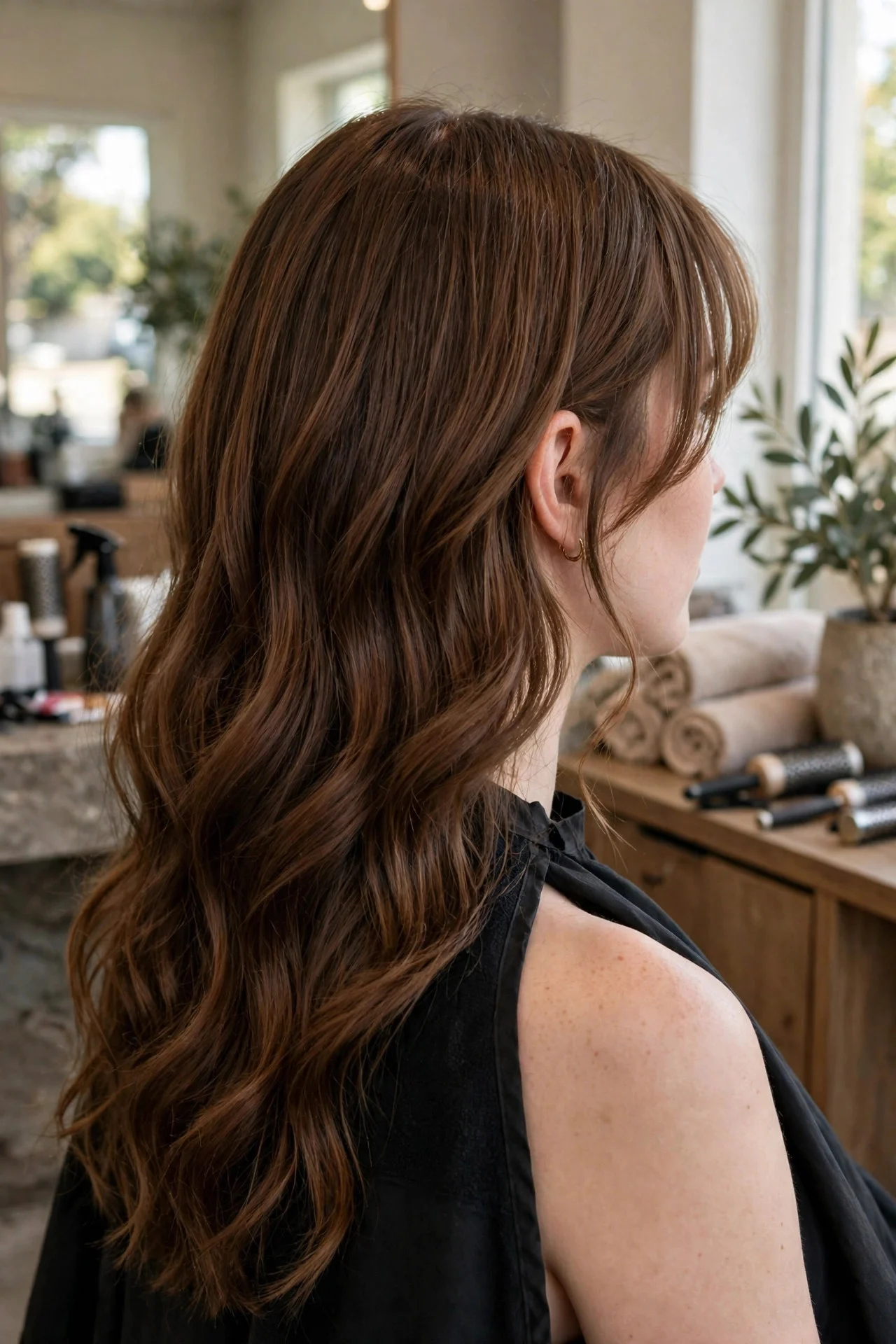
Curtain bangs are made for wavy hair. Ask for bangs that part in the middle, fall to cheekbone length, and blend into the layers at the sides. The natural wave gives them movement that straight hair has to fake with a round brush. This style suits long and oval faces best, and it is a good way to try bangs without committing to a full fringe. Blow dry the bangs forward with a small round brush, or just twist them away from your face while they air dry. They need a trim every three to four weeks to stay out of your eyes. On very humid days they can clump together, so keep a little dry shampoo nearby.
5The Textured French Bob
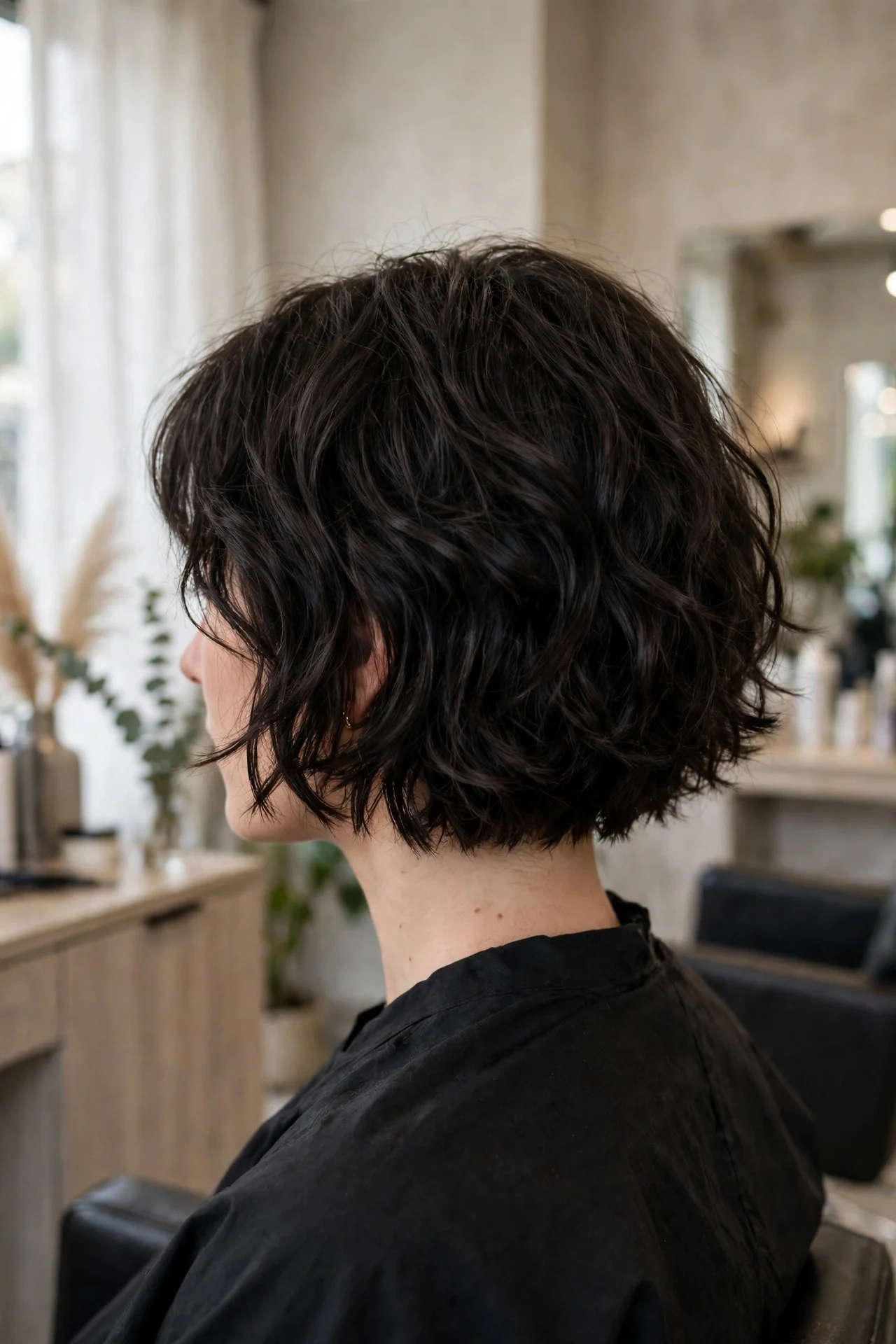
A French bob with a wavy texture feels chic without trying too hard. Ask for a jaw-length cut with soft, choppy ends and a little texture cut into the interior, not a blunt line. The waves do the styling for you. This cut is best on hair with a clear wave pattern and medium density, and it flatters round and oval faces because the length draws attention to the jawline. Use a small amount of styling cream and let it dry naturally. The maintenance is honest work though. Bobs grow out fast, so expect a trim every five to six weeks, and the cut costs more in upkeep than a longer style over a year.
6Half-Up With a Claw Clip
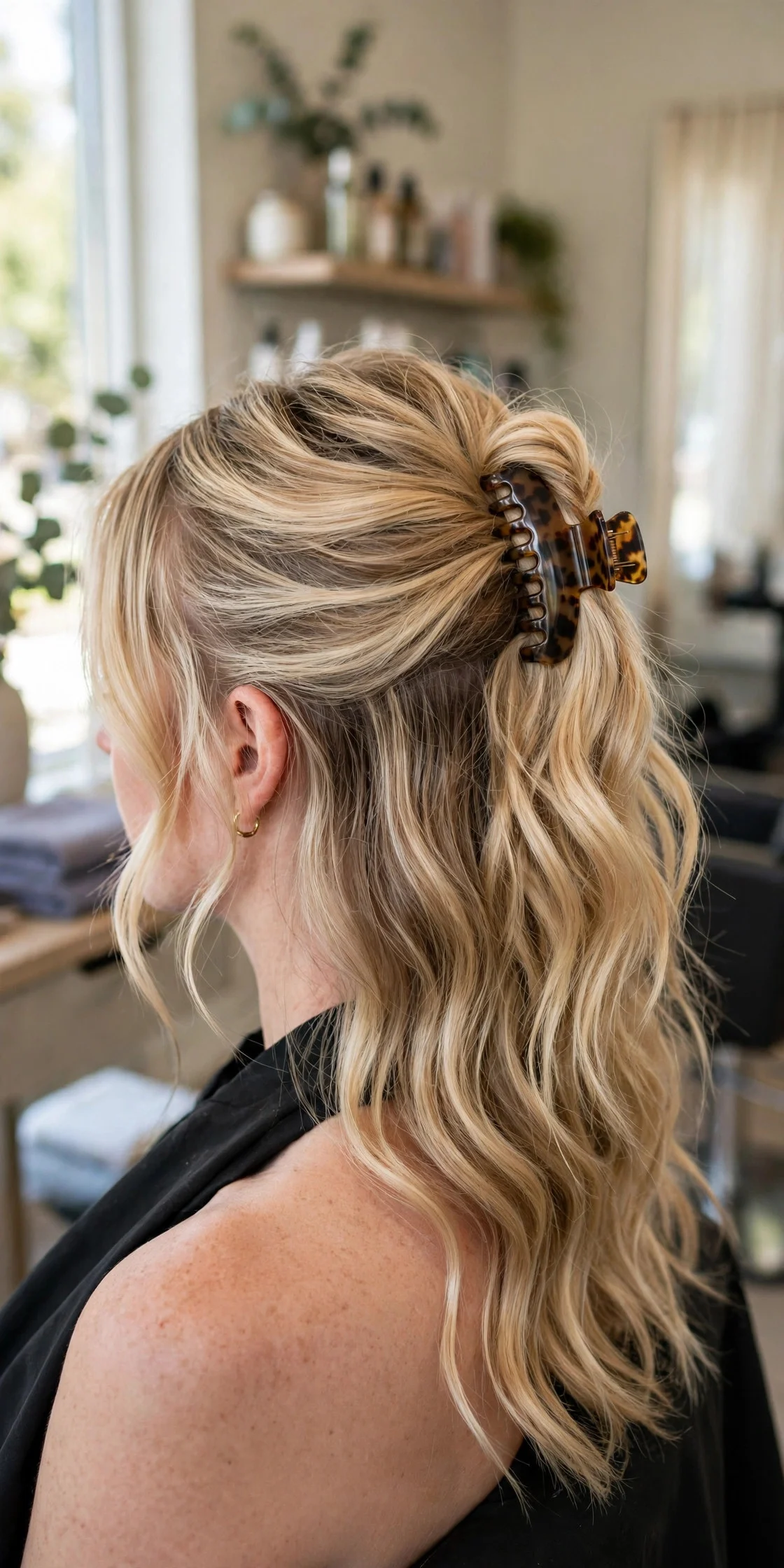
This is the five-minute style that actually looks finished. Gather the top half of your hair, twist it once, and pin it with a large claw clip, leaving the bottom waves loose. Pull out two face-framing pieces and let them wave naturally. It suits every hair length from a lob down, and it works on second-day hair better than freshly washed hair because the texture helps it grip. The only cost is a decent claw clip, and the upkeep is zero. The drawback is that very thick hair can feel heavy in a clip by the afternoon, so choose a strong clip and do not twist the section too tight.
7Beach Waves With a Deep Side Part
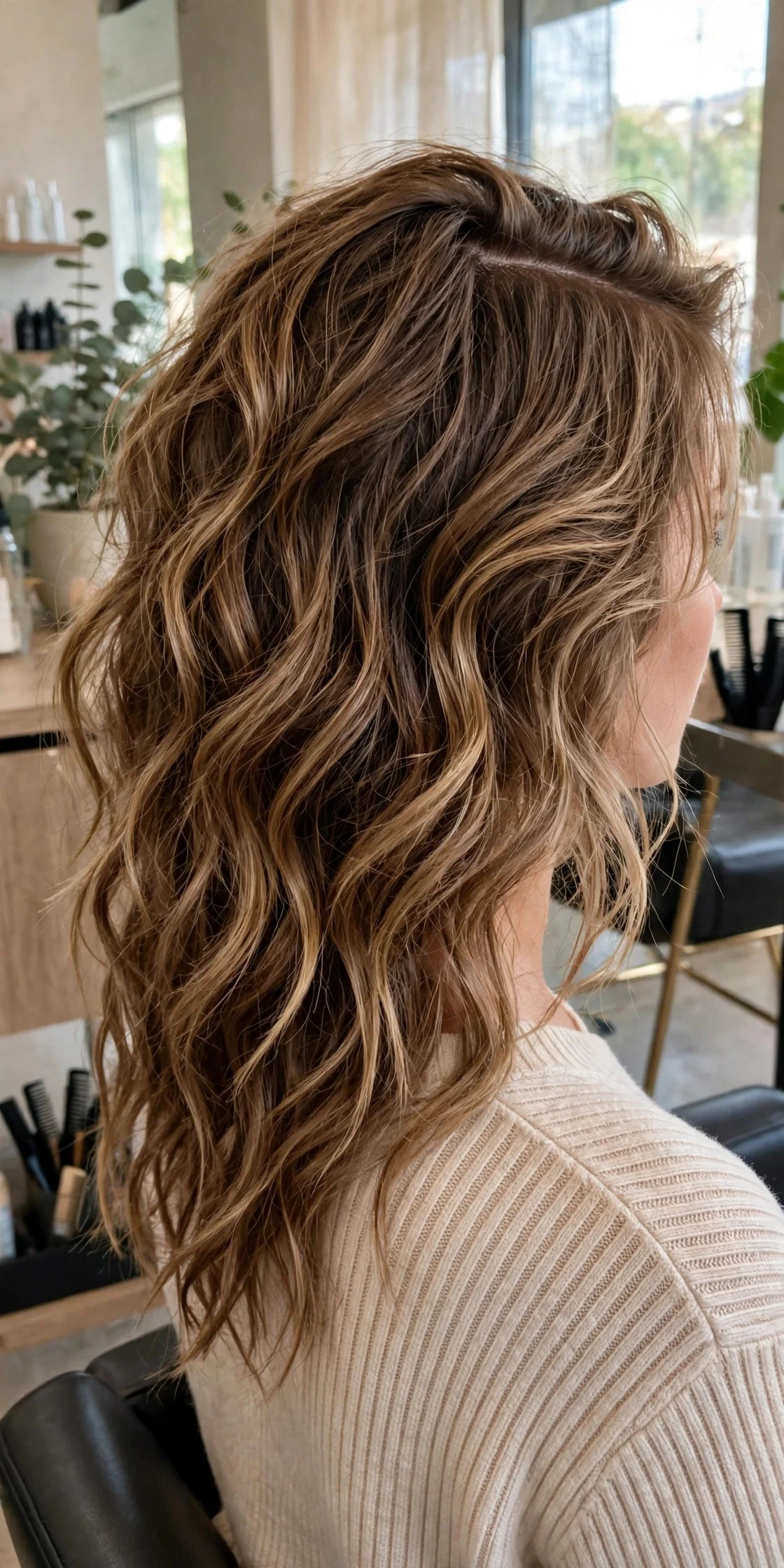
A deep side part changes the whole feel of wavy hair. It adds volume at the roots and gives the waves a swept, lived-in direction. Ask your stylist to cut your layers so they fall naturally to the heavier side. To style it, apply mousse to damp hair, part it deeply on one side, and scrunch as it dries. This suits people with fine to medium waves who want more body without teasing. It holds well all day, and it photographs beautifully. The trade-off is that the part can collapse if your hair is very heavy, so a little root spray helps. It also needs the part retrained if you normally wear a middle part.
8The Low Messy Bun
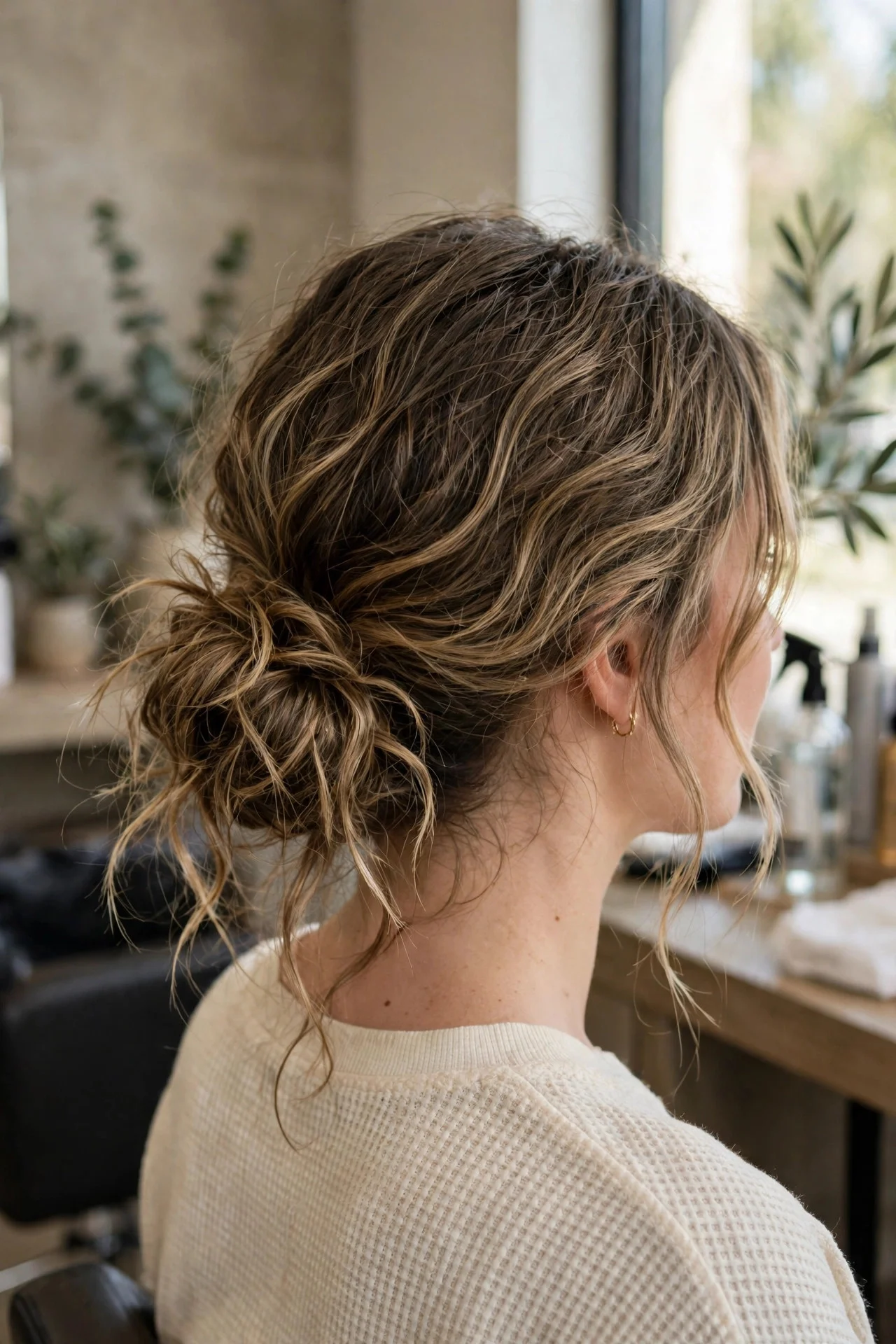
A low messy bun is the wavy-haired person’s best friend on busy days. Gather your hair at the nape, twist it loosely, and pin it with a few bobby pins, leaving the ends poking out and a couple of wavy pieces free around your face. The texture of wavy hair keeps the bun from looking too neat or too severe. It suits all face shapes and works on hair from shoulder length down. There is almost no cost and no upkeep beyond a few pins. The downside is that it can fall apart by late afternoon if your hair is slippery or freshly washed, so a little texture spray before pinning makes a real difference.
9Layers With Face-Framing Highlights
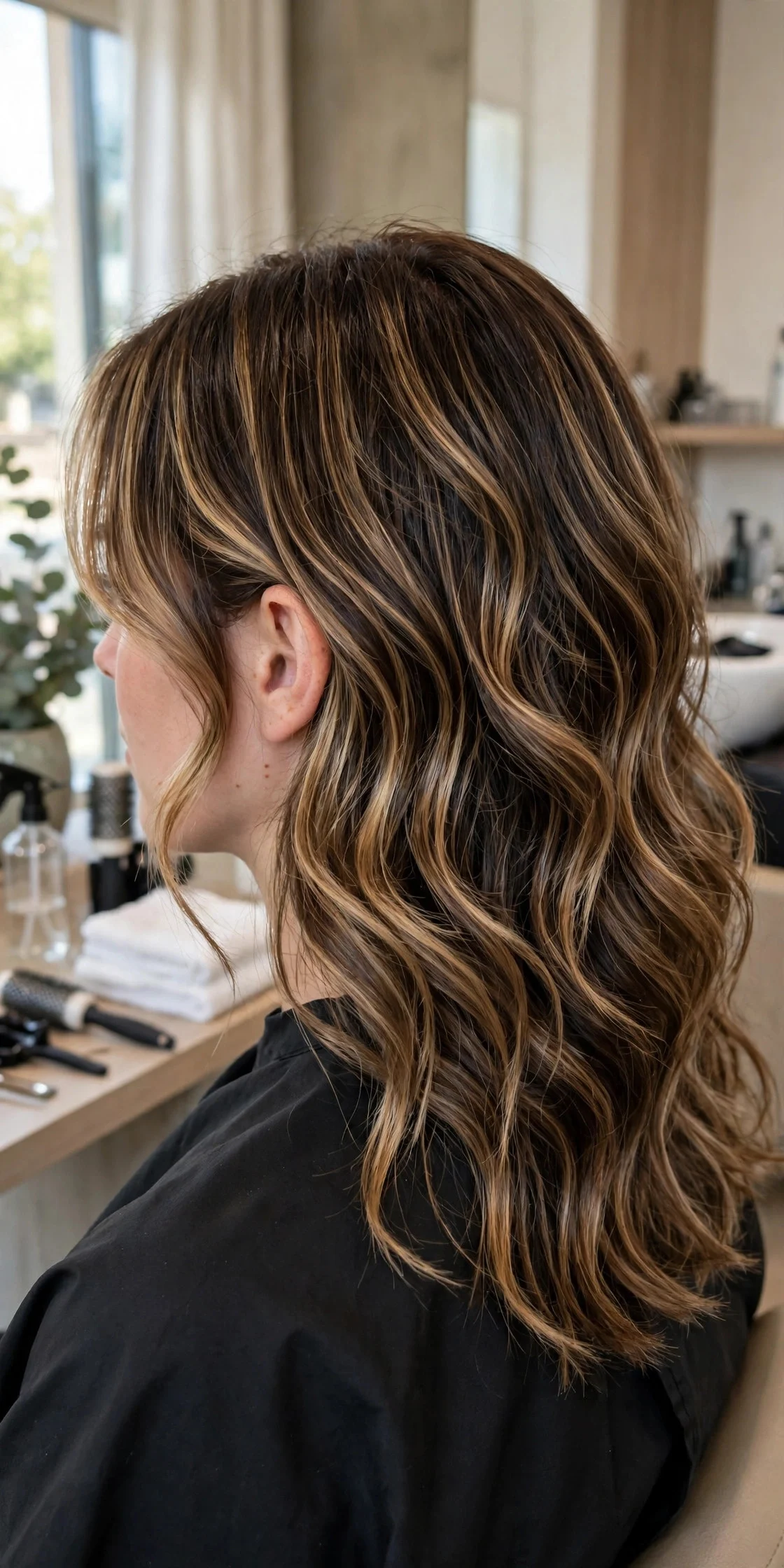
Sometimes the cut is fine and the colour is what needs to change. Ask for a few soft, face-framing highlights, balayage style, painted a shade or two lighter than your base. The lighter pieces catch the light and make each wave stand out. This suits anyone whose waves look a bit flat or one-dimensional. It is lower maintenance than full highlights because the regrowth blends in, and you can stretch appointments to twelve weeks. The cost is the main drawback. Balayage is not cheap, and highlighted waves need more conditioning or the ends go dry and frizzy. A good mask once a week is not optional here.
10The Wavy Pixie
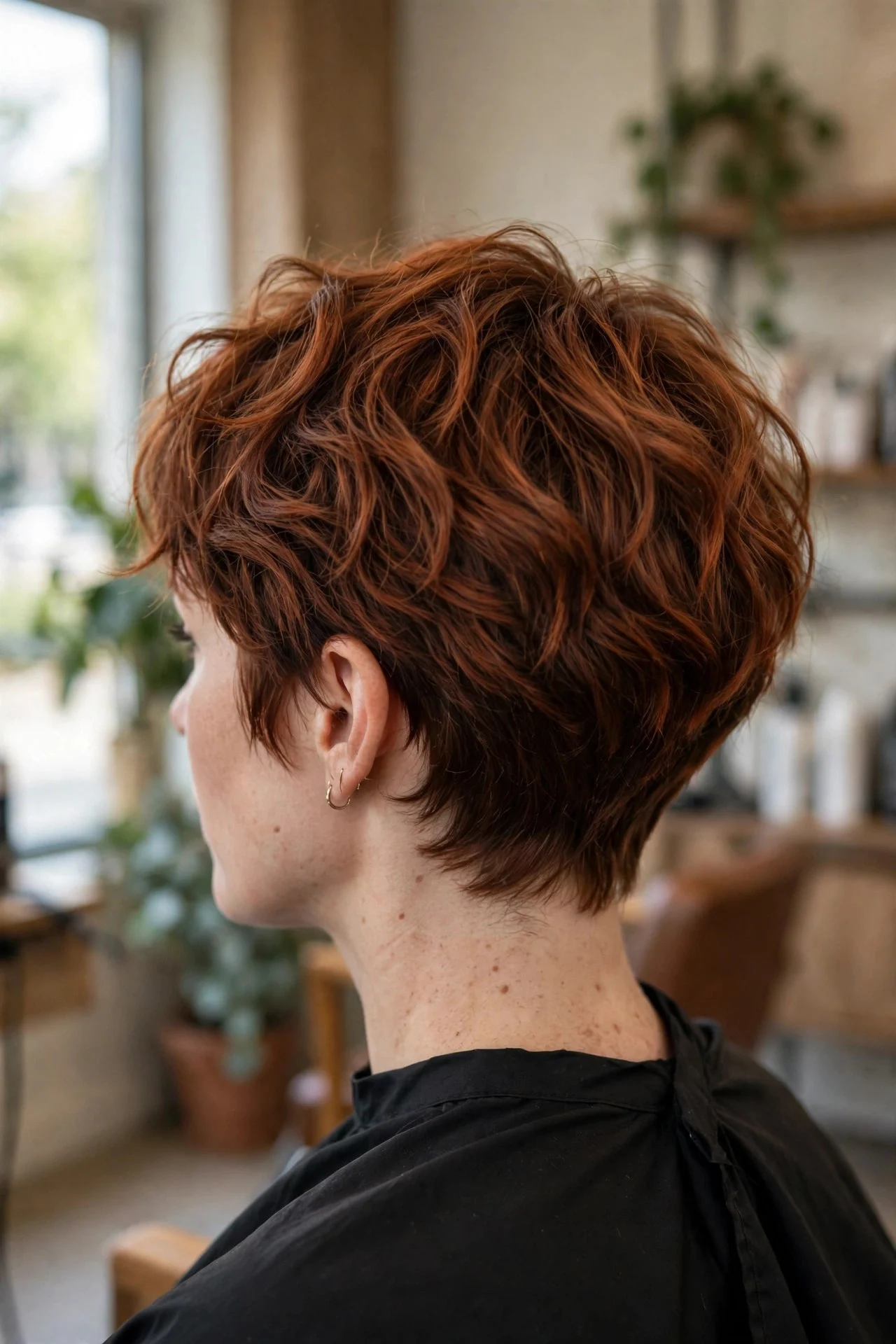
A wavy pixie sounds bold, and it is, but the wave keeps it soft. Ask for a pixie with length left on top and through the fringe, with the sides tapered rather than buzzed short. The waves on top give it texture that a straight pixie has to fake with product. It suits oval, heart, and square faces, and it is a brilliant choice if you are tired of long hair. Styling takes minutes. A dab of pomade, a quick scrunch, and you are done. The catch is the upkeep. Pixies need a cut every four to five weeks to hold their shape, so the salon visits add up. Growing it out also takes patience.
11Braided Crown With Loose Waves
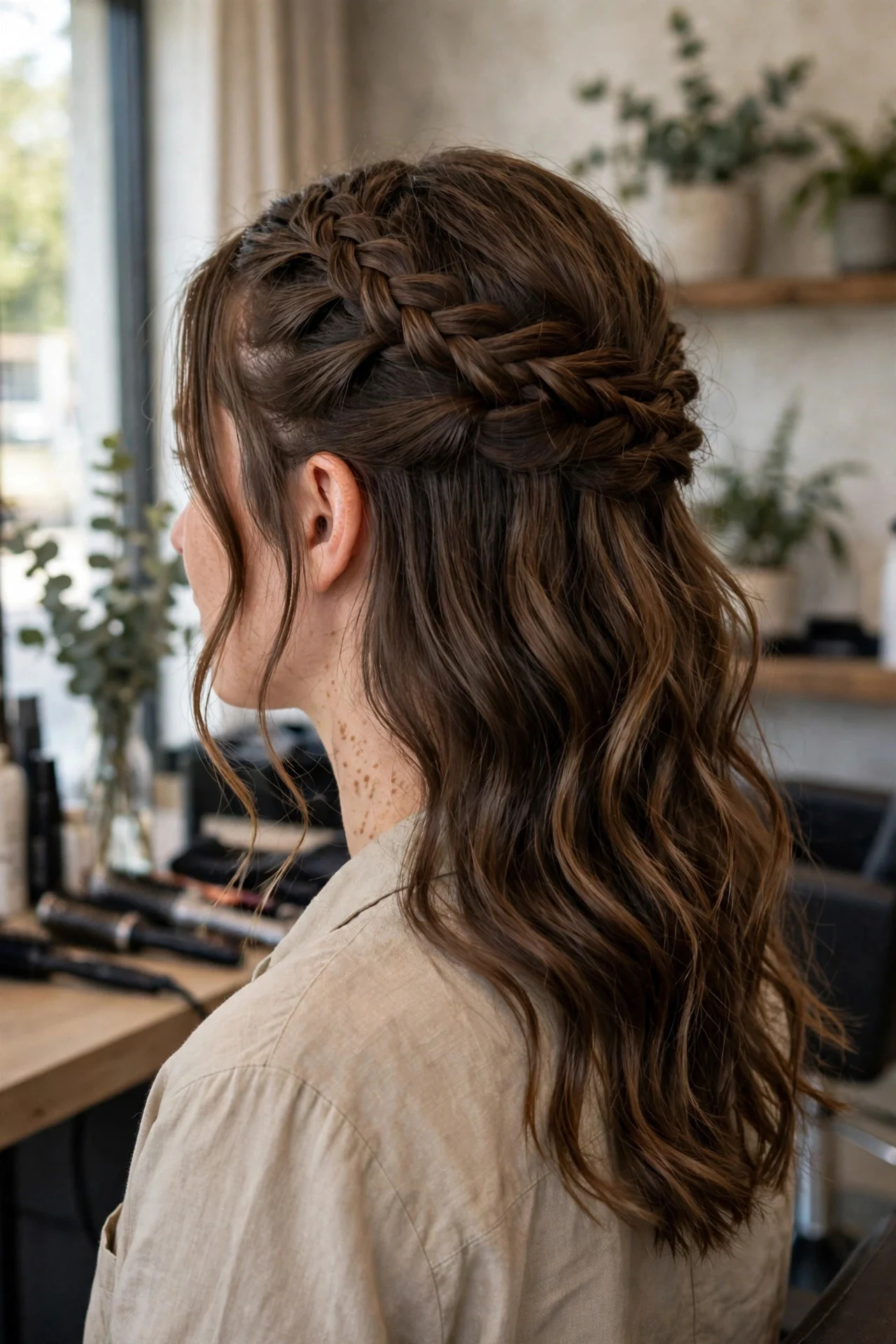
A braided crown looks complicated but takes about ten minutes once you know the steps. Take a section from above one ear, braid it loosely, and pin it across the top of your head, then repeat from the other side and tuck the ends under. Leave the rest of your waves down. It suits medium to long hair and is lovely for weddings, parties, or any day you want to feel a bit more put together. The cost is just a few bobby pins and some practice. The drawback is that it works best on day-old hair with some grip, and very fine hair may need a little teasing at the crown so the braids do not slide.
12The Air-Dried Wash and Go
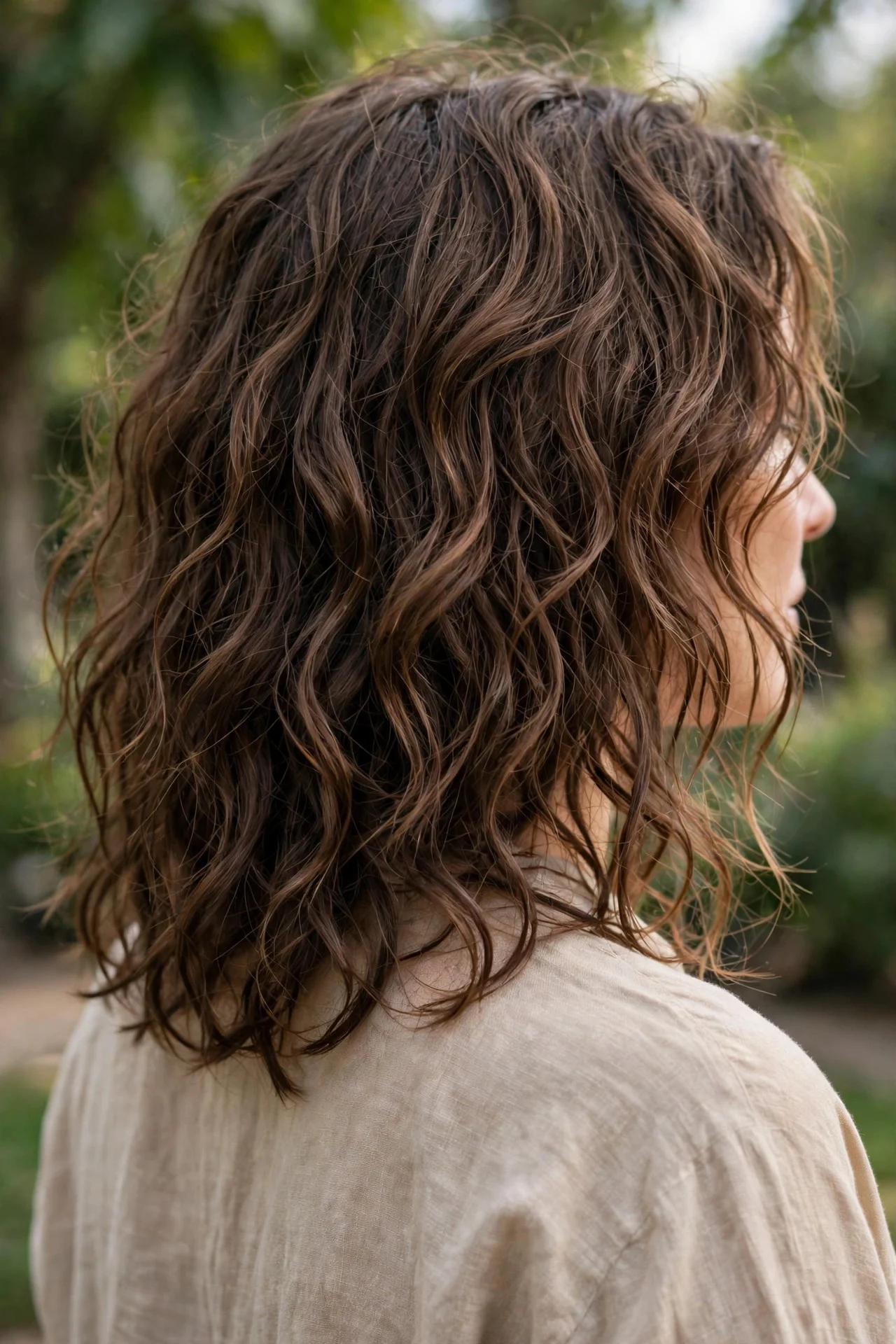
The wash and go is the most honest wavy hairstyle there is. Wash your hair, apply a leave-in conditioner and a light curl cream, scrunch gently, and leave it alone. No brush, no heat, no fuss. Ask your stylist for a cut with long layers and no heavy thinning, because the shape has to work with zero styling effort. This suits anyone with a consistent wave pattern who wants their mornings back. The upkeep is a trim every eight to ten weeks and a decent leave-in. The drawback is the weather. Humidity can turn a good wash and go into frizz, and the first few tries usually look better than the first one, so give it a week.
13Voluminous Blowout With a Round Brush
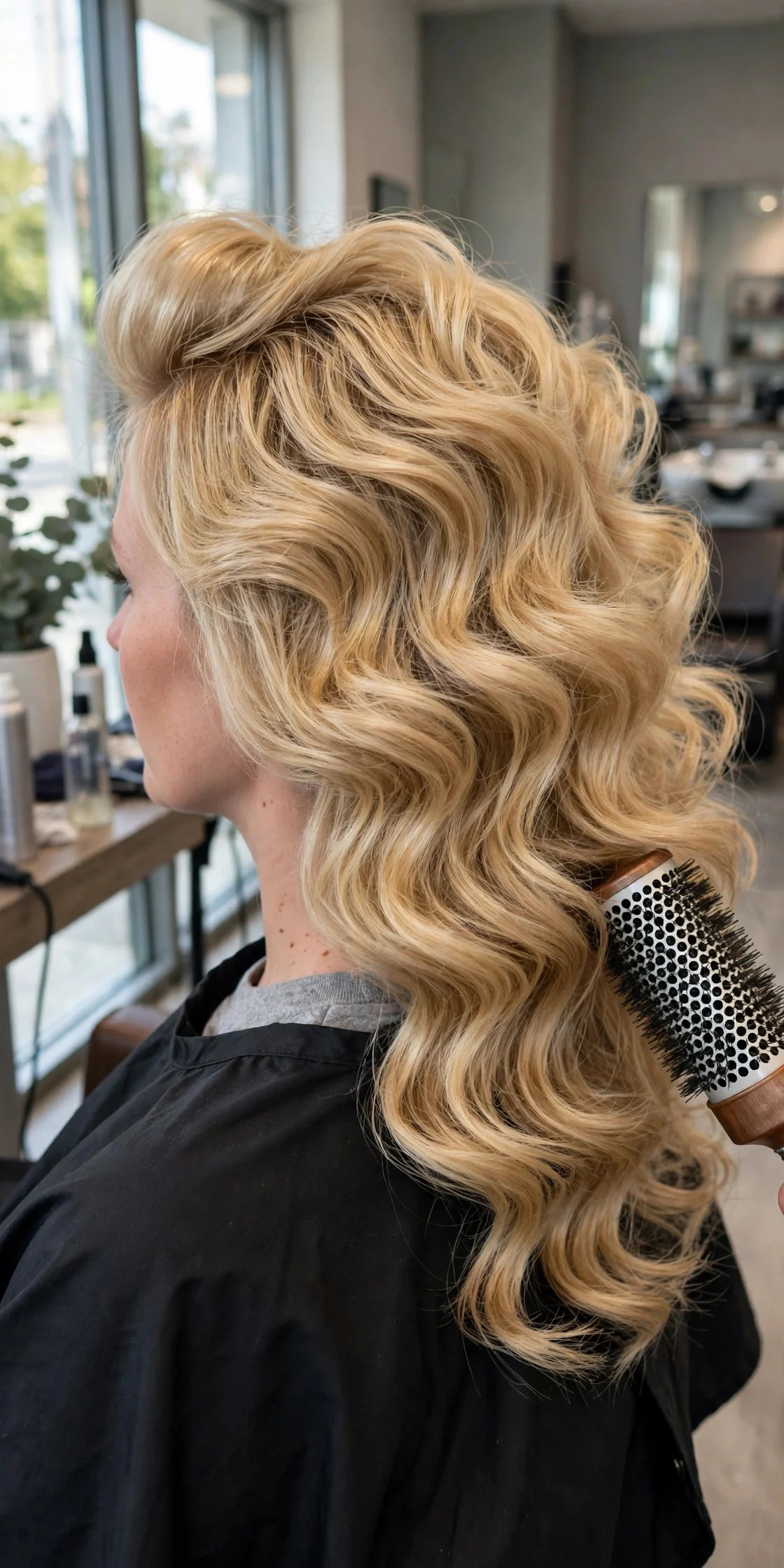
If you want your waves to look polished for an event, a round-brush blowout is worth the effort. Work in sections with a large round brush, lifting at the roots and rolling the ends under, then let each section cool before you touch it. The result is smooth, bouncy waves with real volume. Ask your stylist to show you the sectioning once so you can repeat it at home. This suits medium to thick hair and holds best on hair that has not been washed that morning. The downside is time. It takes twenty to thirty minutes, and the blowout falls flat faster on very fine hair. A good heat protectant is essential every single time.
14The Side-Swept Wavy Ponytail
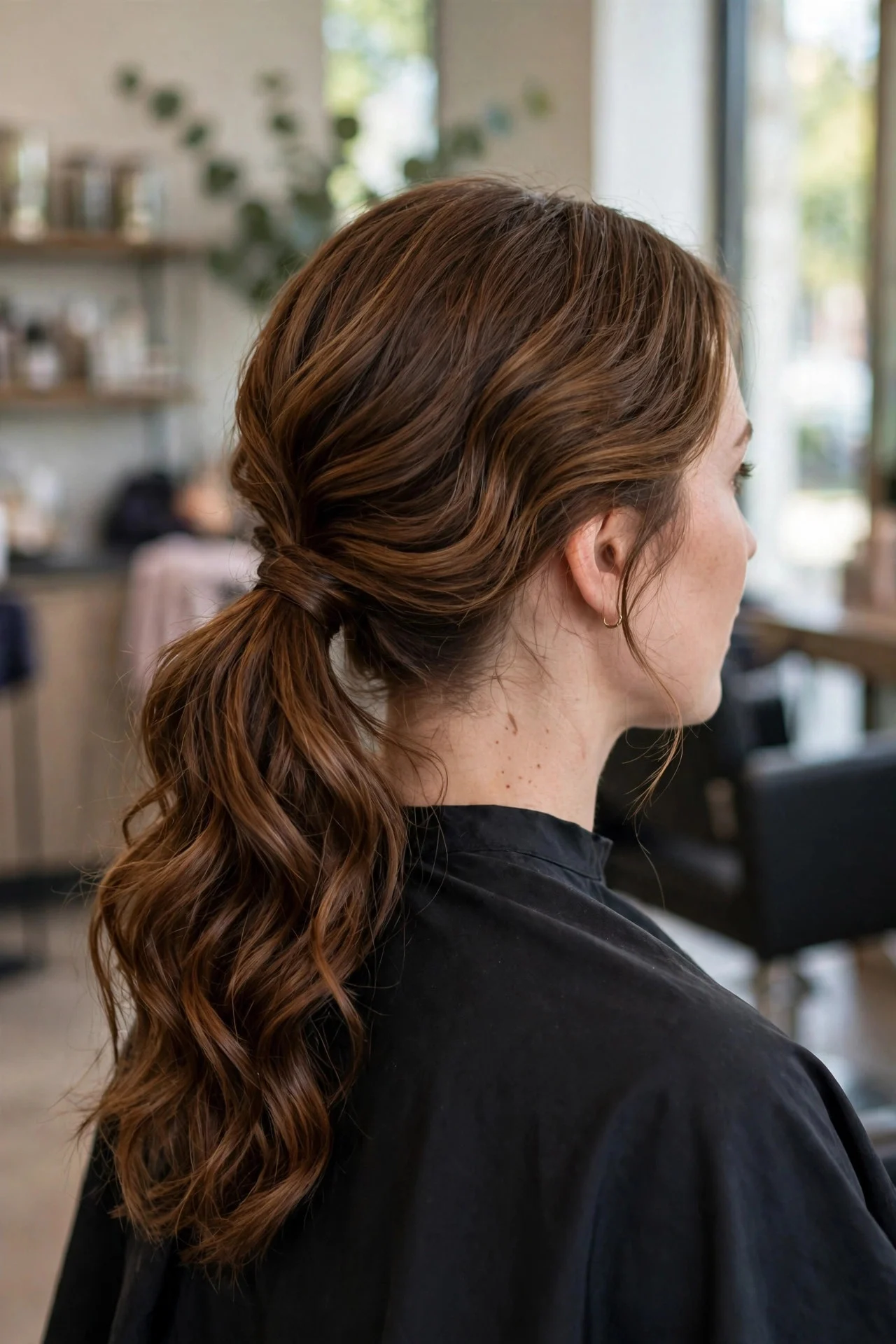
A side-swept ponytail is simple, but the placement makes it feel intentional. Gather your hair low and to one side, secure it loosely, then pull out a few waves around your face and at the nape. Wrap a small section of hair around the elastic to hide it. It suits every face shape and works on hair from a lob down. It is a great option for work or a night out with a bit of volume at the crown. The only drawback is that heavy hair can pull and give you a headache by the end of the day, so keep the ponytail loose.
How to Care for and Style Wavy Hair
Wavy hair does best with a light touch. Wash it two to three times a week with a sulfate-free shampoo, and follow with conditioner on the mid-lengths and ends. Leave-in conditioner is your best friend. Keep styling products light. Heavy oils and thick creams weigh waves down and turn them stringy.
When you dry your hair, scrunch it upward with your hands or a soft cotton T-shirt instead of a rough towel. A diffuser on low heat helps the waves set without frizz, but air drying works just as well. Never brush dry wavy hair. A wide-tooth comb on wet hair, or your fingers on dry hair, is all you need. Brushing breaks the wave pattern and creates frizz.
For sleeping, gather your hair into a loose pineapple on top of your head with a silk scrunchie, or sleep on a satin pillowcase. In the morning, a quick spritz of water mixed with a little leave-in wakes the waves back up. If you colour your hair, a deep conditioning mask once a week keeps the ends from drying out, and a trim every eight to ten weeks keeps the shape clean. The goal is not to fight the wave. Give it a good cut, a little moisture, and then get out of its way.
FAQs
How do I make my wavy hair look less frizzy?
Frizz usually means your hair needs moisture, not more product. Use a leave-in conditioner on damp hair, avoid brushing it dry, and dry it with a cotton T-shirt or a diffuser on low heat. A pea-sized amount of curl cream scrunched into the ends helps seal the wave. If the frizz is worst at the crown, try a silk pillowcase.
What is the best haircut for wavy hair?
It depends on your wave pattern and how much time you want to spend styling. Long layers are the safest choice because they work with almost every wave type. A shag is better if you want volume and movement, and a lob is best if you want something low maintenance. Tell your stylist how you actually dry your hair day to day, because the best cut is the one that suits your real routine.
Should I use mousse or curl cream on wavy hair?
Both work, but they do different jobs. Mousse gives volume and light hold, which suits fine waves that fall flat. Curl cream gives definition and moisture, which suits thicker waves that need taming. Many people use both, a little mousse at the roots and a little cream through the ends. Start with less than you think you need. Too much product is the fastest way to make waves look greasy.
Can wavy hair be straightened without damage?
Yes, but heat protectant is not optional, and the flat iron should stay at or below 180 degrees Celsius for most hair types. Straighten in small sections and do not go over the same piece twice. Wavy hair usually straightens easily, which is a plus, but daily heat will dry it out and loosen the wave pattern over time. Give your hair at least a few heat-free days each week.
How often should I trim wavy hair?
Every eight to ten weeks is right for most people. Wavy hair hides split ends better than straight hair, so it is tempting to stretch it longer, but the ends start to look thin and the layers lose their shape. Shorter cuts like bobs and pixies need trims every four to six weeks. If you are growing your hair out, ask for a dusting, just the very tips.
Keep exploring
If you liked these ideas, check out 12 Wavy Lob Haircuts for Texture, 14 Wavy Bob With Bangs Ideas and 14 Protective Hairstyles for Winter (2026).