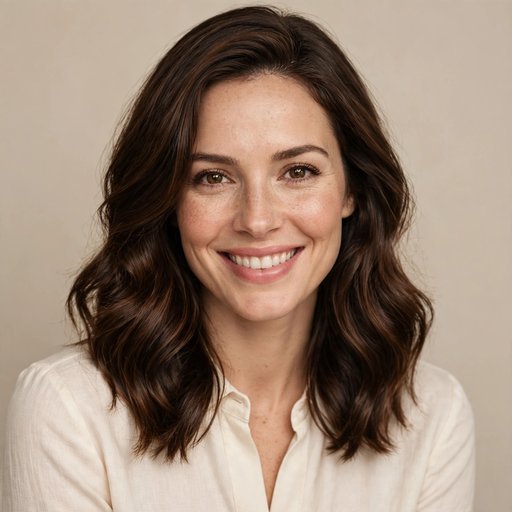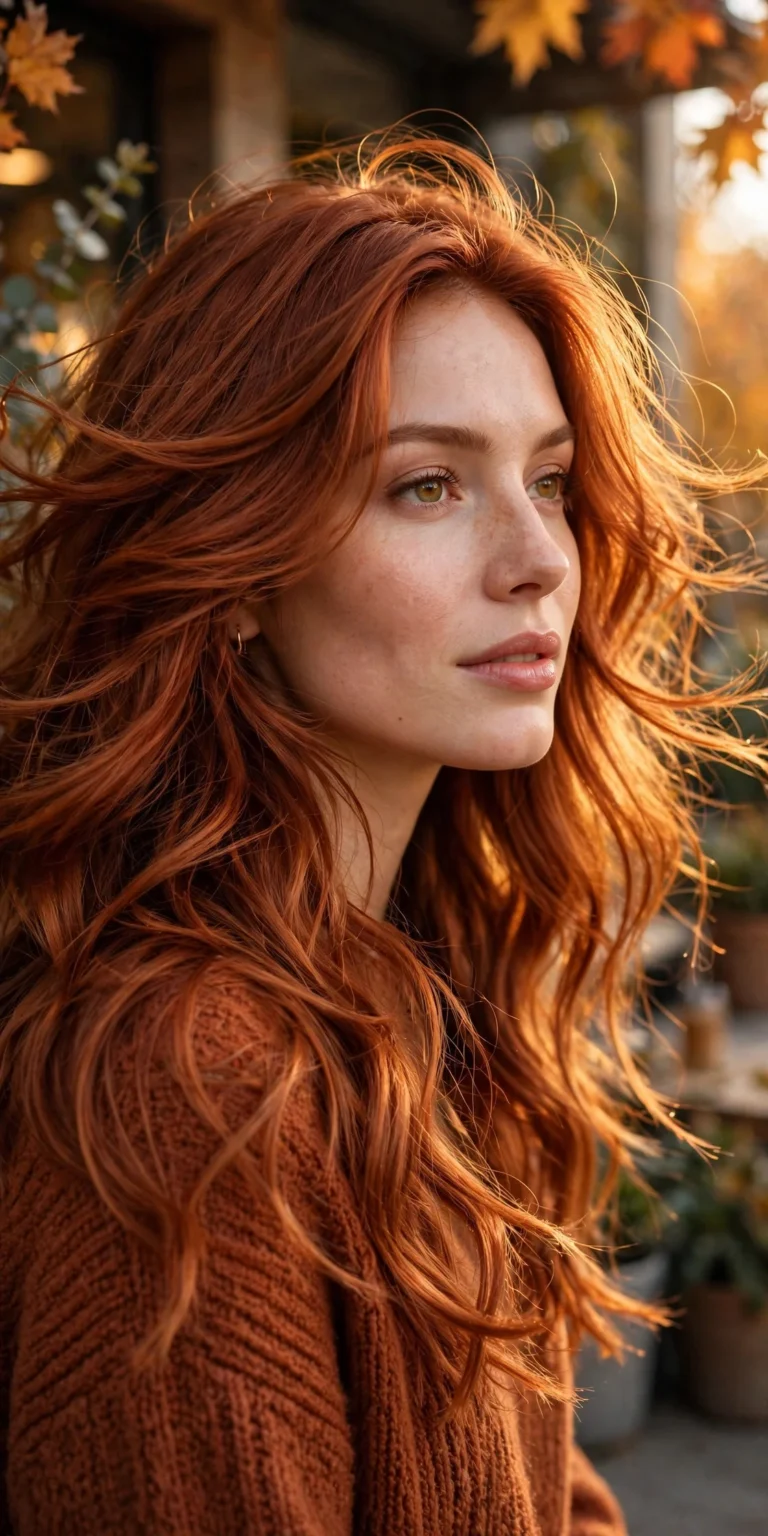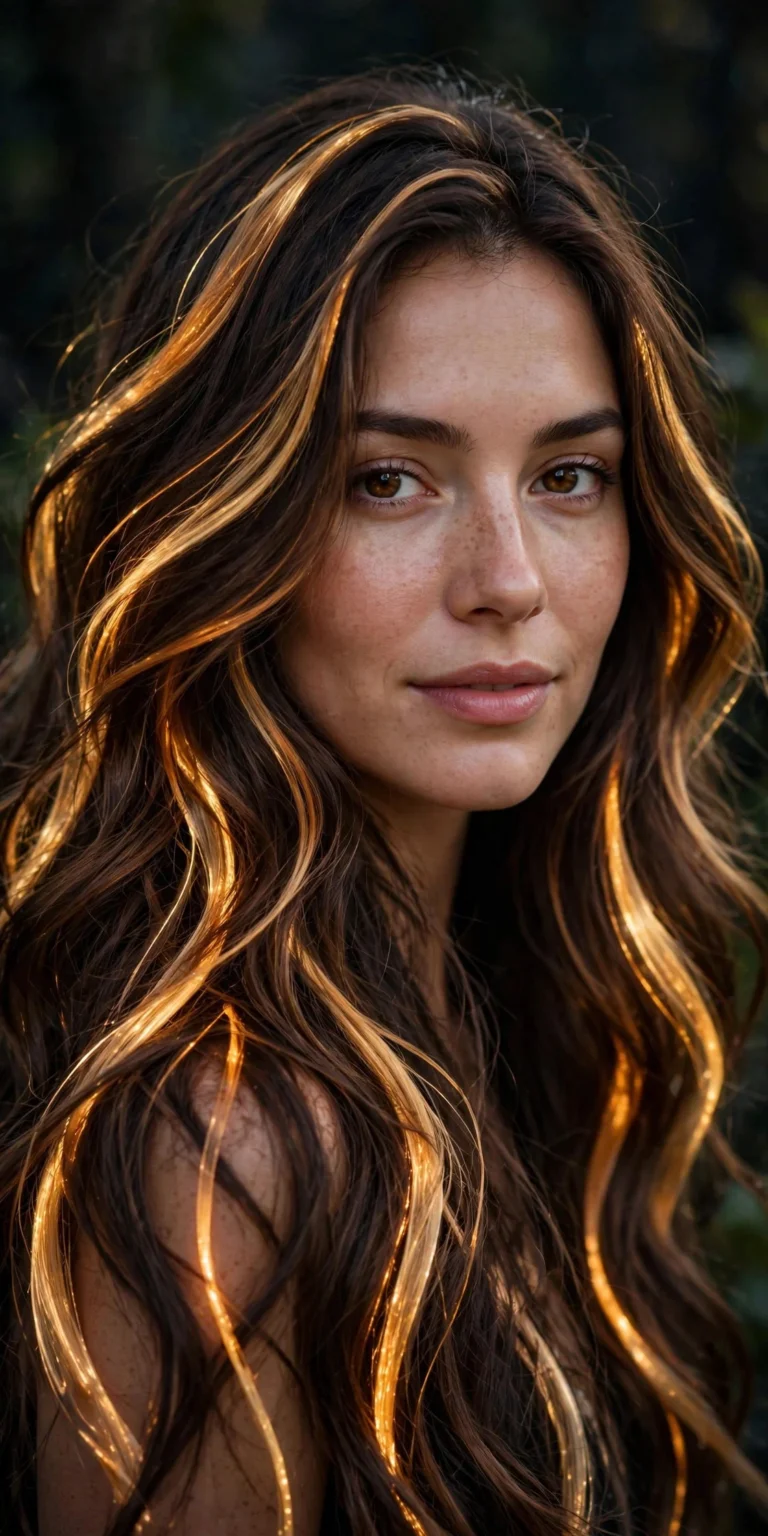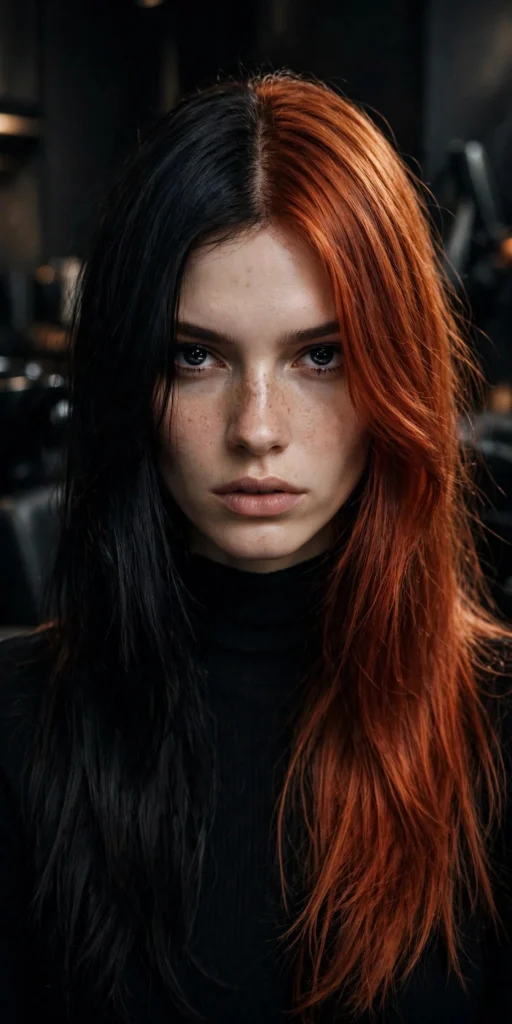
Some hair trends whisper. Two-tone color announces. Pinterest's 2026 Beauty Trend Report flagged real search growth for high-contrast hair color: a single shade can sit flat on camera, but two shades working against each other build depth and movement.
Two-tone is not one technique. It covers split-dye down the middle, hidden peekaboo layers, face-framing panels, dyed tips, and bold stripes. Some versions scream; others are quiet enough for the office. Here are twelve pairings, each with the exact salon ask, who it suits, and the honest drawback.
1Split-Dye Black and Platinum
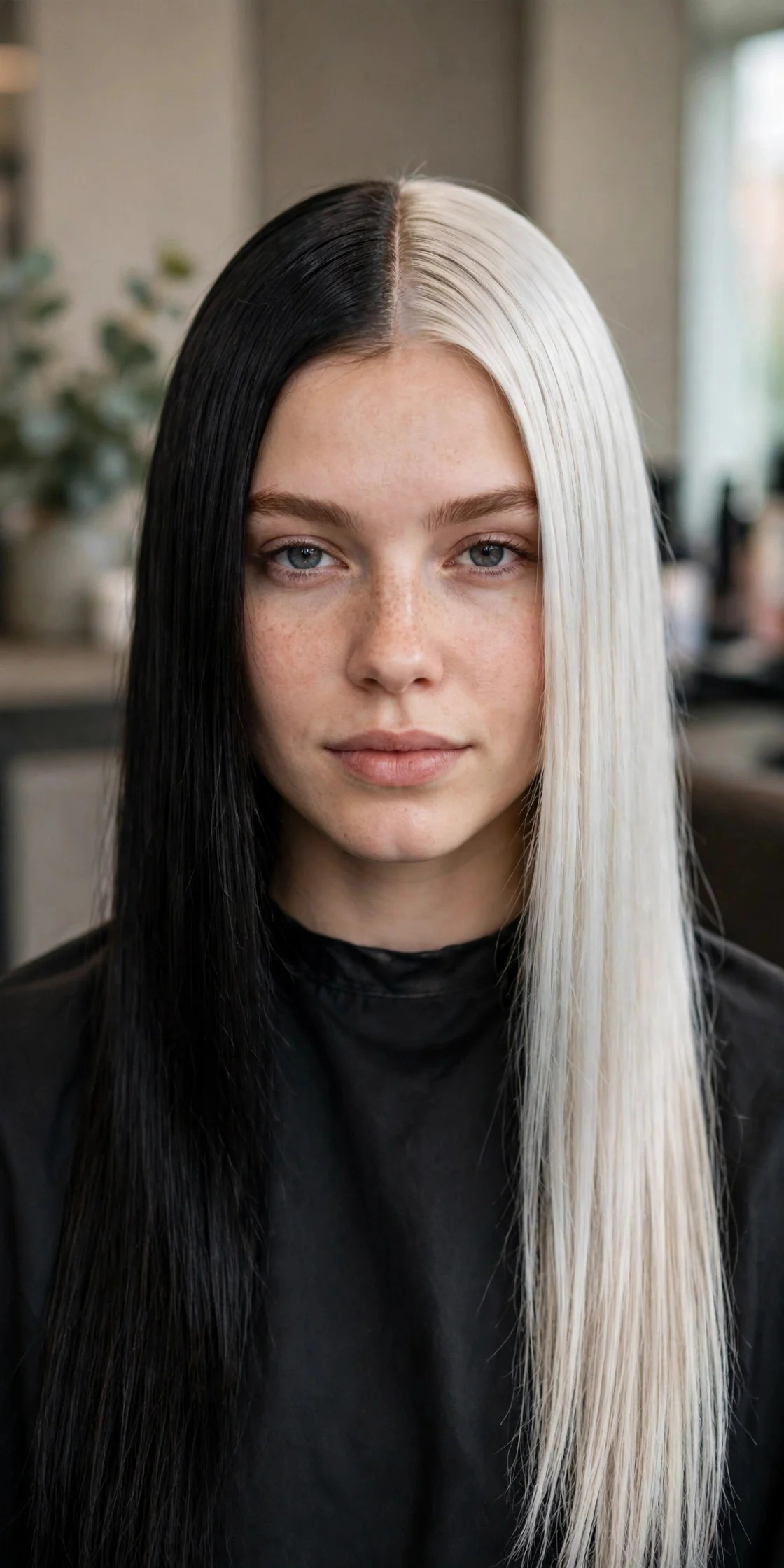
One half deepest black, one half icy platinum, divided cleanly down the middle part. Ask for level 1 black on one side and full pre-lightening to level 10 on the other, finished with an ash toner. Straight or slightly wavy hair suits it best, since curls blur the hard line, and cool undertones pair naturally with the platinum half. Touch-ups land every four to five weeks on the blonde side, where regrowth shows sharply. The honest drawback: the blonde half needs heavy lightening, which risks the health of fine or previously colored hair.
2Espresso with Copper Face Frame
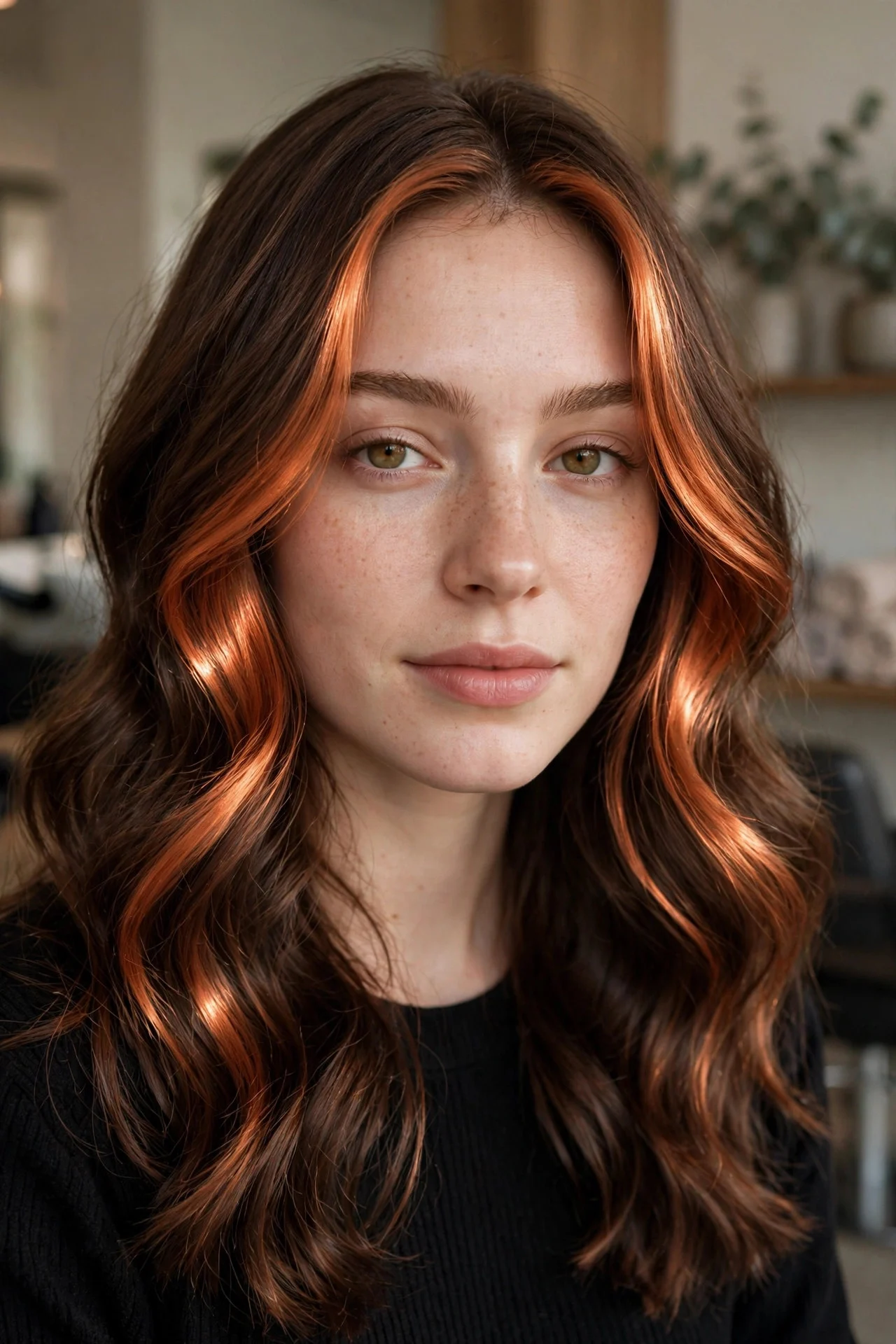
Deep espresso through the back, copper glowing around the face. Ask for money-piece sections painted a level 7 copper and blended two inches into the base. It brightens the skin without touching the rest of the head, and the center brightness flatters round and square face shapes. Warm and neutral skin tones glow with it. Maintenance runs six to eight weeks, with the copper fading toward golden brown in between. The drawback: copper fades faster than nearly any other shade, so use a color-safe sulfate-free formula.
3Platinum Peekaboo Underlayer
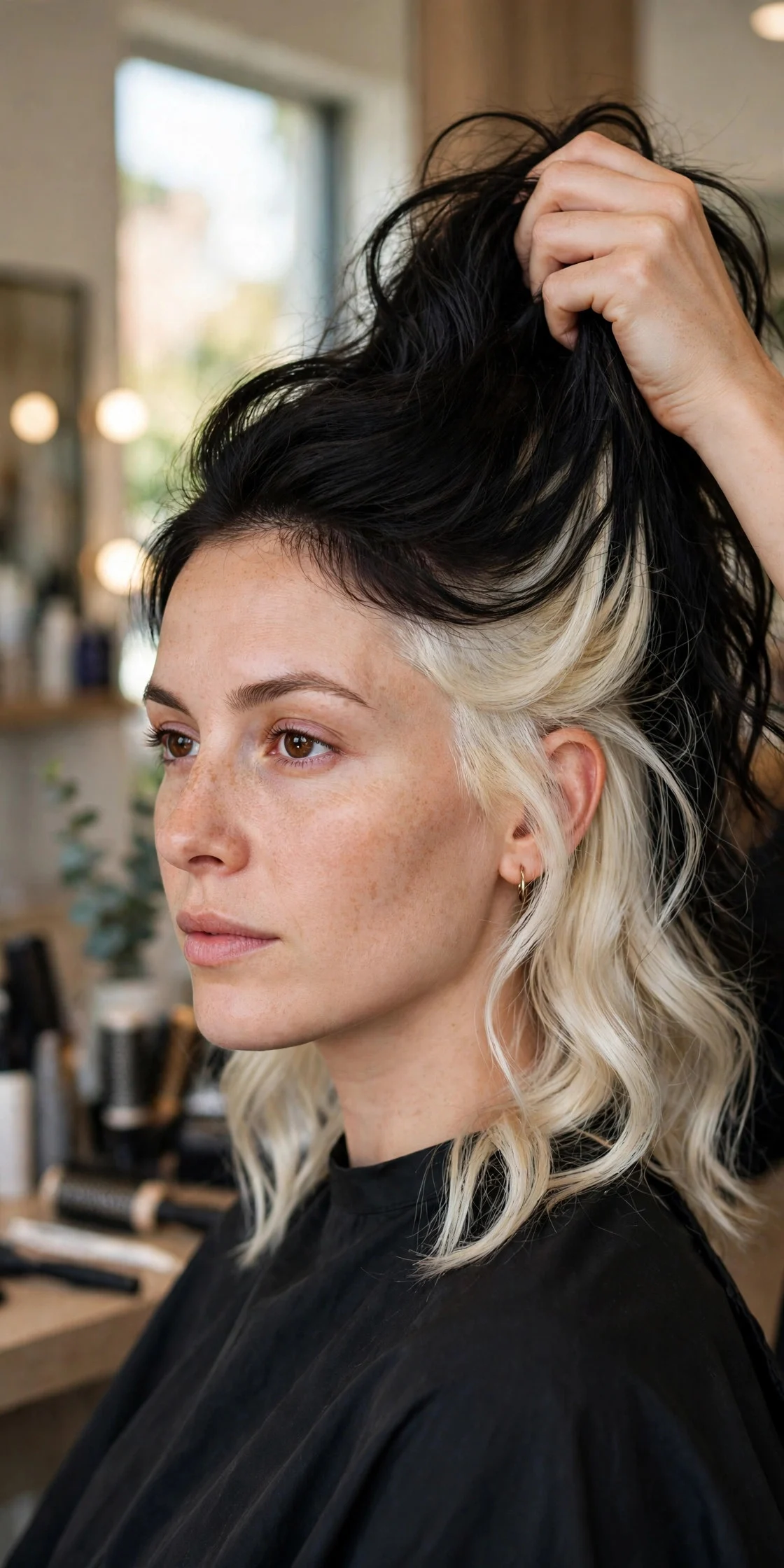
Dark on top, shocking underneath. The stylist paints the entire underlayer (everything below a horizontal section at the temples) to a level 10 platinum and tones it, while the top layer keeps your natural dark brown or black. Hair falls normal and quiet, then reveals the surprise when you lift it or tie it up. Medium to thick hair suits this best, since fine hair may not fully hide the underlayer. Touch-ups every six weeks keep the root line sharp. The drawback: dark hair often needs two bleaching sessions before the underlayer is truly platinum, meaning two salon bills before the color is final.
4Burgundy Roots into Cherry Ends
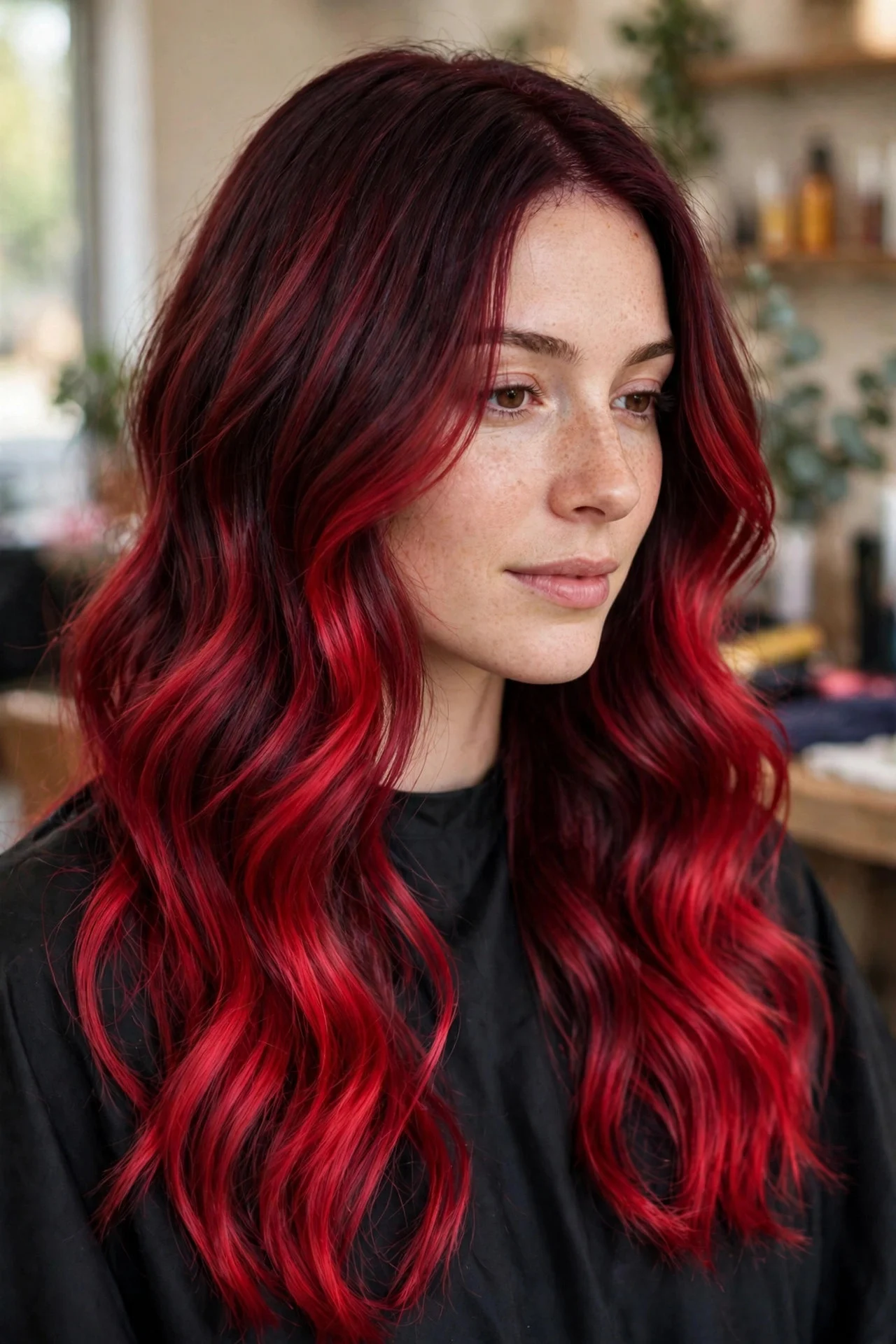
Deep burgundy at the roots melting into bright cherry through the ends. Ask for a level 3-4 violet-red base with level 6-7 cherry red pulled through the mid-lengths and ends in a soft melt, no hard line. This flatters medium to deep skin tones and makes green and hazel eyes stand out. The two reds catch light differently, which adds visual volume to fine hair. Plan a refresh every six weeks; reds bleed and fade faster than any natural shade family. The drawback nobody posts about: red transfers. White pillowcases and rain-damp hair suffer unless you rinse cold.
5Blue-Black with Silver Tips
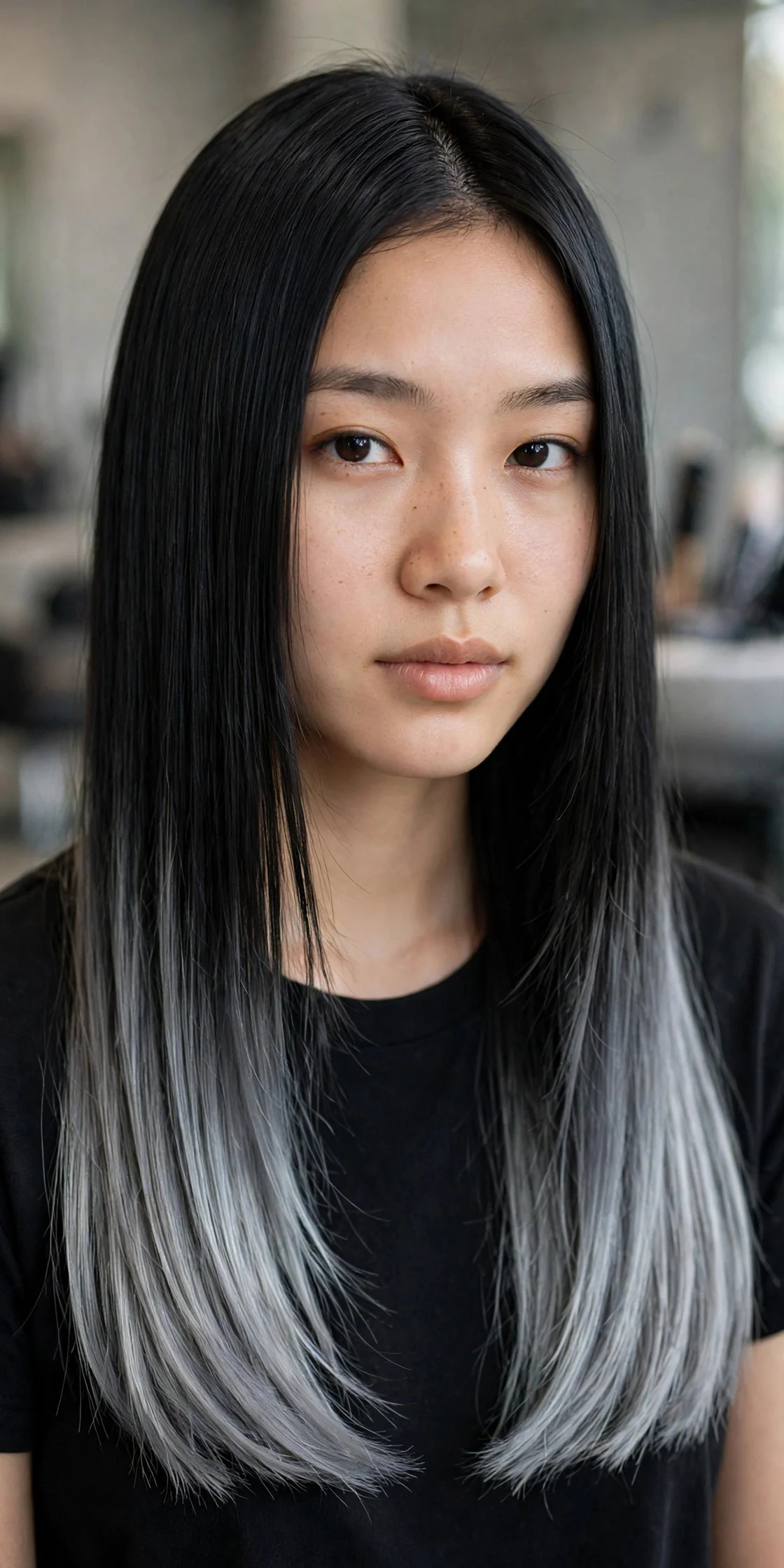
Jet black through the top, silver dipped through the last three to four inches. Ask for balayage or foilay lightening on just the bottom third, then a steel-silver toner. Roots stay untouched, so grow-out is seamless. Sleek, straight hair shows this off best, since the contrast line reads crisp on smooth lengths. Cool and neutral undertones wear it well. Maintenance is easy: re-tone the silver every six to eight weeks. The honest drawback is the lift. Dark hair must reach pale yellow before silver toner takes, which is one long appointment or two moderate ones, and over-processed ends can turn brittle.
6The Skunk Stripe
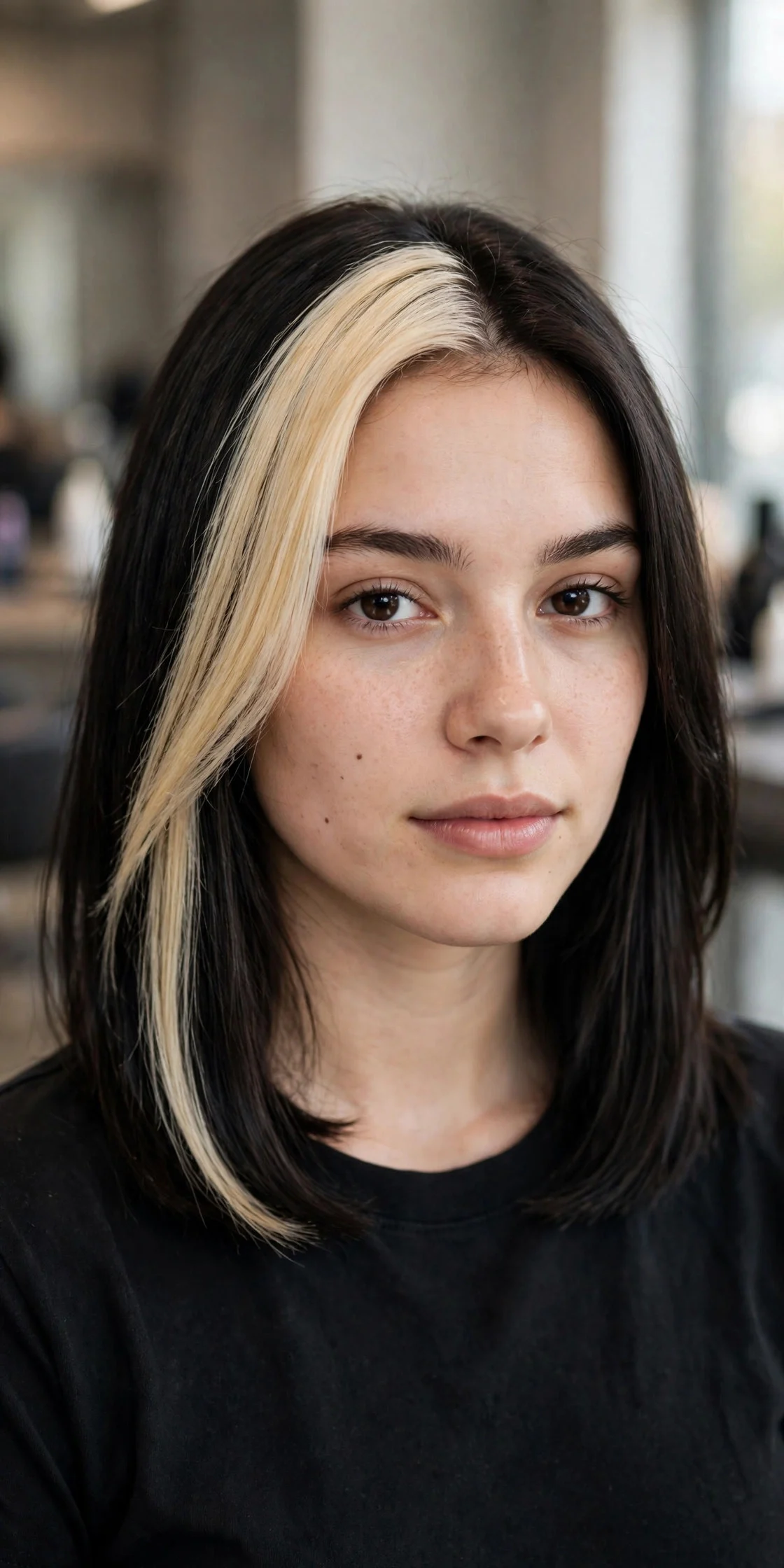
One wide blonde stripe against dark hair, usually placed off-center at the front. Ask for a chunky face-frame section, about an inch wide, lifted to level 10 and toned to your vibe: ash for cool, butter for warm. It works on all textures and every face shape, acting like built-in highlighter placement. Maintenance is light: a quick glaze re-tones it, and regrowth looks intentional for weeks. The drawback: precision matters. A stripe placed even slightly wrong reads accidental instead of editorial, so this needs a stylist with real color-blocking experience. Ask to see their panel work first.
7Half Pink, Half Black
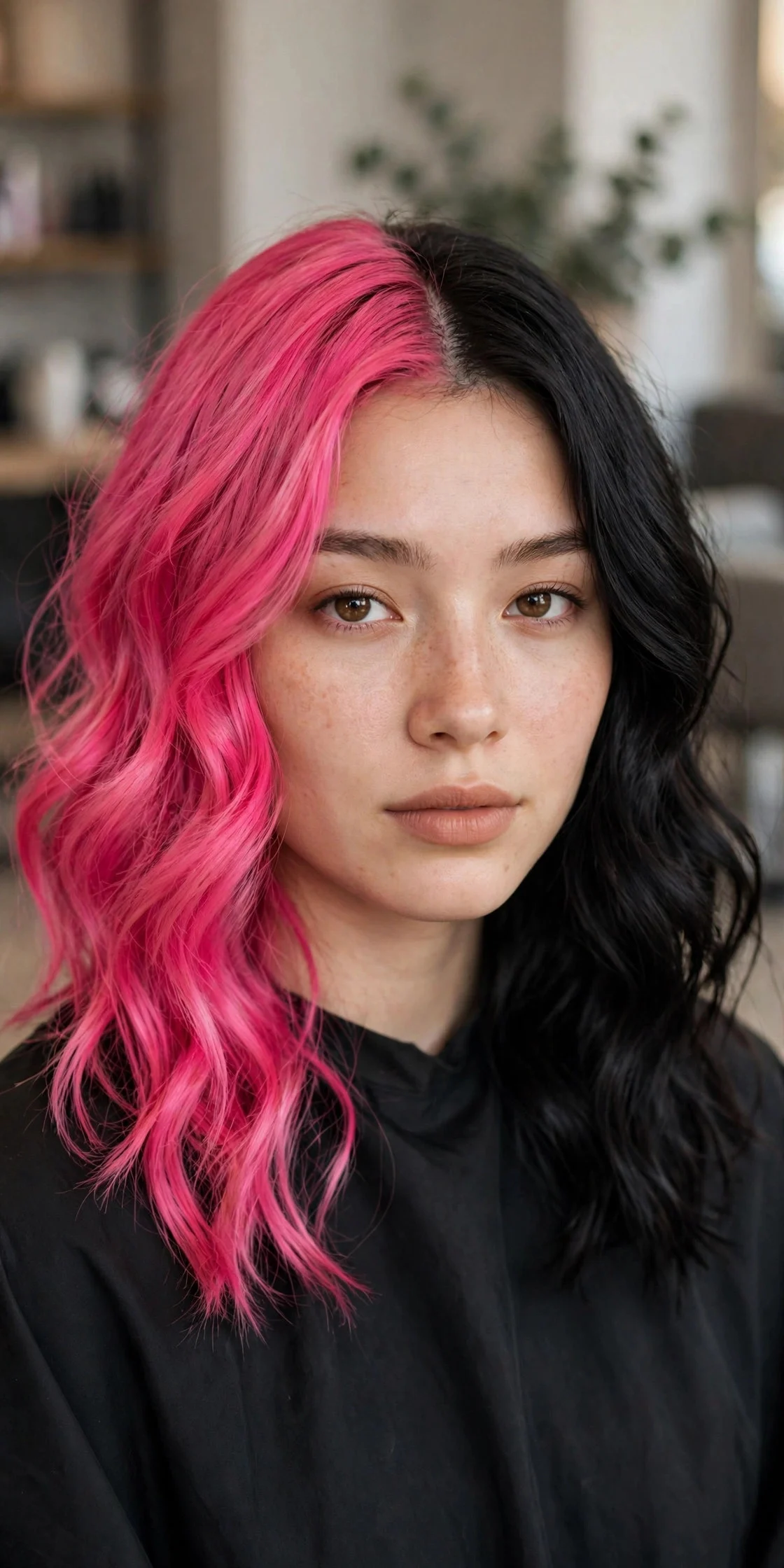
Split-dye goes playful: vivid pink on one side, black on the other. This is the high-contrast look performing best on social feeds right now, and Pinterest search data backs the appetite for exactly this kind of statement color. Ask for hot pink (a magenta-fuchsia direct dye blend works best) on one half with full pre-lightening, and level 1 black on the other. Straight and wavy textures suit it; curls diffuse the hard line. Re-dye the pink every four weeks, since fashion colors fade fast. The honest drawback: pink stains. It bleeds onto the black half during washes, so wash the halves separately in cold water.
8Caramel Balayage over Espresso
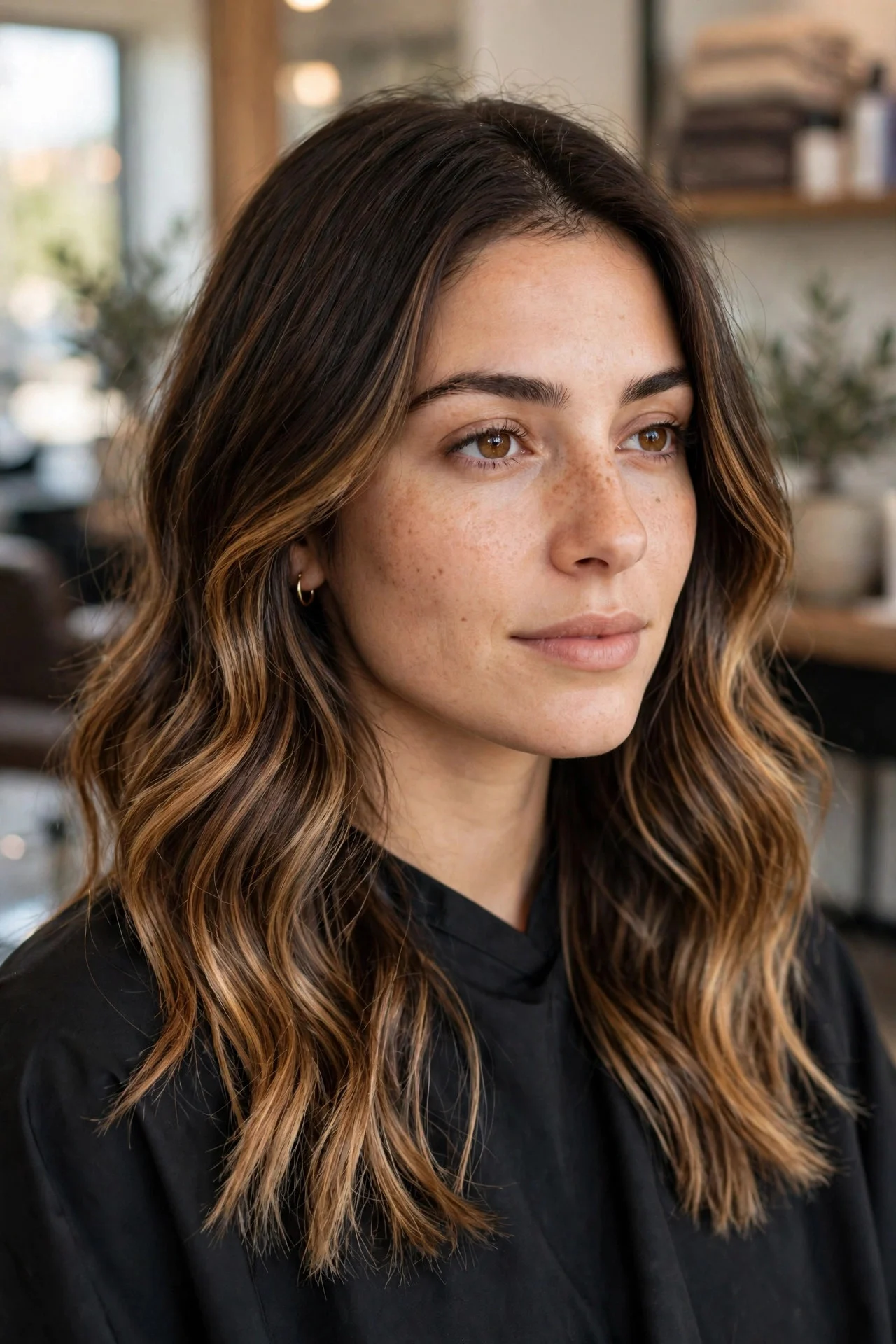
Two tones, zero drama: espresso base with caramel painted through the mid-lengths in hand-painted balayage. Ask for caramel pieces (level 7-8 warm brown) concentrated around the face and ends, softly diffused so no line shows anywhere. This is the safest two-tone on the list: it suits every skin tone, every texture, and every workplace, and the light pieces reflecting against the dark base add perceived volume. Grow-out is the gentlest here, with touch-ups every ten to twelve weeks. The honest drawback is subtlety. In dim light the two shades can read as one tone, and it registers as regular balayage rather than a statement.
9Color-Blocked Copper Bangs
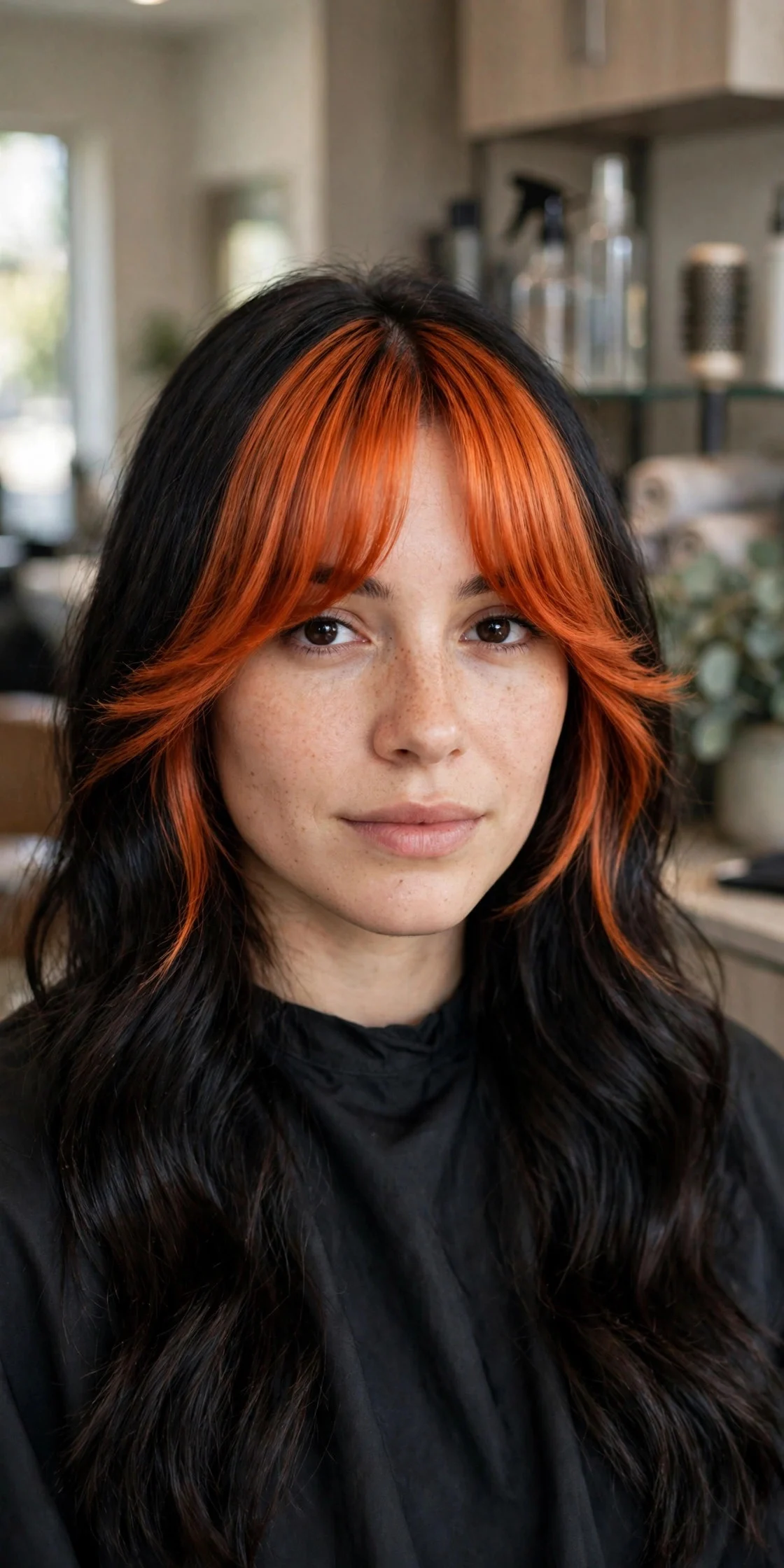
Keep the length your natural shade and dye only the fringe vivid copper. Ask the stylist to isolate the bangs or curtain bangs and color them level 7-8 copper with a gloss finish, leaving every other strand untouched. This is commitment-lite two-tone: one hour, a fraction of a full color service, and it grows out without a harsh line if you stop. Warm and neutral undertones glow, and it visually shortens a long forehead, flattering oval and heart face shapes. Monthly root touch-ups cover a small area, so they are cheap and quick. The drawback: bangs get oily fast, and oil strips copper quickly. Wash the fringe more often and keep dry shampoo handy.
10Teal Underlayer on Jet Black
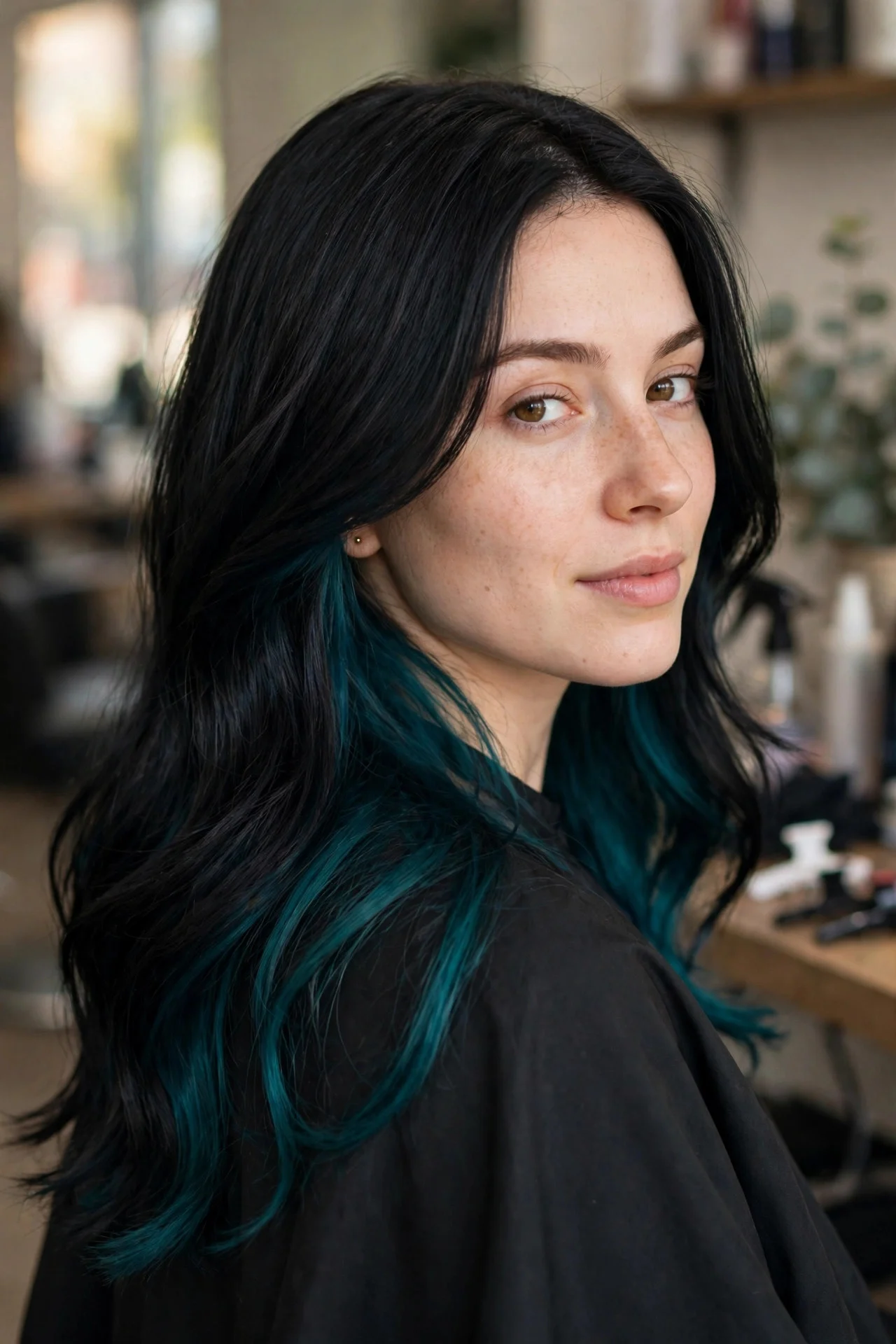
Peekaboo with attitude: jet black on top, deep teal hidden underneath. Ask for the underlayer lifted to level 8-9 (teal needs a clean base), then a blue-green direct dye. Dark hair with cool undertones carries it best; it is dramatic against deep skin tones and gives green eyes a serious boost. In a low bun it reads nearly black, but loose hair flashes teal with movement. Refresh every five to six weeks to keep the teal saturated. The honest drawback: teal is one of the fastest-fading fashion shades. It drifts toward gray-green unless you refresh with a color-depositing conditioner between salon visits.
11Golden Blonde Face Frame on Deep Brown
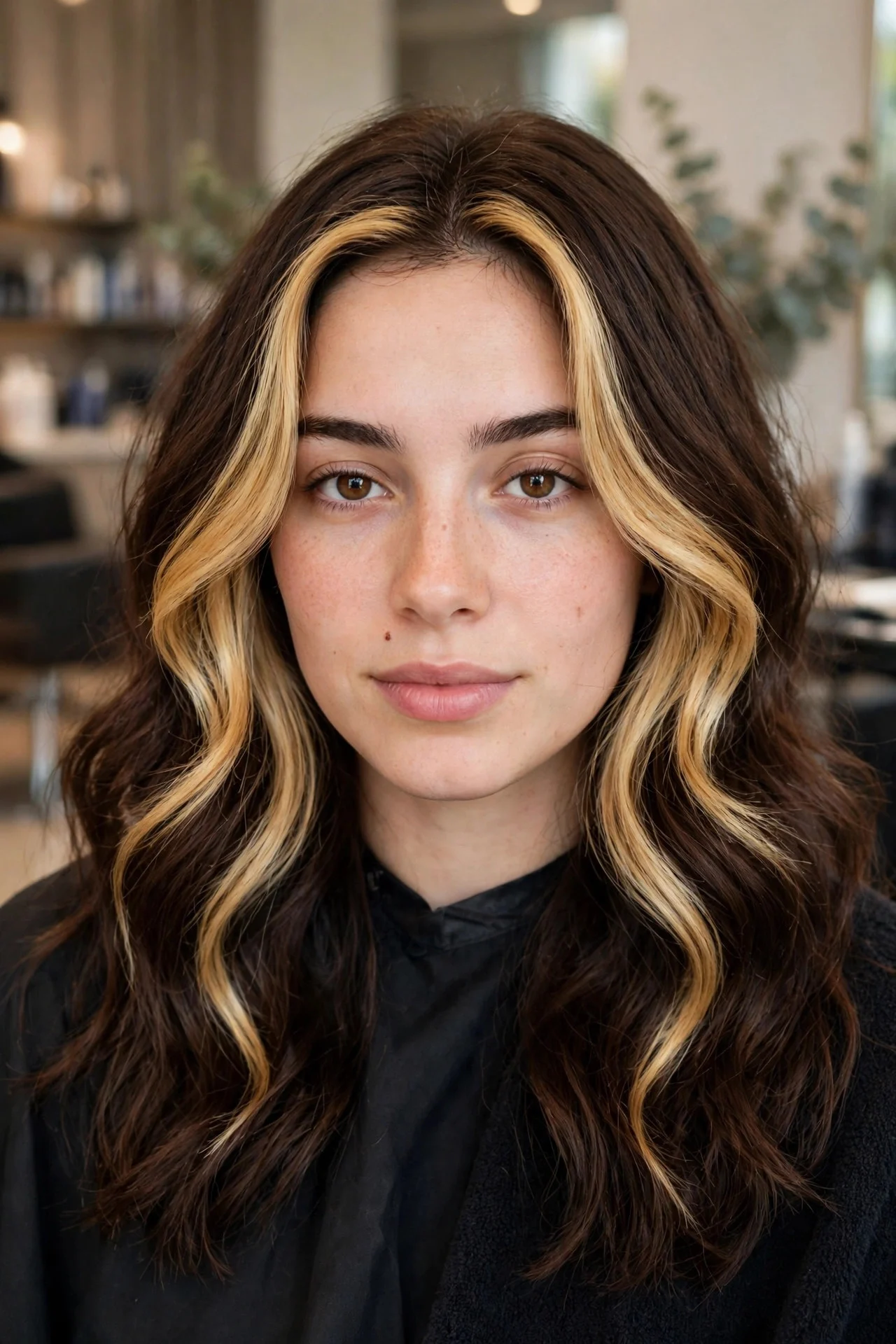
A chunky blonde frame around the face over a deep chocolate base. Ask for wide, blended face-frame foils in golden blonde (level 8-9, warm gold rather than ash), kept tight to the hairline so it reads as a deliberate panel. Warm and neutral skin tones shine here; it lifts the complexion like a permanent ring light. Straight to wavy hair suits it best, since the panel needs to sit visibly along the face. Touch-ups every eight to ten weeks, and regrowth blends gracefully. The drawback is tone drift: golden blonde frames can pull brassy, especially on previously colored dark hair, so a blue or violet toner at home is part of the deal.
12Plum-to-Pink Dip Dye Ends
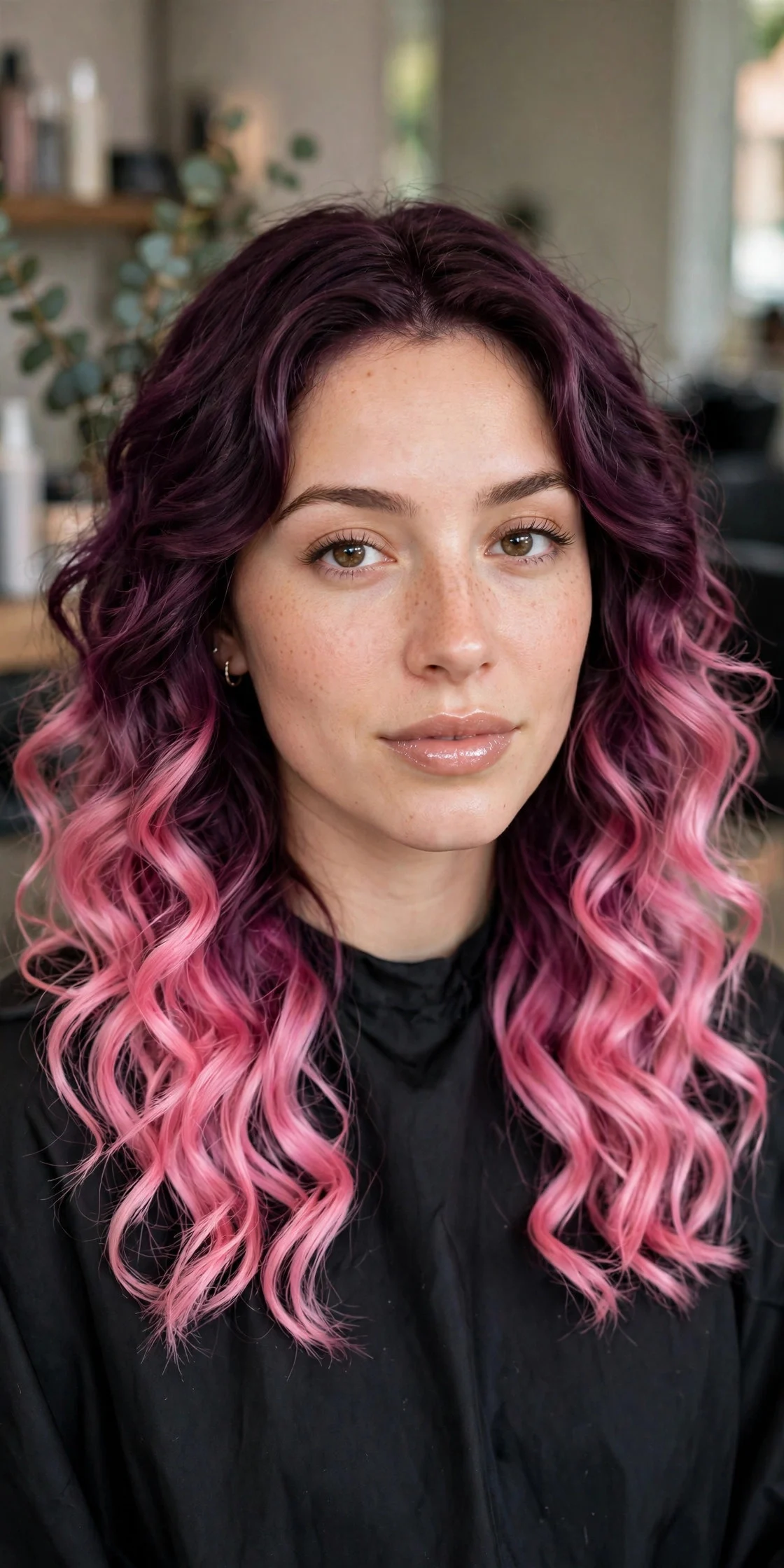
Deep plum through the top, bubblegum pink on the ends. Ask for a level 4-5 violet base with the bottom three inches lifted and dyed soft pink, blended gently between the two so it reads wearable rather than cartoonish. Cool and neutral undertones suit it, and the pink ends add a playful finish to braids, curls, and buns. Medium to long hair works best; short cuts lack the length for the gradient to read. Maintenance is simple: re-dye the pink ends every six weeks while the plum base goes eight to ten. The drawback: constant color-bleed management. Wash cold and use color-safe products.
How to Maintain Two-Tone Color
Two-tone asks more than a single shade, but the routine turns simple once it is habit. Wash in the coldest water you can tolerate and wash less often; every wash is a small fade. A sulfate-free, color-safe shampoo is non-negotiable, and a color-depositing conditioner between appointments stretches fashion shades by weeks.
Chlorine strips fashion color in a single swim, so wet hair with clean water and apply a leave-in first. Use a heat protectant every time you style hot and keep the flat iron around 350-370F. Book a gloss or toner refresh halfway between color appointments so both shades keep looking intentional.
FAQs
Can I do two-tone hair color on dark hair without bleaching?
Some pairings yes, most no. Espresso with caramel balayage needs no bleach, and black with burgundy works with high-lift color alone. But platinum, silver, pastels, and vivid fashion shades all need pre-lightening, sometimes twice. Ask for a strand test before booking.
How much does two-tone hair color cost at a salon?
Expect more than a single-process color. Face-frame panels or an underlayer usually run 1.5 to 2 times a basic service; split-dye with lightening can run 2 to 3 times, since it is two colors plus bleach. Get a quote broken down by lightening, color, toner, and treatment.
Which two-tone hair color is easiest to maintain?
Peekaboo underlayers and caramel-on-espresso balayage are the lowest maintenance, since both keep the second color away from your most visible roots. Split-dye and vivid fashion colors need touch-ups every four to six weeks. For low upkeep, pick a look where the bright tone starts off the root or sits beneath the top layer.
Does two-tone hair color work on short hair?
Yes, and some placements work better short. Color-blocked bangs, face frames, and skunk stripes all read beautifully on bobs and pixies. Peekaboo underlayers are trickier on very short cuts without enough top layer to hide the reveal. Show your stylist your cut first.
How do I grow out two-tone hair color gracefully?
Vivid fashion shades fade on their own, so simply stop refreshing the bright half and let it soften. For blonde split-dye or stripes, switch to a darker toner as roots grow, or ask for a root shadow to blur the line. The one move to avoid: boxing everything one flat color at home, which usually creates banding a stylist must correct later.
Keep exploring: these dark pink peekaboo hair ideas show hidden color on real lengths, the pink hair stripe ideas roundup covers bolder chunky blocking, and the expensive brunette hair ideas post proves a two-shade brunette works without fashion dye.