I’ll admit I’m one of those people who has a hair inspiration board that’s probably a bit out of control at this point — hundreds of saved pins, half of them contradicting each other, all saved during late-night scrolling sessions when I told myself I was “just looking.” What I noticed going back through my own board recently, plus digging through what was actually trending and getting saved and repinned across Pinterest that year, is that a handful of styles clearly rose above the noise. Not just pretty photos that got a few likes, but styles people were actually searching for, saving, and — based on conversations with my stylist — actually asking for in the chair.
I ended up trying three of these myself, had my niece try a fourth, and watched a friend commit fully to one that I was initially skeptical about. Here’s a rundown of what actually stood out, why each one caught on the way it did, and which ones are realistically worth trying versus which ones look better pinned than lived-in.
Curtain Bangs Were Still Everywhere, and For Good Reason
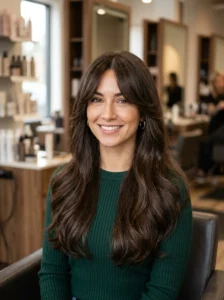
I thought curtain bangs might be past their peak by this point, but they remained one of the most consistently pinned and searched styles. The appeal makes sense once you actually understand why — they’re genuinely one of the more universally flattering fringe styles, parting naturally around the face rather than sitting as one solid block across the forehead, which makes them far more forgiving as they grow out compared to a blunt, full fringe.
I finally got mine cut after years of saving photos and not committing, and the biggest thing I underestimated was how little daily styling they actually need. A quick pass with a round brush and a blow-dryer, or even just finger-styling on lazy days, gets them to fall into place without much effort.
Money Piece Highlights Kept Their Grip on the Trend Cycle
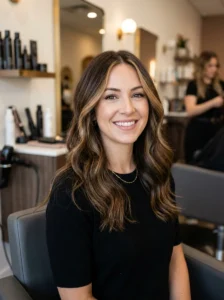
The “money piece” — a bold, face-framing highlight typically placed at the front sections of hair — remained a heavily pinned and searched color technique. What makes it appealing, and part of why it’s stuck around rather than fading like a lot of color trends do, is that it’s a relatively low-commitment way to brighten the face without a full head of color, and it grows out fairly gracefully since it’s usually concentrated at the front rather than throughout.
A friend of mine finally committed to hers after months of hesitation, and the difference in how much it brightened her whole face, especially in photos, was more noticeable than either of us expected from what seemed like a fairly small, contained color change.
The Wolf Cut Held On as a Favorite for Textured, Layered Hair
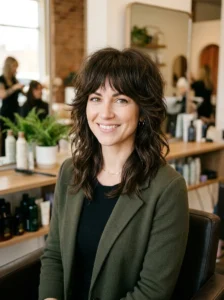
Part shag, part mullet, the wolf cut continued showing up across a huge range of hair types and lengths on Pinterest boards. It’s essentially built on the same heavy layering philosophy as a shag, but with more volume concentrated at the crown and a slightly edgier, choppier finish throughout.
I didn’t personally go for this one, mostly because I already have a similar heavily layered cut, but I watched a coworker get hers cut and the amount of natural texture and movement it created on her straight hair was honestly the most transformative “same length, totally different look” haircut change I’ve seen someone get.
Slicked-Back Buns and Ponytails for a Polished, Minimal Look
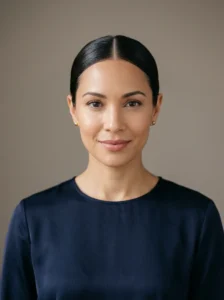
In contrast to all the tousled, textured trends, sleek, slicked-back buns and high ponytails had a strong presence too — proof that the “polished and controlled” aesthetic never fully goes away, it just cycles alongside the messier trends.
What made this version specifically pin-worthy, rather than just a basic slicked bun, was the styling detail of leaving the hairline glass-smooth with a strong-hold gel while keeping the rest of the length either straight or slightly wavy. I tried this for a work event and was surprised by how much more elevated it looked than my usual quick, low-effort bun, mostly because of the extra five minutes spent smoothing the hairline properly with a toothbrush and gel, a trick I picked up from watching a tutorial rather than figuring out myself.
Butterfly Layers Brought Volume Without Losing Length
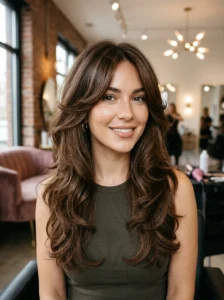
This cut got an enormous amount of attention — heavy, face-framing layers concentrated around the crown and sides, cut to create a butterfly-like shape when the hair is laid flat, while still keeping the overall length relatively long. It’s essentially a way to get the volume and movement of heavy layering without the significant length loss that cuts like the wolf cut or a shorter shag involve.
My niece got this cut after seeing it repeatedly on her own feed, and it’s a genuinely good option for anyone wanting more texture and shape without walking out of the salon with drastically shorter hair than they went in with.
Copper and Cinnamon Tones Took Over From Cooler Reds

Color trends shifted noticeably toward warmer, richer reds — copper, cinnamon, and auburn tones specifically — moving away from the cooler, more muted reds that had been popular previously. These warmer tones tend to be more universally flattering across different skin undertones than colder reds, which likely contributed to how widely they were pinned and searched.
I haven’t tried a full color change myself, but I did add some warm copper gloss to my natural brown, which added a subtle shift in warmth without a dramatic, high-maintenance color commitment.
Micro Bangs Had a Moment, But Weren’t for Everyone
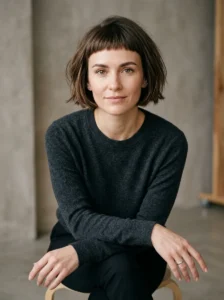
Very short, blunt bangs sitting well above the eyebrows showed up frequently in inspiration boards, though based on conversations with my stylist, they were more often pinned and admired than actually requested and committed to in the chair. It’s a genuinely bold look that requires a fairly specific comfort level with dramatic change, plus a face shape and forehead size that suits such a short, blunt line.
If you’re considering this one, I’d genuinely recommend a consultation first rather than committing outright, since it’s one of the harder styles to grow out gracefully if it doesn’t end up suiting you the way it looked in your saved photo.
Braided Half-Up Styles for Everyday Wear
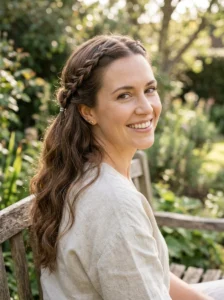
Less dramatic than a full braided updo, half-up styles incorporating a simple braid — whether a single braid pulling back the top section or two smaller braids meeting at the back — were pinned heavily as an everyday, low-effort option that still felt more finished than a plain half-up ponytail.
This became one of my actual go-to styles during that period, mostly because it takes under five minutes, works on both clean and second-day hair, and photographs well without requiring any actual “styling” beyond the braid itself.
Textured Lobs Remained the Reliable Middle Ground

Alongside all the more dramatic layering trends, the textured lob — a long bob typically hitting somewhere between the chin and shoulders, cut with soft layers and a slightly undone finish rather than a blunt, sharp line — continued showing up as one of the steadiest, most consistently pinned cuts. It’s not flashy in the way a wolf cut or micro bangs are, but that’s really the point. It suits an enormous range of face shapes and hair types, doesn’t require the same level of ongoing maintenance as heavier layering or bold color, and works equally well pin-straight or loosely waved.
I think this is part of why it never really disappears from these kinds of roundups the way more dramatic trends do — it’s the haircut equivalent of a reliable, well-fitting basic in a wardrobe. A coworker who was hesitant about committing to anything more dramatic ended up going with a textured lob as a middle ground, and came away with a cut that felt like a genuine refresh without any of the growing-out anxiety that comes with something like micro bangs or a full wolf cut.
Why Some Trends Translate From Pinterest to Real Life (And Some Don’t)
Something I’ve noticed, both from my own attempts and from talking to my stylist about what people actually request versus just save, is that the trends with real staying power tend to share a few traits: they work across multiple hair types, they don’t require dramatic, hard-to-reverse commitment, and they photograph well without needing perfect lighting or a professional stylist behind the camera.
Trends like curtain bangs and butterfly layers checked all three boxes, which is likely part of why they held on so consistently rather than fading after a few months. Trends like micro bangs, while visually striking in photos, ask for more commitment and suit a narrower range of face shapes, which is probably why they generated more pins than actual salon appointments.
How to Actually Turn a Pinterest Board Into a Real Haircut
I learned this from experience, mostly through my own mistakes early on. A few things genuinely helped bridge the gap between “saved on a board” and “actually happy with the result in the chair”:
Save multiple angles of the same style, not just one flattering front-facing photo. Layered and textured cuts especially depend a lot on how they’re cut at the back and crown, which a single photo often doesn’t show clearly.
Be honest with your stylist about your actual hair texture, not just the texture shown in the inspiration photo. A style that looks a certain way on naturally straight, fine hair will behave differently on thick, curly, or coarse hair, and a good stylist can adjust the technique accordingly if you’re upfront about it.
Ask about maintenance before committing, especially for color changes or heavily layered cuts. Some of the most-pinned trends, like heavy layering or bold color changes, require more frequent salon visits to keep looking as intentional as the photo that inspired them.
Consider a smaller version first if you’re unsure. Curtain bangs can be started with a soft, longer version before committing to something shorter. Money piece highlights can be done more subtly before going bold. Easing into a trend rather than committing to the most dramatic version reduces the risk of regretting a bigger change.
Frequently Asked Questions
How do I know if a Pinterest hairstyle will actually work on my hair type? The safest approach is bringing the photo to a consultation and being upfront about your natural texture, since a stylist can usually tell you honestly whether the style will translate well or needs adjustment for your specific hair.
Are Pinterest hair trends usually accurate to what’s actually popular? Generally yes for broad trends, though there’s often a gap between what gets pinned for aspiration and what people actually commit to getting done, particularly for more dramatic changes like micro bangs or bold color shifts.
What’s the lowest-commitment trend to try if I’m hesitant about big changes? Curtain bangs, a braided half-up style, or a subtle money piece highlight are all reasonable entry points, since none of them require cutting off significant length or committing to full-head color changes.
How often do Pinterest hair trends change? Some trends, like curtain bangs and heavy layering, have genuine staying power across multiple years, while others are more seasonal or tied to a specific viral moment and fade within a few months.
Should I bring a printed photo or just show my stylist on my phone? Either works, but having several saved photos from different angles, on your phone or otherwise, gives your stylist a much clearer picture than a single image, especially for cuts where the back and crown shaping matters as much as the front.
Final Thoughts
Looking back through everything that dominated inspiration boards that year, the throughline is pretty clear: people gravitated toward styles that offered a real visual change without demanding an equally dramatic commitment. Whether it’s a subtle color shift, a low-effort braid, or layering that adds movement without losing length, the most successful trends found that balance. If you’ve got your own overflowing inspiration board, it’s worth going back through it with that lens — the pins you keep returning to are usually the ones actually worth bringing into the salon.